
资产荒

Search documents
日度策略参考-20260112
Guo Mao Qi Huo· 2026-01-12 06:48
Report Industry Investment Ratings - Bullish: Gold, Palladium, Platinum, Polycrystalline Silicon, Lithium Carbonate, Rebar, Hot Rolled Coil, Coke, BR Rubber, PTA, LPG [1] - Bearish: Industrial Silicon, Palm Oil, Rapeseed Oil, Crude Oil, Fuel Oil, Asphalt, PVC [1] - Neutral: Nickel, Stainless Steel, Tin, Iron Ore, Black Metals, Glass, Soda Ash, Coking Coal, Soybean Oil, Pulp, Logs, Live Pigs, Ethylene Glycol, Asian Styrene, Propylene, Butadiene [1] Core Viewpoints - The stock index is expected to maintain an upward trend in the short - term, driven by sufficient market funds and positive macro - fundamentals [1]. - The bond futures are favored by the asset shortage and weak economy, but the central bank has recently warned of interest - rate risks [1]. - Different commodities have different price trends based on their own supply - demand situations, policy factors, and macro - economic conditions [1]. Summary by Categories Stock Index - The stock index broke through strongly with heavy volume last week, opening up a new upward space. With positive macro - fundamental data, it is expected to maintain an upward pattern in the short - term [1]. Bond Futures - Asset shortage and weak economy are beneficial to bond futures, but the central bank has recently warned of interest - rate risks, and attention should be paid to the Bank of Japan's interest - rate decision [1]. Non - ferrous Metals - Copper prices are expected to stabilize and rebound despite a recent high - level decline [1]. - Aluminum prices are expected to be strong due to supply - side restrictions [1]. - Alumina prices are expected to fluctuate as they are near the cost line despite weak industrial fundamentals [1]. - Zinc prices have risen recently due to good macro - sentiment, but caution is needed regarding the upside space [1]. - Nickel prices are expected to fluctuate at a high level with increased risk, and attention should be paid to Indonesian policies, macro - sentiment, and futures positions [1]. - Stainless steel futures are expected to fluctuate at a high level, and short - term operations are recommended [1]. - Tin prices are affected by market sentiment, and caution is needed for capital withdrawal [1]. Precious Metals and New Energy - Precious metals are expected to be strong in the short - term but with significant fluctuations [1]. - The short - term pattern of weak platinum and strong palladium may continue, and platinum can be bought at low prices or a [long platinum, short palladium] arbitrage strategy can be considered in the long - term [1]. - Industrial silicon is bearish due to production changes and reduced production schedules in related industries [1]. - Polycrystalline silicon has factors such as a traditional peak season for new energy vehicles,旺盛 demand for energy storage, and increased supply resumption [1]. - Lithium carbonate prices are expected to rise rapidly in the short - term [1]. Black Metals - Rebar and hot - rolled coil: Short - term sentiment and funds play a greater role than industrial contradictions, and long positions with stop - losses can be considered [1]. - Iron ore has obvious upward pressure, and chasing long positions is not recommended [1]. - Black metals are in a situation of weak reality and strong expectations, with potential supply disturbances [1]. - Glass prices are supported in the short - term but face over - supply pressure in the medium - term [1]. - Soda ash prices follow glass and are more loosely supplied in the medium - term, facing pressure [1]. - Coking coal may have room to rise if the "capacity reduction" expectation continues, but the actual increase is hard to judge [1]. - Coke has a similar logic to coking coal [1]. Oils - Palm oil is expected to be bearish in December according to MPOB data but may reverse later, and short - term rebounds due to macro - sentiment should be watched [1]. - Soybean oil has a strong fundamental and is recommended for long - allocation in oils [1]. - Rapeseed oil may have a trading logic change, and there is still room for price decline [1]. Agricultural Products - Cotton is in a situation of having support but no driving force, and future policies and market conditions should be watched [1]. - Sugar has a global surplus and increased domestic supply, and attention should be paid to capital changes [1]. - Corn sales progress has slowed but is still fast year - on - year, and the spot price is firm in the short - term [1]. - Bean粕 is expected to fluctuate, and attention should be paid to the USDA report [1]. - Pulp prices are affected by macro - commodity fluctuations, and cautious observation is recommended [1]. - Log prices are expected to fluctuate in a certain range [1]. - Live pigs' supply capacity still needs further release [1]. Energy and Chemicals - Crude oil has a risk of rising due to geopolitical factors, but there are also factors such as increased supply and weakening demand [1]. - Fuel oil is affected by factors similar to crude oil [1]. - Asphalt has factors such as high profit and potential supply changes [1]. - BR rubber has factors such as reduced upward momentum in the short - term and positive factors for future butadiene exports [1]. - PTA has a recent price increase not due to fundamental changes but has fundamental support in the future [1]. - Ethylene glycol rebounded due to supply - side news [1]. - Asian styrene is in a weak - balance state, and short - term upward momentum depends on overseas markets [1]. - Propylene has cost support and geopolitical risks [1]. - PVC is expected to face over - supply in 2026, and there is a possibility of capacity clearance [1]. - LPG has factors such as increased import costs, geopolitical risks, and changing inventory trends [1].
公募REITs月报:政策密集出台,公募REITs迎扩张-20260112
Orient Securities· 2026-01-12 04:41
Report Industry Investment Rating - No industry investment rating information is provided in the report. Core Viewpoints - A series of policies at the end of 2025 promote the scale expansion of public REITs in multiple aspects, with the market entering the "infrastructure + commercial real estate" dual - drive stage. Public REITs remain a high - quality alternative in the context of a long - term decline in the bond market interest rate center and the continuation of the asset shortage logic [6][10]. - In December 2025, the public REITs market continued its downward trend, with a wider decline than in November. The factors leading to the callback are complex, including the differentiation of underlying assets, the strong performance of equity assets, and the concentrated unlocking of strategic placement shares. However, the adjustment in the past six months is regarded as a reasonable valuation callback and a return of market rationality [6][11]. - The trading heat in December was weak, with both the average daily turnover rate and trading volume decreasing month - on - month. The trading volume of large - scale transactions decreased and the discount narrowed, which may be a bottoming signal [6][21]. Summary by Directory 1. Policy持续细化和推进 - At the end of 2025, multiple regulations in the REITs field were issued, including expanding the scope of underlying assets, making the asset yield more flexible, and encouraging investment from insurance, social security, and annuity funds. The policies also promote the opening of the Shanghai - Shenzhen - Hong Kong Stock Connect channel and the construction of REITs - related index funds and ETFs [6][9][10]. 2. Secondary Market Performance: Weak Trend in December - In December, the public REITs market continued to decline, with the CSI REITs (closing) index falling 3.91%. The performance of various assets was significantly differentiated, with the equity market strengthening. The factors for the decline of REITs include the poor performance of some underlying assets, the strong performance of equity assets, and the concentrated unlocking of strategic placement shares [11]. - The rental housing and energy infrastructure sectors had relatively leading increases in December, while other sectors declined. The decline of franchise - based REITs was significantly greater than that of property - based REITs [15][16]. 3. Trading Situation: Weak Trading Heat and Narrowing Discount in December - In December, the trading heat was weak, with the average daily trading volume of 470 million yuan, a 13.76% month - on - month decrease, and the average daily turnover rate of 0.41%, a 21.15% month - on - month decrease. New infrastructure, water infrastructure, and municipal infrastructure had relatively high trading activity, and property - based REITs had slightly higher trading heat than franchise - based REITs [21]. - The large - scale trading volume in December decreased, and the discount narrowed. The monthly trading volume was 1.294 billion yuan, a 39.98% month - on - month decline, and the weighted discount premium rate was - 0.62%, indicating a narrowing discount [21]. 4. REITs Valuation - For franchise - based REITs, P/FFO, cash distribution rate, and the REITs valuation yield provided by ChinaBond valuation are more appropriate valuation indicators. For property - based REITs, P/NAV, P/FFO, cash distribution rate, and the REITs valuation yield provided by ChinaBond valuation can all be used as valuation indicators [26]. - Among franchise - based REITs, transportation infrastructure and ecological and environmental protection facilities have relatively low valuations, while municipal infrastructure and water infrastructure have relatively high valuations. Among property - based REITs, affordable rental housing and industrial park infrastructure have relatively low P/NAV [26][27]. 5. Primary Market Situation - As of December 31, 2025, there were 78 listed public REITs products in China, with a total market value of 218.463 billion yuan. One new product was added compared to the end of November, and the total market value decreased by 1.422 billion yuan [30]. - Currently, there are 16 REITs funds waiting to be listed, 2 for expansion and fundraising applications, and 1 for a new acquisition project [31].
行业周报:消费REITs单周表现优异,发行市场保持活跃-20260111
KAIYUAN SECURITIES· 2026-01-11 15:21
Investment Rating - The industry maintains a "positive" investment rating [3][8][57] Core Insights - In the second week of 2026, the CSI REITs (closing) index was 793.05, down 3.22% year-on-year but up 1.86% month-on-month. The CSI REITs total return index was 1028.93, up 4.17% year-on-year and 1.89% month-on-month. The trading volume of the REITs market reached 835 million shares, a year-on-year decrease of 6.39%, while the transaction amount was 3.551 billion yuan, a year-on-year increase of 0.68% [3][5][20][27] - The report highlights that under the downward pressure of bond market interest rates, the "asset shortage" logic is expected to continue, making REITs, as high-dividend and low-risk assets, more attractive for allocation, especially with the expectation of increased market participation from social security and pension funds [3][5][20] Market Performance - The weekly performance of various REITs sectors showed fluctuations: affordable housing, environmental protection, highways, industrial parks, warehousing and logistics, energy, and consumer REITs had weekly changes of -0.24%, +0.85%, +1.23%, +3.14%, +3.79%, +1.59%, and +1.89% respectively. The monthly changes were -1.67%, -0.51%, -4.03%, +3.85%, +4.50%, -2.32%, and +0.85% respectively [3][37][54] - The report notes that 17 REITs funds are awaiting listing, indicating an active issuance market [6][57] Weekly Tracking - The REITs market's trading volume for the week was 835 million shares, down 6.39% year-on-year, with a transaction amount of 3.551 billion yuan, up 0.68% year-on-year. The turnover rate was 3.01%, down 2.43 percentage points year-on-year [27][30][32]
公募REITs迎来“开门红”!
中国基金报· 2026-01-11 04:50
Core Viewpoint - The public REITs market in China is expected to experience a "high-quality development opportunity" in 2026, driven by policy benefits and improved market ecology, balancing "stock activation" and "high-quality development" [2][4]. Group 1: Market Performance and Developments - The public REITs market started 2026 with a strong performance, with several products showing significant weekly gains, such as E Fund Huawai Market REIT leading with a 7.84% increase [4]. - Multiple public REITs products have made progress, including the acceptance of China Aviation Beijing Changbao Rental Housing REIT by the CSRC and updates on other REITs' statuses [4]. - By the end of 2025, the public REITs market had 79 products with a total issuance scale exceeding 210 billion yuan, making it the largest REITs market in Asia and the second largest globally [5]. Group 2: Investment Opportunities - The macroeconomic recovery and expectations of declining interest rates are expected to enhance the attractiveness of REITs as high-dividend assets for long-term funds like insurance and social security [5]. - The market is anticipated to show differentiation, with high-quality assets and strong operational capabilities receiving valuation premiums, while single assets facing operational pressures may experience volatility [5]. - New growth points are expected from categories like data centers, cultural tourism, and elderly care, with a normalization of the expansion mechanism allowing REITs to evolve from single projects to asset platforms [5]. Group 3: Investment Focus Areas - In 2026, three main investment lines are highlighted: 1. Anti-cyclical stable cash flow assets, such as consumer infrastructure and policy-based rental housing, which are less affected by economic cycles [8]. 2. High-prosperity policy-driven assets, like data centers benefiting from the digital economy, and logistics sectors expected to recover as demand increases [8]. 3. Strong expansion asset platforms, where commercial real estate pilot projects may achieve scale effects and enhanced dividends through asset injections [9]. - The REITs market is expected to balance "stock activation" and "high-quality development," with a focus on core consumer assets, new policy-supported assets, and potential assets with improved operational efficiency [9].

攻守自如:转债+利率债双轮驱动 债基或为震荡市优选
Jiang Nan Shi Bao· 2026-01-09 08:53
Group 1 - The domestic bond market in 2026 is experiencing a volatile pattern influenced by both policy expectations and changes in liquidity, with a slight upward shift in the yield center of current bonds [1] - Concerns about government bond supply are central to market dynamics, as the recent national fiscal work conference confirmed the continuation of a more proactive fiscal policy in 2026, raising worries about the pressure of long-term bond supply [1] - A structural differentiation trend in the bond market for 2026 seems to be established, with increased government bond issuance expected in the first quarter due to proactive fiscal policies, while demand is weakened by a lessening "asset shortage" logic and potential fund diversion to the stock market [1] Group 2 - Convertible bonds, which combine characteristics of both bonds and stocks, are identified as a key tool for balancing risk and return in the current market environment [1] - The Minsheng Jianyin Fund's fixed income department director highlighted that the current valuation of the convertible bond market remains high, and the fund maintains a significant position in convertible bonds based on three core reasons: optimism about the long-term trend of the equity market, supportive supply-demand structure for convertible bonds, and greater structural exploration potential compared to pure bonds [1] - The Minsheng Jianyin Xinxiang Bond A fund has effectively captured structural opportunities in the market, ranking first among similar products in both one-year and three-year performance metrics as of the end of Q4 2025 [2]
日度策略参考-20260109
Guo Mao Qi Huo· 2026-01-09 05:51
Report Industry Investment Rating No relevant content provided. Core View of the Report - The market sentiment cooled slightly yesterday, with the commodity market weakening significantly and the stock index showing a volatile trend. The trading volume also contracted. After a rapid rise, the stock index has entered a stage of shock consolidation. There are no obvious macro-level negatives at present, and the short-term outlook for the stock index remains bullish. The bond futures are favored by the asset shortage and weak economy, but the central bank has recently warned of interest rate risks. Attention should be paid to the Bank of Japan's interest rate decision. [1] - The prices of various commodities are affected by different factors, such as supply and demand, policy changes, and macro sentiment. The report provides trend judgments and trading suggestions for each commodity, including metals, energy, chemicals, and agricultural products. [1] Summary by Related Catalogs Macro Finance - Stock Index: After a rapid rise, the stock index has entered a stage of shock consolidation. There are no obvious macro-level negatives at present, and the short-term outlook for the stock index remains bullish. Attention should be paid to capital flows and market sentiment changes. [1] - Treasury Bonds: The bond futures are favored by the asset shortage and weak economy, but the central bank has recently warned of interest rate risks. Attention should be paid to the Bank of Japan's interest rate decision. [1] Non-Ferrous Metals - Copper: The copper price has fallen from its recent high, but there are still disruptions in the mining end. The downside space for the copper price is expected to be limited. [1] - Aluminum: There has been an accumulation of domestic electrolytic aluminum stocks recently, and the industrial driving force is limited. The macro anti-involution sentiment has ebbed, and the aluminum price has fallen from its high. [1] - Alumina: The supply side of alumina still has a large release space, and the industrial side exerts downward pressure on the price. However, the current price is basically near the cost line, and the price is expected to fluctuate. [1] - Zinc: The fundamentals of zinc have improved, and the cost center has shifted upward. The recent macro sentiment has been good, and the zinc price has risen. However, considering the still existing pressure on the fundamentals, caution is advised regarding the upside space. [1] - Nickel: The market's concerns about nickel supply have significantly cooled, and the LME nickel inventory has increased significantly recently. The nickel price has corrected from its high. Since Indonesia has not disclosed the specific amount and said that it is still in the process of accounting, there is still uncertainty about the implementation of the subsequent policy. The short-term volatility risk of the nickel price has increased. Attention should be paid to the implementation of Indonesia's policy, changes in macro sentiment, and changes in futures positions, and risk control should be done well. [1] Precious Metals and New Energy - Gold and Silver: The annual weight adjustment of the BCOM index has officially started, and the exchange has introduced multiple risk control measures for silver to suppress speculative enthusiasm. The prices of precious metals have fallen across the board, with a significant decline in silver. In the short term, gold and silver are expected to continue to be weak and volatile. In the medium and long term, attention can be paid to the opportunity to buy on dips after this round of risk release. [1] - Platinum and Palladium: Platinum and palladium have followed the weakening of precious metals. In the short term, they are expected to be in a wide-range volatile pattern. In the medium and long term, with the still existing supply-demand gap for platinum and the tendency of palladium to have a loose supply, platinum can still be bought on dips or a [long platinum, short palladium] arbitrage strategy can be adopted. [1] Industrial Products - Industrial Silicon: There is an increase in production in the northwest and a decrease in production in the southwest. The production schedules for polysilicon and organic silicon in December have decreased. [1] - Polysilicon: It is the traditional peak season for new energy vehicles. The demand for energy storage is strong. The supply side has increased production resumption. There is a short-term rapid increase. [1] - Rebar and Hot Rolled Coil: In the short term, sentiment and capital have a greater influence than industrial contradictions. One can try to follow long positions with a stop-loss; for futures-spot trading, participate in positive spread positions. [1] - Iron Ore: There is sector rotation, but the upside pressure on iron ore is obvious. It is not recommended to chase long positions at this level. [1] - Non-Ferrous Metals: There is a combination of weak reality and strong expectations. The current supply and demand situation remains weak, but in terms of expectations, energy consumption double control and anti-involution may have an impact on supply. [1] - Soda Ash: Soda ash follows the trend of glass. In the medium term, the supply and demand situation will be more relaxed, and the price will be under pressure. [1] - Coking Coal and Coke: If the "capacity reduction" expectation continues to ferment and there is pre-holiday restocking of spot goods, coking coal may still have room to rise. However, since the current market's "capacity reduction" expectation mainly comes from online rumors, it is difficult to judge the actual upside space. After a significant increase, the volatility will intensify, and caution should be exercised. The logic for coke is the same as that for coking coal. [1] Agricultural Products - Palm Oil: The MPOB December data is expected to be bearish for palm oil, but palm oil will reverse under the themes of seasonal production reduction, the B50 policy, and US biodiesel in the future. Short-term rebounds due to macro sentiment should be watched out for. [1] - Soybean Oil: The fundamentals of soybean oil are relatively strong. It is recommended to allocate more in the oil sector and consider a long Y, short P spread. Wait for the January USDA report. [1] - Rapeseed Oil: The trade relationship between China and Canada may improve, and Australian rapeseed will be imported smoothly. After the rapeseed trade flow is opened up, the trading logic of rapeseed oil will gradually shift from the domestic tight supply situation to the global rapeseed production increase expectation. There is still room for the price to fall. Short-term rebounds due to macro sentiment should be watched out for. [1] - Cotton: There is a strong expectation of a good harvest for domestic new crops, and the purchase price of seed cotton supports the cost of lint cotton. The downstream operating rate remains low, but the inventory of yarn mills is not high, and there is a rigid demand for restocking. Considering the growth of spinning capacity, the demand for cotton in the new crop market year is relatively resilient. Currently, the cotton market is in a situation of "having support but no driving force." Future attention should be paid to the tone of the No. 1 Central Document in the first quarter of next year regarding the direct subsidy price and cotton planting area, the intention of cotton planting area next year, the weather during the planting period, and the demand during the "Golden Three and Silver Four" peak season. [1] - Sugar: Currently, there is a global surplus of sugar, and the supply of domestic new crops has increased. The short-selling consensus is relatively strong. If the futures price continues to fall, there will be strong cost support below. However, there is a lack of continuous driving force in the short-term fundamentals. Attention should be paid to changes in the capital side. [1] - Corn: The fundamentals of corn have not changed significantly. The spot price remains firm, and the progress of grain sales at the grassroots level is relatively fast. Most traders have not yet strategically built inventories, and feed enterprises maintain a safe inventory. There is a certain restocking demand before the holiday. The short-term outlook for CO3 is expected to be oscillating and slightly bullish. Attention should be paid to the dynamics of policy grain auctions. [1] - Soybean Meal: The domestic market may restart the auction of imported soybeans; the relationship between China and Canada is expected to ease, and China is expected to suspend the tax on Canadian rapeseed meal; the macro sentiment has cooled, and the domestic market has returned to the fundamentals and shown a significant decline. Recently, it has been greatly affected by policy news. The soybean meal futures price is expected to be mainly oscillating in the short term. Attention should be paid to the adjustment of the January USDA supply and demand report and the trend of the Brazilian premium. [1] - Pulp: Pulp has fallen today due to the decline in the commodity macro market. The overall price has not broken through the oscillating range. The short-term commodity sentiment fluctuates greatly, and it is recommended to observe cautiously. [1] - Logs: The spot price of logs has shown a certain sign of bottoming out and rebounding recently. The further downside space for the futures price is expected to be limited. However, the January overseas quotation has still slightly declined, and the log futures and spot markets lack upward driving factors. It is expected to oscillate in the range of 760 - 790 yuan/m³. [1] - Hogs: Recently, the spot price has gradually stabilized. Supported by demand and with the出栏体重 not yet fully cleared, the production capacity still needs to be further released. [1] Energy and Chemicals - Crude Oil: OPEC+ has suspended production increases until the end of 2026. There is uncertainty about the Russia-Ukraine peace agreement. The United States has imposed sanctions on Venezuela's crude oil exports. [1] - Fuel Oil: In the short term, the supply-demand contradiction is not prominent, and it follows the trend of crude oil. The probability of the 14th Five-Year Plan's rush demand being falsified is high, and the supply of Ma Rui crude oil is not short. The profit of asphalt is relatively high. [1] - BR Rubber: The futures position has declined, and the number of new warehouse receipts has increased. The increase in BR has slowed down temporarily. The spot price has led the rise to repair the basis, and BR continues to focus on the upward momentum above the 12,000 yuan line. The listed prices of BD/BR have been continuously raised, and the processing profit of butadiene rubber has narrowed. The overseas cracking device capacity has been cleared, which is beneficial to the long-term export expectation of domestic butadiene. The tax on naphtha also has a positive impact on the butadiene price. Fundamentally, butadiene rubber maintains high production and high inventory operation, and the trading center is generally average. Styrene-butadiene rubber is relatively better than butadiene rubber. [1] - PX and PTA: The PX market has experienced a rapid rise, but this round of rise is not due to a fundamental change. The fundamentals of PX do have support, and the market is expected to continue to tighten in 2026, driven by the new PTA production capacity in India and the organic growth of demand. Domestic PTA maintains high production. The gasoline spread is still at a high level, which supports aromatics. [1] - Ethylene Glycol: There is news that two sets of MEG plants in Taiwan, China, with a total annual capacity of 720,000 tons, plan to stop production next month due to efficiency reasons. Ethylene glycol has rebounded rapidly during the continuous decline, stimulated by supply-side news. The current operating rate of the polyester downstream remains above 90%, and the demand performance is slightly better than expected. [1] - Short Fiber: The PX market has experienced a rapid rise, but this round of rise is not due to a fundamental change. Domestic PTA maintains high production, and the domestic polyester load has declined. The short fiber price continues to closely follow the cost fluctuations. [1] - Styrene: The Asian styrene market is generally stable. Suppliers are reluctant to lower prices due to continuous losses, while buyers insist on pressing prices due to weak downstream polymer demand and compressed profits. Although the downstream demand is weak, the domestic market has a strong bullish sentiment due to export support. The market is in a weak balance state, and the short-term upward momentum needs to be driven by the overseas market. [1] - Urea: The export sentiment has slightly eased, and there is limited upside space due to insufficient domestic demand. There is support from anti-involution and the cost side below. [1] - PF: Geopolitical conflicts have intensified, and there is a risk of an increase in crude oil prices. There are fewer maintenance activities, the operating load is at a high level, and there are overseas arrivals, so the supply has increased. The downstream demand operating rate has weakened. In 2026, there will be more new production capacity, and the supply-demand surplus will further intensify, and the market expectation is weak. [1] - Propylene: There are fewer maintenance activities, the operating load is relatively high, and the supply pressure is relatively large. The improvement in the downstream is less than expected. The propylene monomer price is at a high level, the crude oil price has risen, and the cost support is strong. Geopolitical conflicts have intensified, and there is a risk of an increase in crude oil prices. [1] - PVC: In 2026, there will be less global new production capacity, and the future expectation is relatively optimistic. Currently, there are fewer maintenance activities, new production capacity is being released, and the supply pressure is increasing. The demand has weakened, and the orders are not good. The differential electricity price in the northwest region is expected to be implemented, which will force the clearance of PVC production capacity. [1] - LPG: The January CP has risen more than expected, and the cost support for imported gas is relatively strong. The geopolitical conflicts between the United States, Venezuela, and the Middle East have escalated, and the short-term risk premium has increased. The trend of inventory accumulation in the EIA weekly C3 inventory has slowed down, and it is expected to gradually turn to inventory reduction. The domestic port inventory has also decreased. Domestic PDH maintains high production and deep losses. There is a rigid demand for global civil combustion, and the demand for MTBE from overseas olefin blending for gasoline has declined temporarily. Since January 1, 2026, naphtha has been re-taxed, and the long-term demand expectation for light cracking raw materials such as LPG has increased, and the performance of downstream olefin products is relatively strong. [1] Shipping - Container Shipping - European Line: It is expected to peak in mid-January. Airlines are still relatively cautious in their trial reflights. The pre-holiday restocking demand still exists. [1]
平安人寿 第4次举牌招行H股!
Zhong Guo Ji Jin Bao· 2026-01-08 14:58
Group 1 - Ping An Life has increased its stake in China Merchants Bank (CMB) H-shares to 20%, representing 3.66% of CMB's total share capital [2][5] - This marks the fourth time within a year that Ping An Life has raised its stake in CMB H-shares, with previous increases occurring in January, March, and June 2025 [5] - The investment in CMB H-shares is part of a broader strategy by insurance companies to acquire high-dividend assets in a low-interest-rate environment, reflecting a shift towards long-term investments [5][6] Group 2 - As of December 31, 2025, Ping An Life's holdings in CMB H-shares amounted to approximately 9.22 million shares, with a book value of 43.956 billion yuan, accounting for 0.78% of its total assets [2][5] - The Chairman of a private equity firm noted that the frequent acquisitions of bank stocks by insurance companies indicate a significant push towards high-yield assets amid an "asset shortage" [5] - CMB's President Wang Liang expressed welcome for long-term capital investments, emphasizing that these investors do not seek board seats but aim to support the bank's management [6]
平安人寿,第4次举牌招行H股!
中国基金报· 2026-01-08 14:32
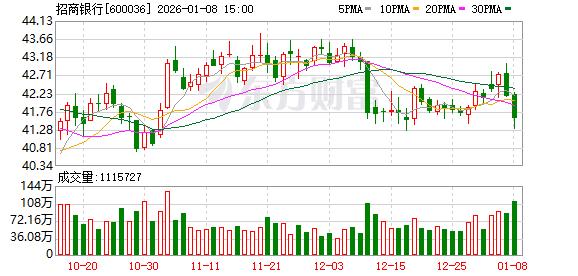
Core Viewpoint - Ping An Life has increased its stake in China Merchants Bank (CMB) H-shares to 20%, reflecting a trend of insurance funds actively investing in bank stocks due to their high dividend yields in a low-interest-rate environment [2][4][8]. Group 1: Investment Actions - Ping An Life has made its fourth announcement regarding its stake in CMB H-shares, now holding 20% of the total H-share capital [2][3]. - Previously, Ping An Life had announced similar increases in its stake in Agricultural Bank of China (ABC) H-shares, also reaching 20% [4][8]. - The investment in CMB H-shares amounts to a book value of approximately 43.956 billion yuan, representing 0.78% of the total assets as of the last quarter [4]. Group 2: Regulatory Context - According to regulations, any entity holding more than 5% of a commercial bank's shares must obtain approval from the financial regulatory authority [9]. - The increase in stakes by Ping An Life in both CMB and ABC indicates a strategic move to secure high-yield assets amid a scarcity of investment opportunities [8]. Group 3: Market Reactions - The President of CMB has expressed welcome for long-term capital investments, indicating that these investors do not seek board seats, which suggests a focus on financial investment rather than operational control [10][12]. - Long-term investments are seen as beneficial for stabilizing the stock valuation of CMB, reflecting confidence in the bank's management and future performance [11].

平安人寿,第4次举牌招行H股!
Zhong Guo Ji Jin Bao· 2026-01-08 14:29
Group 1 - Ping An Life has increased its stake in China Merchants Bank (CMB) H-shares to 20%, representing 3.66% of CMB's total share capital [1][5] - This marks the fourth time within a year that Ping An Life has made such a move, having previously increased its holdings in CMB H-shares to 5%, 10%, and 15% in January, March, and June 2025 respectively [2][5] - As of December 31, 2025, the book value of Ping An Life's holdings in CMB H-shares is approximately 43.956 billion yuan, accounting for 0.78% of its total assets at the end of the previous quarter [2][5] Group 2 - Ping An Life has also announced a similar increase in its stake in Agricultural Bank of China (ABC) H-shares to 20%, triggering the same regulatory requirements [1][5] - The frequent acquisitions of bank stocks by insurance companies indicate a strategic shift towards high-dividend assets in a low-interest-rate environment, reflecting a trend of long-term asset allocation amid an "asset shortage" [5] - The management of CMB has expressed welcome for long-term capital investments, indicating that these investors do not seek board seats but rather aim to support the bank's management [6]

第四次举牌!平安人寿频频出手
Shang Hai Zheng Quan Bao· 2026-01-08 06:18
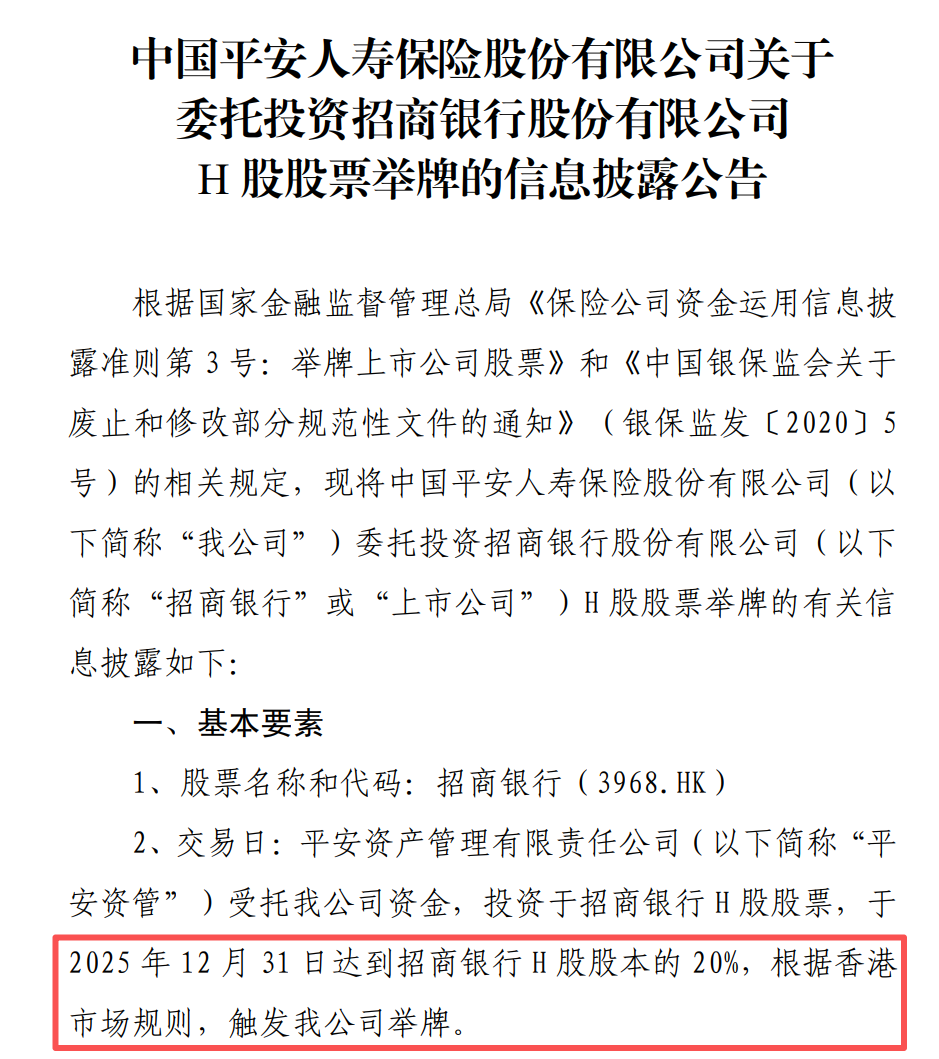
Core Viewpoint - Ping An Life has increased its stake in both China Merchants Bank and Agricultural Bank of China, triggering regulatory disclosures due to reaching 20% ownership thresholds in both banks by December 31, 2025 [1][2]. Group 1: Investment Actions - On January 8, Ping An Life announced it would reach a 20% stake in China Merchants Bank H-shares by December 31, 2025, with a book value of approximately 43.956 billion yuan [1]. - On January 7, Ping An Life disclosed a similar action for Agricultural Bank of China H-shares, also targeting a 20% stake by December 30, 2025, with a book value of around 32.428 billion yuan [2]. - Ping An Life's stake in China Merchants Bank H-shares is approximately 922 million shares, representing about 3.66% of the total share capital as of December 31, 2025 [3]. Group 2: Market Context and Trends - The trend of insurance capital increasing its equity investments is expected to continue, driven by the need for better investment returns amid declining market interest rates [4]. - Analysts predict that the insurance industry may see over 2 trillion yuan in new market funds by 2026, with a growing demand for dividend-yielding assets [4]. - Major state-owned banks like Industrial and Commercial Bank of China, China Construction Bank, and Bank of Communications are expected to remain attractive due to their stable operations and high dividend yields [4]. Group 3: Regulatory Environment - Insurance capital investments in bank stocks are subject to strict regulatory oversight, with a requirement for approval from financial regulatory authorities when ownership exceeds 5% [5]. - The regulation aims to prevent significant influence by shareholders on bank operations, ensuring the independence and stability of banking institutions [5].
