L3级自动驾驶

Search documents
成本上涨不超过3万元,深蓝汽车董事长邓承浩揭秘L3准入过程:历经多次答辩
Mei Ri Jing Ji Xin Wen· 2025-12-29 08:17
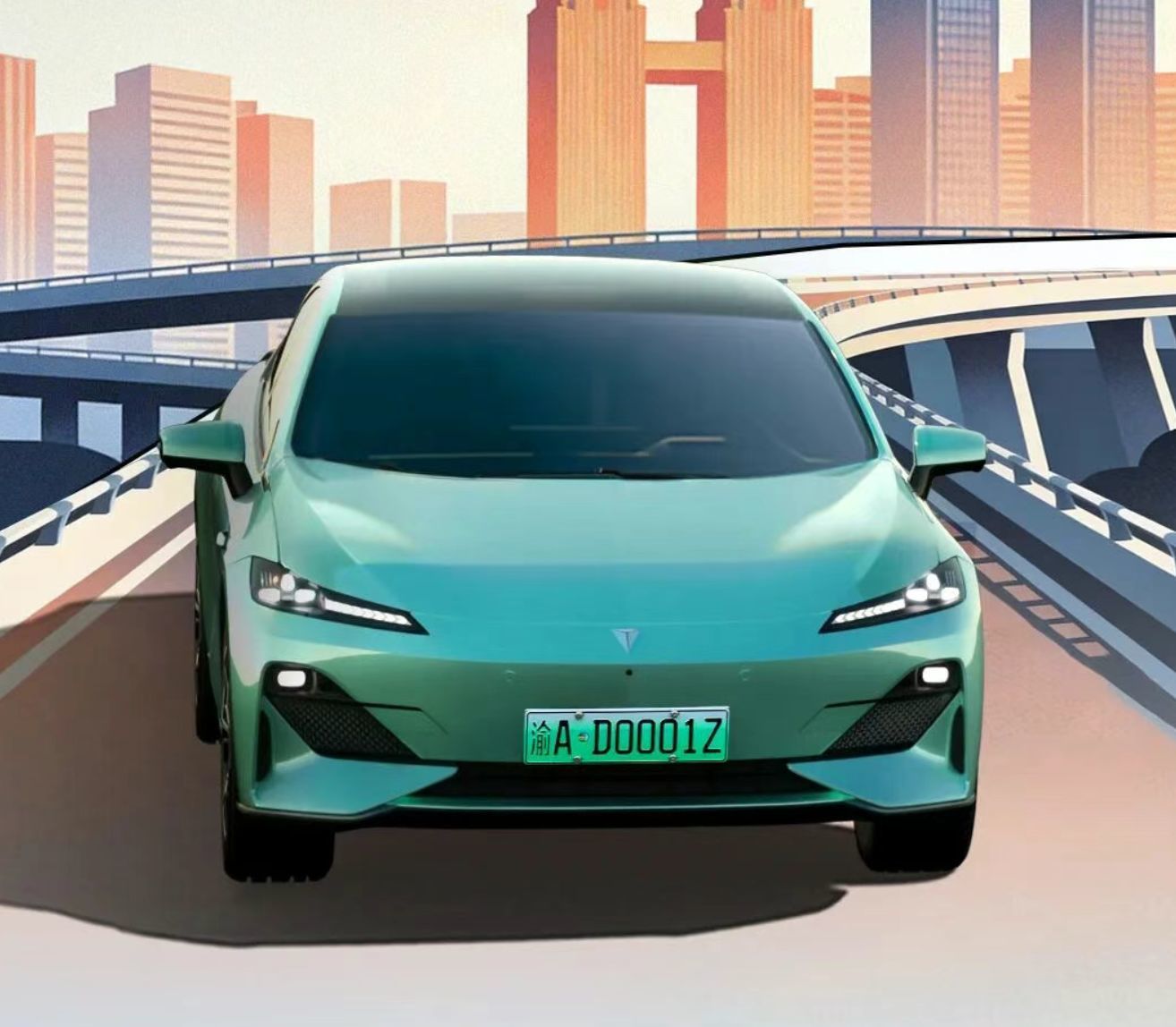
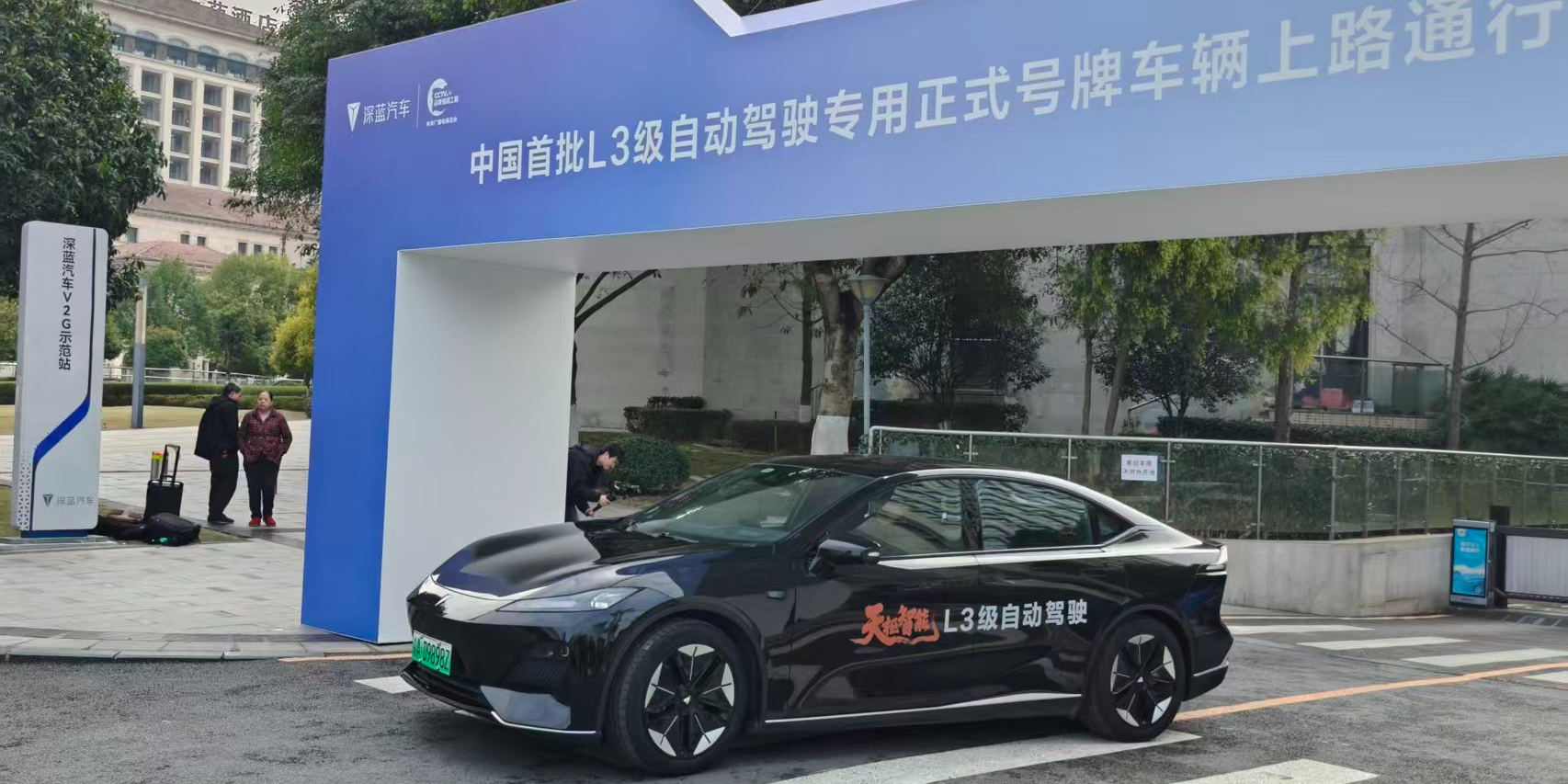
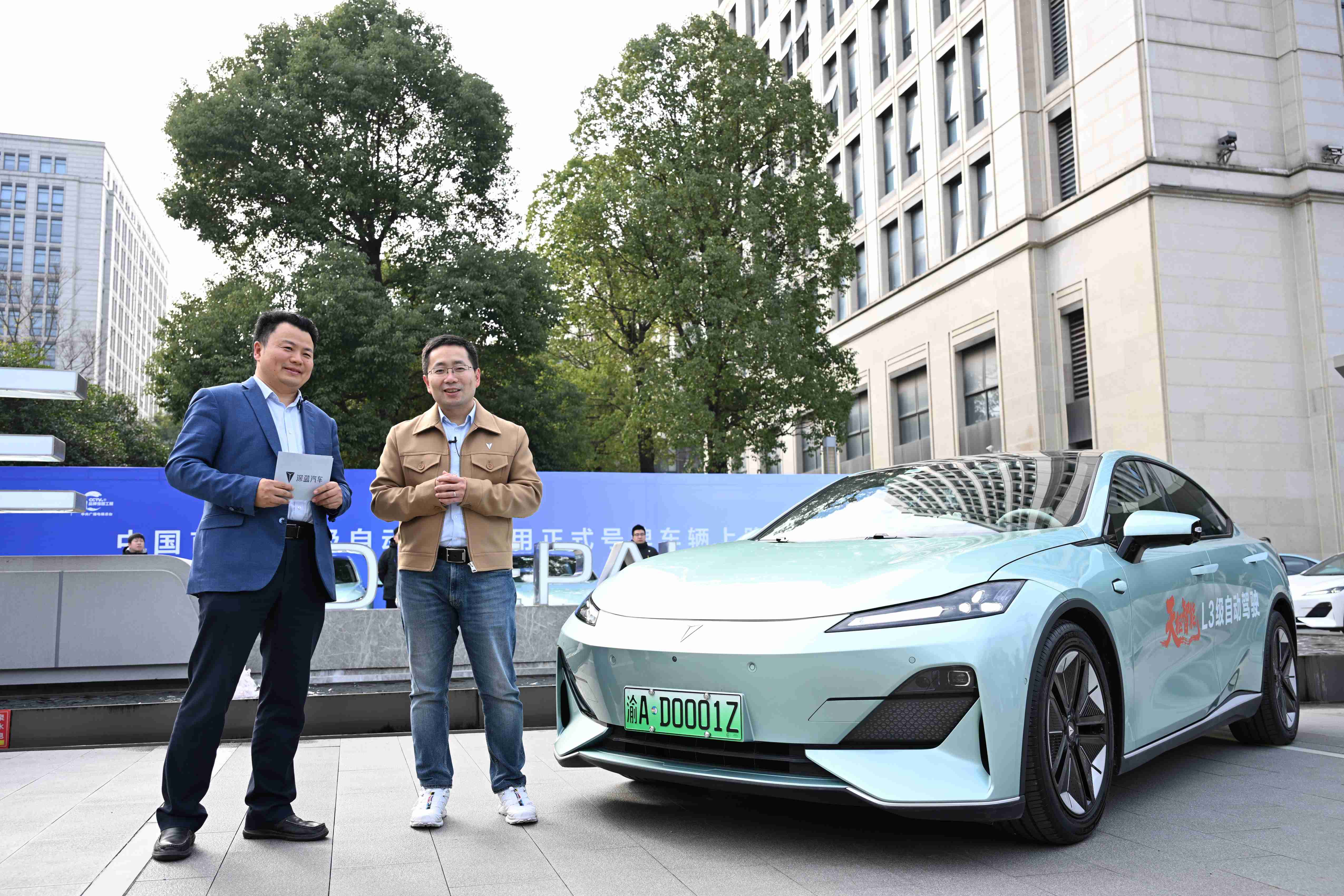
当2025年底工信部突然公布我国首批L3级有条件自动驾驶车型准入许可时,许多人下意识地发出疑问:这次开车真的可以"脱手"了吗? "目前每辆L3级自动驾驶车辆上,都必须配备一名经过专业认证的驾驶员进行驾驶,(C端用户)还不能单独驾驶。"12月26日,深蓝汽车董事长邓承浩在接 受《每日经济新闻》记者采访时表示,眼下L3级自动驾驶尚处探索期,更侧重于B端。 在邓承浩的阐述中,深蓝汽车从2023年开始申报L3路测资格牌照,到进入我国首批L3级有条件自动驾驶车型准入许可名单,再到拿到国内首块L3级自动驾 驶专用正式号牌"渝AD0001Z",其过程更像是一场"资格考试"。 图片来源:深蓝汽车官微 "我到北京去'答辩'过很多次,还有很多(长安员工)都去'答辩'过。"据邓承浩透露,全国参与L3测试准入的企业多达几十家,进入上路通行试点的有9家, 而获得产品准入许可的只有长安深蓝和北汽极狐两家。 与北汽极狐"可实现高速公路和城市快速路单车道内最高时速80公里的自动驾驶功能"不同的是,深蓝汽车被允许"在交通拥堵环境下的高速公路和城市快速 路单车道内以最高时速50公里速度进行自动驾驶功能"。 关于两者最高时速的不同,邓承浩认为:" ...

中国汽车市场一周行业信息快报——2025年12月第5期
Zhong Guo Zhi Liang Xin Wen Wang· 2025-12-29 07:53
Group 1: Industry Developments - The domestic automotive industry is experiencing significant developments, including the advancement of L3-level autonomous driving commercialization, new regulations for electric vehicle energy consumption, and increased local replacement subsidies [1] - Beijing has issued the first L3-level highway autonomous driving vehicle special license plates, marking a milestone in the domestic autonomous driving sector [2][3] Group 2: Company News - Geely Automobile has completed the privatization and integration of Zeekr, which is now a wholly-owned subsidiary, aiming to enhance strategic synergy and scale effects in the fields of intelligence and electrification [2] - BAIC's Arcfox has received the first L3-level autonomous driving vehicle license plates in Beijing, with three vehicles currently operational under specific conditions [3] - FAW Bestune has achieved a cumulative sales record of 190,017 vehicles in 2025, marking a 20-year sales high, with a significant contribution from its entry-level electric model [4][5] - Mercedes-Benz has become the fifth-largest shareholder of Qianli Technology by acquiring 3% of its shares, indicating a strategic investment in the technology sector [6] - Deep Blue Automotive has completed a C-round financing of 6.122 billion yuan, with strong market growth reflected in a 45.7% year-on-year increase in sales [7][9] - A new mandatory standard for electric vehicle energy consumption will be implemented in 2026, tightening limits by approximately 11% compared to previous recommendations, which is expected to enhance consumer experience [10] - GAC Group has introduced a "three responsibilities" policy for its brands, ensuring accountability for issues related to battery fires, battery degradation, and accidents caused by intelligent parking systems [11][13]
早新闻 | 周末利好!央行:提高中长期资金A股投资规模
Xin Lang Cai Jing· 2025-12-29 00:37
Macro Highlights - The 14th National People's Congress will convene on March 5, 2026, in Beijing, with the Chinese People's Political Consultative Conference scheduled for March 4, 2026 [1] - The Ministry of Finance emphasizes the need to boost domestic demand and support key areas such as new productive forces and comprehensive human development in 2026 [1] - The Minister of Finance, Lan Fo'an, announced continued financial support for consumer goods replacement programs in 2026 [1] Industry News - The National Development and Reform Commission held a meeting with private enterprises to gather opinions on economic work for the upcoming year, involving sectors like home appliances, automotive parts, and biomedicine [2] - The People's Bank of China revised the rules for the Cross-Border Interbank Payment System (CIPS) to enhance management and facilitate the development of cross-border RMB business [3] - The China Financial Stability Report (2025) indicates a focus on increasing the scale and proportion of long-term funds invested in A-shares to support stable economic growth [4] - The National Financial Regulatory Administration issued a plan for the high-quality development of digital finance in the banking and insurance sectors over the next five years [5] Company News - Heng Rui Medicine licensed the SHR6508 project to Hansoh Pharmaceutical, potentially earning up to 190 million yuan in regulatory and commercial milestone payments [12] - Aerospace Development's subsidiary focuses on commercial low-orbit satellite operations, with its revenue contribution being less than 1% of the total [13] - Guizhou Moutai plans to reduce the release of high-value-added products in 2026 and will discontinue the use of distribution methods [14] - Contemporary Amperex Technology Co. Ltd. will scale up the application of sodium batteries in various sectors next year [14] - Tongye Technology intends to acquire a 91.69% stake in Siling Semiconductor for 561 million yuan [14] - Wangfujing has won a bid for a duty-free project at Beijing Capital International Airport, with a guaranteed operating fee of 113 million yuan for the first year [14]
融资61亿,深蓝汽车与“失血”赛跑
阿尔法工场研究院· 2025-12-29 00:05
Core Viewpoint - The recent 6.122 billion yuan financing for Deep Blue Automotive, backed by state-owned enterprises and banks, highlights the company's urgent need for capital despite its ongoing financial struggles, including significant losses and debt issues [4][11][24]. Financing Overview - Deep Blue Automotive completed a C-round financing of 6.122 billion yuan, with major contributions from Changan Automobile (3.122 billion yuan), Chongqing Yufu Holdings Group (2.5 billion yuan), and Zhaoshang Financial Asset Investment Co. (500 million yuan) [5][7]. - The financing increased Deep Blue's registered capital from approximately 328 million yuan to 466 million yuan, with Changan maintaining a 50.9959% stake [5][7]. - The financing aims to enhance Deep Blue's capabilities in advanced intelligent driving, electric platform development, and global expansion, especially following its recent achievement of obtaining L3-level autonomous driving licenses [7][21]. Financial Challenges - Despite the financing, Deep Blue Automotive has been in a state of insolvency for three consecutive years, with total assets of 31.474 billion yuan and total liabilities of 35.986 billion yuan, resulting in a negative net asset position [9]. - Cumulative losses since its independent operation began in 2022 have reached 8.899 billion yuan, with losses of 3.196 billion yuan in 2022, 3.107 billion yuan in 2023, and 1.571 billion yuan in 2024, alongside a loss of 1.025 billion yuan in the first ten months of 2025 [9][10]. Sales Performance - Deep Blue Automotive has failed to meet its annual sales targets for three consecutive years, with a total of approximately 302,000 units sold by the end of November 2025, falling short of the revised target of 360,000 units by nearly 60,000 units [12][13]. - The best-selling model, the S05, accounted for nearly half of total sales, while higher-end models like the S09 and G318 have underperformed significantly [14][16]. Market Position and Competition - The company faces multiple pressures, including unclear market positioning, insufficient product competitiveness, and internal brand overlap with other Changan brands like Avita and Qiyuan [13][17][18]. - The competitive landscape in the Chinese electric vehicle market has shifted from incremental competition to intense rivalry, with leading brands like BYD and Geely dominating through technological advancements and cost control [16]. Future Outlook - The success of Deep Blue Automotive hinges on its ability to convert the recent financing into market competitiveness and to transition from a "burning cash" model to a self-sustaining one [19][24]. - The financing, while significant, does not directly address the company's insolvency and raises questions about how long the funds will last in supporting operational needs [24].
零跑D19开启盲订、零跑D99亮相!极氪完成退市回归吉利!魏牌蓝山进阶版、极石ADAMAS上市!丨一周大事件
电动车公社· 2025-12-28 17:52
Core Viewpoint - The article highlights the recent developments in the electric vehicle (EV) industry, focusing on new car launches, company dynamics, and regulatory changes that are shaping the market landscape. Group 1: New Car Launches - The Weipai Lanshan Intelligent Advanced Edition has been launched with a limited-time price range of 275,800 to 302,800 yuan, featuring three models and advanced smart driving capabilities [2][4][6] - The Jishi ADAMAS has been introduced at a limited-time price of 334,900 to 344,900 yuan, positioned as a luxury version of the Jishi 01, with enhanced interior and exterior features [11][13][19] - The Leap D19 has opened for blind orders, while the Leap D99 has been unveiled, both showcasing advanced technology and flexible seating arrangements [20][22][23] Group 2: Company Dynamics - Geely has completed the privatization and merger of Zeekr, making it a wholly-owned subsidiary, which is expected to streamline operations and enhance market competitiveness [24][25][29] - Harman International is entering the advanced driver assistance systems (ADAS) market by acquiring ZF's ADAS business for 1.5 billion euros, aiming to leverage existing technologies for growth [30][31][33] - Leap Motor has set an ambitious target of achieving annual sales of 4 million vehicles, reflecting its growth trajectory and commitment to self-research and development [27] Group 3: Industry Trends and Regulations - Toyota's global sales fell by 2% in November, with a significant 12% drop in China, indicating challenges in maintaining growth amid increasing competition in the EV sector [47][48] - Dongfeng Motor has surpassed 1 million units in annual sales of new energy vehicles, marking its entry into the "million club" and showcasing its successful transition to electric mobility [49][51] - New regulations for electric vehicles, including mandatory energy consumption limits and safety standards, will take effect in 2026, pushing manufacturers towards technological upgrades [62][66][69]




汽车行业周报:首批L3级自动驾驶汽车在重庆规模化上路,电动汽车电耗新国标2026年起实施-20251228
KAIYUAN SECURITIES· 2025-12-28 14:46
Investment Rating - The industry investment rating is "Positive" (maintained) [1] Core Insights - The first batch of L3 autonomous vehicles has been approved for large-scale operation in Chongqing, with 46 vehicles equipped with L3 autonomous driving systems [5][13] - A new national standard for electric vehicle energy consumption will be implemented in 2026, tightening limits by approximately 11%, requiring two-ton vehicles to consume no more than 15.1 kWh per 100 km [14] - Changan Automobile's L3 approved models have undergone over 5 million kilometers of testing without any violations [15] - Toyota plans to exceed a global production of 10 million vehicles in 2026 to meet the growing demand for hybrid models, maintaining high production levels [20] - The automotive sector in China has seen a significant decline in imports, with a 30% year-on-year drop in the first 11 months of 2025 [19] Industry News Highlights - The first L3 autonomous vehicles are now operational in Chongqing, marking a significant milestone in autonomous driving technology [5][13] - The new electric vehicle energy consumption standard aims to enhance energy efficiency and support the high-quality development of the automotive industry [14] - Changan's L3 models have been validated through extensive testing, showcasing the company's commitment to safety and reliability [15] - Toyota's production strategy reflects its response to market demands and aims to sustain its competitive edge in the automotive industry [20] - The decline in vehicle imports indicates a shift towards domestic production and the growing strength of local automotive brands [19] Market Performance - The automotive sector outperformed the broader market, with a weekly increase of 2.66%, ranking 13th among A-share industries [6][32] - The passenger vehicle index rose by 2.87%, led by BYD and Haima Automobile [6][33] - The automotive parts sector saw a 3.57% increase, with significant gains in various sub-sectors [6][35] Investment Recommendations - For passenger vehicles, the demand for high-end domestic luxury cars is exceeding expectations, with recommendations for Jianghuai Automobile and Seres, while Geely is identified as a beneficiary [7] - In the automotive parts sector, companies like Desay SV and Zhejiang Xiantong are recommended due to their growth potential amidst industry changes [7]
深蓝汽车邓承浩:下一代车型全部都有L3级自动驾驶功能
Jing Ji Guan Cha Wang· 2025-12-28 13:24
Core Viewpoint - The successful launch of L3 autonomous driving vehicles by Deep Blue Automotive marks a significant milestone in China's autonomous driving technology, indicating a transition to large-scale road operation [2][3]. Group 1: L3 Autonomous Driving Milestone - Deep Blue Automotive's vehicles with "L3 Autonomous Driving" labels have begun operating on urban roads in Chongqing, following the acquisition of the first official L3 autonomous driving license in China [2]. - The company has a long history of research in L3 technology, with nearly 10 years of development leading to this achievement [2][3]. - The SL03 model, which received the L3 product approval, was developed five years ago, showcasing the company's early commitment to L3 technology [3]. Group 2: Financing and Future Plans - Deep Blue Automotive completed a C-round financing of 6.122 billion yuan, with investments from Changan Automobile, Chongqing Yufu Holdings, and other entities, aimed at supporting the next phase of development and commercialization of advanced autonomous driving [11][12]. - The financing will be directed towards new vehicle development, core technology innovation, and enhancing global brand presence [11][12]. - The company aims to achieve a balance between profitability and self-sustaining growth within the next 2 to 3 years, with a target of selling 2 million vehicles globally by 2030 [12]. Group 3: Technical and Operational Aspects - The L3 vehicles are currently limited to a maximum speed of 50 km/h to gather data in congested driving scenarios, emphasizing a cautious approach during the exploratory phase [7]. - Deep Blue Automotive's strategy includes both independent research and collaboration with partners like Huawei to enhance its autonomous driving capabilities [4]. - The company is preparing to develop L3 and L4 functionalities for its next generation of vehicles, indicating a commitment to advancing its technology offerings [10].

深蓝汽车邓承浩:L2到L3是责任主体的巨大跨越
Di Yi Cai Jing· 2025-12-27 14:25
Core Viewpoint - The transition from L2 to L3 autonomous driving represents a significant leap, necessitating a different level of responsibility and safety requirements for stakeholders involved in the industry [1][2]. Group 1: Industry Developments - The first batch of 46 L3 autonomous driving vehicles has been officially licensed and is set to operate on the roads in Chongqing [1]. - The Ministry of Industry and Information Technology (MIIT) has approved two L3 autonomous driving models, with the Deep Blue brand under Changan Automobile being one of them [1]. - Changan Automobile reported that it has accumulated over 5 million kilometers of testing, with more than 500,000 kilometers of effective activation for its traffic congestion autonomous driving system [1]. Group 2: Safety and Regulatory Considerations - The company has achieved excellent safety metrics, including zero major operational risks, zero accidents with shared responsibility, zero traffic violations, and zero activations outside electronic fences [1]. - The complexity of identifying responsibility in the L3 era is increasing, highlighting the need for improved traffic regulations and insurance systems [2]. - The introduction of the first L3 trial license plate "渝AD0001Z" has raised public interest regarding when L3 technology will be available to ordinary consumers [2]. Group 3: Future Outlook - The current phase of L3 autonomous driving is considered an "exploration period," where vehicles must be operated by certified drivers, and it is not yet available to general consumers [6]. - The initiative aims to gather empirical data and experiences to inform future policy and regulatory frameworks, ultimately paving the way for consumer access [6]. - The company views this phase as an opportunity to drive industry-wide progress and enhance the entire L3 ecosystem, positioning itself advantageously for future developments [6].
从辅助到自动,L3终于破冰
虎嗅APP· 2025-12-27 10:30
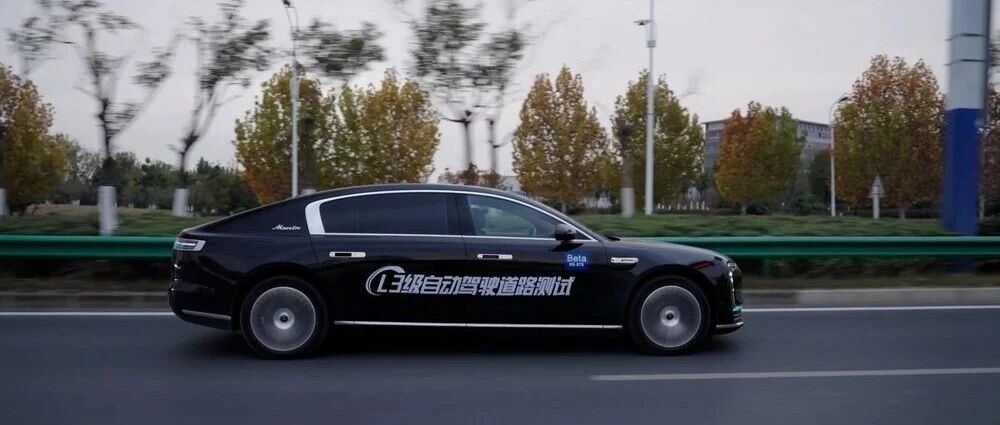
Core Viewpoint - The article discusses the significant advancements in China's L3-level conditional autonomous driving, highlighting the transition from technical exploration to regulatory compliance and commercialization, marked by the issuance of market access permits for L3 vehicles by the Ministry of Industry and Information Technology by the end of 2025 [2][7]. Group 1: Market Access and Technical Testing - The distinction between "market access" and "technical testing" is emphasized, with current market access being limited to well-structured environments, while true L3 capabilities are being tested in real-world scenarios [2][4]. - The ongoing L3 road tests are primarily conducted on highways, but the real challenges lie in low-probability, high-risk scenarios such as construction zones and sudden obstacles [4][5]. Group 2: Technical Challenges and Innovations - Adverse weather conditions in China pose significant challenges for sensor redundancy and algorithm integration, which are crucial for L3 technology to transition from laboratory settings to commercial applications [5]. - The recent testing by Hongmeng Zhixing showcases its L3 autonomous driving system's ability to handle complex real-world conditions, drawing industry attention [5][7]. Group 3: Industry Dynamics and Competition - The competition in L2-level driving assistance has led to a homogenization of technology, with many companies focusing on hardware without effective software integration, resulting in suboptimal user experiences [8][9]. - High-tech companies must leverage L3 competition to demonstrate their technological advantages and establish industry barriers, as the current L3 access and testing are strategic moves to build a protective industry moat [9][10]. Group 4: Human-Machine Interaction and Safety - L3 autonomous driving represents a shift in driving responsibility from humans to systems under specific conditions, allowing drivers to divert their attention, which marks a significant evolution in automotive technology [10][11]. - The human-machine co-driving model requires systems to meet stringent safety standards, ensuring that control can be safely returned to humans in emergencies [11][12]. Group 5: Legal and Ethical Considerations - The transition from "probabilistic safety" to "deterministic responsibility" is crucial for L3 commercialization, necessitating systems that can handle rare but high-risk scenarios effectively [14][15]. - Legal responsibility in accidents involving autonomous vehicles must be clearly defined, requiring precise data recording capabilities and unified standards for accountability [15][16]. Group 6: Systematic Barriers and Data Utilization - Comprehensive technical capabilities are essential for competitive advantage in L3 autonomous driving, with Hongmeng Zhixing developing a three-pronged approach of self-research, data cycles, and large-scale validation [18][20]. - The WEWA architecture enables a shift from rule-based to cognitive-driven systems, enhancing the ability to handle complex driving scenarios through advanced data processing and decision-making [20][21]. Group 7: Safety Strategies and Redundancy - Safety is a critical factor in L3 development, with systems needing to avoid single-point failures and ensure robust performance in extreme conditions [24][25]. - Hongmeng Zhixing employs a multi-sensor fusion strategy to maintain reliable perception and decision-making capabilities in adverse weather and complex environments [25][26]. Group 8: Data Accumulation and Quality - High-quality data accumulation is a significant barrier in the industry, with Hongmeng Zhixing leveraging a large user base to create a rich data network for model training [27][28]. - Effective data extraction and processing are vital for advancing intelligent driving, ensuring that the data used for training is valuable and not merely abundant [28][30]. Group 9: Future of Autonomous Driving - The gradual realization of L3 autonomous driving will redefine the relationship between people, vehicles, and roads, transforming cars into "third living spaces" [30]. - Trust in human-machine interaction is foundational for this evolution, necessitating rigorous testing in real-world conditions to ensure safety and reliability [30].
9点1氪丨小米17 Ultra徕卡版被炒至2万元;周大福黄金吊坠被指阴阳打工人;和睦家医院回应女明星生产信息疑被泄露
3 6 Ke· 2025-12-27 01:09
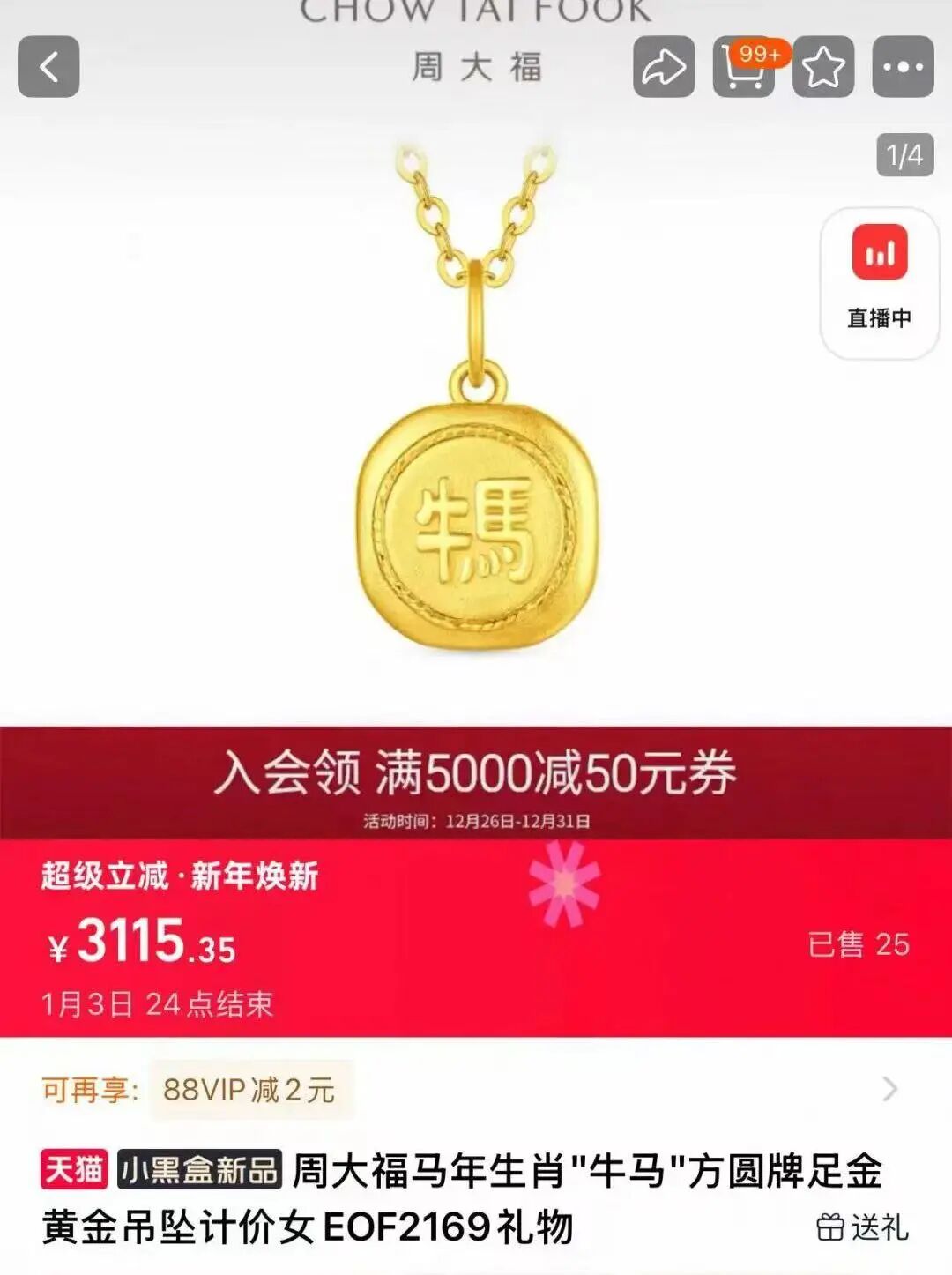
Group 1 - Xiaomi's 17 Ultra Leica version sold out within hours of its pre-sale launch, with the highest resale price reaching 20,000 yuan, significantly above the official starting price of 8,999 yuan [1][1][1] - The 16GB+512GB version is available on Xiaomi's official store, while the 16GB+1TB version is out of stock across various platforms, indicating high demand [1][1] - Over 1 million reservations were recorded on JD platform for the Xiaomi 17 Ultra Leica version [1] Group 2 - Zhou Dafu responded to criticism regarding its "cow and horse" gold pendant, stating it is only sold online and has seen high sales; they are open to customer feedback for future improvements [2][2] - The pendant is priced starting at 3,044.7 yuan, and the company clarified the pendant's meaning as representing resilience and good fortune [2] Group 3 - Xiaopeng Motors officially entered the Mauritius market after establishing a strategic partnership, following its previous entry into Qatar [7][7] - The company also opened a flagship showroom in Abu Dhabi and a large service center in New Cairo, Egypt [7] Group 4 - Douyin launched a long-form text feature allowing users to publish articles up to 8,000 words with up to 30 images and background music [6][6] - The mobile version of this feature is expected to roll out soon [6] Group 5 - LV responded to a customer's complaint regarding a pair of shoes that caused injury, stating that they only offered an exchange and did not support returns for used products [8][8] - The shoes were purchased for 9,250 yuan, and the customer required medical treatment due to the injury [8] Group 6 - The first mandatory standard for electric vehicle energy consumption will be implemented in China starting January 1, 2026, tightening limits by approximately 11% compared to previous recommendations [10][10] - This standard aims to guide the development of energy-saving technologies while accommodating diverse vehicle types [10] Group 7 - The first batch of L3 autonomous vehicles in China has begun large-scale road operation in Chongqing, consisting of 46 vehicles equipped with L3 autonomous driving systems [16][16] - These vehicles are authorized to operate on specific urban roads [16] Group 8 - Fujitsu will join a next-generation memory development project led by SoftBank, aiming for commercialization by the 2027 fiscal year [22][22] - This project will utilize technologies from Intel and the University of Tokyo [22]