地缘政治

Search documents
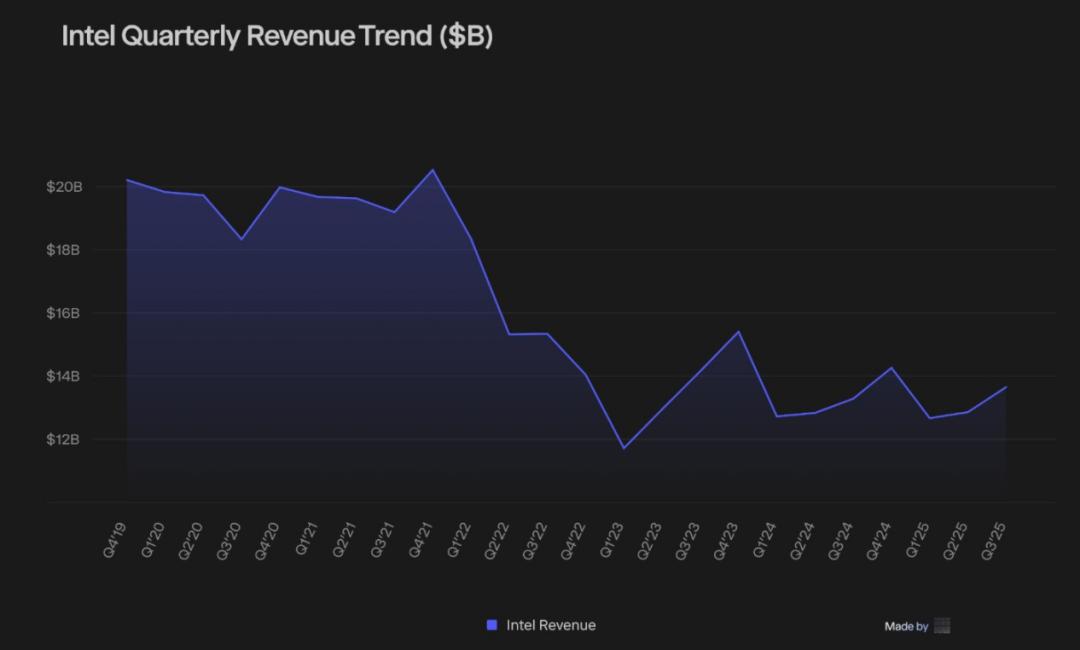
中国央行表态继续实施适度宽松货币政策
Dong Zheng Qi Huo· 2026-01-23 01:10
日度报告——综合晨报 [T报ab告le_日R期an:k] 2026-01-23 中国央行表态继续实施适度宽松货币政策 宏观策略(外汇期货(美元指数)) 美国消费者支出连续两个月稳步增长 美国最新的 11 月核心 pce 同比符合预期,通胀压力继续可控, 美元指数维持震荡。 黑色金属(螺纹钢/热轧卷板) Mysteel 五大品种库存周环比增加 10.07 万吨 综 本周五大品种库存再度累积,随着需求的季节性下滑,和产量 回升,建材累库较为明显。卷板整体小幅去库,需求仍有韧性。 短期矛盾尚不突出,仍建议反弹逢高套保。 合 宏观策略(国债期货) 晨 央行行长潘功胜:今年降准降息还有一定的空间 报 央行呵护流动性的态度较为明确,但预计短期内降准或是大幅 增加买债额度的必要性继续下降。 有色金属(铜) 韩国锌业称美国冶炼厂废料堆含 30 亿美元金属价值 短期宏观因素可能会加剧价格波动,基本面短期因素对铜价形 成抑制,预计盘面短期宽幅震荡可能性更大,策略上短线转观 望。 能源化工(苯乙烯) 苯乙烯周度产量数据 多头增仓意愿强烈,苯乙烯盘面大幅上扬 | 1、 金融要闻及点评 | 3 | | --- | --- | | 1. ...
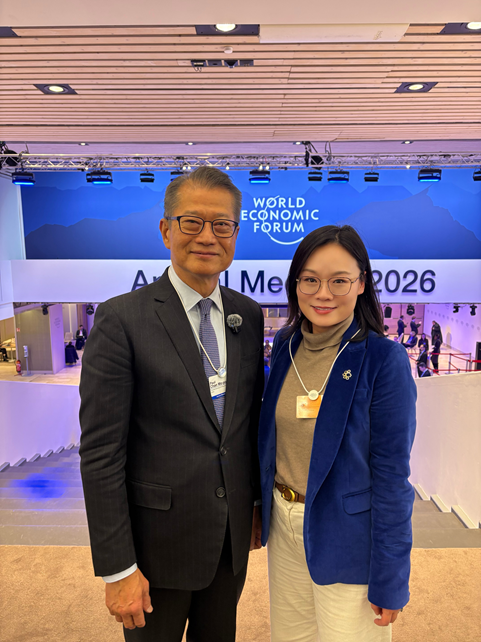
直击达沃斯|对话陈茂波:香港是一个生机勃勃的投资目的地
Xin Lang Cai Jing· 2026-01-23 00:10
Core Viewpoint - The Hong Kong Financial Secretary, Paul Chan, emphasizes the city's competitive advantages in various sectors, including artificial intelligence, life sciences, and financial technology, while acknowledging the complexities of the current international landscape and the dual nature of technological change as both a risk and an opportunity [3][10]. Group 1: Competitive Advantages - Hong Kong possesses inherent competitive advantages supported by national backing, particularly in artificial intelligence, life sciences, and financial technology [3][11]. - The city ranks in the top 25 globally for artificial intelligence and data science, as well as for its two medical schools, showcasing its strengths in research and talent [3][10]. - Collaboration with the Greater Bay Area enhances Hong Kong's advantages, providing a robust application environment for technological advancements [3][10]. Group 2: Financial Market Performance - Since 2025, Hong Kong's IPO market has been thriving, raising over 280 billion HKD, with daily trading volumes exceeding 250 billion HKD, nearly doubling from the previous year [5][12]. - The market has attracted significant overseas and mainland investments, with many cornerstone investors from the Middle East and Western institutions [5][12]. - There are over 400 companies waiting to go public, indicating a strong pipeline for future IPOs, which is a positive sign for the financial market's outlook [5][12]. Group 3: Future Outlook - The Financial Secretary expresses a cautiously optimistic view for 2026, balancing concerns over geopolitical risks and market volatility with the strong demand for IPOs [5][12]. - The growing income levels of the 1.4 billion population in China present a significant market opportunity for investors [5][12]. - Hong Kong is portrayed as a safe and vibrant destination, inviting international investors to explore its potential firsthand [6][13].

中金:地缘争端下的欧美贸易关系
智通财经网· 2026-01-22 23:58
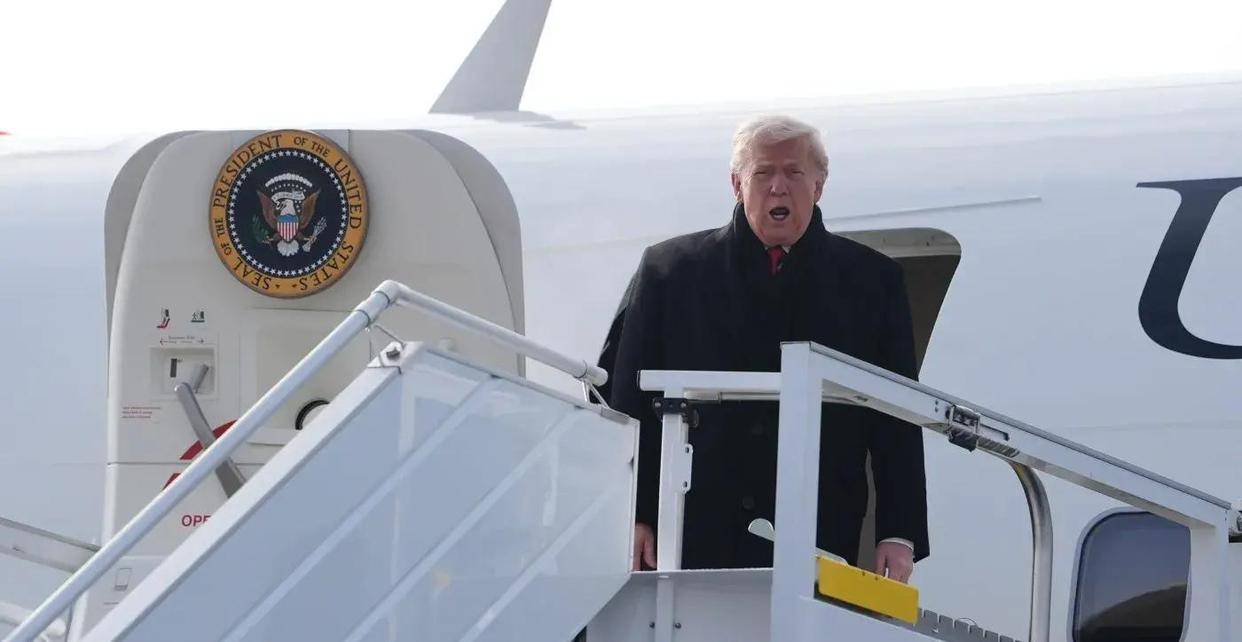
Group 1: Tariff Announcement and Economic Impact - On January 17, Trump announced a 10% tariff on eight European countries, effective February 1, with plans to increase it to 25% on June 1 until an agreement on the "complete and thorough purchase of Greenland" is reached [2][6] - The eight affected countries include Denmark, Norway, Sweden, France, Germany, the UK, the Netherlands, and Finland, with six being EU members [2] - The potential impact on the Euro is mixed; tariffs and geopolitical tensions may weaken European economic growth, while rising uncertainty in U.S. policies could undermine the dollar's reliability as an investment destination [10] Group 2: EU's Economic Ties with the U.S. - The EU and the U.S. have the largest bilateral trade and investment relationship globally, with the EU accounting for 17% of U.S. exports in February 2025, surpassing China, ASEAN, and Japan [3] - The EU is the largest source of FDI into the U.S., with a stock of $2.4 trillion in 2023, supporting approximately 3.4 million jobs in the U.S. [3][4] - Despite a trade surplus in goods, the EU faces a significant services deficit with the U.S., indicating a balanced overall trade structure [3] Group 3: EU's Dependence and Challenges - The EU is heavily reliant on the U.S. in defense, finance, technology, and energy, which limits its ability to respond to geopolitical pressures [4] - Over 60% of defense imports come from the U.S., and European financial infrastructure is largely dependent on American companies [4] - The EU's energy dependence on the U.S. is expected to increase, with projections indicating that 57% of LNG imports will come from the U.S. by 2025 [4] Group 4: Internal Political Divisions in the EU - Significant political divisions within the EU complicate the implementation of unified responses to tariff issues, with varying attitudes among member states and political parties [5] Group 5: Economic Forecasts and Market Reactions - The impact of tariff increases on GDP is expected to be limited, with consumer confidence already weakened and investment data remaining low [7] - The European Central Bank may maintain its current stance unless trade tensions escalate significantly, with inflation pressures primarily stemming from service sectors [7] - The potential for increased European autonomy in defense and technology sectors is noted, with discussions on structural investments in these areas [8] Group 6: Market Implications - The likelihood of Europe selling off U.S. assets in response to tariffs is low, as the EU and the UK are significant investors in U.S. markets [9] - The current asset allocation trends indicate a higher proportion of investments in the U.S. compared to Europe, prompting a reevaluation of asset sustainability [9] - Sectors such as banking and utilities, which align with the theme of "autonomous independence," are viewed favorably, while industries with high exposure to U.S. markets may face challenges [10]
国际金价逼近5000美元,新的“淘金热”正在上演
Sou Hu Cai Jing· 2026-01-22 23:40
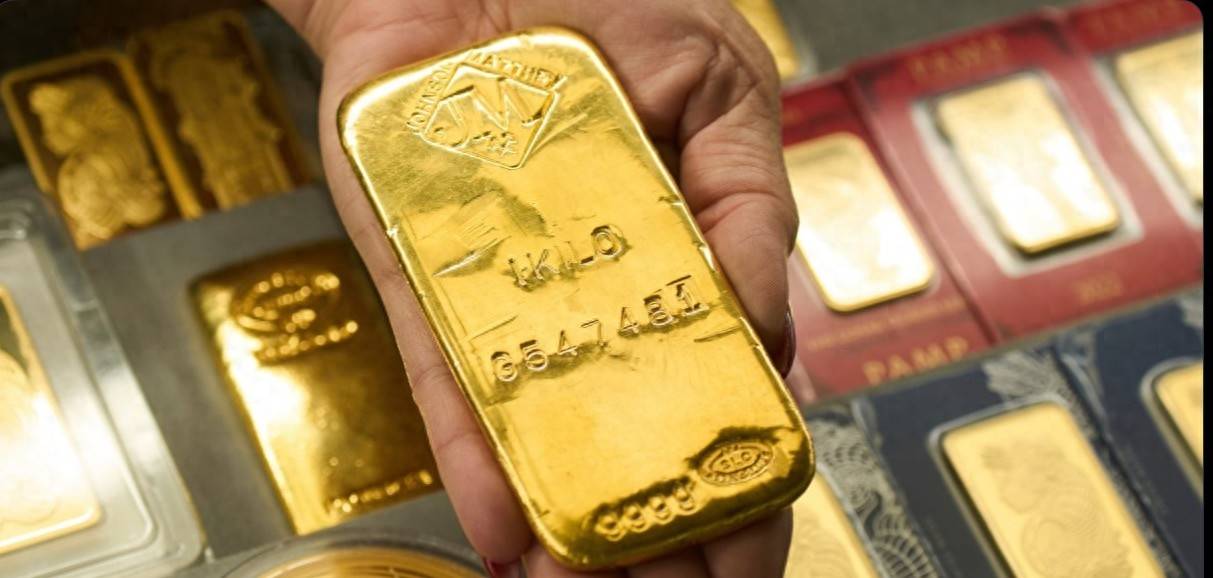
Core Viewpoint - The rising gold prices are driven by increased central bank purchases, expectations of interest rate cuts by the Federal Reserve, and heightened geopolitical tensions, leading to a renewed "gold rush" in the market. Group 1: Central Bank Purchases - Central banks are increasingly buying gold as a zero-credit-risk asset, which is not affected by sanctions or monetary policy, serving as a "safety cushion" for sovereign assets. In 2025, global central bank net gold purchases reached 1,136 tons, the second highest on record. The People's Bank of China has increased its holdings for 14 consecutive months, with countries like Poland and Brazil also ramping up their gold purchases [3][4][5]. Group 2: Economic Factors - There are expectations that the Federal Reserve will cut interest rates in 2026, prompting investors to replace a portion of U.S. bonds with gold [3]. Group 3: Geopolitical Tensions - Ongoing geopolitical issues, such as the Greenland dispute, U.S.-EU tariff threats, the Russia-Ukraine conflict, and Middle Eastern instability, have increased demand for safe-haven assets, with gold being a primary beneficiary [4][5].
俄罗斯外长直言中国赢了,欧洲八国陷入关税困局,特朗普为何还在加码
Sou Hu Cai Jing· 2026-01-22 18:25
发布会上,拉夫罗夫把过去一年的俄罗斯外交动作梳理得清清楚楚,话锋一转抛出判断:中国赢了,而且赢得干净。他没煽情,只是摆事实。中国按老规矩 办事,守着自由贸易、投资合作、基础建设这些基本盘,那套规则是谁定的?原本是西方的。如今西方自己跑偏,而中国反倒在这些轨道上跑得更稳,速度 还快。 数据不会撒谎。贸易额、吸引外资、产业链韧性、金融稳定,全线在涨。这不是口号,是冷冰冰的数字。面对这样的窘境,部分西方国家不研究怎么补短 板,偏要在关税、限制上下手。用政策堵市场,就像拿盖子压沸水,越压越烫人。我看那几个数字视频时,耳边的风扇声突然变得格外清晰,嗡嗡的,好像 在催着人反思。 拉夫罗夫说中了要害。关税成了某些国家仅存的招数,这本身就说明他们已经在竞争场上退无可退。想起几年前自己写的一篇分析,也是类似观点:制裁治 标不治本,根子问题在结构。那会儿我也不敢写得这么直白,现在他这话比我当年更透。 特朗普那边的操作,则显得戏剧。因为格陵兰岛的计划受阻,欧洲八国不同意他的主张,他就威胁加税。2月1日起执行,还要分阶段提高。别说欧洲,就连 不少美国记者听了都皱眉。这可不是经济纠纷,是地缘政治斗气,可偏偏拿贸易出气。现实真让人啧啧叹 ...
欧洲股市上涨 特朗普对格陵兰态度转变提振贸易相关板块
Xin Lang Cai Jing· 2026-01-22 18:00
Group 1 - European stocks experienced their first rise in five days, with the Stoxx Europe 600 index increasing by 1%, marking the largest gain since November [1][3] - The rise was supported by optimistic corporate earnings reports, with Barclays' trade-sensitive stock basket, including luxury and automotive manufacturers, rising by 1.3% [1][3] - The construction sector outperformed, while the mining and energy sectors lagged behind [2][4] Group 2 - Following Trump's previous threat to impose a 10% tariff regarding Greenland, geopolitical uncertainty surged, causing concerns about economic growth and shaking investor sentiment [2][4] - Major companies reported significant stock movements: Volkswagen rose by 6.5% due to better-than-expected cash flow in its automotive division, while Michelin increased by 3.5% after exceeding initial free cash flow expectations [2][4] - Conversely, Ubisoft's stock plummeted by 40%, marking its largest recorded drop, after the company lowered its earnings guidance and announced the cancellation of six games [2][4] - Carl Zeiss Medical Technology withdrew its earnings guidance, resulting in a 17% decline in its stock price, reaching the lowest point since 2016 [2][4]
格陵兰被抢,欧洲集体缩头认怂?俄罗斯反应不寻常,中方有言在先
Sou Hu Cai Jing· 2026-01-22 15:46
最耐人寻味的是俄罗斯的态度。按常理,美国在北极扩张必然压缩俄罗斯的战略空间,可克里姆林宫却 罕见地集体为特朗普"抬轿",甚至直言若他成功掌控格陵兰岛,将成为历史性人物。俄外交部发言人扎 哈罗娃更是直接亮明立场,警告任何无视俄罗斯北极利益的行为都将引发深远影响,明确反对美国独 占。这哪里是支持,分明是精准的战略算计。俄罗斯清楚,美国拿下格陵兰岛短期内对自身无实质损 失,反而能彻底撕裂北约内部信任。 北约存在的核心逻辑本是美国为欧洲提供安全保障,如今盟主变成主权威胁,联盟的根基瞬间动摇。丹 麦首相直言,若美国真的吞并格陵兰岛,北约的存在基础将被彻底掏空。这话绝非危言耸听,连丹麦这 样的成员国都无法得到主权保护,其他中小国家只会人人自危,北约几十年构建的凝聚力将土崩瓦解。 这正是俄罗斯追求了数十年却没能实现的目标,如今特朗普亲手帮其拆台,普京只需坐观其变,等着收 割美欧矛盾的红利。 编辑 据直新闻报道,2026年1月17日,特朗普在社交媒体抛出重磅消息,宣布从2月1日起对丹麦、挪威、瑞 典等8国输美商品加征10%关税,甚至放话不服就涨到25%。这场关税威慑的目标直白到不加掩饰—— 逼迫欧洲国家放弃对格陵兰岛的所有相 ...

法国拒绝加入和平委员会,特朗普宣布:将对法国酒加征200%关税
Sou Hu Cai Jing· 2026-01-22 15:24
Group 1 - The core issue revolves around the U.S. imposing a 200% tariff on French wine and champagne as a political retaliation against France's refusal to join a U.S.-led peace committee, highlighting the use of economic measures as a diplomatic tool [1][6][10] - The tariff significantly increases the price of Bordeaux wine from $50 to $150, leading to a shift in consumer preferences towards cheaper alternatives, which adversely affects French wine merchants [6][8] - This incident underscores the growing rift in transatlantic relations, as the U.S. appears less concerned about allies' compliance and more focused on whether they follow directives, reflecting a shift in U.S. strategic priorities [5][8] Group 2 - The situation reveals that the U.S. is increasingly using economic sanctions as a form of geopolitical leverage, with France being a particularly vulnerable target due to its agricultural exports' significance to its GDP [6][10] - The response from Europe has been more unified than in the past, with countries like Germany, Italy, and the Netherlands expressing concern, indicating a potential for collective action against U.S. tariffs [10] - The legality of Trump's tariffs is under scrutiny, with legal experts suggesting that such high punitive tariffs on allies may be unconstitutional, raising concerns about the potential for a broader trade war that could negatively impact U.S. consumers and agricultural states [10]
早盘:美股维持涨势 道指上涨270点
Xin Lang Cai Jing· 2026-01-22 15:05
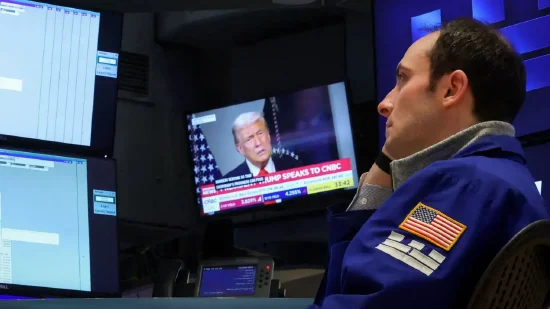
北京时间1月22日晚,美股周四早盘维持涨势,道指上涨270点。特朗普取消与格陵兰相关关税后,地缘 政治紧张局势有所缓解,引发市场连续第二个交易日反弹。 道指涨273.09点,涨幅为0.56%,报49350.32点;纳指涨120.68点,涨幅为0.52%,报23345.50点;标普 500指数涨27.81点,涨幅为0.40%,报6903.43点。 英伟达、微软、美光科技及Meta Platforms等科技股普遍走高。 周三美股大涨,此前美国总统特朗普表示他将不再实施原定于2月1日开始的对欧洲新关税,并宣布就格 陵兰问题达成了协议"框架"。 近几周来,特朗普一直在不懈推动美国控制格陵兰。特朗普周三在Truth Social上表示,他和北约秘书长 马克·吕特已经"形成了关于格陵兰乃至整个北极地区的未来协议框架"。 特朗普后来又对媒体称,他与这个北极岛屿"达成了协议概念(we have a concept of a deal)"。 在此之前,特朗普在瑞士达沃斯举行的世界经济论坛上发表讲话时表示,他不会动用武力获取格陵兰。 标普500指数当日收盘上涨近1.2%,道琼斯指数收高近589点,涨幅1.2%。以科技股为主的纳斯 ...
冰与火之歌:英特尔的绝地反击与王者归来
3 6 Ke· 2026-01-22 10:36
Core Viewpoint - Intel, once a dominant player in the PC market, faced significant challenges over the past five years, including a $2.92 billion loss in Q2 2025 and a declining market share due to competition from AMD and TSMC. However, a series of strategic investments and internal reforms have positioned the company for a potential turnaround by late 2025, driven by government support and partnerships with industry giants like NVIDIA [1][2][3][5][11]. Group 1: Challenges Faced - Intel reported a net loss of $2.92 billion in Q2 2025, with a gross margin falling below 30% and core business struggles [2]. - AMD's EPYC series captured over 40% market share, leading to a 15% year-over-year decline in orders for Intel's Xeon series due to its lagging 10nm technology [2]. - The company's foundry business has been unprofitable, with a market share of less than 3% and quarterly losses exceeding $1 billion [2]. Group 2: Strategic Turnaround - In August 2025, the U.S. government invested $8.9 billion to acquire a 9.9% stake in Intel, becoming its largest shareholder, signaling a commitment to U.S. chip independence [3][5]. - SoftBank invested $2 billion in Intel's foundry business, while NVIDIA invested $5 billion at a 14% premium to the government's share price, marking a significant partnership for AI chip development [4][5]. - Intel's cash reserves increased to $30.9 billion following these investments, providing a financial cushion for future operations [5]. Group 3: Internal Reforms - CEO Pat Gelsinger initiated a major restructuring, laying off 35,000 employees to reduce annual operating costs by $23.3 billion, with funds redirected to advanced process technology and AI teams [6][7]. - The company reintroduced a "20% free time" policy for engineers to foster innovation, leading to significant improvements in the yield of its 18A process technology [7]. - Intel has begun to embrace an open business model, securing orders from Apple for M-series chips and negotiating future iPhone production contracts [7]. Group 4: Market Dynamics - By 2026, Intel faced a "happy trouble" with a chip shortage driven by unexpected demand for server CPUs, particularly in data centers and AI applications [8]. - However, this shortage was complicated by a mismatch in production capacity, as Intel and OEMs overestimated demand for next-generation CPUs while the majority of demand remained for older models [9]. - The price increases for Intel CPUs were largely driven by OEMs paying "supply chain congestion fees," contrasting with AMD's pricing strategy [9]. Group 5: Future Outlook - Intel's revival is seen as a case study in corporate transformation, highlighting the importance of aligning with national strategies and industry trends while fostering internal innovation [11]. - Despite the positive momentum, challenges remain, including the need for successful mass production of the 18A process and ongoing competition from AMD [11]. - The upcoming Q4 2025 financial report will be critical in assessing Intel's recovery trajectory and its role in the global semiconductor landscape [11].