绿色转型

Search documents
王辉耀:英国、美国之后,新一轮全球化可能由中国引领
Bei Jing Ri Bao Ke Hu Duan· 2025-12-17 02:21
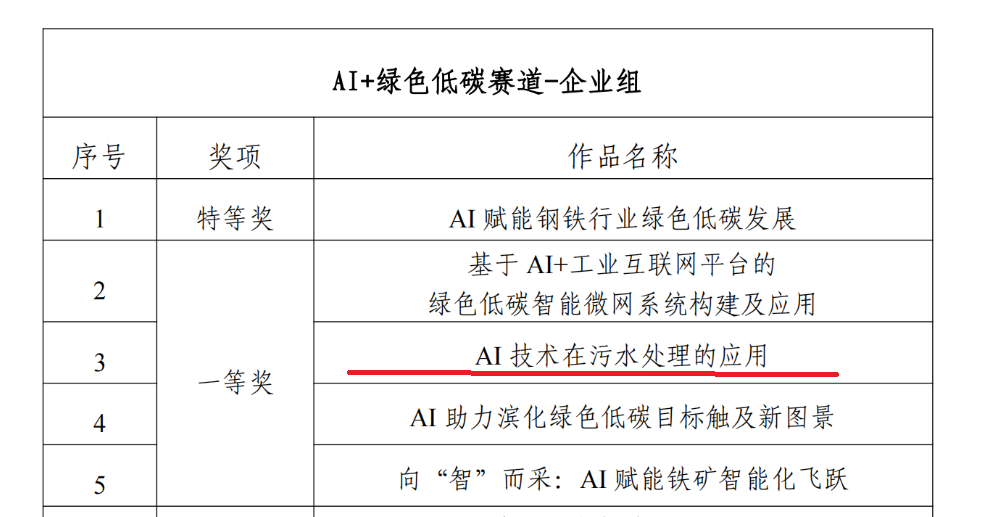
Core Viewpoint - China is poised to lead a new wave of globalization centered around green transformation, leveraging its competitive advantages in various key sectors [1][3]. Group 1: Globalization and Green Transformation - The founder of the Globalization Think Tank (CCG), Wang Huiyao, stated that the 21st century will see China at the forefront of a new globalization era focused on green transformation, similar to how the UK and the US led previous industrial revolutions [3]. - China possesses the most complete industrial chain and market scale, leading globally in critical areas such as photovoltaics, wind energy, electric vehicles, and energy storage [3]. Group 2: Renewable Energy and Market Position - China's newly installed solar capacity exceeds the total of all other countries combined, with high-speed rail accounting for 70% of the global total and 5G representing 60% [3]. - The price of Chinese solar panels has significantly decreased from $0.24 per watt in 2023 to $0.11 per watt in 2024, making them attractive to markets in Africa and Brazil facing climate challenges [3]. Group 3: Renewable Energy Adoption in China - Renewable energy now accounts for over 50% of China's energy mix, surpassing fossil fuels, and the production of new energy vehicles has also exceeded 50% [4]. - In Beijing, the proportion of new energy vehicles has reached 50% to 60%, contributing to improved air quality [4]. - The number of electric vehicle charging stations in China reached 16 million by mid-2023, compared to only 1 million in the United States [4].

山西证券研究早观点-20251217
Shanxi Securities· 2025-12-17 00:57
Market Overview - The domestic retail sales in November 2025 showed a year-on-year growth of 1.3%, which is below market expectations, with a total retail sales amounting to 4.39 trillion yuan [8] - Cumulative retail sales from January to November 2025 reached 45.61 trillion yuan, reflecting a year-on-year growth of 4.0% [8] - The consumer confidence index in October 2025 was recorded at 89.4, indicating a slight decline of 0.2 from the previous month [8] Industry Insights Textile and Apparel Sector - The textile and apparel retail sales growth in November 2025 decreased by 2.8 percentage points, with a year-on-year growth of 3.5% [7][10] - The performance of major brands such as Bosideng is expected to remain strong due to continuous innovation in core products and a favorable comparison to last year's low base [7] - Recommendations include brands like 361 Degrees and Anta Sports, with a focus on their potential for growth in the upcoming seasons [7] Jewelry and Retail Sector - The jewelry retail sales in November 2025 increased by 8.5% year-on-year, driven primarily by price increases, despite a slight month-on-month decline [10] - Companies with strong terminal performance and differentiated products in the jewelry sector are recommended for investment [10] Electric Equipment and New Energy Sector - The report highlights that the company UBTECH has secured orders exceeding 50 million yuan for humanoid robots, indicating a growing demand in the AI and robotics market [11] - The central economic meeting emphasized the importance of green transformation and the establishment of a new energy system, which could benefit companies in the renewable energy sector [12] Supply Chain and Pricing Trends - The report notes that the prices of polysilicon and silicon wafers have remained stable, with polysilicon prices at 52.0 yuan/kg and silicon wafer prices showing signs of stabilization after previous declines [12] - The battery cell prices have seen a slight decrease, with N-type battery cells priced at 0.28 yuan/W, indicating ongoing price pressures in the market [12] Investment Recommendations - The report recommends focusing on companies in the photovoltaic sector such as LONGi Green Energy and Aiko Solar, as well as those involved in supply chain improvements and market-oriented energy solutions [13] - Companies like Miniso and Yonghui Supermarket are highlighted for their strong performance and growth potential in the retail sector [10]
为世界注入确定性
Jing Ji Ri Bao· 2025-12-17 00:05
当前,世界正经历百年未有之大变局,中国坚定不移地实施高水平对外开放战略,不仅是实现自身 高质量发展的必由之路,也是重塑全球化内生动力、引领全球治理体系变革的关键路径。通过制度型开 放、单边开放与区域合作等多维并举,中国正从"开放大国"向"开放强国"跨越。 中国以负责任大国的担当,通过一系列务实举措为世界注入更多确定性和发展动能。中国是150多 个国家和地区的主要贸易伙伴,成为全球清洁能源发展的主要推动力量,为绿色转型作出实质性贡献, 通过共建"一带一路"倡议等积极推动国际合作。中国持续深化开放,为资本开辟了新的、更具吸引力的 航道。制定并实施更具前瞻性和战略性的开放策略,将增强中国重塑全球化的能力。 首先,稳步扩大制度型开放。在当前单边主义、保护主义升温的背景下,国际经贸规则体系正经历 深刻演变。面对新形势,我们应抢抓机遇、积极作为,稳步推进自主开放与单边开放进程,全面提升驾 驭高水平对外开放的综合能力。聚焦服务业等重点领域,进一步放宽市场准入,拓展对外开放的广度与 深度。同时,主动融入国际高标准经贸规则体系,积极参与数字贸易、人工智能等新兴领域的国际规则 磋商与制定,营造更加稳定、透明、可预期的发展环境。坚 ...
今年以来累计涨超75% 美降息周期下有色金属行情可期
Zhong Guo Zheng Quan Bao· 2025-12-16 22:09
Core Viewpoint - The non-ferrous metals sector has shown strong performance in 2023, with the Zhongzheng Shenwan Non-Ferrous Metals Index rising by 75.82%, driven primarily by industrial metals like copper, gold, and lead-zinc [1][2]. Group 1: Market Performance - The Zhongzheng Shenwan Non-Ferrous Metals Index has increased by 75.82% year-to-date, ranking it among the top sectors in the Shenwan industry index [2]. - Within the sector, industrial metals have led the gains, with the Shenwan Copper Index up by 100.57%, Shenwan Gold Index up by 79.17%, Shenwan Lead-Zinc Index up by 75.06%, and Shenwan Aluminum Index up by 51.75% [2]. - Following the Federal Reserve's interest rate cut of 25 basis points on December 11, related ETFs have seen significant net inflows, with the Southern Zhongzheng Shenwan Non-Ferrous Metals ETF receiving a net inflow of 468 million yuan in the week leading up to December 15 [2]. Group 2: Supply and Demand Dynamics - The macroeconomic environment, characterized by loose liquidity and geopolitical tensions, has positively impacted non-ferrous metal prices [3]. - Industrial metal inventories are at historical lows, with global refined copper stocks at 1,451 thousand tons as of November 30, the lowest in nearly 35 years [3]. - The aluminum production capacity utilization is nearing its maximum, with mainstream electrolytic aluminum inventories at 584 thousand tons, also at historically low levels [3]. Group 3: Future Demand Trends - The demand for copper and aluminum is expected to grow significantly due to the green transition, particularly in sectors like electric vehicles and AI infrastructure [4]. - By the third quarter of 2025, copper demand from electric vehicles and charging stations is projected to increase, with a year-on-year growth of 8% in apparent copper consumption in China [4]. - The trend of "using aluminum instead of copper" is accelerating, with ongoing demand in air conditioning heat exchangers and battery trays for electric vehicles [4]. Group 4: Investment Outlook - Despite a recent decline of 2.63% in the Zhongzheng Shenwan Non-Ferrous Metals Index, institutions maintain a positive long-term outlook for the sector under the premise of macroeconomic easing [5]. - The focus is on the "three safe-haven metals": copper, aluminum, and gold, with copper expected to face supply-demand tightness by 2026 due to reduced production forecasts from leading copper mining companies [6]. - Investment strategies suggest prioritizing leading companies with core mining rights and those with deep processing capabilities, emphasizing the dual themes of supply rigidity and green premium [6].
今年以来累计涨超75%美降息周期下有色金属行情可期
Zhong Guo Zheng Quan Bao· 2025-12-16 20:19
● 本报记者 葛瑶 今年以来,有色金属板块表现亮眼,中证申万有色金属指数累计上涨75.82%,位居申万一级行业涨幅 榜前列。其中,铜、黄金、铅锌等细分品种涨幅居前,工业金属成为板块上涨主要驱动力。 机构人士认为,在全球宏观流动性宽松的背景下,有色金属凭借供需刚性、避险属性及绿色转型需求, 中长期配置价值凸显,尤其看好铜、铝、黄金"避险三剑客",优先布局拥有核心矿权的龙头企业,重点 关注具备深加工能力的标的。 有色金属板块领跑A股 Wind数据显示,截至12月16日,中证申万有色金属指数今年以来累计上涨75.82%,位居申万一级行业 涨幅榜前列。 细分来看,有色金属板块内部呈现结构性行情,工业金属品种领涨,成为板块上涨的主要驱动力。申万 铜指数今年以来累计涨幅达100.57%,位居板块内首位;申万黄金指数累计涨幅为79.17%;申万铅锌指 数累计涨幅为75.06%;申万铝指数累计涨幅为51.75%。 资金面上,市场情绪持续高涨。12月11日美联储如期降息25个基点后,有色金属相关ETF连续多日迎来 资金净流入。截至12月15日,南方中证申万有色金属ETF近一周获净流入4.68亿元,万家中证工业有色 金属主题ET ...
人保、国寿、太平、信保、中再集体表态!
Jin Rong Shi Bao· 2025-12-16 17:52
持续完善公司治理,深化市场化体制机制改革,着力推动数智化转型,积极探索产品、服务、模式创 新,培育差异化竞争优势。要强化战略引领,高标准编制"十五五"规划,谋划好高质量发展新篇章。 中国信保党委会议指出,更好支持高水平对外开放。要充分发挥逆周期调节作用,努力为我国外贸量稳 质升多做贡献。要高质量服务共建"一带一路",统筹抓好重大标志性工程和"小而美"惠民生项目。要强 化对战略性新兴产业等重点领域的资源倾斜,积极推动科技创新和产业创新深度融合。要在控制风险前 提下,积极发挥内贸险、担保、进口险等作用,助力贸易投资一体化、内外贸一体化。持续提升服务实 体经济质效。要做精做实"五篇大文章",加力支持科技创新、中小微企业等重点领域,不断提升政策性 金融服务水平。要积极主动融入新一轮重点产业链高质量发展行动,持续打造具有信保特色的产业链承 保模式,助力打造更有韧性更加安全的产业链。要围绕服务发展新质生产力,不断优化科技金融服务。 要做深做实普惠金融服务,不断增强中小微企业获得感。守牢不发生系统性风险底线。要健全常态化长 效化风险防控机制,强化重点领域风险防控,做到风险早识别、早预警、早发现、早处置。要密切关注 宏观环境 ...


一汽解放:持续加码科技创新、绿色转型及国际化
Zheng Quan Ri Bao Zhi Sheng· 2025-12-16 16:43
Core Viewpoint - The article highlights the strategic transformation of FAW Jiefang Group, emphasizing its focus on technological innovation, green transition, and international development amidst a challenging commercial vehicle industry landscape [1][6]. Group 1: Conference Highlights - The 2026 Global Partner Conference showcased FAW Jiefang's achievements in technology innovation, green transition, international layout, and industrial ecosystem construction, setting new records in scale, content, and industry influence [1]. - The conference integrated user feedback into the partnership framework, allowing truck driver representatives to share their experiences, thereby enhancing the feedback loop from product development to actual operations [2]. - The event combined procurement and marketing service meetings to foster direct communication among suppliers, dealers, and manufacturers, promoting value co-creation and collaborative development [2]. Group 2: Technological and Quality Focus - The conference featured a display of cutting-edge technologies, including the "Star Key Platform" and L2+ driving assistance solutions, showcasing FAW Jiefang's commitment to smart technology and platform development [3]. - A quality-themed exhibition highlighted the company's manufacturing capabilities and quality management systems, reinforcing its commitment to long-term brand value through transparency [3]. Group 3: Strategic Direction - FAW Jiefang has chosen to invest in high-end, intelligent, and new energy sectors rather than pursuing short-term sales through price cuts, laying a foundation for structural improvement and quality enhancement [4]. - The company has seen significant growth in the new energy sector, leveraging its self-manufactured core components to establish a sustainable development base for its products [5]. - International expansion is a key focus, with efforts to enhance local operations and establish KD factories in emerging markets, contributing to rapid growth in overseas business [5]. Group 4: Long-term Goals - FAW Jiefang is systematically advancing its strategic goals of "Technological Liberation, Green Liberation, and International Liberation," focusing on commercializable applications in intelligent driving and accelerating the synergy of new energy products with green manufacturing [6]. - The company aims to solidify its long-term growth foundation through value competition and ecosystem co-construction, providing a practical model for high-quality development in the Chinese commercial vehicle industry [6].

点绿成金!福建武平连绵青山变为幸福“靠山”
Sou Hu Cai Jing· 2025-12-16 15:32
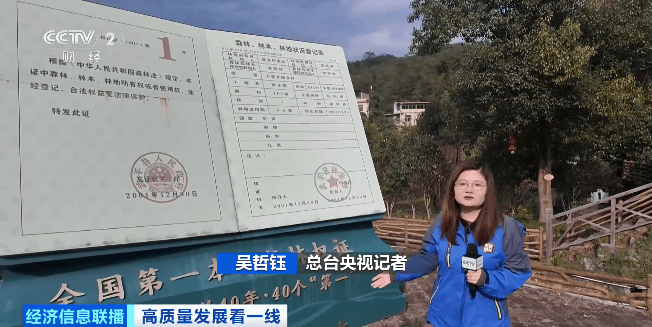
Core Viewpoint - The central economic work conference emphasizes the importance of "dual carbon" goals, promoting a comprehensive green transformation and enhancing the national carbon emission trading market [1] Group 1: Green Transformation and Carbon Market - The conference calls for strengthening the construction of the national carbon emission trading market and optimizing natural protected areas [1] - Fujian province is actively exploring ways to realize the value of ecological products and continuously promoting forestry carbon sink development [1] Group 2: Collective Forest Rights Reform - In Wuping County, Fujian, the collective forest rights reform initiated in the early 2000s has clarified land use and ownership rights, transforming resources into assets and funds [3][5] - The reform has led to increased enthusiasm among farmers for managing their own forests, with a focus on clear property rights and operational freedoms [5] Group 3: Economic Impact and Development - Compared to before the reform, Wuping's forest coverage has increased by 2.9 percentage points to 79.7%, and the county has established 388 demonstration bases for under-forest economy, covering over 1.6 million acres [9] - The under-forest economy is projected to achieve a total industrial output value of 4.825 billion yuan in 2024, with an average annual income increase of over 56,000 yuan per person [9] Group 4: Innovative Financial Instruments - The introduction of a new type of forest ticket in Wuping has gained popularity, with significant demand leading to rapid sales [11] - The forest ticket system allows for flexible financial operations, including collateralization and transfer, enabling farmers to access loans for further investment [13] Group 5: Overall Economic Growth - As of now, the issuance amount of forest tickets in Fujian has reached nearly 1.1 billion yuan, with the total output value of the forestry industry projected to be 812.1 billion yuan in 2024, reflecting a year-on-year growth of 6.1% [15] - The experiences from Wuping are being promoted across the province to transform "green resources" into "green wealth" [17]
摩根士丹利基金:“十五五”开局元年 中国经济和股票市场步入“稳健上升年”
Zhi Tong Cai Jing· 2025-12-16 12:48
2026年是过渡关键年 邢自强表示,从需求角度分析,内需有进一步增长空间,房地产市场继续调整。外需方面,美国经济稳 健及AI投资带动全球需求,出口相对坚挺。政策层面,供给端仍是主要抓手,基建投资有望在"两会"后 加码,重点领域包括地下管网、绿色转型(碳减排、储能、智能电网)以及AI算力中心等。 尽管宏观挑战仍在,但有三大积极变化带来信心。首先,政策更灵活,财政货币协调支持消费,打破思 维定式迈出一步。其次,企业展现强大韧性和创新力,尤其在AI、智能驾驶、电池、生物制药等领域 形成全球竞争力。第三,资金活跃度提升,海外资金对中国资产兴趣回升,以保险、银行资管为代表的 机构投资者以及散户入市迹象增强。这些变化意味着,对于中国经济和市场信心已显著提升。 2026年是稳健上升年 今年截至目前,A股、港股及全球投资者密切追踪的MSCI中国指数估值,在估值上取得了明显修复。 尤其是MSCI中国指数已经修复40%。 12月16日,摩根士丹利基金发文称,2025年即将结束,中国经济在这一年积极应对内外挑战,整体保持 平稳,而股票市场,尤其是港股展现出强劲的增长势头,成为全球主要市场中的领跑者之一。摩根士丹 利中国首席经济学家 ...
亚太森博数字化转型两项成果获得省级大奖
Qi Lu Wan Bao· 2025-12-16 10:57
AI智能污水处理项目荣获 "首届山东AI+先进制造业创新应用大赛" | | | AI+绿色低碳赛道-企业组 | | --- | --- | --- | | 序号 | 奖项 | 作品名称 | | 1 | 特等奖 | AI 赋能钢铁行业绿色低碳发展 | | 2 | 等奖 | 基于 AI+工业互联网平台的 绿色低碳智能微网系统构建及应用 | | 3 | | AI 技术在污水处理的应用 | | 4 | | AI 助力滨化绿色低碳目标触及新图景 | | 5 | | 向"智"而采:AI赋能铁矿智能化飞跃 | 项目团队历经一年多的现场调研、数据收集、工艺优化、数字建模、硬件安装、单机测试等各环节,终于在2025年2月28日实现曝气池AI系 统成功上线。AI智能污水处理系统深度融合人工智能算法,实现了对污水处理全流程的精准预测、可视化与动态调控,不仅显著提升处理 效率与水质稳定性,更有效降低系统运行能耗,减少了药品消耗,是AI技术赋能传统环保、实现经济与环境效益双赢的创新实践,也为集 团内部提供可借鉴的数字化转型的应用场景,是制浆造纸行业无数处理第一个人工智能控制案例。 DPM智能运维项目荣获 "首届山东省数字工程师创新创意 ...