关税战

Search documents
突发!美国、欧洲,重大变数!
券商中国· 2025-05-27 01:43
Trade Negotiations - The EU and the US trade negotiations are at a delicate moment, with Germany warning against escalating tariff disputes, stating that increased tariffs would harm German interests [1][4] - German Chancellor Merz emphasized that if negotiations fail, Germany will retaliate against US tariff policies, indicating a readiness to respond if necessary [4][5][8] - The EU is preparing to impose tariffs on $23.9 billion worth of US goods in response to potential US tariffs, with an additional list covering €95 billion of US products as a countermeasure [8] Support for Ukraine - Germany and EU countries will continue to support Ukraine, with no restrictions on the range of weapons supplied, allowing Ukraine to target military objectives within Russia [2][10] - Merz stated that Western countries, including the UK, France, and the US, are providing cruise missiles to Ukraine, and Germany may also join this effort [10] - The German government under Merz is taking a firmer stance on military support for Ukraine compared to the previous administration [10][11] Trade Balance - In 2023, the EU had a trade surplus of €156.6 billion with the US in goods, but a trade deficit of €108.6 billion in services, highlighting the imbalance in trade relations [7]

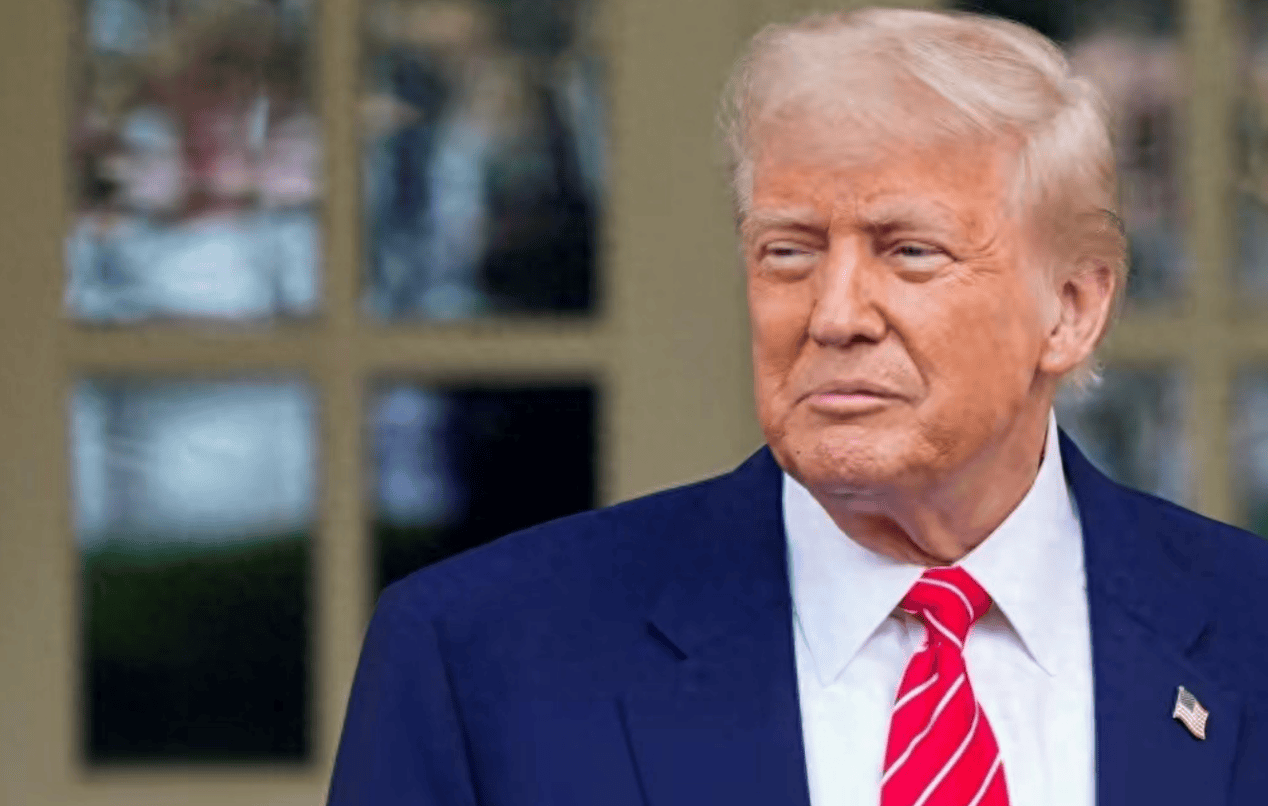
欧洲一边“加速推进”与美谈判,一边威胁美国科技公司成为“报复对像”
Hua Er Jie Jian Wen· 2025-05-27 00:28
根据欧盟委员会5月26日声明,美欧双方已就加速贸易谈判达成共识,特朗普政府同意将对欧盟加征 50%关税的期限从原定的6月1日延至7月9日。 这一决定是欧盟委员会主席冯德莱恩与特朗普在周日晚上通话后作出的。 报道称,默茨表示完全支持冯德莱恩的应对方式,并重申德国不会单独达成协议而将贸易事务交由欧盟 处理的立场。不过,他也强调必要时欧盟将采取行动。 在距离新关税生效仅剩六周之际,欧盟对美国的态度似乎呈现出"边谈边打"的微妙态势。欧盟一边加速 推进与美国进行贸易谈判,德国总理默茨一边发出警告:若与特朗普政府的贸易冲突升级,欧盟可能对 美国科技公司采取反制措施。 据央视新闻报道,当地时间26日,德国总理默茨表示,德国和其他欧盟国家不希望关税争端升级。从德 国的角度看,加征关税会损害德国的利益,如果欧美谈判无法达成一致,德国没有选择,德国将会对美 国关税政策进行反击。现在的欧美谈判正在努力避免局势升级,德国也希望避免关税战这种情况的出 现。默茨还称,德国需要为欧盟与美国谈判的失败以及其他任何情况做好准备。 此外默茨表示,美国科技公司在欧盟享有有利的税收环境,但这种情况不一定会持续下去,欧盟不希望 与美国陷入关税战升级的 ...
“离婚冷静期”里的中美欧
吴晓波频道· 2025-05-26 17:02
Core Viewpoint - The article discusses the escalating trade tensions between the U.S. and the EU, highlighting the potential economic impacts and strategic implications of the proposed tariffs and countermeasures. Group 1: U.S.-EU Trade Tensions - The U.S. President threatened to impose a 50% tariff on EU products starting June 1, 2025, which was later postponed to July 9, 2025 [1][2][6] - This situation is referred to as "Tariff War 2.0," indicating a renewed escalation in trade conflicts following a brief period of calm in U.S.-China relations [3][4] - The EU's response to U.S. tariffs is critical, as it is the third-largest economy globally, with approximately 2% of its GDP dependent on U.S. demand [12] Group 2: EU's Countermeasures - The EU has initiated countermeasures against U.S. tariffs, including a detailed list of products worth €95 billion targeted for tariffs, covering various sectors such as aircraft, automobiles, and agricultural products [14][15][16] - The EU's strategy includes not only retaliatory tariffs but also alternative measures like the proposed digital services tax, which could significantly impact U.S. tech companies operating in Europe [20][22] - The EU's internal divisions among member states regarding the response to U.S. tariffs may slow down its reaction, as different countries have varying levels of economic dependence on the U.S. [31][33] Group 3: Strategic Implications - The ongoing trade tensions may provide opportunities for China to strengthen its economic ties with the EU, as both regions navigate their relationships with the U.S. [37][40] - The EU aims to maintain its status as a key ally of the U.S. while also exploring deeper economic relations with China, reflecting a complex geopolitical landscape [41][48] - The article suggests that the EU's internal market barriers could be reduced, potentially enhancing its competitive position against the U.S. [39][37]

美国终于拨通中方电话,但双方新闻稿都很简单,释放信号不一般
Sou Hu Cai Jing· 2025-05-26 11:11
Group 1 - The US and China have jointly announced a reduction in tariffs, effectively pausing the ongoing trade war, which has drawn global attention to the geopolitical and economic power dynamics at play [1] - Analysts suggest that the recent agreement indicates that the Trump administration may have overestimated its own strength in the trade negotiations [1] - The communication between US and Chinese officials highlights the importance of maintaining dialogue, despite the simplicity of the statements released by both sides [3] Group 2 - Experts emphasize the necessity of reaching a trade agreement, noting that escalating tariffs would harm both parties' interests [4] - Jamie Dimon, CEO of JPMorgan Chase, expressed a commitment to deepening engagement in the Chinese capital market, signaling a potential thaw in US-China relations [4] - Following the Geneva trade meeting, the tariff confrontation has reverted to the status prior to April 2, indicating a temporary resolution [6] Group 3 - China's holdings of US Treasury bonds decreased by $18.9 billion in March, continuing a trend of diversifying foreign exchange reserves and reducing reliance on US debt [8] - Since April 2022, China's holdings of US debt have remained below $1 trillion, reflecting a significant shift in investment strategy [8] - The trend of reducing US Treasury holdings and increasing gold reserves has been notable, with China previously holding the position of the largest holder of US debt before being surpassed by Japan in 2019 [8]

最大的确定性——中国企业关税战生存图景调查
和讯· 2025-05-26 10:52
Core Viewpoint - The article discusses the ongoing trade tensions between the US and China, highlighting the temporary pause in tariff increases and the resulting surge in shipping activity and container bookings from China to the US, while also expressing concerns about the long-term implications of these trade disputes [1][2][5]. Group 1: Trade Developments - On May 26, Trump agreed to extend the deadline for imposing a 50% tariff on the EU until July 9, indicating the volatile nature of global trade relations [1]. - Following a temporary halt on high tariffs on May 14, there was a significant increase in container bookings from China to the US, with certain categories like toys and sports goods seeing a 280% increase in bookings [2]. - Shipping companies adjusted prices significantly, with rates from Shanghai to New York increasing by 31.7% and from Shanghai to Long Beach by 22.0% after the temporary trade agreement [4]. Group 2: Economic Implications - The temporary 90-day pause in tariffs has led to increased activity at major ports in Asia, creating new job opportunities as companies rush to ship goods [3][4]. - The article notes that the average tariffs imposed by the US on Chinese imports have risen to 51.1%, while China's tariffs on US goods stand at 32.6%, indicating a significant escalation in trade barriers since the onset of the trade war [5][6]. - The uncertainty surrounding the trade situation continues to challenge businesses, requiring effective operational strategies and investment measures to navigate the prolonged period of instability [6][10]. Group 3: Future Outlook - There is a prevailing concern about whether the trade war will truly end, as the underlying tensions between the two economies remain unresolved [5][6]. - The article emphasizes the need for companies to build resilience in their supply chains and diversify their market strategies to survive in an era dominated by uncertainty [7][9]. - The Chinese government is focusing on stabilizing the economy and expanding high-level openness, which is seen as a significant certainty amid external uncertainties [8][9].

合法合规!企业在关税战中破出了一条“生路”
Hua Er Jie Jian Wen· 2025-05-26 10:45
Core Viewpoint - Companies are utilizing the "first sale rule" to mitigate the impact of high tariffs and reduce import costs, a strategy that has resurfaced due to recent tariff policies [1][2]. Group 1: Mechanism of the First Sale Rule - The "first sale rule" allows U.S. companies to use the price of the first transaction (e.g., from a factory to a middleman) for customs duties instead of the final sale price [1][2]. - This rule has been in existence since 1988 but gained renewed attention following the imposition of tariffs by the Trump administration starting in 2018 [2][3]. - To utilize this rule, companies must meet four conditions: multiple transactions, independent parties, proof of initial export intent, and documentation of the first sale price [3][4]. Group 2: Challenges and Trust Issues - Obtaining the initial price data is challenging, as middlemen may be reluctant to disclose their purchase prices due to profit confidentiality [4]. - Trust between suppliers and clients is crucial for the successful application of the first sale rule, as cooperation is needed to share sensitive pricing information [5]. Group 3: Adoption by Companies - High-end consumer goods and luxury brands are particularly suited to benefit from the first sale rule due to their high margins and significant price differences [6]. - Companies like Moncler have publicly acknowledged the substantial cost benefits derived from using the first sale rule, with savings being considerable compared to retail prices [6]. - Other companies, such as Kuros Biosciences and Traeger, are also adapting their operational structures to comply with the first sale rule to minimize tariff costs [7][8].
花旗上调三个月金价目标位 受新美国关税风险影响
news flash· 2025-05-26 09:27
Core Viewpoint - Citigroup has raised its three-month gold price target to $3,500 per ounce due to ongoing uncertainties such as Trump's trade war, geopolitical risks, and the state of U.S. finances, which have reignited demand for safe-haven assets [1] Group 1 - The adjustment in gold price target reflects the impact of geopolitical tensions and trade policies on market sentiment [1] - The demand for safe-haven assets is expected to increase as uncertainties persist in the global economic landscape [1] - Citigroup's revised target indicates a significant bullish outlook on gold prices in the near term [1]
瑞达期货股指期货全景日报-20250526
Rui Da Qi Huo· 2025-05-26 09:05
| 项目类别 | 数据指标 IF主力合约(2506) | 最新 3879.6 | 环比 数据指标 -2.0↓ IF次主力合约(2509) | 最新 3807.6 | 环比 -0.8↓ | | --- | --- | --- | --- | --- | --- | | | IH主力合约(2506) | 2715.4 | +2.6↑ IH次主力合约(2509) | 2677.2 | +1.8↑ | | | IC主力合约(2506) | 5614.8 | -39.6↓ IC次主力合约(2509) | 5426.2 | -30.0↓ | | | IM主力合约(2506) | 5950.0 | -48.6↓ IM次主力合约(2509) | 5708.2 | -46.8↓ | | | IF-IH当月合约价差 | 1164.2 | -4.4↓ IC-IF当月合约价差 | 1735.2 | -39.2↓ | | 期货盘面 | IM-IC当月合约价差 | 335.2 | -9.8↓ IC-IH当月合约价差 | 2899.4 | -43.6↓ | | | IM-IF当月合约价差 | 2070.4 | -49.0↓ IM-IH当月 ...
关税战再添变数!黄金多头或转守为攻?订单流给出什么信号?阿汤哥正在实时分析,点击马上观看
news flash· 2025-05-26 07:09
Core Insights - The article discusses the impact of the ongoing trade war on gold prices, suggesting that bullish positions may shift to a more defensive stance due to market volatility [1] Group 1: Market Analysis - The trade war introduces new uncertainties that could influence gold demand and pricing dynamics [1] - Real-time analysis of gold order flows is being conducted to identify potential shifts in market sentiment [1] Group 2: Investment Implications - Investors may need to reassess their strategies in light of the evolving trade situation, particularly regarding gold as a safe-haven asset [1] - The article hints at the possibility of a tactical shift for gold bulls, indicating a need for vigilance in monitoring market signals [1]
关税博弈40日
虎嗅APP· 2025-05-26 00:05
Core Viewpoint - The article discusses the impact of the ongoing US-China tariff war on trade dynamics, highlighting the resilience of Chinese exporters and the complexities of international trade negotiations amid rising tariffs and geopolitical tensions [2][6][7]. Group 1: Tariff Impact on Chinese Exporters - Chinese exporters, such as Dongyi Yangshan Technology and Shuangtong Straw Company, are adapting to the fluctuating tariff environment, with some clients resuming orders despite high tariffs [3][10][11]. - The article notes that the average effective tariff rate for US imports from China is around 41%, while China's effective tariff rate on US imports is approximately 28% [5][6]. - Despite the high tariffs, the demand for Chinese products remains strong, as US consumers are likely to absorb some of the increased costs [11][14]. Group 2: Trade Dynamics and Market Adjustments - The article highlights a significant increase in container shipping bookings from China to the US, with a reported surge of nearly 300% following the announcement of tariff reductions [4][5]. - Companies are finding ways to mitigate tariff impacts, such as using DDP (Delivered Duty Paid) shipping methods, which can reduce the cost burden of tariffs [12]. - The ongoing tariff situation has led to a re-evaluation of supply chains, with some companies considering diversifying their markets beyond the US [16][18]. Group 3: Future Trade Negotiations and Economic Implications - The article emphasizes the uncertainty surrounding future tariff negotiations, with potential for tariffs to rise again after the 90-day negotiation window [6][22]. - Experts suggest that the US-China trade conflict reflects deeper structural issues in global trade and economic governance, with calls for both nations to work collaboratively to address these challenges [7][35]. - The article warns that a prolonged trade conflict could lead to a "hard decoupling" of the US and Chinese economies, which would have significant implications for global trade [17][26].