去美元化

Search documents
白银突破110美元!黄金站上5100美元大关,两个因素推动价格狂飙
Sou Hu Cai Jing· 2026-01-31 13:23
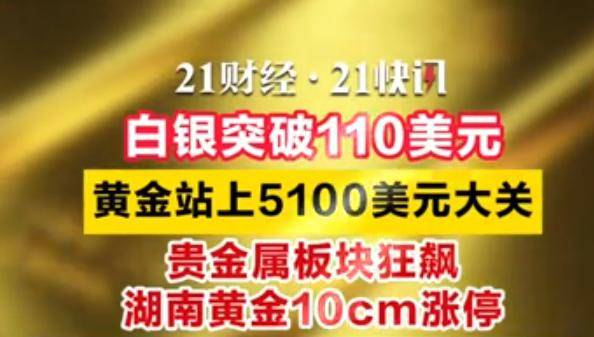
Group 1 - The article highlights a significant surge in interest and participation in the gold and silver markets, with diverse demographics now engaging in buying physical gold, reminiscent of past market frenzies [1][3] - Gold prices have surpassed $5,100, and silver has seen a 55% increase in just one month, indicating a market that has exceeded many professional forecasts [3][8] - The shift in participant demographics is notable, with younger investors increasingly entering the market, utilizing trading apps and social media to share insights, transforming gold and silver from mere investment tools to social status symbols [5][12] Group 2 - The trading behavior has evolved from long-term holding to day trading and short-term operations, with silver experiencing daily fluctuations exceeding 10%, a volatility previously seen in smaller tech stocks [7][22] - The perception of gold has shifted, with it now serving as a neutral currency amid geopolitical tensions, as central banks globally increase their gold reserves in preparation for a potential "de-dollarization" world [12][16] - Industrial demand for silver is rising, driven by concerns over energy supply and its essential role in new technologies, reflecting a broader anxiety about energy resources [13][15] Group 3 - The article suggests that the current market sentiment is overheated, with ordinary investors feeling conflicted about buying at high prices, emphasizing the importance of maintaining a calm approach during market frenzies [18][22] - Investment strategies are discussed, with physical gold and silver being suitable for long-term holding, while paper assets like ETFs offer liquidity but lack the tangible feel of physical metals [20][22] - Ultimately, the article stresses the need for investors to focus on maintaining composure and recognizing the intrinsic value of gold and silver amidst market volatility [24]

贵金属遭遇重挫,原因几何前景如何?|国际
清华金融评论· 2026-01-31 10:34
文/《清华金融评论》 王茅 但是 沃什 的主张在现实层面将面临重重阻力。一是来自特朗普的。特朗普提名 沃什 担任下一届美联储主席,两人很可能在某些方面达成了 "共识"。如 果未来 沃什 的政策主张,妨碍了特朗普的行动,那 沃什 无疑会面临比现任鲍威尔更大的压力。二是来自美联储内部的,倘若 沃什 真的推动缩表,那他 在美联储内部将面临其他两股力量的制衡,不支持降息支持扩表的,降息扩表并举的。 更重要的是,大规模缩表,美联储能做到吗,美联储扩表购买的主要是美国国债,如果缩表,谁来承接美国政府的债务? 获利盘集中抛售 。 2026年 1月 , 黄金 价格 累计涨幅 已超 30%,白银涨超 达 60%,短期投机盘获利了结 , 这 引发 了市场的 抛售潮。 相比之下, 白银 因流动性 相对较 差、杠杆更高, 导致 跌幅 更为显著 。 杠杆资金踩踏效应 。 一些 交易所提高保证金比例,触发程序化止损 交易 ,形成 "抛售→下跌→强制平仓"恶性循环,这放大了 市场的 波动程度。 贵金属前景展望 未来 1至3个月,贵金属价格可能以 震荡调整为主 , 市场需消化政策不确定性,白银因波动剧烈或弱反弹后延续震荡,黄金支撑位在 47 ...

朗普提名鹰派人物为美联储主席!引发黄金暴跌
Sou Hu Cai Jing· 2026-01-31 08:36
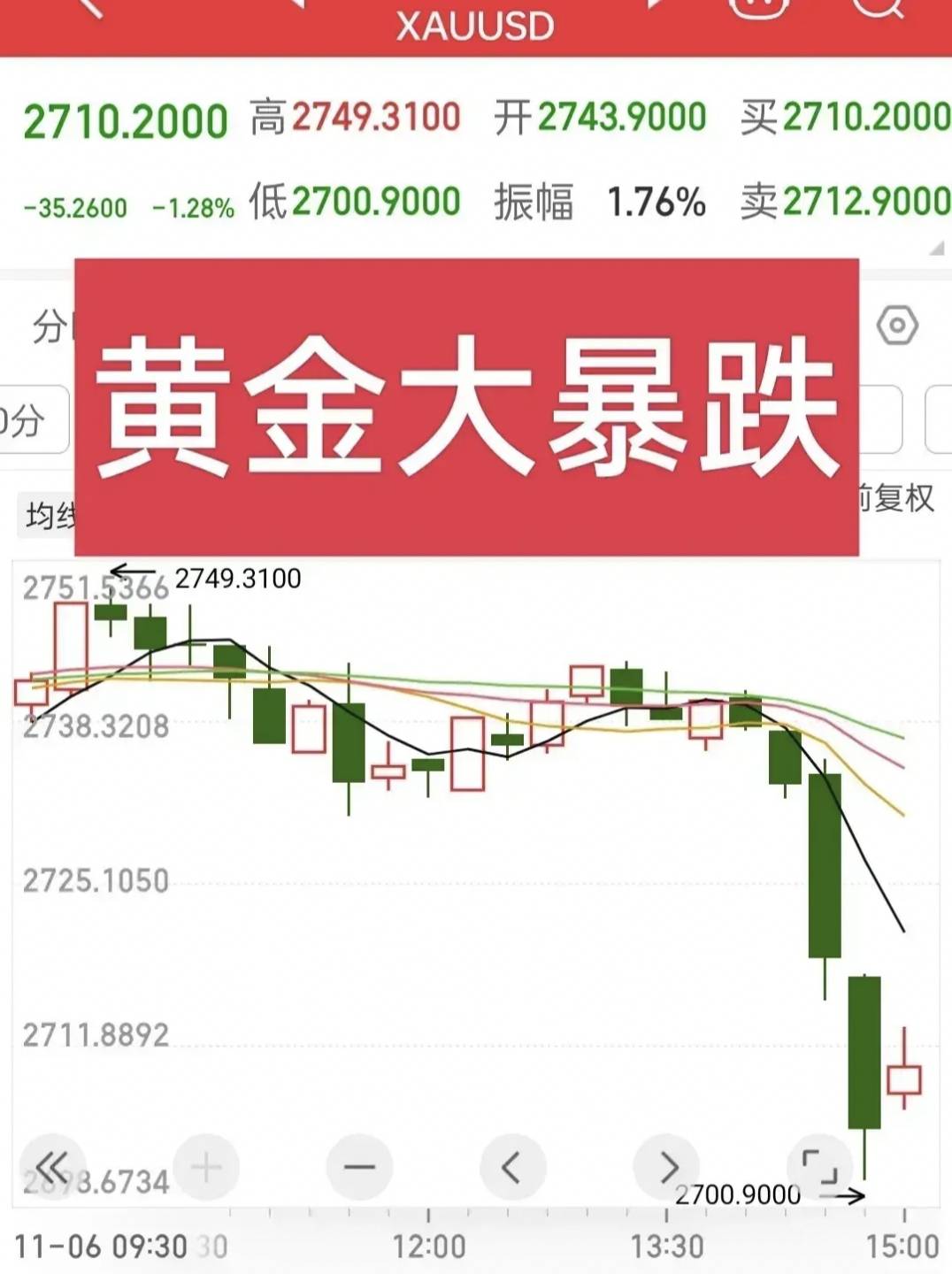
Core Insights - The recent dramatic drop in gold and silver prices was triggered by the nomination of Kevin Warsh, a hawkish figure, as the Federal Reserve Chairman, leading to panic over a shift in monetary easing policies [5][9] - Gold experienced its largest single-day drop in 40 years, exceeding 12%, while silver saw a historic intraday crash of 36% [3][5] Group 1: Market Reactions - Kevin Warsh, known as an "inflation hawk," advocates for a significant reduction of the Federal Reserve's balance sheet from $6.6 trillion to below $5 trillion, causing market expectations for interest rate cuts to plummet from 40% to 15.5% [5] - Prior to the crash, gold had accumulated a 28% increase in January, and silver had surged by 54%, with relative strength indices (RSI) reaching 93.8 for silver and 90 for gold, marking a 40-year peak [5][7] - The Chicago Mercantile Exchange (CME) raised silver futures margin requirements four times within the month to $25,000 per contract, leading to forced liquidations of high-leverage investors [5] Group 2: Historical Context - The recent crash bears similarities to historical collapses in 1979-1980 and 2011, where silver and gold experienced significant declines following retail investor exuberance and increased margin requirements [7] - In 1979-1980, silver fell from $50 to $10 (an 80% drop), and in 2011, it dropped from $49 to $18 (a 63% decline), with gold also experiencing substantial corrections [7] Group 3: Investment Recommendations - Current recommendations suggest limiting gold allocation to 10% of liquid assets and silver to 5%, advising against leverage due to the risk of forced liquidation with a 7% drop under 5x leverage [9] - Key indicators to monitor include the U.S. dollar index, market performance in early February, Chinese industrial data, and statements from Federal Reserve officials, with a focus on signs of stabilization before re-entering the market [9] - The recent drop is viewed as a short-term risk release due to policy and leverage, while the long-term dynamics of de-dollarization and geopolitical uncertainties remain intact [9]
美债被集中抛售,美联储宣布暂停降息!特朗普决定换人,56岁高管将上任!
Sou Hu Cai Jing· 2026-01-31 08:35
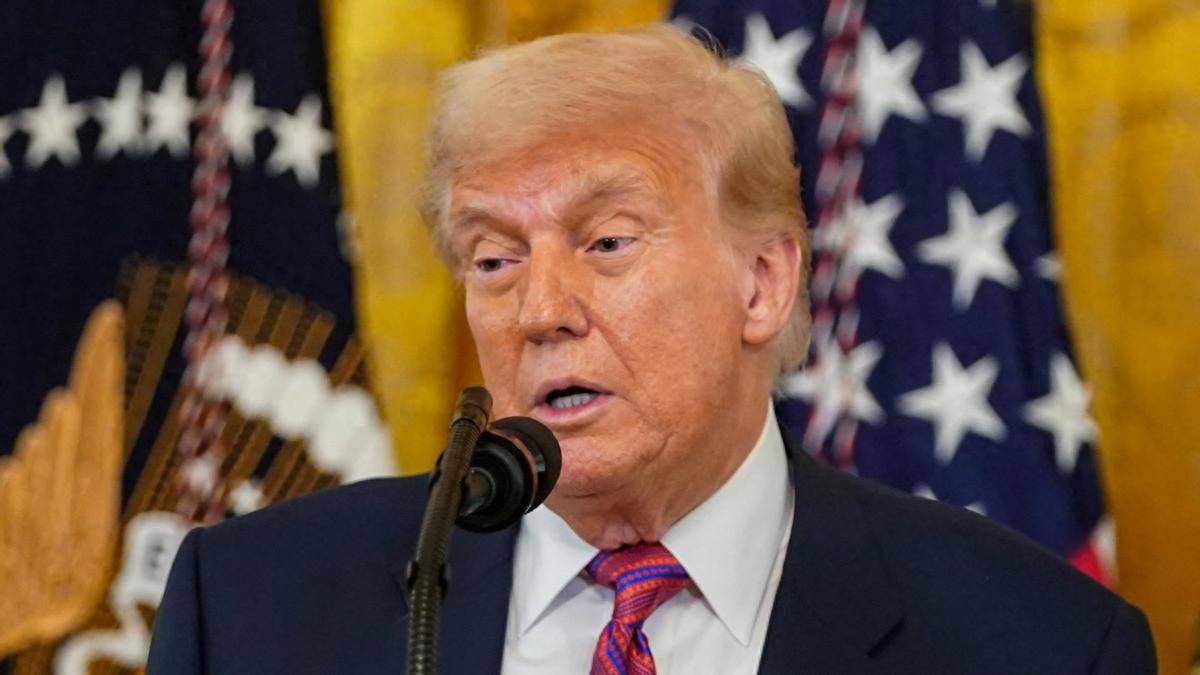
Group 1 - Trump's nomination of Kevin Walsh as the new Federal Reserve Chairman marks a significant political shift in U.S. monetary policy, leading to widespread speculation about the Fed's future direction and causing turmoil in the global financial system [1] - Walsh, a close ally of Trump and a hawkish economist, is expected to advocate for aggressive interest rate cuts, which could stimulate economic growth ahead of the upcoming elections [3] - The announcement has led to a sell-off in the U.S. Treasury market, with long-term bond yields rising sharply, reflecting market concerns over policy uncertainty and the potential for a dramatic change in the financing environment [3] Group 2 - The weakening dollar policy under Walsh is seen as beneficial for China, providing greater policy space for the renminbi and enhancing China's monetary policy autonomy [4] - Global investors are advised to reassess their investment strategies in light of the changing U.S. policies and the opportunities presented by China's economic development [5] - The ongoing process of de-dollarization is prompting countries to adjust their foreign exchange reserves, with China's renminbi internationalization becoming a key alternative in the search for non-dollar options [6]
美债被集中抛售,特朗普作出决定,美联储将换帅,最大赢家已浮现
Sou Hu Cai Jing· 2026-01-31 08:31
Group 1 - The core issue is the trust crisis in the dollar system, with the U.S. facing significant debt problems and policy instability, leading to a global sell-off of U.S. Treasuries [7][11][23] - The U.S. federal government debt exceeded $38.5 trillion by the end of 2025, with annual interest payments surpassing $1 trillion, which is more than the defense budget [7][11] - Major financial institutions in Denmark, Sweden, and Germany, as well as emerging economies like India and Brazil, have begun to reduce their holdings of U.S. Treasuries [8][10] Group 2 - China has been steadily reducing its U.S. Treasury holdings, which fell to $688.7 billion by October 2025, marking a decrease of over $580 billion from its peak of $1.3 trillion in January 2013 [10][14] - The political shift in the U.S. Federal Reserve, with the nomination of Kevin Walsh, indicates a move towards a more politically influenced monetary policy, raising concerns about the independence of the Fed [5][11] - The depreciation of U.S. Treasury prices and rising yields are increasing borrowing costs for American households and businesses, leading to greater financial strain [11][13] Group 3 - China is emerging as a significant beneficiary of the current financial crisis, leveraging stable financial strategies and diversifying its foreign exchange reserves [14][18] - By providing low-interest dollar loans to developing countries like Argentina and Indonesia, China is facilitating the repayment of U.S. Treasuries while promoting trade in renminbi [16][19] - The ongoing de-dollarization process is accelerated by the U.S.'s long-term credit overextension and misuse of financial hegemony, positioning China favorably in the evolving global financial landscape [23][25]
国际金价、银价为啥会出现历史性跌幅?原因披露
Sou Hu Cai Jing· 2026-01-31 08:18
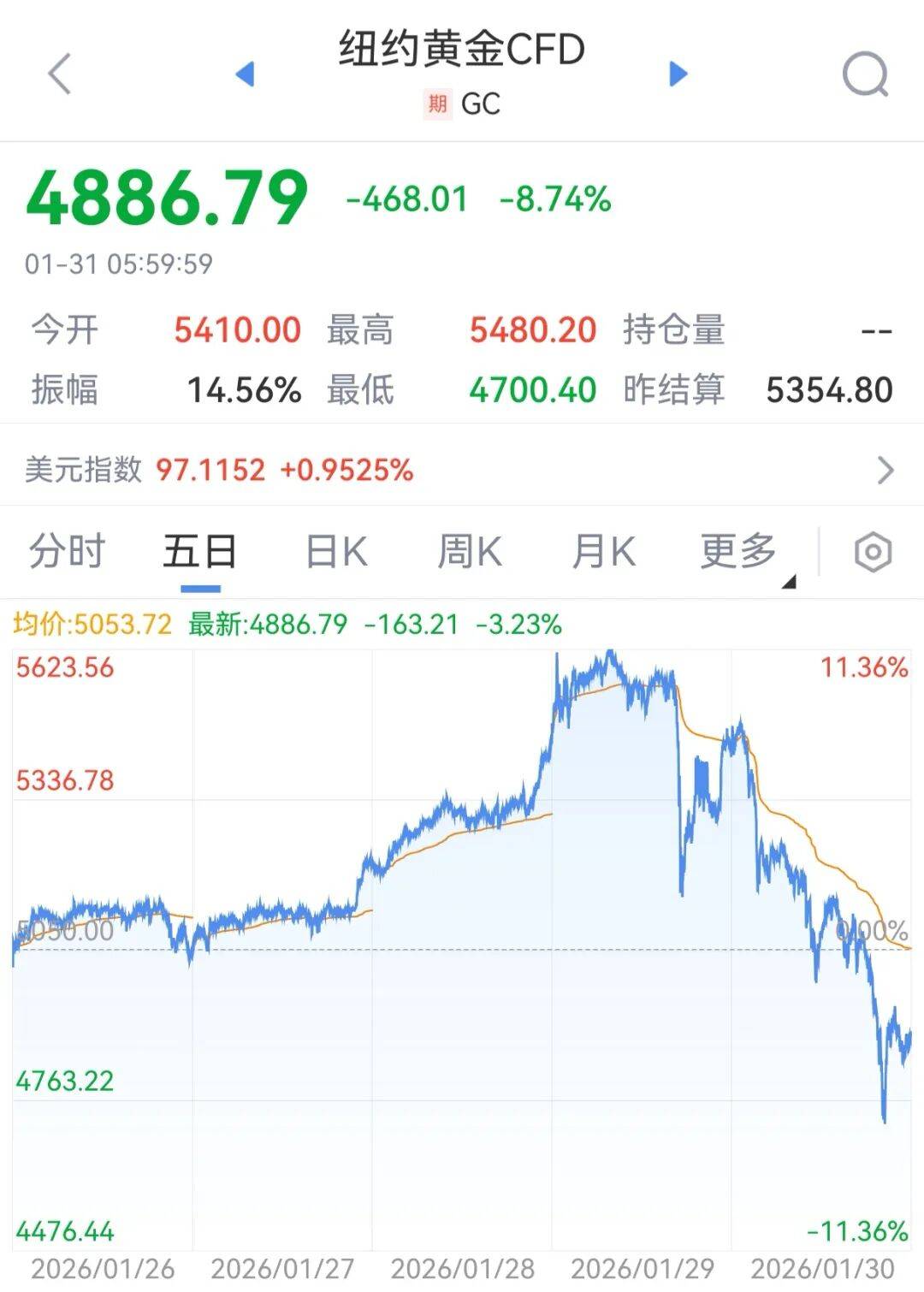
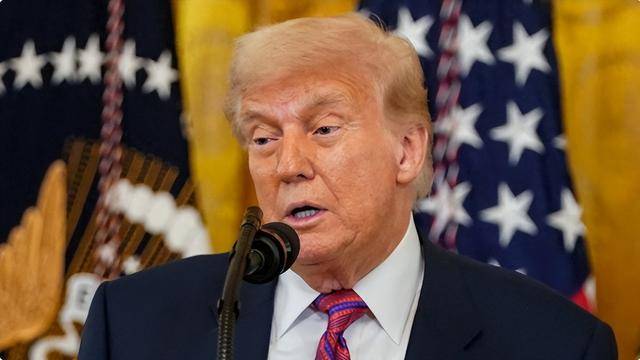
美东时间30日下午,国际市场黄金、白银价格继续大幅下跌。纽约商品交易所4月黄金期价一度跌破每盎司4800美元关口,跌幅超过10%;3月白银期价一度 跌破每盎司80美元关口,跌幅超过30%。现货白银价格一度暴跌36%,创出历史最大日内跌幅。现货黄金价格一度下跌超过12%,盘中跌穿每盎司4700美 元,遭遇40年来单日最大跌幅。 本次黄金、白银等贵金属的大跌,其背后受到美联储相关消息、获利盘回吐等多重因素影响。东方金诚研究发展部高级副总监瞿瑞分析,金价冲高回落,主 因近期国际金价上行速度过快,叠加市场严重超买,引发资金获利了结离场。 中长期来看,瞿瑞分析,本轮金价的上涨已明显超越传统避险交易范畴,这也意味着市场对全球风险的定价方式正在发生变化。其定价不再局限于单次冲突 或危机,而是将地缘政治风险、美元信用风险、美联储独立性风险、美国债务可持续风险等视为长期存在的结构性变量,形成持续的风险溢价。 中金公司执行总经理李昭预计,2026年年初,由于美国通胀持续上行,美国增长边际改善,美联储可能放缓宽松节奏,或对黄金表现形成阶段性压制。但是 再往前看,随着2026年5月新的美联储主席就职,2026年下半年美国通胀迎来下行 ...

华尔街深夜反击,金价一夜暴跌3500元,黄金都搬进了上海金库?
Sou Hu Cai Jing· 2026-01-31 08:02
Core Viewpoint - The recent sharp decline in gold prices and the weakening of the US dollar pose significant threats to those benefiting from the Western financial system, indicating a potential shift in global financial dynamics [2][6]. Group 1: Gold Price Dynamics - International gold prices have surged dramatically over the past year, with over 50 new historical highs in 2025 and a more than 60% increase in London spot gold prices [4]. - The US dollar index fell from 108 to 98 in 2025, marking a cumulative decline of 9.4%, the worst performance in eight years [4]. - The recent drop in gold prices was a premeditated action by Wall Street, triggered by the extreme rise in gold prices and the significant decline in the dollar, which threatened the Western financial system [2][6]. Group 2: Wall Street's Response - Wall Street's aggressive sell-off of gold was a desperate measure to protect the dollar's dominance, taking advantage of the Chinese market's inactivity during the night [6]. - Previous attempts to control gold prices through increased margin requirements were ineffective, leading to this large-scale sell-off as a last resort [6]. - The immediate effect of the sell-off was a temporary rebound in the dollar index, but this rebound is considered unsustainable and artificial [8]. Group 3: Declining Trust in the Dollar - The trust in the US dollar among global central banks has sharply declined, with a notable shift towards gold, as evidenced by gold surpassing US Treasury bonds in central bank reserves for the first time since 1996 [4][15]. - The US government's rising debt, which is approaching $39 trillion and exceeds 120% of GDP, raises concerns about the dollar's stability [12]. - Political instability in the US has led to a lack of confidence in the dollar, with 70% of surveyed investors expressing concerns about investing in dollar-denominated assets [13]. Group 4: Global De-dollarization Trend - The dollar's share in global foreign exchange reserves has fallen below 60% for over ten consecutive quarters, reaching a low of 56.92% in Q3 2025, the lowest since 1995 [15]. - Central banks have increased their gold holdings by 634 tons in the first three quarters of 2025, indicating a clear trend towards de-dollarization [15]. - The establishment of alternative financial systems, such as China's CIPS, is facilitating a shift away from the dollar, providing countries with a means to conduct trade without US control [19][21]. Group 5: Capital Movement to Shanghai - The influx of gold into Shanghai is a reflection of global capital seeking safety and reliability outside the US financial system [16][18]. - The preference for physical gold over paper gold is growing, as investors prioritize tangible assets amid increasing volatility in financial markets [19]. - The trend of capital moving towards Shanghai highlights a broader desire for a more equitable and stable financial order, signaling a shift in the global economic landscape [21].
【环球财经】贵金属市场再现极端行情 后续走势如何?
Xin Hua Cai Jing· 2026-01-31 07:55
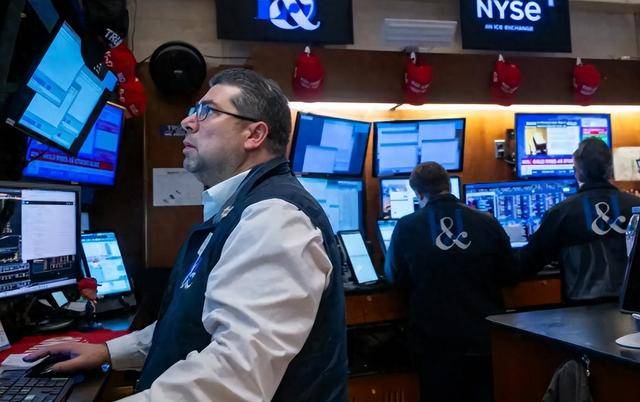
贵金属市场出现史诗级下跌。截至31日收盘,现货黄金盘中一度跌破每盎司4700美元,收盘下跌了 9.6%,回到4860美元附近。现货白银价格盘中更是一度暴跌超过30%,收盘则回到每盎司85美元附近。 受到影响,国内金饰价格31日大幅下调,部分品牌金饰克价较前一日跌超100元。其中,周大福足金饰 品报1625元/克,较前一日跌60元,老庙黄金报1546元/克,较前一日跌144元。 从极速拉升到高位跳水 最近一周,国际黄金市场呈现剧烈波动。数据显示,1月26日早盘,现货黄金率先突破5000美元整数关 口,午后再度攀升至5100美元;1月28日黄金持续爆发,早盘突破5200美元,午后冲上5300美元,尾盘 则升至5400美元,单日连破三道关口;1月29日早盘涨势不减,突破5500美元并逼近5600美元这一重要 整数位,4天内完成6道整百关口的突破,创下全球黄金市场短期上涨新纪录。 不过,这一轮上涨势头在巅峰时刻戛然而止。1月29日当天,金价在创下历史新高后急转直下,现货黄 金价格从每盎司5530美元附近跌至每盎司5105.83美元,日内最大跌幅达5.7%,一度跌超400美元。1月 30日,金价呈现单边急速下行,盘中一 ...
阿姨入手均价300元金条全部卖出!
Sou Hu Cai Jing· 2026-01-31 07:25
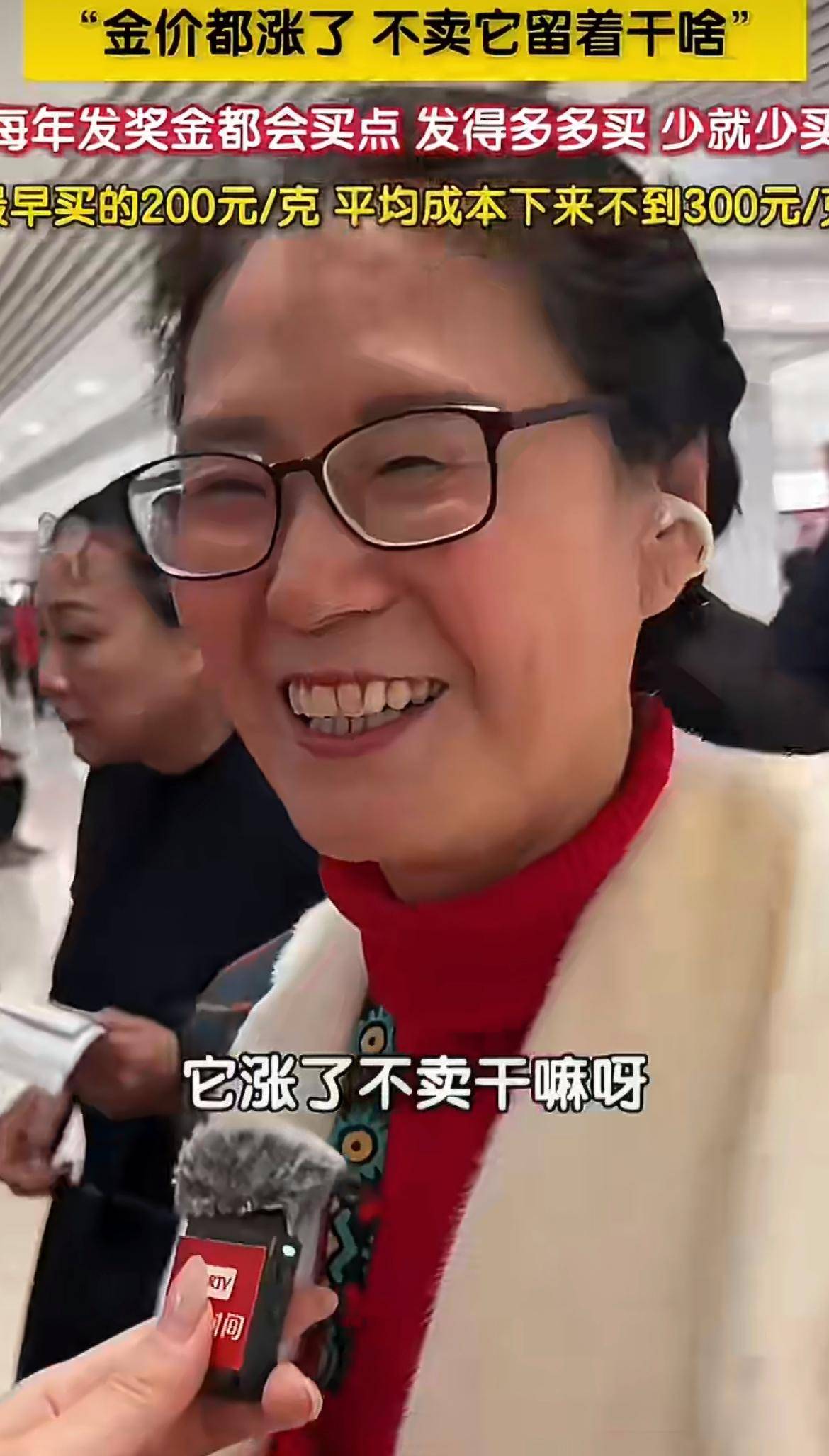
北京一位女士在金价创历史高位时,将多年积攒的金条全部变现的操作引发全网热议,其平均成本不到300元/克的投资策略成为普通家庭理财的焦点范例。 该女士采用"奖金定投"方式积累黄金,每年根据奖金数额灵活购入金条(奖金多则多买、少则少买),最早以200元/克买入,多年分批购入后综合成本控制 在300元/克以内。2026年1月底金价飙升至1175元/克,她选择一次性卖出,实现每克净赚超870元,收益率约290%。 网友称其操作"人间清醒",通过长期定投摊薄成本,高位套现体现"见好就收"的朴素理财观。 部分人视黄金为"婚内经济自主象征",如成都阿姨顶住家人质疑购金,最终收益印证独立判断的价值。 事件曝光同日(1月30日),金价单日暴跌7%,跟风追高者面临短期浮亏,网友自述"刚买4克黄金跌没"。 地缘冲突、去美元化推动黄金避险属性升温,但普通投资者易混淆"保值"与"暴富"逻辑。如郑州女子变现后,有人跟风50万囤银条,却忽视白银工业属性主 导的价格剧烈波动。 ...
强势上涨后,国际金价银价大幅下跌,怎么看?
Ren Min Ri Bao· 2026-01-31 07:04
Core Viewpoint - The significant decline in precious metal prices, including gold and silver, is attributed to a combination of emotional, financial, and technical market factors, alongside profit-taking by investors after previous price surges [2][3]. Group 1: Price Movements - On January 30, gold prices fell below $4,800 per ounce, marking a decline of over 10% [1]. - Silver prices dropped below $80 per ounce, experiencing a decline of over 30% [1]. Group 2: Market Influences - The drop in precious metal prices is influenced by a rebound in the US dollar and changes in market sentiment following the nomination of Kevin Walsh as the next Federal Reserve Chairman by President Trump [3]. - Current market volatility in precious metals is affected by factors such as geopolitical developments and the movement of the US dollar index [4]. Group 3: Long-term Outlook - Despite short-term fluctuations, long-term factors such as safe-haven demand, "de-dollarization," and global gold purchasing trends continue to influence precious metal prices [4]. - Investors are advised to remain cautious of price volatility and focus on long-term trends, adopting a rational investment mindset and avoiding leverage [4].