全球供应链重构

Search documents
中国联手印度巴西反制!美国彻底绝望:特朗普关税由民众买单!
Sou Hu Cai Jing· 2025-08-20 02:52
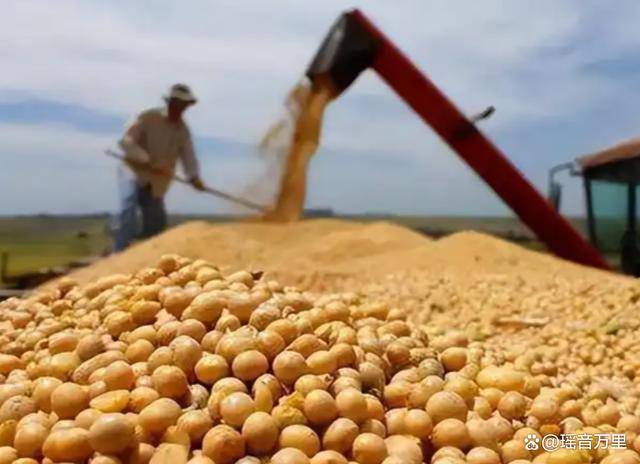
Group 1 - The core issue of the trade war is that while the U.S. believes it is in control, China has successfully partnered with Brazil and India, shifting the agricultural power dynamics globally [1][5] - The U.S. soybean market share in China has plummeted from 34% to 18%, while Brazil has increased its share to 70%, indicating a significant shift in supply chain dependencies [3] - The price of Brazilian soybeans is significantly lower at $580 per ton compared to U.S. soybeans at $1,026 per ton after tariffs, making Brazilian products more competitive [3] Group 2 - The U.S. business community is struggling to mitigate the impacts of tariffs, with inventory turnover rates decreasing and costs rising across various sectors, including automotive and retail [7] - The tariffs have led to increased prices for a wide range of products, from coffee to automobiles, disproportionately affecting lower-income consumers [7] - The ongoing trade tensions are causing significant economic strain, with U.S. farmers and businesses facing mounting pressure to adapt to the changing market landscape [1][5][7]

越南数字经济,前景为何不妙?
3 6 Ke· 2025-08-15 11:36
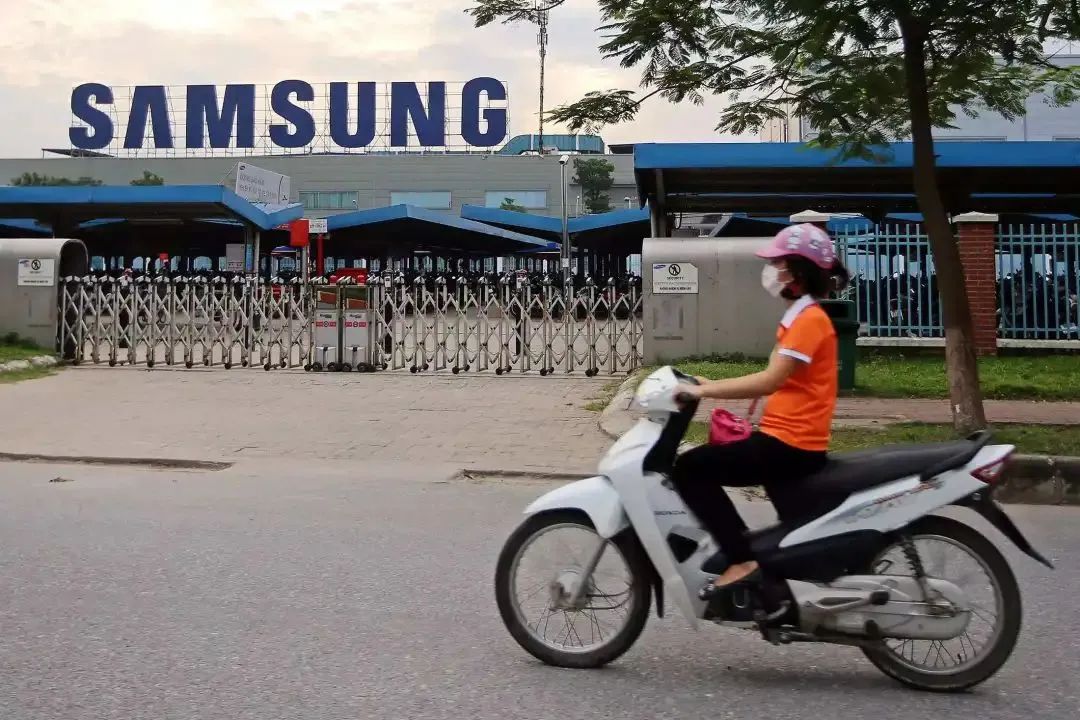
Core Insights - Vietnam's rapid economic growth over the past 40 years has transformed it from a poor nation to a rising manufacturing hub, with ambitions for a digital economy [1] - However, challenges such as talent shortages, demographic shifts, and institutional constraints pose significant risks to its digital transformation efforts [1] Economic Development - Post-war Vietnam faced severe economic challenges, including hyperinflation and widespread poverty, until the "Doi Moi" reforms in 1986 legalized private enterprise and introduced market mechanisms [2][4] - Since the reforms, Vietnam has experienced robust economic growth, with GDP growth rates consistently above 5% since 2010, and per capita GDP rising from $230 in 1985 to $4,700 in 2024 [4] Foreign Investment and Trade - Vietnam has become a key destination for foreign investment, particularly in electronics, apparel, and home appliances, benefiting from trade agreements and its strategic location [5][6] - The country's export volume has increased eightfold from 2007 to 2024, reaching $385 billion, significantly outpacing regional competitors [5] Digital Economy Strategy - The Vietnamese government has prioritized digital transformation, aiming for the digital economy to account for 20% of GDP by 2025 and 30% by 2030, focusing on sectors like digital finance and AI [10][12] - The government is actively attracting tech talent and fostering a startup ecosystem, with cities like Ho Chi Minh City and Hanoi emerging as innovation hubs [12][14] Challenges in Talent and Demographics - Vietnam faces a talent gap, particularly in engineering and technology, with a projected shortfall of skilled workers in the semiconductor industry by 2030 [16] - The country is also approaching a demographic turning point, with a declining youth population that could hinder digital product demand and innovation [17][19] Institutional Constraints - The digital infrastructure is largely state-controlled, which may limit market dynamism and innovation in the tech sector [15][19] - Issues such as unstable electricity supply and opaque regulations for cross-border data and e-commerce further complicate the digital landscape [20] Conclusion - Vietnam's economic trajectory has been shaped by its ability to attract foreign investment and integrate into global supply chains, but the transition to a digital economy will require overcoming significant human capital and institutional challenges [20]
全球供应链牌桌上 澳大利亚正沦为盘中餐!黄金期货价首破3500美元/盎司 TGM坐拥610万盎司黄金资源量将迎重估窗口期
Sou Hu Cai Jing· 2025-08-08 10:28
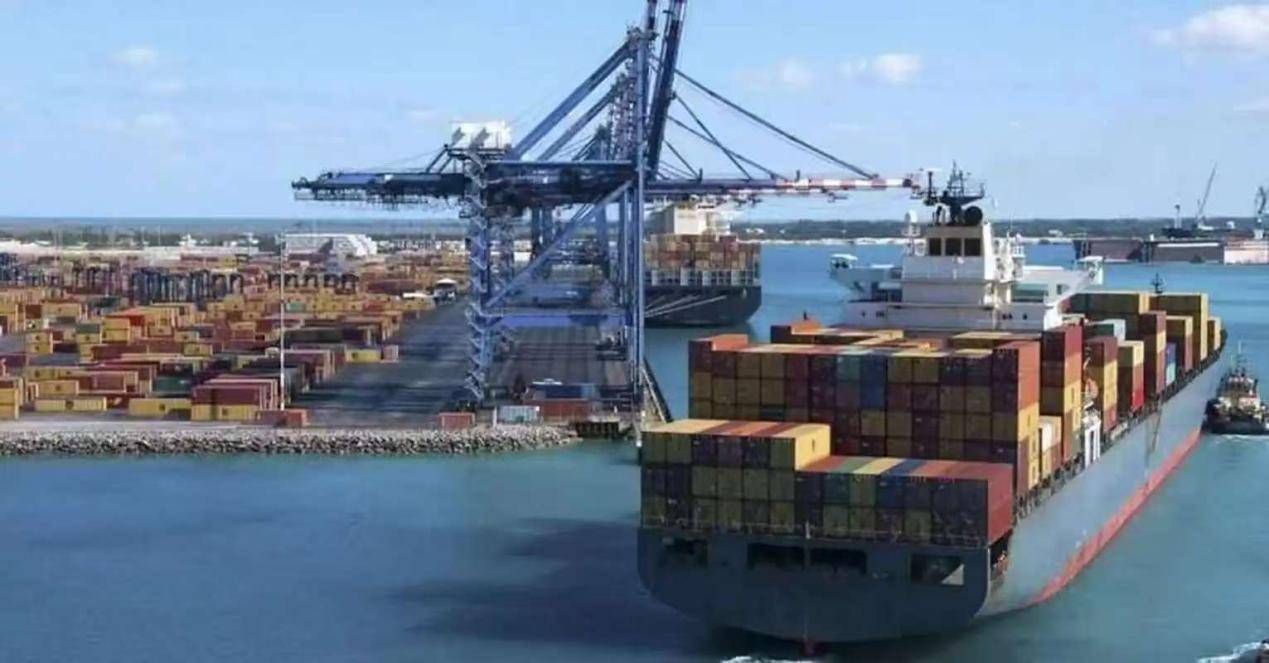
Group 1 - Australia is facing challenges in its energy transition and must adapt to the new global supply chain dynamics to avoid becoming irrelevant on the world stage [2][3][8] - The "Future Made in Australia" strategy aims to optimize the country's industrial structure and economic transformation, but internal bureaucratic obstacles hinder progress [10][11] - The absence of Australian leadership at key international forums sends a negative signal to neighboring countries, indicating a lack of proactive engagement in shaping future supply chains [8][9] Group 2 - The Foreign Investment Review Board (FIRB) is identified as a significant barrier to attracting necessary capital for Australia's renewable energy ambitions [10][11] - A proposed "FMiA fast track" could streamline the FIRB review process for projects deemed critical to national interests, focusing on investor backgrounds rather than project specifics [11][12] - Industry leaders advocate for a collaborative future with China, emphasizing the need for a simplified assessment channel for clean energy projects [13][14] Group 3 - The global competition for resources is intensifying, with countries like South Africa actively securing investments that Australia could have attracted [7][9] - The Australian government must align its economic strategy with national security to effectively compete in the evolving global landscape [11][14] - The ongoing dialogue about decarbonization policies and foreign investment simplification is seen as a cautious first step, with more decisive actions needed to secure Australia's manufacturing future [14][15] Group 4 - The gold sector in Australia is experiencing significant interest, with Theta Gold Mines Ltd (ASX: TGM) positioned for a potential valuation re-rating due to its substantial gold resources and upcoming production plans [19][28][49] - Theta Gold Mines has a JORC resource of 6.1 million ounces and is expected to generate over $500 million in cash flow, indicating strong economic viability [28][29][39] - The company is advancing towards production with a focus on community engagement and ESG compliance, which enhances project stability and local support [45][46][49]

中美没谈妥?最高500%关税!美方发出威胁,,中国联手俄罗斯放大招
Sou Hu Cai Jing· 2025-08-03 23:14
Group 1 - The US-China trade talks that began on July 28 in Sweden ended abruptly after just one and a half days, with US Treasury Secretary Bessent threatening to impose tariffs as high as 500% on Chinese goods [1][3] - The US demands during the negotiations included significant additional procurement orders worth hundreds of billions, zero tariffs on US goods, and full opening of core industrial sectors, which were deemed excessively harsh even by the EU [3][4] - The US's tariff threats are part of a broader legislative effort in Congress, led by Senator Lindsey Graham, aimed at sanctioning countries that maintain trade relations with Russia, targeting nations like India and China that purchase 70% of Russian oil [3][4] Group 2 - The recent trade negotiations are not the first setbacks, as three rounds of talks have occurred in less than three months, with the latest in Sweden failing to produce a consensus [4] - The US's internal contradictions were evident during the talks, with conflicting signals from Treasury Secretary Bessent and President Trump regarding the potential extension of a tariff ceasefire [4] - China has already initiated countermeasures, including increasing tariffs on US goods from 34% to 125% since April, and has restricted exports of critical resources like rare earths to the US [6] Group 3 - The US's tariff policies are facing backlash from allies, with Japan retracting a $550 billion investment commitment and the EU's $600 billion investment plan relying on voluntary participation from private enterprises [7] - The unequal tariff arrangements between the US and the EU, particularly regarding automotive tariffs, are impacting the competitiveness of Chinese products [7] - The global supply chain is undergoing rapid restructuring due to tariff impacts, with RCEP members showing signs of trade substitution effects against the US [7] Group 4 - The US and China have agreed to extend the tariff ceasefire for an additional 90 days, allowing for further negotiations [9] - The core of this ongoing negotiation is not merely about the outcomes of individual talks but rather how countries interact in an era of globalization [9] - The cooperation between China and Russia is framed as a stabilizing factor against global uncertainties, rather than a direct alliance against third parties [9]
重磅会议定调积极,中证A500ETF龙头(563800)交投活跃,成分股用友网络、神州数码10cm涨停,机构:A500指数成分股有望企稳回升
Xin Lang Cai Jing· 2025-07-31 07:32
Group 1 - The China Securities A500 Index (000510) experienced a decline of 1.15% as of July 31, 2025, with mixed performance among constituent stocks, including a limit-up for Yonyou Network (600588) and Digital China (000034), while Daqo New Energy (688303) led the decline [1] - The A500 ETF leader (563800) recorded a turnover of 7.8% during the trading session, with a total transaction volume of 1.31 billion yuan, and has an average daily transaction volume of 1.934 billion yuan over the past year [1] - The latest scale of the A500 ETF leader reached 16.79 billion yuan, with a net value increase of 11.13% over the past six months [2] Group 2 - The A500 ETF leader has achieved a maximum monthly return of 3.55% since its inception, with the longest consecutive monthly gains being two months and a maximum gain of 5.34% [2] - The A500 Index is designed to reflect the overall performance of 500 representative listed companies across various industries, balancing traditional and emerging sectors, including increased weight in pharmaceuticals, new energy, and computing [2] - Recent data from the National Bureau of Statistics indicates that the revenue of industrial enterprises above designated size increased by 2.5% year-on-year in the first half of 2025, while profits decreased by 1.8%, suggesting positive signals for economic recovery and corporate profit stabilization [3]

【钛晨报】中央政治局会议重磅定调!事关宏观政策、资本市场;A股年内首只“10倍股”上纬新材今起停牌核查;京东三个月内完成五家机器人企业投资
Tai Mei Ti A P P· 2025-07-30 23:23
【钛媒体综合】据新华社报道,中共中央政治局7月30日召开会议,研究当前经济形势,部署下半年经 济工作。 会议表示,今年以来,我国经济运行稳中有进,高质量发展取得新成效。主要经济指标表现良好,新质 生产力积极发展,改革开放不断深化,重点领域风险有力有效防范化解,民生兜底保障进一步加强,我 国经济展现强大活力和韧性。同时会议指出,当前我国经济运行依然面临不少风险挑战。因此会议强 调,做好下半年经济工作,要保持政策连续性稳定性,增强灵活性预见性,着力稳就业、稳企业、稳市 场、稳预期。 会议指出,宏观政策要持续发力、适时加力。要落实落细更加积极的财政政策和适度宽松的货币政策, 充分释放政策效应。加快政府债券发行使用,提高资金使用效率。兜牢基层"三保"底线。货币政策要保 持流动性充裕,促进社会综合融资成本下行。用好各项结构性货币政策工具,加力支持科技创新、提振 消费、小微企业、稳定外贸等。支持经济大省发挥挑大梁作用。强化宏观政策取向一致性。 会议强调,要扩大高水平对外开放,稳住外贸外资基本盘。帮助受冲击较大的外贸企业,强化融资支 持,促进内外贸一体化发展。优化出口退税政策,高水平建设自贸试验区等开放平台。 会议指出,要 ...

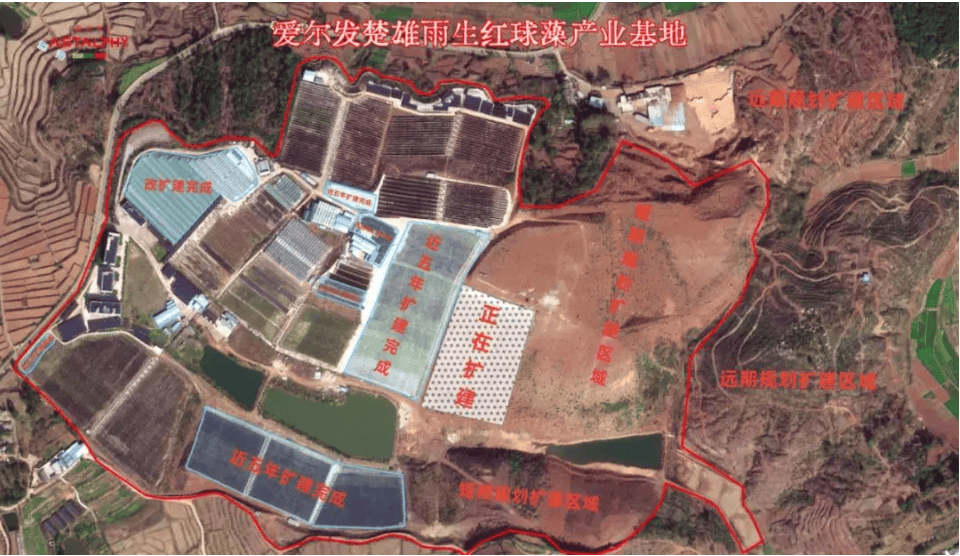
630亩“红色黄金”基地再扩产!爱尔发楚雄基地扩建背后的技术霸权
Sou Hu Cai Jing· 2025-07-30 10:59
Core Viewpoint - Yunnan Aier Biotechnology Co., Ltd. is expanding its Chuxiong Haematococcus pluvialis cultivation base, marking a strategic step in consolidating its leading position in the global Haematococcus pluvialis industry [1][3]. Group 1: Expansion and Market Demand - The recent expansion is a direct response to the surge in orders from Europe and the U.S., with a 47% year-on-year increase in procurement from EU Novel Food certification clients in the first half of 2025 [5][7]. - The global natural astaxanthin market is growing at an annual rate of 19.3%, with Aierfa's astaxanthin pure product output reaching 13.76 tons in 2023, accounting for 37.21% of the global total [5][7]. Group 2: Production Capacity and Industry Position - The new expansion is expected to significantly increase Aierfa's annual astaxanthin production capacity to over 17.68 tons by 2025, potentially raising its market share to over 40% [7]. - Aierfa has established a comprehensive "strain-cultivation-extraction" industry chain barrier, leveraging its patented Haematococcus pluvialis strain with a 5.2% astaxanthin accumulation, which is 30% higher than the industry average [8][10]. Group 3: Economic and Technological Impact - The expansion project is not only a milestone in Aierfa's growth but also injects strong vitality into the economic development and industrial upgrade of Chuxiong [10]. - The innovative dual-mode cultivation system significantly reduces energy costs by 60% while preventing microbial contamination, showcasing a model of technological empowerment and sustainable development [8][10].
李迅雷:股市对政策预期已有积极反应,要持续向好仍需政策面与基本面双重支撑!下半年降准降息预期较强,大消费、创新药等领域具备投资潜力
Sou Hu Cai Jing· 2025-07-30 09:00
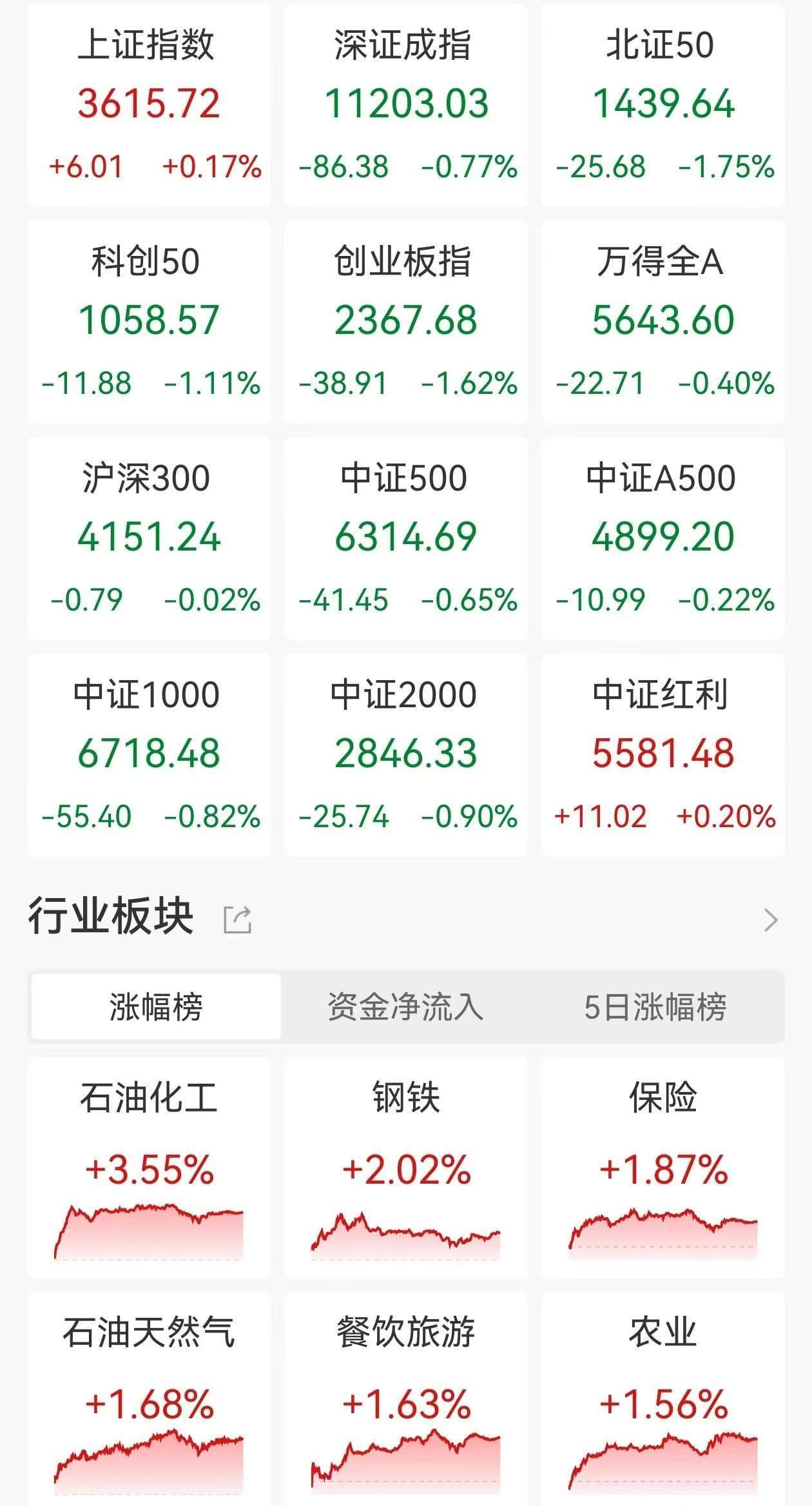
【免责声明】本文仅代表作者本人观点,与和讯网无关。和讯网站对文中陈述、观点判断保持中立,不对所包含内容的准确性、可靠性或完整性提供任何明 示或暗示的保证。请读者仅作参考,并请自行承担全部责任。邮箱:news_center@staff.hexun.com 格隆汇7月30日|中泰证券"尚元杯第四届优选"活动启动仪式在京举办。中泰国际首席经济学家李迅雷展望后市时提到,下半年市场机会较多,需结合政策 动向与市场趋势把握投资时机。资本市场对政策预期已有积极反应,近期股市呈现强劲反弹、板块活跃的态势,这与此前相关政策型稳定举措的推动作用密 切相关。股市要实现持续向好,仍需政策面与基本面的双重支撑,后续市场仍存在阶段性机会。比如人工智能处于上升期,属于值得长期配置的科技革命领 域;全球供应链重构带来相关行业机遇;下半年降准降息预期较强,叠加促消费政策导向,大消费、创新药等领域具备投资潜力。 | 上证指数 | 深证成指 | 北证5( | | --- | --- | --- | | 3615.72 | 11203.03 | 1439.6 | | +6.01 +0.17% -86.38 -0.77% -25.68 -1 | | ...
霍尼韦尔中国总裁余锋:中国供应链的 “三重护城河”,是重构全球格局的关键
Huan Qiu Wang· 2025-07-30 06:25
Core Viewpoint - Honeywell is showcasing its commitment to local innovation and ecological collaboration at the third China International Supply Chain Promotion Expo, emphasizing its "Eastern Service for the East" strategy and revealing the underlying logic of global industrial chain transformation [1][2]. Group 1: Local Innovation and Product Development - Honeywell's Smart Ship and Building Operations Management Platform were developed entirely by its Chinese team, addressing specific needs of local shipyards and construction companies [2]. - The Smart Ship solution addresses three major pain points identified by Chinese shipyards: data security risks, operational efficiency bottlenecks, and energy efficiency pressures [2]. Group 2: Supply Chain Transformation - Honeywell views the supply chain as a complex network that includes not just direct suppliers but also secondary and tertiary suppliers, requiring a more integrated management approach [3]. - The company is building a "technology + ecosystem" dual-drive strategy, collaborating with universities to rapidly translate basic research into industrial applications [3]. Group 3: Green Manufacturing Initiatives - Honeywell has established seven green factories in China, with over 75% of its products manufactured in these facilities, which also implement digital transformation for lifecycle management [4]. - The Tianjin factory has reduced electricity consumption by approximately 122,800 kWh year-on-year, equivalent to a reduction of 86 tons of CO2 emissions [4]. Group 4: Strengths of the Chinese Supply Chain - The advantages of the Chinese supply chain are shifting from cost advantages to systemic advantages, characterized by a complete industrial system, strong resilience, and high service efficiency [5]. - Chinese suppliers have demonstrated the ability to quickly recover and respond to disruptions, such as those caused by the COVID-19 pandemic [5]. Group 5: Global Impact of Local Innovations - Honeywell's local innovations in China, such as battery safety sensors for electric vehicles, are not only benefiting domestic manufacturers but are also being exported globally [6]. - The company aims to replicate its successful local model in overseas markets while maintaining the core logic of driving local innovation through local teams [6].

脱钩断链的“搅局者”VS 赋能全球的“稳定锚”
Sou Hu Cai Jing· 2025-07-27 18:07
Group 1 - Over 70% of countries and regions are facing threats from US tariffs, which are causing global supply chain disruptions and decoupling [1] - The US is struggling with a deindustrialization issue that began 45 years ago, raising questions about whether tariffs can effectively bring manufacturing jobs back [5][6] - The US faces significant challenges in labor quality and infrastructure, which hinder the return of manufacturing [6][7] Group 2 - High tariffs may not lead to a manufacturing return to the US, as companies like Apple rely on Asian factories for cost-effective production [7] - China has transitioned from being the "world's factory" to an "innovation laboratory," becoming a stabilizing force in global supply chains [8][10] - Major global companies recognize China's advanced manufacturing capabilities and extensive supplier networks, with a significant portion of their suppliers based in China [10]