多元化配置

Search documents
下半年,如何让钱生钱?
虎嗅APP· 2025-07-09 00:42
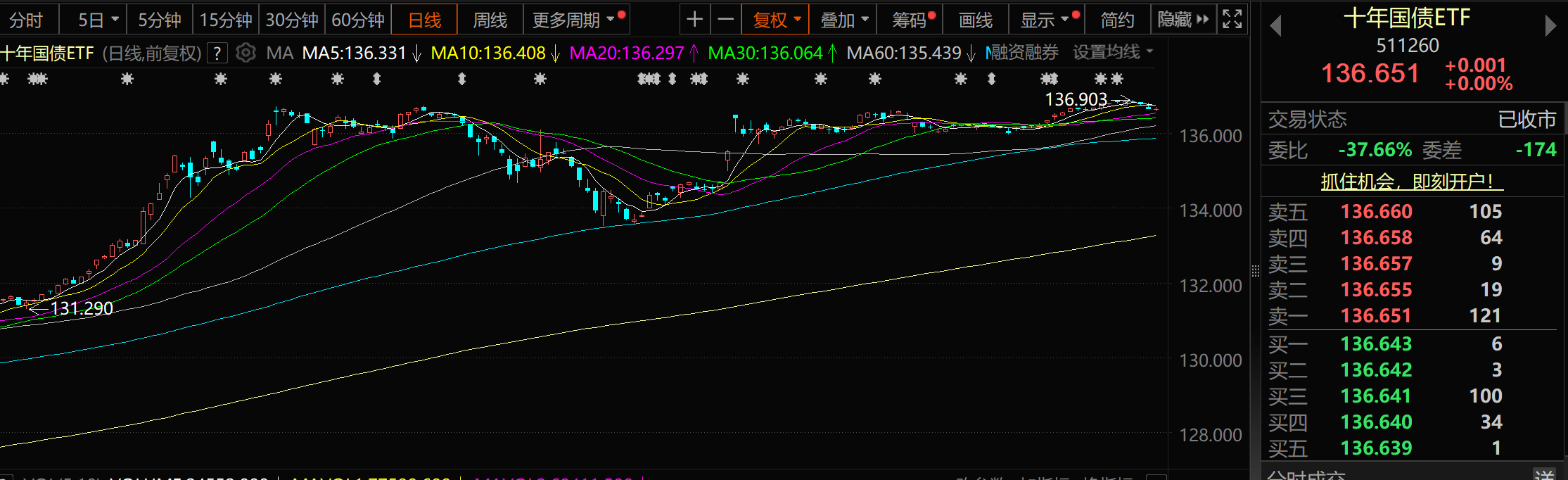
Core Viewpoint - The article discusses the changing landscape of investment strategies in light of declining interest rates and the need for diversified asset allocation to preserve and grow wealth in an uncertain economic environment [3][5]. Group 1: Economic Context - Inflation has significantly decreased, with CPI showing negative growth for four consecutive months starting February 2025, making it easier for individuals to maintain purchasing power without active investment [3]. - The interest rate for one-year deposits at major banks has dropped to 0.9%, resulting in minimal returns for savers [4]. Group 2: Asset Allocation Strategies - A diversified asset allocation strategy is recommended, focusing on four main asset classes: A-shares, gold, domestic bonds, and U.S. bonds, each with distinct risk-return profiles [6]. - A-shares are seen as a representative of domestic equity assets, while gold serves as a recognized hedge against inflation. Domestic bonds are favored for their stability and credit quality, and U.S. bonds are crucial for currency risk hedging [6]. Group 3: A-shares Market Analysis - The biggest risk for A-shares this year has been the U.S.-China trade tensions, which caused significant market fluctuations, including a 7.34% drop in the Shanghai Composite Index on April 7 [8][10]. - Despite initial pessimism regarding economic performance, recent data indicates a recovery in manufacturing PMI and stable export performance, leading to a rebound in A-shares [9][10]. - The market is currently experiencing a bullish phase, but uncertainty remains regarding the sustainability of this trend, heavily dependent on economic fundamentals [12]. Group 4: Gold Market Insights - The perception of gold has shifted, with recent price volatility reflecting market sensitivity to geopolitical events and trade negotiations. Gold prices reached a peak increase of 30% this year, driven by trade tensions [12][14]. - Short-term outlook for gold is cautious, with potential price corrections anticipated due to changing market sentiments and economic indicators in the U.S. [16][17]. Group 5: Bond Market Dynamics - The bond market in 2025 is characterized by lower returns compared to 2024, with ten-year government bond ETFs showing only a 0.81% increase in the first half of the year [20][23]. - The strategy for bond investments should focus on tactical trading rather than long-term holding, with specific yield thresholds suggested for buying and selling [24]. Group 6: U.S. Bond Market Concerns - The yield on U.S. ten-year bonds has risen above 4.6%, indicating a shift in perception where they are increasingly viewed as risk assets rather than safe havens [26][27]. - Recent legislative developments regarding stablecoins may provide temporary relief, but they do not address the underlying structural issues facing the U.S. bond market [28][29].


下半年,如何让钱生钱?
Hu Xiu· 2025-07-08 22:58
Core Viewpoint - The article discusses the changing landscape of investment strategies in response to the declining interest rates and the need for diversified asset allocation to preserve and grow wealth in an uncertain economic environment [2][3]. Group 1: Economic Environment - Inflation has significantly decreased, with CPI showing negative growth for four consecutive months starting February 2025, making it easier for individuals to maintain purchasing power without active investment [1][2]. - The interest rate for one-year deposits at major banks has dropped to 0.9%, resulting in minimal returns for savers [2]. Group 2: Asset Allocation Strategies - Diversification is emphasized as a key strategy in the current uncertain global environment, with A-shares, gold, government bonds, and U.S. Treasuries identified as essential components of a balanced portfolio [2]. - A-shares are seen as the representative of domestic equity assets, while gold serves as a recognized hedge against inflation [2]. Group 3: A-shares Market Analysis - The A-share market has experienced volatility due to U.S.-China trade tensions, with a significant drop in the Shanghai Composite Index by 7.34% on April 7, 2025, followed by a gradual recovery [3][5]. - The market's recovery is attributed to low valuations and better-than-expected economic fundamentals, with the manufacturing PMI showing signs of stabilization [5][6]. Group 4: Gold Market Insights - The gold market has seen a substantial increase, with prices peaking at $3,500 per ounce, but there are concerns about potential declines due to market volatility and changing economic indicators [9][10]. - The outlook for gold is mixed, with short-term fluctuations expected based on U.S.-China trade negotiations and geopolitical tensions [10][11]. Group 5: Bond Market Dynamics - The bond market has shifted from a bullish to a more cautious stance, with the ten-year government bond ETF showing only a 0.81% increase in the first half of 2025 compared to 8.88% in 2024 [14][16]. - The strategy for bond investments is to adopt a more active approach, focusing on buying low and selling high, as the market enters a period of increased volatility [18][20]. Group 6: U.S. Treasury Bonds - U.S. Treasury yields have risen, indicating a shift in perception where they are increasingly viewed as risk assets rather than safe havens [21][22]. - Recent legislative developments regarding stablecoins may provide temporary relief, but they are unlikely to resolve the underlying structural issues facing the U.S. Treasury market [23][24].
上半年私募证券基金备案产品5461只 股票策略成主流选择
Zheng Quan Ri Bao· 2025-07-06 16:14
Group 1 - The private equity fund industry in China is experiencing a surge in product registrations, with 1,775 private securities investment fund managers completing 5,461 product registrations in the first half of 2025, representing a year-on-year increase of 53.61% and a more than 100% increase compared to the second half of the previous year, indicating a significant recovery in market confidence and an enhanced willingness for capital allocation [1] - Among the five primary strategies, the stock strategy leads with 3,458 registered products, accounting for 63.32% of the total, reflecting strong enthusiasm for equity asset allocation, driven by factors such as the release of technology innovation policy dividends and robust performance in key sectors like artificial intelligence [1] - Multi-asset strategies and futures and derivatives strategies follow with 802 and 633 registered products, representing 14.69% and 11.59% respectively, highlighting an increased demand for diversified allocation in a low-interest-rate environment [1] Group 2 - Quantitative private equity institutions have shown remarkable performance during the current registration wave, with 27 out of 33 institutions having at least 20 registered products being quantitative, including 18 large-scale institutions with over 10 billion yuan in assets, showcasing their advantages in research capabilities, risk control systems, and brand effects [2] - A total of 2,448 registered quantitative strategy private products were recorded, with stock quantitative strategies dominating at 1,715 products, accounting for 70.06%, and the index enhancement strategy being the most favored with 1,061 products, representing 61.87% of stock quantitative strategies [2] - The small and micro-cap sector is expected to become a blue ocean for excess returns in quantitative strategies, as traditional broad-based index strategies face intensified competition and diminishing excess returns due to increased capital inflow [3]
特朗普法案逼走外资,美债抛售潮恐加速!
Jin Shi Shu Ju· 2025-06-30 13:32
Core Viewpoint - Foreign investors are diversifying their portfolios and reducing their holdings of U.S. Treasury bonds due to concerns over rising deficits and inflationary tariffs, which are diminishing the attractiveness of U.S. debt [2][4]. Group 1: U.S. Treasury Bonds and Foreign Investment - The U.S. national debt has quadrupled to approximately $36 trillion in less than a decade, with public holdings around $29 trillion [3]. - In April, foreign capital saw a net outflow of $14.2 billion from U.S. Treasury bonds and the banking system, influenced by Trump's tariff policies [2][3]. - Japan is the largest foreign holder of U.S. debt at $1.13 trillion, followed by the UK at $807.7 billion and China at $757.2 billion [3]. Group 2: Impact of U.S. Fiscal Policy - The Congressional Budget Office estimates that Trump's tax cuts and spending measures will increase U.S. debt by $3.3 trillion, leading to a downgrade in the U.S. credit rating by Moody's [2]. - The Senate is expected to pass a bill that may save $500 billion by using alternative calculations that do not account for the extension of the 2017 tax cuts [4]. Group 3: Shift to European and Other Markets - European bonds, particularly German and French debt, are becoming more attractive to investors as U.S. deficits expand, with Germany maintaining a debt-to-GDP ratio below 100% [4]. - The market for German bonds is expected to strengthen, creating better opportunities for equity markets and increasing the issuance of risk-free German and pan-European bonds [4]. Group 4: Long-term Trends in Investment Behavior - Foreign investors are reducing their U.S. Treasury holdings as part of a long-term structural trend towards diversification rather than a sudden withdrawal [5]. - Concerns over U.S. risk premiums are anticipated to lead to a steepening of the U.S. Treasury yield curve, as investors demand higher returns for holding U.S. debt [6].
前5个月私募证券基金备案量同比激增逾45%
Zheng Quan Ri Bao· 2025-06-05 16:45
Group 1 - The private equity securities fund market is experiencing strong growth, with a significant increase in product registrations, totaling 4,361 funds in the first five months of 2025, representing a 45.03% year-on-year increase [1] - In May alone, 870 products were registered, marking a remarkable 77.19% increase compared to the same month last year [1] - Key factors driving this surge include a recovering A-share market, improved regulatory frameworks, strong performance of quantitative strategies, and accelerated product innovation [1] Group 2 - Quantitative private equity funds have shown particularly strong performance, with 1,930 funds registered in the first five months, accounting for 44.26% of total registrations [2] - The recovery of the technology sector since September 2022 has significantly boosted market activity, leading to increased interest in quantitative funds due to their algorithm-driven decision-making and risk management capabilities [2] - The number of private equity fund managers reached 1,558, with a notable presence of smaller firms managing under 1 billion yuan, which registered 2,062 products [2] Group 3 - Large quantitative private equity institutions dominate the market, with 40 out of 66 institutions having registered at least 10 products being large firms, and 31 of these being quantitative [3] - The private equity fund industry is perceived to be entering a golden period of development, driven by improving market conditions and increasingly diverse investor demands [3]
去美元化尚未开始,但全球都在加速多元化配置
第一财经· 2025-05-30 03:03
Core Viewpoint - The article discusses the current state of the US dollar amidst uncertainties in tariff policies, highlighting the trend of "de-dollarization" and diversification in asset allocation among international investors [1][3]. Group 1: Dollar Status and Market Reactions - The US dollar's credibility is being questioned for the first time in years, although a significant "de-dollarization" trend has not yet emerged [1][3]. - The dollar's share in international payments may gradually decline from 60% to 50%, but it will remain a primary reserve asset [3][5]. - Following the announcement of a court ruling against Trump's tariffs, US stock indices saw a rebound, indicating market optimism [3][4]. Group 2: Investor Behavior and Asset Allocation - Investors are increasingly considering diversified asset allocations rather than concentrating on dollar-denominated assets [5][10]. - There is a notable increase in interest in gold, European stocks, and currencies like the Australian dollar and Japanese yen as hedging strategies [1][10]. - Family offices and high-net-worth individuals are reassessing their dollar asset holdings in light of the dollar's weakening trend [10][12]. Group 3: US Debt and Economic Implications - Concerns about US debt are rising, with significant amounts maturing and the cost of borrowing remaining high due to delayed interest rate cuts [7][8]. - The US Treasury is exploring measures to encourage banks to hold more government bonds, which could stabilize the bond market [8][9]. - The potential for a market sell-off exists if the Federal Reserve intervenes to support the bond market, which could lead to further volatility [9]. Group 4: Global Market Trends - Japan's stock market is gaining attention due to a shift towards inflation-driven growth, making mid-cap stocks attractive [12]. - China's synchronized monetary and fiscal policies are expected to benefit both Hong Kong and mainland mid-cap stocks, supported by high savings rates and domestic consumption stimulus [12].

去美元化尚未开始,但全球都在加速多元化配置
Di Yi Cai Jing· 2025-05-29 13:34
Group 1 - The core theme of the articles revolves around the diversification of asset allocation and increasing hedging against dollar assets amid uncertainties in U.S. trade policies and the dollar's credibility [1][2][3] - There is a growing discussion among investment institutions regarding "de-dollarization" and diversification strategies, although a significant trend towards de-dollarization has not yet materialized [1][2] - Recent trends show an increase in interest for assets such as gold, European stocks, Japanese yen, and Australian dollar, indicating a shift in international investors' preferences [1][7] Group 2 - The U.S. dollar index has experienced fluctuations, dropping below 100 and into the 98 range, with the yen and euro appreciating by 5% to 10% against the dollar this year [2] - The potential decline of the dollar's share in international payments from 60% to 50% is anticipated, but it will remain a primary reserve asset [2][3] - The U.S. Treasury's recent data indicates that the UK, Japan, and China are the top buyers of U.S. debt, highlighting the ongoing demand for U.S. Treasury bonds despite concerns [6][7] Group 3 - The U.S. stock market has shown resilience, recovering nearly all losses since the postponement of the "reciprocal tariffs," entering a technical bull market [3] - The complexities in international trade negotiations may arise from the suspension of tariffs, affecting the U.S.'s leverage in future discussions [3][4] - Investors are increasingly considering diversified allocations rather than concentrating solely on dollar assets, reflecting a cautious approach to potential market volatility [7] Group 4 - Concerns regarding U.S. Treasury bonds have emerged, with significant amounts maturing and the Federal Reserve delaying interest rate cuts, leading to higher borrowing costs [5][6] - The U.S. Treasury Secretary is exploring measures to encourage banks to hold more U.S. debt, aiming to stabilize the bond market and reduce yields [5][6] - The potential for a "de-dollarization" trend is being taken seriously by investors, prompting a reevaluation of dollar asset holdings and the exploration of alternative currencies and commodities [7][8]
私募MOM产品备案数量创新高,银行理财成重要资金方
Jing Ji Guan Cha Wang· 2025-05-21 04:08
Group 1 - The rapid development of private MOM products is highlighted, with 29 products registered by May 20 this year, surpassing the total of 23 for the entire year of 2024 and setting a new record since 2019 [2] - MOM (Manager of Managers) is defined as a unique investment management model that involves delegating investment advice to multiple qualified third-party asset management institutions, allowing for diversified asset allocation [2] - Compared to FOF (Fund of Funds), MOM offers advantages in investment concentration limits, rebalancing flexibility, and the authority of the parent fund [3] Group 2 - The implementation of the "MOM Product Guidelines" by the CSRC at the end of 2019 has led to a more regulated environment for MOM products, allowing securities and futures asset management to engage in private MOM business [3] - Many of the newly registered MOM products are structured with cooperative institutions (such as securities and futures asset management) as trustees, and multiple private fund managers as investment advisors [3] - There is a growing demand for diversified allocation from bank wealth management and insurance asset management, especially as interest rates decline and volatility increases [3] Group 3 - Despite the advantages, there are risks associated with outsourced investments, which require strong research and investment capabilities [4] - The performance of MOM products heavily relies on the management capabilities of private funds as investment advisors and the selection and risk control measures of the funding parties [4] - Recent incidents, such as the collapse of a major FOF private institution, have led some bank wealth management firms to suspend similar channel businesses due to associated risks [4] Group 4 - The use of FOF and MOM tools is not merely a simple investment choice; it requires robust quantitative algorithms and detailed due diligence to select suitable products and managers [5] - Wealth management subsidiaries are adopting outsourcing as a long-term investment strategy, but there is still a need for improvement in the research and investment capabilities related to FOF and MOM [5]

美元汇率与利差背离达10%!看跌力量为何成碾压之势?
Jin Shi Shu Ju· 2025-05-16 06:58
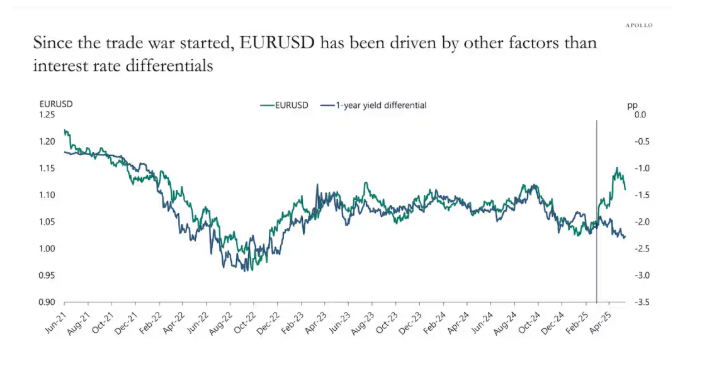
尽管美元近期趋稳并小幅回升,但经济学家对这一全球储备货币的前景仍持悲观态度。周五截至发稿, 美元指数维持在100上方,但年内仍累计下跌7%。 阿波罗(Apollo)首席经济学家托尔斯滕・斯洛科(Torsten Slok)在报告中指出,美元相对欧元的利差本 应推动欧元重新接近平价水平。然而,欧元兑美元目前徘徊在1.12左右。 斯洛科计算发现,美元汇率较利差暗示的水平低10%。显然,其他力量正在发挥作用。 此外,DeepSeek等企业突然崛起挑战了美国在人工智能领域的主导地位,加之"美国例外论已达顶峰"的 观点,以及高估值引发的美国资产抛售潮,均凸显美元弱势。这也引发经济学家激烈辩论:当前局面是 暂时性调整,还是范式转变? 特纳指出,市场还反复猜测,与美国主要出口国的贸易协定可能纳入某种货币协议,这将使近期升值的 新台币、韩元等货币的强势地位更加稳固。 随着特朗普指控多国央行人为贬值货币以获取不公平贸易优势,日本、新加坡等被怀疑存在相关行为的 国家,可能成为美国的"攻击目标"。 自贸易战开始以来,欧元兑美元受到利差以外的因素驱动 荷兰国际集团(ING)全球市场主管克里斯・特纳(Chris Turner)的最新研究 ...
印度股市续创阶段新高,多路资金加码主投印度的新兴亚洲ETF(520580)
Sou Hu Cai Jing· 2025-05-16 02:04
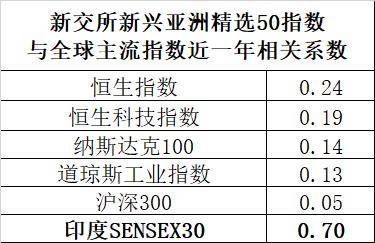
Core Insights - The Indian stock market experienced a significant rise, with the Sensex index increasing by 1.48%, reaching a new high since October of the previous year, potentially influenced by tariff reductions [1] - The Emerging Asia ETF (520580) saw a strong performance, opening higher and recording a 1.38% increase, with nearly 1.7 billion yuan traded within the first 10 minutes [1] - Southeast Asian countries, including India, Indonesia, and Thailand, have implemented interest rate cuts to stimulate economic growth, contributing to a bullish trend in their stock markets [3][4] Market Performance - The Indian stock market has been on an upward trajectory, with the Sensex index continuously hitting new highs this year [3] - The Emerging Asia ETF recorded a net inflow of 41.17 million yuan, with a record net purchase of 7.89 million yuan since its inclusion in margin trading [2] Monetary Policy - Central banks in Southeast Asia, including India, have adopted rate cuts this year to support economic growth, with expectations for further cuts in the coming months [4] - Barclays reported that the Indian central bank might lower rates in June, earlier than previously anticipated in August, following two rate cuts this year [4] ETF Characteristics - The Emerging Asia ETF (520580) has a high correlation with the Indian market, with approximately 50% of its investments allocated to India [5] - The correlation coefficient between the Emerging Asia Select 50 Index and the Indian Sensex 30 Index is 0.7, indicating a strong relationship [6] Historical Performance - Since its inception on March 28, 2018, the Emerging Asia Select 50 Total Return Index has achieved a return of 42.18%, outperforming the MSCI Emerging Markets Index, which saw a decline of 0.98% during the same period [6] - India's stock market has delivered an annualized return of 14% over the past 20 years, with potential catalysts for continued growth identified [8]