补涨

Search documents
新疆新鑫矿业尾盘涨超7% 据报位于印尼的全球最大镍矿被要求削减产量
Zhi Tong Cai Jing· 2026-02-11 08:06
Core Viewpoint - Xinjiang Xinxin Mining (03833) experienced a significant increase in stock price, rising by 7.66% to HKD 2.67, with a trading volume of HKD 13.37 million [1] Group 1: Market Dynamics - The London Metal Exchange nickel futures rose by 2.6% [1] - Indonesia has mandated a 70% reduction in ore quotas from the Weda Bay nickel mine, the largest nickel mine globally [1] Group 2: Industry Analysis - China Postal Securities noted that nickel is one of the few non-participants in the 2024 year-to-date bull market for non-ferrous metals [1] - The firm believes that if Indonesian policies create a supply-demand gap, there could be a potential for significant price rebound [1] Group 3: Company Overview - Xinjiang Xinxin Mining fully owns four nickel-copper mines: Kalatongke, Huangshandong, Huangshan, and Xiangshan [1]
港股异动 | 新疆新鑫矿业(03833)尾盘涨超7% 据报位于印尼的全球最大镍矿被要求削减产量
智通财经网· 2026-02-11 08:05
Group 1 - Xinjiang Xinxin Mining (03833) saw a significant increase in stock price, rising by 7.66% to HKD 2.67, with a trading volume of HKD 13.37 million [1] - The London Metal Exchange nickel futures rose by 2.6%, indicating a positive trend in the nickel market [1] - Indonesia has mandated a 70% reduction in ore quotas from the Weda Bay nickel mine, the largest nickel mine globally, which could impact supply dynamics [1] Group 2 - China Postal Securities noted that nickel is one of the few metals absent from the ongoing bull market in non-ferrous metals for 2024, suggesting potential for price recovery [1] - The firm believes that if Indonesian policies create a supply-demand gap, there could be a significant rebound in nickel prices [1] - Xinjiang Xinxin Mining fully owns four nickel-copper mines: Kalatongke, Huangshandong, Huangshan, and Xiangshan, positioning the company favorably in the nickel market [1]
廖市无双:马年春节,持币还是持股?
2026-02-10 03:24
Summary of Conference Call Notes Company/Industry Involved - The conference call primarily discusses the Chinese stock market and investment strategies, with a focus on various sectors including consumer goods, technology, and financial services. Core Points and Arguments 1. **Market Sentiment and Predictions** - The market is expected to experience a "small red envelope" rally before the Spring Festival, indicating a bullish sentiment for holding stocks [3][4][5] - The Shanghai Composite Index has shown signs of weakness, breaking below the 20-day and 5-week moving averages, suggesting a potential end to the previous upward trend [4][5][10] 2. **Market Structure and Adjustments** - The market is undergoing a significant adjustment phase, with a possible three-part correction structure (A-B-C) anticipated [5][9][14] - The recent market volatility has led to a shift in investment style, favoring large-cap stocks over small-cap growth stocks [6][7][21] 3. **Sector Performance** - Consumer sectors, particularly food and beverage, have shown strong performance, while resource and technology sectors have underperformed [11][12][28] - The financial sector, particularly brokerage firms, is expected to enter a bullish phase starting February 4, 2024, although immediate large gains are not anticipated [8][24] 4. **Investment Strategy Recommendations** - Investors are advised to maintain positions but reduce exposure to high-volatility sectors, focusing instead on sectors with lower risk and higher potential for recovery [21][22][23] - Specific sectors to watch include securities, consumer services, and building materials, which are expected to perform well in the current market environment [23][24][28] 5. **Market Dynamics and Future Outlook** - The market is likely to remain in a volatile but upward-trending phase leading up to the Spring Festival, with potential for a rebound after the holiday if no significant negative events occur [15][16][20] - The overall market sentiment remains cautiously optimistic, with expectations of continued sector rotation and a focus on value-oriented investments [19][21][28] Other Important but Possibly Overlooked Content 1. **Historical Context** - The market has experienced significant growth over the past two years, with a rise of over 2500 points, leading to concerns about sustainability and potential corrections [25][26] 2. **Sector Rotation and Investment Behavior** - There is a clear trend of funds reallocating from previously high-performing sectors (like technology and resources) to more stable sectors as investors seek to mitigate risk [22][28] 3. **Technical Analysis Insights** - The analysis indicates that the current market structure is not conducive to a straightforward upward trend, suggesting that investors should be prepared for fluctuations and adjust their strategies accordingly [10][12][25] 4. **Emerging Themes and Indices** - New themes in the market include traditional industries and sectors like electric equipment and consumer services, which are gaining traction as investors seek stability [28][30][31] 5. **Investor Sentiment and Behavior** - There is a noted disconnect between past market performance and current investor expectations, with many still expecting continuous growth despite recent volatility [25][26]
金银之后,会轮到铜吗?
虎嗅APP· 2026-01-30 13:58
Core Viewpoint - The article discusses the recent surge in gold prices, which have surpassed $5,500 per ounce, and the implications for industrial metals like copper, suggesting that the dynamics driving these metals are more complex than traditional sector rotation theories [5][6][7]. Group 1: Market Dynamics - The current market is experiencing a significant shift, with copper evolving from a purely cyclical commodity to a strategic asset, influenced by macroeconomic changes and geopolitical risks [10][22]. - The weakening credibility of the US dollar, evidenced by its drop to a four-year low, is prompting investors to seek alternatives, with gold being the primary beneficiary of this sentiment [14][18]. - As central banks reconsider their asset allocations in light of dollar instability, copper is increasingly viewed as a strategic resource rather than just a trading commodity [20][21]. Group 2: Geopolitical Risks - Geopolitical tensions, such as military actions in the Middle East and US-European relations, are contributing to a global supply chain restructuring, which heightens the demand for safe-haven assets like gold and introduces a "geopolitical risk premium" into copper prices [23][27]. - The potential for supply disruptions due to political instability in major copper-producing regions (e.g., Chile, Peru, Congo) adds to the urgency of securing copper as a strategic asset [24][25]. Group 3: Supply and Demand Factors - Current copper inventories are rising globally, particularly in the London Metal Exchange (LME), due to weakened demand from China and higher domestic prices, leading to a surplus in the market [33][34]. - The phenomenon of "deep contango" in copper prices indicates a supply surplus, with immediate delivery prices significantly lower than future contracts, reflecting a lack of current demand [36]. - Despite short-term supply issues, long-term projections indicate a tightening supply due to insufficient investment in new copper mines and declining ore grades, which could support higher prices in the future [45][48]. Group 4: Future Outlook - The article suggests that copper's price dynamics will diverge from traditional inventory-driven models, as it begins to incorporate premiums for its strategic importance and inflation hedging capabilities [62]. - In the short term (1-3 months), copper prices are expected to experience volatility, influenced by macroeconomic factors and geopolitical events, while the long-term outlook remains bullish due to structural supply constraints and increasing demand from sectors like renewable energy and electric vehicles [64][68]. - The interplay between current supply realities and future demand expectations will create a complex pricing environment, necessitating close monitoring of both financial and industrial reports to understand copper's trajectory [74][75].

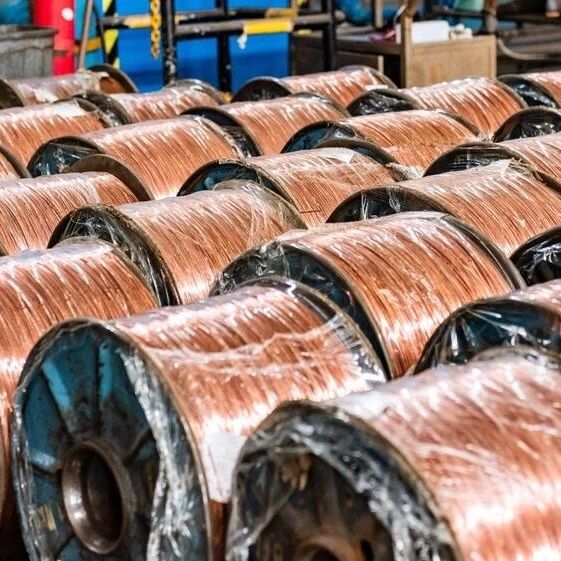
金银之后,会轮到铜吗?
36氪· 2026-01-30 13:35
Core Viewpoint - The article discusses the recent surge in gold prices, which have surpassed $5,500 per ounce, and raises the question of whether industrial metals like copper will follow suit in a "catch-up" rally. However, it argues that the current situation is different from traditional market patterns of sector rotation or catch-up [3][4][5]. Group 1: Market Dynamics - The driving forces behind the rise in gold and silver prices are partly shared with those affecting copper, but the dynamics for copper are more complex [6][8]. - Copper has transitioned from being a purely cyclical commodity to a strategic asset, reflecting a significant change in market perception [9][10]. - The current market is experiencing friction in recognizing this transformation, leading to price volatility [10]. Group 2: Macro Factors Influencing Prices - The simultaneous attention on gold and copper stems from a dramatic shift in the macroeconomic backdrop, particularly the declining credibility of the US dollar, which has reached a four-year low [13][14]. - As trust in the dollar diminishes, investors are seeking alternatives, with gold being the primary beneficiary of this sentiment [15][16]. - Copper, priced in dollars, also benefits from dollar depreciation, as it becomes more expensive in dollar terms [19][20]. Group 3: Geopolitical Risks - The geopolitical landscape is increasingly unstable, with risks such as military deployments in the Middle East and tensions between the US and Europe contributing to market uncertainty [25][26]. - For gold, increased geopolitical turmoil drives up demand as a safe-haven asset, while for copper, geopolitical risks manifest in supply chain vulnerabilities due to political instability in major copper-producing regions [27][28]. - The potential for supply disruptions due to strikes or policy changes in these regions adds a "geopolitical risk premium" to copper prices [30][31]. Group 4: Supply and Demand Dynamics - The current copper market is characterized by weak demand, with rising global inventories and a lack of immediate consumption [38][40]. - Factors such as reduced demand from China and price discrepancies have led to increased copper stocks in warehouses [41][42]. - The current oversupply situation is reflected in significant discounts for immediate copper delivery compared to future contracts, indicating a lack of demand [44][45]. Group 5: Future Outlook - Despite the current weak demand, the long-term outlook for copper is driven by expectations of supply constraints and increasing demand from sectors like renewable energy and electric vehicles [60][63]. - The global copper supply is facing structural challenges, including insufficient long-term investment and declining ore grades, which are expected to limit future production [55][56]. - The anticipated demand from the global energy transition and infrastructure upgrades is expected to create a significant need for copper, potentially leading to a supply-demand imbalance in the future [62][66]. Group 6: Price Behavior and Market Sentiment - The article emphasizes that the current price movements of copper are influenced more by financial attributes and future expectations rather than immediate supply and demand realities [50][67]. - The market is currently in a tug-of-war between weak short-term realities and strong long-term expectations, leading to potential price volatility [68][70]. - The article suggests that copper prices may experience significant fluctuations in the short term, but a clearer upward trend is expected in the medium to long term as supply constraints become more apparent [84][90].
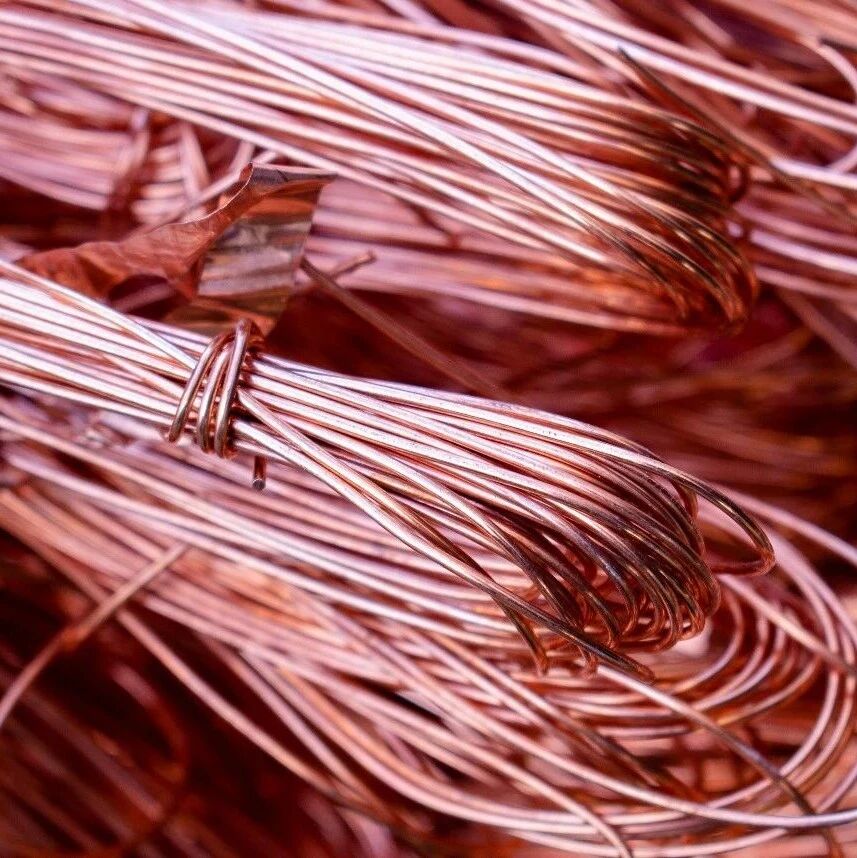
金银之后,会轮到铜吗?
3 6 Ke· 2026-01-30 00:31
Group 1 - Gold prices have surged, breaking the historic threshold of $5,500 per ounce, with silver following suit [1] - The market is buzzing with discussions about "safe-haven," "monetary attributes," and "historical highs" [2] - The situation is different from the typical "sector rotation" or "catch-up" narrative [3] Group 2 - Copper's value has changed, becoming a strategic asset rather than just a cyclical commodity [6][4] - The driving forces behind copper's price changes overlap with those of gold and silver but are more complex [5] - The current market is experiencing a significant shift in perception regarding copper, moving from a "trading commodity" to a "portfolio asset" [17] Group 3 - The macroeconomic backdrop has dramatically changed, leading to a questioning of the dollar's credibility, with the dollar index hitting a four-year low [9] - As trust in the dollar system wavers, investors are seeking alternatives, with gold being the primary beneficiary of this sentiment [10][11] - Copper, priced in dollars, also benefits from the dollar's depreciation, as it becomes more expensive in dollar terms [14][15] Group 4 - Geopolitical risks are rising, impacting both gold and copper, with increased demand for gold as a safe haven during turbulent times [18][20] - The supply of copper is threatened by political and community uncertainties in major copper-producing regions [21][22] - The geopolitical risk premium is being factored into copper prices, adding an "insurance cost" to its valuation [23] Group 5 - The current spot market for copper is weak, with increasing global inventories and a lack of demand from China [28][29] - The significant price difference between spot and futures copper indicates an oversupply in the market [32] - The weak demand reflects a broader issue where the global economy cannot support the current high copper prices [36] Group 6 - The long-term outlook for copper is driven by structural supply issues and a robust demand forecast due to global energy transitions [39][46] - The anticipated demand from electric vehicles and renewable energy projects is expected to significantly increase copper consumption [47][48] - The market is currently experiencing a tug-of-war between weak short-term realities and strong long-term expectations for copper [49] Group 7 - The pricing logic for copper is evolving, moving away from traditional supply-demand dynamics to include strategic resource premiums and inflation hedges [54][55] - Short-term volatility is expected as the market adjusts to current conditions, with potential for significant price fluctuations [56][60] - In the medium to long term, copper is likely to establish its own upward trend, driven by persistent supply challenges and increasing demand [60][62]
廖市无双-如何应对当下指数分化格局
2026-01-26 02:49
Summary of Conference Call Records Industry Overview - The current market is experiencing a bull market that has lasted for 24 months, entering its mid-to-late stage, benefiting from a downturn in the real estate and trust industries, leading to capital inflow into the securities market. The outlook for the next decade remains positive, but the spring offensive in 2026 should be viewed as a mid-game break [1][4]. Market Performance - The Shanghai Composite Index has shown slight upward movement, while the Shanghai 50 and CSI 300 have entered a correction phase, indicating a consolidation of heavyweight indices. Conversely, small and mid-cap growth stocks have performed strongly, with the CSI 500, CSI 1000, and National CSI 2000 reaching new highs since September 2024 [1][5][6]. - In the recent week, 17 out of 24 sectors in the Shenwan primary industry index saw gains, with small and mid-cap sectors showing significant excess returns [7]. Sector Analysis - Underperforming sectors include construction materials, oil and petrochemicals, steel, real estate, environmental protection, and textiles, while sectors such as non-ferrous metals, defense, and basic chemicals have shown strong performance [8]. - The recent rebound in underperforming sectors is attributed to the market entering a mid-to-late stage, with a rotation and broad-based rally emerging. Stocks that had been stagnant are beginning to rise, particularly in construction materials and oil and petrochemicals [9]. Investment Strategy - A dual strategy is recommended: 1. Invest in indices like CSI 500, CSI 1000, and National CSI 2000 for relative returns. 2. Focus on sectors with high growth potential and reasonable valuations, such as electronics, semiconductor storage, and renewable energy [3][14]. - Investors are advised to avoid panic selling due to corrections in heavyweight indices, as adjustments are not expected to be severe. Short-term strategies should avoid blind chasing of high prices [12][13]. Future Market Outlook - The heavyweight indices may continue to adjust, while growth indices like CSI 500 and CSI 1000 are expected to maintain upward momentum. The Shanghai Composite Index is currently above the 20-day moving average, indicating potential for upward movement, but caution is advised as the slope has flattened [11]. Regulatory Impact - New regulations set to take effect on March 1 will require disclosure of deviations and gradually increase external monitoring, leading to a decrease in investment freedom. Prior to this, optimizing portfolios for maximum returns is essential, while post-regulation, a focus on balanced allocation will be necessary [22][25]. Key Focus Areas - Attention should be given to the banking and non-banking financial sectors, which have seen significant declines. The telecommunications sector also requires close monitoring due to signs of weakness in leading stocks [10]. Conclusion - The market is characterized by structural differentiation, with small-cap stocks showing superior performance. Investors should remain vigilant and adjust strategies according to market conditions, particularly during the spring rally period [21][23].
港股异动 | 力勤资源(02245)午后涨超11% 印尼镍矿配额扰动市场 公司全面覆盖镍产业链
智通财经网· 2026-01-23 05:45
Core Viewpoint - The stock of Lygend Resources (02245) has risen over 11%, reaching HKD 26.42, with a trading volume of HKD 170 million, driven by positive developments in the nickel market [1] Group 1: Nickel Market Dynamics - On January 23, the main contract for nickel futures in Shanghai surged nearly 5%, reaching CNY 149,290 per ton [1] - Indonesia is expected to approve a production quota of approximately 260 million tons of nickel ore by 2026, which could impact global supply [1] - According to Zhongyou Securities, nickel has been one of the few metals absent from the ongoing bull market in non-ferrous metals in 2024, with only a 3% increase since the beginning of the year, significantly lagging behind precious metals and other industrial metals [1] Group 2: Company Overview - Lygend Resources is a leading global player in the nickel industry, covering the entire nickel supply chain [1] - The company started with nickel ore trading and has gradually transformed into a comprehensive industrial player, now encompassing nickel ore trading, smelting production, equipment manufacturing, and sales [1]
关键时刻,私募大佬吴伟志发声!
中国基金报· 2026-01-22 05:37
Core Viewpoint - The current market is characterized by a "summer" phase of a bull market, with active trading, accelerated sector rotation, and a broadening profit effect, but without signs of full-blown bubble or extreme sentiment, indicating that both time and space have not yet peaked [2][5]. Group 1: Market Analysis - Compared to major global markets, the recent rise in the Chinese stock market is more of a "catch-up" rather than a "bubble," with the A-share market still undervalued despite a significant rebound in 2025 [4][6]. - As of the third quarter of 2025, the dynamic price-to-earnings ratio of the CSI 300 index is approximately 14 times, significantly lower than the S&P 500 (about 29 times) and the Nasdaq (about 42 times), indicating a relative undervaluation [6]. - The foundation of the bull market in China is solid, supported by the unshakeable advantage of the manufacturing sector, underestimated technological strength, cautious global corporate capital expenditure, and supportive policies [7]. Group 2: Investment Opportunities - The company identifies five key "hard asset" investment directions: "Technology Innovation+", pharmaceutical and biotechnology, supply-side reversal of resource products, gold, and high-dividend assets [8][9]. - In the "Technology Innovation+" sector, internet platform companies are experiencing a valuation recovery post-antitrust adjustments, with strong cash flows and enhanced dividends, while AI-enabled new businesses are emerging [9][10]. - The pharmaceutical and biotechnology sector is entering a harvest phase, with innovative drug development yielding global licensing opportunities, and the industry is at a historical low in valuation after four years of deep adjustment [10]. - The supply-side reversal of resource products is driven by a significant lack of capital expenditure over the past five years, coupled with rigid demand growth in new energy, military, and AI hardware, leading to a supply gap for key metals [10]. - Gold assets are gaining value as a non-credit asset amid global de-dollarization and ongoing geopolitical conflicts, with potential support for gold prices if the Federal Reserve continues to lower interest rates [10]. - High-dividend assets, such as those in the power, telecommunications, and banking sectors, provide stable cash flows in a declining interest rate environment, serving as a ballast in investment portfolios, especially during periods of increased volatility [10].
坐稳扶好!系好安全带!周三,A股走势分析
Sou Hu Cai Jing· 2025-10-21 10:02
Group 1 - The market is experiencing a rebound, with the ChiNext Index and Shanghai Composite Index showing significant increases, indicating a potential upward trend in the market [1][3] - The securities sector is expected to play a crucial role in driving the index higher, particularly as it approaches the 4000-point mark, with expectations of policy support and potential interest rate cuts [3][5] - The A-share market is lagging compared to other Asia-Pacific markets, suggesting a need for a catch-up rally, especially in the main board where sectors like liquor and securities have not yet surged [5][7] Group 2 - The real estate sector is performing well, particularly companies backed by local state-owned enterprises in first-tier cities, indicating a focus on venture capital concepts [7] - The technology index is expected to remain resilient, with significant potential for profit as the bull market continues, highlighting the importance of distinguishing between high and low-performing tech stocks [5][7] - The last trading days of October are deemed critical for achieving substantial gains, with a strong likelihood of breaking through key resistance levels [5][6]