中美贸易谈判

Search documents
X @外汇交易员
外汇交易员· 2025-08-26 02:38
Trade Negotiations - The US government anticipates meetings between Chinese officials and US deputy-ministerial officials [1] - Discussions are expected to address China's efforts to reduce its "ongoing massive trade surplus" with the US [1] - Chinese international trade negotiator Li Chenggang is scheduled to meet with US Trade Representative Grier and senior Treasury officials later this week [1] - The meetings will also involve discussions with US business representatives [1] - Key topics for discussion include soybeans and a 20% tariff on fentanyl [1] Potential Visit - President Trump mentioned he is considering a visit to China as trade negotiations continue between the two countries [1]
中国提的条件美国答应了,特朗普派人兵分两路,一组豪华访团来华
Sou Hu Cai Jing· 2025-08-16 16:00
Group 1 - The article highlights the failure of Trump's ambitions after six months in office, particularly regarding trade negotiations with China [1] - A significant three-party meeting involving China, the U.S., and Sweden is set to take place, marking the third round of trade talks since Trump's announcement of additional tariffs on China [1] - Trump's recent trade agreement with the EU appears to be a strategic move to apply pressure on China during the negotiations [1] Group 2 - The U.S. delegation, led by Treasury Secretary Mnuchin, aims to reduce tariffs on Chinese goods from the current 50%-55% to 30% if negotiations are successful [1] - If negotiations do not progress favorably, there is a possibility of increasing existing tariffs by 10% to 20% [2] - Trump hopes to achieve a positive outcome from the talks, such as a 90-day suspension of mutual tariffs to allow for further negotiations [2] Group 3 - A high-level business delegation, the most significant since the start of the new "tariff war," is being sent to China to restart economic dialogue [4] - This dual approach of official talks and private sector engagement reflects Trump's urgency to resolve trade issues with China [4] - U.S. Secretary of State Rubio emphasizes the need for ongoing interaction with China, indicating a shift towards a more cooperative relationship despite existing differences [4][6]

兴业证券:长期继续坚定看多做多港股 此轮行情将走出超级长牛
智通财经网· 2025-08-12 12:01
Core Viewpoint - The long-term outlook for Hong Kong stocks remains bullish, with expectations of a prolonged bull market driven by increasing confidence among global and Chinese investors in the Chinese stock market [1][4]. Group 1: Market Performance Overview - In July, the Chinese stock market outperformed globally, with the Shanghai Composite Index, Hang Seng Index, and Hang Seng Tech Index showing significant gains [2]. - The Hang Seng Index rose by 2.9% and the Hang Seng Tech Index by 2.8% in July, with the healthcare sector leading with a 22.8% increase [2]. - As of July 31, the forecasted PE for the Hang Seng Index was 11.3 times, close to the 10-year average, while the PB was 1.18 times, also near the historical average [2]. Group 2: Fund Flows and Market Dynamics - In July, net inflows from southbound funds reached 1356.48 million HKD (approximately 1241.04 million RMB), marking a record high since the launch of the mutual market access mechanism [3]. - The proportion of international intermediaries' holdings increased to 43.8% as of July 31, up by 0.5 percentage points from June [3]. - Short selling accounted for 16.0% of total trading volume on the main board as of July 31, a decrease from June [3]. Group 3: Short-term Market Outlook - The short-term outlook for August indicates a potential for market fluctuations, focusing on interim report performances and price-to-earnings ratios [5]. - 54.1% of companies that released interim earnings forecasts reported positive surprises, particularly in finance, materials, and information technology sectors [5]. - The forecasted net profit growth for Hang Seng Index constituents is 6.8% year-on-year, remaining stable compared to June [5]. Group 4: Investment Opportunities - The technology sector is highlighted as a promising area for investment, particularly in AI-related industries, with expectations of a rebound post-earnings season [6][7]. - New consumption trends are emerging, with a focus on sectors such as trendy retail, outdoor activities, and innovative dining [7]. - The innovative pharmaceutical sector is expected to maintain a positive medium-term outlook, although short-term volatility may present entry opportunities [7]. Group 5: Value Stock Dynamics - High-dividend central state-owned enterprises in sectors like finance, utilities, and energy remain attractive for allocation [8]. - The upcoming interim reports are anticipated to reveal opportunities in sectors likely to exceed expectations, particularly in gold and brokerage firms [8].

地缘局势担忧情绪降温,金价跳水近1%
Sou Hu Cai Jing· 2025-08-11 08:46
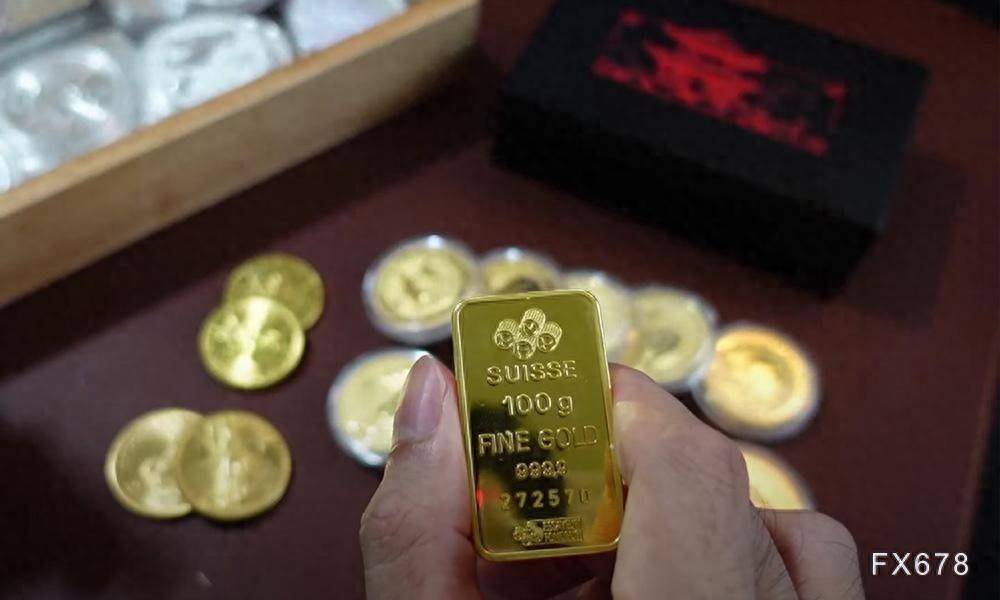
中美贸易谈判与投机头寸变化 地缘政治缓和,金价回落 周一,现货黄金价格震荡走弱,截止14:34,最低触及3363.99美元 /盎司,为近三个月交易日新低,跌幅近1%,尽管上周五金价曾触及7月23日以来的最高 点,但随着地缘政治紧张局势的缓和,黄金的避险需求有所减弱。美国黄金期货 跌幅更为明显,一度下跌近2%,至3422.2美元/盎司。City Index资深分析师 Matt Simpson指出,地缘政治风险的降温是金价下跌的主要原因之一。 上周五,美国总统特朗普宣布,他将于8月15日在阿拉斯加会见俄罗斯总统普京,商讨结束俄乌冲突的相关事宜。这一消息令市场对地缘政治风险的担忧有 所缓解。俄乌冲突自爆发以来一直是推高金价的重要因素,因为黄金作为避险资产,通常在全球局势动荡时受到追捧。然而,美俄领导人会晤的消息为市场 注入了乐观情绪,部分投资者开始减少对黄金的避险需求,转而观望会谈的实际进展。 美国通胀数据即将来袭 除了地缘政治因素,即将公布的美国7月消费者物价指数(CPI)数据也是市场关注的焦点。分析师预计,受关税政策的影响,核心CPI将较前月上涨0.3%, 较上年同期上涨3.0%。这一数据虽然较美联储2%的通胀 ...
中国市场观察 - 今夏投资者关注什么 - 反内卷、A 股与港股及资金流向-China Market-Wise-What Investors Care About This Summer - Anti-Involution, A vs. H, and Flows
2025-08-11 01:21
August 8, 2025 09:00 PM GMT China Market-Wise | Asia Pacific Morgan Stanley does and seeks to do business with companies covered in Morgan Stanley Research. As a result, investors should be aware that the firm may have a conflict of interest that could affect the objectivity of Morgan Stanley Research. Investors should consider Morgan Stanley Research as only a single factor in making their investment decision. What Investors Care About This Summer - Anti-Involution, A vs. H, and Flows We summarize and addr ...

棕榈油:产地供需两旺,逢低做多为主,豆油:出口现新驱动,关注中美谈判结果
Guo Tai Jun An Qi Huo· 2025-08-10 08:19
Report Date - The report is dated August 10, 2025 [1] Last Week's Views and Logic Palm Oil - Domestic macro - sentiment pushed palm oil to a three - year high, but without strong supply themes, the price was hard to rise further and mainly fluctuated at a high level, waiting for the inventory - reduction inflection point in the producing areas. The palm oil 09 contract rose 0.79% last week [2] Soybean Oil - A large number of domestic soybean oil export orders ignited trading enthusiasm, the soybean - palm oil price spread narrowed significantly, and soybean oil showed signs of a catch - up rise. The soybean oil 09 contract rose 1.52% last week [2] This Week's Views and Logic Palm Oil - Malaysia's inventory peak this year has been gradually digested by the market since April. There is no new significant negative factor in the palm oil fundamentals, and the market has started to trade the inventory - reduction trend in the second half of the year. Domestic macro - sentiment pushed palm oil to a three - year high [3] - In July, Malaysia's palm oil production is expected to be less than 180 tons, and the export volume in the first 25 days was poor, estimated to be less than 140 tons. With the continuous driving effect of European biodiesel, the demand in the producing areas is expected to remain high. Malaysia will continue to accumulate inventory in July, but conservatively estimated not to exceed 2.2 million tons [3] - In Indonesia, the price difference between Indonesia and Malaysia remains high, and the prices of various palm oil products and bunches in the Indonesian producing areas are high. The sentiment of traders reflected in the CPO export premium is relatively positive, and palm oil is quite resistant to price drops at present [3] - Rumors of Indonesia's B50 policy and export ban are considered to have a low correlation with the recent price increase of palm oil. The production recovery in Indonesia may fall short of expectations again under the strong demand for European biodiesel raw materials, and the inventory will hover between 1.5 and 3 million tons this year [3] - In the consumer areas, except for sunflower oil, the import profit of crude palm oil has been higher than that of crude soybean oil. Channel inventory reconstruction is underway. As long as the monthly import volume can be maintained above 800,000 tons, it is difficult for Malaysia's palm oil inventory to exceed 2.3 million tons [3] - The market has great differences in Malaysia's palm oil production this year. If Malaysia and Indonesia maintain good yields in August as in the same period last year and from April to May this year, there will be greater inventory - accumulation pressure from August to September. If Malaysia's palm oil inventory cannot exceed 2.3 million tons, the market may have gradually digested this year's inventory peak [3] - August is the last window for the release of palm oil supply pressure. If no effective price pressure is formed during this period, it will be difficult for significant negative supply - side factors to appear in the later oil market. If inventory accumulates more than expected from August to September, combined with the concentrated listing of European rapeseed and potential downward pressure on the crude oil side, palm oil may not reflect potential positive factors in the fourth quarter prematurely and may still have room for correction. However, be vigilant about the positive sentiment caused by earlier - than - expected inventory reduction due to lower - than - expected production from August to September [3][4] - The soybean - palm oil price spread does not have the driving force to return to parity this year. Continuously pay attention to opportunities to go long on palm oil at low levels [4] Soybean Oil - In mid - to - late July, multiple major producing areas in the US Midwest received good rainfall, which is conducive to the improvement of yield expectations. Before the release of the USDA August report, if there is no more positive progress in Sino - US trade negotiations, CBOT soybeans will maintain a weak fluctuation. Only positive news from Sino - US trade negotiations can drive the rebound of US soybeans [4] - The weak domestic situation of soybean oil has been reversed by a large number of recent export orders. Oil mills' crushing operations are maintained at a very high level. Although domestic apparent demand and提货 are poor, oil mills actively export after finding export trade profits. If this trend continues, it is expected to drive the Chinese soybean - palm oil price spread closer to the international spread [4] - If US soybeans for the October shipment have not been actually purchased, there is still some upward space for the monthly spread and Brazilian premiums, and the prices of oil tanks may be underestimated, which may benefit soybean oil [4] - After the high - production period of palm oil in the third - quarter end, if Sino - US trade issues lead to a soybean import gap, there may be potential upward themes for Brazilian premiums, and there may be opportunities to go long on soybean oil and narrow the spread between rapeseed oil and soybean oil [4] Overall View - As the last window for the release of palm oil supply pressure, if the production increase in August fails to form effective price pressure, it will be difficult for significant negative supply - side factors to appear later. Be vigilant about the positive sentiment caused by earlier - than - expected inventory reduction due to lower - than - expected production in Malaysia and Indonesia from July to August [5] - The soybean - palm oil price spread does not have the driving force to return to parity this year. Continuously pay attention to opportunities to go long on palm oil at low levels [5] - The current driving factors for soybean oil are US soybean weather, the sustainability of soybean oil exports, and the results of Sino - US trade negotiations. After the high - production period of palm oil in the third - quarter end, if Sino - US trade issues lead to a soybean import gap, there may be potential upward themes for Brazilian premiums, and there may be opportunities to go long on soybean oil and narrow the spread between rapeseed oil and soybean oil. Currently, the soybean sector lacks its own effective driving force and mainly follows the trend of the oil sector, and the soybean - palm oil price spread fluctuates in a range with a slightly upward trend [5] Disk Basic Market Data Price and Volume Data - Palm oil main contract: opened at 8,918 yuan/ton, reached a high of 9,076 yuan/ton, a low of 8,746 yuan/ton, and closed at 8,980 yuan/ton, up 0.79%. The trading volume was 2,637,135 lots, a decrease of 70,357 lots, and the open interest was 305,714 lots, a decrease of 88,427 lots [7] - Soybean oil main contract: opened at 8,274 yuan/ton, reached a high of 8,486 yuan/ton, a low of 8,210 yuan/ton, and closed at 8,388 yuan/ton, up 1.52%. The trading volume was 2,707,492 lots, an increase of 5,182 lots, and the open interest was 642,331 lots, an increase of 142,575 lots [7] - Rapeseed oil main contract: opened at 9,516 yuan/ton, reached a high of 9,672 yuan/ton, a low of 9,442 yuan/ton, and closed at 9,574 yuan/ton, up 0.52%. The trading volume was 3,475,013 lots, a decrease of 133,717 lots, and the open interest was 140,480 lots, a decrease of 48,633 lots [7] - Malaysian palm oil main contract: opened at 4,180 ringgit/ton, reached a high of 4,304 ringgit/ton, a low of 4,159 ringgit/ton, and closed at 4,254 ringgit/ton, up 0.21% [7] - CBOT soybean oil main contract: opened at 53.89 cents/pound, reached a high of 54.55 cents/pound, a low of 52.29 cents/pound, and closed at 52.43 cents/pound, down 2.73% [7] Spread Data - Rapeseed - soybean 09 spread: closed at 1,174 yuan/ton this week, down 6.08% from last week [7] - Soybean - palm 09 spread: closed at - 580 yuan/ton this week, up 8.81% from last week [7] - Palm oil 9 - 1 spread: remained unchanged at - 20 yuan/ton [7] - Soybean oil 9 - 1 spread: closed at 12 yuan/ton this week, down 75.00% from last week [7] - Rapeseed oil 9 - 1 spread: closed at 13 yuan/ton this week, down 77.59% from last week [7] Warehouse Receipt Data - Palm oil warehouse receipts: remained unchanged at 570 lots [7] - Soybean oil warehouse receipts: increased by 17,370 lots to 20,370 lots [7] - Rapeseed oil warehouse receipts: remained unchanged at 3,487 lots [7]
如何看待非农“爆冷”? 新一轮关税加剧市场担忧、中美贸易谈判与地缘局势
2025-08-05 03:16
Summary of Conference Call Notes Industry Overview - The conference call discusses the current state of the U.S. economy, particularly focusing on the labor market, inflation, and the impact of tariffs and trade negotiations with China. [1][6][17] Key Points and Arguments 1. **Labor Market Data Revision**: The U.S. labor market data was significantly revised downwards, with July's job additions at 73,000 and a downward revision of 258,000 for the previous two months, leading to an average of only 35,000 jobs added over the last three months, the largest downward revision in decades. [2][3] 2. **Unemployment Rate**: The unemployment rate increased from 4.1% to 4.2%, indicating a potential slowdown in job creation despite the rate remaining relatively stable compared to last year. [2][3] 3. **GDP Growth**: The second quarter GDP growth rate was 3%, consistent with last year, but the internal demand growth rate fell to 1.2%, down from 2.4% last year, indicating weakening demand. [5] 4. **Impact of Tariffs**: New tariffs imposed by the Trump administration have raised the effective tax rate from 10% to 20.5%, leading to increased inflationary pressures as companies may pass on costs to consumers. [11][12] 5. **Inflation Expectations**: Structural inflation is expected to rise in the second half of the year, driven by core commodity price increases due to tariffs, while rent and service prices remain moderate. [13] 6. **Federal Reserve's Monetary Policy**: The Federal Reserve may need to adjust its monetary policy in response to the labor market's downturn and inflation pressures, with a significant increase in the probability of a rate cut in September from 40% to 88%. [9][16] 7. **Trade Negotiations with China**: Current U.S.-China trade negotiations have not yielded substantial results, with ongoing challenges related to market access, energy purchases, and investment. [17][24] 8. **Sector-Specific Impacts**: Different sectors are affected variably by tariffs; technology companies are performing well, while manufacturing firms like General Motors and Ford are experiencing losses. [14][15] 9. **Geopolitical Factors**: The complexity of U.S.-China relations is compounded by geopolitical factors, including the U.S. stance on Russia amid the Ukraine conflict, which may further complicate trade negotiations. [24][25] Other Important but Overlooked Content - **Labor Participation Rate**: The labor participation rate has decreased from 62.7% last year to 62.2% this year, indicating a decline in labor supply, particularly among foreign-born populations. [3][4] - **Market Sentiment**: Investor sentiment is cautious due to increased geopolitical risks and seasonal factors, with August and September typically being weaker months for the stock market. [26][27] - **Potential Cooperation Areas**: There are suggestions for exploring more cooperative areas between the U.S. and China, such as increased purchases of U.S. Treasury bonds by China, although feasibility remains uncertain. [20][21]
大摩闭门会-政治局会后,中美变局前?-原文
2025-08-05 03:16
Summary of Conference Call Notes Industry or Company Involved - Focus on the macroeconomic environment and stock markets in China and the United States - Discussion on the implications of U.S.-China relations, particularly in the context of technology and trade Core Points and Arguments 1. **Market Adjustment and Economic Indicators** - Both Chinese and U.S. stock markets are experiencing adjustments since late June, raising questions about potential market shifts in the second half of the year [1][15][16] - Recent economic indicators suggest subtle changes in the economic landscape, prompting concerns among investors [1][15] 2. **Performance of Offshore Chinese Markets** - The offshore Chinese market, particularly Hong Kong stocks, is expected to remain in a volatile state from June to August, with lower chances of outperforming other major global markets [3][4] - A-shares are showing more resilience compared to Hong Kong stocks, with lower volatility observed since June [3][4] 3. **Political and Policy Expectations** - The upcoming Politburo meeting is anticipated to be a disappointment in terms of new policies, which could lead to profit-taking behavior in the market [5][15] - The lack of new policies regarding real estate has been noted, with expectations managed due to previous GDP growth targets being met [15][16] 4. **U.S.-China Trade Relations** - Ongoing uncertainties in U.S.-China trade negotiations, including potential tariff increases, are causing market volatility [6][7][8] - Despite short-term uncertainties, a long-term view suggests that U.S.-China relations will not deteriorate significantly [8][9] 5. **Consumer Sector and New Consumption Trends** - The new consumption theme is undergoing adjustments, with expectations for continued volatility in the market [9][10] - While there is long-term optimism for the new consumption sector, the current timing is deemed not favorable for significant investments [10] 6. **U.S. Economic Performance** - Recent U.S. non-farm payroll data has been revised downwards, indicating potential economic slowdown [11][12] - Despite strong corporate earnings, concerns about the sustainability of U.S. economic growth are emerging, particularly in light of trade policy uncertainties [12][24] 7. **Future Economic Outlook** - The expectation is for a potential economic slowdown in the second half of the year, particularly in exports and real estate [28][30] - The real estate market is facing challenges, especially in lower-tier cities, leading to cautious forecasts for price adjustments and transaction volumes [31][32] 8. **Policy Adjustments and Economic Rebalancing** - The government is expected to maintain a reactive rather than proactive policy stance, with potential adjustments in fiscal and monetary policies towards the end of the year [35][36] - The focus on "anti-involution" policies indicates a shift towards structural economic reforms aimed at addressing long-term challenges [19][20][36] Other Important but Possibly Overlooked Content 1. **Global Trade Agreements** - Recent trade agreements between the U.S. and other countries are seen as temporary and fragile, with potential for future renegotiations [16][24] - The effectiveness of these agreements in stabilizing U.S.-China relations is questioned, as they may not significantly alter the existing trade dynamics [16][24] 2. **Social Perception Index** - The social perception index, which reflects employment and income confidence, has shown signs of decline, indicating underlying economic pressures despite surface-level growth [37][38] 3. **Long-term Economic Strategy** - The discussion emphasizes the need for deeper reforms in fiscal and tax policies to support consumption and reduce reliance on investment-driven growth [19][20][22] 4. **Market Sentiment and Investment Strategy** - Investors are advised to remain cautious and seek better entry points for investments, particularly in light of the current market volatility and economic uncertainties [12][13][14]

关税大棒豪夺万亿美元后,特朗普欲拨2亿装修白宫:这钱中方出
Sou Hu Cai Jing· 2025-08-04 10:36
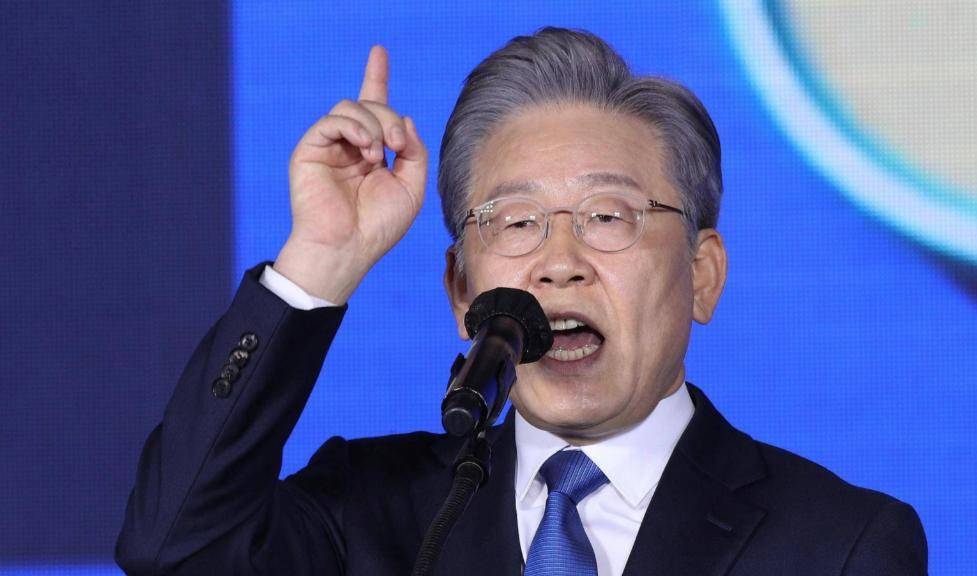
特朗普上周靠关税大棒抢了全球近万亿美元,转头就惦记着让中国掏2亿美元给他装修白宫——可惜,这套算盘彻底打空了。 台湾地区也没逃过,特朗普张口就是20%的关税,赖清德伪政权居然还感恩戴德,以为这是美国给的"国际地位认证",殊不知在特朗普眼里, 台湾不过是一块"苍蝇腿也是肉"的提款机。 再加上和巴基斯坦"合作"石油开采的进账,短短七天,美国国库硬是塞进了近万亿美元。 这种全球无差别抢劫,特朗普干得理直气壮,仿佛全世界都欠美国的。 钱一到手,特朗普立马惦记起他的"面子工程"。 他高调宣布要拨2亿美元翻修白宫,计划包括换瓷砖、修草坪、定制新家具,最扎眼的是要在花园里立一座金光闪闪的雕塑,用来纪念他自 己"伟大的总统岁月"。 按他的说法,白宫是"国家象征",必须配得上他的"雄心壮志"。 他以为挥舞关税大棒就能让中国低头买单,却忘了今天的中国早就看透了他那套"极限施压"的戏码,不仅一分钱不会出,更用实际行动让美国 明白:想靠霸权勒索中国,门儿都没有。 先看看特朗普上周干了什么"好事"。 韩国总统李在明跑去美国想谈合作,结果连个像样的美国高官都没见着,临走还莫名其妙挨了一记闷棍:特朗普转头宣布对韩国加征15%关 税,逼着韩 ...