创业

Search documents
【有本好书送给你】实现财富自由的简单法则
重阳投资· 2025-12-17 07:33
Core Viewpoint - The article emphasizes the importance of reading and continuous learning as a pathway to personal growth and wealth accumulation, highlighting the principles outlined in Scott Galloway's book "The Wealth Equation" [2][8][29]. Group 1: Wealth Equation Principles - The wealth equation is defined as Wealth = Focus + (Discipline × Time × Diversification), suggesting that achieving financial freedom requires a combination of these elements [10][29]. - Discipline is described as the ability to control one's actions and decisions, which is essential for reducing debt and fostering wealth-creating behaviors [11][29]. - Focus is crucial for making informed decisions and avoiding distractions, as it shapes the outcomes of one's life and career [13][14]. Group 2: Time Management - Time is portrayed as a valuable resource, especially for young individuals, who often underestimate its significance in wealth accumulation [19][20]. - The concept of compounding is discussed, emphasizing that even small financial gains can accumulate significantly over time, but poor management can lead to losses [20][21]. - The article stresses the importance of sacrificing immediate pleasures for future benefits, highlighting the need for a long-term perspective in financial planning [21][29]. Group 3: Diversification Strategy - Diversification is presented as a defensive strategy to mitigate risks associated with investments, as it limits potential losses from high-risk assets [22][23]. - The article argues that the goal of investing should not be to maximize returns but to create a well-managed portfolio that supports financial freedom [24][29]. - It emphasizes the importance of holding a variety of assets with different risk profiles to balance potential risks and returns [25][26].


马云预言怎么回事?2026年,手握存款的人,或将面临三大挑战
Sou Hu Cai Jing· 2025-12-16 09:43
Core Insights - The traditional safety of bank deposits is diminishing as interest rates fail to keep pace with inflation, leading to a sense of financial anxiety among individuals [1][9] - The investment landscape is fraught with risks, and many are falling prey to scams promising high returns, particularly among those less familiar with financial markets [11][15] Group 1: Bank Deposits and Inflation - Bank deposit interest rates have significantly declined from 3.25% in 2021 to below 2.15% by 2024, with some banks offering rates as low as 1.95% [3] - The purchasing power of money is eroding, with essential goods like vegetables and medications experiencing price increases, leading to a phenomenon termed "invisible shrinkage" of wealth [5][7] Group 2: Investment Risks and Scams - Many individuals are seeking higher returns due to low interest rates, making them vulnerable to scams that promise guaranteed profits [11][13] - Financial products from banks are also yielding lower returns, with some investment products dropping by as much as 150 basis points, leading to significant losses for investors [15] Group 3: Economic Environment and Employment - The rise of AI is contributing to a cycle of "technological unemployment," where job losses lead to reduced consumer spending, further exacerbating economic challenges [17] - Historical comparisons, such as the "lost two decades" in Germany and Japan, highlight the importance of stable asset allocation over speculative investments during turbulent times [19][41] Group 4: Entrepreneurship Challenges - The entrepreneurial landscape has become increasingly difficult, with over 80% of new restaurant ventures failing within months due to market saturation and rising costs [24][26] - Successful entrepreneurs are those who adapt to market demands and invest in skills that meet real needs, rather than following trends blindly [28] Group 5: Financial Management Strategies - A shift in wealth management strategies is evident, with individuals prioritizing certainty over high returns, reflecting lessons learned from past financial pitfalls [17][20] - The concept of "stable and detailed" financial management is emphasized, advocating for a balanced approach to savings, investments, and personal development [32][35]

以赛引才,为“创新滨江”蓄能
Hang Zhou Ri Bao· 2025-10-28 02:15
Core Insights - The 2025 Hi TECH Global Youth Entrepreneurship Competition finals and award ceremony took place in Hangzhou High-tech Zone (Binjiang) on October 24, showcasing the event's third consecutive year [1] - The competition attracted over 850 high-quality talent projects globally since its launch in May [1] - A total of 20 awards were given, including 2 first prizes, 6 second prizes, and 12 third prizes [1] Group 1 - The Hangzhou High-tech Zone (Binjiang) will provide comprehensive support in research and development investment and startup funding for successful projects [1] - Chen Wei, Chairman of Lide (Hangzhou) Pharmaceutical Technology Co., Ltd., highlighted the supportive innovation talent fund system in Binjiang, which allows their research team to conduct clinical trials and early drug development confidently [1] - Lide Pharmaceutical is focused on advancing core pipeline clinical trials and early drug development, with relevant results entering the clinical stage this year [1] Group 2 - The Hangzhou High-tech Zone (Binjiang) plans to engage further with high-quality projects from the competition to promote the transition of innovative results from inception to realization [1] - The initiative aims to inject strong momentum into the construction of a world-leading technology park, striving to build "Paradise Silicon Valley" [1]
调查显示:本科及以上学历创业者显著增长 广东青年最爱创业
Zhong Guo Jing Ying Bao· 2025-10-10 09:55
Core Insights - The latest research from Peking University's China Social Science Survey Center provides a comprehensive profile of young entrepreneurs in China, highlighting their characteristics and challenges [1][2]. Group 1: Demographics and Education - Young entrepreneurs are predominantly male, making up 76% of the group, with an average age of 27.9 years [1]. - The educational level of entrepreneurs has improved, with average years of education increasing from 12.6 years before 2022 to 13.5 years, a growth of 7% [1]. - The proportion of entrepreneurs with a bachelor's degree or higher has significantly increased since the second half of 2022 [1]. Group 2: Industry and Regional Distribution - Approximately 82% of young entrepreneurs are concentrated in the service industry, with a growing trend towards first-tier cities, rising from 25.9% in 2020 to nearly 35% in 2024 [1]. - The research identifies three typical groups among young entrepreneurs: 51.3% are from rural areas with high school education, 30.6% are from urban areas with higher education, and 18.1% are older individuals with vocational education [1]. Group 3: Financial Performance and Challenges - Young entrepreneurs experience greater fluctuations in business performance, with overall revenue and net profit lower than their non-young counterparts, and cash flow stability is a concern [2]. - The financing landscape for young entrepreneurs is characterized by high demand, multiple channels, and high costs, despite more standardized and diverse financing methods [2]. - Post-pandemic, young entrepreneurs are shifting towards agriculture and other sectors with stronger risk resilience, adopting flexible strategies in response to external shocks [2]. Group 4: Policy Support and Recommendations - A preliminary policy support system for young entrepreneurs has been established, with 43%-62% benefiting from policies compared to 37%-53% for non-young groups, particularly in low-interest loans and utility reductions [2]. - The research team suggests four recommendations to improve the entrepreneurial environment: enhancing domestic demand policies, optimizing financial support systems, improving tax incentives and training, and increasing policy precision with targeted support strategies [2]. Group 5: Regional Concentration - Young entrepreneurial activities show significant regional concentration, with the highest proportions in the southeastern coastal regions, particularly Guangdong (14.35%), Zhejiang (8.75%), and Jiangsu (7.4%) [4]. - The East China region has the highest concentration of young entrepreneurs at 29.23%, while Northeast China has the lowest at 5.36% [4].


若不出意外,2025年下半年开始,一半家庭都可能面临“5大难题”
Sou Hu Cai Jing· 2025-10-06 13:25
Economic Overview - The domestic economy is showing a "steady improvement" trend as it approaches 2025, with GDP reaching 66,053.6 billion yuan in the first half of the year, reflecting a year-on-year growth of 5.3% [1] - The per capita disposable income for residents is 21,840 yuan, also showing a nominal year-on-year increase of 5.3% [1] Consumer and Housing Market Challenges - There is a significant decline in consumer demand, a persistent downturn in the real estate market, and an unfavorable employment situation [1] - A warning has been issued that by the second half of 2025, many households may face "five major challenges" [3] Financial and Investment Risks - Bank deposit rates have fallen into the "1 era," leading to a dilemma for individuals between low returns on savings and rising investment risks in stocks, funds, and other high-yield products [5] - The risk of loss is evident even in lower-rated bank wealth management products, causing uncertainty among investors [5] Real Estate Market Decline - Since 2022, housing prices have entered a long-term adjustment phase, with average national housing prices dropping over 30% [7] - Many families have significant wealth tied up in real estate, and continued price declines could lead to asset depreciation [8] Employment and Income Pressures - The sluggish economy has resulted in declining corporate profits, leading to layoffs and salary reductions, which in turn affects household income [10] - Fixed-rate mortgage contracts mean that even with falling interest rates, many families still face substantial repayment pressures [10] Increased Housing Supply and Selling Difficulties - By September 2025, the number of second-hand homes listed for sale exceeded 7.3 million, complicating the selling process for families with multiple properties [12] - In major cities like Beijing, Shanghai, and Hangzhou, the listing volume has surpassed 140,000 units, indicating a saturated market [12] Entrepreneurship Challenges - The current economic climate has made entrepreneurship increasingly difficult, with low success rates due to oversaturation in traditional industries, competition from e-commerce, and rising operational costs [15] - The anticipated emergence of these "five major challenges" is attributed to social and economic transitions, as well as the fallout from a real estate bubble [15]

湖北“十四五”民生保障工作成效显著 五年超31万人返乡创业带动92万人就业
Chang Jiang Shang Bao· 2025-09-22 23:57
Core Viewpoint - The Hubei provincial government emphasizes the importance of improving people's livelihoods as a central aspect of its development strategy during the "14th Five-Year Plan" and looks forward to implementing more effective measures in the upcoming "15th Five-Year Plan" to enhance employment, social security, and overall quality of life for its citizens [1]. Employment and Entrepreneurship - Hubei has prioritized employment as a key aspect of improving livelihoods, maintaining an average of over 900,000 new urban jobs annually during the "14th Five-Year Plan" while keeping the unemployment rate within target ranges [2][3]. - The province has implemented various measures to support employment, including reducing unemployment insurance fees by 23.7 billion yuan and providing 7.4 billion yuan in subsidies for job retention and skills enhancement [3]. - Hubei has focused on attracting talent, with over 400,000 college graduates choosing to work in the province over the past three years, and has maintained rural labor transfer employment at over 11 million annually [3]. - The province has also supported entrepreneurship, with 316,000 new returnee entrepreneurs creating 923,000 local jobs, and has invested approximately 400 million yuan in supporting over 9,100 student entrepreneurship projects [4][5]. Social Security - Hubei has made significant strides in social security, with the number of participants in basic pension insurance reaching 45.4 million, unemployment insurance at 7.73 million, and work injury insurance at 9.47 million [7]. - The province has implemented a multi-pillar pension system and has ensured that vulnerable groups receive social security benefits, with over 600 million yuan in social insurance premiums paid on behalf of low-income individuals [7][8]. - Hubei has also focused on maintaining harmonious labor relations, recovering 6.241 billion yuan in wages for over 507,800 workers, and has established a comprehensive mechanism for addressing wage disputes [6][8]. Public Services - The province has enhanced public service accessibility, establishing over 4,700 employment service stations and improving social security service efficiency [9]. - Hubei has expanded the application of social security cards to various services, ensuring that citizens can access services seamlessly across different sectors [9].
马云再开金口?2025下半年,手里有存款的人,或将面临2大挑战?
Sou Hu Cai Jing· 2025-09-07 14:42
Group 1: Real Estate Market Trends - The prediction made by Jack Ma in 2017 about future housing prices being as low as "scallions" has come true, with average national housing prices now down over 30% [1][3] - Cities like Zhengzhou, Tianjin, and Shijiazhuang have seen significant price declines, followed by major cities like Shanghai and Shenzhen [3] - Prices in lower-tier cities have dropped to levels around 3,000 to 4,000 yuan per square meter, aligning with Ma's prediction [3] Group 2: Investment Risks - Investment risks are rising across various sectors, including real estate, stocks, funds, and bank products, as bank deposit rates hit historical lows [4][8] - The average loss for stock investors in 2024 is projected to be around 140,000 yuan, with public funds experiencing average losses of 20-30% [8] - The risk associated with bank wealth management products is increasing due to declining money market yields and rising bond market risks [8] Group 3: Entrepreneurship Challenges - Many individuals are withdrawing savings to invest in entrepreneurship, but the success rate is extremely low, described as "nine deaths and one life" [10] - Consumer behavior has shifted towards more rational spending post-pandemic, leading to a long-term oversupply in the market [12] - High rental costs for commercial spaces and intense competition from established companies further diminish the chances of entrepreneurial success [14]

从今年开始,要做好“资产贬值”的准备?这四件事情建议别做
Sou Hu Cai Jing· 2025-08-25 02:57
Core Viewpoint - Experts believe that the era of rapid price increases in China is approaching, primarily due to severe monetary overproduction by the central bank, with M2 reaching 330.29 trillion yuan by June 2025, which is double the GDP. However, instead of inflation, the economy is entering a deflationary cycle, with prices of goods like cars, houses, and luxury items still in a downward adjustment phase [1][3]. Economic Conditions - The deflationary cycle in the domestic economy is attributed to two main factors: despite significant monetary overproduction, much of the excess liquidity is not entering the goods or capital markets but is circulating within the financial system due to insufficient investment and consumption confidence. This has led to falling prices in the goods market [3]. - Additionally, the sluggish performance of the real economy has resulted in stagnant or declining household income, leading to a rapid shrinkage in consumer demand. Consequently, businesses face severe inventory backlogs and are compelled to lower prices to recover funds [3]. Investment Recommendations - As the economy enters a deflationary period, industry insiders advise caution regarding asset depreciation, suggesting that investors should avoid certain actions: - Do not chase high stock prices, as the recent bull market in A-shares is driven by capital inflow from low bank deposit rates, making it unsustainable [7][9]. - Exercise caution when purchasing wealth management products, as the market has seen an increase in losses, with many investors facing principal losses due to declining money market yields and rising bond market risks [11]. - Avoid investing in real estate, as the market has been in a long-term adjustment since 2022, with average housing prices dropping by 30% from their peak, and some cities experiencing declines of over 60% [13]. - Refrain from blind entrepreneurship, as the success rate is low in a shrinking market, with rising costs and intense competition posing significant challenges [15]. Market Outlook - Starting in September, there may be a need to prepare for asset depreciation, as both real estate and stock markets exhibit significant bubbles and lack long-term investment value. In a deflationary context, risks associated with bank wealth management products and entrepreneurship are high, potentially leading to principal losses. It is recommended to consider low-risk investment products, such as government bonds and large-denomination certificates of deposit, to preserve capital and take advantage of future investment opportunities when asset bubbles burst [16].
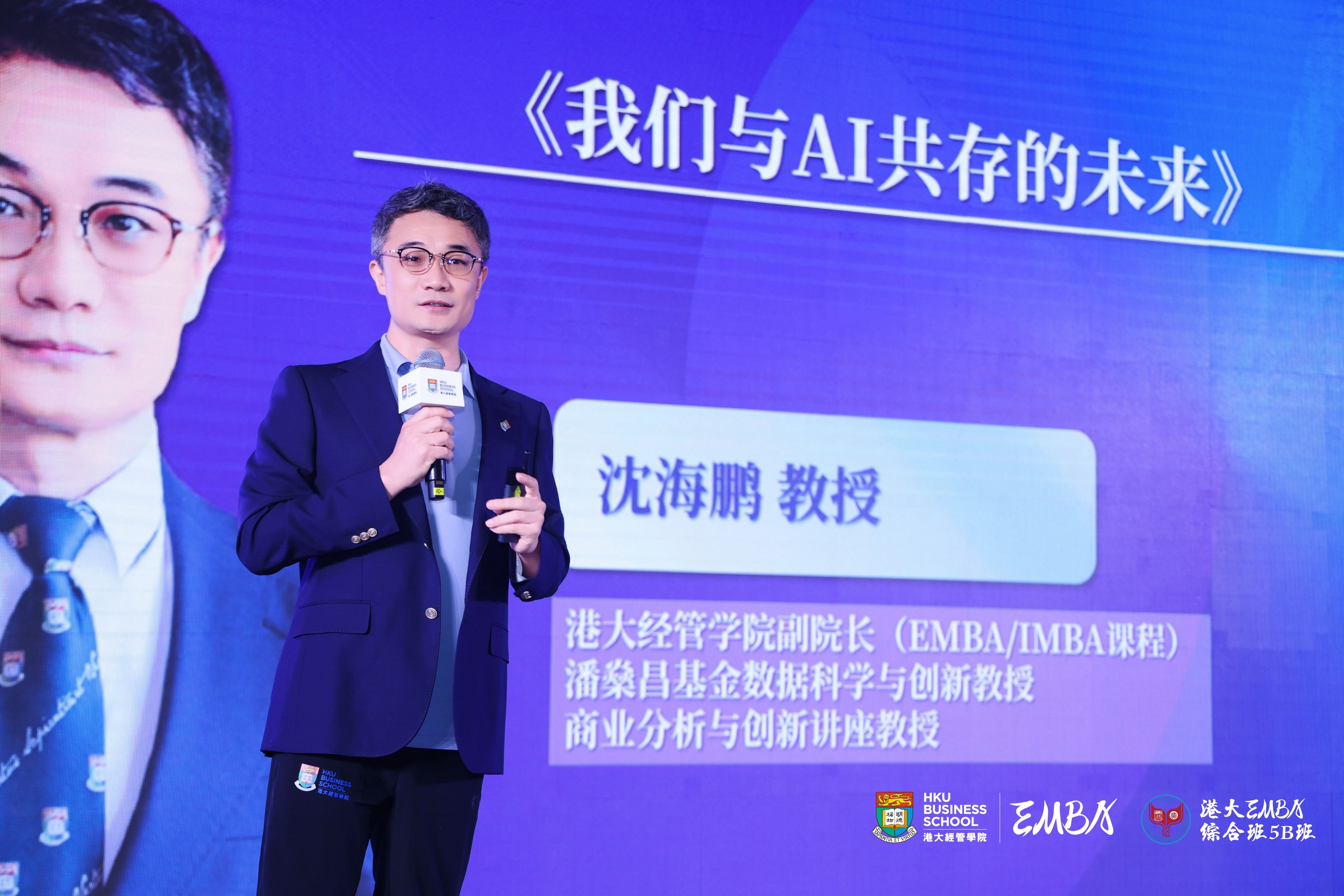
港大教授及企业家深度剖析,贸易战下为何香港是中国企业的“出海破局点”
3 6 Ke· 2025-07-23 04:14
Group 1 - The core viewpoint of the articles highlights the ongoing escalation of China-U.S. trade tensions and the accelerated restructuring of global supply chains, emphasizing the necessity for companies to enhance their global competitiveness through digital transformation and innovative technologies like AI [1][6][7] - The trend of Chinese companies going global is evident, with a 10.5% growth in 2024 compared to the previous year, and the number of participating companies increasing from 3,100 in 2010 to 9,400 today, indicating a significant shift towards international investment by both state-owned and private enterprises [4][6] - Hong Kong is positioned as a crucial hub for Chinese enterprises to navigate global markets, benefiting from its unique legal system, geographical advantages, and status as an international financial center, which facilitates compliance and enhances supply chain resilience [7][8] Group 2 - The challenges faced by Chinese companies in their internationalization efforts include compliance issues due to varying legal systems, supply chain restructuring, and the need for cultural integration and brand internationalization [6][8] - Hong Kong's strategic location allows for efficient access to major Asian markets, with its international airport being one of the busiest cargo airports globally, thus improving supply chain connectivity [8] - The Hong Kong University EMBA program is designed to equip leaders with the necessary skills and networks to thrive in a globalized business environment, focusing on international perspectives and practical applications [16][19][27]
英国教授创业,存活率无与伦比
虎嗅APP· 2025-05-25 03:14
Core Viewpoint - The article highlights the significant role of UK universities in fostering entrepreneurship through the establishment of spinout companies, with a focus on various metrics such as company formation, funding events, and success rates, indicating a thriving ecosystem for innovation and commercialization of research [3][79]. Group 1: Company Formation - A total of 2064 spinout companies have been established by professors in UK universities, with 1337 still operational, resulting in an overall survival rate of nearly 65% [3]. - Among 42 universities, 1967 new companies were formed, with a median of 31 and an average of 47 companies per university [5]. - The top universities for new company formation include Oxford (225), Cambridge (175), Imperial College (132), and Manchester (114) [7]. Group 2: Funding - From 2015 to 2024, 3788 funding events were completed by these universities, with 6 universities exceeding 100 funding events, accounting for 40% of the total [10][11]. - The total funding amount reached £17 billion, with 4 universities raising over £1 billion and 9 universities accounting for 70% of the total funding [14][16]. - The average funding amount per event was approximately £4.5 million, with UCL leading at £9.4 million per event [19]. Group 3: Funding Success Rates - Seven universities achieved a funding success rate exceeding 50%, with Oxford at 79% and Strathclyde at 75% [20][21]. - Among 1337 active companies, 736 are in the seed stage (55%), 402 in venture capital (30%), and 125 in growth stages [23]. Group 4: QS World University Rankings - The 2025 QS World University Rankings for the 42 universities show a median rank of 108 and an average rank of 206, with 16 universities in the top 100 [32]. - There is a positive correlation between university rankings and the number of new companies formed, funding events, and funding amounts [34][36][38]. Group 5: Technology Transfer Centers - Technology transfer centers are crucial for commercializing research, with universities having an average of 72 dedicated staff members in high-performing institutions [42]. - More staff correlates with higher funding events and amounts, although no clear relationship exists between staff numbers and funding success rates [45][52]. Group 6: Incubation and Acceleration - Incubators provide an environment for applying knowledge practically, with notable examples including Imperial College's White City Incubator and Oxford's Startup Incubator [58][59]. - These programs offer tailored support and resources to help startups refine their concepts and scale operations [60][61]. Group 7: Funding Support - Adequate funding is vital for early-stage startups, with Oxford providing nearly 50 types of funding and raising £5 billion [65]. - UKRI has provided over £814 million in funding to university spinouts from 2015 to 2024, enhancing the entrepreneurial landscape [70]. Group 8: Ecosystem Development - Successful commercialization of technology requires a broad network of resources, with universities like Imperial College and Oxford fostering extensive entrepreneurial communities [75][76]. - Collaborative efforts between universities and external organizations enhance the support available to startups, contributing to high survival rates and funding success [78].