
软件业

Search documents
小摩警告:美国CLO中多达1500亿美元杠杆贷款面临AI风险
智通财经网· 2026-02-28 01:52
为了得出400亿至1500亿美元的估算区间,策略师使用了基于市场价格和评级信息的简化筛选方法来评 估CLO的AI信用风险。不过,他们也承认,该方法仍需要更多细化与改进,并以医疗保健行业为例指 出,由于专有数据问题以及复杂的监管环境,很难向投资者提供更明确的判断。 策略师还强调了贷款再融资风险方面的担忧,指出约有510亿美元评级为B-或更低的软件类债务将在 2028年到期,另有约500亿美元将在2029年到期。他们写道:"私募信贷中大量的软件行业敞口表明,私 募市场对银团贷款资产进行再融资的能力有限,这不同于过去公共市场向私募市场转移交易较为常见的 情况。" 智通财经APP获悉,摩根大通表示,被打包进美国抵押贷款支持债务凭证(CLO)的杠杆贷款中,约有 400亿美元至1500亿美元可能受到人工智能(AI)热潮的冲击。这家华尔街银行指出,这是因为这些贷款 集中于与人工智能风险关联度最高的行业。该行在对SFVegas 2026大会进行回顾时发布了这一估算,在 该会议上,软件对企业CLO的影响成为"当日最热门话题"。 CLO为投资者提供对浮动利率债务的敞口,而非固定利率公司债券。其运作方式是将杠杆贷款打包成具 有不同 ...

广州天河:今年举办超50场演唱会、超40场赛事
Nan Fang Du Shi Bao· 2026-02-25 16:33
2月25日下午,广州市高质量发展大会召开。 广州市天河区委书记谭明鹤在发言时表示,天河区将锚定"十五五"冲刺万亿能级城区的目标,快马加鞭跑 出加速度、干出新业绩。2026年GDP增速目标为5%以上,固投超930亿元、增长10%以上,全力冲刺1000 亿元。 谭明鹤表示,今年天河区将提质发展金融、数字经济、科研服务、高端专业服务等现代服务业,实现增加 值5300亿元、增长5.5%;加快发展战略性新兴产业和未来产业,力争人工智能产业营收超620亿元、增长 12%。新招引产业项目300个,新培育"四上"企业1600家。 他提到,天河区将全力服务1万多家"四上"企业多打粮食,及时兑现12个专项政策,推动金融业、软件 业、电信业等优势产业快速增长,支撑一季度GDP增长6%。力促去年新增的1500多家"四上"企业及260个 产业项目早打粮食。倒排节点、攻城拔寨推进500多个项目建设,推动马场改造项目、小鹏机器人全链条 量产基地等30个项目一季度新开工,中国人工智能产业园等207个续建项目加快施工。 今年,天河区将重点拓展广州国际金融城、广棠科创城、广东奥体文化赛事演艺示范区等高质量发展"新 空间"。聚焦数字金融、数字经济 ...


盘中,直线跳水!黄金、白银,巨震!
Sou Hu Cai Jing· 2026-02-17 03:16
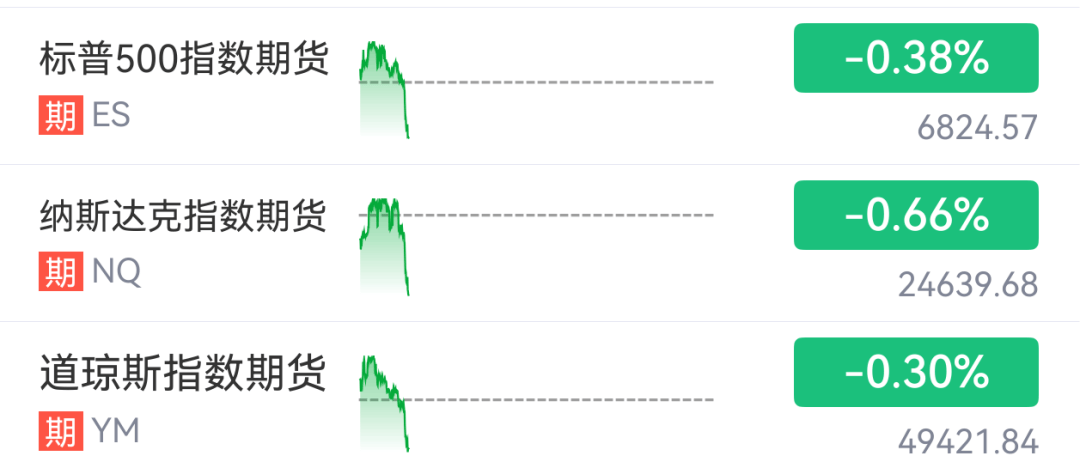
金银价格,再度上演跳水行情! 北京时间17日盘中,黄金、白银价格突然直线大跳水,现货黄金一度跌超1%,现货白银一度大跌超4%。截至记者发稿时,金银价格跌幅均有所收窄。 值得注意的是,美股三大指数期货也出现跳水行情,纳斯达克100指数期货一度跌超0.70%。 今年1月下旬,投机性买盘曾将这轮持续数年的涨势推向临界点,金价一度飙升至每盎司5595美元上方的历史高位。但在本月初的连续两日暴跌中,金价 一度回吐至4400美元,此后已收复约一半的跌幅。 包括法国巴黎银行、德意志银行和高盛在内的多家银行预测,在地缘政治紧张局势持续、对美联储独立性的质疑升温以及全球资金从货币和主权债券中撤 出的背景下,金价将恢复上行趋势。此外,澳新集团最新预计,金价将在第二季度触及每盎司5800美元,与众多金融机构的看涨预期一致。 杰富瑞分析师Fahad Tariq等人表示:"我们继续看到支撑黄金的两大宏观因素:通胀和美元贬值。"他们已将2026年黄金价格预测从每盎司4200美元上调至 5000美元。他们指出,对这些因素感到担忧的投资者和央行"实际上只有一个选择——硬资产"。 墨尔本Vantage Markets分析师Hebe Chen称 ...
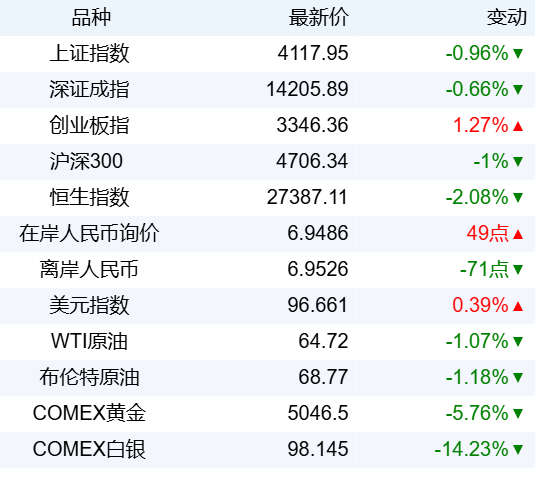
美股休市,科技股拖累欧股反弹,黄金失去“中国动力”失守5000美元,人民币涨破6.89
Hua Er Jie Jian Wen· 2026-02-16 21:49
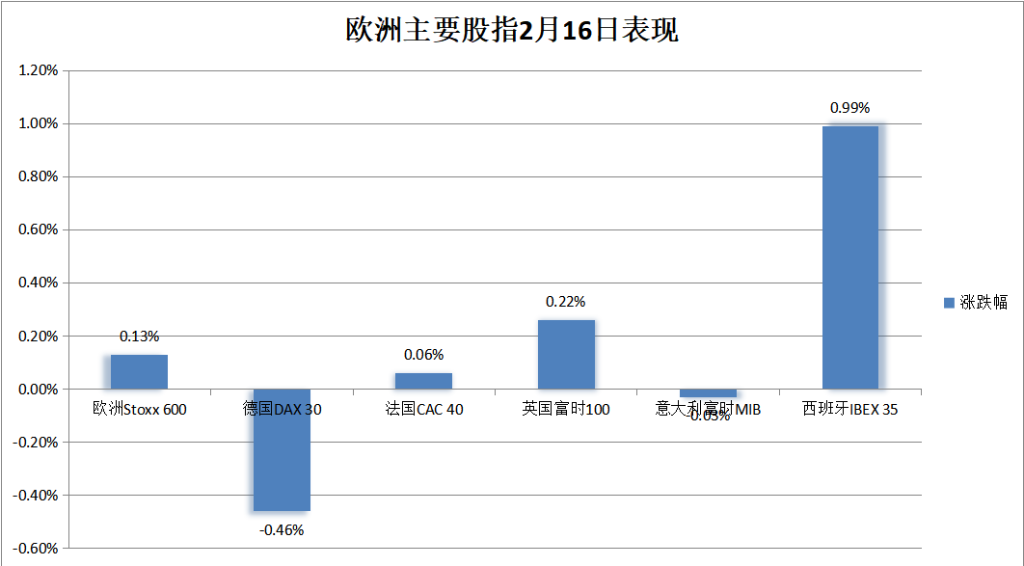
KBC Securities全球股票主管Andrea Gabellone表示:"CPI数据公布后,股市背景是积极的。" 但他同时指出:"未来可能会出现更多分化,因为围绕关键 人工智能相关板块的情绪仍然非常关键。" 本周市场将迎来一系列重要数据,包括周二将公布的ADP私营部门就业数据和周三公布的美联储1月会议纪要,投资者将从中寻找经济状况的最新信 号。 周一全球市场在假期因素下交投清淡,但各类资产走势分化鲜明。美股因总统日休市、中国内地等部分亚洲市场因春节假期休市,欧股在金融板块带动 下小幅反弹,但科技股和奢侈品股拖累涨幅。投资者关注焦点仍集中在美联储降息路径及人工智能(AI)对企业盈利的影响。 中国市场休市,金银失去重要的上行推手,未能保住上周五CPI提振降息后带来的反弹势头,黄金失守5000美元关口。上周五传出的美国政府计划取消 部分钢铝关税消息令工业金属市场承压,铜库存持续增加令基本金属走弱。 上周五美国CPI通胀数据低于预期,强化了美联储今年的降息预期,交易员已完全消化7月降息的预期,并认为6月降息可能性增加。这一预期支撑了债 市价格上涨,基准十年期美国国债收益率上周五盘中创将近两个月来新低,周一美债休 ...

帮主郑重:道指新高背后,美股也“分裂”了?
Sou Hu Cai Jing· 2026-02-10 23:38
朋友们早上好,我是帮主郑重。周二,大洋彼岸的美股市场,悄悄上演了一出"冰与火"的戏码。一边是 道琼斯指数连续三天创下历史新高,站上了5万点大关;另一边,却是标普500指数震荡走低,纳指也跌 了近0.6%。同一个市场,为何出现如此分裂的走势?这背后传递的信号,对我们节后的投资又有何启 发? 首先,给道指"火上浇油"的,是市场对美联储政策的新预期。有策略师开始讨论,在新主席可能上任的 背景下,美联储今年有降息三次的空间,这比当前市场预期的更加宽松。这种预期一旦升温,首先利好 的就是金融、工业等对利率敏感的传统价值股,它们恰恰是道指的核心成分。这告诉我们,市场的目光 已经开始超越近期的数据波动,博弈更长远的政策路径。 那么,这种"分裂"意味着什么?对我们又有什么实操的借鉴呢? 第一,它明确提示我们,美股内部的风格轮动正在剧烈发生。资金从一部分过热或面临冲击的科技、金 融板块,流向更稳健的价值板块和对AI颠覆"免疫"的领域。这绝不是牛市终结的信号,而是一次健康的 内部结构调整。它告诉我们,即便在指数创新高的牛市里,"精挑细选"也比"闭眼买入"重要得多。 第二,它把所有人的目光都聚焦在了接下来几天的关键经济数据上,特别 ...

美股前瞻 | 三大股指期货齐跌 美国1月非农与CPI本周来袭
智通财经网· 2026-02-09 12:43
Market Movements - US stock index futures are all down, with Dow futures down 0.06%, S&P 500 futures down 0.17%, and Nasdaq futures down 0.33% [1] - European indices show mixed results, with Germany's DAX up 0.32%, UK's FTSE 100 down 0.13%, France's CAC40 up 0.03%, and the Euro Stoxx 50 up 0.21% [2] - WTI crude oil is up 0.44% at $63.83 per barrel, while Brent crude is up 0.41% at $68.33 per barrel [2] Economic Data and Events - Key economic data is expected this week, including December retail sales on Tuesday and the January non-farm payroll report on Wednesday, which is expected to show an addition of 70,000 jobs and an unemployment rate of 4.4% [3] - The January non-farm payroll report will also include annual employment revision data, which is expected to show significantly lower job growth than previously reported [3] - The Consumer Price Index (CPI) report is due on Friday, with expectations of a 0.3% month-on-month increase and a 2.5% year-on-year increase [3] - Major companies like Coca-Cola, McDonald's, Cisco, and ON Semiconductor are set to release their earnings this week [3] Company Insights - Morgan Stanley supports tech stocks, stating that the AI investment cycle's volatility does not change the strong fundamentals, with revenue growth expectations for large tech stocks at their highest in decades [4] - Goldman Sachs warns of potential selling pressure in the S&P 500, estimating that a drop below 6707 points could trigger up to $80 billion in systematic selling [5] - Bank of America reports a rare synchronization between Trump's approval ratings and the dollar's performance, indicating that market support may be lacking until Trump's ratings recover [6] - Goldman Sachs is collaborating with AI startup Anthropic to automate various banking functions, focusing on transaction accounting and customer due diligence [9] - BHP plans to double its investment in its copper projects in Argentina to $800 million, aiming to address the global copper supply shortage [10] - NatWest is acquiring wealth management firm Evelyn Partners for £2.7 billion, marking a significant move to expand its coverage of high-net-worth clients [11] - Sohu reported a 6% year-on-year revenue increase for Q4 2025, totaling $142 million, with online gaming revenue at $120 million [12]

招商宏观:春节海外机会更多,还是风险更大?
Sou Hu Cai Jing· 2026-02-09 05:44
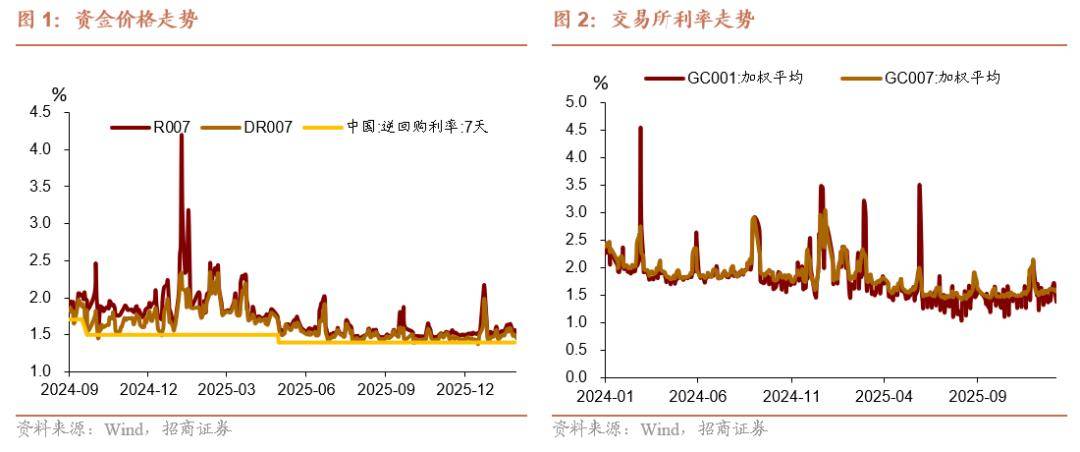
Domestic Economic Indicators - CPI and PPI are showing divergence, with January CPI expected to be 0.2% month-on-month and year-on-year, while PPI is projected to increase by 0.3% month-on-month but decrease by 1.2% year-on-year [1][10] - January credit growth may not meet last year's levels, with notable increases in bill rates compared to the previous year and a bank acceptance ratio of approximately 72%, higher than last year's 67.2%, indicating weaker credit issuance [10] Overseas Economic Developments - The nomination of Kevin Warsh as the Federal Reserve Chairman may face procedural delays due to a request from Senate Democrats and a Republican to postpone the nomination until investigations into current Chairman Powell and other board members conclude [3][13] - Polls suggest that the Liberal Democratic Party may secure over 233 seats in the 465-seat House of Representatives, potentially allowing them to escape the constraints of coalition governance [3][13] Asset Market Insights - Global liquidity may benefit from Japan's potential escape from coalition governance, which opposes early interest rate hikes and advocates for a weaker yen, thus supporting global liquidity [4][11] - Domestic technology sectors should monitor U.S. stock trends, with limited risks but potential opportunities in Q2; PPI may turn positive earlier in Q2, benefiting sectors like electricity, construction materials, steel, new energy, and chemicals [4][11] Monetary Policy and Liquidity - The central bank has implemented a "shorten and lengthen" strategy in liquidity management, with a net withdrawal of 7-day liquidity while injecting 14-day and 3-month liquidity, indicating a protective stance on liquidity [5][12] - Average funding prices have decreased by 5-10 basis points across various instruments, reflecting a downward trend in liquidity costs [5][15] Government Debt and Financing - Local government debt net financing reached 579.37 billion yuan, while national debt net financing was 212 billion yuan, totaling 791.37 billion yuan for the week [7][16] - Upcoming issuance plans include 322.14 billion yuan in local government bonds and 130 billion yuan in national bonds, with net financing expectations of 320.05 billion yuan and a negative net financing of 249.89 billion yuan for national bonds [7][16]
美股新常态?2026年才过几周,已上演5次“急跌后V字反转”
Hua Er Jie Jian Wen· 2026-02-05 03:22
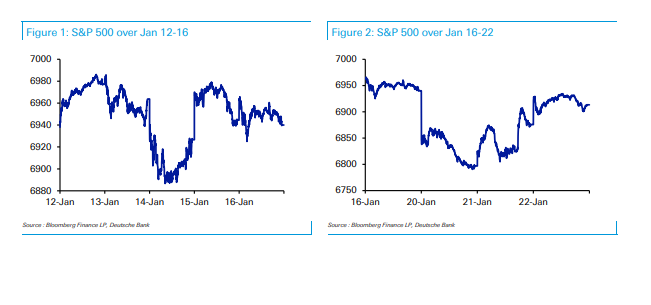
Core Viewpoint - The U.S. stock market is experiencing a "new normal" characterized by rapid declines followed by quick recoveries, with the S&P 500 index showing at least five instances of this pattern in January alone [1][2]. Group 1: Market Behavior - The S&P 500 index faced significant volatility in January, with notable declines due to geopolitical risks, tariff threats, and concerns over technology investments, yet these declines were followed by rapid recoveries [2][5]. - Each decline prompted discussions about whether it signaled the beginning of a major adjustment, but historical patterns indicate that emotional noise is high while trend disruption remains low [5]. Group 2: Macroeconomic Context - The key to determining whether the stock market will enter a sustained downturn lies not in short-term shocks but in whether macroeconomic expectations undergo a "structural downgrade" [6]. - Current macroeconomic conditions are favorable, with the U.S. economy maintaining a high growth rate, evidenced by a 4.4% annualized growth rate in Q3 and an ISM manufacturing index at its highest level since 2022 [8]. Group 3: Investor Sentiment - The market is increasingly prioritizing "real data" over "news narratives," as evidenced by the rise in all major asset classes in January, indicating that risk appetite remains intact [9]. - The pattern of rapid declines followed by recoveries reinforces a buy-the-dip strategy among investors, suggesting that the frequency of market fluctuations is increasing while the magnitude of trend changes is being suppressed [9].

新华财经晚报:黄金白银价格双双跳水
Xin Hua Cai Jing· 2026-01-31 01:46
Key Points - The Ministry of Finance announced that the securities transaction stamp duty is expected to reach 203.5 billion yuan in 2025, representing a growth of 57.8% [1] - The total operating revenue of state-owned enterprises for the year 2025 is projected to be 8,488.865 billion yuan, with a year-on-year increase of 0.5%, while the total profit is expected to decline by 6.3% to 403.805 billion yuan [1] - The software and information technology services industry in China is expected to generate a revenue of 15,483.1 billion yuan in 2025, reflecting a year-on-year growth of 13.2%, with total profits reaching 188.48 billion yuan, up by 7.3% [1] - The export of software services is anticipated to be 62.73 billion USD, marking a year-on-year increase of 7.7% [1] - The National Development and Reform Commission and the National Energy Administration have announced an increase in the proportion of fixed cost recovery for coal-fired power plants to no less than 50% through capacity pricing [2] - The domestic smartphone market is projected to see a shipment of 30.7 million units in 2025, a decrease of 2.4% year-on-year, with 5G smartphones accounting for 86.9% of total shipments [2]
工业和信息化领域对经济增长贡献超四成 人工智能产业亮点纷呈
Ren Min Ri Bao· 2026-01-22 00:02
Core Insights - In 2025, China's industrial added value is expected to grow by 5.9% year-on-year, with the manufacturing sector maintaining a stable share of GDP, and the manufacturing scale likely to remain the largest globally for 16 consecutive years [1] Group 1: Industrial and Economic Growth - The industrial and information technology sectors are projected to contribute over 40% to economic growth [1] - The added value of integrated circuits and electronic materials increased by 26.7% and 23.9% respectively, while industrial robot production rose by 28% [3] - New energy vehicle sales reached 16.49 million units, marking a year-on-year growth of 28.2% [3] Group 2: Technological Advancements - The global AI technology is accelerating innovation and integration across various industries, with significant advancements in materials like perovskite and permanent magnet materials [2] - New products such as intelligent robots and biomanufacturing products are rapidly entering the market, supported by new scenarios like "5G+" and "industrial internet+" [2] Group 3: Smart and Green Transformation - The first batch of 15 leading factories has been showcased, achieving an average production efficiency increase of 29% and a reduction in product defect rates by 47% [4] - The average renewable energy utilization rate for national green computing facilities is expected to exceed 70% by 2025 [5] Group 4: Digital Economy Integration - By the end of 2025, China's digital industry revenue is projected to reach approximately 38.3 trillion yuan, with profits of 3.1 trillion yuan, reflecting growth rates of 39.5% and 48.4% respectively compared to 2020 [6] - The number of connected industrial devices has surpassed 100 million, with significant improvements in production capacity and quality due to the integration of digital technologies [7] Group 5: Consumer Goods Sector - The added value of the consumer goods industry is expected to grow by 3.7% year-on-year, accounting for 26.1% of total industrial output [8] - Initiatives to enhance supply and meet consumer demand have led to the release of numerous innovative products and the establishment of a quality safety traceability system for infant formula [8][9]