
咖啡

Search documents
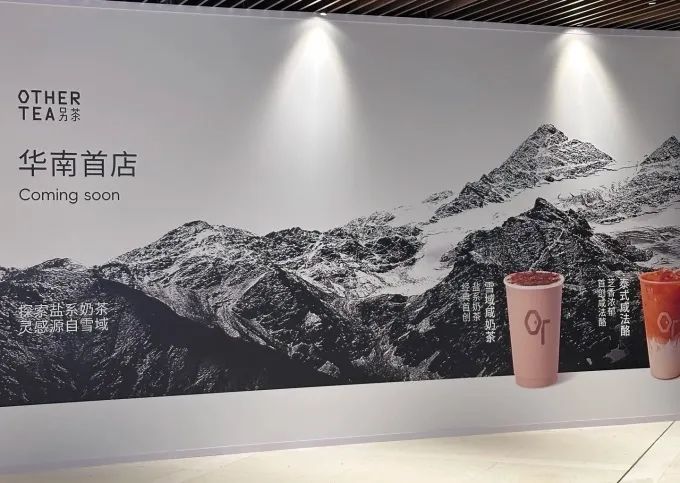
“咖啡界祖师爷”华南首店关闭,精品咖啡怎么了?
3 6 Ke· 2025-08-07 10:12
Group 1: Core Insights - Peet's Coffee, once hailed as the "coffee patriarch," has faced significant store closures in China, including its first store in South China, which closed quietly without prior notice [1][2][4] - The brand's expansion has slowed considerably, with only 16 new stores opened in the first half of 2023, compared to a rapid increase of 70 stores in 2021 and over 100 in 2023 [4][5] - The broader specialty coffee sector is experiencing a "survival crisis," with brands like Seesaw facing severe financial issues, including unpaid wages and store closures [6][8][11] Group 2: Industry Challenges - The specialty coffee market in China is grappling with rising rent pressures, increased competition from high-value brands like Luckin Coffee, and a shift in consumer preferences towards more affordable options [12][13] - Market research indicates that only 7% of consumers are willing to pay extra for "sustainable coffee," and less than 4% are willing to pay over 25 yuan for a cup, highlighting a fundamental shift in demand [13] - Many specialty coffee brands have expanded rapidly without maintaining quality control, leading to a decline in brand reputation and increased store closures [14][15] Group 3: Innovations and Adaptations - Brands are exploring innovative product offerings and marketing strategies to attract consumers, such as Bond Coffee's introduction of "freshly brewed coffee" and "fruit peel coffee" [17][18] - Peet's Coffee has launched seasonal specials like "osmanthus wine cold brew," achieving significant sales in Shanghai [19] - The industry is diversifying consumer experiences, with events like the Chongqing International Coffee Festival and collaborations between coffee brands and other sectors, such as automotive [20][22] Group 4: Future Outlook - The specialty coffee sector must find a balance between cost and consumer experience to survive, focusing on delivering value that consumers are willing to pay for [24] - The ongoing evolution of consumer preferences and market dynamics will determine which brands can successfully redefine their value propositions and thrive in the competitive landscape [24]

中国人太爱喝咖啡!中非咖啡合作升级
Jin Tou Wang· 2025-08-07 06:13
Group 1 - The core point of the articles highlights the increasing competitiveness of African coffee in the Chinese market due to the implementation of a new zero-tariff policy on products from 53 African countries [1][3] - China is actively engaging with major African coffee-producing countries to expand its overseas supply chain, with companies like Kudi Coffee leading the way by signing agreements to invest in coffee production in Rwanda and other African nations [1][2] - The demand for coffee in China is on the rise, with the market size expected to reach 617.8 billion yuan in 2023 and potentially exceed 1 trillion yuan by 2025, indicating a strong opportunity for African coffee exporters [3] Group 2 - Ethiopia's coffee exports to China have surged, with a nearly fivefold increase in imports, reaching 30,621 tons in the first half of the year, while Uganda's exports also doubled from 2,660 tons to 6,150 tons [3] - The ongoing drought in Brazil, the world's largest coffee producer, has led to a decline in Arabica coffee production, creating an opportunity for countries like Ethiopia and Uganda to enter the Chinese market [4] - The collaboration between Ethiopian coffee producers and Chinese companies aims to enhance trade opportunities and meet the growing coffee demand in China [2][3]
“重返星巴克”近一年:北美承压,中国回暖
YOUNG财经 漾财经· 2025-08-06 10:01
Core Viewpoint - Starbucks is experiencing mixed results in its "Back to Starbucks" plan, with North America facing challenges while the Chinese market shows signs of recovery [4][5][26]. Financial Performance - In Q3 of FY2025, Starbucks reported a total net revenue increase of 4% to $9.5 billion, up from $9.1 billion in the same period last year, primarily driven by new store openings [6]. - Global comparable store sales declined by 2%, exceeding market expectations of a 1.3% drop, marking the sixth consecutive quarter of decline [7]. - North America, Starbucks' largest market, saw a net revenue of $6.927 billion, a 2% year-over-year increase, but operating margin shrank by 770 basis points to 13.3%, the lowest in recent years [8]. - Internationally, Starbucks achieved quarterly net revenue exceeding $2 billion for the first time, reaching $2.01 billion, a 9% year-over-year increase [9]. Market Dynamics - In China, comparable store sales grew by 2%, driven by a 6% increase in transaction volume, marking the first growth in same-store sales in 1.5 years [9][10]. - Starbucks' market share in China has declined from a peak of 42% in 2017 to 14% in 2024, indicating a significant loss of market presence [17]. Strategic Initiatives - The "Back to Starbucks" plan includes comprehensive reforms in U.S. stores, focusing on enhancing customer experience and operational efficiency [18][19]. - In China, Starbucks has engaged in aggressive pricing strategies and promotional activities, including significant discounts on popular products [21]. - The company is exploring partnerships with over 20 potential collaborators to strengthen its position in the Chinese market, emphasizing strategic alignment over financial investment [22]. Future Outlook - Starbucks anticipates ongoing macroeconomic challenges, including new tariffs and coffee price fluctuations, but remains optimistic about the early results of its reform initiatives [23]. - The company plans to launch a wave of innovations in 2026 aimed at driving business growth and enhancing customer service experiences [25].


潍坊青州:场景上新 “情绪消费”撬动消费新活力
Sou Hu Cai Jing· 2025-08-06 08:48
Core Insights - The concept of "emotional value" is becoming increasingly important in social interactions and consumer behavior, particularly among young people in Qingzhou, who are seeking new social and cultural experiences [1][3] - Businesses in Qingzhou, such as cafes and Hanfu (traditional Chinese clothing) shops, are leveraging emotional value to attract customers, creating unique environments that enhance social interactions and cultural experiences [1][3] Group 1: Emotional Value in Consumer Behavior - Emotional value refers to the value derived from emotional experiences in social interactions and consumption, which is now a focal point for businesses targeting young consumers [1] - Qingzhou is redefining its cultural and tourism consumption landscape by focusing on emotional value, thereby energizing economic development [1] Group 2: Business Strategies - A popular cafe in Qingzhou has transformed its outdoor area into recognizable social media spots, allowing customers to engage and share their experiences, thus enhancing their emotional satisfaction [1][3] - The cafe owner emphasizes that the establishment offers more than just coffee; it provides a relaxing "third space" for customers to unwind and socialize [3] Group 3: Cultural Experiences - In the ancient city of Qingzhou, Hanfu shops are thriving as visitors seek immersive experiences, trying on traditional clothing and enjoying the ambiance of the historical setting [3] - The trend of wearing Hanfu has evolved from being merely a prop for photography to a popular activity among young people, who now wear it while exploring the city and sharing their experiences on social media [3] Group 4: Consumer Trends - Consumers are increasingly prioritizing emotional experiences over the mere utility of products, seeking activities that are enjoyable, healing, and stress-relieving [3] - The growing interest in emotional value is driving new consumption trends, particularly among younger demographics who are willing to spend on experiences that provide emotional fulfillment [3]

对话代数学家咖啡创始人戴熠:创业十年,现在理性多了
东京烘焙职业人· 2025-08-06 08:33
Core Viewpoint - The company has evolved from a rapid expansion phase to a more rational and steady growth strategy, focusing on product quality and operational efficiency in the post-pandemic environment [5][25][51]. Group 1: Company Background and Growth - Founded in 2015, the company has grown to over 160 stores with a valuation exceeding 11 billion RMB [4][26]. - The company has undergone five rounds of financing, totaling over 200 million RMB, with Tencent being the largest external investor [26]. Group 2: Product Philosophy - The primary focus is on the product itself, with consumers prioritizing quality, purchasing experience, and comfort over brand recognition [7][8]. - The company emphasizes three levels of product quality: safety, health, and taste, aiming to provide high-quality coffee at reasonable prices [10][12]. Group 3: Quality Control and R&D - A standardized process is in place for quality control, involving collaboration with suppliers and a dedicated R&D area for creative coffee development [14][19]. - The top three sources of coffee beans are Colombia, Ethiopia, and Yunnan, with Colombian beans making up nearly 40% of the total [21]. Group 4: Market Strategy and Expansion - The company is currently focused on steady growth rather than aggressive expansion, with plans to open 7-8 new stores monthly, primarily in the East China market [28][32]. - The company has shifted its expansion strategy post-pandemic, focusing on sustainable growth and careful selection of store locations [34][35]. Group 5: Franchise Development - Approximately 40% of the stores are franchises, with the company exploring franchise models to enhance growth while maintaining quality standards [43][46]. - The company aims to empower franchisees by providing them with the necessary tools and support for success [47].
【财经分析】中国市场或成巴西咖啡“新主场”
Xin Hua Cai Jing· 2025-08-06 08:23
Core Insights - The U.S. has imposed a 50% tariff on Brazilian exports, prompting China to rapidly increase coffee imports from Brazil by approving 183 Brazilian companies for coffee export licenses to China [1][2][3] - Brazil, as the world's largest coffee producer and exporter, faces significant challenges in the U.S. market, which accounted for nearly one-third of its coffee exports, valued at approximately $4.4 billion [2] - The Chinese coffee market is experiencing rapid growth, with a projected industry scale of 313.3 billion yuan in 2024, reflecting an 18.1% year-on-year increase [3][4] Group 1: Market Dynamics - Brazil's coffee exports to China have surged by 275% in 2023, elevating China from the 20th to the 6th largest buyer of Brazilian coffee [4] - In June 2023, Brazil exported only 56,000 bags of coffee to China, which is one-eighth of its exports to the U.S., indicating significant potential for growth in the Chinese market [2][3] - The average annual coffee consumption per capita in China has increased from 16.74 cups in 2023 to 22.24 cups in 2024, marking a growth of over 24% in just one year [3] Group 2: Strategic Partnerships - Chinese coffee brands, such as Luckin Coffee, are increasingly sourcing high-quality Arabica beans from Brazil, with plans to purchase over 5000 tons of Brazilian coffee beans in 2024, accounting for more than 60% of their total usage [5][6] - Luckin Coffee's total sales in China reached 24.86 billion yuan (approximately $3.45 billion) in 2023, surpassing Starbucks in the Chinese market for the first time [6] - The establishment of coffee roasting bases by other brands, such as Mixue Ice Cream and Tea, indicates a growing demand for local processing capabilities to meet the rapid increase in store numbers [6] Group 3: Future Outlook - Experts predict that future cooperation between China and Brazil in the coffee sector will evolve from "spot exports" to "full-chain collaboration," encompassing various aspects such as origin certification, sustainable farming, and brand building [7] - The ongoing adjustments in global trade dynamics due to U.S. tariffs are expected to enhance cooperation between emerging markets, with Brazil's coffee industry poised to benefit from China's growing demand [6][7]
“星巴克祖师爷”,闷声赚大钱?
Hu Xiu· 2025-08-06 02:27
当星巴克等精品咖啡,被瑞幸、库迪的"9.9元一杯"打到节节溃败的时候,咖啡界的祖师爷皮爷咖啡, 却仍然能凭人均46的客单价稳步增长。它究竟是什么来头,又凭什么能一直走稳高端咖啡路线呢? ...
8.6犀牛财经晚报:两家百亿量化私募获香港资管牌照 网传星巴克将出售星巴克中国70%股份
Xi Niu Cai Jing· 2025-08-06 01:39
Group 1: Convertible Bonds Market - As of August 5, 71 convertible bonds have been delisted this year, with 51 due to redemption, leading to a total decline in convertible bond inventory by 80.564 billion yuan to 653.058 billion yuan [1] - Analysts suggest that the recovery of the equity market and the decline in new financing costs have accelerated the strong redemption and delisting of convertible bonds, exacerbating the supply-demand imbalance in the market [1] Group 2: Capital Market Regulation - Regulatory authorities are intensifying penalties against third parties involved in capital market fraud, focusing on those providing substantial fraudulent services to listed companies [1] - The China Securities Regulatory Commission (CSRC) is seeking to amend laws to clarify its authority to impose administrative penalties on these fraudulent third parties [1] Group 3: Robotics Industry - Major players in the humanoid robot sector have recently secured significant contracts, with total budgets reaching 124 million yuan for various projects [2] - The primary application areas for these robots include performance interpretation and exhibition guidance, indicating a trend towards interactive service fields [2] Group 4: Pet Industry - The pet industry in China is experiencing rapid growth, with leading companies like Zhongchong Co. reporting explosive growth in their main food business [3] - The industry is transitioning from basic supplies to high-end products and services, benefiting from increased pet ownership among younger demographics [3] Group 5: Education Policy - The Ministry of Education announced that in 2024, there will be 253,300 kindergartens with 35.839 million children enrolled, with the new policy expected to benefit over 10 million children [4] Group 6: Rare Earth Industry - A new intelligent demonstration line for rare earth disc motors has been established in Baotou, Inner Mongolia, marking a significant advancement in high-end rare earth permanent magnet motor development [4] Group 7: Starbucks China - Starbucks is reportedly in discussions to sell 70% of its China operations, with a valuation of up to 10 billion USD for the stake [4] Group 8: Company Transactions - Baifuk Holdings announced the sale of 1.71% of a target company's shares for 48 million yuan, reducing its stake from 17.16% to 15.46% [4] - Yonghe Intelligent Control is undergoing a change in controlling shareholder, with a transfer of 8% of shares to Hangzhou Runfeng [4] Group 9: Stock Market Performance - U.S. stock indices fell, with the Dow down 0.14%, S&P 500 down 0.49%, and Nasdaq down 0.65%, amid concerns over inflation and economic stagnation [9] - Major tech stocks led the decline, while small-cap stocks showed resilience with a 0.6% increase [9]
从美国转向中国?巴西咖啡商瞄准14亿人新市场
Guan Cha Zhe Wang· 2025-08-05 12:21
Group 1: Brazil Coffee Export to China - 183 Brazilian coffee companies have been approved to export to China, effective from July 30, 2025, for a period of five years [1] - This approval is seen as a positive development for Brazilian exporters affected by a 50% tariff on coffee exports to the U.S. [1] - Brazil's coffee exports to the U.S. account for about one-third of the country's total coffee consumption, which is approximately 25 million bags annually [1] Group 2: Brazilian Coffee Market Potential - Brazilian coffee exports to China are currently at an early stage, with 331 million bags exported to the U.S. in the first half of the year compared to about 53 million bags to China [2] - The potential for coffee consumption in China is significant, with per capita consumption expected to rise from 16.7 cups in 2023 to 22.2 cups in 2024, and projected to reach 30 cups by the end of the year [2] Group 3: Mokha Coffee Funding - Mokha, a new coffee brand, has secured $5 million in angel funding from a Singapore family office to expand its brand and open at least five stores in Lanzhou, Gansu [3] - The funding will be used for brand expansion and store development, with plans to exceed 500 stores by the end of the year [3] Group 4: Closure of Pi Ye Coffee Stores - Pi Ye Coffee's first store in South China has closed, reflecting the challenges faced by premium coffee brands amid increasing competition and price wars [4] - The brand has closed multiple stores this year, including locations in Guangzhou and Shenzhen, with a current total of 268 stores primarily in first-tier and new first-tier cities [5] Group 5: Magic Coffee Sales Decline - Magic Coffee's sales growth has slowed to 8.7%, with inventory increasing by 27.7%, indicating potential market challenges [6] - The brand's reliance on traditional product formulations has led to consumer dissatisfaction, raising concerns about its market position [6] Group 6: Venezuela Coffee Export Surge - Venezuela's coffee exports have surged by 500%, with plans to further increase exports to 1000% and 2000% in the coming months [7] - The government is pushing for agricultural export strategies, emphasizing the need for domestic producers to allocate at least 20% of their products for export [7]
茶咖日报|从美国转向中国?巴西咖啡商瞄准14亿人新市场
Guan Cha Zhe Wang· 2025-08-05 12:12
Group 1: Brazil Coffee Export to China - Brazil has received approval for 183 coffee companies to export to China, effective from July 30, 2025, for a period of five years [1] - This move is seen as beneficial for Brazilian exporters affected by a 50% tariff imposed by the U.S. on Brazilian coffee products [1] - Brazil's coffee exports to the U.S. account for about one-third of the country's annual coffee consumption, which is approximately 25 million bags [1] Group 2: Market Potential in China - Brazilian netizens express optimism about the potential of the Chinese market, noting that China's population is over four times that of the U.S. [2] - Despite the positive measures, Brazil's coffee exports to China are still in the early stages, with 331,000 bags exported to the U.S. in the first half of the year compared to about 53,000 bags to China [2] - China's coffee consumption is projected to grow significantly, with per capita consumption expected to rise from 16.7 cups in 2023 to 22.2 cups in 2024 [2] Group 3: Mokha Coffee Funding - New coffee brand Mokha has secured $5 million in angel funding from a Singapore family office to expand its brand and open at least five stores in Lanzhou, China [3] - The funding will support the development of unique coffee blends incorporating traditional Chinese herbal ingredients [3] Group 4: Challenges for Coffee Brands - The closure of Pi Ye Coffee's first store in South China has sparked discussions about the increasing competition and challenges faced by premium coffee brands [4][5] - Pi Ye Coffee has closed multiple locations this year, indicating a trend of store closures in the coffee industry, with 52,000 coffee shops shutting down in the past year [5] Group 5: Magic Coffee's Declining Growth - Magic Coffee's sales growth has dropped below 10%, with a mere 8.7% increase in sales despite a 35.8% rise in total revenue for the parent company [6] - The brand faces criticism for its product innovation stagnation and declining consumer interest, leading to concerns about its market position [6] Group 6: Venezuela's Coffee Export Surge - Venezuela's coffee exports have surged by 500%, with plans for further expansion to reach 1000% and 2000% growth in the coming months [7] - The Venezuelan government is focusing on agricultural exports as a key strategy for economic independence [7]
