家电

Search documents
海尔智家(06690.HK):计划将于1月21日启动最多100万股D股回购计划
Ge Long Hui· 2026-01-20 11:05
Core Viewpoint - Haier Smart Home (06690.HK) announced a share buyback plan with a maximum limit of €2 million, excluding additional buyback costs, to be executed at the 2024 annual general meeting scheduled for May 28, 2025 [1] Group 1: Share Buyback Plan - The company plans to repurchase up to 1 million D-shares, representing approximately 0.369% of its current D-share capital [1] - The shares repurchased under the plan will be canceled, thereby reducing the company's capital [1] - The buyback will be conducted through the XETRA® trading system at the Frankfurt Stock Exchange and selected multilateral trading facilities within the EU [1] Group 2: Timeline and Impact - The buyback program is set to commence around January 21, 2026, and will continue until February 13, 2026 [1] - The company believes that this capital reduction will have a positive impact on its capital structure [1]

3D 打印社区现「内容伪装术」;飞行汽车公司老板拍试驾视频让工程师先上;无水清洁机器人项目折戟丨鲸犀情报局Vol.25
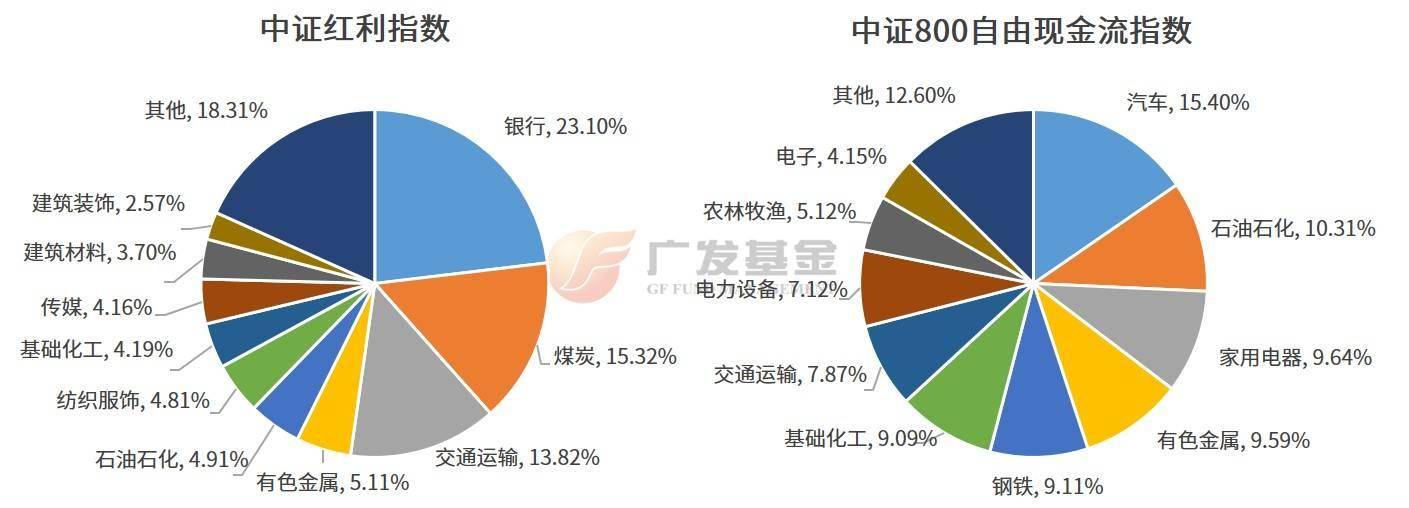
雷峰网· 2026-01-20 10:50
Group 1 - Small appliance brand L attempted to collaborate with Apple for distribution but failed due to low profit margins, with Apple requiring a higher profit standard for third-party accessories [2] - The profit margin for L's products was only around 20-30%, compared to 60-70% for other accessories, leading to the unsuccessful partnership [2] - 3D printing companies are engaging in content creation disputes, with some companies using employees to pose as regular users to generate community content [3] Group 2 - Home appliance group M's B2B business is being overshadowed by its B2C business, leading to internal promotion challenges for long-serving employees [4] - The management appointments in B2B are primarily from the B2C sector, causing high turnover and frequent changes in leadership positions [4] - The CEO of a flying car company insists on test-driving the vehicles himself, causing safety concerns among engineers, leading to high turnover due to fear of risk [5] Group 3 - The decision-making structure in vacuum cleaner company S is unusually large, with over ten members in the core decision-making team, leading to inefficiencies [6] - The lengthy decision-making process hampers execution, as more participants lead to more tasks and delays [6][7] - In the robotics sector, company Y's marketing-driven leadership is causing low productivity due to unrealistic product expectations and frequent changes in requirements [8] Group 4 - Company A, once a leader in the cleaning robot industry, faced bankruptcy due to poor management decisions and was acquired by its largest creditor, F, who then revitalized the company [9][10] - F's strategy involved hiring experienced employees and leveraging their expertise to develop new products at low costs [10] - Company H invested nearly 70 million in a waterless cleaning robot project but failed to produce results due to poor management and lack of industry experience [11] Group 5 - The lawn mower industry is experiencing rapid growth, with company D providing substantial employee incentives, while company K struggles with high turnover due to centralized profit distribution [12] - Company D's performance is bolstered by frequent bonuses and a supportive incentive structure, contrasting with K's failure to distribute promised rewards effectively [12]


《企业可持续披露准则第1号——气候(试行)》印发,绿债净融资额显著下降:ESG月报(2025年12月-2026年1月)
Huachuang Securities· 2026-01-20 10:30
Investment Rating - The report does not explicitly state an investment rating for the industry Core Insights - The issuance of the "Corporate Sustainability Disclosure Standards No. 1 - Climate (Trial)" aims to standardize corporate sustainability information disclosure and promote sustainable development in economic, social, and environmental aspects [8][10] - Green loans in China have maintained a high growth rate of over 20% for the past five years, with a balance of 43.51 trillion yuan as of Q3 2025, reflecting a year-on-year increase of 22.9% [13] - The report highlights the importance of ESG (Environmental, Social, and Governance) practices in driving sustainable development and the increasing integration of ESG into corporate strategies [17] Industry Development Dynamics Policy Dynamics - The "Corporate Sustainability Disclosure Standards No. 1 - Climate (Trial)" was released on December 25, 2025, to regulate corporate sustainability disclosures [8] - The National Development and Reform Commission encourages the collaborative construction of national computing hubs and clean energy bases to enhance infrastructure integration and modernization [11] Industry Hotspots - The People's Bank of China reported that green loans have consistently grown at over 20% annually, significantly outpacing other loan growth rates [13] - A public letter published in the Indianapolis Star urged major tech companies like Amazon and Google to use clean energy for their data centers to meet climate goals [14] - The "2025 China ESG Top 100" list was released, showcasing leading companies in finance and consumer sectors that are integrating sustainability into their core strategies [16] Industry Practices - The World Wildlife Fund (WWF) and Yili's brand Jindian have collaborated for nearly a decade to promote sustainable practices in the dairy industry, focusing on wetland protection and grassland restoration [18] - BMW Group aims to reduce lifecycle carbon emissions by at least 60 million tons by 2035, with a focus on localized green innovation in the Chinese market [20] Institutional and Expert Opinions - Wang Zhongmin emphasized that AI's future is tied to ESG, highlighting the need for green energy in AI development [21] - Vuk Jeremic stressed the importance of multilateral cooperation for sustainable development amidst geopolitical challenges [22] ESG Capital Market Dynamics Index Performance - As of January 18, 2026, major ESG indices have outperformed the market, with the Sci-Tech ESG index rising by 17.6% [23] Public Funds - Approximately 65 ESG-themed public funds exist, with a total net asset of 36.3 billion yuan as of January 18, 2026 [25] Bonds - As of January 18, 2026, there are 2,750 ESG bonds with a total balance of 39,355 billion yuan, with a significant portion being financial bonds [32] Bank Wealth Management - There are 582 ESG-themed bank wealth management products, with 100 new products launched in December and January [35]
投资进化论丨自由现金流vs红利,怎么选?
Sou Hu Cai Jing· 2026-01-20 10:15
Core Viewpoint - Dividend funds have been favored by conservative investors for a long time, but since 2025, free cash flow index funds have gained significant attention in the market as another product that emphasizes shareholder returns [1] Group 1: Understanding Free Cash Flow - Free cash flow is defined as the cash available after all operating costs, taxes, debt payments, and necessary capital expenditures have been deducted, representing the cash that can be freely allocated [2] - Free cash flow serves as a "litmus test" for assessing a company's health, indicating its ability to maintain operations, manage short-term debts, and support dividends, buybacks, or reinvestments [2] Group 2: Differences Between Free Cash Flow Strategy and Dividend Strategy - The core logic of the dividend strategy focuses on a company's willingness to distribute dividends, while the free cash flow strategy emphasizes a company's ability to generate cash for distribution [4] - Dividend strategy primarily generates returns through dividend income, while free cash flow strategy focuses on capital appreciation, often involving companies in growth phases with higher potential for valuation increases [5] Group 3: Industry Distribution - The industry distribution of the two strategies differs significantly; the dividend index tends to favor traditional, mature industries like finance and energy, while the free cash flow index includes sectors such as consumer goods and cyclical industries [6] Group 4: Historical Performance - Over the past five years, the free cash flow index has shown stronger offensive performance and higher elasticity compared to the dividend index, which has demonstrated more stability and defensive characteristics [10] - The cumulative return of the CSI 800 Free Cash Flow Index was 171.47% with an annualized return of 22.92% and an annualized volatility of 20.64%, while the CSI Dividend Index had a cumulative return of 53.43% with an annualized return of 9.25% and an annualized volatility of 16.17% [11] Group 5: Investor Suitability - The dividend index is more suitable for conservative investors with cash flow needs, while the free cash flow index is better suited for investors with a higher risk tolerance seeking long-term capital growth [12]
海尔智家:拟最高不超过200万欧元或拟回购最大数量不超过100万股回购公司D股股份
Di Yi Cai Jing· 2026-01-20 10:06
Core Viewpoint - Haier Smart Home announced a plan to repurchase shares of its D stock, with a maximum expenditure of up to 2 million euros, excluding related costs, and a maximum quantity of up to 1 million shares, which represents approximately 0.369% of the company's D stock capital and 0.011% of the total share capital [1] Group 1 - The company intends to repurchase D shares, which will subsequently be canceled, leading to a reduction in registered capital [1]
“广货行天下”春季行动取得开门红 一批批广东好物成为消费市场的“流量担当”
Guang Zhou Ri Bao· 2026-01-20 09:57
Core Insights - The "Guangdong Goods Going Global" spring campaign has significantly boosted market consumption potential, with notable increases in both recognition and sales of Guangdong products domestically and internationally [2][4]. Group 1: Sales Performance - The first event of the spring campaign in Foshan on January 15 led to a sales surge, with 29 out of 32 participating live-streaming companies reporting increased sales compared to the previous day, and overall sales up by 110% [2]. - Specific product sales saw remarkable growth, with the sales of a tea kettle reaching five times the usual volume, and a multi-functional electric cooker increasing by 254% [2]. - The sales of a boiled egg cooker reached 1,300 units in one day, marking a 197% increase from the previous day [2]. Group 2: Promotional Strategies - The campaign employs a "government platform, platform support, enterprise participation" model, with various departments collaborating to create a comprehensive promotional system [3]. - The provincial industrial and information technology department initiated the campaign by organizing a home appliance promotion event, collaborating with major e-commerce platforms to establish a dedicated promotional zone [3]. - The provincial commerce department is focusing on integrated development of domestic and foreign trade, promoting a "global, national, and southern Guangdong" marketing system [3]. Group 3: Economic Impact - The campaign is expected to generate over 200 billion yuan in sales from the "old for new" program throughout the year, significantly enhancing agricultural product sales and injecting vitality into the Spring Festival consumption market [4]. - Many Guangdong enterprises have expanded their sales channels and enhanced brand influence through participation in the campaign, with leading companies solidifying their market positions [4]. - The brand image of "Guangdong Goods" is evolving from "Made in Guangdong" to "Intelligent Manufacturing in Guangdong," with cultural connotations and quality values gaining widespread market recognition [4]. Group 4: Future Initiatives - The provincial industrial and information technology department plans to continue the momentum with 12 online promotional events leading up to the Spring Festival, focusing on various product categories [5]. - The provincial commerce department aims to implement three major actions to ensure the campaign's effectiveness, including a large-scale exhibition to support 1,500 enterprises [5]. - The provincial agricultural and rural affairs department will launch a series of promotional activities throughout the year, focusing on seasonal products and enhancing the storytelling of Guangdong agricultural brands [5]. Group 5: Cultural Integration - The provincial culture and tourism department is organizing events to promote the integration of culture and tourism with Guangdong goods, enhancing their cultural appeal and market competitiveness [6]. - The campaign is driving Guangdong's quality products into broader markets, from home appliances to agricultural products and cultural creations [6].
TCL电子牵手索尼,双方拟设合资公司承接索尼家庭娱乐业务
Feng Huang Wang· 2026-01-20 09:48
Core Viewpoint - TCL Electronics and Sony have signed a strategic cooperation memorandum to establish a joint venture company, with TCL holding 51% and Sony holding 49% [1] Group 1: Joint Venture Details - The new company will focus on integrated business operations including product development, design, manufacturing, sales, logistics, and customer service for products such as televisions and home audio systems [1] - The parties aim to negotiate a legally binding final agreement by the end of March 2026, with the new company expected to commence operations in April 2027, pending necessary approvals [1] Group 2: Branding and Market Strategy - Products from the new company will leverage the globally recognized "Sony" and "BRAVIA" brands, aiming to create new value for users worldwide [1]


海尔智家(600690.SH):拟回购100万股境外上市外资股
Ge Long Hui· 2026-01-20 09:47
Core Viewpoint - Haier Smart Home (600690.SH) plans to repurchase shares through the Frankfurt Stock Exchange's XETRA® trading system and selected multilateral trading facilities within the EU, with a total repurchase amount not exceeding €2 million or a maximum of 1 million shares, representing approximately 0.369% of the company's D-share capital and 0.011% of the total share capital [1] Group 1 - The repurchase will be used to cancel D-shares, reduce registered capital, and optimize the capital structure [1] - The repurchase period is set to start on January 21, 2026, and continue until February 13, 2026 [1]
海尔智家:拟最高不超过200万欧元回购公司D股股份
Zheng Quan Shi Bao Wang· 2026-01-20 09:41
Group 1 - The company Haier Smart Home (600690) announced a plan to repurchase shares, with a maximum expenditure of up to 2 million euros (excluding related costs) [1] - The repurchase will involve a maximum of 1 million shares, which represents approximately 0.369% of the company's D-share capital and about 0.011% of the total share capital [1] - The repurchased D-shares will be canceled, leading to a reduction in the company's registered capital [1]
海信家电附属认购18.15亿元华能信托理财产品
智通财经网· 2026-01-20 09:21
智通财经APP讯,海信家电(00921)发布公告,于2025年7月16日至2026年1月20日期间,公司的附属公司空调营销公司及冰箱营销公司(作为认购方)订立华能 信托理财协议,以认购华能信托理财产品,认购金额为人民币18.15亿元。 ...