网约车

Search documents
曹操出行再次赴港IPO:近三年累计亏损超50亿元 拟将部分募资偿还借款
Sou Hu Cai Jing· 2025-05-29 02:07
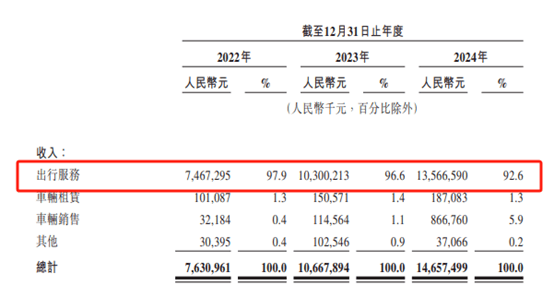
曹操出行是由吉利集团孵化的网约车平台。2022年至2024年,公司净亏损分别为20.07亿元、19.81亿元 和12.46亿元。 此次港股IPO,曹操出行拟募集资金用于投资自助驾驶、偿还部分银行借款等。 国内网约车平台前三 近三年亏损超50亿元 曹操出行是一家由吉利集团孵化的中国网约车平台。根据弗若斯特沙利文,按GTV(总交易价值)计 算,曹操出行过去三年位列中国网约车平台前三名。 近日,曹操出行有限公司(以下简称"曹操出行")再次向港交所递交上市申请书,华泰国际、农银国际 及广发证券(香港)担任联席保荐人。 | | | | 截至12月31日正午度 | | | | | --- | --- | --- | --- | --- | --- | --- | | | 2022年 | | 2023年 | | 2024年 | | | | 人民幣元 | ట్ట | 人民幣元 | Se | 人民警元 | ﺑﺮﺗ | | | | | (人民幣千元,百分比除外) | | | | | 收入 | 7.630.961 | 100.0 | 10.667.894 | 100.0 | 14.657.499 | 100.0 | | 销售成本 ...

广大企业多措并举稳岗扩岗 培育就业增量塑造人才优势
Ren Min Ri Bao· 2025-05-28 22:10
Group 1 - The central government emphasizes the importance of stabilizing employment, enterprises, and market expectations, and aims to enhance policy tools for employment and economic stability [1] - Various local governments and departments are implementing a combination of supportive policies for enterprises, leading to proactive measures for job retention and expansion [1] Group 2 - Tencent plans to add 28,000 internship positions over the next three years, focusing on technology roles, which will account for over 60% of campus recruitment [2] - Baidu aims to open 21,000 internship positions for talented campus graduates in the next three years, enhancing the conversion rate of internships to full-time roles [2] Group 3 - Pinduoduo has created over 55 million jobs in China through its platform, which includes direct employment, logistics, and indirect job creation [3] - The rise of e-commerce platforms has expanded employment opportunities across various sectors, demonstrating a broad-based impact [3] Group 4 - Didi plans to invest an additional 2 billion yuan to recruit drivers and enhance employment quality, including benefits like commercial pension and medical insurance for drivers [4] - Meituan has initiated social security contributions for full-time and stable part-time delivery riders, enhancing their job security and benefits [4] Group 5 - Companies are increasingly focusing on training and skill enhancement for employees, with initiatives like skill academies and partnerships with educational institutions [6][7] - Midea has established a comprehensive campus recruitment management system to nurture talent in various technical fields, emphasizing the importance of skill development [7]
车轮上的温度与速度:享道出行重构出行产业价值坐标
Xin Hua Cai Jing· 2025-05-27 13:40
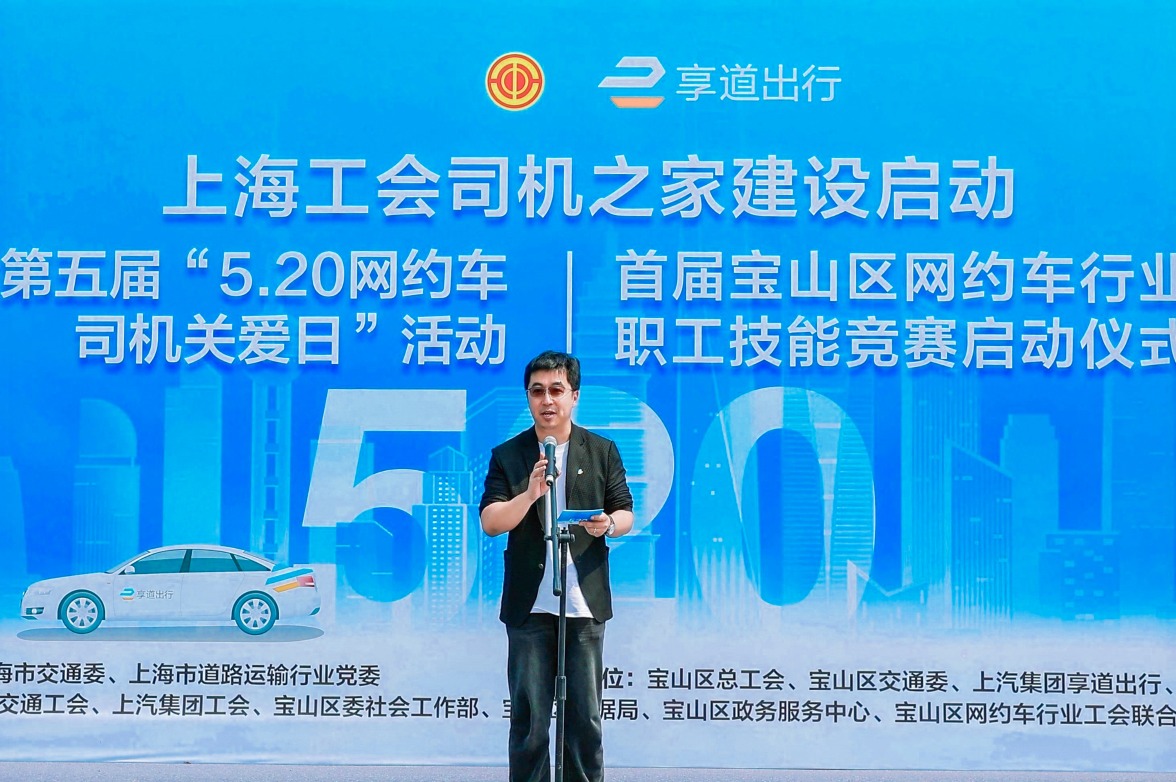
Core Insights - The article highlights the launch of initiatives aimed at improving meal access and quality for ride-hailing drivers in Shanghai, addressing their irregular eating habits and health issues [1][3]. Group 1: Initiatives for Drivers - The "5.20" event focused on the critical issue of meal access for ride-hailing drivers, with a partnership between Xiangdao Travel and Ele.me to launch the "Love Meal Welfare Exchange" [3]. - Over 10,000 drivers registered for the "Love Meal Welfare Exchange," which operates in 50 cities, allowing drivers to easily access meals through a simple online process [3]. - More than 7,000 local restaurants in Shanghai joined the initiative, providing new dining options for drivers [3]. Group 2: Health Concerns - A health survey revealed that nearly 30% of drivers on the Xiangdao platform suffer from digestive issues due to irregular eating patterns, with many only eating once a day [1][3]. - The initiative aims to address these health concerns by providing better meal options and promoting healthier eating habits among drivers [1][3]. Group 3: Business Developments - Xiangdao Travel completed over 1.3 billion C-round financing, which will support its regional development and enhance its smart transportation services [4]. - The company is focusing on three main business lines: personal travel, corporate travel, and future travel, with plans to expand its ride-hailing services internationally [4]. - Xiangdao Travel has initiated a Hong Kong IPO plan to leverage capital market advantages for technological development and ecosystem expansion [4].
滴滴的小弟们,不想再给高德打工了
创业邦· 2025-05-26 03:22
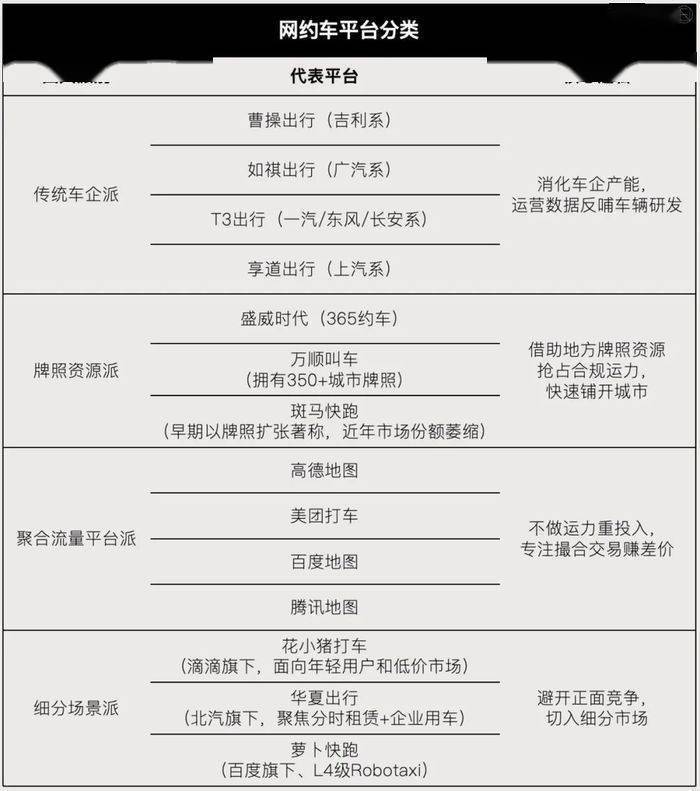
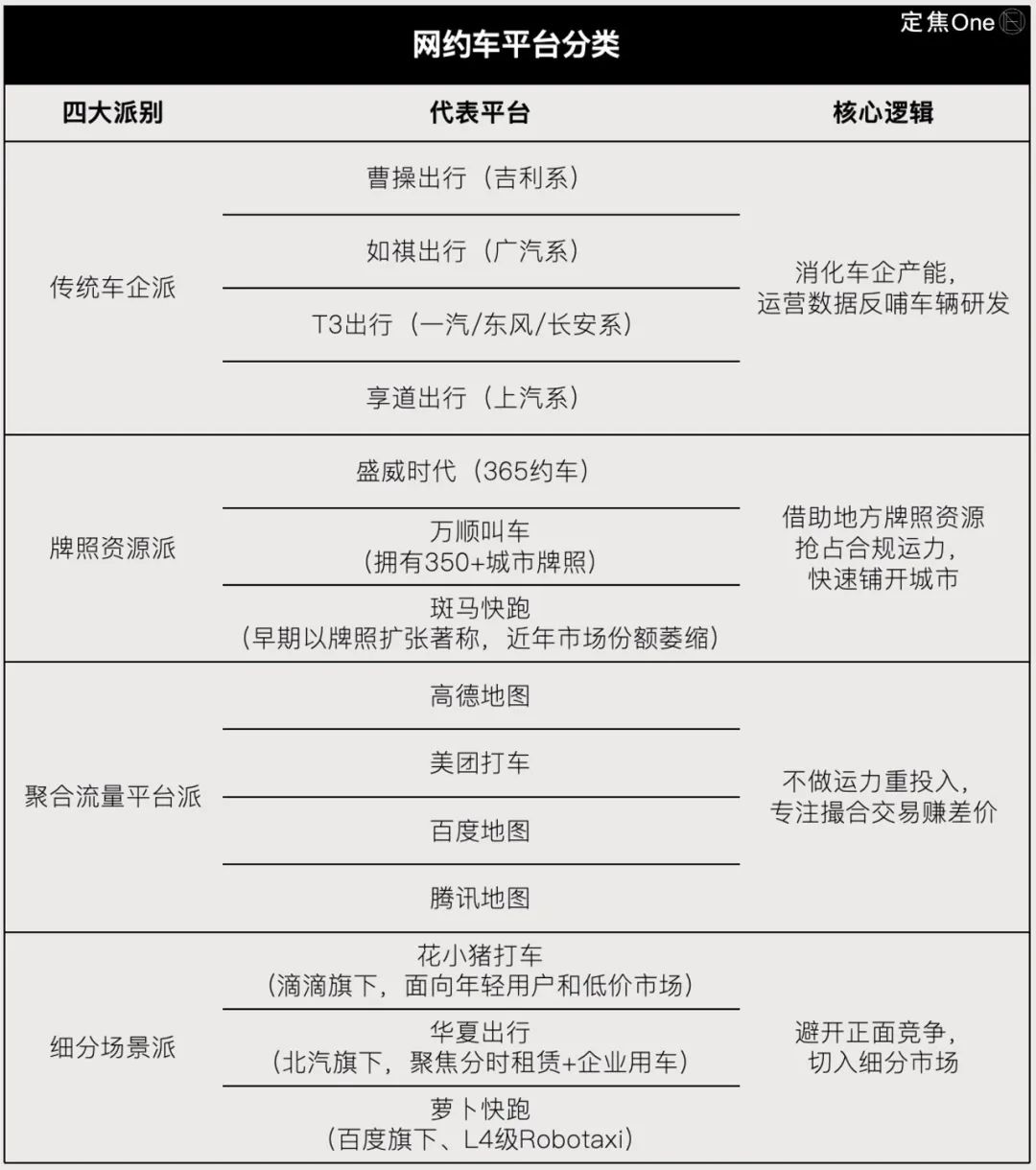
Core Viewpoint - The ride-hailing industry is experiencing a dichotomy, with second-tier platforms rushing to IPO while facing market saturation and profitability challenges [3][4][5]. Group 1: IPO Activity - On April 30, Cao Cao Mobility updated its prospectus for an IPO on the Hong Kong Stock Exchange, having received approval from the China Securities Regulatory Commission [4]. - On May 9, Xiangdao Mobility announced a C-round financing of 1.3 billion yuan, marking the largest single financing in the industry in nearly three years, and has initiated its IPO process [4]. - The IPO rush is characterized by a competitive landscape where major players like Didi hold over 70% market share, while second-tier platforms are struggling to differentiate themselves [7][11]. Group 2: Market Saturation and Profitability Issues - The market is facing saturation, as evidenced by the failed IPO of Shengwei Times due to continuous losses and regulatory penalties [5]. - Platforms like GAC's Ruqi Mobility have seen their market value plummet from 8 billion HKD to 2.3 billion HKD due to poor financial performance and slow progress in Robotaxi commercialization [6]. - The dependency on third-party aggregation platforms has led to a "flow trap," where platforms pay high commissions to acquire orders, squeezing already thin profit margins [9][31]. Group 3: Financial Performance - Cao Cao Mobility's total revenue is projected to grow from 7.63 billion yuan in 2022 to 14.66 billion yuan in 2024, but its net losses remain significant, with a projected loss of 1.25 billion yuan in 2024 [16][32]. - The share of orders from third-party platforms for Cao Cao increased from 49.9% in 2022 to 85.4% in 2024, indicating a growing reliance on these platforms [17][22]. - Ruqi Mobility's revenue from third-party platforms rose from 28% in 2022 to 59% in 2023, highlighting a similar trend across the industry [20]. Group 4: Competitive Landscape - The ride-hailing market is structured in a pyramid, with Didi at the top, followed by strong players from traditional automotive companies, and smaller niche players [7][11]. - The aggregation model has fundamentally changed the competitive rules of the ride-hailing industry, with platforms increasingly dependent on major aggregators like Gaode and Meituan for order distribution [24][30]. - The shift towards aggregation has diminished brand recognition and user loyalty for second-tier platforms, as they struggle to retain customers and collect valuable user data [31][39]. Group 5: Future Strategies - To achieve higher valuations in the capital market, second-tier platforms are attempting to tell differentiated stories, such as Cao Cao's focus on customized vehicles and Ruqi's emphasis on autonomous driving [41][43]. - Cao Cao Mobility is leveraging its parent company Geely's resources to produce customized vehicles, which has contributed to a significant increase in its gross transaction volume (GTV) from 4.5% to 25.3% [45]. - Ruqi Mobility is betting on the future of Robotaxi services, although its revenue from this segment remains negligible, and it faces high barriers to entry in terms of technology and capital [48][49].

网约车二线品牌:摆脱聚合平台依赖,寻找独立发展之路
Sou Hu Cai Jing· 2025-05-26 02:52
Core Insights - The ride-hailing industry is experiencing a significant clash between capital and market dynamics, showcasing two contrasting scenarios: a surge in IPO activities among second-tier platforms and challenges related to market saturation and profitability [1][3]. Group 1: IPO Activities and Market Dynamics - Several second-tier ride-hailing platforms are racing towards IPOs, with Cao Cao Mobility updating its prospectus on April 30 and securing approval from the China Securities Regulatory Commission for overseas listing [1]. - Xindao Mobility, a subsidiary of SAIC Group, announced on May 9 that it completed a C-round financing of 1.3 billion yuan, marking the largest single financing in the ride-hailing sector in nearly three years, and has initiated plans for a Hong Kong IPO [1]. - The contrasting activities indicate a vibrant market potential despite underlying challenges [1]. Group 2: Profitability Challenges - Many platforms are facing difficulties due to market saturation and profitability issues, exemplified by the failed IPO of Shengwei Times, attributed to continuous losses and regulatory penalties [1][3]. - GAC Group's Ruqi Mobility has seen its market value plummet from 8 billion HKD at listing to 2.3 billion HKD, highlighting the financial struggles within the sector [1]. Group 3: Market Competition and Structure - Didi dominates the Chinese ride-hailing market with over 70% market share, while second-tier platforms are fragmented into various factions [1]. - The competitive landscape is evolving as platforms like Dida and Ruqi go public, and others like Cao Cao Mobility and Xindao Mobility pursue IPOs [1]. Group 4: Revenue Models and Risks - Dida is the only profitable platform, benefiting from a differentiated ride-sharing model, while others are trapped in a "traffic trap," relying heavily on third-party platforms for orders [3]. - Cao Cao Mobility's reliance on third-party platforms is evident, with 85% of its orders coming from these sources, leading to a significant imbalance in its revenue model [3]. - The commission paid by Cao Cao Mobility to aggregation platforms surged from 322 million yuan in 2022 to 1.046 billion yuan in 2024, indicating a more than twofold increase in just three years [5]. Group 5: Future Growth Strategies - To escape dependence on aggregation platforms, second-tier ride-hailing companies are exploring new growth avenues, such as Cao Cao Mobility's customized vehicle model and Ruqi Mobility's collaboration with Pony.ai for Robotaxi services [3][5]. - However, these new initiatives face substantial challenges, including high competition and the need for technology, data, policy, and capital [5].
滴滴的小弟们,不想再给高德打工了
3 6 Ke· 2025-05-26 00:54
Core Viewpoint - The ride-hailing industry in China is experiencing a bifurcation, with second-tier platforms pushing for IPOs while facing market saturation and profitability challenges [1][3]. Group 1: IPO Activity - On April 30, Cao Cao Travel updated its prospectus for an IPO on the Hong Kong Stock Exchange, having received approval from the China Securities Regulatory Commission [2]. - On May 9, Enjoy Travel, a subsidiary of SAIC Group, announced it had completed a C-round financing of 1.3 billion yuan, marking the largest single financing in the industry in nearly three years, and is accelerating its IPO process [2]. - Other second-tier platforms, such as T3 Travel and Shengwei Times, are also at critical junctures in their IPO plans, with T3's CEO indicating that the IPO timeline is imminent [5]. Group 2: Market Saturation and Profitability Issues - Shengwei Times' IPO prospectus became invalid due to ongoing losses and regulatory penalties, highlighting the profitability struggles within the industry [3]. - The market is characterized by a "pyramid" competition structure, with Didi holding over 70% market share, while other players are fragmented into four distinct factions [3][7]. - Cao Cao Travel's reliance on third-party platforms for 85% of its orders indicates a shift from self-sourced to aggregated orders, raising concerns about profitability [5][12]. Group 3: Dependency on Aggregation Platforms - The increasing dependency on aggregation platforms has led to a significant rise in commission payments, with Cao Cao's commission expenses growing from 322 million yuan in 2022 to 1.046 billion yuan in 2024 [17][18]. - The share of orders from third-party platforms for Cao Cao has increased from 49.9% in 2022 to 85.4% in 2024, indicating a shift in the operational model [14][15]. - User retention rates are declining, with Cao Cao reporting a drop in user retention to below 28% in 2023 due to increased reliance on third-party platforms [19][21]. Group 4: Differentiation Strategies - To achieve higher valuations, second-tier platforms are attempting to tell differentiated stories, such as Cao Cao's focus on customized vehicles leveraging its parent company, Geely's resources [22][23]. - Enjoy Travel is pursuing a mixed operation model that includes Robotaxi services, although its commercial progress has been slow [24][25]. - The competition in the autonomous driving sector is intense, with significant barriers to entry, and the success of these strategies remains uncertain [25][28].

服务提质 管理增效(深阅读)
Ren Min Ri Bao· 2025-05-25 22:13
Group 1: New Employment Groups - General Secretary Xi Jinping emphasizes the importance of management and services for new employment groups such as delivery workers and ride-hailing drivers, highlighting the need to fill service gaps and enhance management [1] - Various local initiatives are being implemented to improve management services, support skill development, protect rights, and facilitate career advancement for these new employment groups [1] Group 2: Delivery Workers' Support - Delivery workers in Hangzhou, like Lu Qi, have seen improvements in their working conditions, including designated parking spaces and easier access to residential areas, enhancing their sense of belonging [2] - The establishment of rider stations and community service centers provides delivery workers with various support services, including psychological counseling and family events, fostering community integration [2][3] - The "Rider Exchange" initiative allows delivery workers to participate in urban governance, reflecting their familiarity with local conditions and enabling them to provide feedback and support [3] Group 3: Ride-Hailing Drivers' Assistance - In Chengdu, ride-hailing drivers like Zeng Shifu benefit from legal aid services that help them recover losses from accidents, demonstrating the support available for their operational challenges [5][6] - The Chengdu ride-hailing association has established volunteer teams to provide legal assistance and conduct public legal education, enhancing drivers' awareness of their rights [6] Group 4: E-commerce Employment Support - The establishment of "Gig Stations" in Beijing's Shijingshan District offers local residents, such as Liu Dan, access to skill training in e-commerce and live streaming, facilitating job opportunities close to home [7] - The "Employment Express" online platform connects job seekers with local employment services, resulting in significant job placements and support for long-term employment [8]
亚马逊(AMZN.US)暴跌30%后成“香饽饽” 对冲基金大鳄阿克曼果断抄底
智通财经网· 2025-05-23 00:28
投资者正在密切关注美国零售商的财报,以了解购物者和品牌对关税的反应。在特朗普宣布暂停征收关 税90天以进行谈判之前,美国对中国进口商品征收了高达145%的关税。 亚马逊高管本月早些时候表示,该公司正准备应对关税升级可能带来的更加艰难的商业环境。 另外,潘兴广场还增持了汽车租赁公司赫兹(HTZ.US)的股票,并将美国网约车巨头优步(UBER.US)纳入 投资组合。 与此同时,该公司出售了加拿大太平洋铁路(CP.US)股票,阿克曼表示,"很遗憾"出售了这部分股份, 但为了买入亚马逊股票,公司需要做出调整。他强调,他"高度评价加拿大太平洋铁路公司的团队",并 且"对该公司的长期前景充满信心"。 潘兴广场首席投资官瑞安·伊斯雷尔周四在与分析师的电话会议上表示,由于对人工智能热潮和美国关 税的担忧,亚马逊今年早些时候暴跌了30%以上,潘兴广场随后买入了该股。 伊斯雷尔表示:"这是一个极具吸引力的时机,因为我们认为亚马逊能够克服云业务的任何放缓。"他还 补充道,亚马逊"正稳步前进",继续实现超过20%的每股收益增长。 亚马逊首席执行官安迪·贾西在周三的股东大会上表示,今年美国总统唐纳德·特朗普征收关税后,这家 在线零售商 ...

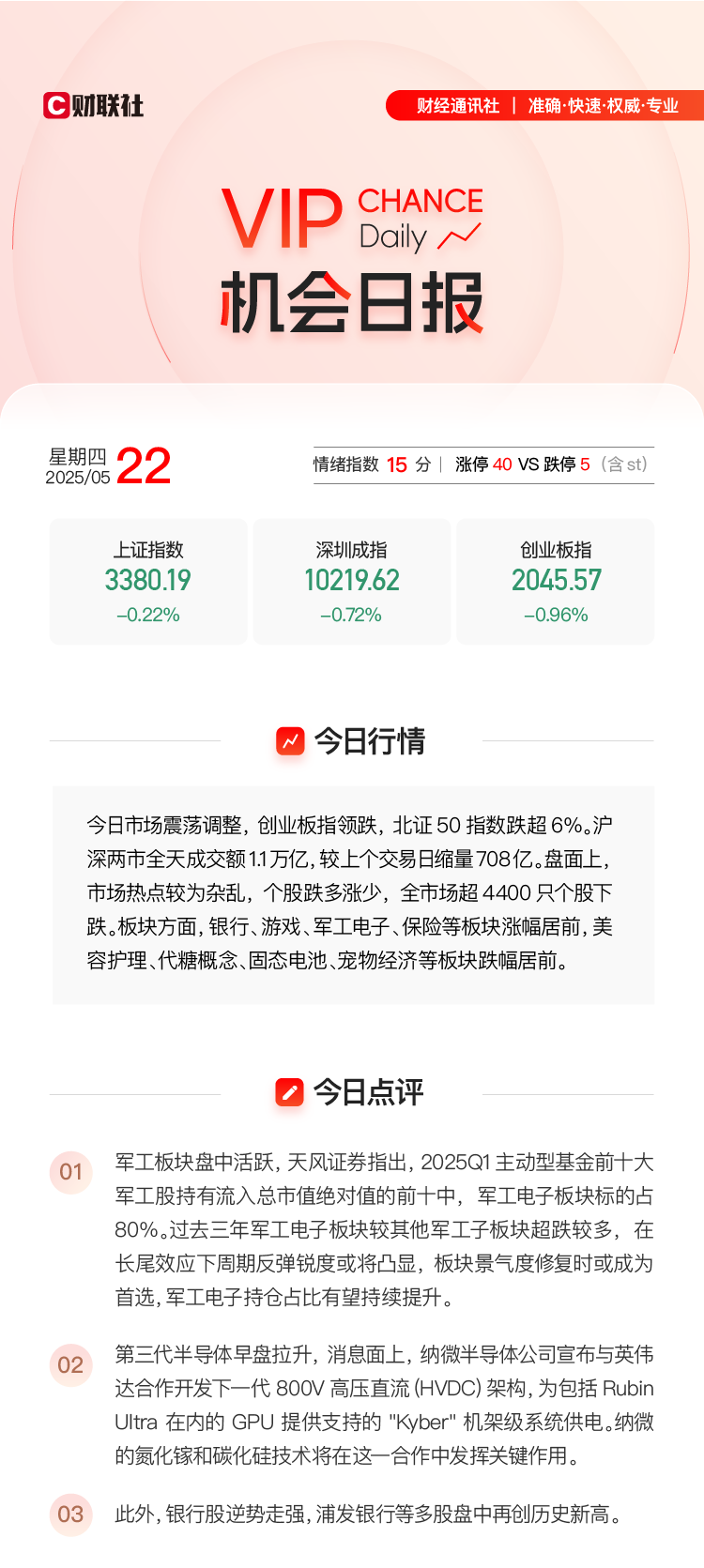
【VIP机会日报】军工板块盘中活跃 栏目梳理机构龙虎榜 Ta收购军工高科技企业股权 今日涨停
Xin Lang Cai Jing· 2025-05-22 09:14
Market Highlights: Military Industry - Tianfeng Securities indicates that in Q1 2025, the top ten military stocks held by active funds will see 80% of their value in military electronics, suggesting a potential rebound in this sector after significant underperformance over the past three years [6] - Wangzi New Materials, with over 20 years in plastic packaging and partnerships with major clients like Foxconn and Haier, has expanded into military technology through a 51% acquisition of a military high-tech firm, enhancing its product applications in military and aerospace [6] Market Highlights: Third Generation Semiconductors - Nanwei Semiconductor announced a partnership with NVIDIA to develop the next-generation 800V high-voltage direct current (HVDC) architecture, which is expected to boost HVDC penetration in AI data centers [9] - Following the announcement, Nanwei's stock surged by over 190%, indicating strong market interest in HVDC technology and its applications [9] Market Highlights: Innovative Drugs - On May 20, 2023, 3SBio announced an exclusive agreement with Pfizer for the global development and commercialization rights of its PD-1/VEGF bispecific antibody SSGJ-707, excluding mainland China [12] - 3SBio is focusing on autoimmune diseases after divesting its oncology and ophthalmology assets, with a pipeline of 14 autoimmune projects expected to drive future growth [12] Market Highlights: Consumer Sector - The Shanghai Municipal Government has launched a plan to boost consumption, focusing on expanding silver-haired consumer offerings and enhancing cruise consumption potential [17] - The Huangjiu (yellow wine) industry is expected to see short-term growth due to increased consumption density and long-term growth through brand and category development beyond regional cultural boundaries [17] Market Highlights: Ride-Hailing - Baidu's autonomous driving platform, Apollo Go, has expanded to 15 cities with over 1,000 self-driving cars, while Tesla plans to launch its Robotaxi service in Austin, Texas, by the end of June [19] - Tencent Cloud is collaborating with WeRide to enhance Robotaxi commercialization, indicating a shift in the automotive transportation ecosystem [19]
莫让服务评价成了“交易”
Xiao Fei Ri Bao Wang· 2025-05-22 02:49
Core Viewpoint - The practice of incentivizing positive reviews through cash rewards or discounts is widespread in the service industry, raising concerns about the integrity of consumer feedback and the competitive landscape [1][6][10]. Group 1: Impact on Consumer Trust - The rise of "fake reviews" and incentivized feedback is leading to a trust crisis in the e-commerce sector, undermining the credibility of online ratings and reviews [6][10]. - A survey indicated that only 24.38% of consumers rely on reviews as a primary criterion for selecting products, while 75.12% believe that the practice of incentivizing reviews is common [7][10]. Group 2: Industry Practices and Challenges - Service providers across various sectors, including food delivery and real estate, are increasingly requesting positive reviews due to the competitive nature of online platforms [8][9]. - The pressure to accumulate positive reviews has created a "review inflation" scenario, where businesses feel compelled to offer incentives to customers for favorable feedback [7][9]. Group 3: Regulatory Responses - New regulations, such as the implementation of the Consumer Rights Protection Law and the Interim Provisions on Network Unfair Competition, aim to curb practices like incentivizing reviews and manipulating consumer feedback [10][11]. - Regulatory bodies are encouraging platforms to establish transparent credit evaluation systems and to prohibit misleading practices that distort consumer feedback [11][12]. Group 4: Recommendations for Improvement - Experts suggest that platforms should innovate their regulatory and incentive mechanisms to ensure that consumer feedback remains objective and trustworthy [12][13]. - A collaborative approach involving businesses, platforms, and consumers is necessary to rebuild trust and ensure that the review system operates effectively [14].