新能源车

Search documents
机构研究周报:A股或受益港股重估,转债有望迎供需错配牛
Wind万得· 2025-06-02 22:56
Focus Review - The article discusses the potential impact of Trump's decision to raise steel tariffs to 50%, which may lead to retaliatory measures from the EU, indicating ongoing uncertainty in global trade policies [1] - The article highlights that the core asset pricing power is gradually shifting towards Hong Kong, with the potential for more quality leading companies to list in Hong Kong, catalyzing a shift in A-share market style towards core assets [2][3] Equity Market - Hong Kong's structural changes and cyclical improvements are expected to attract global allocation funds, which may spill over into A-shares, benefiting core assets with high and stable ROE [2] - The article notes that the demand for convertible bonds may increase due to a mismatch in supply and demand, potentially leading to a bull market in this sector [3] Industry Research - The article mentions that the consumer, cyclical, and self-controlled sectors are likely to gain more attention as A-share earnings improve despite external tariff disturbances [8] - It also points out that the Hong Kong innovative drug sector is entering a "harvest period," with most valuations still within a reasonable range, indicating long-term growth potential [9] - The defense and military sector is highlighted as leading in performance, driven by expectations of accelerated domestic engine development due to potential U.S. export restrictions [10] Macro and Fixed Income - The article discusses the downward shift in the central rate of funding, which is expected to benefit short-term assets, as the bond market returns to a fundamental pricing logic [16] - It emphasizes that the convertible bond market may experience a bull market due to supply-demand mismatches, with a gradual upward trend expected in the coming years [18] Asset Allocation - The article suggests a balanced and defensive asset allocation strategy in response to external risks, highlighting the importance of dividend assets and technology innovation investments in the A-share market [20] - It notes that the Hong Kong market is stabilizing due to low valuations and policy support, with increasing domestic pricing power as southbound capital flows continue [20]


2025年中国企业跨境电商行业洞察报告
Sou Hu Cai Jing· 2025-06-02 13:44
Core Insights - The report highlights the transformation of cross-border e-commerce from an optional strategy to a crucial necessity for Chinese enterprises in the context of significant changes in global trade dynamics [1] Group 1: Explosive Growth - In the first three quarters of 2024, China's cross-border e-commerce achieved a total import and export volume of 1.88 trillion RMB, representing a year-on-year growth of 11.5%, with exports growing by 15.2%, significantly outpacing overall foreign trade growth [2][29] - The rise of social e-commerce is a key driver, with the global social commerce market expected to reach $688 billion in 2024, growing by 20%, and projected to exceed $1 trillion by 2028 [2][31] Group 2: Dual Track Approach - Chinese enterprises primarily utilize two pathways for international expansion: B2B and B2C models [3][33] - The B2B model focuses on bulk trade between businesses, emphasizing supply chain management [3] - The B2C model targets direct sales to consumers, which can be further divided into platform-dependent and independent brand models [4][5] Group 3: Multi-Dimensional Globalization - Chinese enterprises are expanding beyond simple product exports to a multi-dimensional global strategy, including product, technology, and service exports [7][8][9] - Key sectors for product exports include consumer electronics, new energy vehicles, and fashion [7] - Technology exports involve digital technologies like 5G and AI, while service exports include logistics and brand services [8][9] Group 4: Regional Focus - Different markets exhibit unique characteristics, with mature markets like Europe and North America focusing on brand value and supply chain efficiency [10] - Southeast Asia is identified as the fastest-growing e-commerce region, driven by a young population and digitalization [11] - Emerging markets in the Middle East and Latin America present significant growth opportunities [12] Group 5: Benchmark Brands - Temu is rapidly expanding, projected to reach a GMV of $54 billion in 2024, significantly aided by its semi-managed model [13] - SHEIN is recognized as a leading fashion brand with a strong influence on Gen Z, driven by supply chain innovation [14] - TikTok Shop is emerging as a strong player in social commerce, with a projected GMV exceeding $50 billion in 2024 [15] Group 6: Future Trends - Six consumer trends are anticipated to shape product selection by 2025, including gardening, smart home integration, and outdoor living [17][18][22] - The "dopamine economy" emphasizes emotional value in consumption, while sleep-related products are expected to see increased demand [19][20] Group 7: Infrastructure Support - The growth of cross-border e-commerce relies on foundational support from payment solutions, logistics networks, and cloud services [23] - Companies like Ant International and Cainiao are pivotal in providing global payment and logistics solutions [23]



电力设备行业周报:江苏海风海缆敷设,看好新能源车后服务市场需求放量
GOLDEN SUN SECURITIES· 2025-06-02 07:30
Investment Rating - Maintain "Increase" rating for the electric equipment sector [6] Core Views - The report emphasizes the growth potential in the new energy vehicle after-sales service market due to the rapid increase in the number of new energy vehicles [4] - The green electricity direct connection initiative is expected to enhance the low-carbon competitiveness of China's manufacturing sector [14] - Strategic collaborations in hydrogen energy are being established to promote green low-carbon mining complexes and logistics platforms [16] Summary by Sections 1. New Energy Generation - **Photovoltaics**: The National Energy Administration has issued a notice to promote green electricity direct connection, which allows renewable energy to supply power directly to single users, enhancing the clarity of electricity supply sources. The self-consumption ratio of renewable energy should not be less than 60% of total available generation by 2030 [14] - **Wind Power & Grid**: The Jiangsu Guoxin Dafeng offshore wind project has made significant progress with the successful laying of the first 35kV submarine cable. The report highlights the acceleration of nuclear power construction in both China and the US, with plans to start 10 large nuclear power plants by 2030 [15] - **Hydrogen & Energy Storage**: A strategic cooperation agreement has been signed among Yitai Group, Shuangliang Energy, and Yipai Hydrogen to develop a green low-carbon mining complex in Inner Mongolia. The report recommends focusing on leading companies in hydrogen compression technology [16][17] 2. New Energy Vehicles - The number of newly registered energy vehicles in China reached 11.25 million in 2024, accounting for 41.83% of new registrations. The total ownership of new energy vehicles is projected to reach 31.4 million by the end of 2024, a 261-fold increase since 2014 [26] - The report identifies pain points in the battery after-sales market, including data transparency and high maintenance technical difficulties. A new AI model for battery health assessment has been initiated to address these issues [27][28] 3. Energy Storage - The average bidding price for W3 energy storage systems in May is reported to be between 0.423 and 0.651 RMB/Wh. The report suggests focusing on large-scale energy storage companies with high growth certainty, recommending companies like Sungrow Power and Eastern Daybreak [21][24] 4. Industry Price Dynamics - The report provides insights into the price dynamics of the photovoltaic industry chain, indicating fluctuations in prices for polysilicon, solar cells, and modules [31]
突发!比亚迪,最新宣布!
券商中国· 2025-06-01 23:20
Core Viewpoint - BYD is making significant moves in the electric vehicle market, particularly targeting the Japanese microcar segment and expanding its overseas sales, which have shown substantial growth recently [1][2][4]. Group 1: Expansion into Japan - BYD plans to launch a low-cost micro electric vehicle in Japan next year, aiming to capture a share of the $18 billion microcar market [2]. - The new micro electric vehicle is designed specifically for overseas markets and is not sold in China, potentially enhancing BYD's competitiveness in Japan [2]. - The pricing strategy for the new model is expected to be lower than BYD's existing small electric car, the Dolphin, which is priced at approximately 2.9 million yen (around 145,000 RMB) [2]. Group 2: Sales Performance - In May, BYD's total new energy vehicle sales reached 382,500 units, a year-on-year increase of 15.3%, with cumulative sales from January to May reaching 1.7634 million units, up 38.7% [4]. - Overseas sales of BYD's new energy vehicles in May amounted to 89,047 units, with passenger car and pickup sales abroad increasing by 133.6% year-on-year [4]. Group 3: Competitive Positioning - In April, BYD surpassed Tesla in electric vehicle sales in Europe, selling 7,231 units, a 169% increase year-on-year, while Tesla's sales dropped by 49% [3]. - The European market is becoming increasingly competitive, with BYD's growth occurring despite the upcoming tariffs on Chinese electric vehicles [3]. Group 4: Future Growth Prospects - Analysts predict that BYD's overseas sales will continue to grow rapidly, supported by an expanding product lineup and improved production capabilities [5][6]. - The company is also focusing on local production in countries like Uzbekistan and Thailand, which is expected to enhance its competitiveness in international markets [5]. - BYD's strategic initiatives in smart driving technology and high-end vehicle offerings are anticipated to further boost its profitability and market presence [6].

火爆!刚刚,新能源车数据出炉
Zhong Guo Ji Jin Bao· 2025-06-01 11:43
Core Viewpoint - The competition among Chinese new energy vehicle (NEV) manufacturers is intensifying, with significant variations in monthly delivery volumes and growth rates among different companies in May 2023 [2][4][10]. Group 1: Sales Performance - BYD reported a May sales volume of 382,500 units, a year-on-year increase of 15.27%, with cumulative sales from January to May reaching 1.7634 million units, up 38.70% [2][3]. - Leap Motor achieved a record delivery of 45,067 units in May, marking a year-on-year growth of 148.10% and a month-on-month increase of 9.82% [3][4]. - Li Auto delivered 40,856 units in May, reflecting a year-on-year increase of 16.70% and a month-on-month growth of 20.38% [3][4]. - Xpeng Motors delivered 33,525 units, showing a remarkable year-on-year growth of 230.43%, although it experienced a month-on-month decline of 4.34% [3][4]. - Xiaomi's delivery volume exceeded 28,000 units in May, failing to surpass the 30,000-unit threshold for the third consecutive month [2][10]. Group 2: Competitive Landscape - The competitive landscape among NEV manufacturers is expected to become more intense in the coming months, with several companies planning product renewals or new launches [2][10]. - Leap Motor's CEO emphasized the company's focus on self-research and development of core technologies, which has established a competitive edge in cost and quality [5][6]. - Li Auto's recent upgrades to its entire model lineup, including the launch of the Li L series, aim to enhance delivery volumes and maintain competitiveness [9][13]. Group 3: Future Outlook - Xiaomi is preparing for the mass production of its first SUV model, the YU7, expected to launch in July, which may significantly impact its delivery volumes [11][13]. - NIO is set to deliver newly launched models in June, which could lead to a notable increase in its delivery figures [16][17]. - The delivery volumes of several new energy vehicle manufacturers are anticipated to change significantly in June, driven by new product launches and internal restructuring efforts [13][18].

为什么高收入可能不会持续:从行业红利到时代红利 | 螺丝钉带你读书
银行螺丝钉· 2025-05-31 13:52
Core Viewpoint - The article discusses the concept of "era dividends," emphasizing the different stages of industry development and the opportunities and challenges they present for individuals and companies [4][11]. Industry Dividend Periods - **Startup Phase (0-5%)**: In this initial stage, small entrepreneurial teams innovate to meet customer needs, while large companies are less involved due to limited profit potential [6]. This phase is characterized by high risk for founders [7]. - **High Growth Phase (5%-30%)**: As the industry matures, larger companies enter the market, leading to rapid growth and increased demand for professionals. During this period, personal income can grow significantly, often outpacing average societal growth [8][9]. - **Mature Phase (30% and above)**: The competitive landscape stabilizes, with a few leading companies dominating the market. This results in an oversupply of professionals, leading to slower income growth and potential layoffs [10]. Recent Era Dividends - The last few decades have seen widespread era dividends driven by globalization, urbanization, and technological advancements. For instance, joining the WTO spurred rapid growth in domestic manufacturing, transitioning from low-end to high-end industries [11][12]. - Urbanization led to a real estate boom, benefiting various related sectors and significantly increasing wealth accumulation for many [12][13]. - Technological progress, particularly in the internet and AI sectors, has also resulted in explosive salary growth for professionals in these fields [13]. Conclusion on Era Dividends - Era dividends are finite, and every industry will eventually reach a saturation point. Individuals should be aware of the cyclical nature of income growth and prepare for future changes by saving during high-growth periods [15][16]. - New era dividends will continue to emerge, with disruptive innovations occurring approximately every 10-20 years, providing new opportunities for each generation [18][19]. - The current economic landscape suggests a reduction in high-growth sectors, prompting individuals to consider their strategies for future success [20][22].

车圈恒大,杯弓蛇影
36氪· 2025-05-31 13:40
Core Viewpoint - The Chinese new energy vehicle (NEV) industry is experiencing rapid growth on a mature industrial chain foundation, and the concerns regarding a "car circle Evergrande" are unfounded and stem from a natural market caution rather than the actual industry ecology [1][4][25]. Group 1: Industry Growth and Competition - The NEV industry in China has evolved since 2014, producing quality car manufacturers like NIO, Li Auto, and Xpeng, with BYD experiencing explosive sales growth by 2021, pushing NEV penetration rates above 50% [4][19]. - The current phase of the NEV industry is characterized by high competition, which naturally leads to both risks and opportunities [4][26]. - The industry is entering a harvest season, with many companies achieving significant sales growth and nearing profitability [20][27]. Group 2: Financial Metrics and Debt Levels - High debt levels are common in large manufacturing industries, with many global automakers like Ford and General Motors having debt ratios exceeding 70% [6][7]. - Chinese NEV companies generally have lower debt ratios compared to their American counterparts, with companies like BYD at 70.71% and others like Geely and SAIC also above 60% [7][8]. - The necessity for investment in R&D, factory expansion, and equipment acquisition during growth phases leads to increased debt levels, which is a normal aspect of development [11][16]. Group 3: Market Dynamics and Future Outlook - The NEV industry is not in a crisis similar to that of the real estate sector, as it is still in a growth phase, with companies like Xiaomi and Huawei entering the market and leveraging technology to enhance competitiveness [18][19]. - The market is expected to continue expanding, with new car manufacturers gradually narrowing losses and aiming for breakeven within the year [20][21]. - The industry has achieved significant technological advancements, with the cost of components like lidar and smart chips decreasing dramatically, facilitating broader market access [23][24].
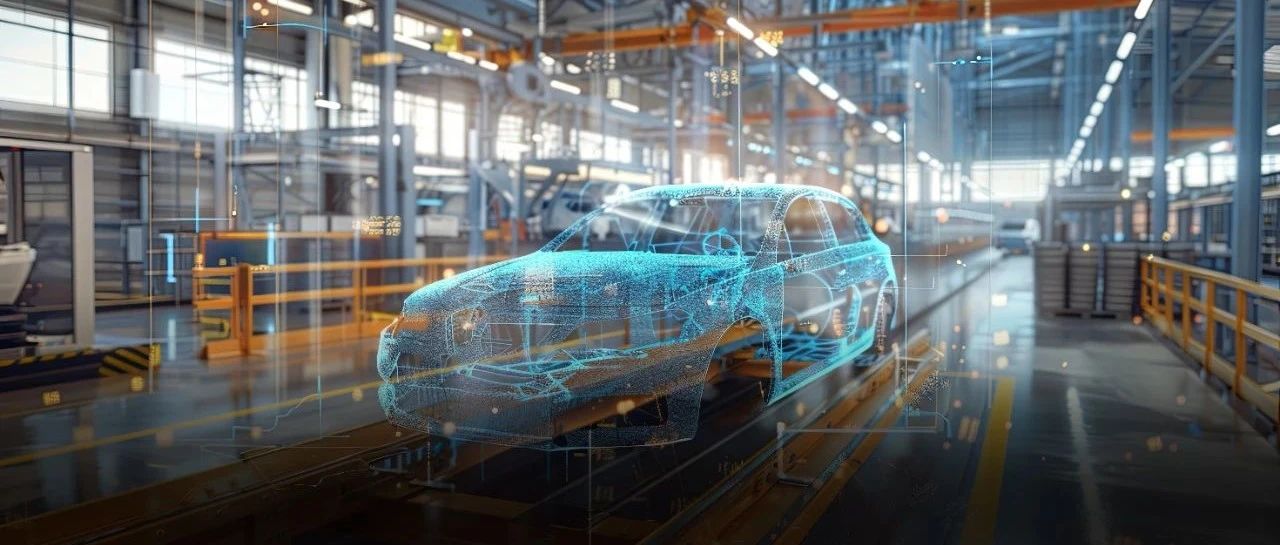
十年之后,复盘“中国制造2025”
Guan Cha Zhe Wang· 2025-05-30 11:10
Group 1 - "Made in China 2025" aims to transform China from a "world factory" to a global high-tech manufacturing leader by 2025, with a target of 70% self-sufficiency in core components and key materials [3][4] - The initiative focuses on ten high-tech sectors, including semiconductors, robotics, new energy vehicles, aerospace, and biomedicine, supported by significant government funding and policy incentives [3][4] - From 2015 to 2022, over $1.3 trillion was invested in priority industries, with nearly 60% allocated to semiconductors and new energy vehicles, indicating a concentrated policy approach [4] Group 2 - The new energy vehicle (NEV) sector has seen remarkable success, with domestic NEVs capturing 80% of the market share in 2022, and companies like BYD ranking second globally in NEV sales [5][6] - High-speed rail has become a textbook success story, with Chinese companies now dominating the market, achieving a 90% share in high-speed rail signaling equipment [6][7] - In the new materials sector, China has significantly increased its production capacity, with a global share of 80% in petrochemical products from 2019 to 2022, and companies like Wanhua Chemical leading in the polyurethane market [7][8] Group 3 - Despite achievements, challenges remain in high-end manufacturing, particularly in semiconductors, where China's market share is only 1.9%, and reliance on imported equipment is high [8][9] - The aerospace sector faces similar issues, with the domestically produced C919 aircraft having only a 60% local content rate, heavily dependent on foreign suppliers for critical components [9][10] - The marine engineering and high-tech shipbuilding sectors also struggle, with less than 30% localization in high-tech ship equipment [10] Group 4 - The rapid advancements have led to some negative consequences, including resource wastage due to excessive government spending, with 30% of semiconductor project funds wasted on inefficient projects [11][12] - Overemphasis on industrial policy has resulted in production capacity outpacing consumer demand, leading to price wars and declining industrial profits [11][12] - In 2022, China's power battery production capacity reached 900 GWh, but actual demand was only 450 GWh, resulting in a 50% surplus [12][13] Group 5 - While China excels in low-end and mid-range markets, it still lags behind international giants in high-end sectors, with R&D investment significantly lower than that of the U.S. [13][14] - Foreign enterprises believe that Chinese competitors will take 5 to 10 years to catch up in technology, particularly in advanced fields like semiconductors and aerospace engines [14][15] - The decline in international scientific collaboration and increased trade tensions pose additional challenges for Chinese companies in sensitive technology areas [15]


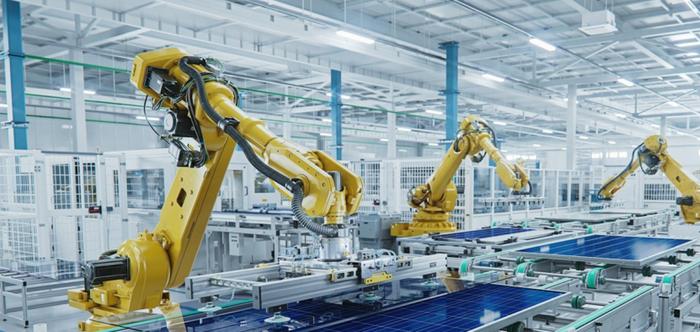
鑫椤锂电一周观察 | 美国拟取消《通胀削减法案》电动汽车补贴对中韩电池产业的影响
鑫椤锂电· 2025-05-30 08:28
Core Viewpoint - The article highlights significant developments in the lithium battery and materials industry, including major contracts, market trends, and pricing dynamics, indicating a competitive landscape and evolving supply-demand conditions. Group 1: Major Contracts and Collaborations - Chuangneng New Energy signed a strategic cooperation agreement with Changzhou Lithium Source, committing to purchase approximately 150,000 tons of lithium iron phosphate materials over five years, valued at around 5 billion yuan [2] - Foton Motor announced a joint venture with EVE Energy to establish Beijing Foton EVE New Energy Technology Co., with a registered capital of 500 million yuan, aimed at expanding the new energy heavy truck business and providing diverse battery leasing solutions [3] Group 2: Market Conditions and Pricing Trends - The domestic lithium carbonate market continues to experience slight declines, with production adjustments leading to a total reduction of approximately 8,900 tons, while recovery efforts add around 9,000 tons, resulting in a marginal increase in supply [6] - As of May 30, the latest prices for battery-grade lithium carbonate are between 61,000 to 62,000 yuan per ton, and industrial-grade is between 58,900 to 59,400 yuan per ton [7] - The three-element material market showed a slight increase in June, primarily driven by leading companies, with total output around 4,000 tons, although limited demand may lead to further price declines [7] - The lithium iron phosphate market remains stable, with recent large orders from leading companies indicating a potential shift in market dynamics despite overall capacity excess [8] Group 3: Supply Chain and Material Prices - The negative sentiment in the negative electrode material market persists, with limited demand and slight increases from major manufacturers, while smaller firms maintain existing orders [10] - The latest prices for natural graphite negative materials range from 50,000 to 65,000 yuan per ton, while artificial graphite prices vary from 32,000 to 65,000 yuan per ton [11] - The separator market is stabilizing, with limited increases from leading companies and a joint production limit declaration helping to stabilize prices [12] - The electrolyte market is experiencing slight declines, with head companies reporting a 5-10% increase in demand, but overall prices are expected to decrease [13] Group 4: Battery and Vehicle Market Insights - The domestic lithium battery market remains stable, with production expected to increase in June due to pre-order deliveries and performance targets for leading companies [14] - In the new energy vehicle sector, sales reached 239,600 units, a year-on-year increase of 31.65%, with a penetration rate of 59.07% for the week [14] - The storage market is stable, with leading companies maintaining high capacity utilization rates, although concerns about future supply limits growth [15]




FF股东大会通过全部提案重申不合股,贾跃亭增持释放股价上涨信号
Sou Hu Cai Jing· 2025-05-29 08:28
Core Viewpoint - Faraday Future (FF) successfully held its annual shareholder meeting, where shareholders approved several proposals aimed at enhancing the company's financial stability and supporting the strategic goal of launching the FX model by the end of 2025 [1] Group 1: Shareholder Meeting Outcomes - All proposals, including board elections, private placement, and share authorization, were approved, which will help strengthen FF's financial stability and compliance with Nasdaq listing standards [3] - The board election saw Matthias Aydt, Chad Chen, Chui Tin Mok, Jie Sheng, and Lev Peker re-elected with over 95% approval, ensuring continuity in strategic oversight [3] - The approved private placement proposal allows the company to issue common stock to certain holders of convertible notes and warrants, preparing for future financing [3] Group 2: Share Authorization and Strategic Progress - The share authorization proposal increased the number of authorized common shares from 129,245,313 to 167,245,313, a 29% increase, and preferred shares from 10,000,000 to 12,900,000, enhancing opportunities for mergers, joint ventures, and future financing [4] - FF reported significant progress in its long-term strategy, including the FX prototype vehicle being approved for public road testing and positive feedback for the upcoming Super One model [4] Group 3: Market Response and Leadership Commitment - The company reaffirmed its commitment to shareholders by enhancing market communication and transparency, while also optimizing its capital structure [6] - Founders and executives announced a purchase of $610,000 in common stock, interpreted as a strong confidence signal, contributing to an 8.2% increase in FF's stock price despite a broader market decline [6] - The stock price surge was linked to the founder's share purchase, reflecting increased investor confidence in FF's ongoing "China-U.S. automotive industry bridge strategy" [6]