
有色

Search documents
中原期货晨会纪要-20250807
Zhong Yuan Qi Huo· 2025-08-07 00:43
| 公司官方微信 | | --- | | 中原期货研究咨询部 0371-58620081 0371-58620083 | 1 中原期货研究咨询部 晨会纪要 2025 第(143)期 发布日期:2025-08-07 公司官方微信 中原期货研究咨询部 | 化工 | 主力合约 | 2025/8/7 | 2025/8/6 | 涨跌 | 涨跌幅/% | | --- | --- | --- | --- | --- | --- | | | | 8:00 | 15:00 | | | | | 焦煤 | 1,223.50 | 1,221.00 | 2.50 | 0.205 | | | 焦炭 | 1,647.50 | 1,644.50 | 3.0 | 0.182 | | | 天然橡胶 | 15,430.00 | 15.495.00 | -65.0 | -0.419 | | | 20号胶 | 12,280.00 | 12,320.00 | -40.0 | -0.325 | | | 塑料 | 7,305.00 | 7,321.00 | -16.0 | -0.219 | | | 聚丙烯PP | 7,072.00 | 7,078.00 | ...
午评:沪指涨0.27%,军工、汽车等板块拉升,PEEK材料概念活跃
Zheng Quan Shi Bao Wang· 2025-08-06 04:20
Market Overview - The three major stock indices experienced fluctuations and rose, with the North Stock 50 Index increasing by over 1% and more than 2900 stocks in the market showing gains [1] - As of the midday close, the Shanghai Composite Index rose by 0.27% to 3627.54 points, the Shenzhen Component Index increased by 0.46%, and the ChiNext Index rose by 0.39%. The North Stock 50 Index saw a rise of 1.32%, with a total transaction volume of 1,073.6 billion yuan across the Shanghai, Shenzhen, and North Stock markets [2] Sector Performance - Sectors such as pharmaceuticals, tourism, retail, insurance, and banking saw declines, while military, automotive, coal, and non-ferrous metals sectors experienced gains. Active concepts included PEEK materials, humanoid robots, industrial mother machines, and liquid cooling services [2] Market Sentiment and Outlook - According to Pacific Securities, market sentiment remains optimistic, with expectations for the index to continue rising until it surpasses the high point from October 8 of the previous year. The short-term support level for the Shanghai Composite Index is seen around 3420 points, which can serve as a reference for short-term strength [2] - The long-term upward trend remains intact, supported by recent policy directions indicating a shift in future fiscal spending towards residents, which is foundational for economic recovery potential, exemplified by the latest birth subsidies [2] - The political bureau meeting in July provided a more optimistic assessment of overseas risks compared to April, with a high probability of a positive outcome in Sino-U.S. trade negotiations [2] - Technically, major stock indices are showing bullish patterns [2]

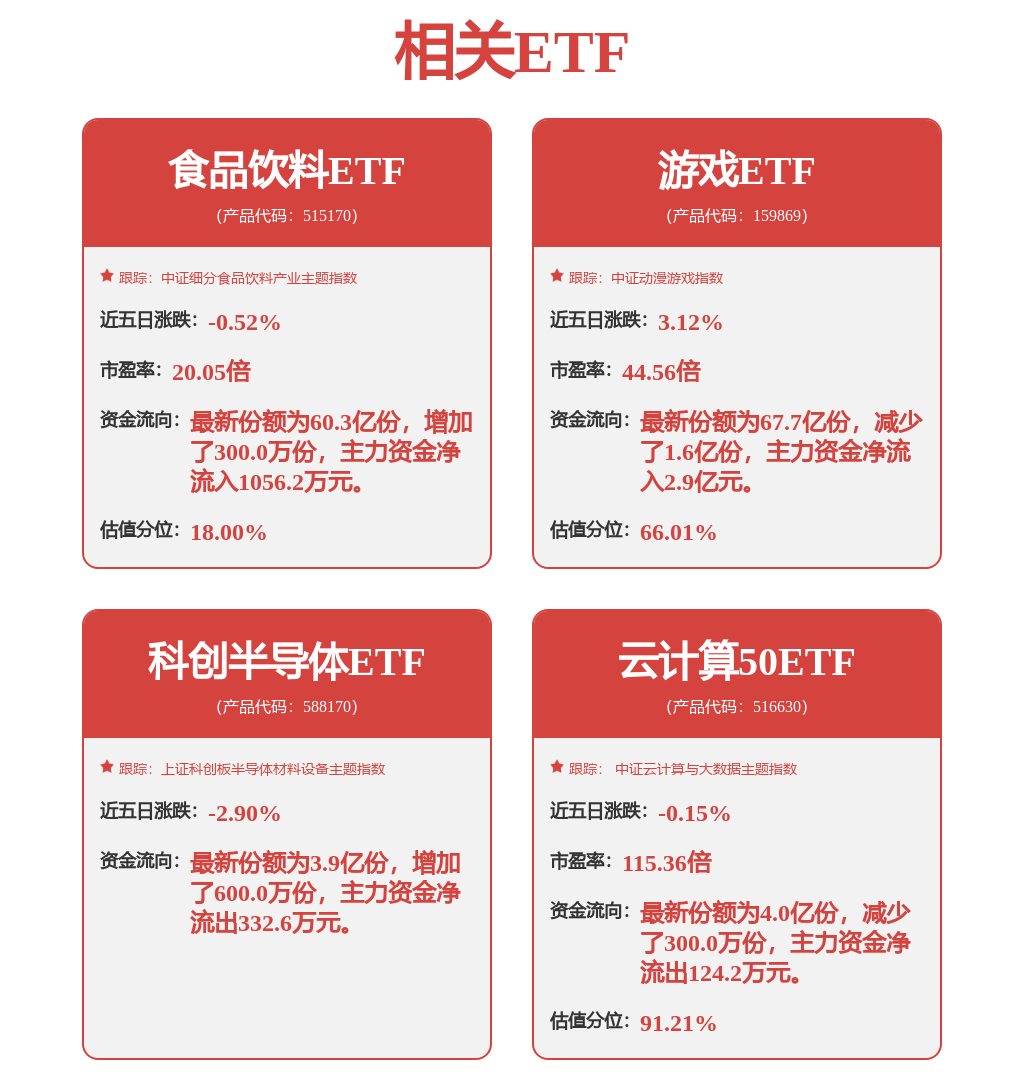
金融期货早评-20250806
Nan Hua Qi Huo· 2025-08-06 01:50
Report Industry Investment Ratings No relevant information provided. Core Views of the Report - Domestically, the economy shows downward pressure as the manufacturing PMI declines. It enters a policy observation period, and incremental policies may be introduced if economic data continues to weaken. Overseas, it's an inflation observation period. Despite a hawkish speech from Powell, the Fed's core targets are employment and inflation. With poor non - farm data and high inflation in the US service sector, there may be fluctuations in the Fed's interest - rate cut expectations [2]. - For the RMB exchange rate, without new shock factors, it is expected to be supported in the 7.15 - 7.23 range, with a likely central anchor at 7.20 [4]. - The A - share market is expected to show a structural and volatile trend. The adjustment of US tariff policies may reduce risk appetite [6]. - For the bond market, there is a mild price repair. Although the stock market is strong, the bond market is at most suppressed, and a band - trading strategy is recommended [7]. - For the shipping industry, the container shipping index is expected to be volatile and may decline in the medium - term [9]. - In the precious metals market, due to the increased expectation of a Fed rate cut in September, gold and silver are expected to be strong in the medium - to - long - term and are mainly controlled by bulls in the short - term [11]. - In the non - ferrous metals market, copper may be volatile and weak; aluminum is expected to be under pressure and volatile; alumina is expected to be weak; cast aluminum alloy is expected to be volatile; zinc is expected to rebound after reaching the bottom; nickel and stainless steel are expected to be volatile in the short - term; tin may rise slightly; and the recommended strategies vary for each metal [13][15][16][17][18][19]. - In the black metals market, steel products' prices have limited upward and downward space; iron ore is expected to be strong; coking coal and coke may have increased price fluctuations, and the medium - to - long - term trend is not pessimistic; silicon iron and silicon manganese are not overly pessimistic despite the decline in sentiment [21][23][26][27]. - In the energy and chemical market, crude oil is under supply pressure and has limited upward space; LPG is in a loose supply situation; PX - TA can be considered for expanding processing fees at low prices; MEG - bottle chips are expected to be range - bound; methanol's fundamentals are weak in the short - term; PP is driven up by coal prices; PE needs to wait for demand recovery; PVC's pricing returns to the industry, and short - selling is recommended; pure benzene and styrene are expected to be volatile; fuel oil is weak; low - sulfur fuel oil is recommended for short - selling; asphalt is expected to be weakly volatile; urea is expected to be weakly volatile; glass, soda ash, and caustic soda show a pattern of near - term weakness and long - term strength; pulp is expected to be volatile after a decline; and propylene's price in the Shandong market has a slight increase [31][33][35][37][39][42][45][47][48][50][51][53][54][56][58][59][60][61][66]. - In the agricultural products market, for live pigs, short - selling at high prices is recommended; for oilseeds, long - buying in the far - month contracts is recommended [67][69]. Summaries by Relevant Catalogs Financial Futures Macro - Market information includes policies on financial support for new - type industrialization in China, the US service - sector PMI causing concerns about stagflation, Trump's statements on tariffs and the Fed, and the high proportion of seriously overdue consumer loans in the US [1]. RMB Exchange Rate - The previous trading day's RMB exchange - rate performance shows a decline in the on - shore RMB against the US dollar. Trump's tariff policies and the decline in the US non - manufacturing index are important factors. Without new shock factors, the short - term exchange rate is expected to be supported in the 7.15 - 7.23 range [3][4]. Stock Index - The stock index continued to rise yesterday, and the small - cap stocks were strong. The A - share market is expected to show a structural and volatile trend due to policy support and the adjustment of US tariff policies [5][6]. Treasury Bonds - Treasury futures fluctuated upward, and the price is in a mild repair state. The bond market is at most suppressed by the strong stock market, and a band - trading strategy is recommended [7]. Shipping - The container shipping index futures opened low and fluctuated. The spot prices of major shipping companies have been continuously reduced, and the futures price is expected to be volatile and may decline in the medium - term [8][9]. Commodities Non - Ferrous Metals - **Gold & Silver**: The price of precious metals rose due to the increased expectation of a Fed rate cut in September. They are expected to be strong in the medium - to - long - term and are mainly controlled by bulls in the short - term [11]. - **Copper**: The copper price rebounded slightly, mainly to correct the previous decline. It may be volatile and weak in the short - term, and investors are advised to hold cash and wait [13][14]. - **Aluminum Industry Chain**: Aluminum is expected to be under pressure and volatile; alumina is expected to be weak; cast aluminum alloy is expected to be volatile, and an arbitrage strategy can be considered when the price difference is large [15][16]. - **Zinc**: Zinc is expected to rebound after reaching the bottom. The supply is gradually changing from tight to surplus, and the demand is weak in the traditional off - season [16][17]. - **Nickel & Stainless Steel**: They are expected to be volatile in the short - term. The fundamentals of nickel have no obvious changes, and the supply of nickel - iron is supported by the expected increase in steel - mill production in August. The stability of the stainless - steel price needs to be tested [18]. - **Tin**: Tin rose slightly, showing strong resilience. The supply problem has not been resolved, and the demand weakness has not fully affected the price. Inventory hedging can be considered at an appropriate time [19]. Black Metals - **Steel Products**: Steel products' prices have limited upward and downward space. Although the export orders have weakened, the market pressure is temporarily relieved, and the coal - mine inspection and military - parade limit - production expectations provide support [20][21]. - **Iron Ore**: Iron ore is expected to be strong. The short - term fundamentals are good, and the supply is neutral while the demand is expected to remain high. The price is expected to break through the 800 - yuan pressure level [22][23]. - **Coking Coal & Coke**: The prices of coking coal and coke rose strongly. The "anti - involution" policy may lead to increased price fluctuations, and the medium - to - long - term trend is not pessimistic. It is not recommended for non - spot - handling investors to participate in the 09 - contract delivery game [25][26]. - **Silicon Iron & Silicon Manganese**: Although the sentiment has declined, there is no need to be overly pessimistic. The supply is increasing, and the demand is supported by high steel - mill profits in the short - term, but the long - term demand is uncertain [27][28]. Energy and Chemicals - **Crude Oil**: The crude oil price fell overnight, and the market is under supply pressure. The seasonal demand is weakening, and the upward space is limited [30][31]. - **LPG**: LPG is in a loose supply situation. The domestic supply is abundant, and the demand has little change. The price is expected to be under pressure [32][33]. - **PX - PTA**: The PX - TA price has fallen. The current TA processing fee is at a historical low, and there are many expected TA maintenance plans. It is recommended to expand the processing fee at low prices [34][35]. - **MEG - Bottle Chips**: The "anti - involution" premium has been squeezed out, and the fundamentals have insufficient driving force. They are expected to be range - bound [36][37]. - **Methanol**: The "anti - involution" sentiment has subsided, and the methanol market has returned to fundamentals, which are weak in the short - term. Attention should be paid to downstream resistance and port - to - inland price differences [38][39]. - **PP**: PP's price rose driven by coal prices. The supply pressure is increasing, and the demand is weak, so the market is in a weak pattern [40][42]. - **PE**: PE's price was driven up by the coal - market. The current demand is weak, and the inventory is high, but the demand is expected to recover in August [43][45]. - **PVC**: PVC's pricing has returned to the industry. The supply is increasing, the demand is weak, and the inventory is rising. Short - selling is recommended [46][47]. - **Pure Benzene & Styrene**: Pure benzene and styrene are expected to be volatile. The supply and demand of pure benzene are both increasing, and the supply of styrene is expected to increase in August and September [48][50]. - **Fuel Oil & Low - Sulfur Fuel Oil**: Fuel oil is weak, and low - sulfur fuel oil is recommended for short - selling due to weak supply, demand, and high inventory [51][53]. - **Asphalt**: Asphalt is expected to be weakly volatile, following the cost - end. The supply has increased, but the demand is affected by weather and funds. The medium - to - long - term demand is expected to improve [53][54]. - **Urea**: Urea is under pressure. Although the export demand provides some support, the agricultural demand is weakening [55][56]. - **Glass, Soda Ash & Caustic Soda**: They show a pattern of near - term weakness and long - term strength. Soda ash has a strong supply and weak demand; glass is in a weak - balance state; and caustic soda may start the delivery logic in August [57][58][59][60]. - **Paper Pulp**: Paper pulp is expected to be volatile after a decline. The supply and inventory are high, and the demand has no obvious long - term increase, but there is seasonal support in August [61][62]. - **Propylene**: The price of propylene in the Shandong market has a slight increase. The supply is loose, and the demand has little change. The cost is affected by multiple factors [64][66]. Agricultural Products - **Live Pigs**: The spot price of live pigs is stable, and the supply exceeds demand. It is recommended to short - sell at high prices [67]. - **Oilseeds**: The outer - market US soybeans are weak, and the inner - market soybeans are pricing the far - month supply gap. It is recommended to long - buy in the far - month contracts [68][69].
研究所晨会观点精萃-20250806
Dong Hai Qi Huo· 2025-08-06 01:11
Report Industry Investment Rating No information provided Core Viewpoints of the Report - Overseas: US President warns of tariff hikes on India and the EU; US non - manufacturing PMI drops from 50.8 in June to 50.1 in July, below the expected 51.5, weakening the US dollar index and cooling global risk appetite. Domestic: China's manufacturing PMI in July is 49.3%, down 0.4 percentage points from the previous month, indicating a slowdown in economic growth. Policies like childcare subsidies may boost consumption, and a 90 - day extension of the Sino - US tariff truce reduces short - term tariff uncertainties. Domestic risk appetite rises due to Fed rate - cut expectations and RMB appreciation [2]. - Asset recommendations: Stocks are expected to oscillate strongly at short - term highs, with cautious short - term long positions. Bonds may oscillate and correct at short - term highs, suggesting cautious observation. For commodities, black metals may see increased short - term volatility, with cautious short - term long positions; non - ferrous metals may oscillate in the short term, suggesting cautious observation; energy and chemicals may oscillate, with cautious observation; precious metals may oscillate at short - term highs, with cautious long positions [2]. Summary by Directory Macro - finance - Overseas: US non - manufacturing PMI decline and tariff hike warnings cool global risk appetite. Domestic: China's manufacturing PMI decline shows economic slowdown, but policies and tariff truce extension increase domestic risk appetite [2]. - Asset performance: Stocks may oscillate strongly at short - term highs, bonds may oscillate and correct, black metals may have increased volatility, non - ferrous metals may oscillate, energy and chemicals may oscillate, and precious metals may oscillate at short - term highs [2]. Stocks - Driven by sectors like communication, banking, insurance, and home appliances, the domestic stock market rises. China's July manufacturing PMI decline indicates economic slowdown, but policies and tariff truce extension increase risk appetite. The short - term macro - upward drive strengthens. Focus on Sino - US trade talks and domestic policies. Short - term cautious observation is recommended [3]. Precious Metals - Tuesday sees a divergence in precious metals. The sharp drop in US non - farm payrolls data increases the Fed's rate - cut probability, and the rebound of core PCE inflation in June makes the stagflation feature of the US economy more obvious. The US dollar index weakens, and the stock market falls. Precious metals are expected to remain strong in the short term, with attention to inflation and employment data [4]. Ferrous Metals - **Steel**: Tuesday sees a rebound in the steel spot and futures markets, driven by coal safety supervision. Real - world demand is weak, with an increase in steel inventory and a decrease in apparent consumption. Supply may be restricted by phased production cuts. Steel prices are expected to oscillate in the short term [6]. - **Iron ore**: Tuesday sees a slight rebound in iron ore prices, driven by the overall rebound of the ferrous sector. Iron - water production is at a high level but has declined for two consecutive weeks and may continue to fall. Supply shows a decrease in global shipments but an increase in arrivals. Iron ore prices are expected to oscillate in the short term [6]. - **Glass**: Tuesday sees the glass futures contract oscillating. Supply shows a slight increase in daily melting volume and capacity utilization, but there are expectations of production cuts due to anti - involution policies. Demand from the real - estate sector is weak, but there is a slight improvement. Glass prices are expected to oscillate in the short term [7]. - **Silicon manganese/silicon iron**: Tuesday sees a rebound in the prices of silicon iron and silicon manganese, driven by the expected contraction of coal supply. The prices of manganese ore are loosening, and the cost support is strong. The production of silicon iron is increasing, and the market sentiment is positive. Iron alloy prices are expected to oscillate in the short term [7]. - **Soda ash**: Tuesday sees the soda ash futures contract oscillating. Supply is in an over - supply pattern despite a recent decline in production. Demand is weak, and there are concerns about capacity exit, which support the bottom price. Soda ash prices are expected to oscillate in the short term [7]. Non - ferrous and New Energy - **Copper**: The Fed's rate - cut expectations are rising. Although the EU and the US are close to a trade agreement, Comex copper inventories are at a multi - year high, which may affect future imports. Copper prices have fallen [9]. - **Aluminum**: Tuesday sees an increase in aluminum prices due to a positive commodity market. However, the fundamentals are weakening, with an increase in domestic and LME inventories. The impact of the Ministry of Industry and Information Technology's policy is limited. Short - term sentiment may fluctuate [9]. - **Aluminum alloy**: The supply of scrap aluminum is tight, increasing production costs and leading to losses for some recycling plants. Demand is weak in the off - season. Aluminum alloy prices may oscillate strongly in the short term, but the upside is limited [9]. - **Tin**: The combined operating rate of tin mines in Yunnan and Jiangxi has increased significantly. The supply of tin ore is expected to ease, but demand is weak, especially in the photovoltaic industry. Tin prices are expected to oscillate weakly in the short term [9]. - **Lithium carbonate**: Tuesday sees a 2.39% decline in the lithium carbonate futures contract. The prices of battery - grade and industrial - grade lithium carbonate are falling. Market concerns about mine closures may cause short - term volatility. Cautious observation is recommended [9]. - **Industrial silicon**: Tuesday sees a 1.37% increase in the industrial silicon futures contract. Production is increasing slightly. The rise of coking coal prices may drive industrial silicon prices. Industrial silicon prices may oscillate strongly in the short term [10]. - **Polysilicon**: Tuesday sees a 3.88% increase in the polysilicon futures contract. The prices of related products are stable. The increase in warehouse receipts reflects the willingness of enterprises for hedging and delivery. Polysilicon prices are expected to oscillate at high levels in the short term [11]. Energy and Chemicals - **Crude oil**: Russia may consider a cease - fire to avoid secondary sanctions. Trump's threat to blacklist Russia's "shadow fleet" and tariff hikes on India increase oil price volatility. Oil prices are expected to oscillate widely [12]. - **Asphalt**: Asphalt prices are weakening due to the dissipation of anti - involution sentiment. Factory inventories are slightly decreasing, but demand is weak. Asphalt prices will continue to oscillate weakly [12]. - **PX**: PTA plant overhauls reduce PX demand. The supply - demand pattern is still tight, but the PXN spread has declined. PX prices will oscillate [12]. - **PTA**: PTA prices fall to around 4600. Processing fees are low, and large - scale plant overhauls offset new production capacity. Downstream demand is weak, and PTA prices will oscillate weakly [13]. - **Ethylene glycol**: Port inventories are slightly decreasing, but supply pressure will increase as gas - based plants return. Downstream demand is weak, and ethylene glycol prices will oscillate [14]. - **Short - fiber**: Driven by the weakening of the sector, short - fiber prices fall. Terminal orders are average, and inventories are accumulating. Short - fiber prices may continue to be shorted in the medium term [14]. - **Methanol**: The "anti - involution" sentiment cools, and industrial products correct. Although coal prices support methanol, supply - demand pressure exists. Methanol prices are expected to oscillate weakly [14]. - **PP**: The "anti - involution" sentiment cools, and prices return to fundamentals. Crude oil prices support PP, but supply is strong and demand is weak. PP prices are expected to oscillate weakly [14]. - **LLDPE**: The emotional premium fades. Supply increases as plants restart, and demand is weak. Low inventories and high crude oil prices support LLDPE. LLDPE prices are expected to oscillate weakly [15]. Agricultural Products - **US soybeans**: The overnight CBOT November soybean contract closes down 0.40%. The US soybean good - to - excellent rate is 69%, and attention should be paid to the extreme high - temperature risk in the Midwest later this week [16]. - **Soybean and rapeseed meal**: High arrivals and high operation rates of domestic oil mills slow down the inventory - building of soybean meal. Trade basis quotes decline, but actual sales are average [16]. - **Soybean and rapeseed oil**: The fast pace of soybean purchases for the fourth quarter in China increases the low - valuation buying of soybean meal and soybean oil. The inverted soybean - palm oil spread makes soybean oil more cost - effective. Consider the arbitrage opportunity of going long on soybean oil and short on palm oil. Rapeseed oil has high port inventories and slow circulation [17]. - **Palm oil**: Since July, palm oil production and inventory pressure in the producing areas are high, and exports are weak. The market expects an increase in inventory in the August MPOB report. Palm oil's recent rebound is driven by funds and technology, but its sustainability is questionable [18]. - **Corn**: Corn prices in the national market fall, and spot trading is light. The supply - demand balance of corn in August is weak. Attention should be paid to the new - season corn market [18]. - **Pigs**: Farmers' reluctance to sell at low prices increases the difficulty of procurement for slaughterhouses. However, the off - season demand is weak, and there may be pressure on pig prices due to increased supply [18].
7月大宗商品价格指数环比上涨0.5% 连续三个月实现正增长
Zhong Guo Zheng Quan Bao· 2025-08-05 23:59
Group 1 - The core viewpoint is that the China Commodity Price Index has shown a month-on-month increase for three consecutive months, indicating optimistic expectations among enterprises and a stable recovery in the market [2] - In July, the overall Commodity Price Index reached 111.4 points, with a month-on-month increase of 0.5% [1] - The black commodity price index rebounded to 77.9 points, up 1.7% month-on-month, while the non-ferrous price index rose to 130.1 points, up 1.1% month-on-month [1] Group 2 - The agricultural price index fell to 97.9 points, down 0.2% month-on-month, and the energy price index decreased to 96.7 points, down 0.6% month-on-month [1] - The chemical price index experienced a decline to 102.9 points, down 1.4% month-on-month, and the mineral price index continued to drop to 71.7 points, down 2.7% month-on-month [1] - Among the 50 monitored commodities, 32 saw price increases while 18 experienced price declines in July [1] Group 3 - The overall outlook for the commodity market is expected to remain stable and positive, supported by government policies aimed at economic recovery and growth [2] - There are still external uncertainties and instabilities affecting global commodity prices, and some industries face challenges such as insufficient effective demand and increased operational pressures [2] - The commodity circulation industry plays a crucial role in stimulating domestic demand, stabilizing growth, and promoting development [2]
7月大宗商品价格指数环比上涨0.5%
Zhong Guo Zheng Quan Bao· 2025-08-05 21:07
Group 1 - The China Logistics and Purchasing Federation reported that the commodity price index for July was 111.4 points, reflecting a month-on-month increase of 0.5% [1] - In July, the black commodity price index rebounded to 77.9 points, up 1.7% month-on-month, while the non-ferrous price index continued to rise to 130.1 points, up 1.1% [1] - The agricultural price index fell to 97.9 points, down 0.2% month-on-month, and the energy price index decreased slightly to 96.7 points, down 0.6% [1] - The chemical price index peaked and then fell to 102.9 points, down 1.4% month-on-month, and the mineral price index continued to decline to 71.7 points, down 2.7% [1] - Among the 50 monitored commodities, 32 saw price increases while 18 experienced price declines in July [1] Group 2 - The continuous month-on-month positive growth of the commodity price index for three consecutive months indicates optimistic expectations among enterprises and a stable recovery in the market [2] - The implementation of the "anti-involution" policy and macroeconomic counter-cyclical adjustment policies is expected to support a stable and positive outlook for the commodity market [2] - Despite the overall positive trend, challenges such as insufficient effective demand and increased operational pressures in certain industries remain [2] - The importance of the commodity circulation industry in stimulating domestic demand, stabilizing growth, and promoting development is emphasized for further economic recovery [2]
【兴证固收.转债】权益指引,转债寻迹——2025年8月可转债市场展望
Xin Lang Cai Jing· 2025-08-05 13:41
Core Viewpoint - The convertible bond market is currently positioned close to the valuation peaks of 2022 and January 2015, indicating a high valuation environment with potential for adjustments in line with equity market movements [4][65][66]. Group 1: Market Outlook - The current positioning of convertible bonds is nearing the high valuation levels seen in 2022 and January 2015, suggesting a potential for adjustments [4][65]. - Historical patterns indicate that convertible bonds typically adjust in sync or lag behind the equity market, with the adjustment pace and magnitude being difficult to precede the equity market [4][66]. - The strong market conditions of previous bull markets (2007, 2009, 2015) saw convertible bond valuations significantly higher than current levels, highlighting the unique circumstances of those periods [4][65][66]. Group 2: Investment Strategy - Convertible bonds are viewed as the only viable option for pure bond investors transitioning to equity investments, with a sustained demand expected due to profit-making effects [4][66]. - A recommended strategy includes a focus on high-quality convertible bonds with a scale of over 1.5 billion yuan and a rating of AA or above, as well as low-priced convertible bonds that still present investment opportunities [9][66]. - The report suggests a monthly review and adjustment of the recommended convertible bond portfolio to maintain flexibility and responsiveness to market conditions [9][66]. Group 3: Valuation Metrics - The median price of convertible bonds is reported at approximately 127.63 yuan, close to the highest points seen in 2021-2022, with premium rates indicating a historical high for bond valuations [16][22]. - New issuances are generally priced above 130 yuan, reflecting a strong market sentiment and high valuation levels similar to previous peaks [22][66]. - The current premium rates for convertible bonds are significantly elevated, with many bonds trading at premiums exceeding 30%, indicating a robust demand despite high valuations [16][22][66].
国泰海通策略首席方奕: A股港股科技股下半年都会再有新高,两类新资产亮点纷呈
华尔街见闻· 2025-08-05 10:21
Core Viewpoint - The Chinese market is expected to reach new highs in the second half of 2025, including the Shanghai Composite Index and the Hang Seng Index [1][4][23]. Group 1: Market Dynamics - The decline in risk-free interest rates is a significant factor influencing the stock market, as it has historically driven market performance during favorable years [2][6][12]. - The current trend shows that interest in fixed-income products is decreasing, while interest in equities and diversified assets is rising [8][17]. - Historical examples from Japan and the U.S. illustrate that when long-term government bond yields fall below 2%, there is a shift away from fixed-income investments towards equities [5][11][20]. Group 2: Structural Changes in the Market - Recent capital market reforms aim to enhance investor returns and improve the quality of listed companies, marking a significant shift in focus towards investor interests [13][15][20]. - The introduction of new regulations, such as stricter rules on delisting and financial disclosures, reflects a commitment to improving market integrity and investor confidence [14][16]. Group 3: Investment Opportunities - The market is presenting two main categories of investment opportunities: stable, monopolistic assets in traditional sectors and assets aligned with new technological trends and consumer demands [25][26]. - Specific sectors such as financial services, high-dividend companies, internet, media, innovative pharmaceuticals, and consumer brands are highlighted as promising investment areas [27][28]. - The cyclical industries are also expected to benefit from improved supply-demand dynamics due to recent market adjustments [28].



商品量化CTA周度跟踪-20250805
Guo Tou Qi Huo· 2025-08-05 09:59
Group 1: Overall Market Conditions - The proportion of short positions in commodities increased this week, mainly due to the decline in the factor strength of the energy and chemical sector. Currently, the relatively strong sectors in the cross - section are precious metals and agricultural products, while the relatively weak sector is the energy sector [3]. - In the precious metals sector, the sequential momentum of gold has marginally recovered, and the differentiation within the sector has narrowed. In the non - ferrous sector, the position factor has continued to decline slightly, and the cross - sectional differentiation has expanded, with copper and zinc being on the weaker end [3]. - In the black sector, the short - term momentum factor has marginally decreased, but the long - term factor has gradually stabilized, and the term structure differentiation has narrowed. In the energy and chemical sector, the cross - sectional momentum has declined overall, and PTA, soda ash, and glass are on the weaker end of the sector's cross - section [3]. - In the agricultural products sector, the positions of oilseeds and meals have both decreased slightly, and the differentiation has narrowed [3]. Group 2: Factor Returns - Last week's returns and monthly returns for different factors: supply factor had a last - week return of 1.64% and a monthly return of 0.00%; demand factor had a last - week return of 1.51% and a monthly return of 0.00%; inventory factor had a last - week return of 1.20% and a monthly return of - 2.28%; spread factor had a last - week return of 3.90% and a monthly return of 2.50%; profit factor had a last - week return of 0.00% and a monthly return of 0.00%; the cumulative return of major categories last week was 1.64% and this month was - 0.04% [7]. Group 3: Methanol Analysis - In terms of strategy net value, last week, the supply factor strengthened by 0.21%, the demand factor increased by 0.13%, the inventory factor weakened by 0.19%, the spread factor increased by 0.09%, and the composite factor increased by 0.16%. This week, the comprehensive signal for short positions continues. On the fundamental factor side, the capacity utilization rate of domestic methanol plants has increased, and the import arrival volume has increased slightly, indicating a short position on the supply side; the operating rates of formaldehyde and chloride plants have increased, but the capacity utilization rates of acetic acid and MTBE plants have decreased, making the demand side neutral; the inventory of domestic methanol manufacturers has decreased, indicating a long position on the inventory side; the closing price of the main methanol futures contract and the 9 - 1 spread on the futures market have both released short - position signals, and the spread side has turned to a short position [4]. Group 4: Glass Analysis - In terms of strategy net value, last week, the inventory factor decreased by 2.28%, the spread factor increased by 2.50%, and the composite factor weakened by 0.04%. This week, the comprehensive signal is a short position. On the fundamental factor side, the capacity utilization rate of float glass has remained flat month - on - month, keeping the supply side neutral; the number of commercial housing transactions in 30 large - and medium - sized Chinese cities has increased slightly, making the demand side neutral; float glass enterprises have continued to reduce inventory, indicating a long position on the inventory side; the spot prices of the float glass markets in Central China, North China, and South China have all released short - position signals, indicating a short position on the spread side; the pre - tax gross profit of float glass made from steam coal has declined, indicating a short position on the profit side [7]. Group 5: Iron Ore Analysis - In terms of strategy net value, last week, each factor remained unchanged, and this week, the comprehensive signal remains neutral. The arrival volume at Qingdao Port has increased significantly, and the shipping volumes of BHP and Rio Tinto have increased, turning the supply side into a short - position feedback, but the overall signal remains neutral. The consumption of iron ore powder for sintering in steel mills and the proportion of sintered ore in the furnace have decreased, and the strength of the long - position feedback on the demand side has decreased slightly, but the signal is still neutral. The iron ore concentrate at ports and the domestic sintering iron ore powder in steel mills have both reduced inventory slightly, weakening the short - position feedback on the inventory side. The price center of PB powder has shifted down, further weakening the strength of the long - position feedback on the spread side [7]. Group 6: Lead Analysis - In terms of strategy net value, last week, the supply factor strengthened by 0.52%, the demand factor decreased by 0.51%, the spread factor increased by 0.46%, and the composite factor strengthened by 0.15%. This week, the comprehensive signal has changed from a short position to neutral. The price of domestic lead concentrates from SMM has decreased, and the profit of tax - free recycled lead has decreased, turning the supply - side signal to neutral. The LME lead inventory and registered warrants have increased, turning the inventory side into a short - position feedback, but the overall signal remains neutral. The spread between the near and far months of LME lead has widened, strengthening the short - position feedback on the spread side [7].
7月中国大宗商品价格指数环比上涨0.5%
Zhong Guo Xin Wen Wang· 2025-08-05 09:21
Core Insights - In July, China's bulk commodity price index reached 111.4 points, reflecting a month-on-month increase of 0.5%, indicating optimistic enterprise expectations and a stable market recovery [1] Industry Analysis - The black metal price index rebounded, while the non-ferrous price index continued to rise. Conversely, the agricultural product price index declined, energy prices slightly decreased, chemical prices experienced a pullback, and mineral prices continued to fall [1] Commodity Performance - Among the 50 monitored bulk commodities, 32 saw price increases while 18 experienced declines. The top three commodities with the highest price increases were lithium carbonate (up 10.2%), industrial silicon (up 9.8%), and coking coal (up 9.6%). The largest declines were observed in methanol (down 5%), cement (down 4.8%), and PTA (down 3.9%) [1] Market Outlook - The overall bulk commodity market is expected to continue its stable improvement due to the implementation of national policies aimed at reducing competition and enhancing macroeconomic counter-cyclical adjustments. However, global price volatility and external uncertainties remain significant challenges [1]