玩具

Search documents
“内贸版”广交会来了?9月份广东优品展亮点抢先看
Sou Hu Cai Jing· 2025-07-07 05:05
Group 1 - The article discusses the impact of the complex international economic situation on businesses, prompting them to adjust their strategies and explore new domestic markets [1] - The first Guangdong Quality Products Exhibition will be held from September 12 to 14, 2023, in Guangzhou, supported by the Guangdong Provincial Department of Commerce [1][3] - The exhibition will focus on consumer products, featuring categories such as toys, home goods, ceramics, electronics, home appliances, and clothing, with an exhibition area of 50,000 square meters [3] Group 2 - The exhibition will include five themed pavilions focusing on consumer electronics, fashion and beauty, toys, food, and home ceramics, showcasing popular products and innovative items [3] - A total of 167 industry associations and over 4,000 direct members will be involved in inviting brand enterprises to participate, along with targeted invitations to major buyers like Walmart, Alibaba, and JD [3] - To attract the "Z Generation" consumers, the event will feature a "Guangdong Quality Products Star Performance Carnival" and various interactive experiences to enhance consumer engagement [4]

亚洲最贵乐园来了,吓退上海中产
虎嗅APP· 2025-07-07 00:05
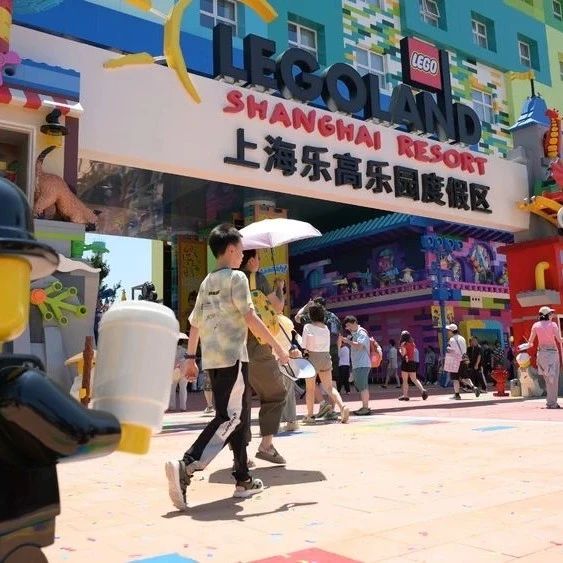
Core Viewpoint - Shanghai Lego Land, the largest in Asia, opened on July 5, 2023, but has received mixed reviews from visitors, with some criticizing the limited attractions and others praising it as a must-visit for Lego enthusiasts [3][4]. Group 1: Market Position and Competition - Lego Land is positioned as a competitor to Disney and Universal Studios, but it opened later than these established parks, which may affect its market presence [7][8]. - The park's ticket prices are the highest in Asia, with adult tickets priced at 549 yuan, which may deter potential visitors [10][11]. - The park's location in Jinshan District is relatively remote, approximately one hour from downtown Shanghai, which could impact visitor numbers [8][12]. Group 2: Visitor Experience and Feedback - Visitor feedback highlights three main concerns: high ticket prices, a focus on younger children (ages 2-12), and strict hotel policies that may deter families [10][12][13]. - The park's offerings are perceived as more suitable for children, leading to complaints that it is not engaging for older kids or adults [12]. - The hotel associated with Lego Land has strict check-in and check-out times, along with high fees for damages, which has drawn criticism from potential guests [13]. Group 3: Financial Considerations and Market Trends - The theme park industry in China is experiencing a shift, with consumers becoming more conservative in their spending, leading to a decline in secondary spending (food, merchandise) by 10%-30% [31][33]. - Despite Lego's strong brand presence in China, with a market share of 48.6% in the building toy sector, the timing of Lego Land's opening may not align with current consumer spending habits [28][30]. - The competitive landscape is intensifying with new parks like the Peppa Pig theme park set to open, which could further challenge Lego Land's market position [33].
亚洲最贵乐园,吓退上海中产
36氪· 2025-07-06 23:58
Core Viewpoint - The opening of Shanghai Lego Land, the largest in Asia, has sparked mixed reactions, with some criticizing the limited attractions while others celebrate it as a haven for Lego enthusiasts and children [3][4]. Group 1: Market Position and Competition - Shanghai Lego Land is positioned as the most expensive theme park in Asia, with adult ticket prices reaching 549 yuan, surpassing those in Malaysia and Japan [15][24]. - The park's opening comes after major competitors like Disney and Universal Studios have already established their presence in China, raising questions about Lego's timing and market strategy [9][43]. - Despite Lego's strong brand recognition in China, with a market share of 48.6% in the building toy sector as of 2021, the park's initial reception suggests it may struggle to attract visitors compared to its competitors [42][44]. Group 2: Visitor Experience and Pricing - The park's pricing strategy includes a high single-day ticket price, while annual passes are priced at 1399 yuan, encouraging repeat visits to boost ancillary spending on food and merchandise [18][21]. - Visitor feedback highlights concerns about the park's focus on younger children (ages 2-12), leading to perceptions that it may not cater well to older children or adults [18][20]. - The hotel associated with the park has faced criticism for its strict check-in and check-out policies, as well as high compensation fees for damages, which may deter potential guests [20][21]. Group 3: Economic Context and Consumer Behavior - The current economic environment in China has led to more conservative spending habits among consumers, impacting the profitability of theme parks, which rely heavily on secondary spending [47][49]. - Research indicates that ticket sales typically account for about 30% of total revenue for mature theme parks, with food, retail, and accommodation making up the rest; however, secondary spending has seen a decline of 10%-30% recently [47][49]. - The competitive landscape in the Yangtze River Delta is intensifying, with new attractions like the Peppa Pig theme park set to open, further challenging Lego Land's market position [49].

2025轻工制造行业专题研究报告:乐自天成招股书梳理多品类IP玩具标杆,
Sou Hu Cai Jing· 2025-07-06 06:27
Core Insights - 52TOYS is positioned as a leading player in the IP toy market, leveraging its "IP Central" strategy and comprehensive industry chain layout to enhance its competitive advantage and market presence [1][19]. Group 1: Company Overview - 52TOYS was established in 2015 and has rapidly grown to become a significant player in the IP toy sector, with over 100 proprietary and licensed IPs by the end of 2024 [2][19]. - The company has achieved impressive revenue growth, with sales increasing from 463 million yuan in 2022 to 630 million yuan in 2024, reflecting a compound annual growth rate (CAGR) of 16.7% [2][27]. - The adjusted net profit turned from a loss in 2022 to a profit of 32.01 million yuan in 2024, indicating strong operational resilience [2][27]. Group 2: Market Dynamics - The global IP derivative market is valued at 1.4056 trillion yuan in 2024, with the IP toy segment accounting for 525.1 billion yuan, representing 37.4% of the total market [4][19]. - China's IP derivative market is growing rapidly, with a CAGR of 15.1% from 2020 to 2024, significantly outpacing the global growth rate of 8.3% [4][19]. - The Chinese IP toy market is projected to grow from 43.5 billion yuan in 2020 to 75.6 billion yuan in 2024, with a CAGR of 11.7% [4][19]. Group 3: Competitive Advantages - 52TOYS employs an "IP Central" strategy that integrates IP-driven collaboration across departments, enhancing product design, content insight, and commercialization [6][19]. - The company operates a dual-driven model with both proprietary and licensed IPs, having 35 proprietary IPs and 80 licensed IPs by the end of 2024 [6][19]. - Product innovation is a key pillar of 52TOYS' strategy, with over 500 new SKUs launched annually across various categories, including static figures, movable toys, and mechanical toys [7][19]. Group 4: Distribution and Sales Channels - 52TOYS has established a comprehensive distribution network, combining online and offline channels, with over 400 distributors covering 20,000 retail points [8][19]. - The company has successfully expanded its overseas market presence, with international revenue growing from 35 million yuan in 2022 to 147 million yuan in 2024, achieving a CAGR of over 100% [9][19]. - The sales revenue from distributors accounted for 66.8% of total revenue in 2024, with online sales contributing 22.1% and offline sales 8.8% [39][19]. Group 5: Consumer Engagement and Community Building - 52TOYS has built a robust fan community with over 4.7 million registered members by the end of 2024, enhancing customer loyalty and engagement [10][19]. - The company is transitioning from a focus on single products to developing a content ecosystem around its IPs, which includes novels and comics to extend the lifecycle of its products [10][19].
传媒行业周报:GPT-5与AI眼镜叠加暑假档,有望助力传媒再下一城-20250705
Huaxin Securities· 2025-07-05 14:58
Investment Rating - The report maintains a "Buy" rating for the media industry [6][10]. Core Insights - The media industry is expected to benefit from the integration of AI applications, particularly with the launch of GPT-5 and AI glasses, which are anticipated to drive new consumption patterns and enhance content creation across various sectors [5][17]. - The report emphasizes the importance of leveraging IP (Intellectual Property) to stimulate consumer spending and highlights the potential of AI to improve operational efficiency and create innovative applications [5][16]. Summary by Sections 1. Industry Review - The media sector has shown significant performance, with a 47.3% increase over the past 12 months, outperforming the Shanghai and Shenzhen 300 indices [2][15]. - The gaming index has seen substantial growth, while the animation index has experienced a decline [15][24]. 2. Key Recommendations - The report recommends several stocks within the media sector, including Tianzhou Culture, Wanda Film, and Mango Super Media, highlighting their potential for financial recovery and growth through AI integration [6][10]. 3. AI Glasses and Applications - AI glasses are positioned as a new focus for the summer season, with companies like Xiaomi and Rokid launching new products that enhance user interaction and content consumption [5][16]. - The report discusses the potential market expansion for AI glasses as they reach a technological tipping point, with applications in daily life and creative processes [16]. 4. Upcoming Market Trends - The report anticipates a surge in AI applications across various fields, including digital marketing, education, and entertainment, driven by the release of GPT-5 and advancements in AI technology [17][18]. - The summer box office is projected to benefit from new film releases, with total box office earnings exceeding 2 billion yuan as of early July 2025 [28][31]. 5. Company Performance and Forecasts - The report provides detailed earnings forecasts for key companies, indicating a positive outlook for several firms in the media sector, with expected EPS growth in the coming years [10][18].


亚洲最贵乐园来了,吓退上海中产
盐财经· 2025-07-05 09:46
Core Viewpoint - Shanghai Lego Land, the largest in Asia, officially opened on July 5, 2023, but has received mixed reviews from visitors, with some finding it lacking in attractions while others appreciate it as a destination for Lego enthusiasts and children [2][3]. Group 1: Opening and Initial Reception - The park opened to the public on June 20, 2023, and experienced a malfunction on its popular ride "Lego Flying Car," leaving visitors suspended for over 30 minutes [4][5]. - The park's ticket pricing is notably high, with peak adult tickets priced at 549 yuan, making it the most expensive theme park in Asia [16][17]. - The park's location in Jinshan District is about an hour's drive from downtown Shanghai, aiming to attract visitors from the surrounding Yangtze River Delta region [14]. Group 2: Market Position and Competition - Lego Land is positioned as a competitor to established parks like Disney and Universal Studios, which have already made significant inroads into the Chinese market [10][12]. - Despite Lego's strong brand presence, the park's initial buzz and search interest appear to be lower compared to its competitors [12][28]. - The park's strategy includes targeting families with children aged 2 to 12, but some adults find the attractions less engaging [21][47]. Group 3: Pricing and Consumer Behavior - The annual pass is priced at 1399 yuan, encouraging repeat visits to boost ancillary revenue from dining and hotel services [20]. - The park's pricing strategy has led to criticism, as it does not replicate the "high price but installment experience" model of Lego toys, resulting in a high upfront cost for visitors [25]. - Initial ticket sales were strong, with over 3000 tickets sold during a promotional event, but subsequent availability suggests a lack of overwhelming demand [26][28]. Group 4: Broader Economic Context - The theme park industry in China is experiencing rapid growth, but current economic conditions have led to a more conservative spending behavior among consumers [51][56]. - Reports indicate that secondary spending within parks, such as dining and merchandise, has seen a decline of 10% to 30% in 2024 [55]. - The competitive landscape in the Yangtze River Delta is intensifying, with new parks like the Peppa Pig theme park set to open, increasing the pressure on Lego Land to innovate and optimize its offerings [58][59].

12天7个涨停后连续“大跳水”!*ST沐邦再添千万担保,去年旗下6家公司全部亏损
Hua Xia Shi Bao· 2025-07-04 23:35
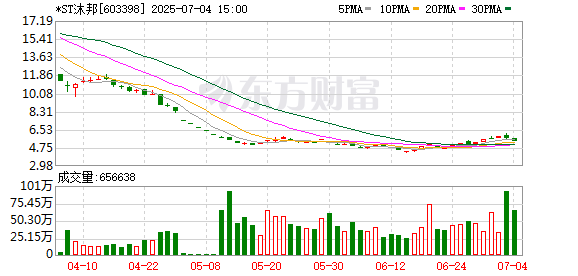
Core Viewpoint - The stock price of Jiangxi Mubang High-Tech Co., Ltd. (*ST Mubang) has experienced significant volatility, with a notable increase followed by a sharp decline, reflecting speculative trading rather than solid business fundamentals [2][3]. Group 1: Stock Performance - From June 17 to July 2, 2025, *ST Mubang's stock price rose from 4.35 CNY to 5.87 CNY, achieving a cumulative increase of over 30% with seven trading days hitting the daily limit [2]. - On July 3, 2025, the stock price began to decline, falling over 4% during intraday trading, and closed at 5.35 CNY, a drop of 4.97%, resulting in a total market capitalization of 2.32 billion CNY [2]. Group 2: Financial Health and Debt - *ST Mubang is facing severe financial difficulties, with a total external guarantee amounting to 1.608 billion CNY, which is 163.40% of the company's latest audited net assets [3]. - The company reported a total debt of 2.728 billion CNY against cash reserves of only 267 million CNY, leading to a debt-to-asset ratio of 76.6% [5]. Group 3: Operational Performance - The core subsidiary, Inner Mongolia Haohan Energy Technology Co., Ltd., reported a revenue of 241.71 million CNY in 2024 but incurred a net loss of 324.55 million CNY [4]. - For the first quarter of 2025, Inner Mongolia Haohan continued to show poor performance with a revenue of 53.43 million CNY and a net loss of 46.65 million CNY [4]. Group 4: Regulatory Issues - *ST Mubang and its executives faced public reprimand from the Shanghai Stock Exchange for violations in performance disclosures, including significant discrepancies in profit forecasts [6][7]. - The company initially projected a net loss of 520 million to 420 million CNY for 2024 but later revised this to a loss of 1.2 billion to 1.1 billion CNY, leading to a risk warning for delisting [6][7]. Group 5: Company Name Change - On April 30, 2025, *ST Mubang's stock was suspended, and from May 6, 2025, the stock name was officially changed from "Mubang High-Tech" to "*ST Mubang" [8].

但斌、李开复、格隆博士齐聚鹏城!这场盛会爆火,干货满满!
格隆汇APP· 2025-07-04 12:57
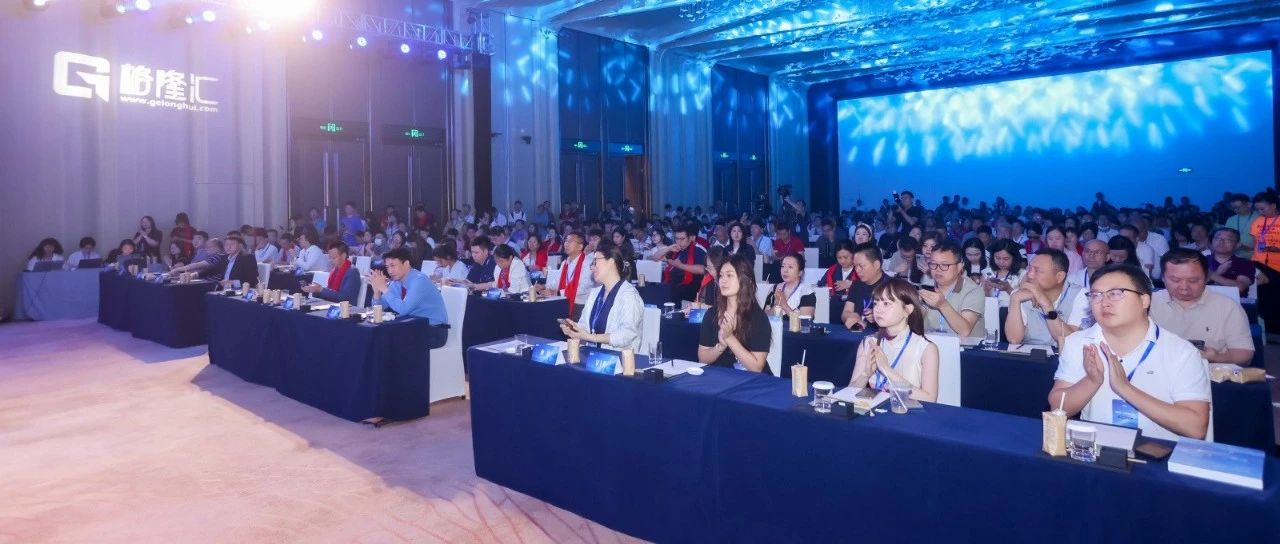
Core Viewpoint - The article discusses the emergence of numerous black swan events in the first half of 2025, alongside significant investment opportunities arising from these events, particularly in the context of global economic shifts and the rise of Chinese assets [1]. Group 1: Global Economic Events - The article highlights the impact of Trump's return to the White House, which has led to significant market fluctuations due to new tariffs imposed on various economies [1]. - Ongoing geopolitical tensions, including the Russia-Ukraine conflict and Middle Eastern conflicts, are noted as contributing factors to market instability [1]. Group 2: Investment Opportunities - The rise of new consumption patterns and innovative pharmaceuticals in China is emphasized as a key area for investment [1]. - The Hong Kong stock market is described as experiencing a surge, with notable companies like Pop Mart and Laopu Gold emerging as tenfold growth stocks [1]. - The article suggests that mainland companies are increasingly looking to list in Hong Kong, indicating a shift in capital flows [1]. Group 3: Insights from Keynote Speakers - Dr. Ge Long, the founder of Gelonghui, expresses optimism about Chinese assets, stating that while China's fortunes may fluctuate, they will not disappear [10]. - He identifies Hong Kong as a critical investment hub, emphasizing the influx of resources and capital into the region [11][12]. - Dr. Li Kaifu discusses the potential of AI, predicting significant GDP growth in the AI 2.0 era and suggesting that investments should focus on application and chip companies rather than foundational models [19]. - Dan Bin from Dongfang Hongyuan emphasizes the importance of long-term investment perspectives, particularly in transformative companies that can change the world [21][22]. Group 4: ESG and Future Events - The article mentions a detailed analysis of ESG investments by Cui Chenlong, highlighting the growing importance of sustainable investing [26]. - The event concludes with a mention of upcoming discussions and presentations from global institutional investors, indicating ongoing engagement in the investment community [29].
一分钟了解日本|浅谈日本卡牌经济
野村东方国际证券· 2025-07-04 10:01
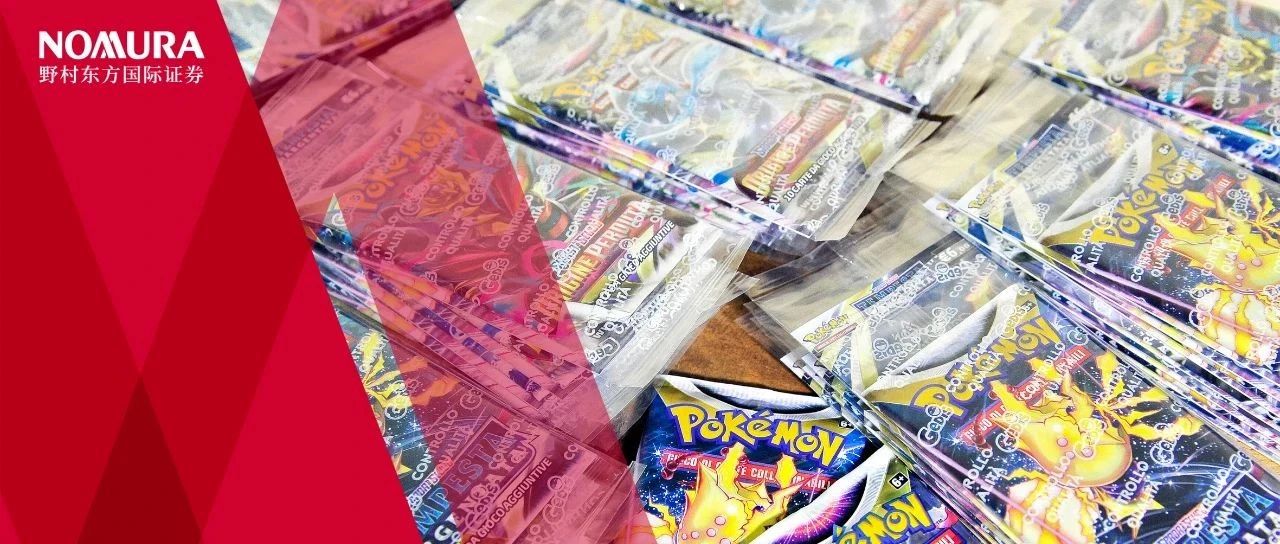
Core Viewpoint - The article discusses the growth and evolution of the card economy in Japan, highlighting its increasing popularity among consumers, particularly in China, and providing insights into the historical development of the card market [3][8]. Group 1: Market Overview - The Japanese card market reached a scale of 2,774 billion yen in 2023, indicating significant growth and consumer interest [3]. - The card industry has transitioned from physical products to digital formats, with collectible card games gaining traction during the pandemic [4]. Group 2: Historical Development - The collectible card industry began in the 1950s to 1990s with "food toys" as the primary sales format [4]. - From 1993 to 2010, major card games such as "Pokémon," "Yu-Gi-Oh!," and "Duel Masters" were launched, marking a significant shift in the market [4]. - The period from 2010 to 2020 saw the digitalization of card games, further expanding their reach and appeal [4]. Group 3: Recent Trends - Since 2020, the popularity of unboxing videos during the pandemic has led to increased attention on the value of card collecting [4].
大湾区“枢纽洗牌” “京九第一镇”如何出招?
Nan Fang Du Shi Bao· 2025-07-03 15:34
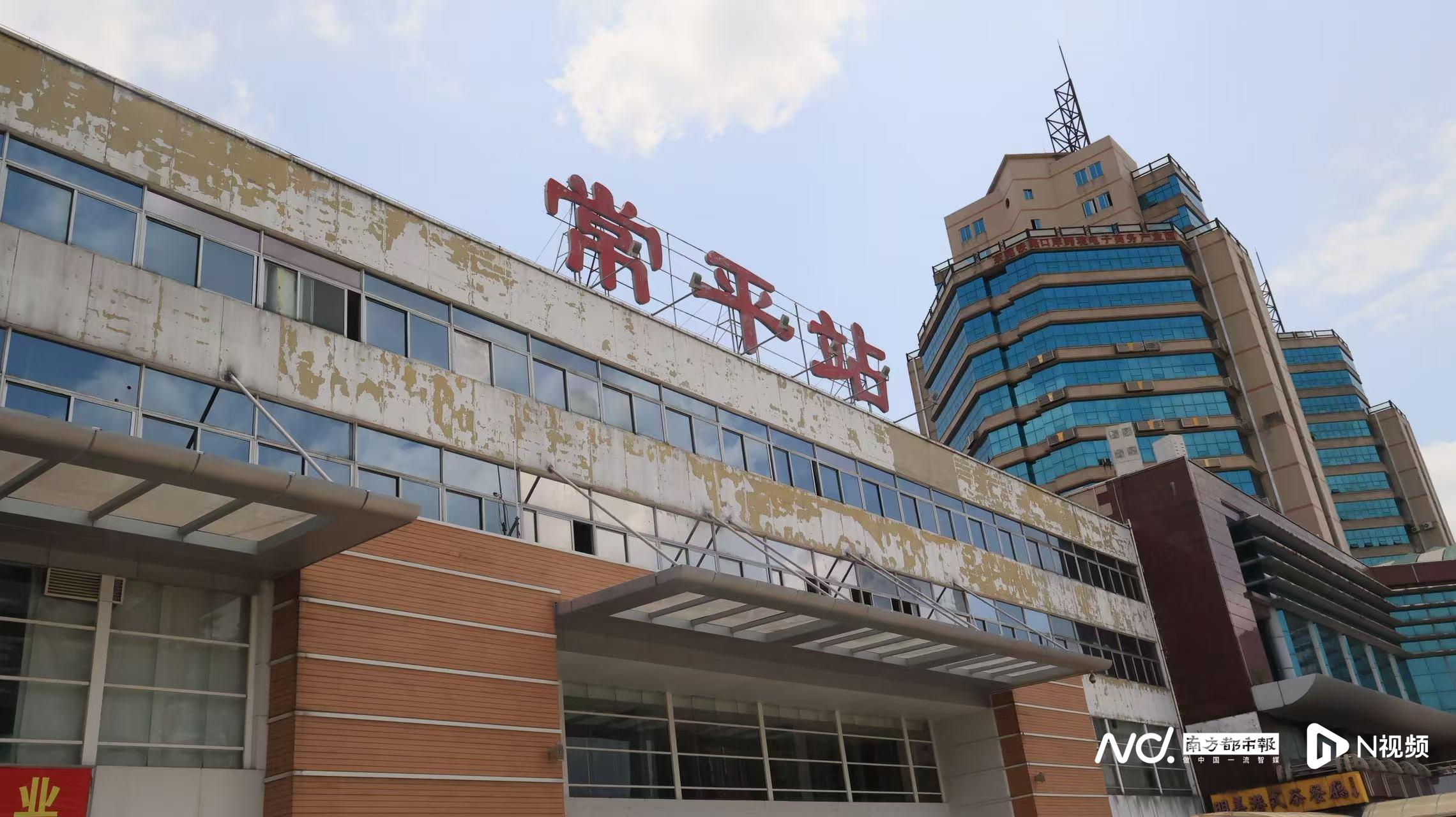
Core Viewpoint - Dongguan's Changping, once a leading economic town, faces challenges in reclaiming its status amid rising competition and the need for transformation into an "ecological hub" from a "transportation hub" [1][6]. Group 1: Economic and Transportation Challenges - Changping was the top economic town in Dongguan in 1995, but now ranks seventh as other areas like Songshan Lake and Chang'an join the GDP trillion club [1]. - The emergence of high-speed rail connections within the Greater Bay Area has diminished Changping's transportation advantages, with nearby stations like Humen and Dongguan South becoming regional hubs [1][2]. - Daily passenger flow at Humen station exceeds 30,000 during holidays, highlighting the competitive pressure on Changping's railway hub [1]. Group 2: Strategic Development Initiatives - Changping's local government is advocating for the transformation of Changping and Dongguan East stations into high-speed rail starting points, which could enhance regional development and attract more resources [2]. - The TOD (Transit-Oriented Development) project at Changping station, named "Hong Kong City," has been initiated, aiming to convert transit traffic into local economic activity [2][4]. - A shift from traditional manufacturing to high-tech industries is necessary for Changping, focusing on integrating with sectors like electronic information and logistics [4]. Group 3: Urban and Industrial Transformation - Changping must evolve from a "manufacturing stronghold" to a "smart manufacturing node," emphasizing the need for innovation and brand development in traditional industries [4]. - The TOD development should not only focus on physical upgrades but also on creating a vibrant commercial ecosystem that mirrors Hong Kong's trade dynamics [4][6]. - The overall strategy involves redefining Changping's identity within the Greater Bay Area, transitioning from a transportation hub to a new ecological node [6].