
军事装备

Search documents
想拉中国下水?微妙时刻,印度通知美国不再买武器,事情不简单
Sou Hu Cai Jing· 2025-08-13 10:08
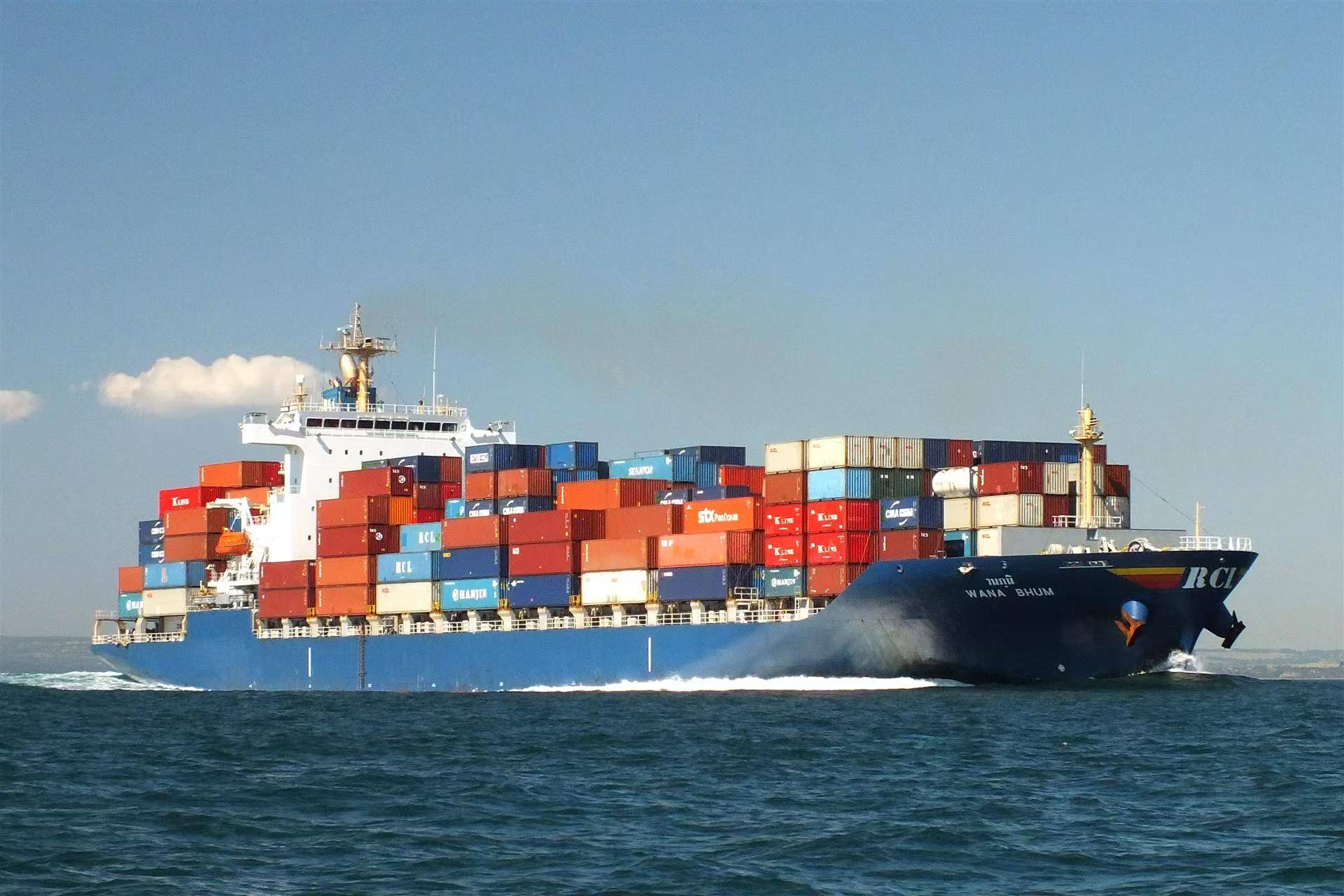
Group 1 - The core point of the news is the announcement by the White House that President Trump signed an executive order imposing a 25% tariff on Indian imports to the U.S. due to India's import of Russian oil, leading to a total tariff rate of up to 50% on Indian goods [1][3] - The U.S. has long-standing trade disagreements with India, particularly regarding market access in agriculture and dairy, which India has resisted due to domestic industry protection [3] - India's response to the tariff increase was to label it "unfair, unjust, and unreasonable," indicating that it would take necessary actions to protect its national interests [3] Group 2 - Some Indian factions are attempting to draw China into the situation, questioning why the U.S. is penalizing India while allowing China to import Russian oil without similar sanctions [4] - Indian Prime Minister Modi's planned visit to China for the Shanghai Cooperation Organization summit is seen as a potential signal to the U.S. that India is not isolated and may strengthen ties with China as leverage in negotiations [6] - The disparity in U.S. treatment of India and China is attributed to China's significant economic power and influence, which makes the U.S. cautious about imposing sanctions on China [7] Group 3 - China maintains a clear stance on not being drawn into geopolitical conflicts and emphasizes the importance of developing cooperative relationships based on mutual benefit with all countries, including India [9] - The evolving international landscape, including U.S.-India, India-Pakistan, and China-India relations, is characterized by uncertainty, and India needs to enhance its national strength to gain more respect and influence on the global stage [9]

布局30年终亮剑!中国不再克制,发出战争警告,美国:不敢开战
Sou Hu Cai Jing· 2025-08-11 02:57
Group 1 - The core issue of the article revolves around the escalating trade tensions between the US and China, marked by the US imposing tariffs on all Chinese imports and further increasing tariffs on high-tech products [2][3][4] - The US government's justification for these tariffs is framed as a means to protect American manufacturing and jobs, but it is widely viewed as a continuation of trade protectionism [4][11] - China's response to the tariffs has been swift and targeted, implementing retaliatory tariffs on US agricultural products, which significantly impacts US farmers reliant on the Chinese market [4][5] Group 2 - The article highlights a notable shift in China's diplomatic stance, moving from restraint to a more assertive position, indicating readiness to confront unilateral provocations from the US [5][7] - China's military advancements, particularly in hypersonic weapons and naval capabilities, are underscored as factors that have compelled the US to reassess its strategic posture [8][11] - The internal pressures within the US, including the economic impact of tariffs on consumer prices and manufacturing profits, are contributing to a more cautious approach from the US government despite its rhetoric [11][13] Group 3 - The ongoing trade conflict is characterized as a broader struggle over comprehensive national power and strategic resolve, with China effectively countering US pressure through economic and military means [13] - The potential for future cooperation between the US and China hinges on the US's willingness to engage in rational dialogue rather than escalating tensions through tariffs and geopolitical provocations [13]
特朗普亲手把印度推给中俄!50%关税背后,莫迪的三重反击让白宫慌了
Sou Hu Cai Jing· 2025-08-11 01:36
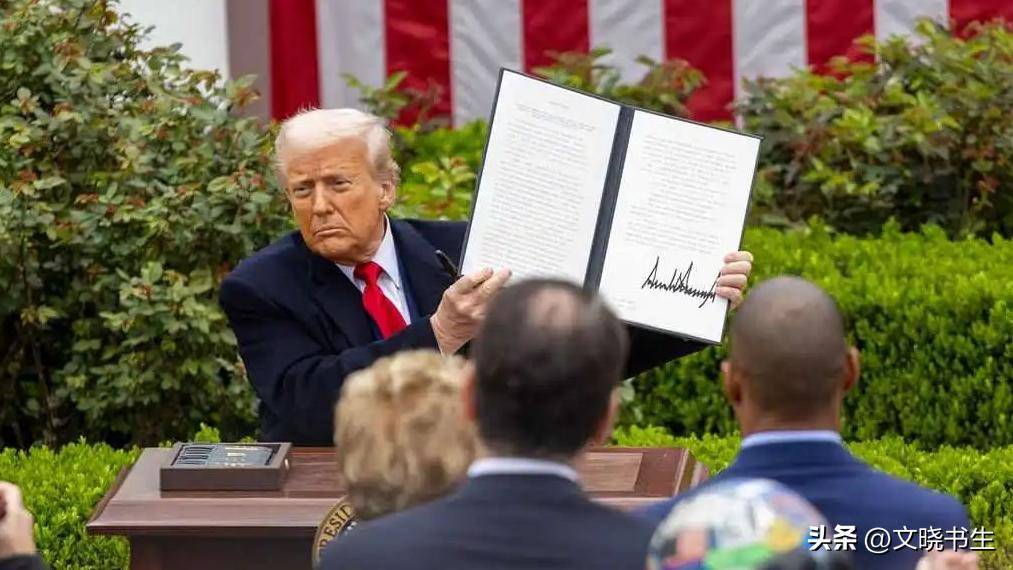
Core Points - The article discusses the escalating trade tensions between the US and India, particularly focusing on the imposition of a 25% additional tariff on Indian goods, raising the total tariff to 50%, the highest in US history [1] - It highlights India's strong diplomatic response to US accusations regarding its oil trade with Russia, emphasizing perceived double standards in US and EU policies [3] - The geopolitical implications of these tensions are explored, including India's potential pivot towards China and continued cooperation with Russia [7][8] Trade Relations - The US has imposed a 25% additional tariff on Indian goods, leading to a total tariff rate of 50% [1] - The trade deficit between the US and India reached $45.8 billion in 2024, with Trump previously promising to eliminate this deficit [3] - India's agricultural tariffs are notably high, with corn, soybeans, and wheat averaging 17%, and dairy products exceeding 50% [3] Diplomatic Responses - India's Ministry of External Affairs criticized the US for its "unfair" and "illogical" actions, citing past US encouragement for India to purchase Russian oil [1][3] - The Indian Army's social media post referencing historical US arms sales to Pakistan sparked significant public discourse [4] Geopolitical Implications - The article suggests that the US's actions may push India closer to China, as evidenced by Modi's upcoming visit to China for the Shanghai Cooperation Organization summit [7] - India's military cooperation with Russia remains strong, with 35% of its oil imports coming from Russia in 2024, saving India $4.2 billion [7] - The article notes that Russia is positioned to benefit from the US-India tensions, with Russian officials criticizing US actions as neo-colonialism [8] Future Outlook - The trade war is expected to significantly alter the geopolitical landscape and highlight the complex challenges India faces in international relations [10]
攻坚 矢志强军向一流丨第四集《勇闯新域》
Yang Shi Xin Wen Ke Hu Duan· 2025-08-05 01:28
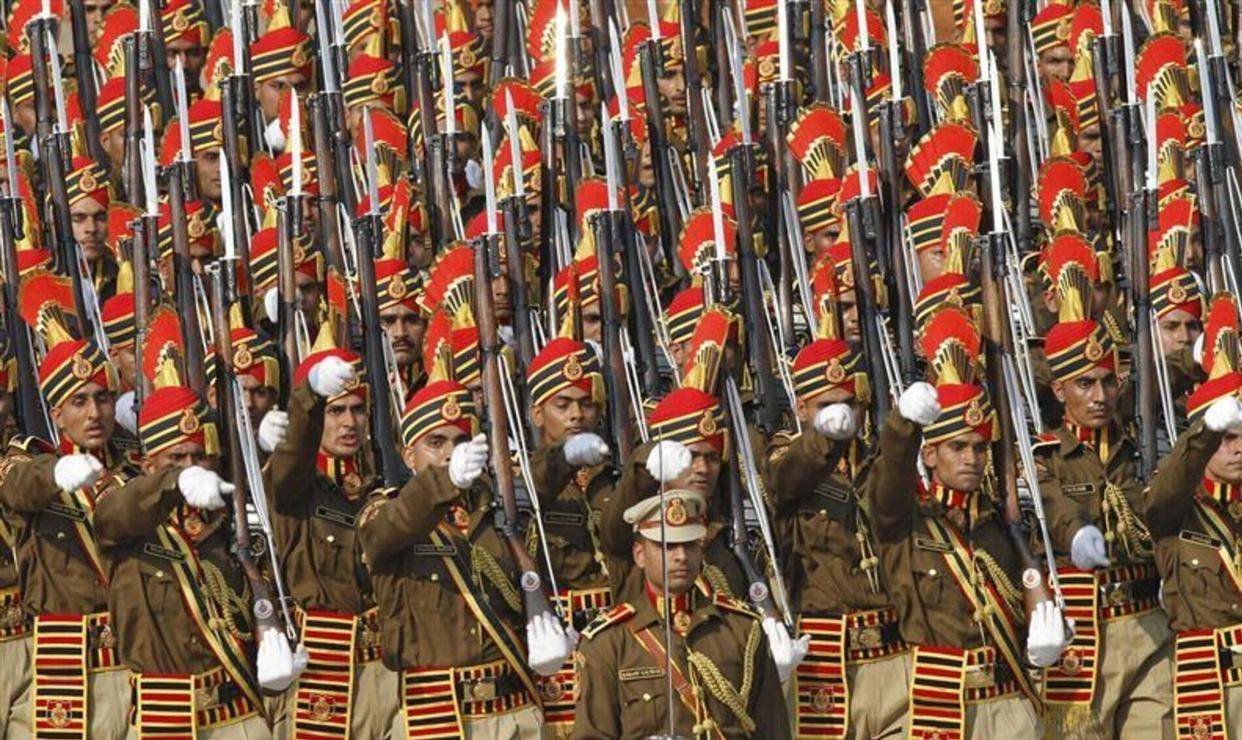
Group 1 - The core viewpoint emphasizes the ongoing efforts to enhance combat capabilities in challenging environments and against formidable adversaries [1][9] - The military is focusing on innovative approaches and new pathways to accelerate the generation of new-quality combat power [9] Group 2 - The Army is conducting joint operations with manned and unmanned systems, showcasing coordinated attacks using drone swarms and precision strikes [3] - The Navy's Fujian ship is in the final stages of testing and trials, with crew members expressing excitement during the launch operations [5] - The Air Force is regularly training with UAVs, specifically the Wuzhen-7 and Wuzhen-10, to respond to enemy situations effectively [7]

【环时深度】关税协议失衡,欧洲反思“战略自主”困境
Huan Qiu Shi Bao· 2025-08-04 22:44
Group 1: Impact of New Tariffs on European Businesses - European businesses are feeling the impact of the new U.S. tariffs, with some companies suspending shipments and others raising prices or facing profit declines [2][3] - The tariffs are described as the highest in history, leading to significant operational reevaluations among companies [2] - The wine industry, particularly in Germany, is experiencing damage due to tariffs, affecting both European producers and U.S. importers [2] Group 2: Reactions from European Leaders - German Chancellor Merz expressed dissatisfaction with the tariff agreement, indicating it would have a noticeable impact on the German economy [3] - French President Macron emphasized that the negotiations are not final and that Europe must adopt a stronger stance in future discussions [3] - Criticism of the agreement as "imbalanced" has emerged, with calls for Europe to better defend its interests in future negotiations [3][4] Group 3: Strategic Autonomy and Economic Dependence - The tariff agreement is viewed as a setback for Europe's strategic autonomy and a passive response to U.S. unilateral actions [4][5] - The EU's commitment to increase investments in the U.S. and purchase military equipment is seen as reinforcing dependence on the U.S. in critical sectors [4] - Economic fragmentation within Europe is highlighted as a significant weakness, hindering collective investment and competitiveness [6] Group 4: Future Opportunities and Challenges - Europe is positioned to potentially replace China as a key supplier to the U.S. in various sectors, including electronics and textiles [7] - The need for Europe to transition from a passive role to an active one in shaping its future amidst U.S.-China trade dynamics is emphasized [7] - The ongoing challenges of military, economic, and moral conflicts are placing Europe at a disadvantage in the global arena [10]
别小看印度!莫迪硬刚特朗普,手里牌够硬吗?
Sou Hu Cai Jing· 2025-08-04 15:28
Group 1 - The core argument of the articles highlights India's strategic positioning against the U.S. through economic leverage, military autonomy, and diplomatic maneuvering [2][3][5] - India's economy, valued at $4.19 trillion, allows it to challenge U.S. tariffs, as exports to the U.S. only account for 2.1% of its GDP, while U.S. companies profit significantly from the Indian market [2] - The Indian pharmaceutical industry plays a crucial role in global supply chains, supplying 20% of the world's generic drugs and 60% of vaccines, which gives India leverage over U.S. healthcare costs [2] Group 2 - Despite a low per capita GDP of $2,880, India's large population of 1.46 billion presents significant consumer potential, making it a key market for U.S. companies like Walmart and Amazon [3] - India's military capabilities are advancing, with a global firepower ranking of fourth, and it is developing indigenous military technologies in collaboration with Russia, enhancing its defense autonomy [5] - India's strategic partnerships, such as with Russia for energy and military technology, provide a robust defense against U.S. pressure, exemplified by the S-400 missile system collaboration [3][5] Group 3 - India's diplomatic strategy includes a shift from supporting U.S. resolutions to advocating for its own interests, as seen in its voting patterns at the UN [6] - The rejection of the U.S.-led IPEF trade framework in favor of regional cooperation through the Shanghai Cooperation Organization indicates India's intent to challenge U.S. economic dominance [8] - India's efforts in semiconductor manufacturing and AI development reflect its ambition to reshape global supply chains and attract foreign investment, further enhancing its economic position [8] Group 4 - India's legal strategies, such as its WTO case against U.S. tariffs, demonstrate its adeptness at using established international rules to counter U.S. actions [9] - The push for reforms in international institutions like the UN Security Council and the expansion of BRICS signifies India's desire to establish a dual-track influence in global governance [9] - India's positioning as a representative of the Global South aims to garner international support while bolstering domestic nationalism, as reflected in rising public approval ratings [8][9]
深夜,关税突发!
Zheng Quan Shi Bao· 2025-08-04 15:24
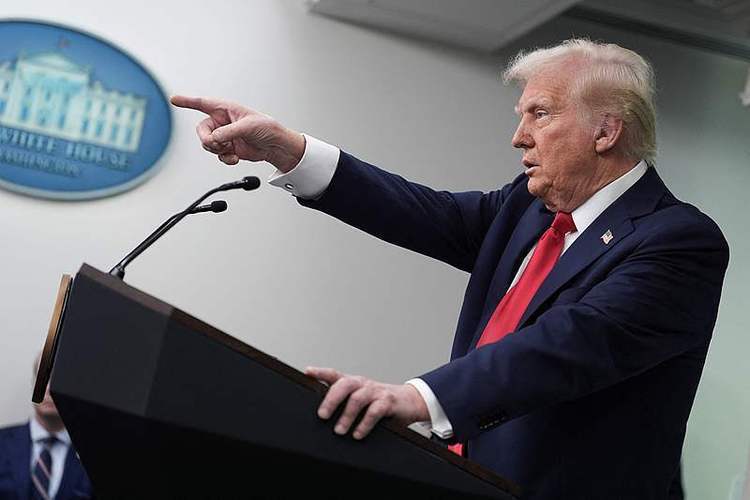
Group 1 - The European Union will suspend two countermeasures against U.S. tariffs within six months based on an agreement reached with the U.S. [1] - The U.S. and EU have agreed on a trade deal that includes a 15% tariff on EU goods entering the U.S. [1] - The EU is expected to increase investments in the U.S. by $600 billion and purchase $750 billion worth of U.S. energy products [1] Group 2 - The trade agreement is anticipated to provide stability to the market, according to EU Commission President Ursula von der Leyen [1] - The agreement will maintain the current tariffs on steel and aluminum, with energy being a key component of the deal [1] - The deal is expected to have significant impacts on the automotive and agricultural sectors [1]
整理:俄乌冲突最新24小时局势跟踪(7月31日)
news flash· 2025-07-30 23:42
Conflict Situation - Air raid alerts and explosions reported in Kyiv, Ukraine [1] - Ukrainian Defense Minister states they are "very close" to acquiring weapons capable of striking targets within Russia [1] - President Zelensky of Ukraine has approved key principles for a weapons agreement with the United States [1] - Russian Defense Ministry claims to have attacked Ukrainian armed forces' robotic systems warehouses and transportation infrastructure used for hostile purposes [1] - Russia's Defense Ministry reports heavy strikes on a training center in Chernihiv region using Iskander missiles [1] Other Developments - Poland is set to purchase assault breaching vehicles from the United States valued at $115 million [1] - The International Atomic Energy Agency reports no increase in radiation levels at the Zaporizhzhia nuclear power plant [1] - European natural gas prices are nearing a two-week high, with the U.S. threatening to penalize Russian energy buyers [1] - Russian presidential spokesperson claims the Russian economy has developed a certain level of immunity to sanctions [1] - The U.S. plans to establish a fund to accept allied contributions to ensure weapon deliveries to Ukraine while replenishing its own stock [1] - Senate Republican leader McConnell indicates readiness to push for sanctions against Russia if necessary [1]
特朗普称美国将对印度施加25%关税及“惩罚” 指印方是俄罗斯能源大买家
Hua Er Jie Jian Wen· 2025-07-30 19:18
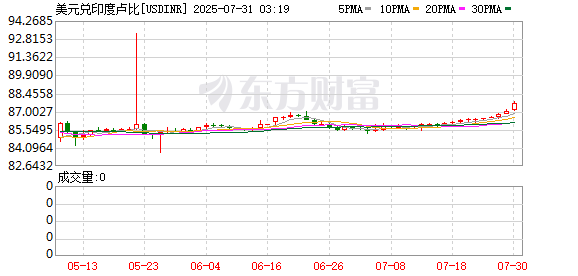
Core Viewpoint - The ongoing trade negotiations between the US and India have officially broken down, leading to President Trump's decision to impose a 25% tariff on Indian goods starting August 1, which he claims is a response to India's high tariffs and non-tariff barriers [1][6][10] Trade Relations - The US is India's largest trading partner, with an estimated goods trade volume of approximately $128.8 billion in 2024, and India having a trade surplus of $45.8 billion with the US [8] - Trump's tariffs are significantly higher than those imposed on other countries, such as 20% on Vietnam and 15% on Japan and the EU, putting India at a competitive disadvantage [7] Economic Impact - Following the announcement of tariffs, the Indian rupee depreciated, with the exchange rate dropping to 87.87 against the dollar, marking a five-month low [4] - Analysts predict that India's export prospects and investment attractiveness will suffer, especially if exemptions for key industries like smartphones are removed [7] Geopolitical Context - A major reason for the tariffs is India's continued purchase of energy and military equipment from Russia, with over one-third of India's oil imports and 36% of its weapons coming from Russia [9] - The trade negotiations have been complicated by agricultural disputes, as the US seeks greater access to India's agricultural market, which India is reluctant to open due to food security concerns [10] Future Outlook - Despite the breakdown in negotiations, experts suggest that trade disputes and bargaining may continue, influenced by both economic and geopolitical factors [7]
军事科技 | 透视硝烟 士兵装备里的视觉密码
Yang Shi Wang· 2025-07-29 22:31
Core Insights - The evolution of soldier eyewear, from tactical goggles to night vision devices and smart glasses, represents a significant transformation in battlefield perception through technology [1] Group 1 - The development of military eyewear is characterized by iterations that enhance soldiers' visual capabilities [1] - Technological advancements are redefining how soldiers perceive their environment on the battlefield [1] - The article emphasizes the importance of visual technology in modern military equipment [1]