
咖啡

Search documents
茶咖日报|蜜雪集团市值破2000亿港元,超越泸州老窖
Guan Cha Zhe Wang· 2025-05-27 12:19
Group 1: Market Performance - Tea beverage stocks collectively strengthened, with Mixue Group's market value surpassing Luzhou Laojiao, reaching over 219.8 billion HKD and a historical high stock price of 579 HKD, reflecting a significant increase of over 160% since its listing on March 3 [1] - The Hang Seng Index rose by 0.43%, while the Hang Seng Technology Index increased by 0.48%, indicating a positive market trend [1] Group 2: Industry Growth - The ready-to-drink tea market is projected to reach approximately 310.9 billion CNY by 2025, with a compound annual growth rate (CAGR) of about 19.7% from 2023 to 2028, maintaining rapid growth [2] - The CR5 market concentration for the tea beverage sector is 49%, with Mixue Ice City holding the largest market share at 20.2% [2] Group 3: Company Developments - Luckin Coffee's Jiangsu roasting base received the LEED Platinum certification, marking another achievement in its sustainability efforts following a similar certification for its flagship store in Beijing [3] - Meco Cup Fruit Tea, under Xiangpiaopiao, announced the youth group "Times Youth League" as its new brand ambassador, aiming to enhance brand visibility and engagement through various marketing strategies [4] - Nestlé Japan announced price increases for 54 beverage products, including instant coffee, due to rising raw material costs, with price hikes ranging from 7% to 32% effective from August 1 [6] Group 4: Market Challenges - In South Korea, the number of coffee shops decreased for the first time since 2018, with a total of 95,337 coffee shops operating in the first quarter, down by 743 from the previous year, indicating a contraction in the coffee shop market [7]



咖啡品牌哪吒联名周边被投诉长时间缺货!客服回应:库存紧张
Nan Fang Du Shi Bao· 2025-05-27 11:58
近日,多位网友投诉4月在库迪咖啡小程序购买的哪吒联名周边至今仍无货。有消费者告诉南都记 者,"下单的时候门店还说只要购买了就一定会有货。"5月27日,库迪咖啡官方客服就相关投诉回应 称,"哪吒联名系列库存紧张,所以会出现一些门店没货的情况,具体补货情况需要以实际门店为准。" 消费者称库迪咖啡哪吒联名周边一直未能兑换。 南都记者检索发现,近期有多位网友发帖投诉称,库迪咖啡哪吒联名款周边长时间缺货,找客服和门店 反馈问题均未能解决。 有来自江苏的消费者向南都记者反映称,其4月11日在库迪咖啡小程序下单购买了哪吒联名周边镭射书 签,至今仍未能兑换,"下单的时候,门店说只要购买了就一定会有货,现在门店却说没货了,让找官 方客服,客服回复无法退款。不知道到底哪个环节出了问题。" 同日,南都记者致电咨询库迪咖啡多家线下门店,门店工作人员表示,"目前哪吒联名款周边库存紧 张,水墨片尾纪念卡系列的周边没货了,已经抢光了。" 南都记者注意到,3月17日,库迪咖啡与《哪吒2》的联名周边正式上市,品牌方曾承诺"周边如出现短 暂缺货,请耐心等候,我们已在加急配送,将确保您已预购的商品能够兑换成功"。 采写:南都见习记者陈丹玲 另有网 ...

一周关闭81家门店,永辉、茶颜悦色、肯德基持续调整
Ge Long Hui· 2025-05-27 02:40
Core Viewpoint - The article highlights a significant trend of store closures across various brands and industries, particularly in the food and beverage sector, indicating a potential shift in consumer behavior and market dynamics [4]. Group 1: Store Closures - A total of 13 brands closed at least 81 stores in the fourth week of May [4]. - Notable closures include 4 supermarkets, all belonging to Yonghui Supermarket, and 70 restaurants, with 66 of these in the tea and coffee sector [7]. - Seven Bus is undergoing a large-scale closure, with only 7 stores remaining operational nationwide [7]. Group 2: Industry Adjustments - Heytea is strategically adjusting its operations, having closed at least 3 stores recently, and has reduced its total store count from 4472 to 4371 within three months [7][8]. - The company aims to enhance store quality and customer experience, aligning with its decision to halt franchise expansions [8]. - The luxury market is also experiencing significant changes, with Bottega Veneta closing its store in Shanghai's Daimaru department store, marking a total of 5 closures in six months [8].

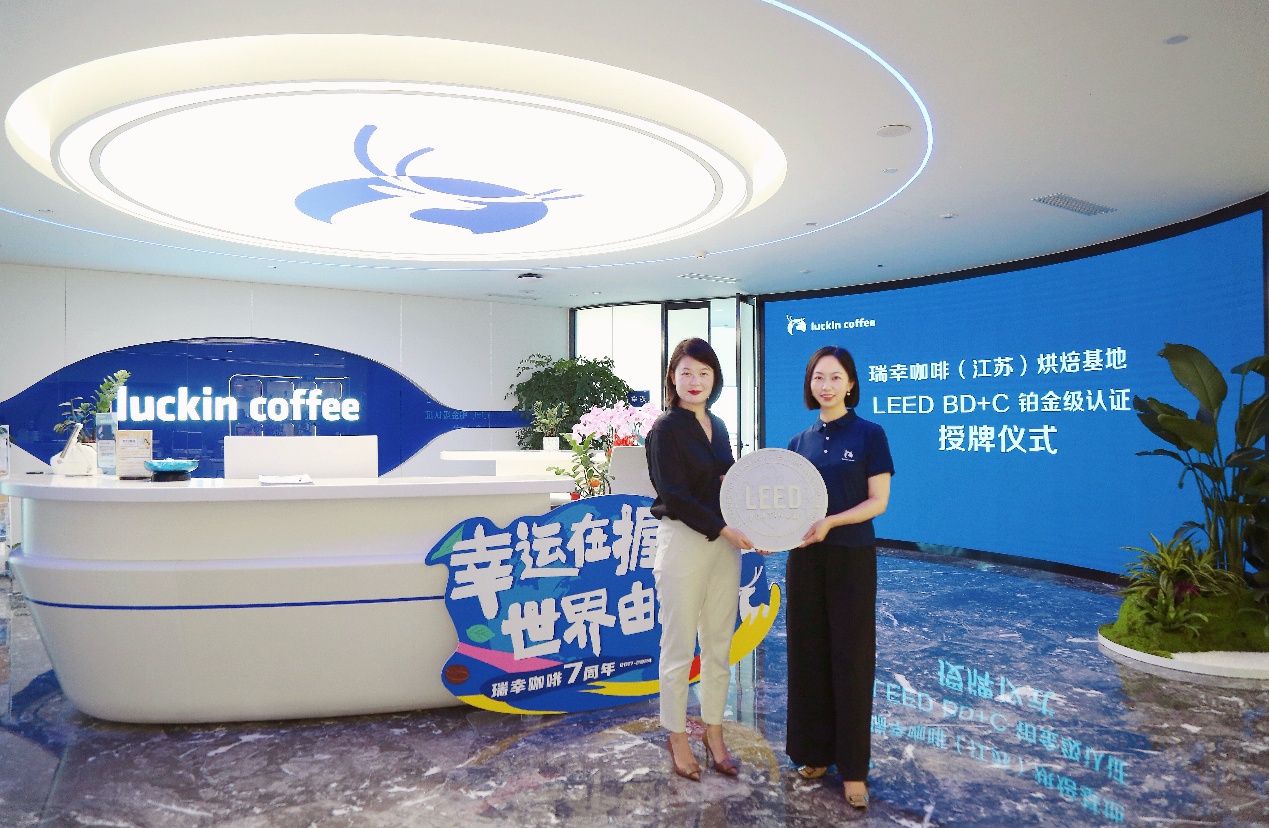
瑞幸咖啡(江苏)烘焙基地获LEED BD+C铂金级认证,再立“绿色工厂”标杆
Cai Jing Wang· 2025-05-26 10:56
中国咖啡行业可持续发展再获权威认可!5月26日,瑞幸咖啡举行LEED BD+C铂金级认证挂牌仪式,国际权威绿色建筑认证LEED(Leadership in Energy and Environmental Design,能源与环境设计先锋)向瑞幸咖啡(江苏)烘焙基地颁发认证。这是继4月份北京中关村·在握旗舰店挂牌LEED v4 ID+C铂金级认证之后,瑞幸咖啡获得的又一项国际绿 色认证殊荣,进一步彰显瑞幸作为中国咖啡行业领军品牌在绿色低碳发展方面的持续进步,取得世界领先水平。 据悉,瑞幸咖啡(江苏)烘焙基地于2024年4月20日落成投产,是国内已投产产能最大的单体咖啡烘焙基地。作为瑞幸咖啡践行可持续发展战略的重要项目,该基地依照国内外权 威绿色建筑认证标准打造,将绿色低碳贯彻于整个生产环节。 此文内容为企业供稿,仅供参考。 随着绿色建筑技术的进步,瑞幸咖啡紧跟时代要求,积极探索在门店、工厂等生产运营各环节的节能减排,持续打造绿色低碳发展标杆。除了已获得认证的瑞幸咖啡(江苏)烘 焙基地,瑞幸咖啡青岛创新生产中心亦将按照LEED BD+C铂金级标准打造。在门店端,瑞幸咖啡目前拥有1家LEED铂金级认证门店和3家L ...

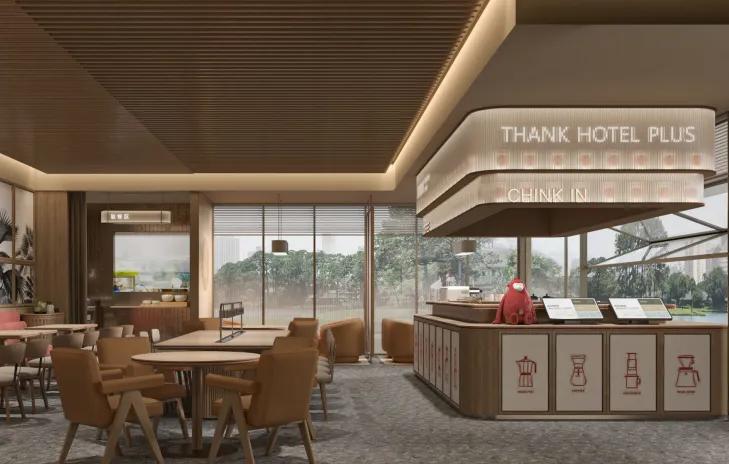
连锁酒店的下沉战火,已经蔓延至县城咖啡
3 6 Ke· 2025-05-26 02:22
Core Insights - The article discusses the emergence of the "hotel + coffee" model, particularly through the launch of the 尚客优悦 2.0 brand by 尚美数智酒店集团, which aims to capture the growing coffee market among younger travelers and the downward market trend [1][6]. Group 1: Product Concept and Design - 尚客优悦 2.0 integrates a coffee shop experience within the hotel environment, transforming traditional hotel lobbies into immersive coffee spaces that serve as social hubs [2][4]. - The design includes a multifunctional space that combines hotel, café, rest area, and business meeting zones, addressing the low utilization of traditional hotel public areas [4][19]. - The brand offers a 24-hour coffee service, enhancing guest experience and operational efficiency through smart technology [4][5]. Group 2: Market Trends and Consumer Behavior - The coffee market is shifting from elite consumption to mass appeal, with younger consumers bringing urban lifestyles back to smaller towns, thus expanding the coffee market into lower-tier cities [6][9]. - Data indicates that 67.5% of consumers drink coffee for energy, while 35.8% do so for social reasons, highlighting the growing necessity for coffee in various social contexts [8][9]. - The trend of integrating coffee services into hotels is not new, but it is gaining traction as hotels seek to diversify revenue streams and enhance guest experiences [9][10]. Group 3: Competitive Landscape - Major hotel chains are increasingly entering the coffee market, with various strategies such as partnerships with coffee brands, incorporating coffee into their brand identity, or launching proprietary coffee brands [9][10]. - The cost structure of coffee production indicates that leveraging existing hotel infrastructure can significantly reduce operational costs, making the "hotel + coffee" model financially attractive [13]. - The competition for the downward market is intensifying, with both coffee and hotel industries recognizing the potential in lower-tier cities [10][20]. Group 4: Future Directions - The evolution of hotels into "third spaces" reflects changing consumer preferences, particularly among Gen Z, who seek personalized and social experiences beyond traditional accommodations [14][15]. - The success of the "hotel + coffee" model will depend on the ability to create immersive experiences that resonate with younger consumers, rather than merely selling coffee [20][21].


库迪咖啡有点难
虎嗅APP· 2025-05-25 03:14
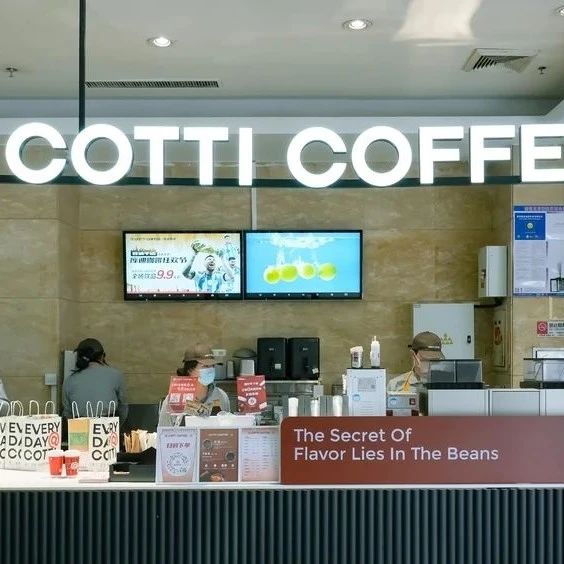
Core Viewpoint - The article discusses the challenges faced by Kudi Coffee in Singapore and the broader implications for the coffee and convenience store market in China, highlighting the competitive landscape and changing consumer preferences. Group 1: Kudi Coffee's Challenges - Kudi Coffee has permanently closed multiple locations in Singapore, including its City Link store and others in Little India and the Government Building [3][4]. - The company is attempting to pivot by opening convenience stores, but there are doubts about its ability to succeed in this new venture [6][7]. - The strategy of subsidizing older stores to maintain operations is being questioned, as it may not be sustainable in the long run [8][9]. Group 2: Competitive Landscape - The competition between Kudi and Luckin Coffee has been intense, particularly with the latter's pricing strategies, which have recently shifted away from the previously popular 9.9 yuan price point [13][21]. - Luckin Coffee's price increases are attributed to rising costs, but the actual cost of coffee beans is only a small fraction of the overall price, suggesting a strategic shift rather than a purely cost-driven decision [19][20]. Group 3: Recent Developments - Kudi Coffee has seen a surge in sales through JD.com, achieving over 20 million orders in just one month, with daily orders reaching 800,000 [23]. - However, the profitability of these sales is questionable, as the pricing strategy and subsidies from JD.com may not be sustainable in the long term [24][26][29].
旅拍定制、咖啡加工、无人机测绘……哪种新职业让你心动?
Yang Shi Xin Wen Ke Hu Duan· 2025-05-24 01:25
Group 1 - The Ministry of Human Resources and Social Security announced the addition of 17 new occupations and 42 new job types, including roles such as elderly service specialists and cross-border e-commerce operation managers [1] - The new job types reflect the evolving labor market and the need for diverse skill sets in emerging industries [1] - The introduction of roles like travel photography customizers and coffee processing workers indicates a shift towards more specialized and integrated job functions [1][13] Group 2 - The travel photography customizer role combines various skills including route planning, emotional communication, and content creation, distinguishing it from traditional photography [2][6] - There is a growing demand for travel photography customization services, with multiple studios emerging in regions like Xinjiang, indicating a new economic model in tourism [10][12] - The coffee processing worker role emphasizes quality control and innovation in the coffee industry, responding to the increasing demand for standardized and high-quality products [15][19] Group 3 - The drone surveying technician profession is gaining popularity due to the rapid development of the low-altitude economy, showcasing the application of drone technology in various sectors [26] - Drone surveying offers significant advantages in efficiency and precision, transforming traditional surveying methods and expanding its use in fields like archaeology and urban planning [30][34] - Training programs for drone surveying technicians are essential to develop a skilled workforce capable of meeting the industry's growing demands [34][36]

新消费,三大巨变
混沌学园· 2025-05-23 12:55
Core Viewpoint - AI is recognized as a revolutionary technology that is significantly transforming consumer behavior, particularly in the entertainment industry [1][2] Group 1: Changes in the Consumer Industry - The consumer industry is evolving from traditional retail to an experience economy, emphasizing user co-creation and emotional value [7] - All consumer industries are becoming service industries, media industries, and entertainment industries [7] Group 2: Consumer Industry as a Service Industry - The service industry is becoming a core competitive advantage, as exemplified by Haidilao, which focuses on service rather than just food quality [8] - Companies like Luckin Coffee and Starbucks are innovating service delivery to enhance consumer experience and emotional value [9] Group 3: Consumer Industry as a Media Industry - Products are becoming content carriers, with brands like Pop Mart leveraging social media for user engagement and expression [10] - The transformation into a media industry allows products to have inherent viral potential, as seen with brands like Yuanqi Forest [10] Group 4: Consumer Industry as an Entertainment Industry - Starbucks and Pinduoduo are integrating entertainment elements into their offerings, turning transactions into engaging experiences [11] - The entertainment aspect of consumption fosters community and shared experiences among consumers [11] Group 5: Implications for the Consumer Industry - The consumer industry should learn from the entertainment industry to better understand human emotions and relationships [12] - The integration of entertainment into consumption creates a more engaging and meaningful experience for consumers [13] Group 6: Causes of New Consumer Changes - Technological factors, particularly AI, are reshaping consumer behavior and content creation [14] - Economic factors, such as GDP growth, are leading to a cultural consumption boom, enhancing consumer expectations [15] - Social factors, including a philosophical awakening, are influencing how consumers perceive reality and engage with products [16][17]

当行业巨头跨界餐饮,是搅局还是重塑?
Sou Hu Cai Jing· 2025-05-23 05:40
Core Insights - The restaurant industry has become a new battleground for various industry giants, including energy companies, internet firms, and luxury brands, all seeking to capture a share of this growing market [1] Group 1: Reasons for Interest in the Restaurant Sector - High-frequency consumption makes dining a necessity, providing a crucial touchpoint for brands to reach consumers [3] - Dining experiences enhance brand culture, increasing user loyalty [3] - The integration of data and scenarios allows for optimization of supply chains and user operations [4] - The restaurant sector offers higher profit margins compared to traditional retail, with some business models achieving gross margins of 60%-70% [5] Group 2: Motivations Behind Cross-Industry Entry - The restaurant industry has significant market potential, closely tied to daily life, with continuous growth driven by consumption upgrades and diverse consumption scenarios [7] - Many industry giants pursue not only profit but also traffic and brand extension through restaurant ventures, as seen with ByteDance's investments in coffee brands to engage younger consumers [8] - Companies leverage existing resources to support their restaurant initiatives, such as PetroChina and Sinopec utilizing their extensive gas station networks to launch coffee brands [10] Group 3: Successes and Challenges in Cross-Industry Practices - Successful examples include Country Garden's robot restaurant, which combines technology and agriculture for operational efficiency and a unique dining experience [12] - Haidilao's "Pomegranate Plan" introduces multiple sub-brands to cater to various consumer needs, reinforcing its market position [13] - Challenges are evident in cases like Wahaha's tea shops, which struggled due to brand misalignment with market demands and insufficient operational expertise [15] - Both Wahaha and Wanglaoji faced setbacks in the tea beverage market, negatively impacting their main brand reputations [16] Group 4: Future of Cross-Industry Dining - Opportunities for innovation and integration abound, with advancements in technology enabling more precise market targeting and personalized service experiences [18] - The restaurant sector faces intense competition and operational challenges, including supply chain management and food safety, as industry giants enter the market [19] - The trend of industry giants entering the restaurant space reflects a broader market evolution, emphasizing the need for resource utilization, market understanding, and continuous innovation [22]

云南咖啡“链”上昆山,靠“浦”
Xin Hua Ri Bao· 2025-05-22 22:03
Core Insights - The establishment of the Yunnan Coffee Joint Trading Innovation Center in Kunshan marks a significant collaboration between Yunnan, the largest coffee-producing region in China, and Kunshan, known as the "International Coffee Capital" [1][2][3] - Yunnan accounts for 98% of China's coffee bean production and has seen a sevenfold increase in export volume over five years, positioning it as a new focal point in the global coffee industry [1] - Kunshan has developed a complete coffee industry chain, encompassing 60% of the country's coffee bean roasting and over 60% of coffee bean imports, facilitating a closed-loop industry chain from raw beans to final products [1][2] Industry Collaboration - The partnership aims to create a public service platform for Yunnan coffee products, enhancing market access and visibility for local producers [2] - The rapid establishment of the trading center, from its inception to operational status in just over a month, highlights the effective collaboration between the two regions [3] - The integration of Yunnan's cultivation and Kunshan's processing and sales capabilities is expected to create a more complete industry chain, benefiting both regions [3][4] Market Dynamics - The coffee market in China is experiencing growth, with Kunshan focusing on enhancing the coffee industry's influence and value through strategic partnerships and innovation [4][5] - The signing of agreements with multiple banks and logistics companies aims to build a comprehensive support system for the coffee industry [4] - The collaboration is seen as a significant opportunity for both regions, with Yunnan's coffee innovation complementing Kunshan's market-oriented processing [4][5] Future Prospects - The synergy between Yunnan's coffee production and Kunshan's market capabilities is expected to foster a robust development model with vast potential [2][3] - The ongoing efforts to enhance the coffee supply chain and market presence are anticipated to yield positive outcomes for both local economies [4][5] - The initiative reflects a broader trend of regional cooperation in the coffee industry, aiming to elevate the overall quality and competitiveness of Chinese coffee products [4][5][6]