教育

Search documents
关注下半年AI+教育投资机会
Huafu Securities· 2025-08-04 02:21
Investment Rating - The industry rating is "Outperform the Market" [7][72] Core Insights - The report emphasizes investment opportunities in the AI+ education sector, particularly with the recent launch of AI education products by several companies, which are expected to see significant revenue growth [5][42] - The tourism sector is expected to benefit from the construction of the Yajiang Hydropower Station, which will significantly increase tourist traffic in Tibet, particularly in the Linzhi and Ali regions [3][20] - The Hainan Free Trade Port is set to officially start its closure operations on December 18, 2025, which will allow visa-free entry for individuals from 85 countries, potentially boosting the duty-free market in Hainan [3][14] Summary by Sections Duty-Free and Scenic Areas - The report highlights the positive impact of the Yajiang Hydropower Station on the tourism sector in Tibet, with major scenic spots expected to benefit from increased visitor numbers [3][20] - The upcoming closure of Hainan is anticipated to significantly enhance the user base for duty-free shopping, improving performance for related companies [3][14] Trendy Consumer Goods - The report notes that recent policies focusing on consumer stimulation and industry regulation are likely to support short-term operational expectations for the trendy consumer goods sector [4][21] Education - The report discusses the advancements in AI+ education, with several companies launching new AI products that are expected to see a surge in revenue [5][42] Medical Aesthetics - The medical aesthetics industry is undergoing optimization through refined operations, with leading institutions expected to capture more market share [5][43] - The report suggests monitoring the release of new products and innovations in the medical aesthetics sector [5][48] Employment - The employment situation remains stable, with a slight decrease in the urban survey unemployment rate, indicating a positive outlook for the labor market [51] Gold and Jewelry - The report indicates that gold prices remain high, with retail sales in the gold and jewelry sector showing signs of recovery [56][62]
服务消费结构演进的国际经验与中国方向(美团研究院)
Sou Hu Cai Jing· 2025-08-04 02:11
Group 1 - The core viewpoint of the report emphasizes the evolution of service consumption structure from survival-type to development investment-type and spiritual enjoyment-type, closely linked to economic development levels [1][6][29] - The report highlights that after reaching a GDP per capita of $10,000, service consumption accelerates, as evidenced by the U.S. and Japan, where service consumption as a percentage of total consumption significantly increased during this period [1][11][22] - The report suggests that China's service consumption structure is still lagging behind major developed countries, with service consumption accounting for approximately 37% of GDP in 2020, compared to over 60% in the U.S. and Japan [2][24][25] Group 2 - The internal transformation of consumption structure follows Maslow's hierarchy of needs, indicating a non-linear decline in survival-type consumption as economic growth progresses, with a notable trend towards "externalization" and "servicization" [2][13][14] - Development investment-type consumption, particularly in healthcare and education, has become increasingly important, with significant increases in spending observed in the U.S. and Japan from 1970 to 1990 [2][18] - The report identifies that cultural and entertainment consumption has risen significantly as disposable income increases, driven by factors such as increased leisure time and digital technology development [21][22] Group 3 - Recommendations include strengthening policy support for service consumption, expanding the range of covered service categories, and developing special funding plans to stimulate consumption in the service sector [3][29][30] - The report emphasizes the need to enhance the quality of supply in the restaurant, leisure, and entertainment sectors, and to promote the integration of healthcare with other service industries [3][29] - It also suggests improving the service consumption market monitoring system by incorporating big data tools and establishing real-time data platforms to better understand market dynamics [3][31]



大学志愿,我填了专业撸猫
Hu Xiu· 2025-08-03 23:57
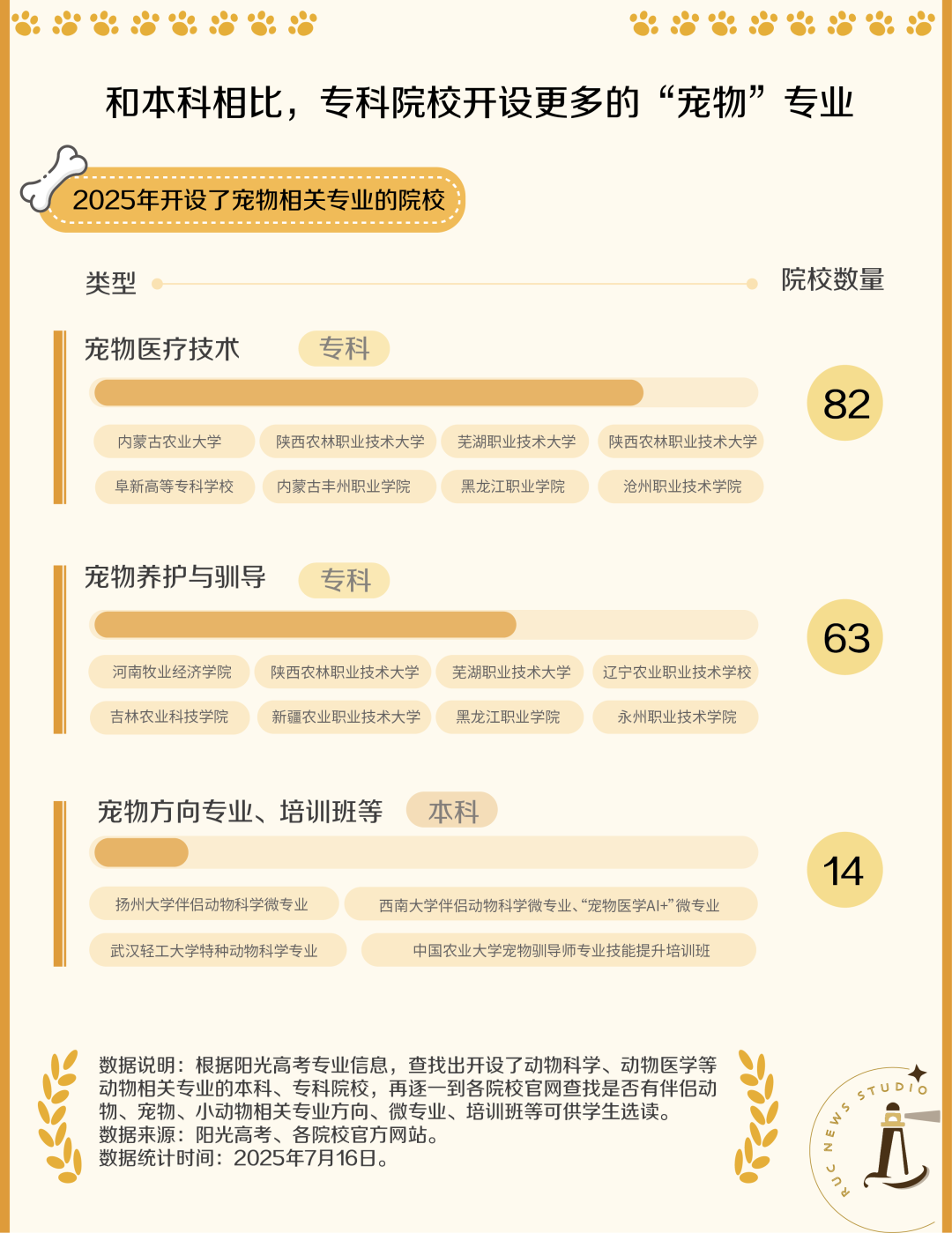
Core Insights - The article discusses the emergence of a new undergraduate program in "Companion Animal Science" at China Agricultural University, which is part of the broader trend of universities offering pet-related majors to attract quality students [2][5][10]. Group 1: Industry Trends - The pet economy in China is experiencing robust growth, with the urban pet market projected to exceed 300 billion yuan by 2024 and potentially surpass 400 billion yuan by 2027 [4][10]. - The changing demographics, such as an aging population and increasing numbers of single-person households, have led to pets becoming significant emotional companions for many families [4][10]. - The demand for pet-related professionals is rising, with over 40% of job postings requiring only a college diploma, while only 6% require a bachelor's degree [6][10]. Group 2: Educational Developments - There are currently over 150 vocational colleges offering pet-related programs, while the number of undergraduate programs remains limited, primarily starting after 2020 [9][10]. - The curriculum for pet-related majors often builds on existing animal science and veterinary medicine courses, with a focus on companion animals [11][18]. - The geographical distribution of these programs shows that Henan province leads with 17 institutions offering related majors, followed by Heilongjiang and Jiangsu [11][10]. Group 3: Career Opportunities - The pet industry has diversified into over 20 specialized careers, including roles such as veterinarians, pet trainers, and pet groomers, reflecting a shift from traditional pet care roles [26][23]. - New job roles, such as "pet influencers," are emerging due to the growth of digital media and content platforms, indicating a fusion of the pet industry with technology and media [27][23]. - Despite the variety of career paths, many professionals face challenges such as low pay and high job stress, which can lead to disillusionment [31][32]. Group 4: Future Outlook - The pet-related major at China Agricultural University is currently a niche choice, but with a market penetration rate of only 20% in China, there is significant potential for growth in the pet industry [33][10]. - As the pet economy continues to expand, it is anticipated that more universities will focus on developing pet-related programs and talent cultivation [34].
综合价值管理赋能上市公司形成四大合力
Shang Hai Zheng Quan Bao· 2025-08-03 19:14
Core Viewpoint - The core argument emphasizes that listed companies are not solely the assets of major shareholders but are jointly owned by diverse investors, necessitating the transformation of differing expectations into collaborative development to enhance comprehensive value management [1][2]. Group 1: Importance of Diverse Investor Participation - The trend of socialized equity structure in China's A-share market shows a decline in the proportion of institutional holdings from 50.7% in 2018 to 42.0% in 2024, indicating an increase in the influence of individual and institutional investors [3]. - Attracting diverse social capital is crucial for the development of listed companies, especially in sectors like biotechnology and information technology, where early-stage investments are vital for overcoming innovation challenges [4]. Group 2: Comprehensive Value Management - Comprehensive value management aims to align the interests of various investors, addressing the financial stability needs of financial investors, the innovation expectations of industrial investors, and the social responsibility demands of societal investors [8]. - Companies should elevate comprehensive value management to a strategic level, integrating financial, industrial, and social value dimensions into their evaluation systems [8]. Group 3: Addressing Investor Discrepancies - Discrepancies between major shareholders and minority investors pose challenges in decision-making regarding profit distribution, mergers, and R&D investments, necessitating a balanced approach to governance [10][11]. - Companies should optimize shareholder checks and balances to foster collaboration between major and minor shareholders, ensuring that both long-term growth and short-term returns are addressed [12]. Group 4: Innovation and Technology Development - Disparities in understanding technology innovation between industrial investors and company management can hinder progress, necessitating a collaborative approach to decision-making in technology paths and innovation outcomes [14][16]. - Companies should establish processes that involve both management and industrial investors in technology decisions to align their interests and enhance innovation [16]. Group 5: Risk Sharing Mechanisms - Financial and industrial investors often have differing risk preferences, complicating the establishment of effective risk-sharing mechanisms in innovation [19][21]. - Companies should adopt diversified financing strategies to distribute risks among various investor groups, enhancing stability and flexibility in funding [21]. Group 6: Balancing Economic and Social Value - Social investors prioritize long-term societal impacts over short-term economic benefits, creating potential conflicts in corporate decision-making [24]. - Companies must recognize the influence of social perceptions on their investment value and strive to balance economic performance with social responsibility [25][26].
行业周报:中餐精细化管理释放利润弹性,经济结构变革为技术学校带来机遇-20250803
KAIYUAN SECURITIES· 2025-08-03 14:47
Investment Rating - The industry investment rating is "Positive" (maintained) [2] Core Views - The report highlights that the fine management of Chinese cuisine releases profit elasticity, while economic structural changes drive technological advancements [1][4] - The education sector is experiencing new opportunities due to social changes, with vocational education gaining traction as parents and students shift their views from "fallback options" to "active choices" [4][21] - The nutrition and health food market in China is steadily growing, with a focus on high-quality cross-border imported health brands [6][34] Summary by Sections Travel and Tourism - The summer travel volume has reached a historical high, with July's passenger transport volume expected to reach 71.2 million, a year-on-year increase of 3.0% [15] - Airlines have adopted a price-for-volume strategy, leading to a 7.5% decline in average domestic economy class ticket prices [15][16] Education - China Oriental Education expects a 7% year-on-year increase in new enrollment and a 10% increase in revenue for the first half of 2025, with net profit projected to grow by 45%-50% [21][23] - Good Future's revenue for FY2026 Q1 is expected to rise by 38.8% year-on-year, with net profit increasing by 174.4% [24][27] - New Oriental's revenue for FY2026 Q1 is projected to be $1.243 billion, a 9.4% increase year-on-year, despite a slowdown in overseas study demand [29] Chinese Cuisine - The "Little Garden" restaurant chain anticipates a net profit of RMB 360-380 million for the first half of 2025, reflecting a year-on-year increase of 28.6%-35.7% [30][35] - The Green Tea Group expects a net profit of RMB 230-237 million for the first half of 2025, a year-on-year increase of 32%-36% [32][33] Nutrition and Health - China's health food import value has grown from $408 million in 2008 to an estimated $7.753 billion in 2024, with a compound annual growth rate of 20.21% [34][37] - Cross-border imported health products are expected to gain market share due to relaxed entry qualifications and diverse consumer demands [43][44]


“人工智能+”战略提速,AI Agent时代正加速到来
AVIC Securities· 2025-08-03 14:45
Investment Rating - The industry investment rating is "Accumulate," indicating that the growth level of the industry is expected to be higher than that of the CSI 300 index over the next six months [3][27]. Core Insights - The national-level promotion of the "Artificial Intelligence +" strategy is accelerating, with the domestic general model GLM-4.5 speeding up its open-source commercialization. The State Council's meeting on July 31 approved the "Opinions on Deepening the Implementation of the 'Artificial Intelligence +' Action," emphasizing the large-scale and commercial application of AI across various sectors [2][18]. - The release of GLM-4.5 marks a significant leap in the capabilities of domestic large models, achieving leading performance in reasoning, coding, and agent interaction. Its architecture features 355 billion total parameters and 32 billion active parameters, ranking among the top three in international evaluations [19][20]. - The report anticipates that the second half of 2025 will be the "year of AI application landing," with general-purpose intelligent tools maturing and high-frequency usage scenarios emerging in enterprise AI assistants, automated workflows, and intelligent content generation [22]. Summary by Sections Market Review - The social service sector index experienced a weekly change of +0.10%, ranking 5th among 31 first-level industries in the Shenwan classification. The performance of sub-industries varied, with education and tourism sectors showing positive growth [5][7]. Core Insights - The report highlights two main investment lines: 1) Large model development and AI agent capability providers such as Kunlun Wanwei and iFLYTEK; 2) AI application scenarios such as Focus Technology, Aofei Entertainment, and others [6][22]. Industry News Dynamics - Various initiatives are being launched to enhance the AI ecosystem, including the "AI Industry Accelerator Plan" in Zhejiang to support the digital transformation of small and medium-sized enterprises [23].
【环球财经】巴西二季度失业率降至5.8% 创统计新低
Xin Hua Cai Jing· 2025-08-03 02:53
Group 1 - The unemployment rate in Brazil decreased to 5.8% in Q2 2025, the lowest since 2012, down from 7.0% in Q1 and 6.9% year-on-year [1] - The number of unemployed individuals reached 6.3 million, a reduction of over 1.3 million from Q1, representing a decline of 17.4% [1] - The total employment reached 102.3 million, with a quarter-on-quarter increase of 1.8% and a year-on-year increase of 2.4% [1] Group 2 - The average real monthly salary in Brazil rose to 3,477 reais in Q2, reflecting a quarter-on-quarter growth of 1.1% and a year-on-year growth of 3.3%, marking a historical high [2] - The total wage bill reached 351.2 billion reais, also a record high, with a quarterly increase of 2.9% and an annual increase of 5.9% [2] - The number of discouraged workers, or those who have stopped looking for jobs, fell to 2.8 million, the lowest since 2016, with a quarter-on-quarter decline of 13.7% [2] Group 3 - The public sector saw significant growth, particularly in education, with the number of public employees reaching 12.8 million, a quarterly increase of 5.0% and an annual increase of 3.4% [2] - The informal employment rate decreased to 37.8%, with the number of informal workers at 38.7 million, the lowest level since 2020 [1] - The Brazilian Central Bank maintained the Selic rate at 15% to address inflation challenges amid rising income levels and increased service prices [2]
徐州上半年经济增速较一季度继续提升6.2%背后的“三重效应”
Xin Hua Ri Bao· 2025-08-02 23:43
Economic Overview - Xuzhou achieved a GDP of 450.93 billion yuan in the first half of the year, with a year-on-year growth of 6.2%, surpassing the provincial average by 0.5 percentage points [1] - The city continues to maintain a growth trend, improving from a 5.9% growth rate in the first quarter [1] Industrial Sector - The "343" innovation industrial cluster in Xuzhou, which includes new materials, integrated circuits, and high-quality steel, has a total scale of 780 billion yuan and has shown a year-on-year output value growth of 6.1% in the first half of the year [2][3] - The engineering machinery industry, represented by XCMG Group, grew by 16.2% and has increased its international revenue share to over 46% [2] Consumer Sector - Xuzhou's A-level scenic spots received 32.12 million visitors, generating 10.285 billion yuan in consumer spending, reflecting growth rates of 10.54% and 12.89% respectively [4][6] - The total retail sales of consumer goods reached 225.62 billion yuan, with a year-on-year increase of 7%, ranking fourth in the province [6] Functional Development - Xuzhou's various functional sectors are competing to accelerate project development, with significant progress in major industrial projects such as the Bodin New Energy Engine Project [7] - The city signed 357 projects with investments exceeding 100 million yuan, totaling 108.95 billion yuan, marking a 14.6% increase year-on-year [8]

投资400亿,中国富豪开始扎堆办大学
商业洞察· 2025-08-02 09:59
Core Viewpoint - The article discusses the trend of wealthy entrepreneurs in China establishing universities, highlighting their motivations and the implications for higher education in the country [5][7][22]. Group 1: Entrepreneurial University Establishment - Entrepreneurs are increasingly investing in universities, with notable examples including Zhong Shanshan's Qiantang University and Cao Dewang's Fuyou University [5][8]. - There is a distinction between corporate-sponsored education aimed at workforce training and entrepreneur-led initiatives focused on social contribution and reputation [8][10]. - The funding required for these universities is substantial, with examples showing that the budgets of established universities far exceed the initial investments made by these entrepreneurs [12][13]. Group 2: Financial Viability and Support - The financial model for these universities is often non-profit, relying on government support and tax incentives to sustain operations [21]. - For instance, the Ningbo Oriental University received significant funding from both the entrepreneur and local government, indicating a collaborative approach to educational funding [21]. - The tuition fees collected from students are insufficient to cover operational costs, suggesting that these ventures are more about legacy than profitability [19]. Group 3: Impact on Higher Education - The article questions whether these entrepreneur-led universities can significantly change the landscape of higher education in China, given the long-term nature of educational institutions [22][29]. - Historical examples, such as Stanford University, illustrate the challenges and potential of private universities, emphasizing the importance of sustainable governance and financial independence [23][26]. - The efforts of these entrepreneurs are seen as a critical step in bridging the gap between industry and academia, which is essential for the future of Chinese higher education [33].

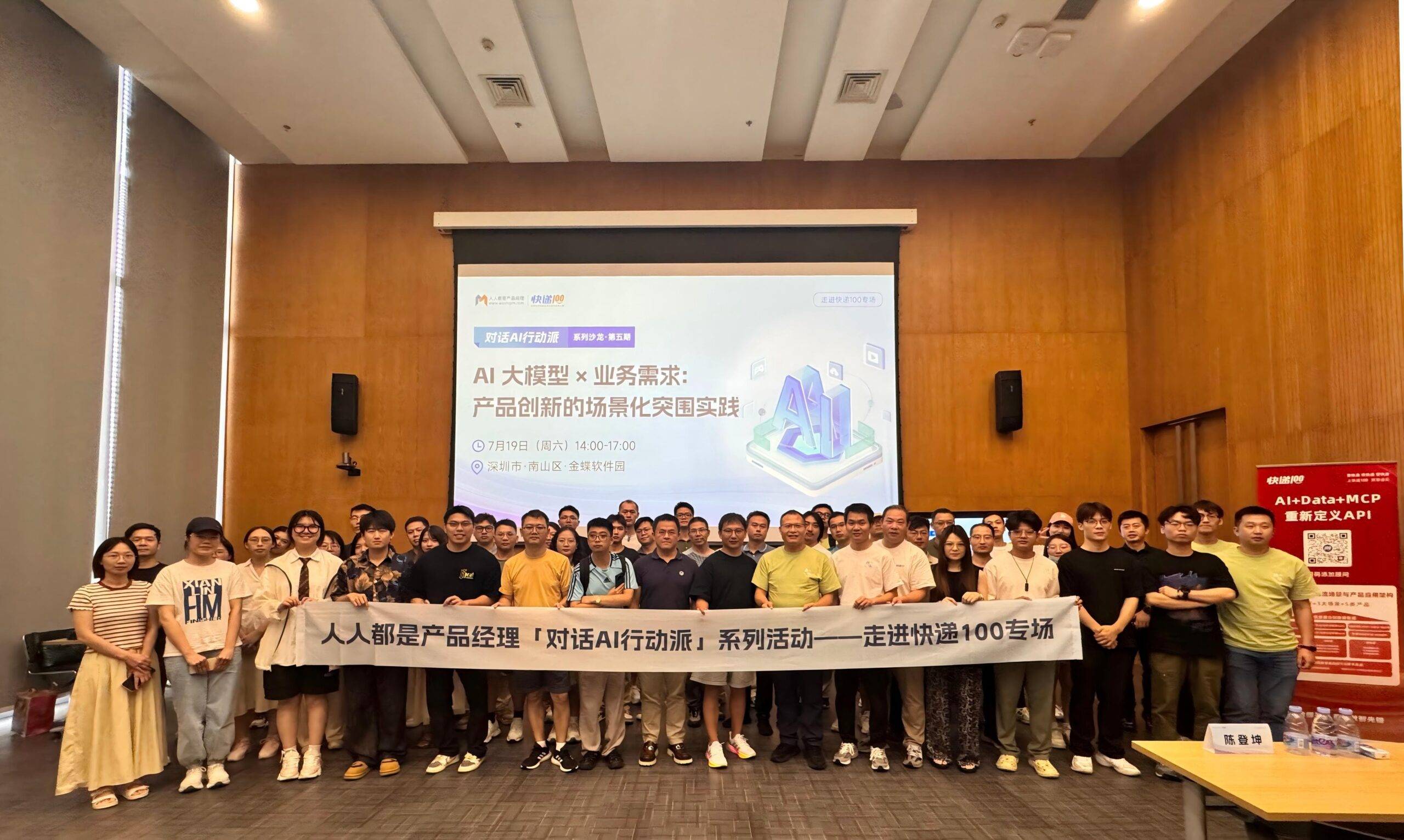
AI大模型如何重塑业务:行业实战派拆解场景创新密码
Sou Hu Cai Jing· 2025-08-02 05:24
Core Insights - The integration of AI large models into business operations is a pressing challenge for companies, focusing on transforming technological potential into business value [1] - The "AI Action Dialogue" event gathered over 100 product professionals to explore innovative applications of AI in various industries [1] Group 1: Healthcare Sector - The healthcare industry faces challenges related to "data sensitivity" and "controllable outcomes," with a focus on lightweight solutions to navigate compliance hurdles [4] - AI product managers should adopt a "dual-track thinking" approach, understanding both the capabilities of large models and the specific industry context [4] Group 2: Logistics Sector - The logistics company, Kuaidi100, has developed China's first intelligent logistics network map, covering over 4,000 transfer centers and 24 million delivery points [5] - The shift in user demand from tracking packages to predicting delivery times has led to the implementation of AI-driven solutions, enhancing operational efficiency and user experience [5][6] - AI has enabled the automation of customer service, replacing 70% of human inquiries, and improved resource allocation through an AI backup system [5][6] Group 3: Home Decoration Sector - The home decoration industry is relatively under-digitized, and the company ChaoDapei emphasizes the importance of redefining business efficiency and user experience through AI [8] - The approach involves focusing on business scenarios, tool capabilities, and human adaptability to create sustainable value [8] Group 4: Education Sector - The concept of "AI as a core engine" rather than an add-on is crucial for transforming educational products, emphasizing the need for a paradigm shift in how AI is integrated [11] - The company Malong Intelligent has implemented AI to enhance user engagement and create personalized learning experiences, moving beyond mere efficiency improvements [11][12] - The focus is on collaborative learning environments where AI assists in real-time feedback and adaptive learning paths for students [13] Group 5: Overall Insights - The ultimate value of AI large models lies in accurately identifying real business problems and reshaping product core and user experience [14] - The ongoing "AI Action Dialogue" series aims to continue exploring practical wisdom and innovative sparks in AI implementation across various sectors [14]