
外贸

Search documents
挖掘文旅体育等新增长点 擦亮首发经济品牌
Xin Lang Cai Jing· 2025-12-30 20:11
Group 1 - The core viewpoint emphasizes the need to stimulate consumer vitality in Chengdu by exploring new growth points in cultural tourism and sports, while enhancing traditional consumption and expanding new consumption [1][2] - Chengdu's economic work meeting highlighted the importance of continuously expanding effective demand and exploring new spaces for domestic demand growth as a key task for 2026 [1] - The city plans to implement a special action to boost consumption, including initiatives like trade-in programs for consumer goods and enhancing service quality in sectors such as dining and housekeeping [1][2] Group 2 - The Chengdu Retail Association is focused on driving innovation in commercial products, new business formats, and consumer scenarios, with plans to launch a new list of consumer scenarios by 2026 [2] - The "Rongqi Rongpin Going Global" initiative has shown positive results, with Chengdu's foreign trade reaching 775 billion yuan, accounting for 82.9% of the province's total foreign trade value [2] - The city aims to strengthen its overseas service platforms and expand into markets along the Belt and Road, while providing tailored support for foreign trade enterprises [2]
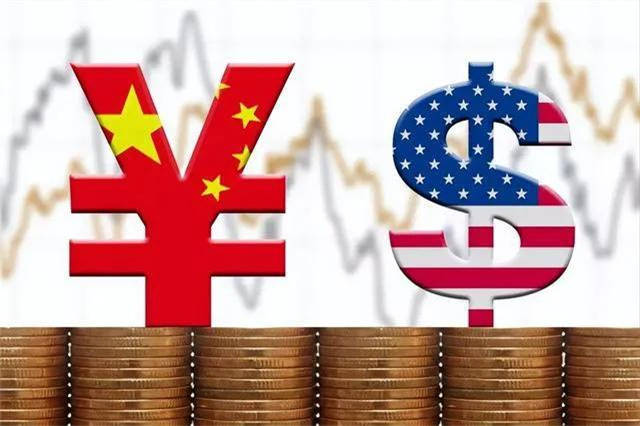
美元霸权慌了,人民币重返6时代?我们的钱袋子,怕是要变样了
Sou Hu Cai Jing· 2025-12-30 14:05
Group 1 - The offshore RMB exchange rate broke the psychological barrier of 7.0 against the USD, reaching 6.9973, marking the first return to the "6 era" since September 2024 [3] - The appreciation of the RMB directly impacts consumers, making imported goods cheaper, such as a jacket that now costs less than 7000 RMB instead of 7300 RMB [3] - Families sending children to study in the US benefit from the exchange rate, with costs for living and studying in New York dropping from approximately 36.5 million RMB to about 35 million RMB [5] Group 2 - The import prices of goods are experiencing subtle changes, with a 5% cost reduction for imported olive oil, which may be passed on to consumers [7] - The luxury goods market is seeing a shift, with Chinese consumers spending 8% more on overseas purchases, while domestic sales only grew by 2% [8] - Export enterprises face challenges due to the exchange rate changes, with a small trading company reporting a loss of 30,000 RMB on a 100,000 USD order due to the rate drop from 7.3 to 7.0 [10] Group 3 - High-end manufacturing and self-branded products maintain stronger pricing power amid exchange rate fluctuations [12] - The appreciation of the RMB is prompting domestic investors to reassess their foreign currency assets, with one investor noting a negative real return on USD-denominated products [12] - The Chinese bond market is attracting international capital, with foreign investors increasing their holdings of RMB bonds by approximately 80 billion RMB [14] Group 4 - The real estate market is experiencing a decline in overseas property inquiries by 12%, while interest in high-end domestic properties has risen by 8% [14] - The diversification of China's foreign exchange reserves is evident, with non-USD currencies now making up about 45% of reserves, up from 35% in 2020 [16] - The development of the offshore RMB market is enhancing the market-driven nature of the exchange rate, with deposits surpassing 1.2 trillion RMB [16] Group 5 - The internationalization of the RMB is progressing, with bilateral currency swap agreements expanding by about 30% and the RMB's share in cross-border trade settlements rising to approximately 25% [18] - The central bank is actively managing market expectations through middle rate adjustments to ensure stability in the RMB exchange rate [18] - The revaluation of currency reflects a shift in the economic position of China within the global landscape, potentially reshaping global wealth distribution [20]

前11月辽宁省出口增速高出全国3.2个百分点 出口额创历史同期最高纪录
Shang Wu Bu Wang Zhan· 2025-12-30 13:45
Group 1 - The total foreign trade import and export value of Liaoning Province reached 684.07 billion RMB in the first 11 months of this year, with exports amounting to 373.48 billion RMB, a year-on-year increase of 9.4%, surpassing the national average growth rate by 3.2 percentage points, marking the highest record for the same period in history [1][2] - The growth in exports is attributed to the continuous optimization of trade structure and the accelerated transformation of new and old driving forces, with bonded logistics mode imports and exports growing rapidly by 10.4%, becoming a new support for stable growth [1] - Private enterprises have solidified their position as the main force in foreign trade, with imports and exports totaling 355.57 billion RMB, a year-on-year increase of 7.5%, accounting for 52% of the province's total foreign trade, an increase of 4.4 percentage points [1] Group 2 - Liaoning's international market connections are expanding, with ASEAN remaining the province's largest trading partner, and bilateral trade growing by 23.2%, indicating deepening economic and trade cooperation [1] - Exports of high-tech electromechanical products accounted for a significant portion of total exports, with a year-on-year increase of 9.3%, driven by growth in electrical equipment and auto parts [2] - The import value reached 310.59 billion RMB in the first 11 months, with a notable increase in the import of consumer goods, particularly seafood, which grew by 21.2%, reflecting strong domestic demand [2]
世界经贸在“惊吓”中重塑韧性
Di Yi Cai Jing· 2025-12-30 12:41
Group 1 - The core narrative of the article highlights a shift from an initial "reactive response" to a more adaptive approach in the face of uncertainty, particularly in the context of global trade and economic policies [1] - Companies are increasingly diversifying their operations in Southeast Asia, with specific examples such as an Indonesian factory expected to commence production by February next year [1] - The article discusses the evolution of the global economic landscape, emphasizing that the global trade system and financial markets are adapting to complexities rather than merely reacting to shocks [2][3] Group 2 - The article notes a significant increase in global trust costs, driven by a shift in U.S. trade policy towards a "chicken game" strategy, where short-term gains are prioritized over long-term cooperation [4] - The European Union has strengthened its "anti-coercion tool," allowing for rapid non-tariff retaliatory measures, reflecting a broader trend of countries building their own "bargaining chips" in response to U.S. tactics [5] - The market is beginning to price in uncertainty, with investors recognizing that extreme threats often come with quick corrections, leading to a more resilient approach among companies [6] Group 3 - A new norm of "one-on-one" negotiations is emerging, with countries seeking partnerships outside of Washington, as seen in recent trade agreements between the EU and Indonesia [7] - The article anticipates that as the U.S. Supreme Court reviews the legality of "reciprocal tariffs," there may be a clearer legal framework for future policies, while the global economy continues to adapt and strengthen its resilience [7]
当AI进入外贸,中国制造开始换一种出海方式
Sou Hu Cai Jing· 2025-12-30 12:28
Core Insights - China's trade surplus has surpassed $1 trillion, signaling a critical juncture for the country's foreign trade, which now requires a new approach to sustain growth [1] - The answer to sustaining growth in foreign trade is increasingly clear: AI [1] Export Structure - Over 60% of China's exports are electromechanical products, while nearly 20% are high-tech products, with growth rates accelerating [3] Transformation in Foreign Trade - The most profound shift in foreign trade is in the "way of doing business," with AI fundamentally changing how foreign trade operates [4] - Alibaba International Station is a key example of AI transforming foreign trade, with predictions that by 2025, over 90% of merchants on the platform will use AI tools [4][6] - AI is leveling the playing field for ordinary merchants, bringing their capabilities close to the top 25% of sellers on the platform [5] AI's Role in Foreign Trade - AI covers nearly every critical aspect of foreign trade, from customer search and product display to communication and decision-making [6] - A new wave of "AI-native foreign trade enterprises" is emerging, utilizing AI as a foundational tool from the outset [6] - The evolution of China's foreign trade can be categorized into three stages: 1.0 focused on information and language, 2.0 on organizational capabilities, and 3.0 on platform traffic and refined operations [8] Advancements to 4.0 Era - AI is pushing foreign trade into the 4.0 era, where understanding foreign languages or having extensive experience is no longer necessary [8] - This shift allows more ordinary individuals and small businesses to participate in global competition, leading to a "leapfrog development" [8] Long-term Advantages - Three long-term advantages support this transformation: 1. Supply chain resilience, with China's manufacturing depth unmatched globally [9] 2. Flexibility of small and medium enterprises, enhanced by AI [9] 3. Platform ecosystem resilience, enabling small businesses to access standardized tools [9] Future of China's Foreign Trade - The $1 trillion surplus is not the endpoint; the next decade of China's foreign trade will depend on the level of intelligence and AI integration rather than sheer scale [10] - AI is dismantling the barriers of expertise, allowing for a new cycle in China's foreign trade [12]

“十四五”东莞外贸总额年均保持在1.3万亿元以上
Zhong Guo Xin Wen Wang· 2025-12-29 12:30
Core Insights - Dongguan's foreign trade maintained an average annual total of over 1.3 trillion yuan during the 14th Five-Year Plan period [1] - In the first 11 months of 2025, Dongguan's import and export total reached 1.43619 trillion yuan, a year-on-year increase of 14.3%, ranking fifth nationally and second in Guangdong [1] - The export of high-tech products reached 338.11 billion yuan, growing by 17.2%, while electronic components exports were 154.23 billion yuan, up 12.4% [1] Trade Performance - The number of enterprises engaged in import and export activities in Dongguan increased by nearly 10,000 during the 14th Five-Year Plan, with private enterprises accounting for over 60% of the total [2] - In the first 11 months of 2025, private enterprises' import and export volume was 900 billion yuan, representing 62.7% of the city's total, with a year-on-year growth of 20.9% [2] - The growth rate of private enterprises exceeded the overall city growth by 6.6 percentage points, contributing to a 12.4 percentage point increase in the city's total trade [2] Policy and Support Measures - Dongguan was the first in Guangdong to implement the "Five External Linkages" policy and 30 specific measures to stabilize foreign trade during the 14th Five-Year Plan [2] - The city organized over 20,000 enterprises to participate in nearly 1,000 "Yue Trade Global" activities to support export and order retention [2] - Seven overseas exhibition centers for Dongguan quality products have been established to enhance international market presence [2]
重磅利好!国务院官宣2026关税大调整,935项商品降价,这4大行业或成超级风口!
Jin Rong Jie· 2025-12-29 10:20
Core Viewpoint - The State Council's Tariff Policy Committee has announced the "2026 Tariff Adjustment Plan," effective from January 1, 2026, aimed at optimizing import tariffs to promote high-quality development and meet the growing needs of the population [1][2]. Group 1: High-end Manufacturing and Technology Industry - The industry will benefit directly from reduced import tariffs on key components and advanced materials, such as hydraulic cushions and composite connectors, which will lower import costs and enhance supply stability [4]. - The tariff reduction is expected to alleviate financial pressure on companies importing critical semiconductor equipment, thereby accelerating domestic substitution processes and fostering a favorable development environment [4]. Group 2: Healthcare Sector - The tariff adjustments will lower import tariffs on medical products like artificial blood vessels and diagnostic kits, reducing procurement costs for domestic healthcare institutions and improving access to quality medical resources [4]. - The ongoing optimization of tariff policies will further decrease operational costs for healthcare companies, enhancing their market competitiveness [4]. Group 3: Foreign Trade and Retail - Foreign trade enterprises, particularly those engaged in cross-border operations, will benefit from tariff reductions, with products like coffee beans and automotive engines included in the "zero tariff" list [5]. - The rising demand in the duty-free shopping market, exemplified by a 54.9% year-on-year increase in Hainan's duty-free shopping amount, will drive growth in related industries such as shipping and logistics [5]. Group 4: Green Energy - The green energy sector will see advantages from reduced import tariffs on resource products, such as recycled black powder for lithium-ion batteries, lowering production costs for new energy battery manufacturers [5]. - The easing of tariffs is expected to provide more certainty for global investments in the new energy sector, further reducing export costs for China's photovoltaic and new energy vehicle industries [5].
买来的出口数据:耗费地方财政,对经济无实质带动
Di Yi Cai Jing· 2025-12-29 05:26
Core Viewpoint - The article highlights the emergence of fraudulent practices in foreign trade export data statistics, particularly the "buying export" scheme, where companies create shell firms to manipulate export data for government subsidies, with local government departments often complicit in these actions [1][2][3]. Group 1: Fraudulent Practices - Numerous cases have revealed that local business departments not only tolerate but also lead such fraudulent activities [1]. - In a recent case, foreign trade practitioners were prosecuted for establishing shell companies to purchase export data from other provinces, resulting in over 100 million yuan in fraudulent government export rewards [2]. - The "buying export" scheme has been ongoing for years, with some localities previously investigating similar cases, yet others do not intervene [3]. Group 2: Government Involvement - Local governments have implemented policies to reward export activities, which have been exploited by individuals who set up numerous shell companies to claim these rewards [4]. - The defendants in these cases often claim that their actions were in cooperation with government objectives, suggesting a tacit approval from local authorities [4][8]. - Evidence indicates that local business departments were aware of the "buying export" practices and may have even encouraged them to meet performance metrics [7][12]. Group 3: Economic Impact - The issuance of subsidies for "buying export" not only strains local finances but also distorts export data, failing to contribute to actual economic growth [5][6]. - The fraudulent activities create a facade of export growth without any real economic activity, undermining the integrity of trade statistics [6]. Group 4: Legal and Regulatory Responses - Recent regulations from national authorities aim to curb the "buying export" practices by enforcing stricter compliance and accountability measures for export data [14][15]. - Legal interpretations of similar cases have varied, with some courts not recognizing the actions as fraud due to perceived government endorsement [13]. - Experts suggest that a more robust legal framework and better information sharing among departments are necessary to combat these fraudulent practices effectively [16].
海南自贸港全岛封关首周,政策红利释放带动消费市场活跃
Mei Ri Jing Ji Xin Wen· 2025-12-29 02:45
Group 1: Market Performance - The Hong Kong stock market opened with the Hang Seng Index up by 0.43%, the National Index up by 0.59%, and the Hang Seng Tech Index up by 0.88% [1] - New energy vehicle stocks saw a broad increase, while copper and other non-ferrous metal stocks led the rise in the sector [1] - Semiconductor stocks showed strong performance, while the consumer sector experienced slight fluctuations with the Hong Kong Consumer ETF (513230) showing a small decline [1] Group 2: Hainan Free Trade Port Developments - In the first week of the Hainan Free Trade Port's full closure, policy benefits have stimulated market activity, with impressive data in duty-free shopping and foreign trade [1] - Duty-free shopping figures for the first week reached 1.1 billion yuan, with 775,000 items purchased and 165,000 shoppers, representing year-on-year increases of 54.9%, 11.8%, and 34.1% respectively [1] - The number of newly registered foreign trade enterprises in Hainan increased by 1972, a year-on-year growth of 230%, with over 30,000 new registered customs declaration units for the year, up over 40% [1] - The passenger throughput at Meilan Airport during the first week post-closure increased by 11.8% year-on-year, with significant growth in ticket bookings for the New Year holiday [1] Group 3: Government Initiatives - The Ministry of Finance announced plans to significantly boost consumption in the coming year, implementing special actions to support consumer spending [2] - The government will continue to allocate funds for consumer goods trade-in programs and adjust subsidy ranges and standards [2] Group 4: Related ETFs - Tourism ETF (562510) is positioned to benefit from holiday catalysts and the ice and snow economy [3] - Food and Beverage ETF (515170) is seen as undervalued in the context of boosting domestic demand [3] - Hong Kong Consumer ETF (513230) is linked to e-commerce leaders and new consumption trends [3]
上海促G60科创走廊迈向世界级,请看《浪尖周报》第55期
Xin Lang Cai Jing· 2025-12-29 02:12
Core Insights - The "Wave Peak Plan" launched by the Zhituo Finance's think tank, Pengpai Research Institute, aims to promote industrial collaboration and technological innovation in the Yangtze River Delta region [1] Industry Highlights - Shanghai is supporting the G60 Science and Technology Innovation Corridor to reach a world-class level [1] - Nanjing has completed its annual target for attracting investment in the artificial intelligence and software industries ahead of schedule [1] - Hangzhou has opened a national medical AI pilot base in Xiaoshan [1] - Hefei has released the first batch of financial application scenarios exceeding 30 billion yuan [1] - Suzhou is accelerating the development of the industrial mother machine industry in Taicang [1] - Ningbo's new energy vehicle exports surged nearly threefold in the first eleven months [1] - Wuxi is deepening cooperation with Shanghai in AI and new energy industries [1] - Nantong's foreign trade exceeded 400 billion yuan for the first time in the first eleven months [1] - Changzhou has established the first overseas OPC international community [1]