快时尚

Search documents
北京“地标店”亮相,H&M为中国市场量身打造“加速增长计划”
Bei Ke Cai Jing· 2025-05-26 03:14
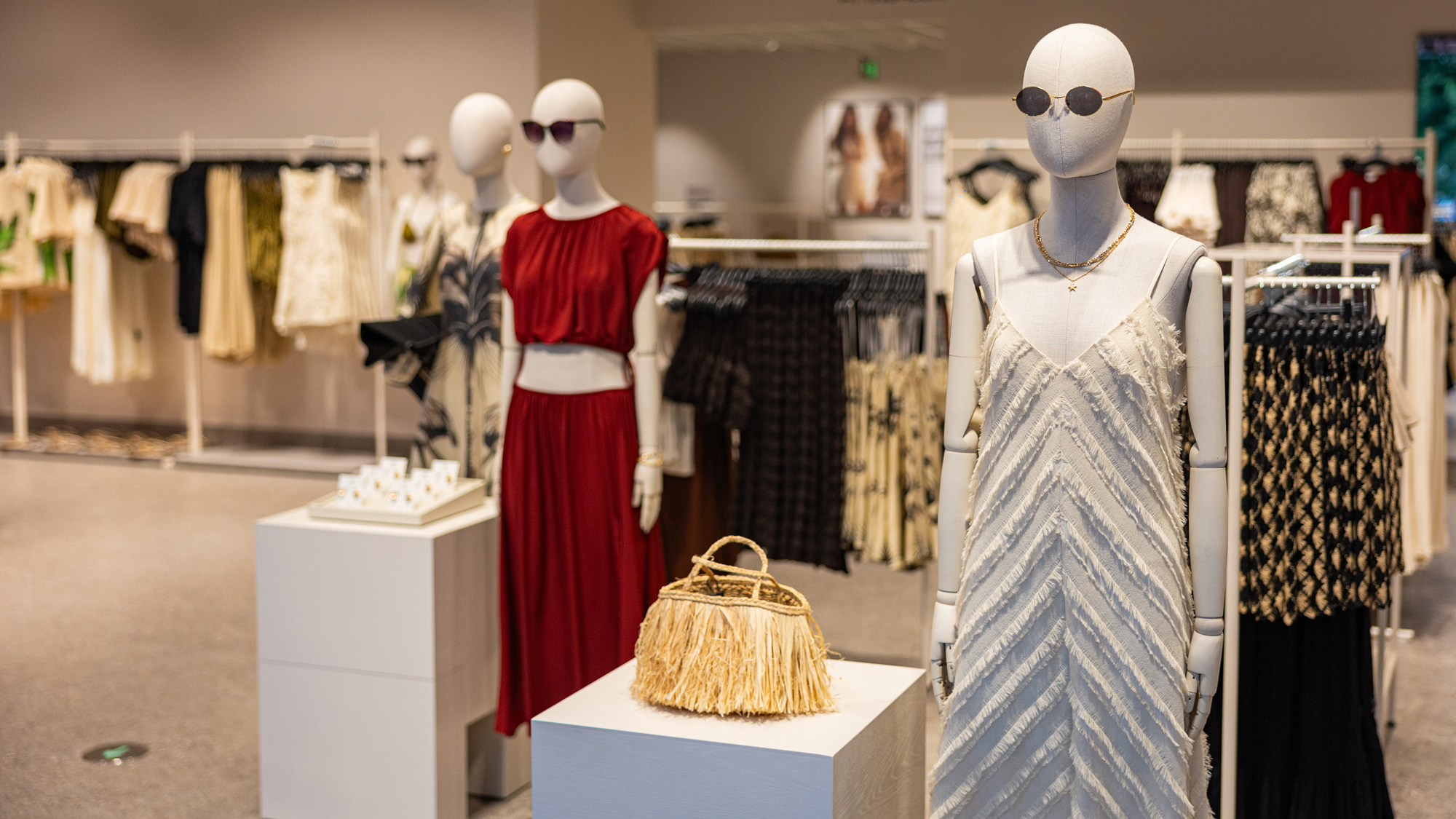
Core Insights - The Chinese fast fashion market is undergoing unprecedented transformation in 2025, characterized by the competition between international brands and local players, accelerated digital transformation, and the penetration of sustainable concepts [1] - The reshaping of the fast fashion industry is fundamentally a competition of efficiency, cultural insight, and values [1] Group 1: H&M's Strategies in China - H&M is continuously upgrading key stores in China, implementing a strategy of "closing small stores and opening large ones" to optimize store operations [2] - The brand is embracing online digital channels to provide consumers with diverse and convenient purchasing options, collaborating with local designers to deepen its localization efforts [2][4] - H&M's store upgrades emphasize personalization and experiential shopping, tailoring product offerings to the characteristics of different locations and demographics [6][7] Group 2: Consumer Engagement and Digital Transformation - H&M views physical stores as social spaces for fashion and inspiration, enhancing customer experience through store renovations in major cities [10] - The brand has entered the Chinese digital market by launching flagship stores on platforms like Douyin and Pinduoduo, achieving significant sales figures [11][12] - H&M has established a "China Design Center" to create products that resonate with local consumers, collaborating with Chinese artists and designers to enhance cultural relevance [14] Group 3: Financial Performance and Growth Plans - H&M reported a sales revenue of 234.48 billion Swedish Krona for 2024, with a 19% increase in operating profit, indicating strong financial performance [15] - The company is adapting its retail strategies to integrate online and offline channels, aiming to provide a superior omnichannel shopping experience [17] - H&M has developed a robust "Accelerated Growth Plan" for the Chinese market, focusing on product strength, shopping experience, and brand building to ensure long-term growth [18]

“小单快反”神话褪色,快时尚遭遇行业拐点
创业邦· 2025-05-21 10:34
Core Viewpoint - The fast fashion industry is facing significant challenges due to the abrupt end of the U.S. tax exemption policy for small packages, which has adversely affected China's new generation of fast fashion enterprises and their "small order quick return" business model [3][4]. Group 1: Challenges to the "Small Order Quick Return" Model - The "small order quick return" model, characterized by flexible supply chains and rapid response to market demands, is under threat from increased tariffs and longer customs clearance times [6][7]. - The recent changes in tariff policies have raised costs significantly, with tariffs on small packages increasing from 0% to 30%, which severely impacts the profitability of the "small order quick return" model [8][10]. - Customs clearance processes have become more complicated, extending the time required for goods to enter the market, which undermines the competitive advantage of fast fashion brands like Shein that rely on rapid turnover [11][16]. Group 2: Impact on Market Dynamics - The fast fashion market is expected to undergo a significant shift, with traditional brands like Inditex (ZARA's parent company) and Fast Retailing (Uniqlo's parent company) potentially benefiting from the challenges faced by Chinese fast fashion brands [4][24]. - Despite the potential for traditional brands to gain market share, they are unlikely to fully absorb the losses incurred by the "small order quick return" brands, leading to an overall decline in the industry's scale [24][26]. - Price sensitivity among consumers remains high, as evidenced by a 23% drop in Shein's sales in the U.S. following the tariff changes, indicating that higher prices could lead to reduced demand for fast fashion products [24][25]. Group 3: Long-term Outlook - The fast fashion industry is expected to experience a contraction in market size in the short term due to trade tensions and increased costs, although there may be a slight rebound for traditional brands [26][28]. - The long-term viability of the "small order quick return" model is uncertain, as the industry must adapt to new realities while maintaining its core competitive advantages [28][29].

从首店经济到全球品牌,成都的“磁吸力”为何这么强?
Mei Ri Jing Ji Xin Wen· 2025-05-20 15:51
Core Insights - Chengdu is emerging as a leading consumer market in China, attracting both consumers and international brands, with 148 new flagship stores established by Q1 2025 [1][17] - The city is recognized for its unique blend of high-end and mass-market brands, showcasing a harmonious coexistence of different consumer segments [3][11] Group 1: Market Dynamics - Chengdu's commercial appeal is highlighted by the opening of flagship stores from luxury brands like Dior and Louis Vuitton, indicating a deepening investment in the local market [8][9] - The city has seen significant interest from sports brands, with KOLON KRAFT and On opening their first flagship stores in Chengdu, reflecting the city's vibrant young consumer base [5][6][8] Group 2: Consumer Trends - The opening of Uniqlo's first city flagship store in Southwest China at Chengdu's MixC Mall, covering nearly 2,000 square meters, demonstrates the brand's commitment to the region and its alignment with local consumer preferences [12][15] - Chengdu has attracted over 1.56 million young talents in the past three years, contributing to its status as a popular destination for both tourism and retail [15][17] Group 3: Economic Initiatives - The "Chengdu Action Plan for Promoting the First Store Economy (2025-2027)" aims to establish 6,500 new stores and host over 1,000 premier events by the end of 2027, positioning Chengdu as a hub for new consumption brands [17][20] - Recent high-profile product launches, such as Huawei's new commercial laptops featuring HarmonyOS, underscore Chengdu's role as a center for technological innovation and consumer engagement [21][23]

日本如何在“失去的三十年”避免中产返贫
3 6 Ke· 2025-05-16 04:18
Group 1 - The "Lost Thirty Years" in Japan refers to a period of economic stagnation following the bubble burst, characterized by stagnant nominal wages and declining real income [1][2] - The proportion of non-regular employment has increased significantly, with over half of women and more than 20% of men in non-regular jobs by 2020, leading to a perception among the younger generation that effort does not guarantee reward [1][2] - The relative poverty rate in Japan rose from about 10% in the 1980s to 16% in 2012, ranking second among G7 countries, indicating a shrinking middle class and increasing low-income households [2][3] Group 2 - The pension replacement rate in Japan has declined from approximately 68% in 1986 to 61.7% in 2019, indicating a growing challenge for the middle class as the aging population increases [3][4] - Despite economic challenges, the self-identified middle class in Japan has remained relatively stable, with a slight decrease from 90% to 89% from 1990 to 2024 [3][4] Group 3 - Japan's Gini coefficient increased from 0.43 in 1990 to 0.57 in 2021, indicating rising income inequality; however, the net Gini coefficient remained stable around 0.38 due to effective social redistribution mechanisms [6][7] - Japan's social security expenditure accounted for 25.12% of GDP in 2023, significantly higher than China's 7.7%, reflecting a strong commitment to social welfare [7][8] Group 4 - The rise of budget brands like Uniqlo and Muji during Japan's economic downturn illustrates a shift towards "defensive consumption," where consumers prioritize quality at lower prices [10][11] - The average monthly household expenditure on clothing decreased by 36% from 1990 to 2020, highlighting the impact of economic pressures on consumer behavior [11][12] Group 5 - Japan's business environment is characterized by a strong emphasis on reputation and contract fulfillment, which has fostered a culture of efficiency and quality despite economic challenges [12][14] - The concept of "cooperative fulfillment" in Japanese society emphasizes maintaining dignity and respect in transactions, which has helped sustain social stability during economic downturns [14][15] Group 6 - Comparatively, Japanese households had a more diversified asset portfolio in the 1990s, with 36% in equity assets, while Chinese households are heavily reliant on real estate, which poses greater risks in case of market downturns [17][18] - The high leverage in Chinese households, with housing loans at 33.9% of nominal GDP, suggests that any economic shock could have more severe consequences compared to Japan's historical context [17][18]

深圳30岁以下创业先锋青年都在干什么?最年轻的仅26岁“二代”已接任董事长,深圳高校又跑出一个领军人物!深圳未来一个大趋势来了!
Sou Hu Cai Jing· 2025-05-11 15:46
Group 1 - Shenzhen's Zhao Xintong won the 2025 Snooker World Championship, marking him as the first champion from China and Asia, inspiring a new generation of young entrepreneurs [1] - The "Hurun U30 China Entrepreneur Pioneers" list features 131 young entrepreneurs aged 30 and below, with 18 from Shenzhen, surpassing Beijing, Shanghai, and Guangzhou for the first time [1][41] - The average age of the entrepreneurs on the list is 28, with 95 being first-generation entrepreneurs and 36 being second-generation successors [1][43] Group 2 - The top three sectors favored by U30 entrepreneurs are software and services (including AI+Energy data services), education and training (such as online vocational education), and consumer goods (like VR and MR headsets) [1][41] - The average startup capital for these entrepreneurs is 12 million yuan, with an average company valuation of 280 million yuan [1][43] - 63% of startup funding comes from personal or family sources, while 54% comes from venture capital [1] Group 3 - The Shenzhen government supports young entrepreneurs with initiatives like "1 yuan innovation workshops" and "zero-rent acceleration camps," promoting a "only dreams, no rent" policy [2] - Shenzhen has established a talent innovation and entrepreneurship fund of 30 billion yuan, investing in 926 projects [2] - The city offers 15 days of free accommodation for recent graduates, extending support for job-seeking [2] Group 4 - The average number of employees in the listed companies is 250, with some companies employing over 2000 people [41] - 35% of first-generation entrepreneurs have overseas study backgrounds, with the US, UK, and Australia being the most popular destinations [41][43] - 36 second-generation successors are involved in family business strategic decisions, with 70% having studied abroad [43] Group 5 - Cheng Tian International, founded by Feng Lingju, has grown to an annual revenue of over 700 million yuan within six years, focusing on cross-border logistics [5][6] - The company has developed a supply chain management service system that integrates big data, AI, and blockchain technology, improving customs efficiency by 40% and reducing logistics costs by 20% [5][6] - Wei Er Technology, established in 2021, focuses on agricultural AI robots and has received significant funding for product development and commercialization [16][19] Group 6 - The company "Because of Skin" focuses on dermatology and has rapidly expanded its operations, achieving a monthly revenue of 15 million yuan [21][26] - Linglu Education specializes in developing and promoting educational products, successfully serving over 2000 mid-to-high-end clients [27] - Xingtian Guangnian, led by CEO Wei Dehao, focuses on hardware design for robotics, emphasizing the integration of AI algorithms with hardware [28][29]


H&M姊妹品牌COS重启中国扩张计划
Xin Lang Cai Jing· 2025-05-09 11:32
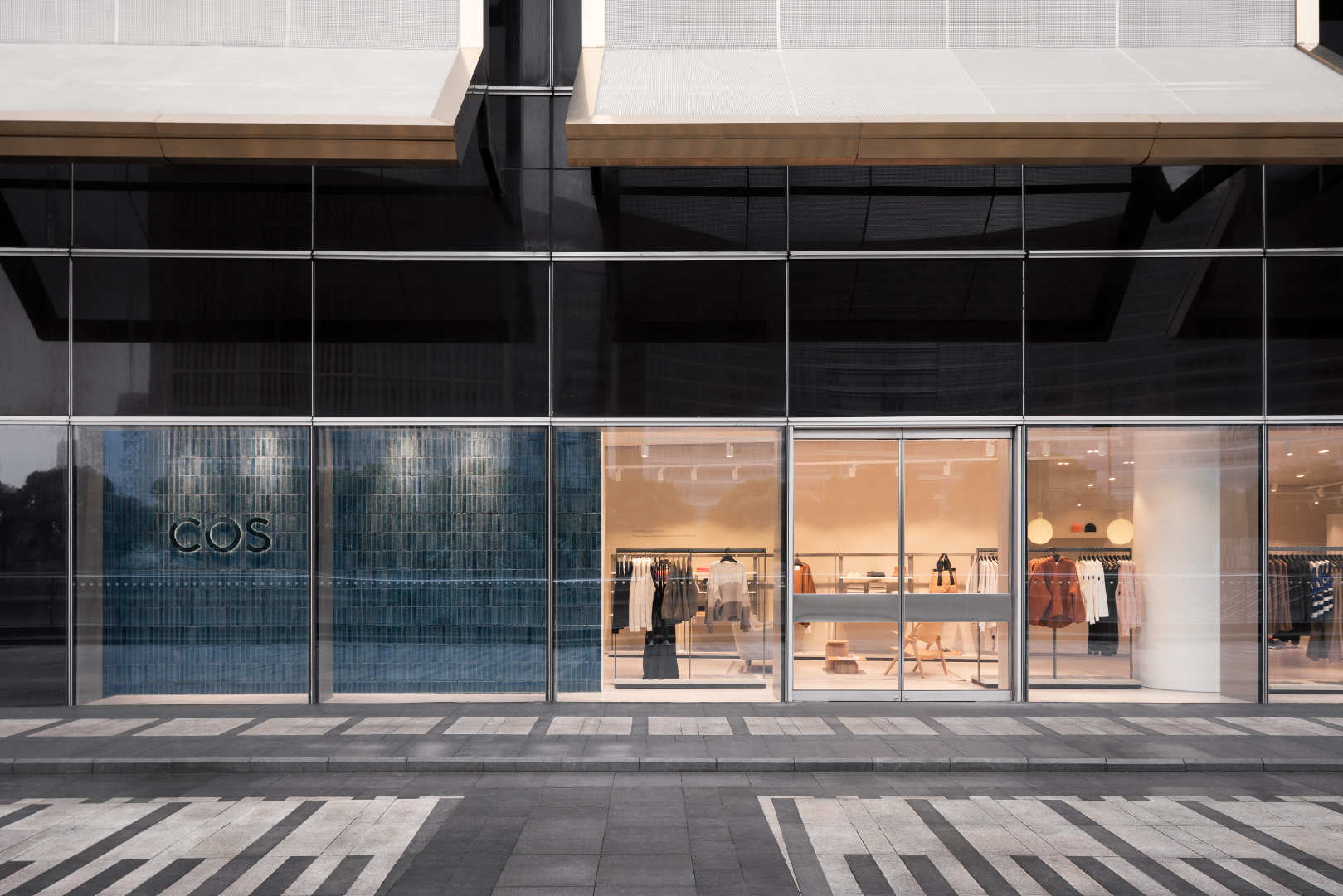
Group 1 - COS, a brand under H&M Group, is restarting its expansion plan in China, opening new stores in major cities like Beijing and Shenzhen after nearly two years of inactivity [1][4] - As of now, COS has a total of 40 stores in China, with a focus on first-tier and new first-tier cities, maintaining a similar strategy to its previous expansion efforts [1][3] - The brand's recent store openings are part of a broader trend where fast fashion brands are facing challenges in the Chinese market, leading to a pause or reduction in expansion for many mid-range brands [3][4] Group 2 - COS's store selection criteria resemble those of luxury brands, primarily opening in high-end projects managed by top real estate developers [6] - The brand has gained attention as a "premium alternative" amid the global luxury market slowdown, with a notable rise in its ranking on fashion search engines [6][7] - COS has launched a high-end line, COS Atelier, to differentiate itself further, although the effectiveness of this strategy remains uncertain [7][8]
新消费观察| 零售品牌 “走出去” ,如何开辟“新蓝海”?
Xin Lang Cai Jing· 2025-05-07 14:24
Group 1: Market Entry and Expansion - CHAGEE opened its first store in North America at Westfield Century City in Los Angeles, showcasing modern tea drinks and attracting long queues [1] - The new tea beverage industry in China is experiencing rapid growth, with brands like ChaPanda, MIXUE, HEYTEA, and CHAGEE expanding internationally [3] - Several tea companies, including MIXUE, have successfully listed in Hong Kong, indicating a trend of Chinese retail brands going global [4] Group 2: Factors Driving International Expansion - The global expansion of brands is driven by the need for internationalization, competitive domestic markets, and the growing overseas Chinese population [4][5][6] - Establishing physical stores abroad enhances brand visibility and can attract investment, which may lead to better domestic store locations in the future [5] - The increasing number of overseas Chinese consumers creates demand for Chinese products, which are often perceived as cost-effective [4] Group 3: Key Markets for Chinese Brands - Hong Kong is a significant market for brands due to its proximity to mainland China, making it easier for brands with established retail networks in southern China to enter [7] - Southeast Asia, particularly Singapore, is a competitive market for Chinese brands, driven by a large Chinese population [8] - European cities like London and Paris are viewed as essential for brands aiming for international recognition, although cultural differences pose challenges [9] Group 4: Challenges in International Markets - Chinese brands face challenges in gaining local consumer recognition and adapting to cultural differences, particularly in Europe [17] - Supply chain and logistics issues require careful planning before entering new markets [18] - High operational costs in markets like Singapore and Europe necessitate thorough financial planning [18] Group 5: Localization Strategies - Successful market entry requires understanding local consumer habits and preferences, with brands needing to adjust their offerings accordingly [19][20] - Brands should focus on high-traffic areas for store locations to maximize visibility and customer engagement [19] - The importance of local partnerships for smooth market entry and operations is emphasized, as they can help navigate local regulations and consumer preferences [18]





小包裹引爆大通胀:145%关税逼退零售商们 “通胀猛兽”即将再度席卷美国
智通财经网· 2025-05-02 09:16
Group 1: Impact of Tariff Changes - The cancellation of the de minimis tax exemption for low-value packages from China has resulted in tariffs as high as 145%, leading many retailers to halt shipments to the U.S. market [1][3][5] - Retailers are increasing prices to cope with the new tariffs, which may exacerbate inflationary pressures on U.S. consumers already facing high living costs [1][4][5] - The effective tariff rate in the U.S. is now close to 23%, the highest in over a century, significantly impacting consumer and business confidence [4][5] Group 2: Retailer Responses - Major retailers, including Amazon, have reported that the new tariffs will have a significant negative impact on their earnings, with Amazon's profit guidance falling short of analyst expectations by as much as 27% [2][9][10] - Smaller retailers are withdrawing from the U.S. market due to the prohibitive costs associated with the new tariffs, which are expected to lead to price increases for essential goods [3][7] - Companies like Space NK and Understance have already suspended U.S. shipments to avoid unexpected costs due to the new tariff regime [3][7] Group 3: Economic Outlook - Analysts warn that the combination of high tariffs and ongoing inflation could lead to a significant downturn in consumer demand, potentially pushing the U.S. economy into recession [5][6] - The impact of tariffs is expected to ripple through various sectors, including e-commerce and advertising, as companies like Snap Inc. have indicated that they are facing macroeconomic headwinds due to these changes [6][9] - The overall economic environment is becoming increasingly challenging for retailers reliant on Chinese imports, with many predicting a slowdown in global economic growth [5][6]

Lady Gaga世界级音乐节秒杀Lisa,姜还是老的辣?|潮汐Mail
36氪· 2025-04-30 16:25
Group 1 - The rise of AI technology allows users to transform images into Studio Ghibli styles, leading to widespread social media engagement and concerns over copyright infringement [7][9][10] - The cross-border e-commerce platform DHgate has seen a significant increase in its app ranking, reaching the second position in the US App Store and topping the charts in 98 countries, attributed to its low-cost B2B model [12][15] - SHEIN, a fast-fashion giant, is facing challenges due to fluctuating international trade policies, despite making progress in its listing process [16][18] Group 2 - The upcoming May Day holiday is expected to drive travel demand, with a notable increase in hotel bookings across over 1,200 counties in China, highlighting a trend towards "reverse tourism" [19][22] - Meituan is re-entering the offline market with its Xiaoxiang supermarket, aiming to compete with Hema and JD's fresh food offerings, leveraging its strong online presence [26][28] - Luxury brand LV is engaging Gen Z by collaborating with TikTok influencers for its spring campaign, reflecting a broader trend of brands seeking to connect with younger consumers [31][34] Group 3 - The Coachella music festival featured notable performances, including Lady Gaga's acclaimed show and Green Day's politically charged set, showcasing the event's cultural significance [36][39]
美国3月通胀意外“停滞” 经济‘喘息期’或难持续
智通财经网· 2025-04-30 15:00
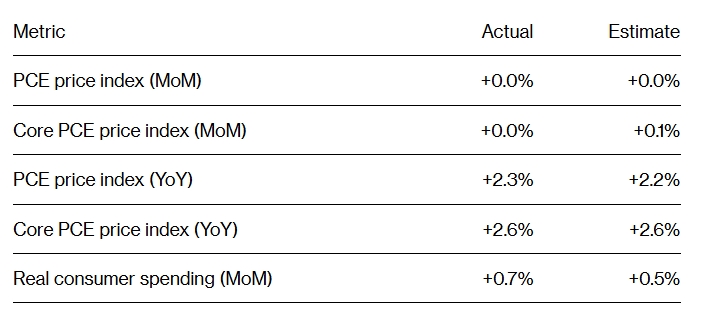
Group 1 - The PCE price index remained flat in March, marking the first "zero growth" in nearly a year, while the core PCE also showed no change, indicating a temporary easing of inflationary pressures [1][2] - Real consumer spending increased by 0.7% month-over-month, surpassing previous values, suggesting that consumers are accelerating purchases ahead of impending tariff increases [1][2] - March saw the strongest growth in real disposable income in over a year, significantly supporting consumer spending, particularly in durable goods like automobiles [3] Group 2 - The first quarter of 2023 recorded the first quarterly contraction in the U.S. economy since 2022, primarily due to a surge in imports and moderate consumer spending growth [2] - Despite the temporary slowdown in inflation, companies like Shein and Procter & Gamble have begun raising prices, while others like American Airlines and General Motors have withdrawn earnings guidance due to policy uncertainties [3] - The upcoming implementation of tariffs is expected to exert upward pressure on prices, potentially dampening consumer behavior and complicating the Federal Reserve's interest rate policy decisions [3]