医疗设备

Search documents
AI+医疗健康,怀柔在北京市率先实现人工智能健康检测仪器规模化应用
Bei Jing Shang Bao· 2025-07-15 09:44
Core Insights - The article highlights the successful large-scale deployment of AI health detection devices, "Xuanhuang Shiyi" and "Yuemujia," developed by Guanwai Intelligent Technology in 12 medical institutions in Beijing, marking a significant step in the integration of AI and healthcare in the region [1][2] Group 1: Product and Technology - The "Xuanhuang Shiyi" device can assess health status across 80 indicators related to 8 major systems and 50 organs within just 2 minutes, providing personalized nutritional intervention plans [1] - The "Xuanhuang" model, a key innovation, integrates traditional Chinese medicine diagnostics with Western medical data, creating a comprehensive knowledge graph for health management [1] Group 2: Market Expansion and Future Plans - Guanwai Intelligent has already recorded 1.475 million health analyses across various regions including Hebei, Hunan, and Zhejiang, indicating a growing acceptance and application of their technology [2] - Future plans include expanding device deployment in elderly care, community, and school settings, as well as launching multilingual versions to tap into overseas markets [2] Group 3: Industry Development and Support - The establishment of the "Big Health AI Open Innovation Platform" aims to integrate resources from the Beijing-Tianjin-Hebei region, facilitating clinical validation and application of AI technologies in healthcare [2] - The Huairou District is home to 220 high-tech enterprises and 209 specialized and innovative companies, with ongoing policy support to enhance financing and collaboration in sectors like AI and new materials [2]
2024年驾驭新经济生成式AI对全球行业与区域经济的影响研究报告
Sou Hu Cai Jing· 2025-07-15 07:21
Group 1 - Generative AI (GenAI) is expected to significantly reshape global productivity, industry dynamics, and regional economies over the next decade, with a focus on its impact on total factor productivity (TFP) across various sectors [1][4][22] - The healthcare sector is projected to be the largest beneficiary of GenAI, with TFP growth estimated between 1.2% and 2.5% by 2033, driven by advancements in diagnostics, patient management, and operational efficiencies [2][35] - Advanced manufacturing, particularly in computer and medical equipment, is also set to experience substantial TFP gains, estimated at 1.0% to 2.4%, as GenAI transforms production processes and supply chain management [3][35] Group 2 - Developed regions such as Asia-Pacific, Western Europe, and North America are expected to see the most significant GDP growth due to GenAI, with increases ranging from 1.0% to 2.3% in these areas by 2033 [4][22] - In contrast, regions like South Asia and Sub-Saharan Africa are anticipated to experience limited GDP growth, with TFP improvements only between 0.05% and 0.1%, due to weaker technological infrastructure and talent shortages [4][8] - The report highlights that GenAI's influence extends beyond direct productivity gains, as it also affects trade and capital flows, creating a cycle of economic expansion in regions that rapidly adopt these technologies [5][22] Group 3 - The report indicates a widening gap between industries benefiting from GenAI and those lagging behind, with sectors like education, public administration, and professional services also poised for significant productivity enhancements [6][22] - Conversely, industries such as agriculture, construction, and traditional mining are expected to see modest TFP growth, ranging from 0.2% to 1.0%, due to their lower labor cost structures and higher dependency on manual processes [6][22] - The spillover effects of GenAI are noted, where industries with limited direct application can still benefit indirectly from growth in manufacturing and services, leading to increased demand in sectors like real estate and utilities [6][8] Group 4 - The uneven distribution of GenAI's productivity benefits is reshaping global competitiveness, with Western economies likely to achieve TFP increases of 0.9% to 1.8%, primarily in healthcare and manufacturing [7][22] - Emerging markets in Central and Eastern Europe, Latin America, and ASEAN are expected to see moderate TFP growth of 0.3% to 0.7%, often through the adoption of GenAI technologies in manufacturing processes [7][8] - The report emphasizes that regions with lower capital mobility may find new opportunities in traditional sectors as demand for basic products rises in developed countries focusing on GenAI-intensive industries [8][22]

半年度并购报告,地方国资又活跃起来了
投中网· 2025-07-15 06:31
Core Insights - The Chinese M&A market showed a decline in activity in H1 2025, with a total of 2,319 announced transactions, a decrease of 25.74% quarter-on-quarter and 28.47% year-on-year, while the total transaction value reached $127.07 billion, reflecting a 47.94% increase year-on-year despite a decrease in the number of transactions [5][8]. Group 1: M&A Market Data Analysis - In H1 2025, the number of completed M&A transactions was 1,397, with a total transaction value of $88.87 billion, marking a 10.09% increase year-on-year [14]. - In June 2025, there were 421 announced M&A transactions, a 30.34% increase month-on-month but a 19.66% decrease year-on-year, with a total transaction value of $12.55 billion, down 56.22% month-on-month and 20.01% year-on-year [11]. - The M&A market is characterized by a significant presence of local state-owned enterprises (SOEs), particularly in sectors like energy, mining, and chemicals [5][34]. Group 2: Private Equity Fund Exits - In H1 2025, 171 private equity funds successfully exited through M&A, with total returns reaching 43.07 billion yuan, a historical high [21]. - Notable exits included the acquisition of 100% equity in Longsheng New Energy by Searis Group for 3.51 billion yuan [21][26]. Group 3: Major M&A Cases - In H1 2025, there were 19 completed M&A transactions exceeding $1 billion, with the largest being the merger of Guotai Junan Securities and Haitong Securities, valued at approximately $13.49 billion [28]. - Other significant transactions included the acquisition of Chengdu Aircraft Industrial Group by AVIC for $2.38 billion and Baidu's acquisition of Guangzhou Yiling Network Technology for $2.1 billion [29][31]. Group 4: Cross-Border M&A Trends - In H1 2025, there were 52 completed cross-border transactions, a decrease of 40.23% quarter-on-quarter and 29.73% year-on-year, with a total transaction value of $4.84 billion [36]. - Notable cross-border deals included Midea Group's acquisition of Teka Group for $1.14 billion and Zijin Mining's acquisition of Newmont Golden Ridge for $1 billion [39][40]. Group 5: Industry and Regional Analysis - The electronics information sector led the number of transactions in H1 2025, with 473 deals, accounting for 18.5% of the total [47]. - Guangdong province ranked first in the number of completed M&A cases, while Shanghai led in transaction value [43].



深夜,全线下挫!关税,突传变数!
券商中国· 2025-07-14 15:03
Core Viewpoint - The article discusses the escalating trade tensions between the EU and the US, particularly in light of President Trump's announcement of a 30% tariff on EU and Mexican imports, which has led to increased market volatility and concerns over economic impacts [1][7][4]. Group 1: Trade Negotiations - The EU is preparing to strengthen cooperation with countries also threatened by US tariffs, including Canada and Japan, potentially coordinating response measures [2][6]. - EU Commission President Ursula von der Leyen stated that while the EU has paused retaliatory measures until August 1, it is preparing further countermeasures to ensure readiness [10][11]. - The EU's current countermeasure list could affect approximately €210 billion (about $245 billion) of US goods, with an additional list of around €720 billion being prepared [11]. Group 2: Market Reactions - Following Trump's tariff announcement, European stock indices fell, with the Euro Stoxx 50 index down 0.6% and the German DAX index down 0.7% on July 14 [3][7]. - US stock markets also experienced declines, with the Dow Jones down 0.15% and the S&P 500 down 0.2% [8]. Group 3: Economic Impact - Analysts warn that if the 30% tariff is fully implemented, the effective tariff rate on the EU could rise to 26 percentage points, potentially leading to a cumulative GDP decline of 1.2% in the Eurozone by the end of 2026 [4][24]. - The uncertainty surrounding tariffs may lead to increased inflation and volatility in interest rates and exchange rates, impacting risk assets and commodities [24]. Group 4: Political Responses - French President Macron expressed strong dissatisfaction with Trump's tariff threats, urging the EU to prepare credible countermeasures if no agreement is reached by August 1 [13]. - German Chancellor Merz indicated that failure to resolve the trade conflict through negotiations would fundamentally impact European exporters [14]. Group 5: Ongoing Negotiations - Key issues in the ongoing EU-US negotiations include automotive and agricultural tariffs, with discussions about a preliminary agreement that may involve a 10% tariff on most EU exports [16][17]. - There is skepticism among EU officials regarding Trump's commitment to the 30% tariff, viewing it as a negotiation tactic rather than a definitive policy [18].

医药生物行业报告(2025.07.07-2025.07.11):2025年上半年Licenseout创历史新高,看好创新药BD催化延续
China Post Securities· 2025-07-14 15:01
Industry Investment Rating - The industry investment rating is "Outperform" [1] Core Viewpoints - The report is optimistic about the second half of 2025, particularly regarding ADC, bispecific antibodies, and CAR-T products, with expectations for continued business development (BD) activity [4][13] - In the first half of 2025, China's innovative drug license-out total amount approached $66 billion, surpassing the total for 2024, indicating strong interest from multinational corporations (MNCs) in Chinese innovative drug assets [4][13] - The report highlights a significant increase in the number and amount of license-out transactions in China, with the proportion of projects rising from 3% in 2019 to 13% in 2024, and the amount from 1% to 28% [4][13] Summary by Sections 1. Weekly Insights - The pharmaceutical and biotechnology sector rose by 1.82%, outperforming the CSI 300 index by 1 percentage point, ranking 16th among 31 sub-industries [5][20] - The report notes that the medical research outsourcing sector had the highest increase, up by 9.29% [5][24] 2. Performance of Sub-sectors - The report details the performance of various sub-sectors, with the medical research outsourcing sector leading the gains, followed by vaccines and pharmaceutical distribution [5][24] - The report indicates that the innovative drug sector continues to perform well, driven by ongoing BD activities and supportive policy developments [26][27] 3. Recommended and Benefiting Stocks - Recommended stocks include innovative drug companies such as Xinda Biopharmaceutical, Kangfang Biopharmaceutical, and others in the medical device sector like Yingke Medical and Maipu Medical [6][20] - Benefiting stocks also include a range of innovative drug companies listed in both H-shares and A-shares, as well as companies in the medical device and CXO sectors [6][20] 4. Market Trends - The report emphasizes the increasing focus of MNCs on metabolic endocrine and autoimmune products, indicating a shift in disease spectrum preferences [4][19] - The report suggests that the innovative drug sector is likely to see continued strong performance due to favorable policies and market conditions [26][28] 5. Future Outlook - The report anticipates that the innovative drug sector will continue to thrive, with a focus on projects that have already been licensed out and are awaiting clinical catalysts [26][28] - The medical device sector is expected to benefit from government policies promoting upgrades and replacements, with a significant increase in procurement anticipated in the second quarter of 2025 [29][30]
欧盟推迟反制美国关税,“计划与加拿大和日本进行接触”
Guan Cha Zhe Wang· 2025-07-14 02:13
Core Viewpoint - The EU is currently in critical negotiations with the US regarding tariffs, with President Trump threatening a 30% tariff on EU products, prompting a response from EU leaders who are seeking to negotiate rather than retaliate aggressively [1][4]. Group 1: EU's Response to US Tariff Threats - EU Commission President Ursula von der Leyen announced the postponement of retaliatory tariffs on $210 billion worth of US products, originally set to take effect on July 15, to early August, emphasizing a preference for negotiation [1][4]. - Von der Leyen stated that the EU will continue to prepare additional countermeasures while prioritizing negotiations with the US [1][7]. - The EU is planning to engage with countries like Canada and Japan to coordinate responses to the US tariffs [3][4]. Group 2: Internal EU Reactions and Criticism - Some European business organizations and politicians criticized von der Leyen's approach as weak, suggesting that failure to respond effectively to Trump's tariffs would be a significant setback [1][4]. - French President Macron expressed strong dissatisfaction with Trump's threats and urged the EU to prepare credible countermeasures if negotiations fail [4][9]. - Italian officials and agricultural organizations warned that the proposed tariffs could have devastating effects on Italy's food exports, estimating direct losses of around €2.3 billion [8][9]. Group 3: Economic Impact and Negotiation Dynamics - Germany, being the largest exporter to the US, reported a 7.7% decline in exports to the US in May, highlighting the economic impact of the tariff threats [5][7]. - EU leaders are divided on whether to pursue a quick trade agreement similar to the UK's or to continue negotiations for a better outcome [4][9]. - EU officials believe that Trump's threats may be a negotiation tactic rather than a definitive policy change, with expectations that a reasonable solution can still be reached [4][5].
每周股票复盘:三星医疗(601567)回购注销部分第四期及第五期限制性股票
Sou Hu Cai Jing· 2025-07-12 19:12
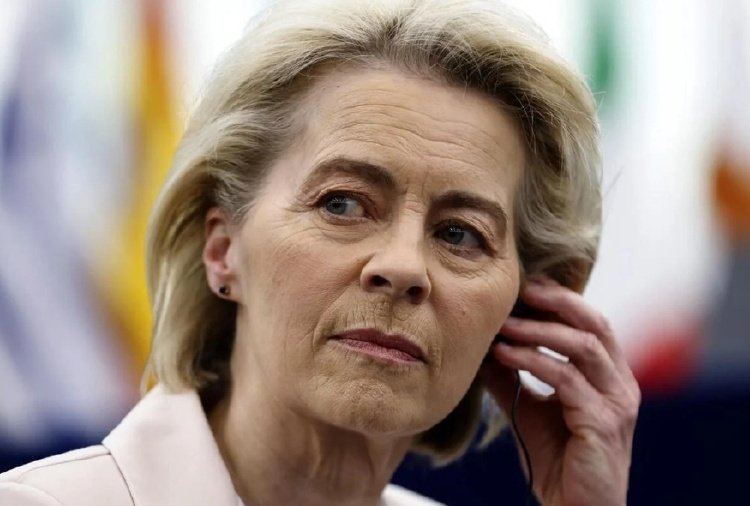
Group 1 - Samsung Medical (601567) closed at 22.73 yuan on July 11, 2025, up 3.04% from the previous week's 22.06 yuan, with a weekly high of 23.56 yuan and a low of 21.82 yuan [1] - The current total market capitalization of Samsung Medical is 32.072 billion yuan, ranking 8th out of 121 in the power grid equipment sector and 473rd out of 5149 in the A-share market [1] Group 2 - The company announced the repurchase and cancellation of 41,800 restricted stocks for 5 departing incentive recipients, as they no longer meet the incentive conditions [1] - The repurchase prices for the restricted stocks are 5.59 yuan/share for the first grant of the fourth phase, 4.75 yuan/share for the reserved grant of the fourth phase, 5.35 yuan/share for the first grant of the fifth phase, and 4.75 yuan/share for the reserved grant of the fifth phase [1] - The total repurchase amount is 207,694 yuan, funded entirely by the company's own capital, and following the cancellation, the registered capital will decrease from 1,411,006,571 yuan to 1,410,964,771 yuan [1]

340亿美元大单落地,印尼突然变脸?中国稀土底牌,正被慢慢破解
Sou Hu Cai Jing· 2025-07-12 15:46
Core Viewpoint - Indonesia's recent trade agreement with the United States, valued at $34 billion, marks a significant shift in its economic strategy, driven by the need to mitigate economic pressures from U.S. tariffs and to capitalize on its natural resources, particularly nickel, which is crucial for the global renewable energy sector [1][3][9]. Group 1: Trade Agreement Details - The trade agreement includes substantial purchases of natural gas, agricultural products, electronics, machinery, and medical equipment from the U.S., alongside Indonesia's commitment to implement near-zero tariffs on over 1,700 U.S. goods [5][7]. - Indonesia is also easing investment restrictions for U.S. companies, indicating a welcoming stance towards American investments [7]. Group 2: Economic Context - Indonesia's economy heavily relies on its natural resources, with nickel being a key component, as it is one of the world's major suppliers of nickel, which is increasingly in demand for electric vehicle batteries [11][38]. - The U.S. has expressed a need to reduce its dependence on China for rare earth elements, prompting Indonesia to seek collaboration in supplying nickel and other critical minerals [13][34]. Group 3: Regional Implications - The trade dynamics in Southeast Asia are shifting, with countries like Vietnam and Cambodia also making concessions to the U.S. under similar pressures, highlighting a broader trend of smaller nations adapting to the geopolitical landscape [30][50]. - The agreements reflect a strategic pivot in the region, where economic survival often necessitates alignment with larger powers, showcasing the complexities of global trade relationships [32][50]. Group 4: Financial Trends - There is a notable trend towards "de-dollarization" among Southeast Asian nations, as they increasingly seek alternatives to the U.S. dollar for trade settlements, with the Chinese yuan gaining traction [42][46]. - This shift may indicate a significant change in the global financial landscape, driven by the pressures exerted by U.S. policies on these countries [46].


医药生物行业双周报(2025、6、27-2025、7、10):血液透析设备迎来集采-20250711
Dongguan Securities· 2025-07-11 09:31
Investment Rating - The report maintains an "Overweight" rating for the pharmaceutical and biotechnology industry, expecting the industry index to outperform the market index by over 10% in the next six months [35]. Core Insights - The SW pharmaceutical and biotechnology industry outperformed the CSI 300 index, rising by 4.42% from June 27, 2025, to July 10, 2025, exceeding the CSI 300's performance by approximately 2.79 percentage points [14][29]. - Most sub-sectors within the industry recorded positive returns during the same period, with the medical research outsourcing and in vitro diagnostics sectors leading with increases of 10.00% and 5.17%, respectively [16][29]. - Approximately 88% of stocks in the industry achieved positive returns, with notable performers including Yong'an Pharmaceutical, which saw a weekly increase of 24.71% [17][19]. - The overall price-to-earnings (PE) ratio for the SW pharmaceutical and biotechnology industry was approximately 49.02 times as of July 10, 2025, indicating a rise in industry valuation, which is currently at a relatively low level compared to recent years [20][29]. Summary by Sections 1. Market Review - The SW pharmaceutical and biotechnology industry outperformed the CSI 300 index, with a rise of 4.42% from June 27, 2025, to July 10, 2025 [14]. - Most sub-sectors recorded positive returns, particularly medical research outsourcing and in vitro diagnostics, which increased by 10.00% and 5.17%, respectively [16]. - About 88% of stocks in the industry had positive returns, with significant gains from certain stocks [17][19]. 2. Industry News - A procurement announcement for blood dialysis equipment was made, indicating a larger scale of procurement at the provincial level, which may impact pricing dynamics in the market [27]. - The report highlights the importance of the new "Occupational Disease Classification and Catalog" set to be implemented, which may influence industry practices [26]. 3. Company Announcements - Hainan Haiyao announced that its subsidiary received a drug registration certificate for Linezolid tablets, indicating progress in its product pipeline [28]. 4. Industry Outlook - The report suggests focusing on investment opportunities within the innovative drug industry chain and highlights several companies across various sectors, including medical devices, pharmaceutical commerce, and innovative drugs [31].





融资超4亿!创新神经技术企业完成D轮
思宇MedTech· 2025-07-10 10:13
Core Viewpoint - Neuros Medical has successfully completed a $56 million Series D financing round to support the commercialization of its innovative Altius Direct Electrical Nerve Stimulation System, highlighting the capital market's strong interest in non-opioid pain management technologies [1][4]. Financing Purpose - The funds will be primarily used for commercializing the Altius system in the U.S., building a sales team, establishing distribution networks, and enhancing clinical education and training [3][5]. - The company aims to address a long-standing clinical challenge in chronic pain management, particularly for amputees suffering from phantom and residual limb pain [3][4]. Market Demand - Approximately 2 million patients in the U.S. have undergone amputations, with 180,000 to 300,000 new cases annually. Chronic post-amputation pain affects up to 80% of amputees, representing over 1 million individuals [3][4]. - Traditional treatments often rely on opioids or gabapentin, which have limited effectiveness and significant side effects, including addiction and tolerance [3][4]. Product Overview - The Altius system, approved by the FDA in August 2024, is the first implantable nerve modulation device specifically designed for post-amputation pain. It utilizes high-frequency alternating current to block pain signals from damaged peripheral nerves [6][12]. - The system consists of a nerve cuff electrode, an implantable pulse generator, and a patient handheld controller, allowing for personalized pain management [12][17]. Clinical Evidence - The FDA approval was based on the "QUEST" clinical study, which included 180 unilateral lower limb amputees across 35 clinical centers, making it the largest and most rigorously designed study in this field [9][10]. - Results showed that patients experienced a significant reduction in pain intensity, with a 30% decrease within 30 minutes and a 50% decrease within 120 minutes of treatment [13]. - The Altius treatment group also reported a significant reduction in opioid use, addressing the ongoing opioid crisis in the U.S. [13]. Market Landscape - The global neuromodulation market is projected to reach approximately $15 billion by 2030, driven by the demand for non-opioid treatment options [15]. - Currently, there are few FDA-approved implantable devices for post-amputation pain, positioning Altius as a competitive solution in the market [15]. Future Outlook - Following the financing, Neuros Medical's primary goal is to accelerate the commercialization of the Altius system in the U.S. by the end of 2025, with plans to expand into Europe and other international markets [15][16]. - The company also intends to explore the application of the Altius technology in other chronic pain conditions, such as neuropathic pain and diabetic peripheral neuropathy [15][16].