科技

Search documents
港股科技板块高开高走,恒生科技ETF易方达(513010)标的指数涨超1%
Mei Ri Jing Ji Xin Wen· 2025-10-15 03:03
Core Viewpoint - The Hang Seng Tech Index has shown a positive trend, with significant gains in major tech stocks, indicating a potential upward movement in the Hong Kong stock market driven by technological advancements and favorable monetary policies [1] Group 1: Market Performance - As of 10:25, the Hang Seng Tech Index rose by 1.8%, with JD Health and Bilibili-W increasing by over 4%, and Alibaba-W rising by over 3% [1] - The Hang Seng Tech ETF (513010) has seen a strong inflow of funds, with over 3.6 billion yuan net inflow in the past month [1] Group 2: Future Outlook - According to China Merchants Securities, the Hong Kong stock market may continue to experience fluctuations in the absence of new positive factors, but marginally positive factors are expected to accumulate, potentially driving the market upward [1] - The robust development of China's tech industry, particularly in AI, and the ongoing expectations of interest rate cuts by the Federal Reserve are seen as beneficial for foreign capital inflow into Hong Kong stocks [1] Group 3: Valuation Insights - The Hang Seng Tech Index consists of the 30 largest stocks related to technology themes listed in Hong Kong, including major companies like Alibaba, Tencent, Meituan, and Kuaishou [1] - The current rolling price-to-earnings ratio of the index is at the 27.6% percentile since its launch in 2020, indicating noteworthy investment value [1]
美股异动|贝莱德股价创新高背后的AI动力与投资策略
Xin Lang Cai Jing· 2025-10-15 00:01
10月14日,贝莱德(BlackRock)的股价以3.39%的涨幅引人注目,实现连续两天上涨,总计涨幅达到 5.47%。当日盘中,贝莱德的股票价格攀升至历史新高,激发了投资者的热情。 近期,贝莱德推出了一只针对美国前20家大型公司进行投资的交易所交易基金(ETF),这为欧洲投资 者提供了以较低成本进军美国大型股市场的机会。该基金在伦敦证券交易所、阿姆斯特丹泛欧交易所以 及Xetra上市,费用率为0.2%。这一举措不仅反映了贝莱德对美股市场的信心,也为投资者提供了多样 化的投资选择。 贝莱德投资研究所的管理层在近期的展望论坛中表达了对美国股市的积极看法。尽管美国股市估值偏 高,但其强劲的经济和公司盈利增长依然让投资者对未来充满期待。相比之下,欧洲经济的增长和股市 表现相对滞后,凸显美国经济的独特优势。 来源:市场资讯 除此之外,贝莱德还在科技行业之外寻找与人工智能相关的投资机会,这种多元化的投资策略可能为投 资者带来长期收益。而其他金融机构,例如美国银行证券,也同样看好美股的未来表现,显示出市场的 普遍乐观情绪。 (来源:美股情报站) 人工智能(AI)的崛起显然为提升大型科技股的市场地位提供了动力。贝莱德也正是 ...
南向资金净流入金额逼近1.2万亿港元 港股中长期上行趋势不改
Zhong Guo Zheng Quan Bao· 2025-10-14 23:12
Core Insights - Southbound capital has significantly flowed into the Hong Kong stock market, reaching a cumulative net inflow of 11,985.67 billion HKD as of October 14, marking a historical high for the year [1][2] - The Hang Seng Index has risen over 26% this year, with the Hang Seng Tech Index increasing by over 32%, driven by substantial inflows from southbound capital [1][4] - Despite recent market adjustments, analysts believe the long-term upward trend for Hong Kong stocks remains intact, with expectations for continued growth [5][6] Southbound Capital Inflows - Southbound capital has been the largest source of incremental funds for the Hong Kong stock market this year, with over 80% of trading days showing net inflows [2] - The peak single-day net inflow occurred on August 15, with 358.76 billion HKD [2] - As of October 13, southbound capital holdings reached 5,458.21 billion shares, with a market value of 6.35 trillion HKD, reflecting significant increases since the beginning of the year [2] Sector and Stock Performance - The financial, information technology, and consumer discretionary sectors have the highest market values held by southbound capital, amounting to 14,032.34 billion HKD, 13,707.60 billion HKD, and 9,006.28 billion HKD respectively [2] - Major stocks such as Tencent Holdings and Alibaba have seen substantial increases in holdings, with Tencent exceeding 6,800 billion HKD [2][3] Market Adjustments and Future Outlook - The Hong Kong stock market has experienced a correction, with the Hang Seng Index dropping over 5% and the Hang Seng Tech Index over 8% in October [5] - Analysts suggest that while short-term volatility may persist, the long-term outlook remains positive, supported by domestic growth policies and stable capital inflows [5][6] - The technology sector is expected to benefit from current industry trends, with potential for new highs in the fourth quarter [6]




今年以来南向资金净流入金额逼近1.2万亿港元 港股中长期上行趋势不改
Zhong Guo Zheng Quan Bao· 2025-10-14 21:32
Group 1 - As of October 14, 2023, southbound capital has accumulated a net inflow of 11,985.67 billion HKD this year, setting a historical high for annual net inflow [1][2] - The Hang Seng Index has risen over 26% and the Hang Seng Tech Index has increased over 32% year-to-date, with stocks having a market capitalization exceeding 1 trillion HKD showing an average increase of over 30% [1][4] - Southbound capital has been the largest source of incremental funds for the Hong Kong stock market, with over 80% of trading days this year witnessing net inflows [2][3] Group 2 - As of October 13, 2023, southbound capital holdings reached 5,458.21 billion shares, an increase of 821.50 billion shares since the beginning of 2023, with a total market value of 63,500 billion HKD [2] - The financial, information technology, and consumer discretionary sectors have the highest market values held by southbound capital, amounting to 14,032.34 billion HKD, 13,707.60 billion HKD, and 9,006.28 billion HKD respectively [2] - Major stocks held by southbound capital include Tencent Holdings exceeding 6,800 billion HKD and Alibaba-W, China Mobile, and others exceeding 2,000 billion HKD [2][3] Group 3 - Recent adjustments in the Hong Kong stock market have seen the Hang Seng Index drop over 5% and the Hang Seng Tech Index drop over 8% in October [5] - Analysts suggest that while short-term volatility may persist, the long-term upward trend for the Hong Kong stock market remains intact, supported by domestic growth policies and stabilizing investor sentiment [5][6] - The technology sector is expected to benefit from current industry trends, with potential for further inflows from foreign capital and continued support from southbound capital [6]
港股中长期上行趋势不改
Zhong Guo Zheng Quan Bao· 2025-10-14 20:17
Group 1 - Southbound capital has seen a cumulative net inflow of 11,985.67 billion HKD as of October 14, marking a historical high for the year and more than double the amount from the same period in 2024 [1][2] - The Hang Seng Index has risen over 26% and the Hang Seng Tech Index has increased over 32% year-to-date, with stocks having a market capitalization exceeding 1 trillion HKD showing an average increase of over 30% [1][2] - Over 80% of trading days this year have recorded net inflows from southbound capital, indicating strong investor interest in the Hong Kong stock market [1] Group 2 - As of October 13, southbound capital holdings reached 5,458.21 billion shares, an increase of 821.50 billion shares since the beginning of 2025, with a total market value of 63,500 billion HKD, up by 27,700 billion HKD [2] - The financial, information technology, and consumer discretionary sectors have the highest holdings, with values of 14,032.34 billion HKD, 13,707.60 billion HKD, and 9,006.28 billion HKD respectively [2] - Major stocks held by southbound capital include Tencent Holdings at over 6,800 billion HKD and Alibaba-W, China Mobile, and others exceeding 2,000 billion HKD [2] Group 3 - Analysts suggest that Hong Kong's tech and consumer assets are attractive due to their scarcity and relevance to current trends like AI applications and new consumption [3] - Despite recent market adjustments, the long-term upward trend for Hong Kong stocks is expected to continue, supported by domestic growth policies and stable investor sentiment [3][4] - The fourth quarter is anticipated to see continued inflows into Hong Kong stocks, particularly in the tech sector, with the Hang Seng Tech Index expected to have the most significant upside potential [3][4]
日本执政联盟破裂新首相或“难产” 日央行或推迟加息
2 1 Shi Ji Jing Ji Bao Dao· 2025-10-14 15:03
Market Overview - The Japanese stock market experienced significant declines, with the Nikkei 225 index falling by 2.58% and the Topix index dropping by 1.99% as of October 14 [1][2] - The decline was primarily driven by political instability following the announcement of the Komeito party's withdrawal from the ruling coalition with the Liberal Democratic Party, raising concerns about the potential inability of the new LDP president, Sanae Takaichi, to assume the role of Prime Minister [1][2] Currency and Bond Market - The Japanese yen showed volatility, initially declining but later rising due to increased demand for safe-haven assets, although it has depreciated by 2.79% against the US dollar for the month [1][3] - Japanese long-term government bond yields continued to rise, indicating investor disinterest in Japanese bonds, with the 20-year bond yield increasing by 0.15% and the 30-year bond yield rising by 0.81% [3][4] Political Impact on Financial Markets - The political uncertainty in Japan is expected to continue affecting the stock market, with potential for further declines if the political deadlock persists and external negative factors arise [3][6] - Analysts suggest that if political stability is restored and global risk appetite improves, the Japanese stock market may stabilize and rebound [3][6] Government Debt Concerns - Concerns regarding Japan's fiscal sustainability are heightened, with government debt exceeding 260% of GDP, leading to fears of increased bond issuance and potential fiscal deterioration [4][5] - The market anticipates that if the new government opts for fiscal stimulus measures, it could further increase the supply of government bonds, necessitating higher yields as compensation [4][5] Interest Rate Outlook - The likelihood of a rate hike by the Bank of Japan has diminished significantly, with current expectations for an increase in October at only 10%, down from 63% earlier in the month [6] - The political instability may lead the Bank of Japan to adopt a cautious approach regarding monetary policy, delaying any potential rate hikes until the political landscape stabilizes [6]
畅想十五五:提振内需将与生产并重
2025-10-14 14:44
Summary of Key Points from Conference Call Records Industry Overview - The conference call discusses the **Chinese consumer market** and its various segments, including traditional, emerging, and technology-driven consumption trends [1][3][6][41]. Core Insights and Arguments - **Government Initiatives**: The Chinese government is prioritizing consumption stimulation through policies such as a subsidy program for replacing old products, with a budget of **300 billion** yuan for 2025, up from **150 billion** yuan in 2024 [3][4][41]. - **Consumer Trends**: Traditional consumption faces challenges due to declining birth rates and changing consumer attitudes, while emerging consumption benefits from demographic shifts and a focus on cost-effectiveness [6][41]. - **Technology Consumption Growth**: The technology sector is rapidly expanding, particularly in electronics and AI, with brands like **Roborock** and **Ecovacs** establishing a high-end presence in Western markets [6][8][41]. - **Globalization of Chinese Brands**: Chinese companies are effectively responding to tariff fluctuations by relocating production to Southeast Asia and enhancing global supply chains, with brands like **Midea**, **Haier**, and **TCL** achieving significant international market penetration [9][10][41]. - **Fast Fashion Competitiveness**: Chinese fast fashion brands are leveraging digital technologies in supply chains to enhance responsiveness, surpassing traditional Western competitors like **Zara** and **H&M** [11][41]. - **Cultural and Entertainment Products**: The international competitiveness of Chinese lifestyle and entertainment brands is increasing, exemplified by **Anta's** acquisition of **Amer Sports** and the success of **Pop Mart** in overseas markets [12][41]. Additional Important Insights - **Service Consumer Development**: The growth of service-oriented consumers is linked to open-mindedness rather than mere supply issues, with potential future support from government policies [7][41]. - **Outdoor Apparel Market**: The outdoor apparel market is experiencing rapid growth post-pandemic, driven by increased demand for outdoor activities and a shift towards health-conscious lifestyles [13][41]. - **Running as a New Consumption Trend**: The running segment is gaining popularity, particularly among the 35-45 age group, with brands like **HOKA** and **Asics** showing strong growth [14][15][41]. - **Textile Industry Dynamics**: The textile and apparel sector is seeing varied performance, with retail growth dependent on seasonal weather conditions and consumer demand [17][41]. - **Pet Food Industry Internationalization**: Chinese pet food companies are transitioning from product exports to capacity and brand exports, with significant investments in overseas production facilities [30][31][32][41]. - **Future of the Alcohol Industry**: The liquor industry may face short-term adjustments but is expected to recover in the long term, particularly with potential government support for service-oriented policies [36][41]. Investment Opportunities - **Consumer Sector**: Companies with low valuations and strong supply chains, such as **Qingdao Beer** and **Poly Food**, are highlighted as potential investment opportunities [39][41]. - **New Consumption Brands**: Brands in the new consumption space, particularly in beverages and innovative food products, are expected to perform well in the upcoming fiscal year [40][41]. - **Service Consumption Growth**: The new tea beverage sector is identified as a high-potential area, with expected double-digit growth in the coming years [24][25][41]. This summary encapsulates the key points discussed in the conference call, providing insights into the current state and future outlook of the Chinese consumer market and related industries.



中国稀土“王炸”级反制后,特朗普对华征100%关税,看来真的很疼
Sou Hu Cai Jing· 2025-10-14 14:13
Core Viewpoint - The US-China trade dispute has escalated sharply, with China implementing rare earth export controls as a countermeasure, prompting President Trump to announce a 100% tariff on Chinese products starting November 1 and export controls on "all critical software" [1][6]. Group 1: China's Countermeasures - China has announced stricter export controls on five types of medium and heavy rare earth products, related technologies, equipment, and raw materials, significantly increasing the scope and intensity of these controls [3]. - The Chinese Ministry of Transport has introduced a special port fee for US ships docking at Chinese ports, charging 400 yuan per net ton, which will increase annually, as a response to perceived discriminatory practices by the US [3][5]. Group 2: US Response and Market Impact - In response to China's measures, Trump has stated that there is no need for high-level talks and has raised tariffs on Chinese goods to 100%, indicating a reliance on market leverage as a final strategy [6][10]. - The announcement of these tariffs led to a significant market reaction, with the Dow Jones Industrial Average dropping by 1.90% and the Nasdaq Composite falling by 3.56%, particularly impacting the technology sector [8]. Group 3: Strategic Implications - China's use of rare earths as a strategic countermeasure not only retaliates against US actions but also positions China favorably in negotiations regarding high-tech industries, particularly in the global semiconductor supply chain [9][12]. - The trade conflict has evolved from a tariff battle to a struggle for control over the core of the high-tech industry supply chain, indicating a more intense and prolonged phase of US-China relations [12].


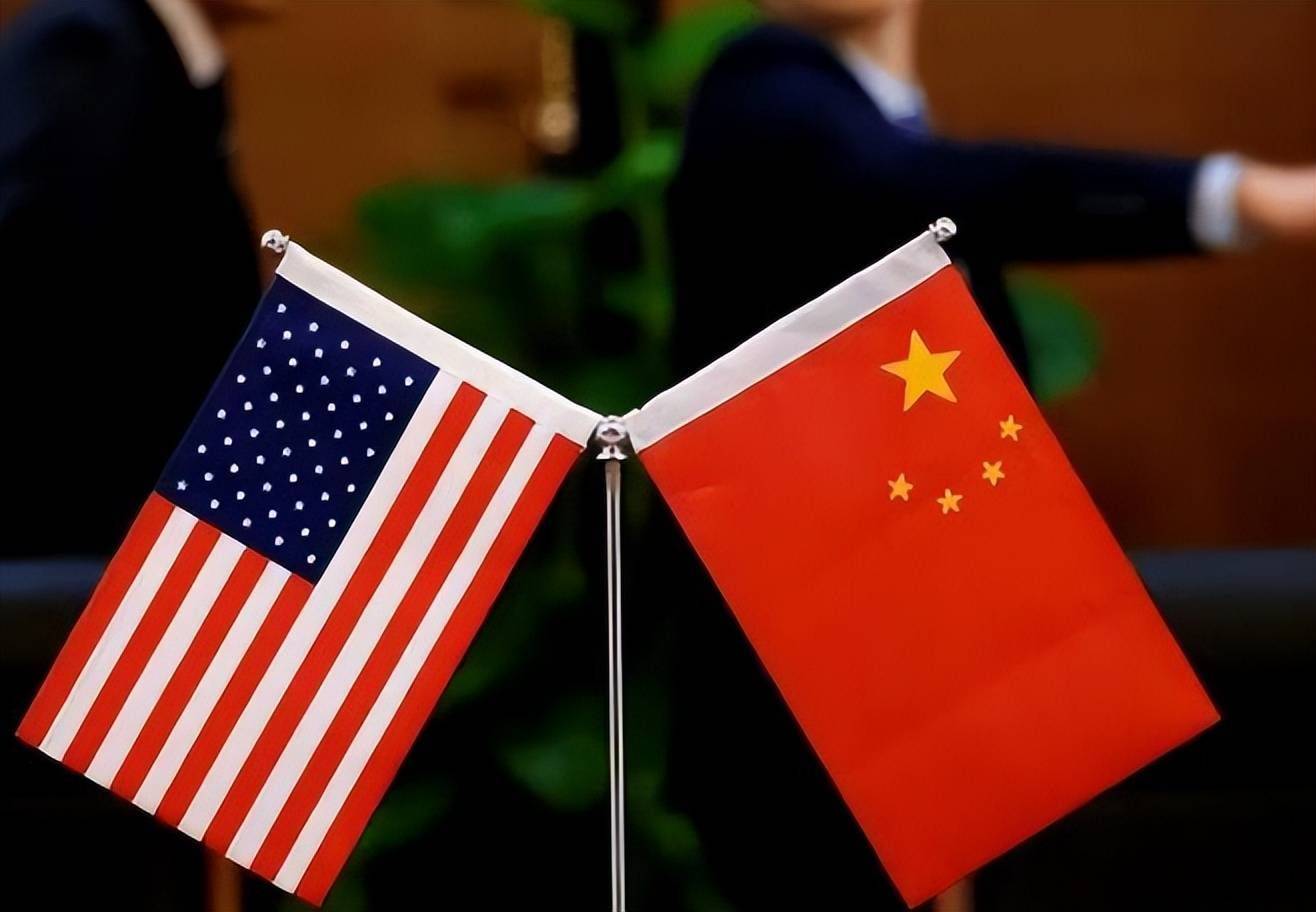
日本执政联盟破裂新首相或“难产”,日央行或推迟加息
2 1 Shi Ji Jing Ji Bao Dao· 2025-10-14 14:07
Market Overview - The Japanese stock market experienced significant declines, with the Nikkei 225 index falling by 2.58% and the Topix index down by 1.99% as of October 14 [2][3] - The decline is attributed to political instability following the announcement of the Komeito party's exit from the ruling coalition with the Liberal Democratic Party, raising concerns about the potential inability of the new LDP president, Sanae Takaichi, to assume the role of Prime Minister [2][3] Currency and Bond Market - The Japanese yen showed volatility, initially declining but later rising by 0.14% against the US dollar, reflecting increased demand for safe-haven assets amid global market uncertainties [4] - The yield on Japan's 20-year and 30-year government bonds increased by 0.15% and 0.81%, respectively, indicating a cooling interest in Japanese bonds despite the yen's safe-haven status [4] Economic Implications - Analysts suggest that the political turmoil in Japan is causing heightened investor caution, particularly affecting technology and banking stocks, which are sensitive to economic outlook and policy changes [3] - The potential for a new fiscal stimulus from a new government could lead to increased government debt issuance, raising concerns about fiscal sustainability and pushing bond yields higher [5][6] Interest Rate Outlook - The likelihood of a rate hike by the Bank of Japan has decreased significantly, with current market expectations placing the probability of a rate increase this month at only 10%, down from 63% earlier in October [6][7] - The uncertainty surrounding the new government's monetary policy direction, whether dovish or hawkish, adds to the complexity of the interest rate outlook in Japan [7]

[10月14日]指数估值数据(螺丝钉定投实盘第385期发车;养老指数估值表更新)
银行螺丝钉· 2025-10-14 14:00
Market Overview - The overall market experienced a decline, with a rating of 4.2 stars [1] - Large-cap stocks saw less decline compared to small and mid-cap stocks [2] - The market continues to exhibit style rotation, with significant drops in growth style stocks [3][4] - The ChiNext and STAR Market fell by 4% recently [5] Style Performance - Growth style stocks faced substantial declines, while value style stocks remained relatively stable [6] - Recently, previously underperforming "old economy stocks" have shown an overall increase [7] - Indices focusing on value, dividends, and free cash flow have seen overall gains [8] - The 300 Value Index has returned from undervaluation to normal levels [9] Investment Opportunities - There are still some undervalued sectors, particularly in consumer industries, that have started to gain traction [11][13] - The Hong Kong market reflects similar trends, with stable dividends and declines in technology growth stocks, which have not yet returned to undervaluation [14][16] - The volatility in the Hong Kong market has been greater than in the A-share market this year [17] Investment Strategies - The investment strategy includes a pause on regular investments in the index-enhanced advisory portfolio as it has returned to normal valuation, with plans to resume when it returns to undervaluation [20] - The active selection portfolio continues regular investments, while the monthly salary investment portfolio, which consists of 40% stocks and 60% bonds, is recommended for stable market participation [20] - The monthly salary portfolio features a "low buy high sell" strategy and a cash flow distribution function [20] Fund Performance - The performance of the China A500 and China Dividend indices has returned to normal valuation, with plans to pause investments until they reach undervaluation again [26] - The China A500 has achieved a profit of 22%, while the China Dividend index has seen a profit of approximately 6% [26] - The article emphasizes the importance of patience in long-term investments, highlighting that opportunities will continue to arise [33]