饮料

Search documents
2025年第37周:食品饮料行业周度市场观察
艾瑞咨询· 2025-09-20 00:04
Group 1 - The "health economy" is effectively capturing the "Z generation" through product innovation and social media marketing, with traditional Chinese medicine brands attracting young consumers by offering health-focused products like herbal teas and scented candles [2] - Functional beverages and tea drinks are rapidly replacing traditional bottled water, with significant growth expected in these categories driven by health and personalization demands, while the bottled water market faces stagnation due to oversaturation and price wars [3] - The prepared food industry is undergoing a deep adjustment, with major players like Weizhi and Qianwei experiencing revenue declines due to rising raw material costs and intensified competition, despite the overall market size continuing to expand [4] Group 2 - The tea beverage market is showing signs of differentiation, with Nongfu Spring experiencing a 15.6% revenue increase, while Kangshifu's tea beverage revenue declined by 6.3%, attributed to decreased demand for sugary teas and channel contraction [5] - Japan's mature functional food market offers insights for developing senior food products in China, where the aging population presents a significant market opportunity, necessitating diverse and functional food offerings [7] - Energy drinks are shifting from being favored by laborers to becoming popular among younger consumers, with the market size reaching 111.4 billion yuan, driven by health-conscious formulations and appealing packaging [8] Group 3 - The ready-to-drink tea market is projected to grow at a compound annual growth rate of 5.6% by 2034, with emotional satisfaction and taste optimization being key purchasing drivers [9] - The no-sugar tea market is transitioning from explosive growth to intense competition, with brands focusing on taste innovation to maintain market share as health consciousness rises [11] - Major food and beverage companies are actively investing in product innovation and strategic acquisitions to navigate economic uncertainties, with Coca-Cola and Nestlé reporting significant revenue growth [12] Group 4 - Yonghui Supermarket has launched a new bakery product, "Camellia Flower Toast," emphasizing health and quality, contributing to a noticeable increase in sales [13] - Mengniu's milk powder segment has achieved growth through scientific innovation and targeted marketing, with a reported revenue increase of 2.5% [14] - Wangzai Milk has introduced regionally themed packaging to resonate with local cultures, enhancing brand engagement and driving sales [15] Group 5 - Haidilao has opened a dessert shop to attract customers during off-peak hours, responding to declining revenue and foot traffic [16] - Yuanqi Forest has rapidly grown its market share in the no-sugar sparkling water segment, achieving sales of 11.7 billion yuan, but faces challenges related to product dependency and competition [18] - Yili's new health-focused drink, "Stone Flower and Western Ginseng Water," targets the growing market for traditional health beverages, with a projected market size of 3 billion yuan by 2024 [19] Group 6 - Ziguangyuan has opened a new yogurt station that combines baked goods and snacks, aiming to diversify its product offerings and attract a broader customer base [20] - Yuanqi Forest's "Good Free" series has entered the international market, showcasing a successful blend of traditional health culture and modern consumer demands [21] - The restaurant brand Blue Frog has launched a bakery section to counteract slowing growth, indicating a strategic pivot to enhance customer engagement [23]


欢乐家(300997) - 2025年9月19日投资者关系活动记录表(2025-016)
2025-09-19 10:16
Group 1: Product Development and Market Strategy - The company continues to focus on fruit canned goods and coconut juice as dual drivers of its development strategy, with new product development based on consumer dietary habits [2] - In the first half of 2025, the company revamped its coconut water series based on market feedback and launched two new beverages, expanding the price range of coconut water products [2] - The company plans to develop new products and marketing strategies tailored to different sales channels and consumer needs in the second half of 2025 [3] Group 2: International Operations - The company has established wholly-owned subsidiaries in Vietnam and Indonesia to implement coconut processing projects, with initial processing sales already underway [3][4] - The Indonesian subsidiary was completed in August 2025 and is currently in the preparatory phase for business operations [3] Group 3: Marketing and Sales Channels - The company is actively selling products through official flagship stores on platforms like JD.com, Tmall, Pinduoduo, and Douyin, and is collaborating with influencers for live-stream sales [3][4] - The company has expanded its sales channels to include snack specialty chains, achieving revenue of 87.82 million yuan in the first half of 2025 from this channel [5] Group 4: Financial Performance and Cost Management - The company's sales expenses increased significantly in the first half of 2025, but the revenue growth was limited; the company is confident in creating value in the second half [4] - The company will continue to optimize its sales strategies and expense structure based on market conditions [4]
霸王茶姬获得2025世界饮料创新奖,成为唯一获奖的中国品牌
Feng Huang Wang· 2025-09-19 06:18
Core Insights - The 2025 World Beverage Innovation Awards recognized the Chinese brand Bawang Chaji, with its product "Boyan Juexian" winning the Best Natural/Organic Beverage award and receiving honors in the Best Processing/Production Innovation category [1][2] - The awards, hosted by FoodBev Media, highlight brands that reshape the beverage industry through creativity, sustainability, and consumer appeal, with participation from brands across 25 countries [1] - Bawang Chaji's "Boyan Juexian" has sold 1.25 billion cups from January 1, 2022, to June 30, 2025, indicating strong market performance both domestically and internationally [1] Group 1 - Bawang Chaji is the only Chinese brand to win awards at the 2025 World Beverage Innovation Awards, drawing significant attention from international media [1] - The product "Boyan Juexian" features a tea base of jasmine snow bud combined with fresh milk, delivering a natural jasmine aroma [1] - The brand's extraction technology, inspired by coffee extraction, has been recognized for enhancing tea flavors and is the first to apply "modern extraction" techniques on a large scale in ready-to-drink tea [2] Group 2 - Bawang Chaji's beverage system and packaging were also nominated for Best Beverage System and Best Packaging/Label Innovation awards, showcasing the brand's commitment to innovation [3] - Dan Bunt, the market director of FoodBev Media, noted that the winners of the 2025 awards have elevated innovation to new heights, demonstrating foresight in sustainability and health trends [3]
华润饮料(2460.HK):竞争加剧业绩承压 饮料业务增势亮眼
Ge Long Hui· 2025-09-19 04:27
Core Viewpoint - The company reported a significant decline in revenue and net profit for the first half of 2025, attributed to intensified competition and structural adjustments within the industry [1] Financial Performance - Total revenue for H1 2025 was 6.206 billion yuan, a decrease of 19% year-on-year - Net profit attributable to shareholders was 0.805 billion yuan, down 29% year-on-year - Gross margin decreased by 3 percentage points to 46.67%, primarily due to a decline in bottled water sales and an increase in low-margin beverage products [1] Cost Structure - Sales and distribution expenses as a percentage of revenue increased by 3 percentage points to 30.36% - Administrative expenses as a percentage of revenue rose by 0.4 percentage points to 2.33% - Net profit margin decreased by 2 percentage points to 12.97% [1] Product Performance - Revenue from bottled water sales fell by 23% to 5.251 billion yuan, with small, medium, and large bottled water products experiencing declines of 26%, 19%, and 2% respectively - Beverage sales increased by 21% to 0.955 billion yuan, accounting for 15.39% of total revenue, with 14 new product SKUs launched in H1 2025 [1] Strategic Initiatives - The company plans to establish two new bottled water factories in Q3 and Q4 of 2025 and add two beverage cooperative factories to optimize production capacity in Southern and Eastern China - The ongoing adjustment of distribution channels aims to enhance family consumption scenarios and expand online purchasing options [1]
李子园逆势扩产能:销量持续下滑产能利用率低 产品创新能否打造出第二增长曲线?
Xin Lang Cai Jing· 2025-09-19 04:03
Core Viewpoint - Li Ziyuan has announced the termination of its wholly-owned subsidiary's external investment due to declining sales and low capacity utilization, while still maintaining several ongoing construction projects with a total budget of 1.58 billion yuan [1][3][4]. Group 1: Investment and Capacity - The terminated capacity project was planned since 2022, with an initial investment of approximately 200 million yuan for three sterile filling production lines [2]. - As of 2024, Li Ziyuan has five factories with a total capacity of 375,900 tons, but the actual utilization is only 248,800 tons, resulting in a capacity utilization rate of 66% [3]. - The company has ongoing projects with a total budget of 1.58 billion yuan, and by 2029, the capacity is expected to increase by 58% to 592,600 tons [3]. Group 2: Sales Performance - Li Ziyuan's revenue from dairy beverages has stagnated since 2022, with a significant decline of 11.19% in the first half of this year [3][6]. - The company relies heavily on sweet milk products, which account for about 90% of its main business revenue, making it vulnerable to market changes [7]. - Sales in key markets such as East China and Central China have declined, with a drop exceeding 10% in some areas [7]. Group 3: Product Innovation and Costs - To address product aging, Li Ziyuan is launching new products, including flavored milk and nutrient drinks, with a total investment of 320 million yuan in a deep processing project [8]. - The sales expense ratio has increased from around 12% to nearly 15% in the first half of this year, which offsets the gross margin improvement from lower raw material costs [8]. - The gross margin is expected to increase by 3.23 percentage points in 2024, while the net margin is projected to decline by nearly 1 percentage point [8].

大众品板块2025年中报业绩综述:分化依旧,把握结构性景气
Minsheng Securities· 2025-09-18 13:45
Investment Rating - The report provides a positive investment rating for the low-alcohol and beverage sectors, recommending specific companies based on their performance and market positioning [2]. Core Insights - The report emphasizes the structural recovery in the consumer goods sector, highlighting the importance of channel dynamics and product innovation in driving growth [2][25]. - It identifies key players in the beer segment, such as Yanjing Beer and Zhujiang Beer, which are expected to outperform due to their strong regional presence and operational efficiency [2][11]. - The report also notes the challenges faced by the seasoning and food supply sectors, particularly due to weak downstream demand, but suggests potential for recovery as the restaurant industry stabilizes [2][26]. Summary by Sections Beer Sector - The beer sector experienced a revenue of 41.73 billion yuan in the first half of 2025, with a year-on-year growth of 2.8% [7]. - Major companies like Qingdao Beer and China Resources Beer showed mixed performance, with Qingdao Beer achieving a revenue increase of 1.9% [11][12]. - The report highlights the impact of channel structure on revenue performance, with companies like Yanjing and Zhujiang benefiting from a higher proportion of non-immediate sales channels [11][12]. Yellow Wine Sector - The yellow wine sector reported a revenue of 1.93 billion yuan in the first half of 2025, reflecting a year-on-year growth of 3.4% [26]. - Kuaijishan, a leading player, achieved a double-digit growth rate of 11% in the same period, driven by its high-end and youth-oriented strategies [26][27]. - The report indicates a trend of market share concentration among leading companies, with Kuaijishan and Guyue Longshan capturing a larger portion of the market [31]. Seasoning and Food Supply Sector - The seasoning and food supply sector faced revenue pressure due to weak restaurant demand, but companies that successfully launched new products or expanded channels showed resilience [2][26]. - The report suggests that a recovery in restaurant demand could lead to increased supply chain needs, benefiting leading companies in the sector [2][26]. Beverage Sector - The beverage sector is highlighted for its high growth potential, particularly for companies like Dongpeng Beverage, which is expanding its national presence [2]. - The report recommends focusing on companies that are effectively navigating the competitive landscape and capitalizing on emerging consumer trends [2][26].





“娃哈哈”换“娃小宗”,经销商们怎么看?
Hu Xiu· 2025-09-18 12:24
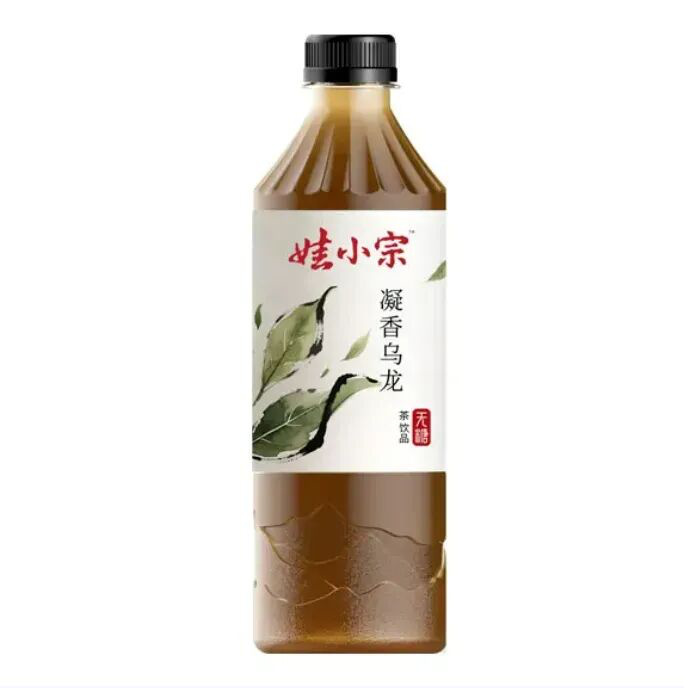
Core Viewpoint - The recent announcement regarding the brand change from "Wahaha" to "Wawaixiong" has raised concerns among distributors and stakeholders, highlighting the complexities of brand ownership and the implications of the current shareholding structure [1][3][12]. Group 1: Brand Change Announcement - A document titled "Notice on the Communication Work of Distributors for the 2026 Sales Year" indicates that starting from the 2026 sales year, the "Wahaha" brand will be replaced by the new brand "Wawaixiong" [1]. - The document was signed by several companies under the Hongsheng Group, which is controlled by the current chairman and general manager, Zong Fuli [1][3]. - The brand change is attributed to the requirement for unanimous consent from all shareholders of Wahaha Group for the use of the "Wahaha" trademark under the current shareholding structure [3][12]. Group 2: Trademark Applications - Hongsheng Beverage Group applied for 45 "Wawaixiong" trademarks across various international categories in May 2025 [2]. Group 3: Distributor Reactions - Distributors have expressed mixed reactions to the brand change, with some showing willingness to try the new brand while others are hesitant due to lack of market recognition [6][9]. - Many distributors have not received formal notifications regarding the brand change, leading to confusion and uncertainty about future sales strategies [7][9]. Group 4: Shareholding Structure and Legal Implications - The shareholding structure of Wahaha Group includes 46% held by Hangzhou Shangcheng Wen Shang Travel Investment Holding Group, 29.4% by Zong Fuli, and 24.6% by the employee shareholding committee [13]. - The employee shareholding committee's status is complicated due to ongoing litigation regarding the 2018 stock buyback, which has not been fully resolved [13][14]. Group 5: Historical Context and Brand Management - Hongsheng Beverage Group, established in 2003, was originally a contract manufacturer for Wahaha, and has since expanded its production capabilities significantly [14]. - Previous attempts by Zong Fuli to transfer "Wahaha" trademarks to her company were halted, indicating ongoing challenges in brand management and ownership [15][16]. - The history of brand management in the beverage industry, including the case of Jianlibao, serves as a cautionary tale for Wahaha regarding brand inheritance and market positioning [20][22].
宗馥莉再“断腕”:半年两次大调整,波及中层及基层
Hu Xiu· 2025-09-18 08:32
Core Viewpoint - Wahaha is planning to change its brand name to "Wawaizong" starting from the 2026 sales year due to compliance issues related to the "Wahaha" trademark, which has raised concerns internally about the potential risks associated with this decision [2][6][17]. Group 1: Brand Change and Compliance Issues - The decision to change the brand name is seen as a critical move for the company's survival, as it aims to address historical compliance issues that have exposed the company to legal risks [8][17]. - The current trademark ownership structure complicates the use of the "Wahaha" brand, requiring unanimous consent from all shareholders for its use [10]. - Previous attempts to transfer the trademark to a subsidiary were unsuccessful due to the need for shareholder approval [11]. Group 2: Internal Restructuring - Since the appointment of Zong Fuli, Wahaha has undergone significant internal reforms, including two major rounds of personnel changes within six months [3][19]. - In April, the company issued eight dismissal notices affecting many mid-level managers, followed by further adjustments in July that impacted regional managers across multiple areas [4][19]. - There have been reports of salary reductions and job relocations for long-term employees, leading to dissatisfaction and increased turnover [22][24]. Group 3: Market Performance and Future Outlook - Wahaha's sales have reportedly declined compared to previous years, raising concerns about the company's future performance [23]. - Zong Fuli has expressed a desire to lead the company to new heights, but the current challenges may hinder this ambition [24].
宗馥莉再「断腕」:半年两次大调整,波及中层及基层
Xin Lang Cai Jing· 2025-09-18 06:48
Core Viewpoint - Wahaha is planning to change its brand name to "Wah Xiaozong" starting from the 2026 sales year to ensure compliance with brand usage, which has raised concerns internally about the potential risks associated with this decision, deemed critical for the company's survival [1][4][15]. Group 1: Brand Change Decision - The decision to change the brand name is attributed to unresolved historical issues that expose the company to legal risks, necessitating this strategic shift [7][5]. - The current ownership structure complicates the use of the "Wahaha" trademark, requiring unanimous consent from all shareholders for its use [9][8]. - Previous attempts by the company's leader, Zong Fuli, to transfer the trademark to a controlled entity failed due to the need for shareholder approval [10]. Group 2: Internal Restructuring - Since Zong Fuli's appointment, the company has undergone significant restructuring, including two major rounds of personnel changes within six months, affecting numerous mid-level and senior management positions [2][17]. - In April, the company issued eight dismissal notices affecting various regional managers across multiple areas, followed by further adjustments in July [19][18]. - Reports indicate that many long-term employees are facing salary reductions and job relocations, leading to increased turnover and dissatisfaction among staff [21][20]. Group 3: Market Performance and Future Outlook - The company's sales have reportedly declined compared to previous years, raising concerns about its market position and future growth prospects [21]. - Zong Fuli has expressed a desire to own the company rather than inherit it, indicating a potential shift in strategy, but the current challenges may hinder this ambition [21].
宗馥莉再“断腕”:半年两次大调整,波及中层及基层 | BUG
新浪财经· 2025-09-18 06:33
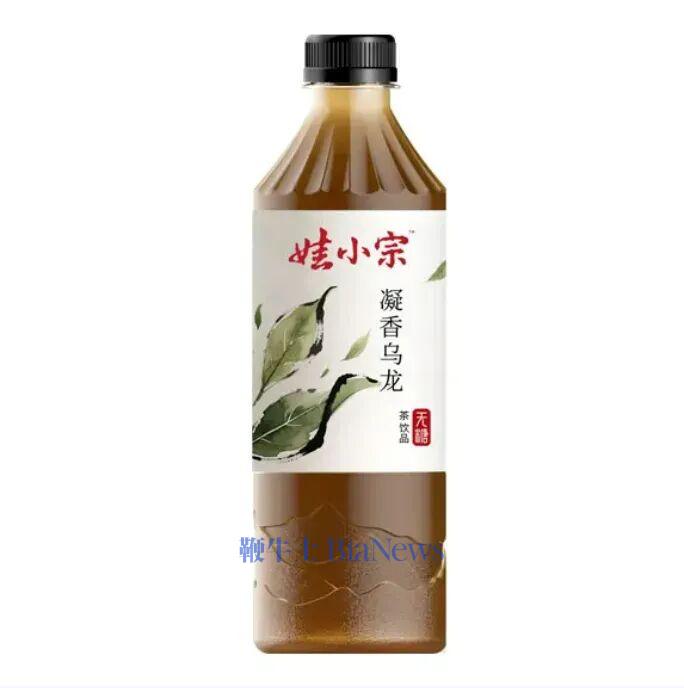
Core Viewpoint - Wahaha is planning to change its brand name to "Wah Xiaozong" starting from the 2026 sales year due to compliance issues related to the "Wahaha" trademark, which has raised concerns internally about the potential risks associated with this decision, described as a matter of "life and death" for the company [3][9][13]. Group 1: Brand Change and Compliance Issues - The decision to change the brand name is driven by the need to address historical compliance issues and legal risks associated with the "Wahaha" trademark, which is owned by a complex shareholding structure [7][9]. - The current shareholding structure requires unanimous consent from all shareholders for the use of the "Wahaha" trademark, complicating any attempts to transfer the trademark to a different entity [9][10]. - The company has been preparing for this brand change since February 2023, with multiple trademark applications for "Wah Xiaozong" and related names filed under a company controlled by the founder's daughter, Zong Fuli [10][11]. Group 2: Internal Restructuring and Management Changes - Since Zong Fuli took over, Wahaha has undergone significant internal restructuring, including two major rounds of personnel changes within six months, affecting many mid-level managers [4][15]. - In April 2023, the company issued eight dismissal notices affecting various regional managers and departments, followed by further adjustments in July that impacted sales managers across twelve regions [15][16]. - Reports indicate that many long-term employees have faced salary reductions and job relocations, leading to increased turnover and dissatisfaction among staff [17]. Group 3: Market Performance and Future Outlook - Wahaha's sales have reportedly declined compared to previous years, raising concerns about the company's future performance amid ongoing internal challenges [17]. - Zong Fuli has expressed a desire to own and potentially acquire Wahaha, indicating a vision for revitalizing the brand, but the current situation presents significant hurdles [17].