
AI

Search documents
3600点关键时刻!最新研判
Sou Hu Cai Jing· 2025-07-27 15:05
Group 1 - The A-share market has recently shown a reasonable valuation level, but it is still slightly undervalued in the long term, leading to a cautiously optimistic outlook for future performance [2][18] - Fund managers suggest increasing equity asset allocation as a clear strategy for this year, focusing on themes such as "anti-involution," domestic demand recovery, and new productivity [2][12] - The current market environment is characterized by a low interest rate, making equity assets more attractive compared to bonds, with equity risk premiums remaining favorable [12][17] Group 2 - The market is expected to continue a trend of oscillating upward, supported by policies aimed at counter-cyclical measures and "anti-involution" [6][22] - Key investment themes include high-dividend stocks, strong consumer and pharmaceutical leaders, and sectors benefiting from the "anti-involution" policy [10][30] - The focus on sectors like AI, new consumption, and innovative pharmaceuticals indicates a shift towards industries that align with national strategic goals and technological advancements [29][34] Group 3 - Fund managers emphasize the importance of asset allocation based on individual risk tolerance, suggesting a shift from fixed-income assets to equity assets as market conditions improve [36][37] - For conservative investors, options include "fixed income plus" products, while balanced investors may consider high-dividend low-volatility assets [36][37] - The overall sentiment is that the market is entering a phase where risk appetite is increasing, and investors should be mindful of macroeconomic indicators and policy developments [21][36]


类权益周报:迎接轮动牛-20250727
HUAXI Securities· 2025-07-27 10:02
Market Overview - The equity market continued to strengthen from July 21-25, with the Wind All A closing at 5620.73, up 2.21% from July 18, and the China Convertible Bond Index rising 2.14% during the same period[1][8]. - Year-to-date, the Wind All A has increased by 11.93%, while the China Convertible Bond Index has risen by 11.82%[1][8]. Sector Rotation - The dominant sectors shifted from infrastructure to technology, driven by the commencement of the Yajiang Hydropower Station, which boosted market sentiment and funding participation[1][11]. - From July 21-25, the infrastructure narrative experienced three phases: a significant rise, a narrowing focus, and subsequent pressure, indicating a short-term adjustment in funding logic[1][18]. Investment Strategy - As the market approaches a period of macro events, including the Political Bureau meeting and US-China trade negotiations, maintaining a bullish mindset while employing a rotation strategy is crucial[2][41]. - The technology sector's declining heat and the strengthening of industrial narratives present ongoing investment opportunities, particularly in semiconductors and AI, which are expected to benefit from low-level rebounds[2][46]. Convertible Bond Valuation - As of July 25, the valuation of convertible bonds has reached historical highs, with the median price nearing 130 RMB, supported by strong market conditions despite the high valuation levels[2][52]. - The valuation centers for convertible bonds at various price points have increased, with the 80 RMB parity corresponding to a valuation center of 51.63%, up 1.82 percentage points from July 18[2][31]. Risk Factors - The rapid rotation of equity market styles and potential unexpected adjustments in the convertible bond market rules pose risks that investors should monitor closely[3][3].
京东官宣:大模型品牌升级!
中国基金报· 2025-07-27 09:53
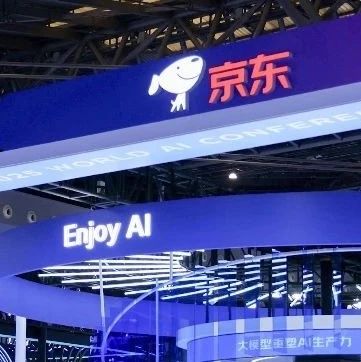
Core Viewpoint - JD.com has launched the industry's first 100% open-source enterprise-level intelligent agent, JoyAgent, during the WAIC 2025, showcasing its advancements in AI applications across various industries [2][8][20]. Group 1: JoyAI Model Upgrade - The JoyAI model has been upgraded to include sizes ranging from 3 billion to 750 billion parameters, catering to diverse industrial needs across multiple modalities such as language, voice, image, and video [5][7]. - JoyAI's innovative technologies, including dynamic layered distillation and cross-domain data governance, have improved inference efficiency by an average of 30% and reduced training costs by 70% [5][7]. Group 2: JoyAgent Intelligent Agent - JoyAgent is the first fully open-source enterprise-level intelligent agent, featuring a product-level open-source structure that includes front-end, back-end, framework, engine, and core sub-agents [8][10]. - JoyAgent boasts three core features: 100% open-source capabilities, high availability with pre-configured sub-agents, and strong performance validated by over 20,000 internal use cases, achieving an accuracy rate exceeding 75% on the GAIA leaderboard [10][11]. Group 3: JoyInside Smart Interaction - JoyInside integrates role-based large models into smart hardware, enhancing product interaction experiences with high emotional intelligence and a vast knowledge base [13][15]. - The integration of JoyInside in educational tools has significantly increased user engagement, with average dialogue rounds rising by 148% and conversation duration improving by 50% [15]. Group 4: Digital Human Applications - JD.com has introduced high-commercial-use digital humans that outperform 80% of real hosts in emotional expression and scene adaptability, serving over 20,000 brands [18][19]. - The application of digital humans has expanded beyond live streaming to include brand representation and emotional interaction, significantly enhancing brand value and user experience [19][20]. Group 5: Industry Impact and Future Outlook - The deep application of large models is reshaping AI productivity, with JD.com demonstrating that effective AI is not just developed but also applied in real-world scenarios [20]. - The industry consensus is shifting towards application-level breakthroughs, indicating that the future of AI competition will focus on practical implementations rather than just foundational model development [20].

A股策略周思考:大暑已至,心平气和
Tianfeng Securities· 2025-07-27 08:42
Domestic Economic Overview - In June, fiscal revenue showed a slight decline, with total revenue year-on-year remaining flat at -0.31%, compared to a previous value of 0.13%. Tax revenue increased by 1.04% year-on-year, while non-tax revenue continued to decline by -3.7% [8][9] - Government fund revenue saw a significant recovery, with a year-on-year increase of 20.81% in June, compared to a previous decline of -8.15%. The land transaction revenue also rebounded, reporting a year-on-year increase of 21.89% [15][16] - The industrial production index showed a decline, with specific sectors like methanol and Shandong's independent refineries recovering, while others like pure alkali and polyester filament saw a downturn [20][21] International Conflict Tracking - The third round of negotiations between Russia and Ukraine took place in Turkey, with both sides discussing humanitarian agreements and potential future meetings [24] - In the Middle East, Israel confirmed that ceasefire negotiations with Hamas have not collapsed, while Hamas officials expressed readiness to resume talks [26][27] Industry Allocation Recommendations - The report emphasizes the importance of the "赛点 2.0" phase, indicating that the market is experiencing overheating and increased volatility. It suggests focusing on three main investment directions: 1) Technology AI+ breakthroughs, 2) Valuation recovery in consumer stocks, and 3) Continued rise of undervalued dividends [33] - The report highlights that the core factor for investment in the consumer sector is valuation, especially in the context of low valuations, declining interest rates, and policy catalysts [33]
联想集团(00992)的AI投资版图
智通财经网· 2025-07-27 07:45
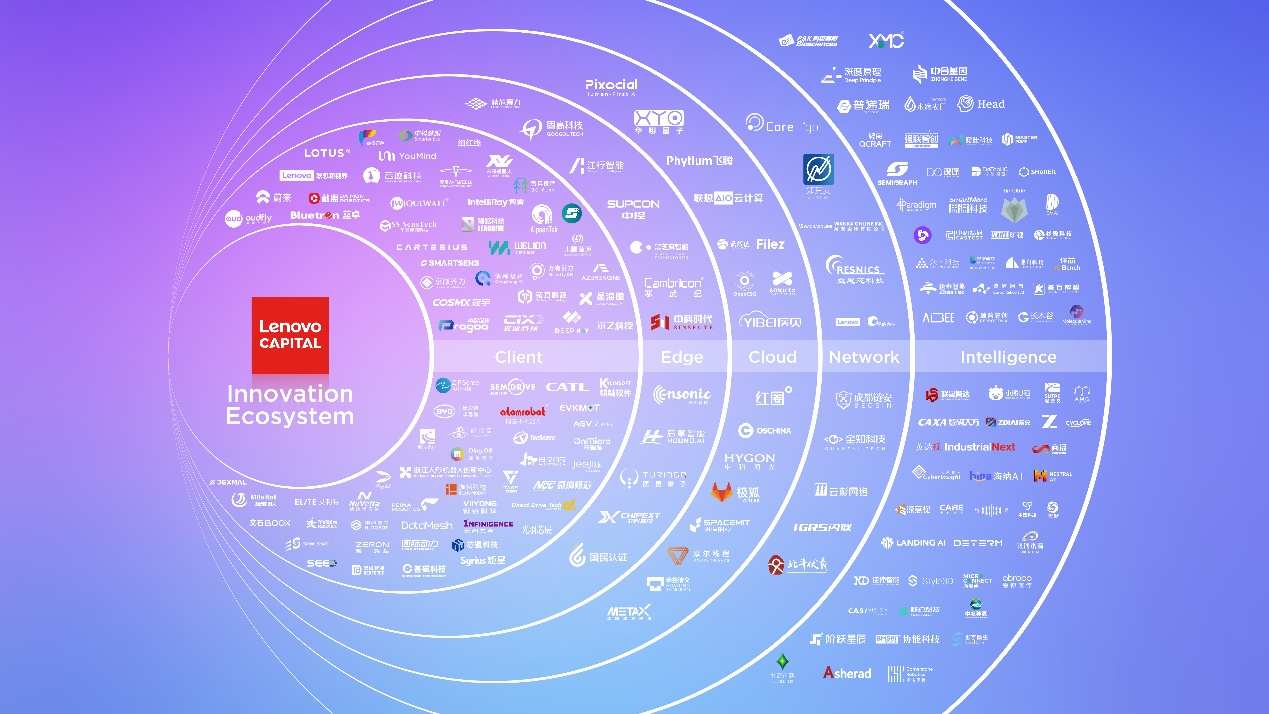
Core Insights - Lenovo is positioning itself as a leader in the AI ecosystem, moving beyond its traditional PC manufacturing image to create a comprehensive AI empire that spans various applications and technologies [1][3][10] Group 1: Full-stack AGI Layout - Lenovo's strategy in AI focuses on a dual-track approach of "top-tier coverage + architectural innovation" in computing power, targeting leading AI companies in China [3] - Investments in companies like Cambricon Technologies and emerging firms in the RISC-V architecture highlight Lenovo's commitment to next-generation computing power [3][4] - The emphasis on foundational large models reflects Lenovo's belief in their long-term value, even if immediate commercial applications are not evident [4][10] Group 2: Intelligent Agents - Lenovo categorizes intelligent agents into three types: general, vertical, and ToC (consumer) agents, with a focus on creating versatile platforms and specialized tools for various industries [5][8] - The potential for consumer AI applications to create significant market players, akin to ByteDance, is recognized as a key opportunity [5] Group 3: Hardware and Physical Integration - Lenovo's investment strategy includes a focus on hardware as a core enabler for AGI, with significant investments in robotics and AI-native hardware [8][10] - The company has invested in over 50 robotics-related enterprises, covering diverse applications from smart manufacturing to healthcare [8] Group 4: CVC Ecosystem Collaboration - Lenovo Capital and Incubator Group (LCIG) has invested in over 280 tech companies, with a notable success rate in nurturing unicorns and facilitating IPOs [10][11] - The "Light Plan" addresses production challenges for portfolio companies by leveraging Lenovo's manufacturing capabilities, significantly reducing costs [11][12] - The "Star Plan" and "Fire Plan" focus on comprehensive support for startups, from R&D collaboration to early-stage concept validation, fostering innovation in long-term fields like quantum computing [11][12]


2025年8月宏观及大类资产月报:临近筹码密集区,关注中央政治局会议-20250727
Chengtong Securities· 2025-07-27 06:51
Group 1: Macro and Market Overview - The A-share market showed positive performance in July, with the Shanghai Composite Index, CSI 300, and ChiNext Index rising by 4.3%, 4.9%, and 8.7% respectively [1][10] - The bond market weakened, with an overall decline of 0.6%, and government bond yields increased, with 1-year, 5-year, and 10-year yields rising by 4.3bp, 10.3bp, and 8.3bp respectively [1][10] - The external markets also performed well, with the Hang Seng Index rising by 5.5% and major US indices, including the Dow Jones, Nasdaq, and S&P 500, increasing by 1.8%, 3.6%, and 3.0% respectively [1][10] Group 2: A-share Market Analysis - The A-share market is approaching a critical trading zone, with the Shanghai Index nearing the October 2024 trading volume of 3 trillion, indicating potential resistance to breaking through this level [2][22] - External risks are increasing, particularly regarding US-China tariff negotiations and potential sanctions from the EU against Chinese financial institutions [2][22] Group 3: Sector Focus and Investment Strategy - Investment strategies should focus on technology and anti-involution sectors, with particular attention to humanoid robotics and the broader AI industry [3][23] - The anti-involution strategy is expected to drive demand policies, suggesting investments in undervalued chemical blue-chip stocks, vitamins, phosphorus chemicals, TDI, and coking coal sectors [3][25] - The technology sector is highlighted for potential growth, especially with upcoming IPOs in humanoid robotics and increased capital expenditure in AI services [3][24] Group 4: Bond Market Strategy - The upcoming Central Political Bureau meeting is expected to address the current economic situation and may reinforce anti-involution policies, which could lead to rising inflation expectations and government bond yields [3][27] - The 10-year government bond yield has been on an upward trend, reaching approximately 1.73% as of late July, with expectations of continued increases [3][27][30]

“顶流机器人给我递可乐”
财联社· 2025-07-27 06:25
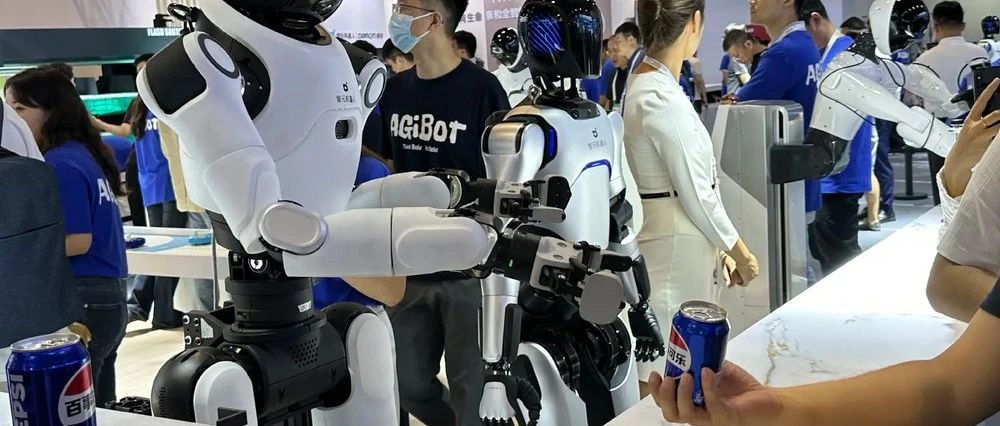
Core Viewpoint - The 2025 World Artificial Intelligence Conference (WAIC) showcased various robotic applications, highlighting the growing integration of AI in different sectors and the potential for large-scale commercialization in the future [3][9]. Group 1: Robotics and AI Applications - Multiple exhibitors demonstrated robots performing various tasks, such as serving drinks and engaging in combat, indicating advancements in robotics technology [3][6]. - Zhiyuan Robotics showcased its AlphaBot series, which performed multiple tasks, emphasizing the importance of its self-developed Alpha Brain model for diverse applications [6][9]. - Qiaoyin Co. is collaborating with local governments to develop humanoid robots for sanitation, property management, and home services, with products expected to launch by the end of the year [11]. Group 2: AI in Consumer Electronics - Alibaba introduced its self-developed AI glasses, "Quark AI Glasses," which integrate various functionalities from its ecosystem, set to be officially released within the year [12][14]. - The glasses are positioned as a next-generation human-computer interaction device, although challenges remain in terms of user experience and comfort [14]. Group 3: Education and B2B AI Solutions - NetEase Youdao presented several AI applications for educational purposes, including the AI-powered learning device SpaceOne, which combines AI capabilities with educational resources [16][17]. - B2B AI applications are accelerating, with companies like Dipu Technology reporting successful implementations across various industries, including retail and healthcare [17][18]. - China Electronic Cloud launched a comprehensive AI solution, indicating a strategic focus on enhancing AI capabilities in critical industries [18].



19名员工,卖了30亿
投中网· 2025-07-27 04:31
Core Viewpoint - The acquisition of AI startup CentML by Nvidia for over $400 million highlights the intense competition for AI talent and the strategic importance of optimizing GPU utilization in the AI industry [4][5][25]. Group 1: Company Overview - CentML, founded in 2022, focuses on optimizing the performance of AI applications, addressing the urgent market demand for efficient GPU usage [6][10]. - The company achieved a post-money valuation of $300 million after two rounds of funding, allowing early investors to exit profitably [7]. - CentML's key products include Hidet and DeepView, with Hidet capable of enhancing AI model training and inference speeds by up to 8 times using non-high-end AI chips [11]. Group 2: Acquisition Details - Nvidia's acquisition of CentML was anticipated, as the company had previously invested in CentML during its seed round in October 2023 [19][23]. - The acquisition price includes a base amount exceeding $300 million, with additional payments tied to performance targets [16]. - The deal reflects Nvidia's strategy to secure top AI talent, with all key personnel from CentML, including its founders, joining Nvidia's AI software division [26][27]. Group 3: Market Context - The AI talent market is highly competitive, with major tech companies like Meta and OpenAI also aggressively recruiting AI experts [31][32]. - A report indicated that the global supply of top AI experts is limited, with fewer than 1,000 individuals worldwide, and a talent gap is expected to persist until at least 2027 [33][34].


“自愿996者,涨薪25%、股权翻倍!”
猿大侠· 2025-07-26 04:01
Core Viewpoint - The article discusses the resurgence of the "996" work culture in Silicon Valley, particularly within the AI startup sector, highlighting a shift from work-life balance to high-intensity work environments driven by competition and capital pressure [1][2]. Group 1: Emergence of 996 Work Culture - The "996" work schedule, which entails working from 9 AM to 9 PM six days a week, is becoming increasingly common in U.S. startups, especially in the AI field, as founders believe that intense effort is necessary to succeed in the technology race [1][2]. - Many startup CEOs are now asking potential hires if they are willing to accept a 996 work schedule during the interview process, making it a de facto requirement for some positions [2][3]. Group 2: Company Practices and Employee Responses - For instance, the AI startup Rilla explicitly states in its job postings that candidates uninterested in working over 70 hours a week should not apply, reflecting a culture where nearly all employees adhere to the 996 schedule [3]. - Some companies are adopting a "volunteer" approach, offering higher salaries and equity to those willing to work 996 hours, as seen in the remote healthcare company Fella & Delilah, where about 10% of employees opted for this arrangement [4]. Group 3: Perspectives on Work Intensity - The CEO of Sotira acknowledges that the 996 work culture is an open "unwritten rule" in the Bay Area startup scene, particularly during the initial years of a startup, although she notes that such demands should not be placed on regular employees [5]. - The debate over extended work hours is not limited to Silicon Valley; globally, there are discussions about whether more extreme work schedules, such as a "007" (working seven days a week), are necessary for building billion-dollar companies [6]. Group 4: Historical Context and Legal Considerations - Some individuals argue that the 996 culture has been prevalent in Silicon Valley for years, with many employees accepting high workloads in exchange for equity in startups, while others express concerns about the health implications of such work demands [7]. - There are warnings from industry experts that many companies enforcing 996 schedules may be violating labor laws by failing to classify positions correctly and not providing overtime pay, highlighting the legal risks associated with this work culture [7].

科创50指数涨超2% AI应用端普遍走强
Shang Hai Zheng Quan Bao· 2025-07-25 18:26
Market Overview - On July 25, A-shares experienced adjustments, with the Sci-Tech 50 Index rising over 2% against the trend. The Shanghai Composite Index closed at 3593.66 points, down 0.33%, while the Shenzhen Component Index and the ChiNext Index fell by 0.22% and 0.23%, respectively. The total trading volume in the Shanghai and Shenzhen markets was 1.7873 trillion yuan, a decrease of 57.4 billion yuan from the previous trading day, marking the seventh consecutive day of exceeding 1.5 trillion yuan. Notable stocks included Northern Rare Earth, China Power Construction, and Dongfang Wealth, each with trading volumes exceeding 10 billion yuan [1]. Technology Sector - The technology sector saw a significant inflow of funds, particularly in AI applications. Companies such as Insai Group and CloudWalk Technology experienced gains of 20% and over 10%, respectively. The World Artificial Intelligence Conference (WAIC) is set to take place from July 26 to 29, featuring over 60 leading domestic and foreign enterprises, showcasing more than 3000 cutting-edge exhibits, the largest scale in history. Analysts believe that the trend in the AI industry will continue to drive capital expenditure from major tech companies and boost the performance of companies in the computing power supply chain [2]. Healthcare Sector - The healthcare sector was notably active, with medical device, CRO, and AI medical stocks performing well. Kangtai Medical surged by 20%, while other companies like Nanwei Medical and Yiming Pharmaceutical also saw significant gains. Recent announcements from the National Medical Insurance Administration regarding the optimization of centralized procurement rules and the introduction of new drug directories for commercial health insurance are expected to positively impact the sector. Analysts suggest that the healthcare industry may see a recovery in valuations and performance due to these changes [3][4]. Investment Strategies - Investment strategies are focusing on two main directions: first, on generic drugs and medical devices that continue to win bids in centralized procurement, which are expected to gain market share; second, on innovative pharmaceutical companies with rich R&D pipelines that have core products entering medical insurance or are likely to be included in new drug directories [4]. - Analysts from Dongfang Securities and Zhongyuan Securities suggest that the current macroeconomic expectations are stable, with a generally ample capital environment. They recommend focusing on sectors with high growth in performance and technology, as well as high-dividend banks and public utilities [5][6]. Fund Allocation Trends - Recent fund allocation trends indicate a clear shift towards industry leaders in sectors such as communication, non-bank finance, media, agriculture, and beauty care, while significant reductions were seen in steel, coal, real estate, and food and beverage sectors. Analysts recommend focusing on four main lines: AI-driven communication and hardware, non-bank finance, new consumption trends in Hong Kong stocks, and safety-related investments [6].