药品

Search documents
申银万国期货早间策略-20250725
Shen Yin Wan Guo Qi Huo· 2025-07-25 01:59
宏观信息 行业信息 综合点评及操作建议 五、宏观信息 外交部发言人宣布,国务院总理李强将于7月26日出席在上海举行的2025世界人工智能大会暨人工智能全球治理高级别会议开幕式并致辞。 商务部表示,打击战略矿产走私出口面临的形势依然复杂严峻,下阶段将采取建立两用物项出口管制联合执法协调中心,将违法境外实体列入出口管制管控名 单,制定发布战略矿产合规出口工作指引等举措。 国家主席习近平会见欧洲理事会主席科斯塔、欧盟委员会主席冯德莱恩,并就中欧关系未来发展提出三点主张。一是坚持相互尊重,巩固伙伴关系定位。二是 坚持开放合作,妥善处理分歧摩擦。三是践行多边主义,维护国际规则秩序。另外,国务院总理李强表示,希望欧方为中国企业赴欧投资提供公平、公正、非 歧视的营商环境。 央行、农业农村部印发《关于加强金融服务农村改革 推进乡村全面振兴的意见》,提出要加大乡村振兴重点领域的金融资源投入,包括加大对粮食主产区、 产粮大县信贷资源倾斜,支持拓宽农民增收渠道等。 国家发改委表示, 2025年7350亿元中央预算内投资已基本下达完毕,重点支持现代化产业体系、现代化基础设施体系、新型城镇化和乡村全面振兴等领域项 目建设。 六、行业信 ...
美国的九大关税
Hu Xiu· 2025-07-19 02:31
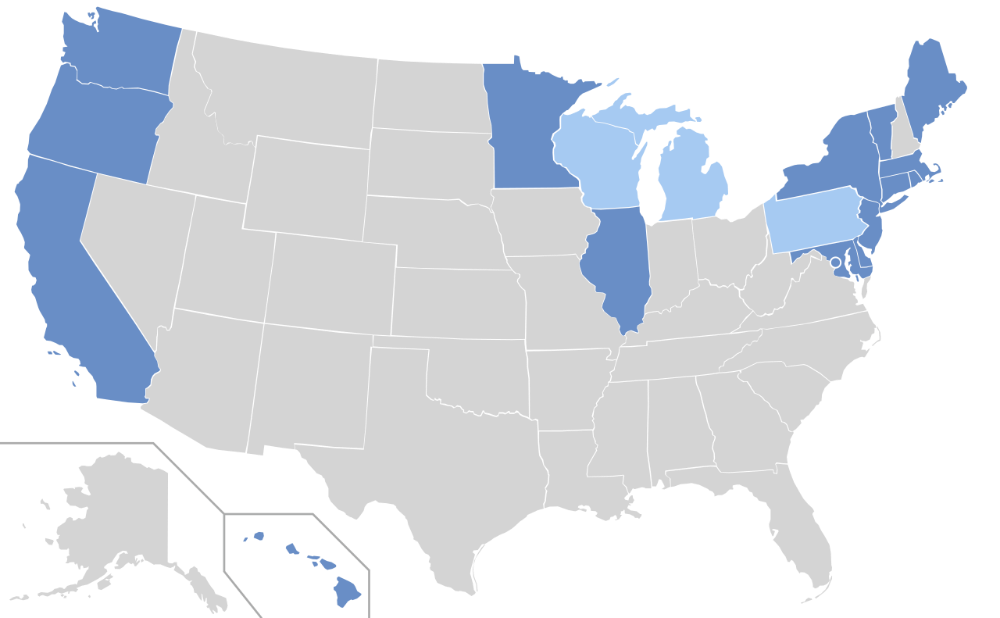
Core Viewpoint - The article discusses the impact of Trump's tariffs, particularly the nine industry-specific tariffs based on national security concerns, which are more stringent than reciprocal tariffs based on trade deficits [1][3]. Group 1: Steel and Aluminum - Trump announced a 25% tariff on steel and a 10% tariff on aluminum in 2018, which were later reinstated and increased to 50% in 2025 [4][6][7]. - The tariffs primarily target Canada, which accounts for over 20% of U.S. steel imports and nearly half of aluminum imports, followed by the EU and Japan [9]. - The tariffs have significant political implications, especially in key swing states like Wisconsin, Michigan, and Pennsylvania, which are crucial for elections [13][14][15]. Group 2: Copper - A 50% tariff on copper was announced, affecting various copper products, with the U.S. relying on imports for about half of its copper needs [16][17]. - Chile is a major copper supplier, contributing to a quarter of global supply, while China and other Asian countries hold significant copper reserves [18][19]. Group 3: Automotive and Parts - A 25% tariff on imported cars and parts was implemented, impacting a market where the U.S. imports over $300 billion worth of vehicles annually [22][23]. - The primary countries affected include Mexico, Japan, South Korea, Germany, Canada, and the UK, with Mexico being the most impacted [24][25]. - The tariffs are expected to influence U.S. automakers significantly, as they rely heavily on imported parts, with nearly 60% of parts being imported [25][32]. Group 4: Commercial Aircraft and Jet Engines - The U.S. imports more commercial aircraft and jet engines than it exports, with a trade deficit of $33 billion in 2024 [40]. - Nearly 50% of these imports come from the EU, with significant contributions from Canada and the UK [41]. Group 5: Wood Products - The U.S. is investigating tariffs on imported wood products, citing national security concerns due to military construction needs [43][45]. Group 6: Pharmaceuticals - The U.S. imports about 80% of its generic drugs and half of its brand-name drugs, with significant imports from Ireland and China [46][48]. - The U.S. has raised concerns about trade imbalances with Ireland, where many pharmaceutical companies have established operations [48]. Group 7: Semiconductors - The semiconductor industry is under scrutiny for potential tariffs, as the U.S. imports $200 billion more in semiconductors than it exports [51]. - Major suppliers include mainland China, Taiwan, and Mexico, with a significant reliance on foreign production [52]. Group 8: Critical Minerals - The U.S. is heavily reliant on imports for critical minerals, with 12 out of 50 minerals fully imported and 28 more than half imported [53][54]. - South Africa and Canada are the largest suppliers, while China dominates the rare earth imports [55]. Group 9: Manufacturing Employment - The article notes a decline in U.S. manufacturing jobs from 17 million to 13 million over the past 30 years, with tariffs aimed at bringing jobs back to the U.S. [58]. - The transition of supply chains is complex and varies by industry, with manufacturing sectors like automotive facing longer timelines for relocation [59][60].

报道:欧盟起草对美服务业关税清单,为贸易战升级做准备
Hua Er Jie Jian Wen· 2025-07-17 12:26
Group 1 - The core viewpoint of the article is that the EU is preparing to impose tariffs on US services as a response to the US's recent tariff announcements, escalating the trade conflict into the digital services sector [1][2][4] - The EU is considering a potential tariff list that includes fees on digital services, particularly targeting advertising revenue from US tech companies [2][3] - The EU's response is partly driven by the significant trade surplus the US enjoys in services, amounting to approximately $100 billion annually, making it a more vulnerable target for retaliation [3] Group 2 - The trade negotiations between the US and EU are currently at an impasse, with both sides expressing a willingness to retaliate if necessary [4] - EU officials are actively discussing the situation in Washington, indicating that there are still considerable differences between the two parties [4] - The EU is open to accepting a 10% tariff but seeks to reduce the 25% tariff on automobiles and secure guarantees on future exemptions for pharmaceuticals and semiconductors [4]
放弃反击?欧盟挨了美国一巴掌,谈判全白搭,冯德莱恩:推迟反制
Sou Hu Cai Jing· 2025-07-16 08:57
Core Points - The announcement of a 30% tariff on EU goods by the US starting August 1 has escalated tensions in US-EU trade relations [1][3] - The long-standing trade disputes between the US and EU have seen the US impose various tariffs, including a 50% tariff on EU steel and aluminum, and a 25% tariff on automobiles [3] - The impact of the new tariff is expected to significantly affect the EU economy, particularly in the automotive and pharmaceutical sectors, with Germany and Ireland being the most vulnerable [3][5] Group 1 - The 30% tariff is projected to increase costs for EU companies by billions of dollars, threatening the survival of many businesses [3] - Germany's exports to the US account for 22.7% of its total exports, while Ireland's pharmaceutical exports represent 55% of its total exports, indicating a high dependency on the US market [3] - The EU as a whole relies on the US for 20.6% of its total exports, making it particularly susceptible to US tariff actions [3] Group 2 - The EU's internal response to the US tariffs is mixed, with some leaders advocating for immediate countermeasures while others prefer to negotiate [5] - EU Commission President von der Leyen has delayed the implementation of countermeasures to allow for more negotiation time, while French President Macron has called for a robust response if no agreement is reached [5] - The US claims that EU tariffs and non-tariff barriers have led to a significant trade deficit, but experts warn that the tariffs could also harm the US economy and consumers [5][7] Group 3 - The upcoming negotiations between the US and EU are critical, with the August 1 deadline approaching [7] - The EU must unify its internal positions to effectively negotiate and protect its interests, while the US should recognize that trade wars yield no winners [7] - The global community is closely watching the developments in US-EU trade relations [7]
新闻8点见丨中国经济“半年报”出炉;油价迎年内第6次下调
Xin Jing Bao· 2025-07-16 00:04
Economic Data - The GDP of China for the first half of the year reached 66,053.6 billion yuan, showing a year-on-year growth of 5.3% [1] - The National Bureau of Statistics released this preliminary calculation on July 15 [1] Policy Changes - The Ministry of Commerce, in collaboration with the Ministry of Science and Technology, announced adjustments to the "Catalog of Technologies Prohibited from Exporting and Restricted from Exporting" [1] - This adjustment aims to address concerns regarding technology export restrictions [1] Industry Developments - The eleventh batch of national organized drug procurement has been initiated, with 55 varieties included in the procurement range [2] - The new policy in Beijing allows for the direct payment of rent using housing provident fund, with an increase in payment frequency to quarterly [4] Fuel Pricing - Domestic retail prices for refined oil have been reduced for the sixth time this year, with a decrease of 0.1 yuan per liter for 92-octane gasoline [7] - The price adjustments are based on the average international crude oil prices over the previous ten working days [7] Financial Regulation - The National Financial Regulatory Administration has released the "Interim Measures for the Supervision and Management of Local Asset Management Companies" to enhance oversight and promote healthy industry development [8]
广东药械化生产企业总量全国第一
Guang Zhou Ri Bao· 2025-07-15 07:43
Core Insights - Guangdong Province has the highest number of pharmaceutical and medical device manufacturers in China, with a total of 8,983 companies and over 1.76 million registered products as of mid-2023 [1] - The "Spring Rain Action" initiative aims to enhance the transformation of clinical research results in medical devices, promoting innovation and industrialization in the sector [2] Group 1: Industry Overview - Guangdong leads the nation in the number of pharmaceutical, medical device, and cosmetic production companies, as well as in the stock of registered products and the number of approved innovative products [1] - The province has received approvals for 25 Class I innovative drugs and 48 innovative medical devices from the National Medical Products Administration in recent years [1] - Guangdong is home to 250 tertiary hospitals and 50 high-level hospitals, providing a strong clinical trial research platform [1] Group 2: Spring Rain Action Initiative - The "Spring Rain Action" is a key initiative led by the National Medical Products Administration to promote the transformation of innovative medical device research results [2] - The initiative focuses on collecting clinical doctors' innovative ideas and effectively connecting them with medical device research and development needs [2] - Guangdong has developed an implementation plan for the "Spring Rain Action," emphasizing the importance of this initiative for the high-quality development of the biopharmaceutical industry in the province [2]
30%关税迎来倒计时 特朗普贸易政策或重创欧洲出口引擎
智通财经网· 2025-07-15 07:33
Group 1 - The potential implementation of a 30% tariff on European goods by the U.S. could significantly disrupt the transatlantic trade system and force Europe to reconsider its export-oriented economic model [1] - European officials are optimistic about reaching an agreement to maintain the $1.7 trillion bilateral trade relationship before the August 1 deadline, despite the uncertainty surrounding Trump's stance on the EU [1][2] - The European Commission's trade chief warned that a 30% tariff would effectively act as a trade ban, jeopardizing the established trade relations [1] Group 2 - Barclays economists estimate that an average 35% tariff on EU goods, combined with a 10% countermeasure from Brussels, could shrink Eurozone output by 0.7 percentage points [2] - The potential economic impact could lead the European Central Bank to lower its deposit rate further, possibly down to 1% by March 2026, as inflation may remain below the 2% target for an extended period [3] - The German Economic Institute estimates that tariffs of 20%-50% could result in over €200 billion in losses for Germany's economy by 2028, affecting the government's economic policy efforts [3] Group 3 - The long-term implications of tariffs raise concerns about how Europe will compensate for economic activity losses to sustain tax revenue and employment, which are crucial for various ambitions, including pension and military reforms [3][4] - Despite efforts to diversify trade partnerships, the EU faces challenges in establishing new markets, as highlighted by the prolonged negotiations for the EU-Mercosur trade agreement [3][5] - Observers suggest that the confrontation with Trump may provide an opportunity for the EU to push through long-delayed single market reforms and reduce reliance on exports, which account for a significant portion of its output [4]
港股收评:恒指涨0.26%,药品、加密货币概念大涨
Ge Long Hui· 2025-07-14 08:32
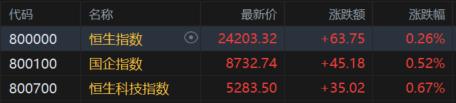
Market Overview - The Hong Kong stock market showed a mixed performance with the Hang Seng Index rising by 0.26% to 24,203.32, the Hang Seng Tech Index increasing by 0.67% to 5,283.50, and the China Enterprises Index up by 0.52% to 8,732.74, despite a significant decline in trading volume compared to last Friday [1][2]. Sector Performance - Major technology stocks saw gains, with Kuaishou up by 3.33%, while Alibaba, Meituan, and Tencent had gains of less than 1% [2]. - The "anti-involution" trend continued, with notable increases in steel, building materials, and coal stocks. China National Building Material surged by 7.4%, and China Shenhua Energy rose over 5% [2][11]. - Pharmaceutical stocks experienced significant gains, with Four Seasons Pharmaceutical rising by 15% and TaiDe Pharmaceutical increasing by over 16% [8][9]. - Electric power stocks also performed well, with Beijing Energy International up by over 9% and Datang Power increasing by over 6% [6]. - Coal stocks saw a rise, with China Qinfa and Yida Zong both increasing by over 6% [7]. - Gold and precious metals stocks strengthened, with China Silver Group rising by over 14% and Zhaojin Mining increasing by 5.71% [10]. Investment Trends - The market is expected to maintain a structural upward trend, with Hong Kong stocks showing relatively low absolute valuations and medium to high historical valuation percentiles, indicating strong medium to long-term investment potential [16]. - Southbound funds recorded a net inflow of 8.243 billion HKD, with significant contributions from both Shanghai and Shenzhen stock connect [14]. Notable Stock Movements - Cryptocurrency-related stocks saw substantial gains, with OK Blockchain rising over 46% and Xiong'an Technology increasing by 35% [4][5]. - The building materials sector was notably active, with China National Building Material and Conch Cement both showing strong performance [11][12]. Conclusion - The overall market sentiment appears positive, with various sectors showing resilience and growth potential, particularly in technology, pharmaceuticals, and commodities [1][16].
美股三大指数集体低开,中概股多数走低
Feng Huang Wang Cai Jing· 2025-07-11 13:43
Group 1: Company News - Kingsoft Cloud (KC.US) officially launched the Kingsoft Government AI Integrated Machine, marking a significant breakthrough in the "AI + government office" application field, providing clients in the government sector with "out-of-the-box" intelligent document writing model applications [5] - Mercedes-Benz India reported a 10% year-on-year increase in retail sales for April to June, reaching a record high of 4,238 vehicles, driven by a 20% increase in high-end vehicle sales and a 157% increase in electric vehicle sales, which now account for 8% of total sales [6] - XPeng Motors (09868/XPEV) announced the grant of 910,000 restricted stock units to 44 employees under the 2025 stock incentive plan, with no need for shareholder approval, and the granted units must comply with the terms of the incentive plan and agreements with the recipients [8] Group 2: Industry News - Alibaba has launched instant retail services such as "hourly delivery" in Australia, Brazil, the Middle East, and the UK, primarily through its cross-border e-commerce platform AliExpress, collaborating with local platforms [7]
疫苗之王,突击分红500亿!
商业洞察· 2025-07-11 08:38
Core Viewpoint - Sinovac Biotech is planning a massive dividend payout of 75 billion USD (approximately 538 billion RMB), raising concerns about the company's financial health and governance structure [2][4]. Group 1: Dividend Payout - The company intends to distribute a total of 75 billion USD as a "clearance-style" dividend, which is unusual for a healthy company [2][4]. - The dividend payout is over 20 times the current stock price of 6.47 USD, with a total market capitalization of 389 million USD [4][5]. - If the dividend plan is executed, major shareholders stand to gain significantly, with the largest shareholder, SoftBank Group, potentially receiving up to 9.6 billion USD [6][7]. Group 2: Shareholder Dynamics - The company's ownership structure is highly fragmented, with no single shareholder holding more than 30%, leading to a lack of absolute control [5][6]. - The upcoming shareholders' meeting is a critical event, and the founder, Yin Weidong, is likely using the dividend to secure support from other shareholders amid ongoing power struggles [7][10]. - Historical conflicts between co-founders have created a tense environment, with past legal battles affecting current governance [8][10]. Group 3: Financial Performance - Sinovac's financial performance has deteriorated sharply, with net profits dropping from 8.4 billion USD in 2021 to just 1.08 billion USD in 2022, followed by consecutive losses in 2023 and 2024 [10][11]. - The company has substantial cash reserves, which shareholders view as an attractive target for distribution, especially given the uncertain future and lack of a controlling shareholder [11].