手机

Search documents
深圳手机巨头冲刺港交所,年入687亿,销量全球第三
3 6 Ke· 2025-12-10 08:49
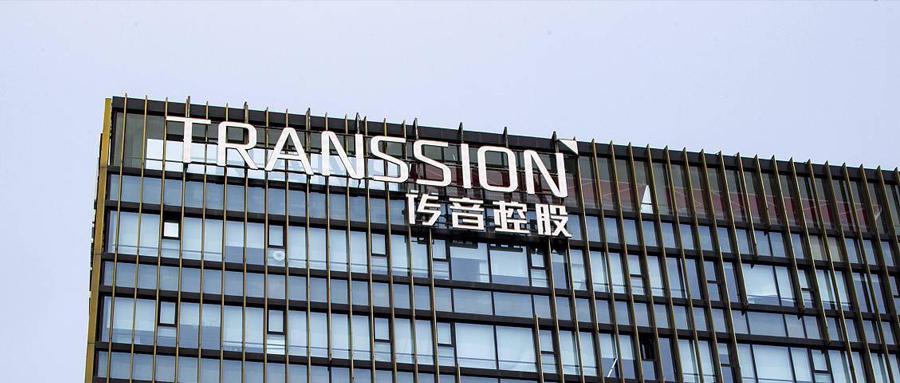
Core Viewpoint - Transsion Holdings, the world's third-largest mobile phone manufacturer, has officially submitted its IPO application to the Hong Kong Stock Exchange, aiming for a dual listing after its A-share listing in 2019. The company, known as the "King of Africa," has seen significant growth in mobile phone sales, particularly in Africa, where it sold over 100 million units last year, contributing to its position as a leading global player behind Apple and Samsung [2][3]. Group 1: Company Overview - Transsion Holdings was established in 2013 and has positioned itself as a major player in the African mobile phone market, achieving a market capitalization of approximately 76.784 billion RMB as of the latest closing [2]. - The company has reported mobile phone sales exceeding 200 million units globally in 2024, ranking third in the global market, following Apple and Samsung [16][3]. Group 2: Financial Performance - The revenue of Transsion Holdings for the years 2022, 2023, and the first half of 2024 was reported at 46.596 billion RMB, 62.295 billion RMB, and 34.558 billion RMB respectively, with net profits of 2.467 billion RMB, 5.587 billion RMB, and 1.242 billion RMB [5][9]. - The gross profit margins for the same periods were 19.9%, 23.2%, and 20.9%, indicating fluctuations primarily due to market dynamics and product pricing strategies [8][9]. Group 3: Market Position and Strategy - Transsion Holdings has a diverse product portfolio, including smartphones, feature phones, mobile internet services, and IoT products, with smartphones accounting for approximately 90% of its revenue [5][12]. - The company is focusing on AI technology development to enhance product iteration and market promotion, with plans to invest in mobile internet services and IoT products [4][30]. Group 4: Competitive Landscape - The company faces increasing competition from other manufacturers like Xiaomi and OPPO, which are also expanding into the African market, posing a threat to Transsion's market share [4][30]. - Despite the competitive pressures, Transsion has maintained a strong foothold in emerging markets, with a significant portion of its revenue derived from Africa and the emerging Asia-Pacific region [10][30]. Group 5: Leadership and Governance - The controlling shareholder of Transsion Holdings is Transsion Investment, holding 46.71% of the shares, with the actual controller being the company's chairman and CEO, Zhur Zhaojiang, who has a 20.68% stake [24][26]. - The board of directors consists of 10 members, including 6 executive directors and 4 independent non-executive directors, ensuring a balanced governance structure [28].

中国互联网大厂,在海外找到「利润黑马」
3 6 Ke· 2025-12-10 04:32
Group 1: Core Insights - The overseas business segments of major Chinese internet companies have become "profit dark horses," with Alibaba's international digital commerce turning profitable, Meituan's Keeta achieving monthly profitability in Hong Kong, and Tencent's overseas gaming revenue surging by 43% year-on-year [1] - As domestic internet traffic growth reaches diminishing returns, going overseas has become a necessary strategy for companies, evolving from "go overseas or go home" to "no core capabilities, no overseas expansion" [1] Group 2: Cross-Border E-commerce - Alibaba's international retail business reported revenue of 28.068 billion yuan, a 10% year-on-year increase, driven by growth from AliExpress and other international operations [2] - The international wholesale business generated 6.731 billion yuan, an 11% increase year-on-year, attributed to growth in value-added services related to cross-border business [2] - Temu's gross merchandise volume (GMV) growth is primarily due to rapid penetration in the European (30-40% share, 60-70% year-on-year growth) and Latin American markets (over 15% share), while growth in North America is slowing [2][3] Group 3: Local Lifestyle Services - Meituan's Keeta achieved its first monthly profitability in Hong Kong, marking a significant milestone in its overseas expansion [4] - Keeta is expanding in the Middle East and Brazil, utilizing AI algorithms and big data to optimize delivery routes and improve efficiency [4][5] - The competitive landscape in Brazil is intense, with Didi and Uber also expanding their food delivery services, indicating a battle for market share [6] Group 4: Entertainment Sector - Tencent's international gaming revenue reached 20.8 billion yuan, a 43% year-on-year increase, driven by successful titles like "Clash Royale" and "PUBG MOBILE" [7] - NetEase's overseas strategy is undergoing significant adjustments, with the closure of several overseas studios despite some successful game launches [8] Group 5: Mobile Phones - Xiaomi's smartphone revenue declined by 3.1% year-on-year to 46 billion yuan, attributed to a decrease in average selling price (ASP) [9] - Xiaomi's overseas internet service revenue reached a record high of 3.3 billion yuan, growing by 19.1% year-on-year, with a notable increase in the share of high-margin overseas market revenue [10] - The competition in the African market between Xiaomi and Transsion is intensifying, leading to price wars [10] Group 6: Conclusion - The third-quarter financial reports indicate a shift in Chinese internet companies' overseas strategies, moving from reliance on policy advantages and low prices to focusing on supply chain capabilities, AI technology, localization, and compliance management [12] - The transformation represents an upgrade from being participants in the global value chain to integrators, with challenges such as geopolitical compliance risks and cultural differences remaining significant [13]





每日投行/机构观点梳理(2025-12-09)
Jin Shi Shu Ju· 2025-12-09 13:47
Group 1: Federal Reserve Interest Rate Predictions - Goldman Sachs anticipates the Federal Reserve will lower interest rates this week while keeping its language open for future adjustments based on employment data [1] - Barclays expects a 25 basis point rate cut to a range of 3.5% to 3.75% this week, with further cuts predicted in March and June of next year [1] - Deutsche Bank predicts a 25 basis point cut this week, with Powell likely emphasizing a high threshold for future cuts in early 2026 [7] Group 2: Market Reactions and Predictions - Morgan Stanley suggests that the stock market's upward momentum may stall post-Fed rate cut as investors lock in profits [3] - Nomura has reversed its previous stance, now predicting a 25 basis point cut in December, citing sufficient dovish signals for a "risk management" rate cut [4] - Fitch Ratings forecasts the Fed will maintain rates in December but will cut three times by mid-2026 as economic conditions stabilize [5] Group 3: Gold Price Forecasts - State Street Global Advisors predicts that gold prices may stabilize between $4,000 and $4,500 per ounce in 2026 after a significant rise in 2025 [2] - The ongoing structural trends supporting gold prices are expected to remain intact, making gold an attractive hedge against rising debt and inflation [2] Group 4: Stock Market Predictions - Oppenheimer forecasts an 18% increase in the S&P 500 index, reaching 8,100 points by 2026, driven by strong earnings growth [7] - Russell Investments anticipates a "hawkish" 25 basis point cut from the Fed, with a terminal rate projected between 3.25% and 3.5% [9] Group 5: European Central Bank Insights - The European Central Bank's Schnabel hinted at a potential rate hike rather than a cut, which has strengthened the euro [8]
手机厂商集体卷起「晕车模式」:苹果是鼻祖,却被小米们玩出了花
3 6 Ke· 2025-12-09 10:23
Core Viewpoint - The introduction of "motion sickness mode" by smartphone manufacturers aims to alleviate discomfort for users who experience motion sickness while using their devices in vehicles, with various brands implementing similar features to enhance user experience [2][15]. Group 1: Motion Sickness Mode Overview - Motion sickness mode was first popularized by Apple, which introduced "vehicle motion alerts" in iOS 18, using dynamic visual cues to help users align their visual and vestibular signals [2][4]. - Android manufacturers have followed suit, with brands like Honor, Vivo, OPPO, and Xiaomi offering their versions of motion sickness modes, all featuring dynamic visual indicators that respond to vehicle movement [4][10]. - The functionality relies on sensors within the devices to detect when a user is in a moving vehicle, adjusting the display accordingly to reduce the sensation of motion sickness [5][8]. Group 2: Technical Mechanism - The process of motion sickness mode can be categorized into three steps: perception, judgment, and presentation [5][9]. - The perception step involves the device's sensors detecting movement and determining if the user is in a vehicle, while the judgment step processes this data to create visual indicators that correspond to the vehicle's motion [8][9]. - The presentation step varies by manufacturer, with different visual strategies employed to ensure the indicators are effective without overwhelming the user [9][10]. Group 3: Differentiation Among Manufacturers - Xiaomi stands out by integrating motion sickness alleviation features into both its smartphones and electric vehicles, creating a comprehensive user experience [10][11]. - Other manufacturers focus primarily on smartphone features, with varying degrees of aggressiveness in their motion sickness mode implementations, affecting user experience and comfort levels [11][12]. - The differences in approach highlight a trend where manufacturers are increasingly prioritizing user comfort and experience over mere technical specifications [15][17]. Group 4: Market Implications - The emergence of motion sickness mode reflects a broader shift in the smartphone industry towards addressing previously overlooked user pain points, indicating a competitive landscape focused on enhancing user experience [15][17]. - As manufacturers continue to innovate in this area, motion sickness mode may become a significant factor in consumer decision-making when selecting devices and vehicles [17].



称霸非洲市场的“隐形王者”:估值790亿,冲刺港股 IPO
Sou Hu Cai Jing· 2025-12-09 00:18
Core Viewpoint - Transsion Holdings, known as the "King of African Mobile Phones," has submitted an IPO application to the Hong Kong Stock Exchange amid performance fluctuations and the need for new growth avenues, following its 2019 listing on the STAR Market in China [2] Financial Performance - In the first half of 2025, mobile revenue is expected to decline by 18.4% year-on-year to 26.093 billion yuan, with a gross margin dropping to 19.0% [2] - Revenue for the first three quarters decreased by 3.33% to 49.543 billion yuan, while net profit attributable to shareholders plummeted by 44.97% [2] - Despite a 22.6% year-on-year revenue surge in the third quarter, net profit still fell by 11.06% [2] - As of December 8, 2023, Transsion's A-share market capitalization is approximately 80 billion yuan [2] Market Position and Competition - Transsion's mobile phone shipments are projected to reach 201 million units in 2024, marking a historical high, with a global market share ranking third for five consecutive years [5] - In the African market, Transsion holds a 51% market share as of the third quarter of 2025, but its growth rate has slowed to 25% compared to competitors like Xiaomi and Honor, which have seen growth rates of 34% and 158%, respectively [6] - The competitive landscape in Africa has intensified, with rivals moving into the mid-range market segment, diminishing Transsion's previous advantages [6] Strategic Initiatives - Transsion is pursuing a dual listing to enhance its capital operations and expand into Southeast Asia and the "Belt and Road" markets [7] - The company is diversifying its business into energy storage, new energy vehicles, and smart home appliances, with significant R&D investments of 2.139 billion yuan in the first three quarters of 2025, a 17.26% increase [7] - The company aims to establish a dual-brand strategy in the energy storage sector and has launched personal and commercial electric vehicle brands [7] Transition Challenges - The mobile business still accounts for over 90% of revenue, and new business lines have yet to achieve scale [8] - Short-term efficiency improvements in the mobile segment through AI are unlikely, and the transition to new business areas will take time [8] - The upcoming IPO is seen as a means to raise funds and signal confidence in the company's transformation efforts [8]

格林大华期货研究院专题报告:中国11月出口超预期
Ge Lin Qi Huo· 2025-12-08 09:40
1. Report Industry Investment Rating - No information provided 2. Core Viewpoints of the Report - China's exports in November exceeded expectations, driven by the improvement of the external economic and trade environment, especially the continuous positive interaction between China and the US. There is also optimism for China's export growth rate next year [4][12] - China's exports in the first 11 months achieved a 5.4% growth, benefiting from the diversification of export destinations and the continuous improvement of the competitiveness of export products [2][8] 3. Summary by Relevant Catalogs 3.1 China's Overall Import and Export Situation - In November, China's US - dollar - denominated export amount increased by 5.9% year - on - year, with an expected increase of 3.0% and a previous decrease of 1.1%. The import increased by 1.9% year - on - year, with an expected increase of 2.9% and a previous increase of 1.0%. The trade surplus was $111.68 billion, compared with a previous surplus of $90.07 billion [2][6] - From January to November, China's export amount increased by 5.4% year - on - year, compared with an increase of 5.8% in the whole of last year. The import amount decreased by 0.6% year - on - year, compared with an increase of 1.0% in the whole of last year [6] 3.2 Export Situation by Region - In November, China's exports to ASEAN increased by 8.2% year - on - year, and from January to November, it increased by 13.7% [2][8] - In November, China's exports to the EU increased by 14.8% year - on - year, and from January to November, it increased by 8.1% [2][8] - In November, China's exports to the US decreased by 28.6% year - on - year, and from January to November, it decreased by 18.9% [2][8] - In the first 11 months, China's exports to the Belt and Road Initiative partner countries increased by 10.5% year - on - year. Exports to Africa increased by 26.3% and to Latin America increased by 7.1% [2][8] 3.3 Export Situation by Product Category - In November, China's export of mechanical and electrical products was $205.9 billion, a year - on - year increase of 9.7%. From January to November, it increased by 8.0% year - on - year [3][9] - From January to November, high - tech product exports increased by 6.6% year - on - year. Integrated circuit exports increased by 24.7% year - on - year [3][9] - From January to November, exports of automobiles (including chassis) increased by 16.7% year - on - year, and exports of ships increased by 26.8% year - on - year [3][9] - From January to November, exports of household appliances decreased by 3.6% year - on - year, and exports of mobile phones decreased by 11.2% year - on - year [3][9] - In November, exports of automobiles were 818,000 units, with the export volume increasing by 49% and the export amount increasing by 53%. Exports of ships were 507 units, with the export volume decreasing by about 6% and the export amount increasing by 46% [9] - In November, exports of toys decreased by about 26%, exports of lamps and lighting devices and their parts decreased by 21%, and exports of luggage and similar containers decreased by about 20% [9] 3.4 Import Situation - In November, China imported 46.83 billion integrated circuits, with a year - on - year increase of 2% in quantity and a year - on - year increase of 14% in cost, reaching $38.6 billion [4][11] - In November, China imported 50.89 million tons of crude oil, a year - on - year increase of 5%. The cost was $24.5 billion, a year - on - year decrease of 7% [4][11] - In November, China imported 1.11 billion tons of iron ore and its concentrates, a year - on - year increase of 8.5%. The cost was $11.2 billion, a year - on - year increase of 16% [4][11] - In November, China imported 2.526 million tons of copper ore and its concentrates, a year - on - year increase of 12.5%. The cost was about $7.3 billion, a year - on - year increase of 35% [4][11] 3.5 Export Situation of Other Countries - In November, South Korea's exports increased by 8.4% year - on - year, mainly due to the continuous strong demand for semiconductors [4][12] - In November, Vietnam's exports increased by 15.1% year - on - year to $39.1 billion, with a growth rate lower than the expected 18.1% [12] 3.6 PMI Index - In November, the new export order index of the National Bureau of Statistics' PMI was 47.6%, compared with a previous value of 45.9%. The import index was 47.0%, compared with a previous value of 46.8% [4][12]
790亿非洲手机之王,冲刺港股上市
2 1 Shi Ji Jing Ji Bao Dao· 2025-12-08 03:52
Core Viewpoint - Transsion Holdings, known as the "King of Mobile Phones in Africa," has submitted an IPO application to the Hong Kong Stock Exchange, marking its second listing after six years on the A-share market. The company faces declining revenue in its mobile business and seeks to raise funds for market expansion and to explore new growth avenues [1][2]. Financial Performance - As of June 30, 2025, Transsion's mobile business revenue is projected to decline by 18.4%, from 31.979 billion yuan in the first half of 2024 to 26.093 billion yuan [1]. - The company's revenue increased from 46.596 billion yuan in 2022 to 68.715 billion yuan in 2024, with a first-half revenue of 29.077 billion yuan in 2025 and a gross profit of 5.533 billion yuan, resulting in a gross margin decrease from 20.9% in 2024 to 19.0% [1]. - For the first three quarters of 2025, the overall revenue was 49.543 billion yuan, a year-on-year decrease of 3.33%, while net profit dropped significantly by 44.97% [7][8]. Market Position and Competition - Transsion has successfully captured the African market, holding over 40% market share in the smartphone segment, while facing increasing competition from brands like Xiaomi, Honor, and OPPO [6][9]. - In the second quarter of 2025, Transsion maintained a 51% market share in Africa, but competitors are rapidly gaining ground, with Xiaomi's share rising to 14% [9][10]. Strategic Initiatives - The company is diversifying its business model beyond mobile phones, venturing into energy storage and electric vehicles with brands like itel Energy and DYQUE Energy, as well as expanding into smart home appliances under the Syinix brand [15][16]. - Transsion emphasizes local talent and has established subsidiaries in 32 countries, with a foreign employee ratio of approximately 40% [6]. Future Outlook - The IPO aims to leverage Hong Kong's position to expand into Southeast Asia and other markets, while the effectiveness of the raised funds in driving actual growth remains uncertain [16][17]. - Despite the ambitious plans for AI integration and diversification, the mobile business still accounts for over 90% of revenue, indicating a need for successful execution of new strategies to ensure long-term growth [17].


790亿非洲手机之王,冲刺港股上市
21世纪经济报道· 2025-12-08 03:42
Core Viewpoint - Transsion Holdings, known as the "King of Mobile Phones in Africa," has submitted an IPO application to the Hong Kong Stock Exchange, driven by declining mobile business revenue and the need for capital to support market expansion and innovation [1][15]. Group 1: Financial Performance - As of June 30, 2025, Transsion's mobile business revenue is projected to decline by 18.4%, from 31.979 billion yuan in the first half of 2024 to 26.093 billion yuan [1]. - The company's revenue increased from 46.596 billion yuan in 2022 to 68.715 billion yuan in 2024, with a first-half revenue of 29.077 billion yuan in 2025 and a gross profit of 5.533 billion yuan, resulting in a gross margin decrease from 20.9% in 2024 to 19.0% [1]. - For the first three quarters of 2025, total revenue was 49.543 billion yuan, a year-on-year decrease of 3.33%, while net profit attributable to shareholders dropped significantly by 44.97% [6][7]. Group 2: Market Position and Competition - Transsion has successfully captured the African market, holding over 40% of the smartphone market share, while facing increasing competition from brands like Xiaomi and OPPO, which are expanding their presence in Africa [5][9]. - In the second quarter of 2025, Transsion maintained a 51% market share in Africa, but Xiaomi's share rose to 14%, indicating a shift in the competitive landscape [9]. - The company has historically focused on low-cost smartphones but is now facing competition in the sub-$100 segment and the mid-range market [9]. Group 3: Strategic Initiatives - Transsion is diversifying its business by entering the energy storage and electric vehicle markets, launching brands like itel Energy and DYQUE Energy, and developing electric two-wheelers and three-wheelers [14]. - The company emphasizes local talent and has established a strong presence in 32 countries, with a foreign employee ratio of about 40% [5]. - To address competitive pressures, Transsion has increased its R&D investment, reaching 2.139 billion yuan in the first three quarters of 2025, a year-on-year increase of 17.26% [10]. Group 4: Future Outlook - The IPO in Hong Kong is seen as a strategic move to expand into Southeast Asia and other markets, leveraging Hong Kong as a gateway [15]. - Despite the ambitious plans for diversification and AI integration, the mobile business still accounts for over 90% of revenue, indicating a need for successful execution of new strategies to ensure long-term growth [15].

罗永浩的十字路口:播客、年轻人和 AI 浪潮
Founder Park· 2025-12-08 02:44
Core Viewpoint - The article discusses the evolution of 罗永浩's podcast "罗永浩的十字路口," emphasizing the importance of selecting the right guests and the shift in focus from what to do to what not to do in podcasting, highlighting the potential of young entrepreneurs in China and the impact of technological advancements like AI on the industry [2][3][6]. Group 1: Podcast Development - 罗永浩 emphasizes that the core of podcasting is not about what to do, but rather what not to do, allowing space for remarkable Chinese elites [3][4]. - The podcast has achieved significant viewership, with average episodes garnering around 10 million views, and some reaching up to 30 million [16]. - The decision to not accept payment for guest appearances is rooted in maintaining the integrity and quality of the content, despite the potential for increased revenue [20][21]. Group 2: Young Entrepreneurs - 罗永浩 expresses mixed feelings about the current generation of young entrepreneurs, feeling both happy for their opportunities and frustrated by the advantages they have compared to his own upbringing [5][56]. - He notes that today's youth have access to superior resources and cultural exposure, which significantly influences their capabilities and achievements [58][59]. - The podcast aims to feature the best talents across various industries, with a focus on deep, meaningful conversations that transcend traditional media constraints [24]. Group 3: Future Aspirations - 罗永浩 intends to continue his involvement in the industry, stating he has no plans to retire and believes he can still contribute significantly for many years to come [6][90]. - He is optimistic about the future of technology and innovation, particularly in hardware, and plans to host an annual technology innovation sharing conference to showcase new products [66][92]. - The legacy of 锤子科技 continues to influence new generations of product managers and entrepreneurs, demonstrating the lasting impact of his previous work [70][73].

财经早知道|我国外储连续4个月超3.3万亿美元 央行连续13个月增持黄金
Sou Hu Cai Jing· 2025-12-08 00:56
Macro Economy - The Chairman of the China Securities Regulatory Commission, Wu Qing, stated that during the "14th Five-Year Plan" period, the securities industry will undertake four major missions, including serving the real economy and supporting the construction of a financial power [2] - As of the end of November 2025, China's foreign exchange reserves reached $33,464 billion, an increase of $3 billion from the end of October, marking a continuous four-month stay above the $3.3 trillion mark [2] - The People's Bank of China reported that as of the end of November, gold reserves were 74.12 million ounces, an increase of 30,000 ounces from the previous month [3] Industry Trends - The National Healthcare Security Administration and the Ministry of Human Resources and Social Security issued the 2025 drug directory, which includes 114 new drugs, 50 of which are Class 1 innovative drugs [5] - The real estate market is transitioning from a focus on construction to filling properties with people and industries, with current housing prices under pressure due to insufficient usage value [4] - The storage chip market has seen a significant surge in spot prices, with DDR4x chip prices increasing over four times this year, while manufacturers face low inventory levels [6] Company Dynamics - Wuliangye plans to adjust the price of its 52-degree eighth-generation product to 900 yuan per bottle, with potential costs for distributors dropping to around 800 yuan after discounts and rebates [7] - Apple is experiencing significant executive turnover, with key positions related to AI and design seeing resignations, raising concerns about leadership stability [7] - China Life Insurance announced that its vice president is under investigation for serious violations of discipline and law [10]