母婴

Search documents
别问做不做大促,要问怎么把大促做深做透
3 6 Ke· 2025-08-28 12:28
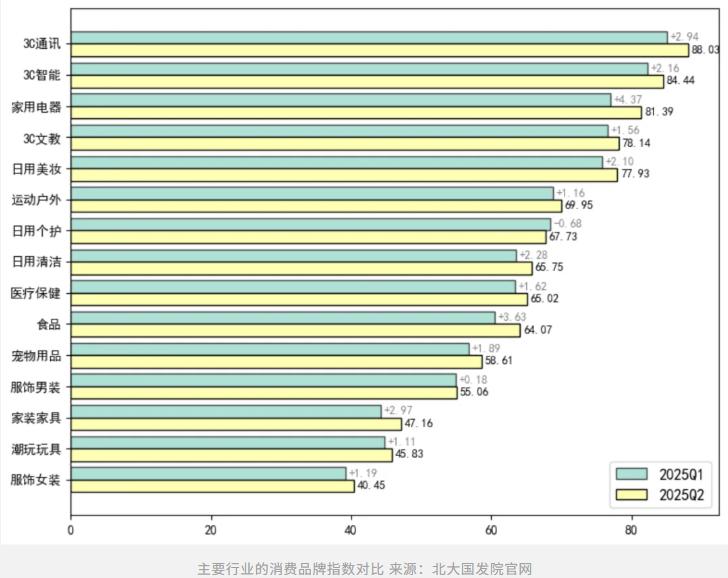
Core Insights - The current consumer industry is experiencing collective anxiety regarding the reliance on low prices as the only solution, with concerns that brand, quality, and innovation are losing importance [1] - There is also anxiety about the diminishing significance of major promotional events as consumer stockpiling mentality fades, leading brands to question the effectiveness of high marketing costs during these events [1] - The recent release of the "China Online Consumption Brand Index" (CBI) and "Global Brand China Online Top 500" lists by Peking University indicates that consumer emphasis on brand and quality is actually increasing, and major promotions remain a key strategy for enhancing brand value and customer loyalty [1][2] Group 1: CBI Index and Methodology - The CBI index is the first brand value assessment system based entirely on actual consumer purchasing behavior, filling a gap left by traditional macro indicators [1] - The index is developed by Peking University and supported by Alibaba, updated quarterly, and utilizes a comprehensive data set from 6,000 brands on Taobao and Tmall [3][5] - The methodology employs machine learning algorithms to identify key indicators that distinguish "high-quality brands" from ordinary ones, ensuring the index is both comprehensive and dynamic [6][5] Group 2: Trends and Consumer Behavior - The CBI index shows an upward trend, with a notable increase in consumer preference for quality brands during major promotional events like 618 and Double 11 [7][10] - The data indicates that during these promotional periods, consumers not only increase their total spending but also show a stronger inclination towards selecting quality brands over low-priced alternatives [7][9] - The seasonal fluctuations in the CBI index reflect the impact of major promotions on brand rankings, with brands like Midea and Haier significantly improving their positions during the 618 event [10][11] Group 3: New Brands and Market Dynamics - The research highlights that major promotions serve as critical growth accelerators for emerging brands, allowing them to establish a foothold in competitive markets [12] - For categories like beauty and personal care, promotions help brands create a closed loop from demand generation to brand recognition, enhancing consumer loyalty [13] - In the mother and baby category, promotions facilitate trust-building and market penetration, while personal care brands leverage differentiation and innovative channels to stand out [14][15] Group 4: Strategic Implications for Brands - The core conclusion from the CBI findings is that the challenge for brands is not whether to participate in promotions, but how to effectively leverage them for deeper engagement and growth [17] - Each promotional event represents an opportunity for brands to either capture market share or risk being left behind, emphasizing the need for strategic planning and execution [17]

部分地区已上线育儿补贴申领,8月31日全面开放,每孩每年3600元
21世纪经济报道· 2025-08-28 05:32
Core Viewpoint - The article discusses the implementation of a national childcare subsidy policy aimed at alleviating the financial burden on families with young children, which is expected to benefit over 20 million families annually and involve a budget exceeding 100 billion yuan [4][6][12]. Summary by Sections Childcare Subsidy Implementation - The national health commission has mandated that by August 31, all regions must fully open applications for the childcare subsidy, with some areas already having systems in place [1][5]. - The subsidy will provide 3,600 yuan per child per year, translating to 300 yuan monthly, directly benefiting families and stimulating demand in the maternal and infant product sectors [4][6]. Demographic Context - The article highlights a significant demographic shift in China, with the child dependency ratio decreasing from 41.5% in 1990 to 24% in 2023, while the elderly dependency ratio has risen to 22.5% [6][12]. - This shift underscores the need for policies that reduce the financial pressures of child-rearing to improve birth rates and overall population structure [6][12]. Policy Details and Benefits - The subsidy is exempt from personal income tax, and the funds will be directly deposited into the parents' accounts, allowing for immediate use [6][12]. - The policy is seen as a crucial step towards building a "child-friendly" society, with potential long-term benefits for family welfare and social stability [12][14]. Regional Implementation - Various regions are at different stages of implementing the subsidy, with some like Hubei already operational, while others are still in trial phases [4][8]. - Local health commissions are preparing for full implementation, including staff training and system testing to ensure smooth processing of applications [7][8]. Broader Support Measures - The article mentions additional financial support measures available to families, such as maternity allowances and tax deductions, which complement the childcare subsidy [9][14]. - The overall goal is to create a supportive environment for families, encouraging higher birth rates and improving the quality of life for parents and children alike [12][14].

育儿补贴没到手就有母婴产品涨价,安儿乐、好奇回应
Xin Lang Ke Ji· 2025-08-27 03:40
Core Viewpoint - The article highlights the recent price increases of baby products such as milk powder and diapers, occurring just before the implementation of childcare subsidies, causing financial strain on families [1] Group 1: Price Increases - Baby formula prices have reportedly increased by over 60 yuan per can within a month [1] - Diaper prices have risen by several to tens of yuan, despite unchanged specifications [1] - Brands affected include Yili's Jinling Crown for milk powder and An'erle and Huggies for diapers [1] Group 2: Brand Responses - Yili has not responded to inquiries regarding the price increase [1] - An'erle's official customer service denied the price hike rumors, attributing price variations to different promotional activities [1] - Huggies' official customer service stated that prices vary based on different promotional periods [1]

为20亿人穆斯林市场,连AI医疗都做清真认证了
虎嗅APP· 2025-08-26 13:44
Core Viewpoint - The article highlights the significant untapped potential of the global Muslim market, which encompasses over 2 billion people, and emphasizes the challenges and opportunities for Chinese companies looking to enter this space [4][5][6]. Market Size and Potential - The global Islamic finance market is projected to reach $3.18 trillion by 2024, while the halal food and beverage market was valued at $2.09 trillion in 2021, and the halal cosmetics market is expected to reach $47.7 billion by 2024 [6]. - The Muslim market represents a vast economic opportunity that remains largely unexplored by Chinese enterprises, especially compared to the saturated markets in Europe and the U.S. [7]. Key Markets - Key markets for Chinese companies include Indonesia, Malaysia, Saudi Arabia, and the UAE, with Indonesia having 86% of its population as Muslims, translating to approximately 229 million people [10][11]. - Malaysia, despite its smaller population of 35.98 million, is recognized as a global center for the halal industry, influencing standards and practices [12]. Consumer Trends - Popular consumer categories in these markets include home goods, food, beauty, and maternal and infant products, with Muslim fashion being particularly successful on platforms like TikTok [12][13]. - The peak sales periods for Muslim fashion coincide with significant events like Ramadan, where sales strategies adapt to cultural practices [14][15]. Certification Challenges - Halal certification is a critical requirement for entering the Muslim market, ensuring that products meet specific religious standards throughout the supply chain [25][28]. - The certification process can be complex and varies by country, with some certifications being recognized across multiple nations while others are limited to specific regions [39][40]. Legal and Cultural Barriers - Chinese companies often face legal and cultural challenges when entering Muslim markets, including contract negotiations that differ significantly from domestic practices [44]. - Misunderstandings regarding local laws and cultural practices can lead to significant operational challenges and potential legal issues for companies [45][46]. Infrastructure Opportunities - The construction and infrastructure sectors in Muslim-majority countries are experiencing growth, driven by initiatives like Saudi Arabia's Vision 2030 and Indonesia's new capital project [22][23]. - Emerging sectors such as data centers and technology infrastructure present new opportunities for Chinese enterprises, leveraging their experience in these areas [24]. Conclusion - The interplay of high competition in domestic markets and the allure of the high-barrier Muslim market creates a compelling case for Chinese companies to explore these opportunities [48].

托育政策落地 母婴消费新蓝海正崛起
Xiao Fei Ri Bao Wang· 2025-08-26 03:05
Group 1 - The new childcare policies in China, including a yearly subsidy of 3600 yuan for families with children aged 0-3 and free education for children in their last year of preschool, are expected to significantly boost consumer confidence and spending in the maternal and infant sector [1][2] - The maternal and infant market in China has reached a scale of 4.2 trillion yuan in 2023, with projections to exceed 5 trillion yuan by 2025, reflecting a compound annual growth rate of approximately 9.3% [1] - The rising costs of childcare, with average annual expenses for families with children aged 0-6 often exceeding 30,000 yuan, have been a burden, but the new subsidies will alleviate some of these costs, allowing families to invest more in quality consumption [2][3] Group 2 - The unique nature of the maternal and infant market is driven not only by price but also by parents' pursuit of safety and quality, which may lead families to prioritize higher-quality products in areas such as formula, baby food, and diapers [3] - Domestic brands in the maternal and infant sector, such as Feihe and Junlebao, are gaining market share in the premium formula segment, supported by policy subsidies and consumer upgrades, enhancing the overall competitiveness of the domestic maternal and infant industry [3][4] - The maternal and infant consumption sector encompasses a vast industry chain, including food, healthcare, education, and technology, with the potential for "spillover consumption" effects in emerging product categories like smart baby monitors and sleep-assist robots [3][4] Group 3 - The new childcare policies not only provide economic relief but also instill confidence in families, linking the prosperity of maternal and infant consumption to broader economic vitality and consumer upgrades [4] - The anticipated shift in maternal and infant consumption from necessity to enhanced quality reflects a significant transformation in the industry, promising to improve the quality of life for families and bolster societal birth confidence [4]
警惕育儿补贴被隐性收割
Sou Hu Cai Jing· 2025-08-25 22:49
Core Viewpoint - The recent discussions surrounding "childcare subsidies not yet received and the price increase of maternal and infant products" have garnered widespread attention, with consumers and merchants holding differing views on price hikes, making it difficult to reach a consensus. However, there are concerns that some manufacturers and distributors may exploit the policy benefits through stockpiling practices [1]. Group 1: Price Sensitivity and Consumer Concerns - Consumers are highly sensitive to prices, especially for essential items like milk powder and diapers, leading to widespread reports of price increases in maternal and infant products [3]. - The timing of the recent price adjustments coinciding with the announcement of childcare subsidies has raised public anxiety and speculation about potential exploitation of the policy [3]. - Past experiences with consumer goods subsidies, where some e-commerce platforms raised prices before offering discounts, have contributed to consumer skepticism regarding the effectiveness of the subsidies [3]. Group 2: Market Dynamics and Business Practices - The childcare subsidy is intended to boost consumption in the maternal and infant sector, but some brands are facing backlash for allegedly taking advantage of the situation, which could damage their reputation [4]. - The complexity of promotional activities and frequent price changes can create a perception of arbitrary price increases, necessitating greater transparency and simplification in pricing strategies from brands and platforms [4]. - Regulatory authorities are urged to monitor price trends of essential items like milk powder and diapers closely, and to impose strict penalties on any collusion to raise prices under the guise of policy benefits [4].

把精彩装进购物袋(大数据观察·实体店里探消费)
Ren Min Ri Bao· 2025-08-25 22:27
Core Viewpoint - The retail landscape is experiencing a significant transformation, with physical stores becoming increasingly popular among consumers, particularly the younger demographic, due to enhanced shopping experiences and emotional value derived from in-store interactions [9][12][16]. Group 1: Retail Trends - The toy and trendy products industry is witnessing explosive growth, emerging as one of the most dynamic sectors in the new consumption landscape [4]. - Consumers are increasingly drawn to physical stores for the unique experiences they offer, such as fresh seafood selections in supermarkets and interactive shopping in toy stores [10][13]. - The trend of "eating goods" among the younger generation reflects a shift towards purchasing trendy toys as a form of social currency [13][14]. Group 2: Consumer Behavior - Young consumers are prioritizing convenience and quality, with supermarkets adapting their offerings to meet these demands, such as providing fresh seafood directly from supply bases [10][12]. - The emotional and interactive aspects of shopping in physical stores, such as observing live seafood or engaging with products, are key factors that online shopping cannot replicate [11][12]. - In the toy sector, the popularity of blind boxes and limited edition items has created a culture of excitement and community among young shoppers [13][14]. Group 3: Service and Experience - Physical stores, particularly in the mother and baby segment, are enhancing customer experiences through personalized services and professional guidance, which are highly valued by parents [15][16]. - The integration of additional services, such as child massage in mother and baby stores, is becoming a strategy to attract and retain customers [16]. - Retailers are focusing on optimizing service quality and product safety to convert first-time visitors into repeat customers [16].
小红书名媛捧红的BeBeBus:正被闲鱼和代工厂“拆台”
3 6 Ke· 2025-08-22 09:17
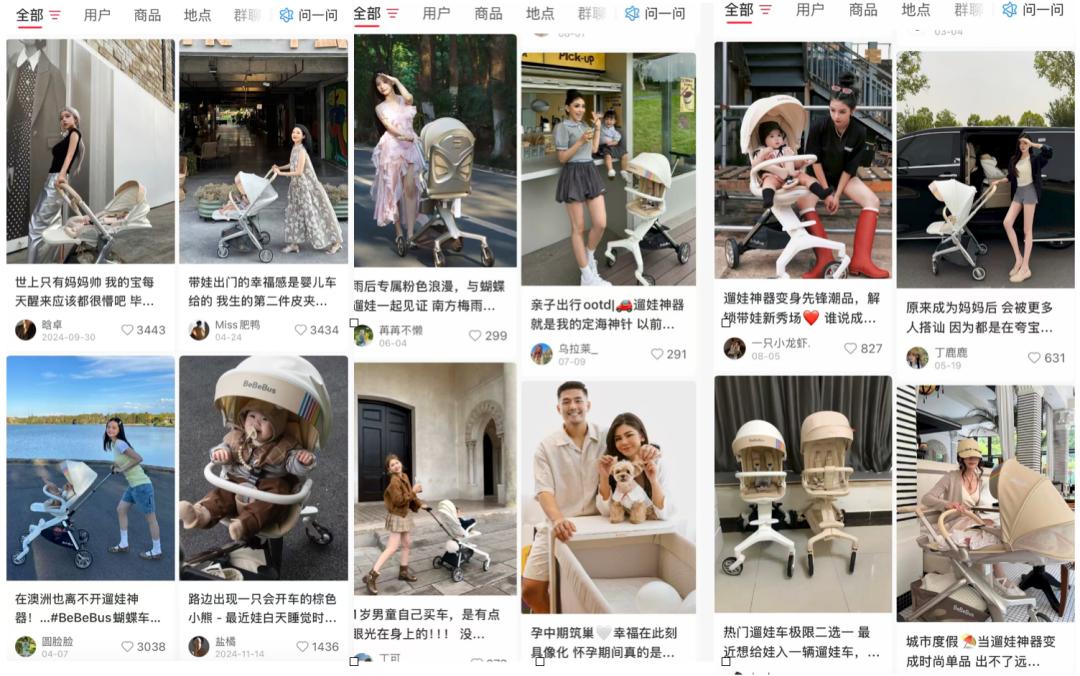
Core Insights - BeBeBus has become a benchmark in the high-end maternal and infant market, driven by its attractive design and strong social media presence, particularly on platforms like Xiaohongshu and Douyin [1][2] - The brand's average order value remains above 2400 yuan, reflecting the willingness of middle-class parents to pay a premium for perceived quality and aesthetics [1][2] - Despite its success, BeBeBus faces challenges related to pricing and supply chain vulnerabilities, as evidenced by low-priced replicas available on platforms like Xianyu [1][2] Marketing and Brand Positioning - BeBeBus's rise is attributed to its focus on design and collaboration with KOLs who possess professional backgrounds, enhancing the brand's credibility [2][3] - The brand's gross margin stands at 49.39%, significantly higher than competitors like Kid Kingdom, which has a gross margin of 27.68% [2] - The marketing strategy includes substantial investments in influencer partnerships, with promotional expenses accounting for over 30% of revenue from 2022 to mid-2025 [12][13] Consumer Behavior and Emotional Logic - For many parents, BeBeBus products symbolize a status expression rather than just functional items, with mothers willing to overlook practicality for brand prestige [4][5] - The emotional connection to the brand is strong, as consumers often prioritize brand over price, despite acknowledging the high cost [2][4] Financial Performance - BeBeBus reported revenues of 5.07 billion yuan, 8.52 billion yuan, and 12.49 billion yuan from 2022 to mid-2025, with net profits fluctuating, indicating a challenging path to sustainable profitability [12][13] - The company’s high marketing costs have raised concerns about its long-term profitability, as significant spending on promotions does not guarantee high margins [12][13] Supply Chain and Production Challenges - BeBeBus relies heavily on outsourcing for production, with most products manufactured by third-party factories, raising concerns about quality control and intellectual property protection [14][15] - The lack of stringent agreements with manufacturers has led to potential risks of product imitation, undermining the brand's exclusivity [16][17] Pricing and Channel Conflicts - The brand faces issues with pricing consistency across channels, as lower prices on platforms like Xianyu threaten its premium positioning [27][30] - The emergence of gray market sales and internal channel conflicts could dilute BeBeBus's brand value, as consumers increasingly seek lower prices [30][31]
婧麒孕妇服再上质量黑榜!贝贝熊:涉事产品已下架
Nan Fang Du Shi Bao· 2025-08-22 06:30
近日,无锡市市场监督管理局发布孕妇服产品质量监督抽查结果,共抽查产品10批次,不合格产品1批次,涉及品牌婧麒、贝贝熊。 8月22日,南都·湾财社记者致电江苏贝贝熊母婴用品有限公司无锡锡山店,该店店长表示,"4月底进行抽检的,产品已经下架了。"同时,记者多次致电南 昌市婧麒服饰有限公司和江西辉鹏实业有限公司,电话均无人接听。 婧麒孕妇服纤维含量抽检不合格! 公告显示,1批次标称在江苏贝贝熊母婴用品有限公司无锡锡山店销售的,由江西辉鹏实业有限公司生产的"JOYNCLEON 婧麒"孕妇侧边双夹条打底裤(生 产日期/货号:-/Jyk1534;规格型号:165/82C L;L--XXL),纤维含量抽检不合格。 | | | | | 子 ~ 月以 | | 阳火里面直世耳正亚石牛/ | | --- | --- | --- | --- | --- | --- | --- | | 序号 | 产品具体名称 | 商标 | 生产日期/货号 | 规格型号 | 标称生产企业 | 标称生产企业地址 | | | V | | | > | V | | | 1 | 月子服套装 | 当之孕 | 2024-03-18/L8002 | 上装:160/96 ...

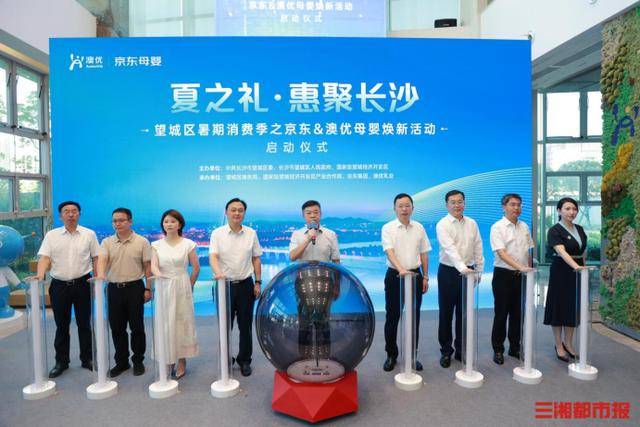
母婴消费券来啦!全国可用!京东&澳优母婴焕新活动正式启动
Sou Hu Cai Jing· 2025-08-20 16:20
Group 1 - The "Summer Gift - Gathering in Changsha" event, co-hosted by local government and companies like JD Group and Ausnutria, aims to enhance consumer experience and promote quality consumption in Changsha [1][3] - The collaboration between JD Group and Ausnutria is designed to provide high-quality nutritional products at more affordable prices, benefiting more families [3][4] - The event features the distribution of consumer vouchers covering over 30,000 mother and baby products from more than 700 brands, offering a 10% discount on the actual payment amount [4][5] Group 2 - Ausnutria's products saw double-digit growth on JD's platform in August, indicating strong consumer recognition and the effectiveness of the event in stimulating market activity [5] - The initiative is part of a broader strategy to elevate local industry capabilities and transform from "product output" to "brand value enhancement," allowing local products to reach a wider national market [5] - Ausnutria plans to leverage this event as a starting point for further technological innovation and quality upgrades, contributing to the "Healthy China" initiative and enhancing consumer health and happiness [5]