
医药生物

Search documents
IPO管控从严!香港证监会再次严查“赶工”乱象
Di Yi Cai Jing Zi Xun· 2026-02-01 11:15
Core Viewpoint - The Hong Kong Securities and Futures Commission (SFC) has mandated a review of the internal processes of IPO sponsors due to significant deficiencies in the quality of listing documents and potential misconduct, with 16 IPO applications suspended as of December 31, 2025 [2][3][7]. Group 1: IPO Market Dynamics - The number of IPOs in Hong Kong surged to 102 in 2025, a significant increase from 73 in the previous year, with net fundraising amounting to HKD 238.2 billion, up 246% year-on-year [3][9]. - The backlog of IPO applications has reached 319, indicating a strain on the capacity of some investment banks to manage the increased volume [3][6]. - The market is expected to remain active in 2026, with predictions of continued strong fundraising, potentially exceeding HKD 300 billion [9]. Group 2: Quality Concerns and Regulatory Response - The SFC has identified serious issues with the quality of IPO applications, including poor drafting of listing documents and inadequate responses to regulatory feedback [3][4]. - A series of corrective measures will be implemented, including stricter review standards and enhanced disclosure requirements regarding the matching of personnel to projects [6][7]. - Sponsors are required to conduct self-assessments and resource evaluations within three months to address the concerns raised by the SFC [6][7]. Group 3: Talent and Resource Challenges - The rapid increase in IPOs has led to a fierce competition for talent within the investment banking sector, resulting in a significant rise in workload for existing professionals [4][5]. - Some sponsors have been found to overly rely on external professionals without adequately assessing their capabilities, leading to resource management issues [4][5]. - The average underwriting fee for IPOs has decreased to 1.5%, the lowest since 2000, which has further constrained the ability of firms to invest in experienced personnel [5][6]. Group 4: Future Outlook and Risks - The SFC's tightening of IPO application standards is a proactive measure in anticipation of a potential IPO peak in 2026, particularly in sectors like artificial intelligence and biotechnology [9]. - There are concerns about a wave of lock-up expirations in March and September 2026, which could pose risks to market stability [9][10].

IPO管控从严!香港证监会再次严查“赶工”乱象
第一财经· 2026-02-01 11:06
Core Viewpoint - The Hong Kong Securities and Futures Commission (SFC) has mandated a review of IPO application processes due to significant deficiencies in the quality of listing documents and potential misconduct by sponsors, amidst a surge in IPO applications and fundraising in 2025 [3][4][5]. Group 1: IPO Market Overview - In 2025, the Hong Kong IPO market saw a significant increase, with 102 companies going public, compared to 73 in the previous year, and total fundraising reaching HKD 238.2 billion, a 246% increase year-on-year [5]. - As of December 2025, there were over 319 IPO applications pending, indicating a backlog that exceeds the capacity of some investment banks [5][11]. - The market is expected to remain active in 2026, with predictions of continued strong fundraising, potentially exceeding HKD 300 billion [12]. Group 2: Regulatory Concerns - The SFC has expressed concerns over the declining quality of IPO application documents, including issues with drafting quality and compliance with regulatory feedback [6][9]. - There is a noted reliance on external professionals by sponsors, which raises questions about their qualifications and the overall quality of the IPO process [6][7]. - The SFC has identified that some sponsors are prioritizing transaction volume over quality control, which is critical for maintaining market integrity [7][10]. Group 3: Remedial Measures - The SFC has introduced several corrective measures aimed at improving IPO application quality, including stricter review standards and requirements for sponsors to assess their resource capabilities [9][10]. - Sponsors are required to submit a resource management plan if they have personnel overseeing six or more IPO projects simultaneously [10]. - Enhanced disclosure requirements for sponsors regarding the matching of personnel to projects have been implemented to ensure accountability [9][10]. Group 4: Market Dynamics and Risks - The competition among brokers for IPO shares has led to a decrease in underwriting fees, which fell to a record low of 1.5% in 2025, impacting their ability to invest in human resources [7][10]. - The upcoming release of lock-up shares in 2026 may pose risks to the market, as historical patterns show that significant unlock events often coincide with market downturns [12][13].

IPO管控从严!香港证监会再次严查“赶工”乱象,已有16宗港股上市申请被暂停审理
Di Yi Cai Jing· 2026-02-01 08:31
Core Viewpoint - The Hong Kong Securities and Futures Commission (SFC) has mandated underwriters to conduct internal reviews and rectify significant deficiencies in IPO documentation, as the number of IPO applications has surged, leading to concerns over quality and compliance [1][2][6]. Group 1: Regulatory Actions - The SFC has issued a circular requiring underwriters to address serious deficiencies in IPO documentation, including inadequate quality and potential misconduct [1][2]. - As of December 31, 2025, 16 IPO applications have been suspended due to these issues, highlighting the need for stricter regulatory oversight [1][7]. - The SFC plans to implement multiple corrective measures, including stricter review standards and enhanced disclosure requirements regarding the matching of underwriters' personnel to projects [6][7]. Group 2: Market Trends - In 2025, the Hong Kong IPO market saw a significant increase, with 102 companies going public, raising a total of HKD 238.2 billion, a 246% increase from the previous year [2][8]. - The number of companies waiting for IPO approval has exceeded 300, indicating a continued high level of market activity [8]. - Analysts predict that the IPO fundraising scale in 2026 could exceed HKD 300 billion, driven by companies in technology and healthcare sectors [8]. Group 3: Industry Challenges - The rapid increase in IPO applications has led to a decline in the quality of submission materials, as some underwriters struggle to manage the workload effectively [2][3]. - There is a noted talent competition within the investment banking sector, as firms seek to handle the growing number of IPOs, leading to increased pressure on existing staff [2][5]. - The average underwriting fee has dropped to 1.5% in 2025, the lowest since 2000, which may discourage firms from investing in experienced personnel [5][6]. Group 4: Future Outlook - The SFC's tightening of IPO application standards is a proactive measure in anticipation of a potential IPO peak in 2026, particularly in sectors like artificial intelligence and biotechnology [8]. - There are concerns about a potential wave of lock-up expirations in 2026, which could coincide with market volatility, as seen in historical patterns [9][10].
医药周报20260130:从JPM大会挖掘FIC靶点三期数据验证节点
Guolian Minsheng Securities· 2026-02-01 05:45
Investment Rating - The report maintains a "Hold" rating for the pharmaceutical industry [3] Core Insights - The report highlights the focus on innovation and internationalization within the pharmaceutical industry, with an emphasis on the development of innovative drugs and the exploration of new technological avenues [9][41] - The report suggests a dual investment strategy: one focusing on the rotation of technological innovation from 0 to 1 and the other on value recovery, emphasizing stocks with reasonable valuations and performance growth catalysts [9] - Key investment opportunities are identified in the CRO sector, with specific companies recommended for attention, including Tigermed, Baioo, and WuXi AppTec [9] Summary by Sections 1. Insights from JP Morgan Conference - The report discusses several new therapeutic targets presented at the JP Morgan conference, including Lp(a) siRNA therapy, FXI monoclonal antibodies, and TL1A monoclonal antibodies, all expected to yield phase III data in 2026 [12][18][22][34] - Notably, the Lp(a) siRNA drug Pelacarsen aims to reduce cardiovascular disease risk by targeting Lp(a) gene expression [12][15] - FXI monoclonal antibodies are being developed for stroke prevention in atrial fibrillation patients, with promising data expected in 2026 [18][20] - TL1A monoclonal antibodies are being explored for ulcerative colitis treatment, with data also anticipated in 2026 [22] 2. Pharmaceutical Market Review and Hotspot Tracking - The pharmaceutical index decreased by 3.31% from January 26 to January 30, underperforming compared to the ChiNext and CSI 300 indices [41] - The total trading volume for pharmaceuticals was 685.97 billion yuan, accounting for 4.52% of the total market, below the historical average of 7.10% [62] - The report notes that the pharmaceutical sector's valuation is currently below the historical average, with a PE ratio of 29.40, indicating a relative undervaluation [58][59] 3. Individual Stock Performance - The report lists the top-performing stocks for the week, including Capbio and Hualan Biological, while highlighting underperformers such as *ST Sailong and Hexin Instruments [66] - Monthly performance rankings show significant gains for stocks like Hongbo Pharmaceutical and Baolait, while others like Hezhong China faced declines [66]
众生药业(002317):首次覆盖报告:中药基本盘稳健,创新管线步入收获期
Orient Securities· 2026-01-31 13:24
Investment Rating - The report gives a "Buy" rating for the company, with a target price of 23.37 CNY based on a PE valuation of 57 times for 2026 [3][6]. Core Insights - The company is expected to benefit from a dual-driven strategy of traditional Chinese medicine (TCM) and chemical drugs, with a gradual clearance of the impact from centralized procurement on TCM business. The innovative drug pipeline is entering a harvest phase, with projected net profits for 2025-2027 being 290 million, 350 million, and 410 million CNY respectively, corresponding to EPS of 0.34, 0.41, and 0.48 CNY [3][9]. Summary by Sections 1. Dual-Driven Strategy of TCM and Chemical Drugs - The company has a rich product layout and maintains stable performance, with a focus on eye care, cardiovascular, respiratory, and digestive diseases. Revenue for the first three quarters of 2025 was 1.89 billion CNY, a decrease of 1.0% year-on-year, while net profit attributable to the parent company was 250 million CNY, an increase of 68.4% [13][9]. - The core TCM product, Compound Thrombus-Relieving Capsule, is a unique original formulation with a leading market share in the domestic ophthalmic TCM sector. The impact of centralized procurement is gradually being digested, and sales are expected to stabilize [9][10]. 2. Innovative Product Data and Growth Potential - The company has multiple innovative products entering commercialization or late-stage clinical trials. The PB2-targeted RNA polymerase inhibitor, Anladiwei Tablets, was approved in May 2025 for treating adult uncomplicated influenza, showing competitive advantages over Oseltamivir [9][27]. - The GLP-1/GIP dual-target drug RAY1225 for obesity and diabetes has entered Phase III clinical trials, with promising results indicating better weight loss efficacy compared to existing treatments [27][29]. 3. Financial Forecast and Investment Recommendations - The company’s revenue is projected to recover, with expected revenues of 2.803 billion, 3.126 billion, and 3.447 billion CNY for 2025, 2026, and 2027 respectively, reflecting growth rates of 13.6%, 11.5%, and 10.3% [5]. - The report emphasizes the importance of innovation and performance assessment, with an employee stock ownership plan launched in 2024 to incentivize core personnel [23][24].

策略专题:25Q4公募基金配置港股的亮点
Guoxin Securities· 2026-01-31 12:05
Group 1 - The core conclusion indicates that in Q4 2025, the allocation of Hong Kong stocks by actively managed equity public funds has decreased, with a decline in the proportion of funds overweighting Hong Kong stocks [1][10] - The total size of actively managed equity public funds eligible to invest in Hong Kong stocks in Q4 2025 is 20,356 billion, accounting for 52.2% of the total actively managed equity fund size, down from 52.4% in Q3 2025 [10] - The market value of Hong Kong heavy stocks held by actively managed equity public funds in Q4 2025 is 3,121 billion, which is a decrease from 3,950 billion in Q3 2025 [10][11] Group 2 - In terms of industry allocation, actively managed equity public funds have increased their exposure to cyclical financial sectors while reducing exposure to technology and consumer sectors in Q4 2025 [2][19] - The sectors with increased allocation include non-ferrous metals (6.8%, up 2.3 percentage points), non-bank financials (5.1%, up 3.2 percentage points), and oil and petrochemicals (3.5%, up 2.1 percentage points) [19][26] - The sectors with reduced allocation include consumer discretionary retail (11.0%, down 2.2 percentage points), hardware equipment (3.0%, down 2.0 percentage points), and semiconductors (7.6%, down 2.0 percentage points) [19][26] Group 3 - The concentration of the top ten heavy stocks held by actively managed equity public funds has decreased, with their combined holding percentage in Q4 2025 being 49.7%, down from 54.0% in Q3 2025 [3][28] - The top three heavy stocks remain consistent with Q3 2025, including Tencent Holdings (holding size of 578 billion, accounting for 18.5%), Alibaba (310 billion, 10.0%), and SMIC (187 billion, 6.0%) [3][28]
年初私募调研路径曝光!冯柳现身
Shang Hai Zheng Quan Bao· 2026-01-31 09:15
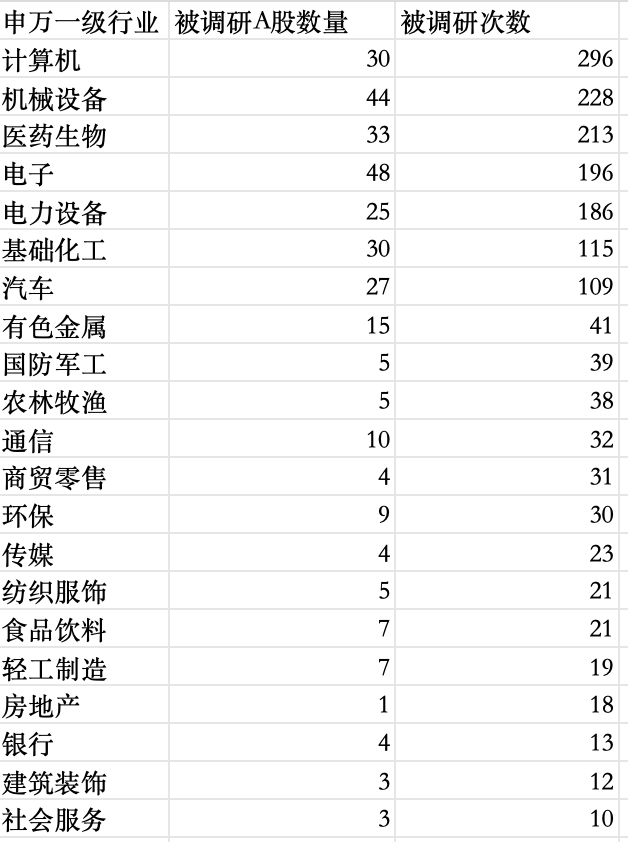
Group 1 - In January 2026, nearly 660 private equity firms participated in A-share company research activities, with a total of over 1700 research instances [1][2] - The computer, machinery, pharmaceutical biology, and electronics sectors were the most focused on by private equity firms, with notable fund managers like Feng Liu from Gao Yi Asset and Zhu Liang from Dan Yi Investment attending technology stock research [1][2] - Despite significant gains in the technology sector in 2025, industry trends and corporate profitability indicate that the sector has not yet reached a "bubble stage," particularly in semiconductors and AI applications [1] Group 2 - A total of 659 private equity firms covered 332 A-share companies across 28 primary industries in January 2026, with 48 companies receiving more than 10 research visits [2] - The computer industry had 30 companies receiving research with a total of 296 instances, while the machinery equipment sector had 44 companies with 228 instances [3][4] - The pharmaceutical biology and electronics sectors also saw significant research activity, each exceeding 190 instances, with the electronics sector having the highest number of companies at 48 [4] Group 3 - Notable private equity fund managers showed interest in technology, with Feng Liu attending a research event for Hikvision, focusing on AI application advancements and robotics [5] - Zhu Liang from Dan Yi Investment researched Tongfu Microelectronics, which is positioned to benefit from the rapid development of domestic AI computing chips [6] - The AI industry is viewed as a key investment theme for 2026, with a shift towards practical applications and a growing demand for general-purpose GPUs and basic semiconductor equipment [7][8]
中泰国际:香港文化体育及旅游局局长罗淑佩表示,香港去年共接待近5,000万旅客人次
ZHONGTAI INTERNATIONAL SECURITIES· 2026-01-30 13:21
Market Performance - Hang Seng Index and the National Enterprises Index rose by 0.5% and 0.4% respectively, while the Hang Seng Tech Index fell by 1.0%[1] - Major sectors such as banking, insurance, precious metals, and oil showed strong performance recently[1] - Market anticipates regulatory easing for property developers, leading to a rise in many mainland property stocks[1] Macroeconomic Indicators - Hong Kong welcomed nearly 50 million visitors last year, a 12% increase from 2024, with mainland visitors accounting for 38 million, up 11%[2] - Initial jobless claims in the U.S. decreased by 1,000 to 209,000, slightly above Bloomberg's forecast of 206,000[2] Industry Developments - The Hang Seng Healthcare Index fell by 0.8%, with recent trading in pharmaceutical stocks being relatively quiet[3] - Inpharmatica (3696 HK) surged by 9.7% after announcing promising results for its oral GIPR antagonist ISM0676, achieving a weight loss effect of up to 31.3% in trials[3] Energy and Utilities - New energy and utility stocks showed mixed performance, with CGN Mining (1164 HK) rising by 3.3% as uranium prices approached a two-year high of $98[4] - Companies like China Everbright Environment (257 HK) and Beijing Enterprises Water Group (371 HK) saw stock increases between 1.1% and 4.5%[4] Consumer Sector - The wholesale price of Moutai has rebounded, leading to an 8.6% surge in Moutai's stock (600519 CH)[4] - Qingdao Beer (168 HK), China Resources Beer (291 HK), and Budweiser (1876 HK) stocks rose by 3% to 5% following positive trends in the A-share liquor sector[4]
【30日资金路线图】两市主力资金净流出超540亿元 通信等行业实现净流入
证券时报· 2026-01-30 10:57
Market Overview - On January 30, the A-share market experienced an overall decline, with the Shanghai Composite Index closing at 4117.95 points, down 0.96%, and the Shenzhen Component Index closing at 14205.89 points, down 0.66%. The ChiNext Index, however, rose by 1.27% to close at 3346.36 points. The total trading volume for both markets was 283.55 billion yuan, a decrease of 39.44 billion yuan from the previous trading day [1]. Capital Flow - The net outflow of main funds from the Shanghai and Shenzhen markets exceeded 54 billion yuan, with an opening net outflow of 24.87 billion yuan and a closing net outflow of 4.098 billion yuan, totaling 54.013 billion yuan for the day [2]. - Over the last five trading days, the main funds have consistently shown a net outflow, with the highest recorded outflow of 75.71 billion yuan on January 26 [3]. Sector Performance - The ChiNext saw a significant net outflow of 15.67 billion yuan, while the CSI 300 index experienced a net outflow of 7.919 billion yuan on the same day [4]. - In terms of sector performance, the communication sector saw a net inflow of 14.231 billion yuan, while the computer and pharmaceutical sectors faced the largest outflows, with net outflows of 15.418 billion yuan and 10.197 billion yuan, respectively [6][7]. Individual Stock Activity - The top stocks with net inflows included Xinyi Silver and Yunnan Copper, with net purchases of 539.36 million yuan and 173.80 million yuan, respectively. Conversely, stocks like Hunan Gold and Tian Di Online faced significant net outflows, with -70.3878 million yuan and -10.7999 million yuan, respectively [8][10]. - Institutional interest was noted in several stocks, with Huafang Co. receiving a "Buy" rating from UBS with a target price of 45 yuan, representing a potential upside of 56.52% from its latest closing price of 28.75 yuan [11].

CPO概念股本周领涨科技,关注创业板ETF易方达(159915)等产品配置价值
Sou Hu Cai Jing· 2026-01-30 10:45
Group 1 - The technology sector shows mixed performance, with solid-state battery stocks continuing to adjust while CPO concepts strengthen against the trend [1] - The ChiNext Growth Index rose by 0.3%, while the ChiNext Index fell by 0.1%, and the ChiNext Mid-Cap 200 Index decreased by 4.1% [3] - According to Industrial Securities, as the annual report forecasts of A-share listed companies enter a peak disclosure period, the impact of performance on structure may become more significant [1][3] Group 2 - The current performance highlights are concentrated in AI hardware, batteries, pharmaceuticals, steel, and non-bank sectors, which have seen marginal upward revisions in profit expectations [1] - The rolling price-to-earnings (P/E) ratios for the ChiNext Index, ChiNext Mid-Cap 200 Index, and ChiNext Growth Index are 42.3x, 113.3x, and 40.5x respectively [3] - The ChiNext Mid-Cap 200 Index is composed of 200 stocks with medium market capitalization and good liquidity, reflecting the overall performance of representative companies in the ChiNext market [4]

