
外卖

Search documents
ONE阿里,ONE蒋凡,ONE狼性
3 6 Ke· 2025-07-16 09:44
Core Insights - The rapid rise of Taobao Flash Sale, in collaboration with Ele.me, has led to a historic moment in China's food delivery industry, with daily orders surpassing 200 million for the first time [2][3] - The competitive landscape has intensified, with Meituan responding to Taobao Flash Sale's aggressive strategy, resulting in a significant increase in daily order volumes across the industry [2][3] Group 1: Market Dynamics - Taobao Flash Sale and Ele.me achieved 80 million daily orders on July 5, while Meituan maintained 120 million orders, contributing to a total of over 200 million daily orders in the industry [2][3] - JD.com has disrupted the market with a combination of zero commission policies and enhanced delivery services, increasing its daily order volume from 5 million in April to 25 million in June [3][4] Group 2: Strategic Leadership - The key strategist behind this campaign is Jiang Fan, who has rejoined Alibaba's core management and is credited with breaking down internal barriers and seizing strategic opportunities [4][5] - Jiang Fan's return has revitalized Alibaba's competitive spirit, allowing for a more aggressive approach in the local lifestyle market [4][5] Group 3: Resource Integration and Investment - Alibaba has committed a total of 600 billion yuan in subsidies, which is 75% of its projected net profit for 2024, to support the Flash Sale initiative across various product categories [7][8] - The strategy includes integrating resources from different business units, such as placing Flash Sale prominently on the Taobao app and leveraging Ele.me's delivery capabilities [5][6] Group 4: Long-term Strategy and Market Positioning - The success of Flash Sale is seen as a critical step for Alibaba in maintaining its market position against competitors like Douyin and Pinduoduo, which have been eroding its market share [4][14] - The integration of Taobao and Ele.me aims to create a closed-loop commercial ecosystem, enhancing user engagement and retention [13][14] Group 5: Competitive Landscape - The competition among Alibaba, Meituan, and JD.com is intensifying, with Tencent's potential influence through its WeChat platform remaining a significant variable in the market dynamics [17][18] - The battle for user retention and the establishment of instant consumption habits will be crucial for determining long-term market leaders [18][19]





冲上热搜!京东取消外卖超时20分钟免单?最新回应
证券时报· 2025-07-16 09:10
Group 1 - The core change in JD's delivery service is the replacement of the "20-minute free delivery" policy with a new "准时宝" service, which alters the compensation method and threshold for delays [1] - As of the end of Q2, JD's full-time delivery riders have exceeded 150,000, indicating significant growth in the workforce [3] - JD plans to invest 2 billion yuan to enhance benefits for full-time delivery riders, including seasonal allowances for extreme weather [5] Group 2 - JD will provide 150,000 units of the "赤甲光刃X1" electric bikes to delivery riders, with a buyback program for those who meet certain delivery milestones [5]
外卖大战本质:舔狗经济崩塌,下一个是家庭经济
Hu Xiu· 2025-07-16 08:41
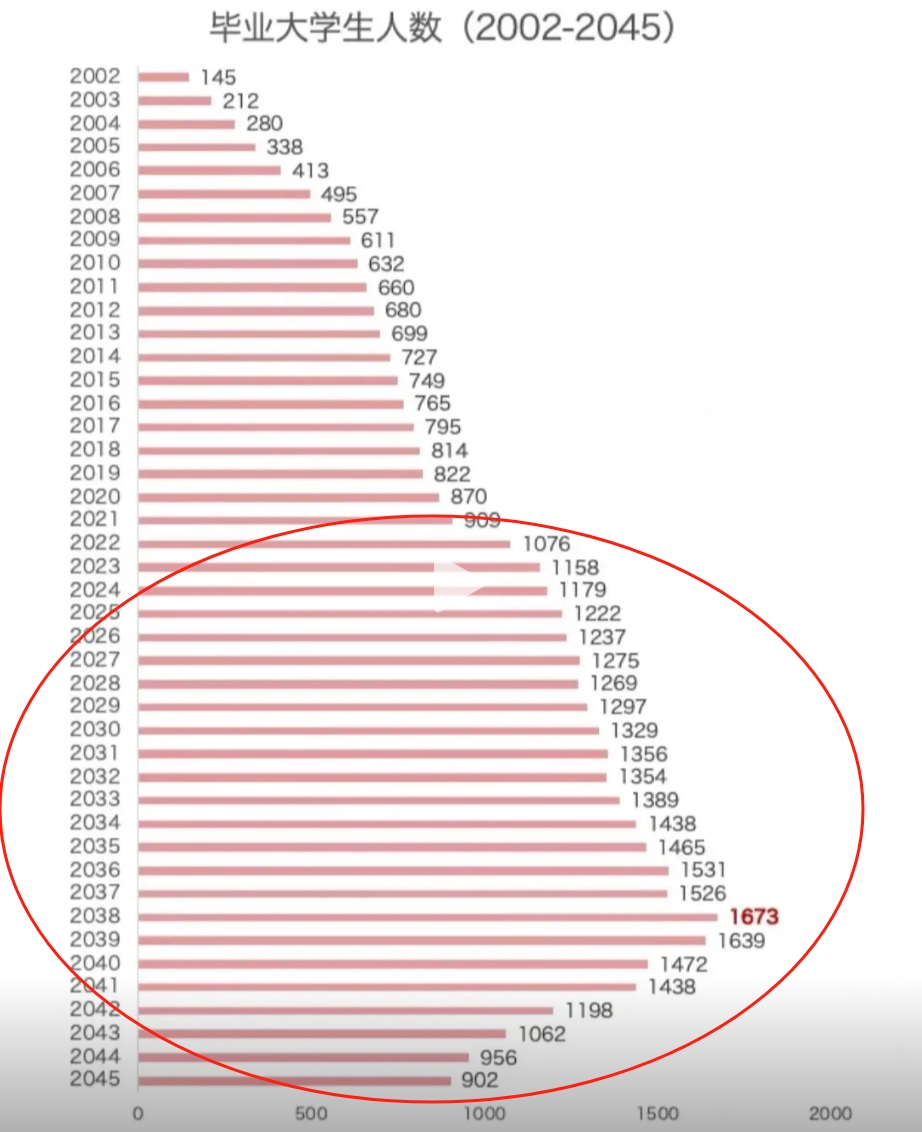
Core Viewpoint - The article discusses the potential growth of the food delivery market in China, driven by changing social dynamics and demographics, particularly the increasing number of single young adults and declining marriage rates [6][26]. Group 1: Market Dynamics - The food delivery market is experiencing renewed competition among major companies due to its significant growth potential [9][8]. - The annual influx of approximately 12 million university graduates into urban areas is expected to create a substantial user base for food delivery services, as these individuals are likely to remain single and rely on delivery for meals [18][19]. - The trend of declining marriage rates and increasing single populations suggests a shift in consumer behavior towards food delivery, as young adults prioritize convenience over traditional cooking [22][23]. Group 2: Social Trends - The article highlights a societal shift where the younger generation is less inclined to marry, leading to a rise in single households, which correlates with increased food delivery consumption [22][26]. - The changing attitudes towards self-care and convenience among young adults indicate a willingness to spend on food delivery services, especially if prices remain competitive [24][23]. - The article suggests that the food delivery industry is closely linked to broader social trends, making it essential to consider societal factors when analyzing market data [25][30]. Group 3: Investment Opportunities - The potential for double-digit growth in the food delivery market is emphasized, particularly as traditional family structures decline and single living becomes more prevalent [26][31]. - The article encourages investors to explore other markets that may benefit from the decline of family-oriented economies, similar to the food delivery sector [34].
没有一个互联网平台是靠补贴做起来的(二)
Hu Xiu· 2025-07-16 07:43
Group 1 - The article discusses the relationship between food delivery subsidies and their effectiveness in converting users to e-commerce platforms, suggesting that the cost of acquiring users through food delivery can be comparable to e-commerce if certain conditions are met [2][3][5] - It posits that if food delivery is used primarily as a tool for acquiring e-commerce users, it may indicate poor performance in the food delivery sector itself, leading to low user retention and conversion rates [8][9][11] - The article highlights that large-scale subsidies in the food delivery market, such as those by JD and Alibaba, may not yield the expected user conversion rates, with JD's conversion rate reportedly not exceeding 3% [12][27][33] Group 2 - The article argues that Alibaba's strategy in the food delivery market is not solely focused on food delivery but is part of a larger strategy to bolster its e-commerce and instant retail businesses, although this approach may not be sustainable [36][106] - It emphasizes that Alibaba lacks the financial strength to outspend Meituan significantly, suggesting that a follow-the-leader strategy rather than an innovative one is being employed [105][108] - The article concludes that the current food delivery subsidy war is unique as it occurs in a mature market, where large-scale subsidies may not be effective and could lead to organizational inefficiencies and corruption [100][109][110]
没有一个互联网平台是靠补贴打下来的(一)
Hu Xiu· 2025-07-16 06:49
Core Viewpoint - The current competition in the food delivery market is intense, with major players like Meituan and Taobao Shanguo achieving significant order volumes, indicating a resurgence in the sector [1][46]. Group 1: Market Dynamics - The food delivery market is experiencing a surge, with Meituan announcing over 120 million orders in a single day and Taobao Shanguo surpassing 80 million orders [1]. - The situation mirrors the community group buying boom of 2020, with both similarities and differences in operational models and subsidy strategies [2][3]. - The essence of the competition revolves around four key topics: the effectiveness of subsidies, the viability of food delivery business models, the areas of operational efficiency, and the significance of market penetration rates [5]. Group 2: Business Models - The food delivery sector is primarily divided into restaurant delivery and retail delivery, with the former being more established and profitable [6][21]. - Restaurant delivery has a higher gross margin (60%-80%) compared to retail delivery, which struggles with lower margins and higher inventory costs [25][26]. - The challenges faced by retail delivery include the difficulty in controlling product quality and costs, making it less profitable than restaurant delivery [30][31]. Group 3: Competition and Efficiency - The current food delivery competition is fundamentally a battle in restaurant delivery, while retail delivery remains an unresolved question in terms of business model viability [46][71]. - The success of food delivery platforms is not solely dependent on subsidies; rather, it hinges on operational efficiency and the ability to innovate beyond existing frameworks [50][72]. - The market dynamics suggest that achieving a market share of over 30% for competitors is essential for a balanced competitive landscape, with Meituan's share needing to drop below 60% for effective competition [64][69]. Group 4: Future Outlook - The ongoing subsidy wars in the food delivery sector are primarily focused on restaurant delivery, with the potential for retail delivery to disrupt the market remaining uncertain [78][79]. - Companies like Taobao Shanguo and JD's food delivery service must identify structural issues and provide innovative solutions to succeed in the competitive landscape [80][81]. - The future of the food delivery market will depend on whether new entrants can uncover and address these structural challenges effectively [88][99].

热搜第一!“超时20分钟免单”取消,回应来了
中国基金报· 2025-07-16 06:30
Core Viewpoint - JD.com has replaced its "20-minute free delivery" policy with a new compensation system offering a 4 yuan coupon for delays over 20 minutes, which has sparked mixed reactions from users [2][3][6]. Group 1: Policy Changes - The new compensation structure includes a 2 yuan coupon for delays of 10 minutes and a 4 yuan coupon for delays of 20 minutes, with limits on the number of claims per user [5]. - The previous policy allowed for a full refund if the delivery exceeded the estimated time by 20 minutes [5]. - The new "准时保" service applies to orders marked with this label, ensuring compensation for delays under specified conditions, including adverse weather [5]. Group 2: User Reactions - Some users have expressed understanding of the change, citing safety for delivery personnel during hot weather as a reason for support [6]. - Conversely, others believe that the cancellation of the "20-minute free delivery" policy undermines JD.com's competitive edge and may deter loyal customers [8]. Group 3: Market Position and Strategy - JD.com has rapidly gained market share in the food delivery sector, leveraging its delivery personnel and service advantages [9]. - As of the end of Q2, JD.com has over 150,000 full-time delivery riders and plans to invest 2 billion yuan to enhance rider benefits, including subsidies and vehicle support [10]. - The company aims to support brands in achieving significant sales milestones, with a commitment of over 10 billion yuan for its "双百计划" initiative [11].

新闻解读20250707
2025-07-16 06:13
每天十分钟拆解新闻背后的逻辑大家好今天是2025年的7月7号星期一我是董小姐今天市场的情绪并不是很高甚至成交量还出现了明显的下滑这个就意味着普遍性的行情其实并没有太多机会更多的还是在局部的结构上去发力今天市场上一马当先的上涨板块是来自于电网 这个不光是中国出现这个问题全球都有在南美洲出现了极度的寒冷在欧洲出现了极度的高温这个全球性的问题集中反映在中国这个就意味着电力的消耗会迅速的增加那么这个背后到底在资本市场当中会掀起什么样的一些投资机会 之前的时候我们给大家瞄准的是火力发电背后的煤炭这个板块因为它不光是受益于极端的天气造成的需求增加还有一个就是去产能这个大的政策导向之下有可能会在它的供给侧也就是它的供给量上做出限制目前的市场的节奏是刚刚走到了 火力发电或者是其他的一些类型的发电企业这个方向上那么今天大家看到整个电力赛道的涨幅是超过了3%另外就是电网更新和电网建设相关的企业也出现了大面积的涨停这个背后的逻辑就是在电力负载持续高压的情况之下国内的一些电网建设尤其是特高压线路的建设很快会加班加点的去启动 电网这个背后的动力是极端的天气表现前段时间我们曾经跟大家聊到过要关注全国范围之内出现的一些历史极端的高温那么在 ...
进军万亿市场 京东“落子”外卖
Huan Qiu Wang· 2025-07-16 04:50
Core Insights - The article highlights the rapid growth and transformation of the food delivery industry in China, emphasizing the importance of quality service and worker protections in creating a sustainable ecosystem [3][4][5] Industry Overview - The Chinese food delivery market has reached an average of 80 million orders per day, with over 10 million delivery riders, making it an essential part of the digital economy [3] - The market size is approximately 1.2 trillion yuan, with a transaction value of 3.8 million yuan per second and 56,000 orders delivered per minute [3] Company Initiatives - JD.com has launched a "100-day practice" initiative focusing on "quality delivery," offering zero commission for merchants and providing social security benefits for riders, resulting in over 25 million daily orders and attracting more than 150,000 quality restaurants [3][4] - The company has committed to providing full-time riders with social security benefits, including five insurances and one fund, enhancing job security and worker satisfaction [5] Market Dynamics - The competition in the food delivery sector is shifting from speed to depth, with a focus on supply chain efficiency and quality service [9] - JD.com aims to leverage its extensive supply chain to improve food delivery efficiency, with a commitment to keeping commission rates low for merchants [9] Social Responsibility - The article discusses the need for platforms to ensure fair treatment and social security for delivery riders, who have historically faced inadequate protections [6] - The actions taken by JD.com and Meituan to provide social security benefits are seen as a significant step towards improving the rights and status of delivery workers [5][6]
美团4亿资金扶持万家品牌卫星店,“品质外卖”成发力重点
Nan Fang Du Shi Bao· 2025-07-16 04:43
Core Insights - Meituan has launched a new delivery-focused model called "Brand Satellite Store" in 2024, aimed at reducing operational costs and enhancing service quality for restaurants [1][3] - The company plans to support the first batch of 10,000 participating merchants with a total of 400 million yuan in subsidies by 2025, including store assistance funds and exclusive traffic support [1][3] - The innovative operating model of satellite stores can lower overall operational costs by 50%-70% and reduce the cost recovery period from 24 months to 8-10 months [1] Industry Developments - Meituan has partnered with over 800 leading brands to establish more than 5,500 satellite stores, with a target of reaching 10,000 stores by the end of 2025 [3] - The shift towards a more refined and standardized approach in the delivery industry is evident, as traditional business models are no longer sufficient to meet market demands [3][7] - The introduction of "Mink Canteens" and the "Bright Kitchen, Bright Stove" initiative reflects a growing emphasis on food quality and transparency in the delivery sector [7] Operational Standards - Meituan has implemented strict operational standards for satellite stores, including the requirement for a transparent and traceable supply chain and the use of the same kitchen staff and standards as traditional dine-in locations [2] - The "Bright Kitchen, Bright Stove" initiative has seen 117,000 merchants activate live kitchen broadcasts since February, with expectations to exceed 200,000 by the end of 2025 [6] - Consumers can now view real-time kitchen operations through the Meituan app, enhancing transparency and allowing for immediate feedback on any irregularities [6][7]

京东(9618.HK):核心零售预计保持强劲 外卖大战影响短期利润
Ge Long Hui· 2025-07-16 03:27
Core Viewpoint - The company is expected to see a 14.1% year-on-year revenue growth in Q2, driven by national subsidies and the "618" promotional event, with a projected adjusted net profit of 56 billion yuan [1][2] Group 1: Revenue and Growth Projections - The company's core e-commerce revenue is anticipated to maintain strong growth momentum [1] - JD Retail's revenue is expected to grow by 15% year-on-year in Q2, with the growth rate of electronic products likely outpacing that of daily necessities [1] - Despite some regions experiencing a temporary pause in national subsidies during the "618" event, the overall impact on the company's business has been minimal, with subsidies expected to continue until the end of the year [1] Group 2: Investment in Delivery Business - The company has made significant investments in the delivery market, with Q2 expenditures estimated at around 10 billion yuan [2] - During the "618" period, the company reported a peak daily order volume exceeding 25 million [2] - The delivery business is expected to further expand losses in Q3, although operational efficiency improvements may offset some of these losses [2] Group 3: Valuation and Rating - The target price has been adjusted to 146 HKD / 38 USD, maintaining a "Buy" rating [2] - The company's current stock price corresponds to a valuation of 7.3x P/E, which is considered low [2] - The adjusted net profit forecast for Q2 has been revised down to 56 billion yuan, while revenue predictions remain largely unchanged [2]