食品

Search documents
市场监管总局今年将对164种产品开展国家监督抽查
news flash· 2025-06-21 00:09
Core Viewpoint - The State Administration for Market Regulation (SAMR) will conduct national quality supervision and random inspections on 164 types of products in 2025, focusing on ensuring product safety and quality across various sectors [1] Group 1: Inspection Scope and Methodology - SAMR will employ a dual-random approach to select enterprises for inspection and match them with sampling inspection institutions [1] - A total of over 16,000 batches of samples will be collected from production, circulation, and online sales, covering eight key areas including electronics, agricultural materials, construction materials, and food-related products [1] Group 2: Focus Areas for 2025 - Children's products will remain a key focus for inspections this year [1] - The inspection intensity for products sold through live streaming and online sales will significantly increase, with the number of batches inspected rising by 70% compared to 2024 [1] - The inspection batches for products such as power banks and electric bicycles will also see a substantial increase [1] Group 3: Emerging Industries - To support the rapid development of emerging industries, electric vehicle charging stations, power batteries, drones, and photovoltaic components will be included in the inspection scope [1]
罚款10万元!北京查办直播电商“职业弹幕人”全国首案
Xin Jing Bao· 2025-06-20 14:33
Core Viewpoint - The article highlights the case of a Beijing-based biotechnology company fined for employing "professional barrage people" to create false consumer reviews and mislead customers about a weight loss product, marking a significant enforcement action in the live-streaming e-commerce sector [1][4]. Group 1: Company Actions - The company was found to have hired "professional barrage people" to post exaggerated comments in live-streaming sessions, claiming the product could lead to significant weight loss in a short period [2][3]. - The enforcement action revealed that the company had been purchasing services to artificially inflate its product's popularity and fabricate user reviews since May 16, 2024 [3]. Group 2: Regulatory Response - The Beijing Municipal Market Supervision Administration imposed a fine of 100,000 yuan on the company for violating the Anti-Unfair Competition Law and related regulations [3]. - This case is significant as it sets a legal precedent for addressing "review manipulation" in live-streaming, providing a framework for similar future cases [4]. Group 3: Industry Implications - The case exposes a management blind spot in the live-streaming industry regarding the "industrialization of traffic fraud," prompting platforms to enhance real-time anti-cheating systems [4]. - The enforcement action serves as a warning to other online retailers to provide accurate and truthful product information, avoiding artificial methods to manipulate consumer perception [4].
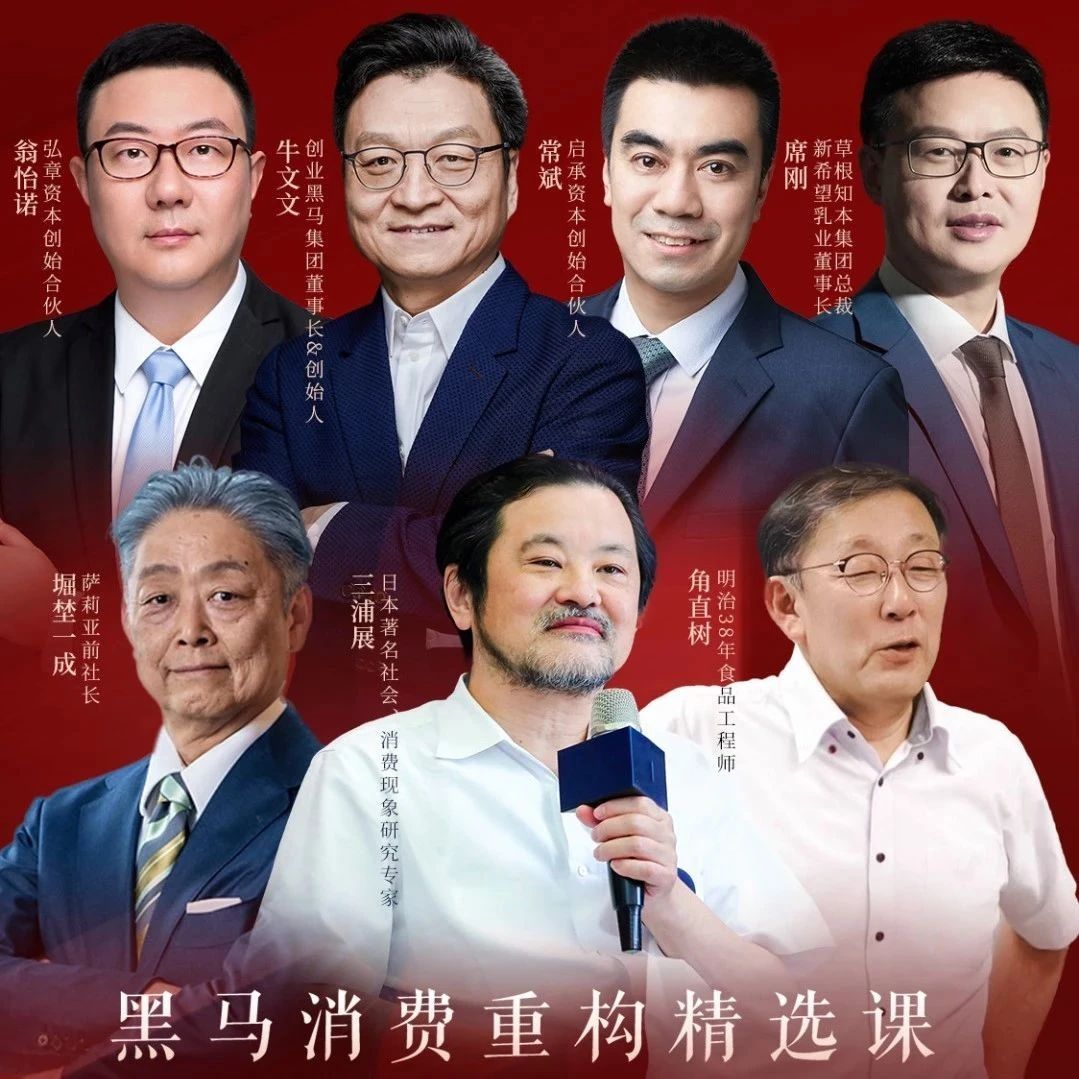
“日本消费研究第一人”三浦展、萨莉亚前社长、明治食品“爆款教父”,8月齐聚上海
创业家· 2025-06-20 09:59
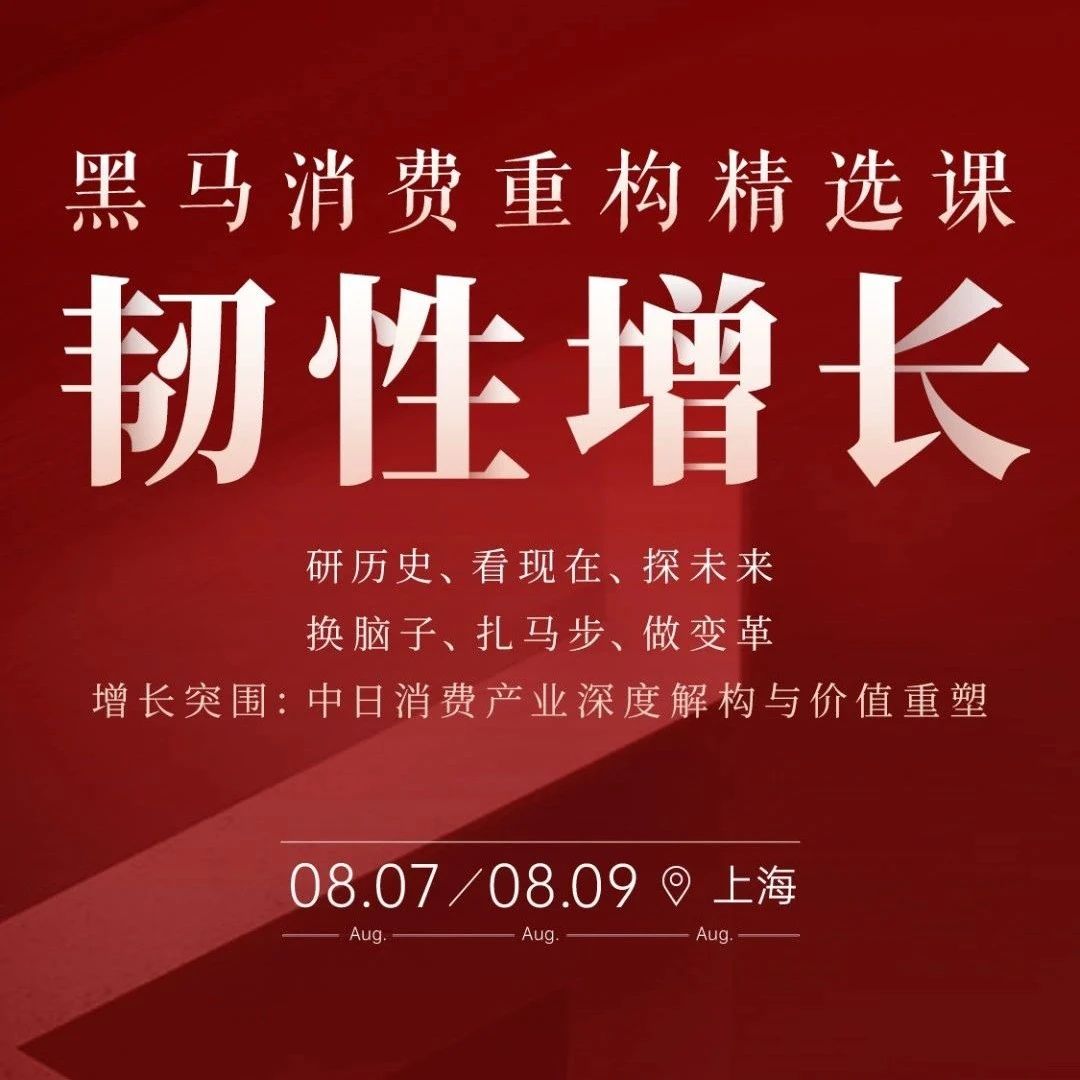
Core Viewpoint - The article emphasizes the importance of learning from Japan's consumer market strategies, particularly during economic downturns, to achieve resilient growth in the Chinese market [7][12][14]. Group 1: Event Overview - The event will take place from August 7 to August 9 in Shanghai, focusing on the methodologies of Japanese and Chinese consumer giants [5][11]. - It aims to provide a deep dive into the concepts of efficiency revolution, demand reconstruction, and capital breakthroughs [12][16]. Group 2: Key Insights from Japanese Market - Japanese companies have shown resilience during economic downturns, with examples such as: - Salaria's store count increasing by 23% and profit rising by 105.8% [14]. - Meiji Foods achieving 28 years of continuous growth through a "hit product matrix" [14]. - Uniqlo and Muji expanding their market share during economic recessions [14]. - The article highlights the need for businesses to adapt to changing economic environments and consumer behaviors [6][12]. Group 3: Learning Objectives - Participants will learn about: - Efficiency strategies from Salaria, including a "three-cut method" to reduce costs without compromising quality [14][17]. - Consumer insights and product development techniques from experts like Miura Nobuhiro [14][21]. - Capital strategies for navigating financing and mergers in the current market landscape [16][22]. Group 4: Target Audience - The event is aimed at founders and CEOs of consumer enterprises looking to break through growth ceilings and optimize cost structures [23].

“新国货”拥抱AI科技跻身顶流 从“尝鲜”到“刚需”释放消费新热点
Yang Shi Wang· 2025-06-20 07:53
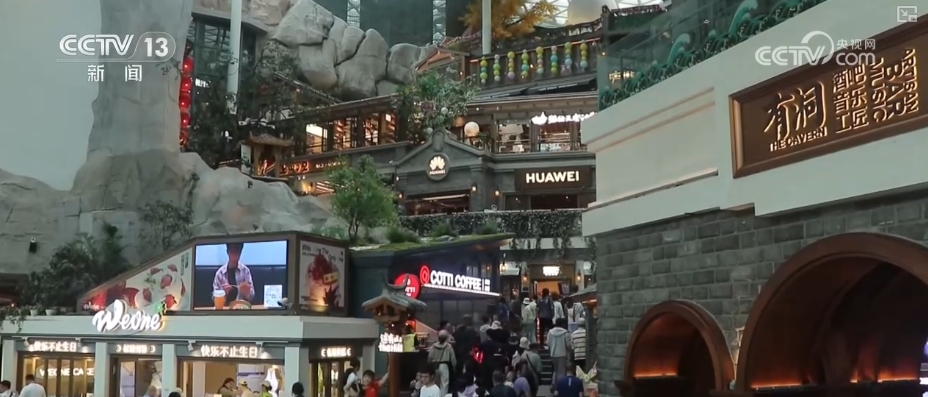
Group 1 - The national consumption market has seen a significant boost since mid-June, coinciding with the mid-year promotional season [2] - The 2025 mid-year promotional activities started earlier and lasted longer than in previous years, with major e-commerce platforms beginning pre-sale promotions in mid-May [3] - Over 70% of the top 100 brands in terms of consumption heat on platforms are Chinese brands, with searches for "AI elements" and "intangible cultural heritage elements" products increasing by over 120% and 270% year-on-year, respectively [6][31] Group 2 - The growth in life service consumption is notable, with the transaction volume of home service exceeding 100 million, and orders for home appliance cleaning and laundry increasing by 211% and over 10 times year-on-year, respectively [8] - Consumption in lower-tier markets is thriving, with order volume and user numbers in rural areas growing by over 130% and 140% year-on-year, respectively [11] - The retail industry in China has maintained an expansion trend for 10 consecutive months, with a notable increase in online retail driven by mid-year promotions and "old-for-new" policies [13] Group 3 - AI products are becoming a new consumption hotspot, with over 80% of surveyed consumers expressing a desire for products that integrate AI technology [20] - Various innovative AI home products are being showcased, including AI refrigerators and cleaning robots, attracting significant consumer interest [20][18] - Local governments are actively promoting "AI + consumption," with Shanghai focusing on optimizing the supply of AI consumer goods and creating AI-themed commercial districts [22] Group 4 - Traditional brands are revitalizing by aligning with consumer interests through product innovation and brand activation, with some brands achieving significant online sales through live streaming [23][27] - The rise of "Guochao" (national trend) products is evident, with searches for intangible cultural heritage products increasing by 270% and sales of such products rising by 209% month-on-month [31]
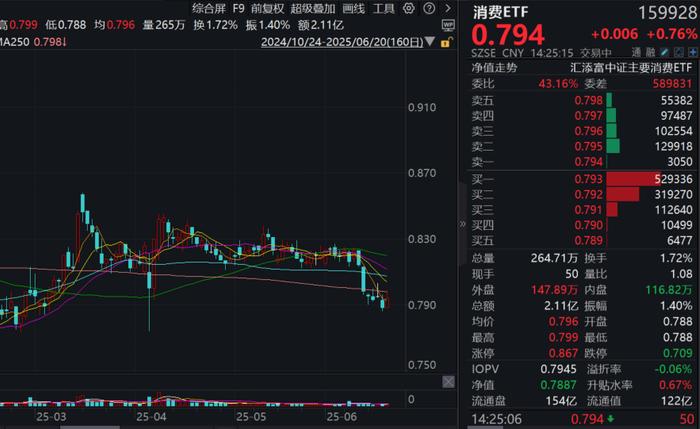
大消费反弹,消费ETF(159928)涨近1%!白酒或迎估值与业绩“双底”,股息率提升,配置性价比显现?
Xin Lang Cai Jing· 2025-06-20 06:55
Group 1 - The core viewpoint of the articles indicates that the consumer sector, particularly the liquor industry, is experiencing a potential "double bottom" in valuation and performance by 2025, following a prolonged adjustment period [4][9]. - The Consumer ETF (159928) has shown resilience, with a recent increase of nearly 1% and a trading volume exceeding 200 million yuan, leading the sector with a total scale of over 12.1 billion yuan [1][10]. - The top ten constituent stocks of the Consumer ETF are predominantly performing well, with notable gains from Shanxi Fenjiu (over 3%) and Luzhou Laojiao (over 2%) [3]. Group 2 - The liquor industry has underperformed over the past five years, with a decline of 9% in the first half of 2025, lagging behind the overall A-share index by 15 percentage points [4][5]. - The current dynamic price-to-earnings ratio for the liquor industry stands at 18 times, below the overall A-share average of 19 times, indicating a pessimistic market outlook for future earnings [4][6]. - Historical comparisons suggest that the current adjustment period may mirror the 2012-2014 phase, where significant policy changes impacted the industry, leading to a similar decline in performance [5][6]. Group 3 - The dividend yield for the liquor sector has increased, making it more attractive compared to government bond yields, suggesting a potential valuation bottom may have been reached [7][9]. - The food and beverage sector is transitioning from high growth to reasonable growth, with expected revenue growth for listed companies in 2025 projected to remain in single digits [10]. - Emerging markets within the food and beverage sector, such as prepared foods, baking, health products, and tea beverages, are indicative of a broader trend towards consumer upgrading and entertainment [10].
特朗普两周内决定是否攻击伊朗;TikTok“不卖就禁用”宽限期再延长90天;SpaceX回应星舰爆炸丨早报
Di Yi Cai Jing· 2025-06-20 00:17
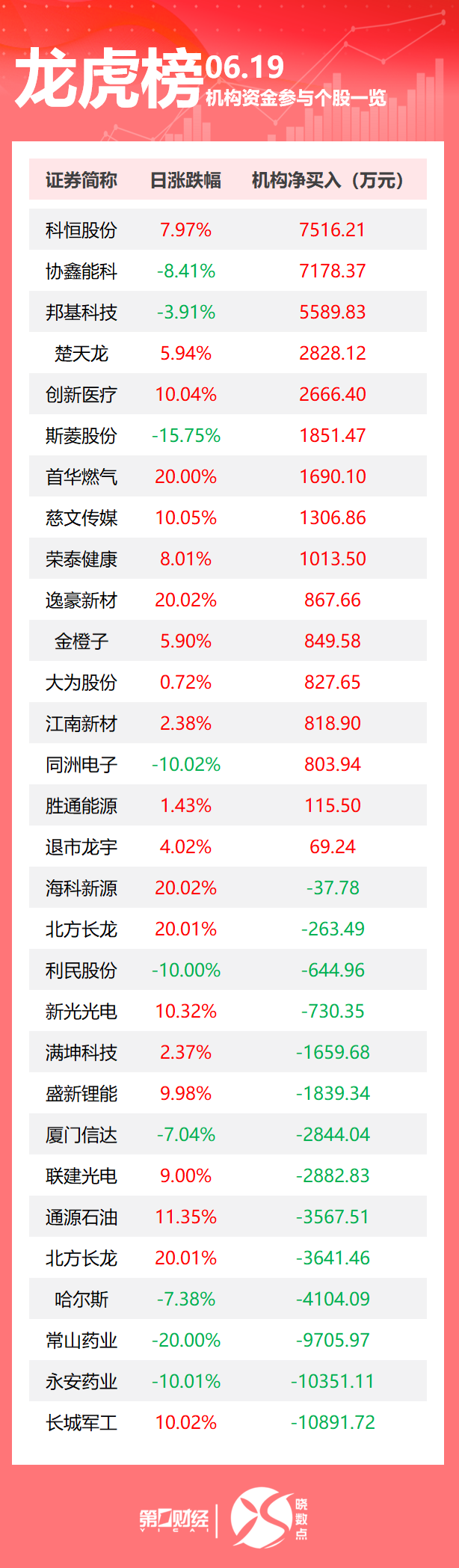
Group 1 - The U.S. government is considering military action against Iran, with President Trump expected to make a decision within two weeks [2] - Trump has extended the deadline for the TikTok sale or ban by an additional 90 days [3] - SpaceX reported an explosion during a static fire test of its Starship, with initial analysis suggesting a potential failure of the Composite Overwrapped Pressure Vessel (COPV) [4] Group 2 - The Chinese Ministry of Commerce emphasized the importance of maintaining close communication with the EU regarding trade relations, despite recent tensions [5] - The Ministry of Education is pushing for policies to create more job opportunities for college graduates, focusing on market-oriented and socialized job growth [6] - A video conference was held to enhance safety management in the new energy vehicle sector, emphasizing the responsibility of manufacturers for product quality [7] Group 3 - The Financial Regulatory Authority has issued guidelines to insurance companies to ensure sustainable management of dividend insurance products, discouraging excessive competition [8] - The Chinese government has allocated a total of 300 billion yuan for consumer subsidies, with 162 billion yuan already distributed, and July is expected to be a key month for further allocations [9] - The Chinese photovoltaic industry is expected to implement stricter production cuts in the third quarter, with operating rates projected to decrease by 10-15% [10] Group 4 - New mandatory national standards for motorcycles have been approved, focusing on fuel tanks and lighting, set to take effect on January 1, 2026 [11] - The summer box office for 2025 has already surpassed 1 billion yuan, with several films leading the ticket sales [12] - Shanghai's recent land auction raised 19.157 billion yuan from the sale of five residential plots, with a record price per square meter in Yangpu District [13] Group 5 - Various communities in Guangdong are implementing incentives for childbirth, with rewards for families having multiple children [14] - The U.S. Senate has postponed discussions on new sanctions against Russia, amid a backdrop of improving U.S.-Russia relations [15] - Ukrainian President Zelensky expressed readiness for high-level talks with Russia, indicating a desire to resolve the conflict during Trump's presidency [16][17] Group 6 - Labubu's second-hand market prices have dropped significantly following a restock, indicating a shift in consumer availability [18] - OpenAI's CEO revealed that Meta attempted to recruit AI talent with offers exceeding 100 million dollars, but faced rejections [18] - Institutional investors showed significant buying activity in 16 stocks, with notable net purchases in Kexin Co., Xiexin Energy, and Bangji Technology [19][20][21]
“尖子生”晋江的突围之路(微观)
Ren Min Ri Bao· 2025-06-19 21:51
Group 1 - The enhancement of overall competitiveness in the industrial chain is key to strengthening the industry, driven by advancements in technological innovation [1][2] - The 26th China (Jinjiang) International Footwear and 9th International Sports Industry Expo achieved an intended transaction amount of 41.72 billion yuan, a year-on-year increase of 15.8% [1] - Jinjiang contributes approximately 20% of the global sports shoe production, showcasing its status as "China's Shoe Capital" [1] Group 2 - Jinjiang has initiated actions since 2012 to address weak links in the industrial chain, establishing four universities and 13 high-level research platforms to cover the main industry research needs [2] - The integration of technology and industry innovation has proven effective, allowing traditional industries to ascend towards the "smile curve" through new technologies and products [2] - Companies like Anta and Jinjiang Machinery are collaborating with research institutions to drive innovation in their respective fields, emphasizing the importance of enterprises in the innovation ecosystem [2] Group 3 - The "one-stop service" reform for enterprise migration in Fujian Province has been successfully implemented in Jinjiang, streamlining processes and attracting more businesses [3] - Jinjiang has developed a robust industrial ecosystem by attracting upstream and downstream enterprises through joint investment initiatives in sectors like integrated circuits and biomedicine [3] - Jinjiang has evolved from a county-level economy to a high-quality development model, with over 300,000 operating entities and significant industrial outputs in footwear, textiles, food, and building materials [3]
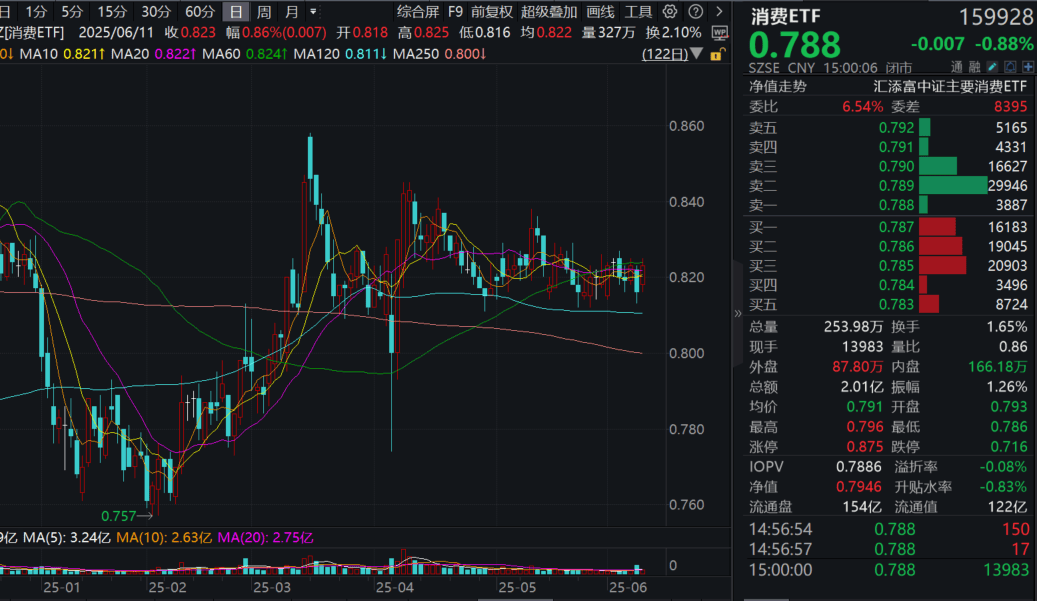
传统消费静待东风!消费ETF(159928)再度回调,成交额超2亿元!机构:酒类待筑底拐点,关注超跌机会
Sou Hu Cai Jing· 2025-06-19 10:18
Core Viewpoint - The A-share market experienced a collective decline, with the Consumption ETF (159928) dropping by 0.88% and achieving a trading volume exceeding 200 million yuan, leading its category with a total scale of over 12.2 billion yuan [1][3]. Group 1: Market Performance - The Consumption ETF (159928) saw most of its top ten constituent stocks decline, including Haidilao falling over 3% and Dongpeng Beverage dropping over 1% [3]. - The top ten constituent stocks of the Consumption ETF account for over 67% of its weight, with four leading liquor stocks making up 31% and a major pig farming company accounting for 14% [4]. Group 2: Industry Insights - Zheshang Securities suggests that recent policies may have a temporary impact on liquor consumption, predicting a slowdown in the expected recovery for Q2, with the liquor sector still in a bottoming phase [4]. - Western Securities notes that the food and beverage sector has seen significant declines, primarily due to falling liquor prices and negative sentiment spreading to other alcoholic beverages and the restaurant supply chain [4]. - CITIC Securities emphasizes the importance of boosting consumption as a key driver for economic growth, highlighting four sectors to watch: liquor, snacks and beverages, dairy products, and the restaurant chain and beer sectors [4].






“日本消费研究第一人”三浦展、萨莉亚前社长、明治食品“爆款教父”,8月齐聚上海
创业家· 2025-06-19 09:57
Core Viewpoint - The article emphasizes the importance of learning from Japan's consumer market strategies during economic downturns, highlighting the potential for resilience and growth in the face of challenges [11][12][13]. Group 1: Event Overview - The event will take place from August 7 to August 9 in Shanghai, featuring renowned experts from Japan and China to discuss consumer market strategies [8][9]. - The course aims to provide insights into efficiency revolution, demand reconstruction, and capital strategies, drawing lessons from Japan's economic experiences [12][14]. Group 2: Japanese Market Insights - Japanese companies have shown resilience during economic downturns, with notable examples such as: - Salvia's store count increasing by 23% and profit rising by 105.8% [12]. - Meiji Foods achieving 28 years of continuous growth through a "product matrix" strategy [12]. - Uniqlo and Muji expanding their market share during economic recessions [12]. - The article suggests that understanding current market and user characteristics is crucial for strategic management [6][12]. Group 3: Learning Objectives - The course will cover: - Efficiency revolution techniques from Salvia, focusing on cost reduction without compromising quality [14][16]. - Demand reconstruction insights from consumer behavior expert Miura, addressing the "lonely society" and new growth opportunities [14][18]. - Capital strategies for navigating financing and mergers in the current market landscape [14][20]. Group 4: Target Audience - The event is aimed at founders and CEOs of consumer enterprises seeking to overcome growth ceilings and optimize cost structures [21][22].
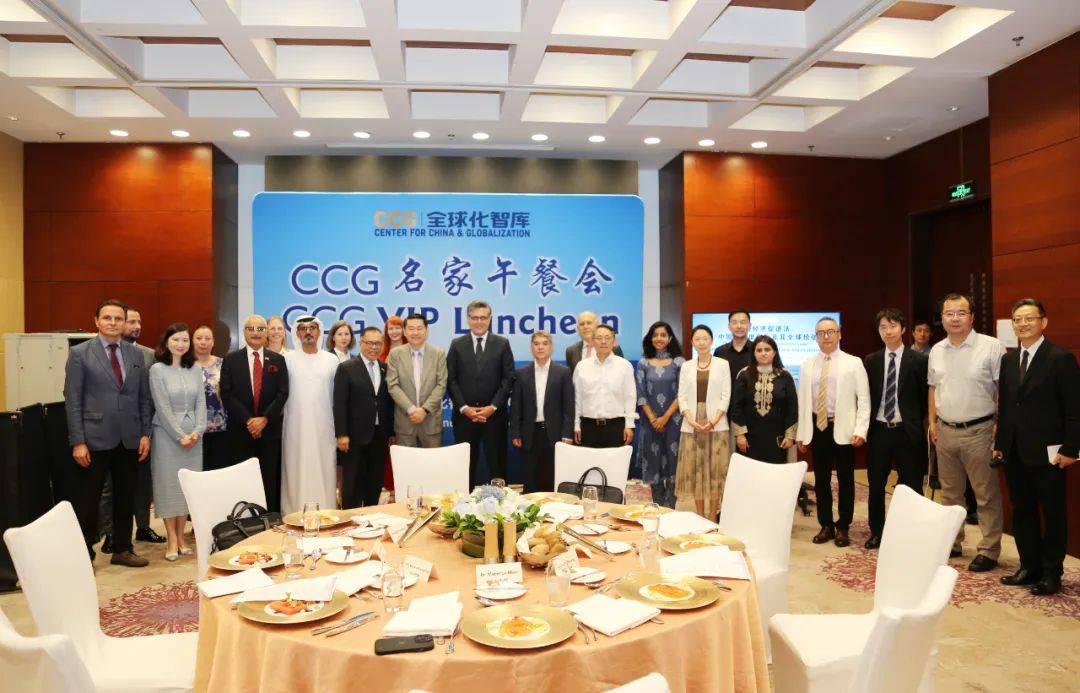
热议民营经济促进法,中国制度创新及全球价值引发国际关注
Sou Hu Cai Jing· 2025-06-19 03:11
Group 1 - The event aimed to enhance international understanding of China's private economy legal framework and discuss the value of the Private Economy Promotion Law [2][5] - The event attracted nearly 40 elites from various sectors, including diplomats and business leaders from multiple countries, fostering a high-level platform for economic governance exchange [4][23] - The Private Economy Promotion Law, effective from May 20, 2025, is a significant step in China's legal system, marking the formal recognition of the private economy's role in national legislation [5][9] Group 2 - The law is seen as a milestone, clarifying the legal status of the private economy and addressing barriers to enhance business confidence, covering aspects like fair competition and innovation support [11][12] - The law's implementation is expected to optimize the business environment and stimulate market vitality, contributing to high-quality economic development in China [12][14] - The event provided valuable insights for policymakers, businesses, and academia, deepening understanding of the new law's implications and fostering constructive dialogue [23]