锡冶炼

Search documents
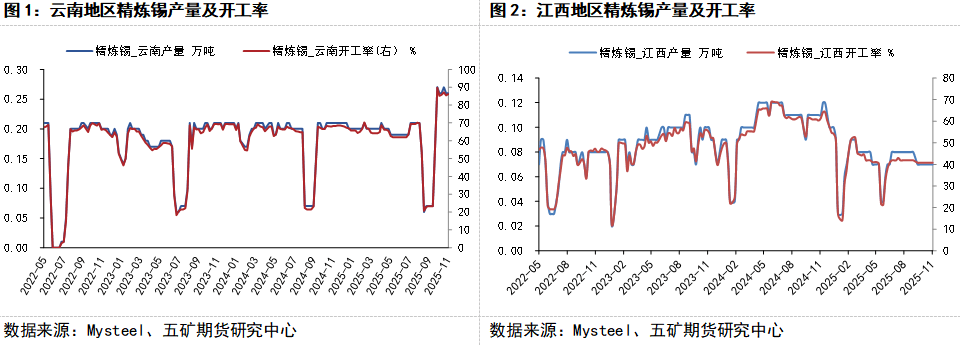
供应扰动忧虑继续,基本金属大幅走高
Zhong Xin Qi Huo· 2026-01-06 01:18
Report Industry Investment Rating No clear industry investment rating is provided in the report. Core Viewpoints - In the short - to - medium term, the logic of weak US dollar expectations and supply disruption concerns remains unchanged. The impact of weak real - time demand is limited, and supply disruption concerns continue to drive up base metals. Opportunities for low - buying and long - positions in copper, aluminum, and tin are worth attention. In the long term, with the expectation of potential incremental stimulus policies in China and ongoing supply disruption issues for copper, aluminum, and tin, there is an expected tightening in supply - demand, and the price trends of copper, aluminum, and tin are optimistic [1]. Summary by Related Catalogs 1.行情观点 - **Copper**: Supply contraction expectations are strong, and copper prices are expected to remain at a high level. The macro - environment of loose liquidity supports copper prices. On the supply - demand side, copper mine supply disruptions are increasing, and the supply of refined copper is expected to contract. Although terminal demand is weak and inventory is accumulating, the supply - demand for copper is expected to tighten [7]. - **Alumina**: Cost support is not very effective, and alumina prices are still under pressure. High - cost production capacity has some fluctuations, but the actual supply contraction is insufficient. The market is in a strong inventory - building trend, and raw material prices are weak. The cost support is average, and there is pressure on the upper side of the price [8][9]. - **Aluminum**: With optimistic capital sentiment, aluminum prices have risen significantly. The macro - outlook is positive. On the supply side, domestic operating capacity and utilization rates are high, and there are constraints on medium - term supply. On the demand side, high aluminum prices have suppressed demand to some extent, and inventory has increased. In the short term, the positive macro - outlook and expected tightening of supply - demand suggest that aluminum prices will remain in a strong - side oscillation. In the medium term, the price center is expected to rise [11][12]. - **Aluminum Alloy**: Cost support is strong, and the market has risen significantly. The cost support from tight scrap aluminum supply is solid. Supply is restricted by factors such as raw material shortages and profit inversions. Demand is currently based on rigid needs, and the medium - term demand is expected to improve. With cost support and stable supply - demand, prices are expected to remain in a strong - side oscillation in the short and medium terms [13][14]. - **Zinc**: The import ore TC has not stopped falling, and zinc prices have rebounded with the non - ferrous sector. The macro - outlook may be volatile. On the supply side, zinc ore supply is tight in the short term, and smelter profits are declining. On the demand side, it is the off - season, and demand is average. In the short term, zinc prices may remain in high - level oscillation, and there is a possibility of decline in the long - term [15][16]. - **Lead**: With the accumulation of social inventory, lead prices are oscillating with the non - ferrous sector. On the supply side, production has decreased due to environmental protection and other factors. On the demand side, electric bicycle orders are weak, while automobile battery orders are improving. Lead prices are expected to oscillate [17][18]. - **Nickel**: With repeated expectations of nickel ore quotas, the market is oscillating. Indonesia will regulate nickel production quotas in 2026. On the supply side, there is pressure. On the demand side, it is in the off - season. Nickel prices are expected to oscillate, and the actual quota implementation needs to be monitored [18][20]. - **Stainless Steel**: With repeated expectations of nickel ore quotas, the stainless - steel market has corrected. The cost has some support. Production decreased in December, and there may be a slight increase in January. Terminal demand is cautious, and inventory may accumulate. Stainless - steel prices are expected to oscillate, and Indonesian policy changes need to be tracked [21][22]. - **Tin**: With continued capital games, tin prices are running strongly. Supply risks are high. On the supply side, there are disruptions in various regions, and refined tin production is difficult to increase. On the demand side, it is expected to grow due to factors such as the semiconductor industry and new energy. Tin prices are expected to run strongly in an oscillating manner [22][24]. 2.行情监测 - **Copper**: No specific monitoring content is provided in the given text. - **Alumina**: On January 5, the spot prices in different regions were mostly stable, with a slight decline in Xinjiang. The alumina warehouse receipts were 156,917 tons, unchanged from the previous day [8]. - **Aluminum**: On January 5, the SMM AOO average price was 23,310 yuan/ton, up 850 yuan/ton from the previous day. The inventory of aluminum ingots and aluminum rods in the main consumption areas increased. The warehouse receipts of electrolytic aluminum on the SHFE increased. An Indonesian electrolytic aluminum project started production [11]. - **Aluminum Alloy**: On January 5, the price of Baotai ADC12 was 22,700 yuan/ton, up 400 yuan/ton from the previous day [13]. - **Zinc**: On January 5, the spot premiums of zinc in different regions were reported. As of January 5, the total inventory of zinc ingots in seven regions was 114,800 tons, up 8,700 tons from December 31, 2025. In 2025, the import of zinc concentrates increased significantly [15][16]. - **Lead**: On January 5, the price of waste electric vehicle batteries increased, and the price of lead ingots also rose. The social inventory of lead ingots increased, and the warehouse receipts decreased slightly [17]. - **Nickel**: On January 5, the SHFE nickel warehouse receipts increased, and the LME nickel inventory also increased slightly. Indonesia will regulate nickel production quotas in 2026 [18]. - **Stainless Steel**: The latest stainless - steel futures warehouse receipts decreased. On January 5, the spot premium of Foshan Hongwang 304 was reported [21]. - **Tin**: On January 5, the LME and SHFE tin warehouse receipts decreased, and the SHFE tin positions decreased. The average price of 1 tin ingots increased [24].
新能源及有色金属月报:矿端恢复不及预期,需求或在价格回落之际被激发-20260104
Hua Tai Qi Huo· 2026-01-04 12:00
1. Report Industry Investment Rating - Unilateral: Cautiously bullish [7] - Arbitrage: On hold - Options: Sell put options 2. Core View of the Report - The resumption progress of the mining end does not meet expectations, processing fees remain low, terminal demand shows a trend of traditional weakness while new energy is relatively strong. Combined with the emotional support from AI and computing power, it is expected that tin prices will maintain a strong pattern. Enterprises in need of buying hedging are advised to buy in batches and on dips between RMB 286,000/ton and RMB 310,000/ton [7] 3. Summary of Each Section Market News and Important Data Mining End - In December 2025, the trading mainlines of the mining end revolved around "the resumption rhythm of Wa State in Myanmar" and "the easing of the situation in the Democratic Republic of the Congo". The beneficiation plants in Wa State only maintained an operating rate of 30 - 40%. The import volume of Wa State before mid - December was only 3,800 tons, a 12% decrease compared with the same period in November. In the Democratic Republic of the Congo, although the land transportation of tin concentrates in the Kivu region resumed, the actual arrival volume was limited due to port congestion in South Africa. The processing fees for tin concentrates in China remained at a low level, and the profits of smelters were compressed. In late December, Wa State announced full resumption of production on January 5, 2026, and it is expected that the domestic concentrate arrival volume in January 2026 will increase by 15 - 20% month - on - month, with processing fees expected to rise slightly [1] Domestic Refined Tin Production and Import and Export - In December, the national refined tin production was expected to be 14,200 tons, a 2.3% month - on - month increase but a 5.7% year - on - year decrease. The operating rate of large - scale smelters in Yunnan increased, while the recycled tin production in Jiangxi decreased. The import and export windows remained closed. In January, with the increase in the ore volume from Wa State and a slight repair of processing fees, the national output may increase by 5% month - on - month to 14,900 tons, and the overall supply will maintain a pattern of "low imports + stable domestic production" [2] Processing End - In December, the tin processing sector showed the characteristic of passive inventory accumulation due to high prices suppressing demand. The processing fees for solder bars remained flat, but the order volume declined. The shipment volume of lead - free solder paste decreased, and only the high - silver solder paste for photovoltaic ribbons maintained a 3% increase. The demand for tin - plated sheets decreased, and the social inventory of tinplate reached an 18 - month high. In January, the demand for processing products is expected to decrease by 8 - 10%, but the demand for photovoltaic ribbons is expected to increase by 5%, and the processing fees will probably remain stable [3] Terminal End - In December, the traditional terminal consumption was cold, while the new energy sector showed a positive trend. In the consumer electronics field, the shipment volume of mobile phones decreased, and the inventory days of TWS earphones and laptops increased. The export of home appliances decreased, while the photovoltaic sector was the only bright spot. The AI server maintained high - level prosperity, and the demand for high - order solder paste increased. The overall tin consumption in the automotive sector increased slightly. In January, the traditional electronic and home appliance orders are expected to decline, but the new energy sector may bring some incremental demand [4] Inventory - In December 2025, the SHFE tin ingot inventory first increased and then decreased, with a net increase of 1,071 tons for the whole month. The social inventory increased by 17%. The LME Asian warehouses continued to destock. In January, the domestic smelter shipment rhythm will slow down, and the SHFE inventory is expected to fall to around 7,500 tons. If the incremental supply from Wa State arrives at the port smoothly, the LME Asian warehouses may restock, and the overall global visible inventory is still at a low level, providing bottom support for tin prices [5][6] Strategy Unilateral - Cautiously bullish. Enterprises in need of buying hedging are advised to buy in batches and on dips between RMB 286,000/ton and RMB 310,000/ton [7] Arbitrage - On hold Options - Sell put options Tin Variety Basis Situation - In December, the basis of mainstream brands against the futures main contract rose from par to a premium of RMB 400/ton, with increased volatility. The premium of Yunnan Tin was RMB 500 - 700, and that of small brands was RMB 0 - 200, with the spread range widening by RMB 100 month - on - month. In January, the deliverable supply is expected to increase by 8 - 10% month - on - month, and the premium of mainstream brands is expected to fall to RMB 200 - 400. The strategy for holders of Yunnan Tin spot is to sell the SN2602 contract to lock in a premium of RMB 300 - 500. Arbitrageurs should pay attention to the spread between February and March, and consider positive arbitrage if the Back structure is greater than RMB 400 [9]
长江有色:31日锡价上涨 假期临至轻仓观望看向节后交易
Xin Lang Cai Jing· 2025-12-31 08:34
Core Viewpoint - The tin market is experiencing volatility with prices showing a "roller coaster" trend due to weak seasonal demand, high inventory pressure, and year-end risk aversion among investors [1][2]. Group 1: Market Performance - The Shanghai tin contract 2602 opened at 327,910 CNY/ton, peaked at 331,950 CNY/ton, and closed at 322,920 CNY/ton, down 1,460 CNY, a decrease of 0.45% [1]. - The trading volume for the main contract was 297,836 lots, with open interest at 37,828 lots, a decrease of 5,841 lots from the previous day [1]. - The spot tin price in the Yangtze River market reported an average of 325,900 CNY/ton, an increase of 4,300 CNY from the previous day [1]. Group 2: Supply and Demand Dynamics - The supply side is characterized by a structural balance, with Myanmar's resumption of production and Indonesia's export recovery providing marginal increases, while domestic smelting is constrained by raw material shortages and low processing fees [2]. - Demand is weak in traditional sectors like consumer electronics, while emerging sectors such as new energy vehicles and AI servers show resilience, although high prices are suppressing purchasing willingness [2]. - The divergence between spot prices rising slightly due to some merchants replenishing stock and significant declines in futures prices indicates a deep market struggle between short-term weaknesses and long-term expectations [2]. Group 3: Price Outlook - Short-term, tin prices are expected to continue a volatile adjustment trend, primarily pressured by inventory accumulation and year-end capital withdrawal, but cost and long-term logic will limit downside potential [3]. - In the medium to long term, after the seasonal downturn ends and inventory shows a clear reduction, the focus will shift back to supply constraints and growth in emerging demand, potentially leading to a stronger price trend driven by fundamentals [3]. - Investors are advised to remain cautious, maintaining light positions and observing the speed of inventory reduction and recovery of downstream orders post-holiday [3].


锡价“闪崩”深度解读:从“非理性繁荣”到“基本面回归”急转弯 短期走势如何?
Xin Lang Cai Jing· 2025-12-30 05:37
Core Viewpoint - The tin market is experiencing a significant price drop due to a combination of speculative withdrawal, changing macroeconomic sentiment, and deteriorating industrial fundamentals, leading to a shift from a tight supply-demand balance to a more relaxed one [1]. Supply and Demand Status - Supply-side conditions are improving as production resumes in Myanmar and Indonesia, and domestic smelting rates are increasing, leading to a gradual recovery in supply [2]. - Demand remains weak, particularly in traditional sectors like consumer electronics and tinplate, while emerging sectors show limited growth due to high tin prices suppressing downstream purchasing [2]. Industry Chain Dynamics - The upstream sector benefits from previous high prices but faces challenges from significant price volatility and long-term resource quality decline [3]. - The midstream sector is seeing a retreat in speculative sentiment, shifting from stockpiling to selling for risk aversion, resulting in reduced liquidity [4]. - The downstream sector is under the most pressure, with profits in solder and PCB segments being severely squeezed, leading to operational difficulties for small and medium enterprises and accelerating industry consolidation [4]. Short-term Outlook and Strategic Response - The tin market is undergoing a "stress test," transitioning from an "AI story-driven" phase to a focus on fundamental realities, with prices expected to fluctuate between 310,000 and 330,000 yuan/ton [5]. - If demand continues to weaken and inventory accumulates, there is a risk of further price declines [5]. - Different segments of the industry need to respond accordingly: upstream companies should lock in profits and manage production rates, while downstream firms should maintain low inventory and adopt batch purchasing strategies [5].
算力金属锡突发异动,半个月暴涨4万元/吨!月内大涨超11%
21世纪经济报道· 2025-12-25 16:08
Core Viewpoint - The recent surge in tin prices, driven by supply constraints and geopolitical factors, has raised concerns within the industry regarding the impact on downstream companies and overall market stability [1][11]. Group 1: Price Trends and Market Dynamics - Tin prices have reached new highs, with LME tin increasing by 11.5% and SHFE tin by over 13% since December 2025, with a notable rise of over 40,000 yuan per ton in just half a month [1][5]. - The LME tin futures contract and SHFE tin main contract have both seen significant price increases, with the highest prices breaking through $43,900 per ton and 349,000 yuan per ton, respectively [5]. - The recent price movements have prompted the Tin Industry Association to issue a statement highlighting the irrational price increases and their disruptive effects on the supply chain [11]. Group 2: Supply and Demand Analysis - Supply from major producing countries like the Democratic Republic of Congo and Myanmar is stabilizing, with exports from Wa State reaching nearly 1,000 tons per month, and domestic smelting capacity utilization is high, with refined tin production reaching 189,000 tons, a 6.2% year-on-year increase [7]. - Despite growth in emerging sectors like photovoltaics and automotive electronics, traditional demand remains stable, with global tin consumption expected to grow by nearly 3% in 2025, slightly below production growth [7]. - The current global tin supply-demand balance shows a surplus of about 10,000 tons, indicating that the recent price increases are more driven by market sentiment and speculation rather than fundamental supply-demand changes [7][9]. Group 3: Impact on Downstream Industries - Downstream industries, particularly small and medium-sized enterprises in sectors like solder, tinplate, and chemicals, are facing significant cost pressures due to rising tin prices, leading to challenges in fulfilling long-term contracts and maintaining product quality [3][11]. - The electronics manufacturing sector, a major consumer of tin-based solder, is experiencing acute cost increases, which are eroding profit margins [12]. - The Tin Industry Association, along with the China Electronic Industry Association, has called for a rational and cautious approach to pricing, urging all market participants to avoid blind speculation and work towards stabilizing prices [12].


“算力金属”伦锡月涨超过11% 行业协会发文倡议理性谨慎
2 1 Shi Ji Jing Ji Bao Dao· 2025-12-24 23:10
Core Viewpoint - The recent surge in tin prices is driven by multiple factors, including supply disruptions in major producing countries and increased demand from emerging sectors, leading to significant pressure on downstream industries [1][4]. Group 1: Price Movements - Since December 2025, tin prices have increased significantly, with LME tin rising by 11.5% and SHFE tin by over 13%, translating to an increase of more than 40,000 yuan per ton in just half a month [2]. - LME three-month tin futures and SHFE main contracts have reached record highs, surpassing $43,900 per ton and 348,000 yuan per ton, respectively [3][4]. - The price increase has been more pronounced in tin compared to other industrial metals, with the best-performing copper only rising by less than 7% during the same period [2]. Group 2: Supply and Demand Dynamics - Supply from major producing countries like the Democratic Republic of Congo and Myanmar is stabilizing, with domestic tin smelting capacity fully released, resulting in a production of 189,000 tons from January to November, a 6.2% year-on-year increase [4]. - Despite growth in demand from sectors like photovoltaics and automotive electronics, traditional sectors show stable demand, with global tin consumption expected to grow by nearly 3% in 2025, lagging behind production growth [4]. - The global tin market is currently experiencing a supply surplus of approximately 10,000 tons, attributed to a slowdown in overseas demand [4]. Group 3: Industry Challenges - The rapid price increase has created significant pressure on downstream industries, particularly for small and medium-sized enterprises in sectors like solder, tinplate, and chemicals, leading to difficulties in fulfilling long-term contracts and maintaining product quality [2][8]. - The electronic manufacturing sector, a major consumer of tin-based solder, faces acute cost pressures due to soaring tin prices, impacting profit margins in PCB manufacturing and semiconductor packaging [8]. - The Tin Industry Association has called for a rational and cautious approach from all market participants to avoid speculative behavior and to guide prices back to a reasonable range [8].


锡价如虹破云霄,供需裂变定新锚!
Xin Lang Cai Jing· 2025-12-19 07:26
Price Trends - Current tin price is reported at 332,500-334,500 CNY per ton, with an average of 333,500 CNY per ton, reflecting an increase of 8,000 CNY per ton (+2.46%) from the previous day, continuing a strong upward trend [1] - The short-term trend indicates a confirmed upward channel with prices consistently rising, supported by a strong performance in the futures market, where the main contract for tin reached 334,220 CNY per ton, up 2.63% [1] - Global supply is under significant pressure due to geopolitical conflicts in major production areas and tightening policies in resource-rich countries, leading to a high level of uncertainty in over 20% of global supply [1] Supply and Demand Dynamics - The supply side is shifting from "sudden disruptions" to "systemic constraints," with clear limitations on supply growth due to declining ore grades and rising costs in global mining [2] - Demand is experiencing a structural divergence, with traditional consumer electronics facing a cyclical downturn while high-end demands from AI hardware and electric vehicles are on the rise, creating a tug-of-war between declining traditional demand and the long-term potential of emerging sectors [2] Industry Chain Response - The upstream resource sector maintains strong bargaining power, focusing on resource integration and technological innovation to ensure long-term supply stability [3] - The midstream smelting sector is under significant pressure, caught between high raw material costs and the price acceptance of downstream markets, leading to a focus on optimizing capacity and extending into high-value-added products [3] - Major companies are adopting differentiated strategies to solidify their positions, with leading firms leveraging resource reserves and global expansion, while others focus on technological upgrades and high-end product development [3] Short-term Outlook for Tin Prices - Tin prices are currently at historical highs, with market dynamics shifting from a "one-way increase" to a "bull-bear contest," indicating a phase of high volatility and potential price fluctuations [4] - Market participants are advised to monitor inventory levels, actual policy implementations in major producing countries, and marginal changes in downstream purchasing intentions, suggesting a range-based approach to trading [4]
铜冠金源期货商品日报-20251216
Tong Guan Jin Yuan Qi Huo· 2025-12-16 02:34
1. Report Industry Investment Rating No relevant content provided. 2. Core Viewpoints of the Report - Overseas markets are concerned about the US non - farm payrolls, with weak risk appetite, while the domestic economic data continues to be weak, and the A - share market is expected to be weak in the short term, and the bond market remains on the sidelines [2][3] - Precious metals may have a technical correction, but platinum and palladium are expected to rise; copper prices will fluctuate in the short term; aluminum prices will fluctuate at a high level; alumina's upward space is limited; casting aluminum will fluctuate at a high level; zinc prices are adjusting and waiting for macro - guidance; lead prices will fluctuate weakly; tin prices will continue to adjust at a high level; industrial silicon prices are expected to rebound; steel prices will fluctuate weakly; iron ore prices will be under pressure; coking coal and coke prices will fluctuate weakly; soybean and rapeseed meal prices will fluctuate; palm oil prices will fluctuate in a range [4][6][8][10][11][12][14][15][16][18][19][20][22][24] 3. Summary by Relevant Catalogs 3.1 Macroeconomics - Overseas: Fed officials' remarks affect market expectations, Japan's manufacturing confidence supports central bank rate hikes, and before important data releases, overseas market risk appetite is weak [2] - Domestic: November economic data is cold, with production showing resilience and demand cooling further. The A - share market is expected to be weak in the short - term, and the bond market remains on the sidelines [3] 3.2 Precious Metals - International precious metals futures generally rose on Monday, with platinum hitting the daily limit in the domestic market. There is a risk of a technical correction in gold and silver, while platinum and palladium are expected to rise. Pay attention to the US non - farm payrolls and retail data [4][5] 3.3 Copper - On Monday, Shanghai copper's main contract fluctuated at a high level. With a weak US dollar and various macro and industrial factors, copper prices are expected to fluctuate in the short term [6][7] 3.4 Aluminum - On Monday, Shanghai aluminum's main contract fell, and LME aluminum was flat. The market is waiting for the US non - farm payrolls data, and with inventory accumulation and seasonal demand slowdown, aluminum prices are expected to fluctuate at a high level [8][9] 3.5 Alumina - On Monday, the alumina futures main contract rose. Although the price has rebounded, there is a lack of continuous upward momentum, and the upward space is limited [10] 3.6 Casting Aluminum - On Monday, the casting aluminum alloy futures main contract fell. Affected by raw materials and environmental protection, both supply and demand are weakening, but with cost support, it will fluctuate at a high level [11] 3.7 Zinc - On Monday, Shanghai zinc's main contract fluctuated weakly. With the approach of the US non - farm payrolls data, the market is cautious. In the long - term, overseas supply will improve, and currently, the supply pressure is decreasing, so zinc prices will adjust in the short term [12] 3.8 Lead - On Monday, Shanghai lead's main contract fluctuated weakly. With the improvement of overseas supply in the medium - long term and the increase in inventory, the support of low inventory is weakening, but the downward space is limited [13][14] 3.9 Tin - On Monday, Shanghai tin's main contract adjusted downward. With the release of multiple economic data and the increase in Indonesian tin exports, the macro and micro support for tin prices is weakening, and it will continue to adjust at a high level [15] 3.10 Industrial Silicon - On Monday, industrial silicon rebounded at a low level. Supported by cost and market sentiment, it is expected to continue to rebound in the short term [16][17] 3.11 Steel (Rebar and Hot Rolled Coil) - On Monday, steel futures fluctuated. With weak terminal demand data, steel prices are expected to fluctuate weakly [18] 3.12 Iron Ore - On Monday, iron ore futures fluctuated weakly. With the increase in supply and weak demand, iron ore prices are expected to be under pressure [19] 3.13 Coking Coal and Coke (Double - Coking) - On Monday, double - coking futures fluctuated weakly. With weak supply - demand fundamentals, prices are expected to fluctuate weakly [20][21] 3.14 Soybean and Rapeseed Meal - On Monday, soybean and rapeseed meal contracts fluctuated. With positive South American crop prospects and concerns about US soybean exports, the domestic market will maintain a short - term pattern of near - strong and far - weak, and the main contracts will fluctuate [22][23] 3.15 Palm Oil - On Monday, palm oil contracts fell. With weak export demand and expected inventory increase, palm oil prices are expected to fluctuate in a range. Pay attention to the support at the lower limit of the previous low range [24][26] 3.16 Metal Trading Data - Provides the closing prices, price changes, price change percentages, trading volumes, and open interest of various metal futures contracts in the main domestic and international markets on December 15, 2025 [27] 3.17 Industry Data Perspective - Compares the prices, inventories, and other data of various metals on December 15, 2025, with those on December 12, 2025, including copper, nickel, zinc, lead, aluminum, alumina, tin, precious metals, steel, iron ore, coking coal, coke, lithium carbonate, industrial silicon, and soybean meal [28][31][33]
——2025年锡市场回顾与2026年展望:锡:灼华未央,价韧其章
Fang Zheng Zhong Qi Qi Huo· 2025-12-15 05:23
1. Report Industry Investment Rating No relevant information provided. 2. Core Viewpoints of the Report - In 2025, the tin price showed an overall upward - trending oscillation. In 2026, the tight supply situation at the mine end is expected to ease, with a likely front - tight and back - loose pattern. The smelting end's operating rate is expected to gradually recover, and processing fees may slightly rebound. The tin solder sector, which performed well in 2025, is expected to continue to grow in 2026, benefiting from the semiconductor industry. The tin price in 2026 is expected to remain strong, showing a trend of rising first and then falling with an overall upward - shifted center. The main operating range of Shanghai Tin is expected to be between 250,000 - 350,000 yuan/ton, and that of LME Tin is expected to be between 30,000 - 48,000 US dollars/ton [2][90][92]. 3. Summary According to the Table of Contents 3.1 2025 Tin Market Review 3.1.1 Long - term Tin Price Trend Review - Since 2011, the tin price has gone through eight stages: a continuous decline from the second half of 2011 to the end of 2015 due to global economic concerns; a sharp rise from the end of 2015 to the end of 2016 due to supply - side structural reforms; an oscillatory trend from early 2017 to April 2019 as supply exceeded demand; a continuous decline from April 2019 to March 2020 due to trade disputes and the COVID - 19 pandemic; a new high from April 2021 to March 2022 due to loose policies and supply - demand imbalance; a sharp fall from March to October 2022 due to Fed rate hikes; an oscillatory trend from November 2022 to March 2024 under the influence of supply - side disturbances and a falling US dollar index; and a strong rise and subsequent high - level oscillation from March 2024 to the present [10][11][13]. 3.1.2 2025 Tin Market Review - **Tin Futures Price Review**: The tin price in 2025 showed a pattern of rising first, then falling, and then rising again. In the first quarter, it rose due to tight mine - end supply. In mid - March, the civil unrest in the Democratic Republic of the Congo pushed up bullish sentiment. After the Tomb - sweeping Festival, there was a systemic risk, followed by a narrow - range oscillation. In September, the price rose again due to supply issues and the Indonesian government's crackdown on illegal tin smuggling [15]. - **Tin Spot and Premium/Discount**: In 2025, the domestic tin spot was at a discount, while the LME tin premium/discount hovered around 0 [19]. 3.2 Macro - analysis - In 2025, the eurozone economy was relatively sluggish, with controllable inflation and a loose European Central Bank. The US economy had some resilience, but its growth momentum weakened, and the risk of recession increased. The Chinese economy showed resilience, but faced deflationary pressure. In 2026, the inflation in Europe and the US is expected to gradually decline, and major central banks are likely to continue the rate - cut cycle. The US economy may see moderate growth, while the eurozone's growth may remain low. China's macro - economic policies are expected to be more proactive, and the inflation environment may gradually improve [20]. 3.3 Tin Market Supply Analysis 3.3.1 Tin Ore Supply May Be Front - tight and Back - loose - In 2025, there were many disruptions in tin ore supply, such as the suspension of mines in the Democratic Republic of the Congo and the slow resumption of production in Myanmar's Wa State. From 2025 - 2026, new projects are few, and the ore increment is limited. In 2026, the global tin ore production is expected to increase slightly by about 4,500 metal tons, reaching about 360,000 tons. China's tin ore production has been gradually decreasing in recent years, but showed a small increase in 2025. China's tin ore imports are expected to gradually increase in 2026. The tin ore price showed an upward - trending oscillation in 2025, and the processing fee was at a low level [24][25][26]. 3.3.2 Refined Tin Production Will Maintain Growth - In 2025, the domestic refined tin production of sample enterprises increased year - on - year. Overseas, there was a supply shortage in the first 9 months of 2025. In general, the tight mine - end supply in the past two years affected the smelting capacity. The smelting operating rate is expected to gradually rebound in 2026, with a slightly higher growth rate than in 2025. In 2025, the refined tin import window was mostly closed, and China became a net exporter of refined tin. The short - term import window is difficult to open [38][42][43]. 3.4 Tin Market Demand Analysis 3.4.1 Tin - plated Sheet Production Declined While Exports Increased - In 2024, China's tin - plated sheet production increased steadily. In 2025, it declined significantly due to the substitution of chrome - plated sheets and weak domestic demand. However, exports increased, mainly due to strong external demand and China's cost - advantage. But the future export situation may be affected by the substitution of new materials and trade - relief investigations [47][48]. 3.4.2 Lead - acid Battery Production Increased Significantly - In recent years, the rapid development of the e - bike, express delivery, and takeout industries supported the consumption of lead - acid batteries. In 2025, the production growth rate accelerated, but exports declined year - on - year [56]. 3.4.3 The Growth Cycle of Electronic Products May Be Near the End - In 2023, the downward cycle of electronic products turned around. In 2024, they showed positive growth. In 2025, the growth rate of computer and smartphone production slowed down. In 2026, the growth rate of production and sales of computers and mobile phones is expected to slow down but remain positive [60]. 3.4.4 Integrated Circuit Production Will Maintain Rapid Growth - Since 2024, China's integrated circuit production has increased significantly. The growth rate accelerated in the second half of the second quarter and then declined in the third - quarter off - season. With the recovery of the global semiconductor industry, the production and sales of integrated circuits are expected to maintain high - speed growth in the medium and long term [63]. 3.4.5 The Photovoltaic Industry Is in a Transition from the High - speed Development Stage - In 2024 and 2025, China's photovoltaic installed capacity increased significantly. However, the industry faces over - capacity. In 2026, the industry will face resource integration, and capacity growth will be more orderly. The global new - installed photovoltaic capacity is expected to reach 665GW, and the new tin demand is expected to reach about 43,000 tons [66]. 3.4.6 The New - energy Vehicle Industry Maintains Growth - In 2025, the production and sales of new - energy vehicles increased significantly. Due to the cost - advantage and policy support, the sales will continue to grow. In the long - term, the growth rate will slow down, but the marginal increment is still significant. In 2026, the production and sales growth rate is expected to be between 15 - 20% [71]. 3.5 Tin Inventory First Rose and Then Fell - In 2024, the inventories of the two major exchanges showed different trends. In 2025, the SHFE inventory first increased, then decreased, and then increased again. The LME inventory decreased first and then increased. As of December 1, the total inventory of the two exchanges was at a medium level. The LME tin premium/discount narrowed in 2025, and the import window was intermittently open [74][77]. 3.6 Global Refined Tin Supply - Demand Balance Sheet Forecast - Since 2018, the global tin market has been in a supply - shortage situation for most months. In 2025, the supply was tight in the first half and loose in the second half, while demand continued to grow. In 2026, the supply is expected to increase slightly, and demand will also grow moderately, maintaining a tight - balance situation [80]. 3.7 Seasonal and Technical Analysis 3.7.1 Seasonal Analysis - Historically, the tin price is weakest in March, and the probability of decline is high in March, August, September, and October. It often performs strongly in January, July, and December. In 2025, the tin price showed a wide - range oscillation, with most months showing a decline except April [83]. 3.7.2 Technical Analysis - From the daily K - line of the Shanghai Tin main contract, in March 2025, the price broke through the 270,000 - yuan mark and then fell back. In August, it accelerated its rise, filled the gap after the Tomb - sweeping Festival, and broke through the previous high of the year. In the short - term, the upward momentum is not exhausted, and it may approach the historical high in 2022 [87]. 3.8 LME Position Analysis - In the past three years, the tin price has maintained a wide - range oscillation. Investment funds generally held a net - long position, which increased significantly in the second half of 2025. Investment companies, credit institutions, and commercial enterprises held different positions. As of November 28, 2025, investment companies and credit institutions had a net - long position of 2,309 lots, investment funds had a net - long position of 5,002 lots, and commercial enterprises had a net - long position of - 6,339 lots [89]. 3.9 Conclusion and Operational Suggestions - In 2025, the tin price showed an upward - trending oscillation. In 2026, the supply at the mine end is expected to ease, the smelting operating rate may recover, and the processing fee may slightly rebound. The tin solder sector is expected to continue to grow. The tin price in 2026 is expected to be strong, showing a trend of rising first and then falling with an overall upward - shifted center. The main operating range of Shanghai Tin is expected to be between 250,000 - 350,000 yuan/ton, and that of LME Tin is expected to be between 30,000 - 48,000 US dollars/ton [90][92]. 3.10 Related Stocks - Stocks such as Yunnan Tin Industry Co., Ltd. (000960.SZ), Xingye Co., Ltd. (603928.SH), Yintai Gold Co., Ltd. (000975.SZ), and others are related to the tin industry. Their stock prices showed different monthly and annual growth rates [93].
期货看“五”评 | 价格再创短期新高,如何看待锡价后续走势?
Sou Hu Cai Jing· 2025-12-12 02:09
Supply Side - In October 2025, domestic tin ore imports increased to 11,600 tons (approximately 5,050 metal tons), a month-on-month rise of 33.49% but a year-on-year decline of 22.54% [1] - Cumulative imports from January to October reached 103,000 tons, reflecting a year-on-year decrease of 26.23% [1] - Tin ingot imports in October were 526 tons, down 58.55% month-on-month and 82.72% year-on-year, with cumulative imports for the year at 16,552 tons, showing a year-on-year increase of 10.84% [1] - Imports from Congo (DRC) showed a recovery, while imports from Myanmar slightly declined but are expected to increase by over 2,000 tons in November due to mining permit approvals [1] Production Side - November's refined tin production is expected to remain stable, with Yunnan and Jiangxi's smelting enterprises maintaining high operating rates [2] - Yunnan's large smelting plants have resumed operations after seasonal maintenance, while Jiangxi faces a shortage of recycled raw materials, leading to lower production levels [2] - Overall, production recovery is constrained by raw material supply bottlenecks and weak demand, with no significant short-term increase in operating levels anticipated [2] Demand Side - The semiconductor industry continues to show resilience, with tin solder enterprises maintaining stable operating rates; November production increased by 0.95% month-on-month [4] - Southern China’s tin solder manufacturers are performing better due to their integration into emerging sectors like automotive and AI servers, which have robust order expectations [4] - In contrast, Eastern China’s tin solder enterprises are facing pressure due to slower order recovery in traditional consumer electronics, leading to weaker trading sentiment [4] Price Outlook - The tin market is currently in a tight balance, with improved supply from increased domestic imports in October, although concerns remain due to worsening conflicts in Congo affecting transport [10] - Traditional sectors like consumer electronics show signs of fatigue, while long-term demand from new sectors like electric vehicles and AI servers supports tin prices [10] - As Myanmar's tin ore supply gradually increases and demand weakens slightly, the supply-demand situation is expected to improve, potentially putting pressure on tin prices [10]