
半导体存储

Search documents
价格暴涨50% 英伟达抢单!A股概念股出炉
Zheng Quan Shi Bao Wang· 2025-11-06 05:20
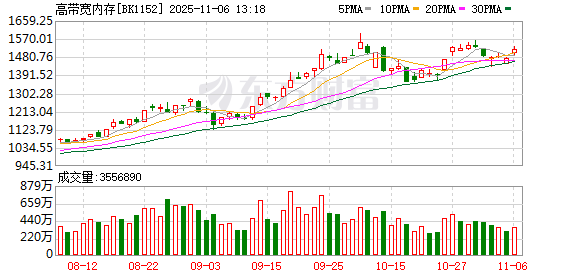
Core Insights - The importance of high bandwidth memory (HBM) is increasingly highlighted in the wave of high-performance computing and AI model training [2] - HBM concept stocks in the A-share market have seen significant increases, with notable gains from companies like Yishitong, Yawei Co., and Shannon Chip Creation [3][12] HBM Market Dynamics - SK Hynix has completed negotiations with NVIDIA for the supply of the next-generation HBM4, with prices expected to be over 50% higher than the previous generation HBM3E, confirming a price of approximately $560 per unit [5] - SK Hynix holds a dominant position in the global HBM market, with a 62% shipment share in Q2, followed by Micron Technology and Samsung Electronics [6] - The company reported a record high third-quarter revenue of 24.45 trillion KRW (approximately $171 billion), a 39% year-on-year increase, and an operating profit of 11.38 trillion KRW (approximately $80 billion), up 62% year-on-year [6][7] Stock Performance - Following the release of strong financial results, SK Hynix's stock reached a historical high, with a year-to-date increase of 232.95%, bringing its market capitalization to $292.9 billion [7] - Micron Technology also experienced a significant stock increase, rising 8.93% to a historical high of $237.5 per share, with a year-to-date increase of 183.01% and a market capitalization of $266.58 billion [10] HBM Concept Stocks in A-Shares - HBM concept stocks in the A-share market have collectively reached a market capitalization of nearly 500 billion RMB, with an average increase of 56.09% this year, outperforming the ChiNext Index [12] - Shannon Chip Creation has seen a remarkable increase of 421.63%, while Jingzhida and Xingsen Technology have also posted significant gains of 139.94% and 95.46%, respectively [15][17][19] Financing and Institutional Interest - Three HBM concept stocks have attracted over 500 million RMB in net financing since October, with Shannon Chip Creation leading with 12.37 million RMB [20][21] - Institutional reports suggest that Shannon Chip Creation, as a leading domestic storage distributor, is well-positioned for growth due to its brand and customer resource advantages [20]


HBM价格暴涨之际,华为开源AI推理加速关键技术
Guan Cha Zhe Wang· 2025-11-06 03:10
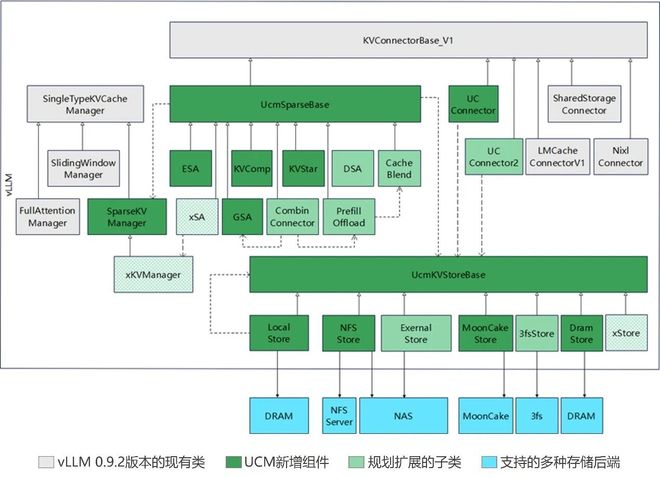
Core Viewpoint - The price of High Bandwidth Memory (HBM) is expected to rise significantly, with SK Hynix confirming that the price for HBM4 will be approximately $560, over 50% higher than the current HBM3E price of around $370. This price increase raises concerns about dependency on high-end HBM, especially amid export controls affecting China. Huawei's newly open-sourced Unified Cache Manager (UCM) technology may provide a solution to mitigate this dependency by optimizing data management across different storage mediums [1][5]. Group 1: HBM Market Dynamics - SK Hynix leads the global HBM market with a 62% shipment share, followed by Micron Technology at 21% and Samsung Electronics at 17% [4]. - HBM4, the sixth generation of HBM, features a 2048-bit interface and up to 16 layers of stacking, targeting bandwidth exceeding 2 TB/s and capacity of 64GB [4]. - The integration of HBM directly with processors, including potential use of photonic technology, is being explored to enhance speed and efficiency [4]. Group 2: Huawei's Technological Innovations - Huawei's UCM technology allows for tiered caching of memory data based on usage frequency, which can optimize the efficiency of HBM and reduce costs [1][5]. - UCM architecture includes several key modules that enhance capabilities such as sparse attention and context window expansion, achieving up to 90% reduction in latency for the first token and a 22-fold increase in system throughput [1]. - Huawei has also developed its own HBM variants, HiBL 1.0 and HiZQ 2.0, which are designed to lower costs compared to high-performance HBM3e/4e, particularly for inference and recommendation scenarios [6].
大为股份双主业协同发力 成长动能持续释放
Quan Jing Wang· 2025-11-06 02:12
Core Viewpoint - The company has shown strong performance in the capital market, with its stock price rising significantly, driven by its dual business model focusing on "semiconductor storage + smart terminals" and "new energy + automotive" [1][3] Financial Performance - For the first three quarters of 2025, the company achieved a revenue of 879 million, representing a year-on-year growth of 9.90% [1] - The semiconductor storage business was the main growth driver, contributing 794 million in revenue, a substantial year-on-year increase of 28.68%, accounting for 90.33% of total revenue [1] Business Development - The company is actively investing in innovation and has made significant breakthroughs in technology, with its LPDDR5 products entering the trial production phase after passing relevant SoC platform certifications [1] - A wholly-owned subsidiary, Shanghai Dawi Jiemin Technology Co., Ltd., was established with an investment of 30 million to expand the semiconductor storage business and enhance the product line [1] Market Response - The company has established a comprehensive response mechanism to the recent price surge in the storage chip market, driven by global AI computing demand and market dynamics [2] - Strategies include optimizing product mix and managing inventory to mitigate risks associated with stock and orders [2] New Energy and Automotive Progress - In the new energy sector, the company received a response from the Hunan Provincial Land and Resources Department regarding the completion of reserve filing, marking a key step in the transition from exploration to mining rights [2] - The automotive segment has seen significant overseas expansion, successfully securing export orders from leading manufacturers and extending its business into special vehicle markets [2] Overall Outlook - The company is well-positioned to leverage its technological advantages in semiconductor storage and advancements in new energy and automotive sectors, capitalizing on industry trends such as AI computing demand and new energy upgrades [3] - The dual business model's collaborative development is becoming increasingly clear, suggesting promising growth opportunities ahead [3]

A股盘前播报 | 两大巨头敲定涨价 美股存储概念暴涨 人形机器人密集利好
智通财经网· 2025-11-06 01:39
Industry Insights - SK Hynix has reached an agreement with NVIDIA regarding the supply of HBM4, with prices expected to increase by over 50% compared to HBM3E, leading to a surge in storage stocks like Micron Technology, which rose by 8.93% [1] - The humanoid robot sector is experiencing multiple positive developments, including the launch of a new humanoid robot by XPeng, a large order signed by UBTECH, and ByteDance potentially entering the humanoid robot market, indicating a significant shift towards mass production by 2026 [2] - The Central Financial Office emphasizes the importance of supporting high-level technological independence and the healthy development of capital markets, aiming to enhance market inclusivity for new industries and technologies [3] Company Developments - Kweichow Moutai announced a plan to repurchase shares worth between 1.5 billion to 3 billion yuan and distribute a cash dividend of 300.01 billion yuan, indicating a strategic approach to market value management [4]

存储芯片走出“黄金”行情,手机厂商承压调价
2 1 Shi Ji Jing Ji Bao Dao· 2025-11-05 23:30
Core Viewpoint - A significant price surge is occurring in the Shenzhen Huaqiangbei market, surpassing the previous gold price increases in the Shenzhen Shuibei market, driven by rising prices of flagship smartphones and storage chips [1][2]. Group 1: Price Surge in Storage Products - The prices of storage products, including DDR4 and SSD, have doubled in Huaqiangbei, with reports of "daily price changes" reflecting a tense supply-demand relationship [2][5]. - For example, the price of a 16GB DDR4 memory stick has increased from approximately 180-190 RMB to 400 RMB, with expectations of further increases due to chip shortages [5][6]. - SSD prices have also surged, with a 1TB SSD now priced at around 620 RMB, having doubled in a month, and 2TB versions reaching approximately 1200 RMB [5][6]. Group 2: Factors Driving Price Increases - The current price increase is attributed to a supply-demand imbalance, exacerbated by the rising demand for storage driven by artificial intelligence (AI) applications [7][9]. - Major storage manufacturers have shifted production capacity towards high-bandwidth memory (HBM) and DDR5, leading to a significant reduction in the supply of older technologies like DDR4 [10][20]. - The AI boom has created unprecedented demand for DRAM and NAND flash, with AI servers requiring significantly more memory than traditional servers [10][9]. Group 3: Industry Dynamics and Cycles - The storage industry is characterized by strong cyclical properties, with prices often experiencing dramatic fluctuations due to mismatches in supply and demand [12][13]. - Historical trends indicate that each price surge often precedes a subsequent downturn, with the current cycle driven by AI infrastructure investments rather than consumer demand [14][20]. - The industry's oligopolistic nature, dominated by a few key players, allows these companies to exert significant control over pricing and market dynamics [8][20]. Group 4: Company Performance and Market Impact - Major players like SK Hynix have reported substantial revenue growth, with a 39% increase in revenue and a 119% increase in net profit year-on-year [15]. - Companies in the storage supply chain, such as Jiangbolong and Baiwei Storage, are actively increasing inventory to capitalize on the price surge, with Jiangbolong's net profit rising by 27.95% [17][20]. - The performance of distributors like Shannon Chip Creation highlights the challenges faced in the midstream of the supply chain, with revenue growth not translating into profit increases [19].

比水贝黄金市场还热闹,华强北有产品翻倍涨价!商户称“后面可能更贵”
Mei Ri Jing Ji Xin Wen· 2025-11-05 22:26
Core Viewpoint - A significant price surge in storage products is occurring in Shenzhen's Huaqiangbei market, surpassing previous spikes seen in gold prices, with major smartphone manufacturers raising prices for flagship models due to increased storage chip costs [1][2]. Price Surge Phenomenon - Storage product prices in Huaqiangbei have doubled, with DDR4 memory prices rising from 180-190 yuan to 400 yuan, and SSD prices also experiencing substantial increases [4][5]. - The rapid price increase has led to a "fear of heights" mentality among merchants, who are hesitant to stockpile products due to unpredictable price fluctuations [4][5]. - The supply chain is facing challenges, with major manufacturers like Samsung halting DDR5 DRAM contract quotes, leading to a supply shortage and a shift to a seller's market [5][6]. Causes of Price Increase - The current price surge is driven by a supply-demand imbalance, primarily influenced by the rising demand for storage due to artificial intelligence (AI) applications [6][8]. - Major storage manufacturers have redirected production capacity towards high-bandwidth memory (HBM) and DDR5, reducing the availability of older technologies like DDR4 [9][10]. - The demand for AI servers significantly increases the DRAM and NAND requirements, with each AI server needing eight times the DRAM and three times the NAND of a standard server [9]. Industry Characteristics - The storage industry exhibits strong cyclical characteristics, with prices often experiencing dramatic fluctuations due to mismatches in supply and demand [12][13]. - Historical trends indicate that the storage market has undergone three major cycles in the past decade, with the current cycle driven by AI infrastructure rather than consumer demand [14][15]. Impact on Companies - Major players like SK Hynix have reported significant revenue increases, with a 39% year-on-year growth in revenue and a 119% increase in net profit [16]. - Companies in the storage supply chain are categorized into three types: module manufacturers, chip distributors, and memory interface chip producers, each experiencing varying impacts from the price surge [18][20]. - Companies like Jiangbolong and Changxin Storage are actively increasing inventory to capitalize on the price uptrend, while distributors face challenges due to lower profit margins [18][20][22].

半导体存储行业深度研究报告:企业级需求高增,驱动新一轮存储超级周期
Huachuang Securities· 2025-11-05 09:14
Investment Rating - The report maintains a "Buy" recommendation for the semiconductor storage industry, highlighting a new storage supercycle driven by enterprise demand growth [3]. Core Insights - The semiconductor storage industry is experiencing a significant price increase across both DRAM and NAND Flash segments, driven by strong enterprise demand and supply optimization [7][10]. - AI server requirements are reshaping the storage landscape, leading to innovations and increased demand for high-capacity storage solutions [8][9]. Summary by Sections 1. Enterprise Demand Growth and Price Increases - DRAM prices are expected to rise significantly in Q4 2025 due to a recovery in server construction momentum and increased demand for DDR5 products [13][17]. - NAND Flash prices are also on the rise, with a forecasted average increase of 5-10% in Q4 2025, driven by supply optimization and growing enterprise demand [19][26]. 2. Impact of AI Servers on Storage Requirements - The expansion of cloud service providers' capital expenditures is expected to exceed $420 billion in 2025, driven by the rapid growth of AI server demand [27][28]. - The application of low-power memory, such as LPDDR5X, is becoming crucial for data centers to manage energy consumption while meeting high-performance requirements [39][40]. 3. Related Companies - Key companies to watch include Jiangbolong, Demingli, and Zhaoyi Innovation, which are positioned to benefit from the rising demand in the storage sector [10][11].
国泰海通晨报-20251105
GUOTAI HAITONG SECURITIES· 2025-11-05 05:45
Group 1: Macro Research - The "14th Five-Year Plan" emphasizes the need to significantly increase the resident consumption rate, setting a more realistic target of around 50% for the next five years [2][23][25] - The report analyzes the reasons behind the low consumption rate in China, identifying factors such as ineffective redistribution effects, limited channels for property income, and fluctuating average consumption propensity [3][25][26] - It is projected that by 2030, the resident consumption rate in China could rise to a range of 42%-47%, potentially boosting nominal GDP growth by 2.9-3.9 percentage points [3][26] Group 2: Overseas Strategy Research - Global indices mostly rose, with MSCI Global up by 0.6%, and North American holdings reaching historical highs [6][28] - The earnings expectations for U.S. tech stocks were significantly revised upwards during the earnings season, with the S&P 500's EPS forecast for 2025 adjusted to 270 [8][29] - The report highlights a recovery in economic sentiment across major markets, supported by the Federal Reserve's interest rate cuts and improved relations between China and the U.S. [8][29] Group 3: Industry Deep Dive - Semiconductor Storage Controllers - The global SSD controller market is expected to grow rapidly, with a projected market size of approximately $24.965 billion in 2024, increasing to $27.763 billion in 2025, and a compound annual growth rate of about 14.4% from 2025 to 2032 [10][11] - The industry is characterized by a coexistence of independent manufacturers and IDM firms, with independent firms holding a significant market share due to their diverse customer base and technical services [11][13] - Emerging demands from AI, data centers, automotive electronics, and industrial IoT are driving the upgrade of high-end SSD controllers, presenting new growth opportunities [10][11][13] Group 4: Industry Research - Food and Beverage - The food and beverage sector experienced a decline in revenue and net profit in Q3 2025, with revenues down 6% year-on-year and net profits down 13% [14][15] - The report indicates a significant drop in the white liquor segment, with revenues down 18% and net profits down 22% in Q3 2025, suggesting a need for market adjustments [15][16] - The beverage sector shows structural growth, with recommendations for companies like Dongpeng Beverage and Nongfu Spring, while also highlighting the resilience of beer and snack segments [14][16]
江波龙:10月30日接受机构调研,富国基金、恒越基金等多家机构参与
Sou Hu Cai Jing· 2025-11-05 01:21
Core Viewpoint - The company, Jiangbolong (301308), is experiencing significant growth in its semiconductor storage business, driven by increased demand for high-capacity storage solutions and strategic partnerships with major clients [1][6]. Group 1: Market Trends and Demand - The storage market is witnessing a price surge, with prices for 512Gb TLC/1Tb TLC/QLC NND increasing by nearly 40% from September to late October due to high demand from cloud service providers [2]. - The HDD supply is struggling to meet the massive data storage needs, leading to a forecasted supply shortage [2]. - The company is actively expanding its enterprise storage business, ranking third in total capacity among Chinese enterprise SSDs and first among domestic brands [3]. Group 2: Company Performance and Financials - For the first three quarters of 2025, the company reported a revenue of 16.734 billion yuan, a year-on-year increase of 26.12%, and a net profit of 713 million yuan, up 27.95% [6]. - In Q3 2025 alone, the company achieved a revenue of 6.539 billion yuan, reflecting a 54.6% year-on-year growth, and a staggering net profit increase of 1994.42% [6]. - The company's gross margin stands at 15.29%, with a debt ratio of 58.93% [6]. Group 3: Product Development and Innovation - The company has successfully developed UFS4.1 products, which are recognized for their superior performance in terms of process, read/write speed, and stability compared to market alternatives [3][5]. - The company has launched multiple series of self-developed storage controller chips, with deployment exceeding 100 million units by the end of Q3 2025 [5]. - The SOCMM2 memory product, designed for data centers, has been released, showcasing significant advancements in bandwidth and power consumption [3]. Group 4: Future Outlook and Analyst Predictions - Analysts predict continued growth in the company's profits, with forecasts for net profit reaching 1.16 billion yuan in 2025 and 2.93 billion yuan in 2026 [7]. - The company is expected to maintain its competitive edge through ongoing innovation and strategic partnerships, particularly in high-performance storage solutions [3][5].

“存储超级周期降临”争议 大摩移除闪迪(SNDK.US) “首选”投资标识
智通财经网· 2025-11-04 12:42
Core Viewpoint - Increasing acceptance of the semiconductor storage supercycle concept, but ongoing controversies exist regarding demand, supply, and valuation of SanDisk, with Morgan Stanley maintaining a bullish outlook despite removing its "preferred" designation due to the need for profit growth to align with current stock prices [1] Group 1: Demand Growth and Shipment Impact - Morgan Stanley projects a 20-25% growth in industry bit output next year, the highest in recent years, with SanDisk expected to grow in line with this, and potentially outperform the industry due to new QLC products and flexible supply [1] - By 2026, AI and data centers are anticipated to significantly contribute to NAND industry growth, with enterprise SSDs expected to see a 40-50% year-on-year increase [1] Group 2: NAND Supply Growth Outlook - NAND supply growth is expected to be constrained in 2026, with SanDisk and Kioxia's joint venture being one of the few potential new wafer capacity sources [2] - Positive factors include limited investment in the first half of 2026, with significant spending recovery anticipated in the second half of 2026, aligning with comments from key semiconductor equipment suppliers [2] Group 3: Profitability Outlook and Trading Range - SanDisk's profitability is expected to improve significantly, with projected earnings per share of $16.35 in 2026, and potential peak earnings of $30 per share during this cycle [3] - In a baseline scenario, a 15% bit growth is expected in 2026, with a 12% decrease in unit bit costs and a 14.4% increase in pricing, supporting a gross margin of 45.7% [3] - In an optimistic scenario, revenue could reach $13.1 billion with a gross margin of 50.3% and earnings per share of $26.26, with potential for earnings to exceed $30 if margins reach the mid-50% range [3] Group 4: Product Portfolio Concerns - SanDisk's exposure in the enterprise SSD market is low, with only 12% of bit share in Q2, despite high demand for enterprise SSDs [4] - The company has lagged in the enterprise SSD sector but maintains stable bit share excluding Yangtze Memory Technologies, with potential for accelerated growth as production ramps up [4] Group 5: Long-term Growth Potential - The ability of NAND to leverage AI for profit and valuation expansion remains uncertain, with the need for enterprise SSDs to confirm their role as structural replacements for hard drives to strengthen long-term bullish logic [5] - The growth momentum needs to expand beyond single terminal markets, as NAND still heavily relies on smartphones and PCs, necessitating broader market participation to sustain demand cycles [6] Group 6: Price Target Adjustments - The target price for SanDisk has been raised to $230, with an optimistic scenario target of $300, reflecting an estimated price-to-earnings ratio of approximately 32 times based on historical earnings [6]