零食

Search documents
雷鸟创新获融资;万辰集团启动上市NDR;帝亚吉欧任命CEO
Sou Hu Cai Jing· 2025-11-11 14:36
Investment Dynamics - Thunder Innovation has completed a Series C financing round led by CITIC Jinshi, with participation from CITIC Securities International Capital and CITIC Securities Investment. The funds will focus on R&D in near-eye display, AI algorithms, and multimodal interaction, aiming to transition AR glasses from niche products to mainstream smart devices [3] - Nestlé is intensifying its efforts to develop nutritional solutions targeting emerging growth areas, particularly focusing on women's health, longevity, and weight management through strategic collaborations with universities [6] - Timex Group has acquired a 51% stake in Daniel Wellington, marking the brand's entry into Timex's multi-brand matrix while maintaining its independence and design ethos [8] - Wancheng Group plans to launch a non-deal roadshow (NDR) for its Hong Kong IPO on November 11, aiming to raise approximately $300 million to $500 million, equivalent to about 2.1 billion to 3.6 billion RMB [11] - Meet Noodle is set to begin its pre-IPO roadshow this month, with expected fundraising between $100 million to $200 million, which will be used for store expansion and central kitchen development [14] - If Coconut Water has signed a memorandum of cooperation with the Shanghai Xihongqiao government to establish its first mainland China branch, enhancing its product matrix and consumer service experience [17] Financial Reports - Swire Properties reported that as of September 30, 2025, its three core shopping centers in Hong Kong maintained a 100% occupancy rate, with retail sales increasing by 3.6%, 3.0%, and 0.2% year-on-year [19] - Tapestry, the parent company of Coach, reported a 16% increase in sales for the first fiscal quarter, reaching $1.7 billion, with adjusted operating income rising by 24.2% to $354 million [21] Personnel Dynamics - PepsiCo plans to close two Frito-Lay facilities in Orlando, Florida, affecting a total of 500 jobs, as part of its strategy to curb declining snack sales in the U.S. [23] - Diageo has appointed Dave Lewis as CEO, effective January 1, 2024, who previously served as CEO of Tesco and has extensive experience at Unilever [26]


食品饮料行业第三季报总结报告:酒类渠道包袱加速去化,大众品类表现分化
Guoxin Securities· 2025-11-11 11:13
Core Insights - The leading companies in the mass-market segment are stabilizing, while the liquor industry is experiencing accelerated pressure release, reinforcing market share logic [4][19][39] - The food and beverage sector is expected to show stable overall growth with structural differentiation by 2025, with Q1/Q2/Q3 revenues growing by +2.5%/+2.4%/-4.77% year-on-year, and net profits declining by +0.3%/-2.1%/-14.6% [4][12] - The liquor sector is entering a phase of adjustment, with a consensus on deceleration in 2024, as many companies are adjusting their strategies amid increasing channel pressures [4][19][39] Liquor Sector - In Q3 2025, the liquor sector's revenue and net profit declines have widened, with total revenue of 3,202 billion yuan, down 5.8% year-on-year, and net profit of 1,126 billion yuan, down 6.9% year-on-year [19][35] - Major liquor companies are experiencing significant revenue drops, with only a few, such as Moutai and Fenjiu, showing positive growth [20][21] - The sector is facing increased competition, leading companies to prioritize market share over profitability, resulting in a decrease in gross profit margins [33][39] Mass-Market Segment - The mass-market segment is benefiting from proactive inventory reduction and macroeconomic policy support, leading to improved operations for leading companies in 2025 [4][12] - Specific categories such as sugar-free tea, functional beverages, and snacks are showing high growth rates, with companies like Nongfu Spring and Dongpeng leading the charge [4][12] - The snack segment reported a revenue increase of 22.4% year-on-year in Q3 2025, despite rising costs in certain product categories [4][12] Investment Recommendations - The report suggests focusing on liquor and restaurant supply chains, particularly companies like Moutai, Luzhou Laojiao, and Fenjiu, which are expected to benefit from policy sensitivity [4][12] - Stronger companies in the mass-market segment, such as Nongfu Spring and Yanjing Beer, are recommended for investment due to their robust performance [4][12] Financial Performance - The liquor sector's cash flow is under pressure, with many companies reporting negative operating cash flows, indicating a slowdown in business activity [40] - The overall net profit margin for the liquor sector has decreased, with only Moutai showing an improvement in gross profit margin due to better product mix [39][40]




红杉清仓离场后,溜溜果园再面IPO对赌倒计时?
Sou Hu Cai Jing· 2025-11-11 07:09
Core Viewpoint - Liuliu Guoyuan Group Co., Ltd. is seeking to list on the Hong Kong Stock Exchange due to pressure from a performance guarantee agreement, which requires the company to complete its IPO by December 31, 2025, or face significant financial penalties [2][4]. Financial Performance - The company's revenue from 2022 to 2025 (first half) shows a growth trend: 1.174 billion RMB in 2022, 1.322 billion RMB in 2023, 1.616 billion RMB in 2024, and 959 million RMB in the first half of 2025. Net profit also increased from 68.43 million RMB in 2022 to 106 million RMB in the first half of 2025 [6]. - However, the growth is primarily driven by a strategy of "price for volume," with the average price of dried plum snacks decreasing from 38.1 RMB/kg in 2022 to 32.6 RMB/kg in 2024, slightly recovering to 34.6 RMB/kg in the first half of 2025 [6]. Cash Flow and Debt Situation - As of June 30, 2025, the company had cash and cash equivalents of 42.435 million RMB, while bank loans amounted to 399 million RMB, indicating a significant liquidity gap [4]. - The company's current ratio was 0.99 and the quick ratio was only 0.45, highlighting substantial debt repayment pressure [4]. Marketing and R&D Expenditure - Liuliu Guoyuan has heavily invested in marketing, with sales and distribution expenses reaching 310 million RMB in 2024, including 79.02 million RMB in advertising, which accounted for 25.5% of total sales expenses [7]. - In contrast, R&D spending was only 76.24 million RMB from 2022 to 2024, showing a disparity of over 10 times compared to marketing expenses, and the company has not introduced any new products since the launch of its plum jelly in 2019 [7]. Market Challenges - The company faces significant challenges as it approaches the deadline for its IPO, compounded by previous financial pressures from buyback agreements and a declining profit margin, with gross margins decreasing from 38.6% in 2022 to 34.6% in the first half of 2025 [6][7].

中产快吃不起奶皮子糖葫芦了
3 6 Ke· 2025-11-11 02:43
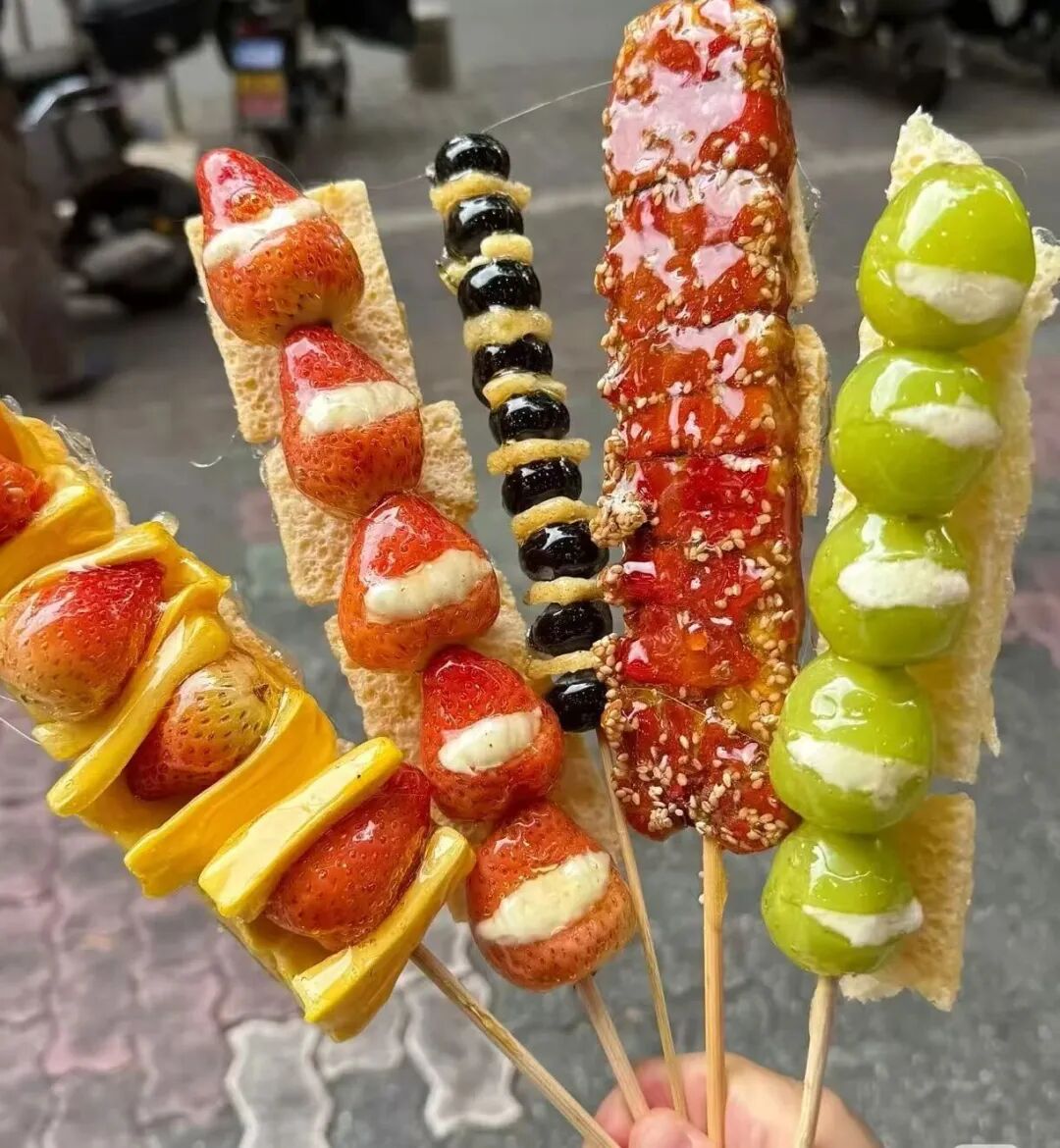
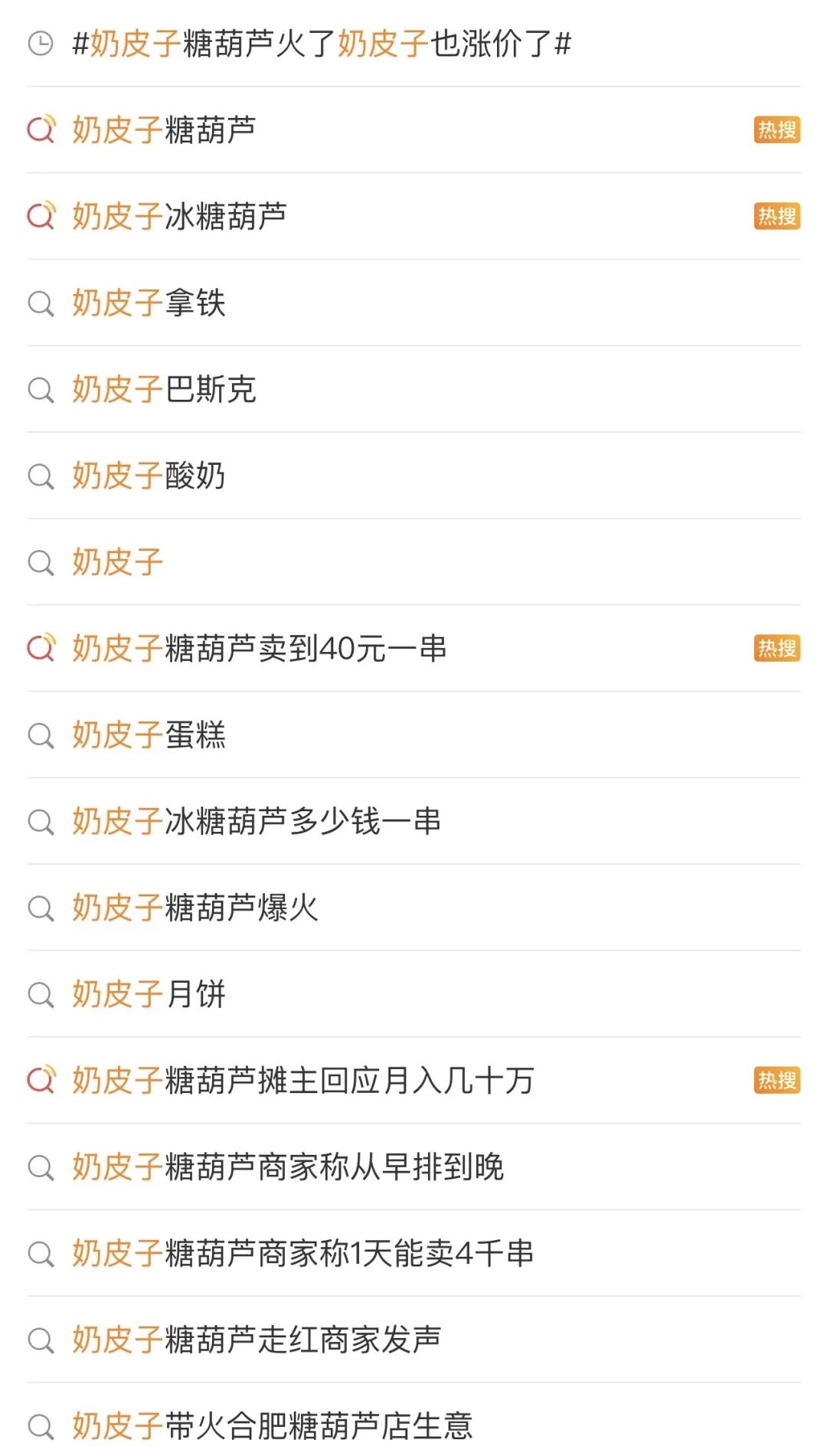
Core Insights - The popularity of "Nai Pi Zi Tang Hu Lu" (milk skin candied hawthorn) has surged this winter, becoming a trending winter snack across China, with long queues and high prices reported in major cities like Beijing and Shanghai [1][3][4] - The combination of milk skin and candied hawthorn, which originated in Baotou, Inner Mongolia, has led to a significant increase in prices, with some varieties costing three to four times more than traditional candied hawthorn [3][8][10] Market Trends - The hashtag "Nai Pi Zi Tang Hu Lu" has garnered 220 million views on Xiaohongshu and 840 million views on Douyin, indicating strong social media engagement and consumer interest [3] - The price of Nai Pi Zi Tang Hu Lu varies significantly, with basic varieties priced between 15-30 yuan, while premium options can exceed 40 yuan, reflecting a substantial markup due to the inclusion of milk skin [8][10] Supply Chain Dynamics - There is a reported shortage of milk skin, which is primarily handmade and labor-intensive to produce, leading to supply constraints and increased prices from 10 yuan to 19 yuan per piece [12][13] - Many businesses, including snack shops and instant retail platforms, are capitalizing on the trend by introducing their own versions of Nai Pi Zi Tang Hu Lu, indicating a competitive market landscape [15][19] Industry Implications - The dairy industry has seen a decline in overall consumption, with major brands like Yili and Mengniu reporting revenue drops, suggesting that while Nai Pi Zi Tang Hu Lu is a trend, it may not provide long-term growth for dairy companies [20] - Experts suggest that while the product is currently popular, it may not lead to sustainable innovation within the dairy sector due to low profit margins and lack of differentiation in production methods [19][20]
在进博会感知消费新趋势
Zhong Guo Jing Ji Wang· 2025-11-10 14:35
Group 1: Core Insights - The China International Import Expo (CIIE) serves as a platform for global companies to showcase products and understand new consumer trends in China [1][2] - Amorepacific showcased over 20 new products making their debut in China, focusing on personalized skincare solutions and addressing specific consumer needs [1][2] - The demand for health-oriented products is rising, with companies like Laiyifen integrating national health strategies into their product offerings [2][3] Group 2: Industry Trends - The expo highlighted a shift towards health-conscious consumer preferences, with products featuring low-fat, low-GI, and no additives gaining attention [2][3] - AI solutions were prominently featured, indicating a trend towards smart healthcare services that enhance patient interaction and address healthcare challenges [3][4] - Companies are transitioning from being equipment suppliers to service providers, with a focus on comprehensive AI solutions to improve healthcare efficiency and safety [4]

食品饮料及新消费行业跟踪报告:黄金税收新政落地,头部企业份额有望提升
Shanghai Aijian Securities· 2025-11-10 10:53
Investment Rating - The industry investment rating is "Outperform the Market" [22] Core Viewpoints - The overall performance of the liquor industry has significantly declined, entering a rapid clearing phase, but demand is expected to show weak recovery as policy pressures ease [3] - The industry is currently at a low valuation level, with pessimistic expectations fully priced in, indicating a clearer direction for future industry clearing [3] - The introduction of new tax policies in the gold sector is expected to benefit companies with brand and channel advantages, leading to a concentration of demand towards leading enterprises [4] Summary by Sections Industry Performance - The food and beverage industry index decreased by 0.56%, underperforming the Shanghai Composite Index, which increased by 1.08% [4][6] - Among the sub-sectors, pre-processed foods led with a gain of 2.26%, while soft drinks saw the largest decline at -1.20% [4][9] Liquor Sector Insights - Guizhou Moutai announced a mid-term dividend of approximately 30 billion yuan and a buyback plan of 15-30 billion yuan, enhancing shareholder returns [4] - Guizhou is promoting a shift in the liquor industry from "selling liquor" to "selling lifestyle," aiming to upgrade the industry from traditional manufacturing to cultural experience [4] Gold Sector Developments - The new tax policy for gold sales, effective from November 1, is expected to increase costs for non-member companies, potentially shifting demand towards leading firms with membership qualifications [4] Consumer Goods Focus - The report suggests focusing on high-growth consumer goods companies, such as Wancheng Group and Dongpeng Beverage, which are expected to receive valuation premiums due to their growth trajectories [5]


食品饮料周报(25年第41周):如何看待2026年投资机会?-20251110
Guoxin Securities· 2025-11-10 09:40
Investment Rating - The report maintains an "Outperform the Market" rating for the food and beverage sector [4][5][15]. Core Views - The food and beverage sector is expected to perform well in 2026, driven by low valuations, low institutional holdings, and a low base effect. The sector has underperformed the CSI 300 index for three consecutive years, and any changes in supply and demand dynamics could catalyze stock price increases [15][17]. - The report identifies three key judgments for 2026: 1) The sector's dividend attributes are becoming evident, with room for valuation expansion; 2) C-end consumption remains the industry’s foundation, but B-end and business scenarios may recover faster; 3) Health-focused innovative products and digital supply chains will be core growth drivers [15][16]. Summary by Sections 1. Sector Overview - The food and beverage sector saw a slight decline of 0.38% this week, with A-shares down 0.54% and H-shares up 1.88%. The top gainers included Anji Food (+13.87%) and Huifa Food (+13.07%) [1][3]. 2. Sub-sector Analysis - **Alcohol**: The sector is in a left-side layout phase, with recommendations for companies like Luzhou Laojiao and Shanxi Fenjiu, which are expected to benefit from national expansion [2][10]. - **Beverages**: The beverage sector is experiencing continued growth, with strong performance from leading companies like Nongfu Spring and Dongpeng Beverage. The report recommends focusing on dairy products, particularly Yili, due to stable demand recovery [2][14]. - **Food**: The snack segment shows strong growth potential, particularly in konjac snacks, with leading companies like Weidong and Yanjin Puhui demonstrating competitive advantages [2][12]. 3. Investment Recommendations - The report recommends maintaining the investment portfolio, which includes Guizhou Moutai, Baba Food, Dongpeng Beverage, Weidong, and Luzhou Laojiao, as these companies are expected to outperform the market [3][18]. 4. Earnings Forecasts - Guizhou Moutai is projected to have a revenue of CNY 183.52 billion in 2025, with a net profit of CNY 90.59 billion, reflecting a growth of 5.4% year-on-year [19][20]. - Luzhou Laojiao is expected to see revenue growth of 3.1% in 2026, with a net profit forecasted to increase by 4.3% [20]. 5. Market Trends and Catalysts - Recent industry catalysts include the Central Economic Work Conference and various alcohol distributor conferences, which are expected to influence market dynamics positively [3][10].
原料告急,盒马、瑞幸仍砸钱入场,这款“网红小吃”何以引爆全网疯抢?
3 6 Ke· 2025-11-10 09:05
Core Insights - The recent surge in popularity of "Nai Pi Zi Tang Hu Lu" (milk skin candied hawthorn) has led to significant price increases, with some locations selling for as high as 98 yuan per skewer, and long queues forming for purchases [2][6][16] - The product has become a social media sensation, with discussions and posts about it gaining millions of views across platforms like Douyin and Xiaohongshu [14][20] - The rapid rise in demand has resulted in supply shortages, with suppliers struggling to keep up with the unexpected surge in sales [16][22] Market Dynamics - Various retailers, including Hema and Xueji Fried Goods, have quickly introduced their versions of Nai Pi Zi Tang Hu Lu, indicating a strong market response to the trend [6][22] - The product's appeal is attributed to its unique combination of traditional ingredients and modern presentation, which resonates with consumer preferences for rich flavors and visually appealing food [24][33] - The trend has sparked a debate among consumers regarding the taste, with opinions divided between those who enjoy the product and those who find it overly sweet or unappetizing [18][20] Consumer Behavior - The product has been described as a "social currency," with its popularity driving consumers to share their experiences online, further fueling its demand [14][33] - The rapid price increases have drawn comparisons to stock market behavior, with some consumers expressing frustration over the volatility [17][20] - Despite the mixed reviews, the overall sentiment indicates that Nai Pi Zi Tang Hu Lu has established itself as a significant trend in the food market [20][34] Industry Outlook - Analysts suggest that while the current demand for Nai Pi Zi Tang Hu Lu is high, the underlying market for fruit and nut snacks is relatively small, posing challenges for long-term sustainability [34][36] - The product's success may be short-lived, as it is categorized within a niche market with low user retention and a weak market foundation [34][36] - The potential for Nai Pi Zi Tang Hu Lu to evolve into a long-term staple in the snack industry remains uncertain, with industry experts advising caution for new entrants [34][36]
快讯丨湖南社零总额跨越2万亿元,年均增速跑赢全国
Sou Hu Cai Jing· 2025-11-10 04:42
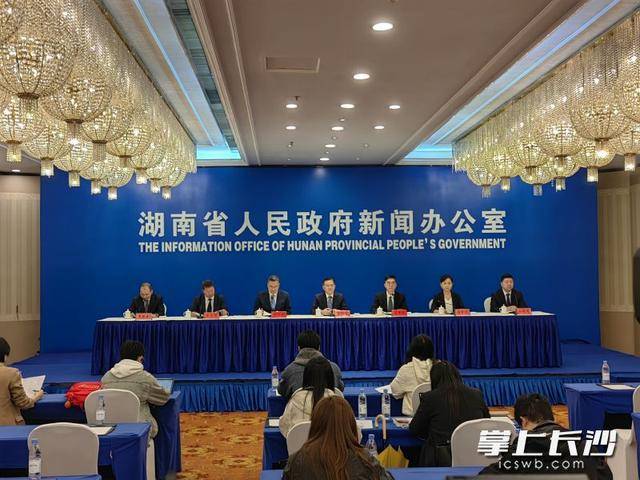
Group 1 - The core viewpoint of the article highlights the growth of Hunan's retail sector, with the total retail sales of consumer goods expected to rise from 1.6 trillion yuan in 2020 to 2.05 trillion yuan by 2024, reflecting an average annual growth rate of 5.9%, which is 0.4 percentage points higher than the national average [1] Group 2 - In terms of commodity consumption, the "trade-in" policy has facilitated the entry of smart and green products into households, with retail sales of new energy vehicles increasing by 9.6% and retail sales of smartphones and smart home appliances growing by 81.6% and 20.1% respectively [3] - The trade-in program has generated nearly 140 billion yuan in sales and benefited over 16 million people [3] - New consumption scenarios are enhancing quality, with live e-commerce and community group buying surpassing 80 billion yuan in scale, and the province's online retail sales growing at an average annual rate of 13.5% [3] - The emergence of new consumption leaders, referred to as the "Five Little Tigers," includes brands like Chayan Yuesheng, Wenheyou, Anker Innovation, Shuiyang Co., and Mingming Hen Mang, which dominate the tea, dining, consumer electronics, beauty, and snack sectors respectively [3] - The Wuyi business district has been recognized as a national model smart business district, and Changsha has been ranked among the top ten cities in China for night economy influence, also making it into the top ten cities with a high concentration of new stores nationwide [3]
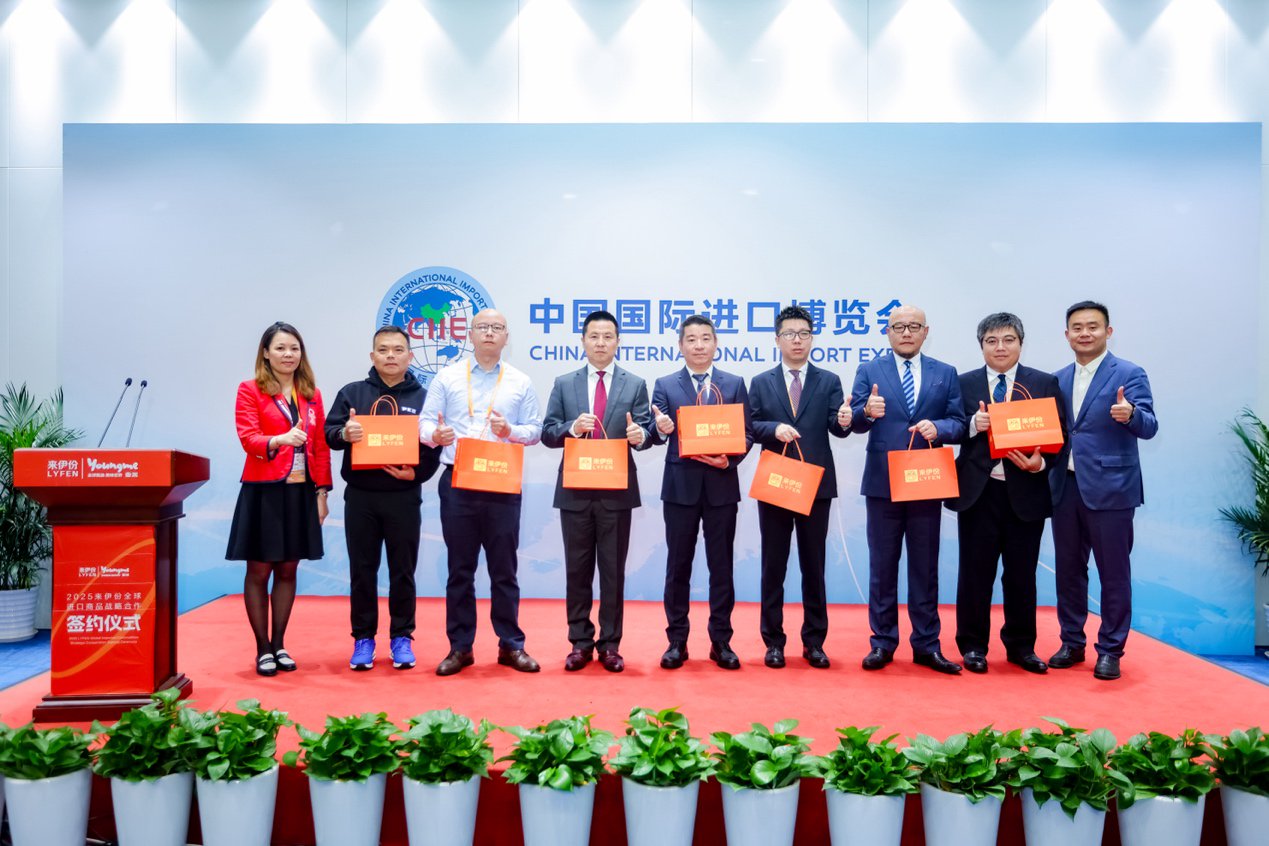
来伊份第八届进博会签约2.5亿元再创新高,夯实全球供应链信心
Xin Lang Cai Jing· 2025-11-10 04:35
Core Viewpoint - Shanghai Laiyifen Co., Ltd. showcased impressive results at the 8th China International Import Expo, highlighting its strategic partnerships and commitment to health-oriented products [1][3]. Group 1: Strategic Partnerships - Laiyifen's new strategic positioning was prominently displayed through partnerships with strong global brands, including Malaysia's BENNS, Italy's Ferrero, and Belgium's Jules Destrooper [3][5]. - The signing ceremony featured both long-standing partners and new entrants, emphasizing the company's collaborative approach to expanding its product offerings [5][9]. Group 2: Health and Quality Focus - Laiyifen introduced a range of snacks that combine global flavors with health attributes, such as the potassium and fiber-rich "Yami Fig" from Iran, aligning with the national strategy of promoting health [7][9]. - The introduction of health-oriented products reflects Laiyifen's response to consumer upgrades and its role in supply-side reform within the industry [9]. Group 3: Record-Breaking Agreements - The signing of a record 250 million yuan order signifies a strong commitment to enhancing the global supply chain and represents a critical step in the company's dual circulation strategy of "going out + importing" [14][17]. - Since its debut at the expo in 2018, Laiyifen has accumulated over 1.47 billion yuan in procurement, marking significant growth and strategic advancement as a "global brand management ecosystem platform" [17]. Group 4: Future Outlook - The company aims to leverage the Import Expo as a strategic bridge to strengthen its brand philosophy of "global quality, healthy living," creating a diverse and health-conscious product landscape for consumers [15].