咖啡

Search documents
市场消息:瑞幸咖啡据悉考虑竞购雀巢旗下Blue Bottle。
Jin Rong Jie· 2025-12-16 15:06
Group 1 - Luckin Coffee is reportedly considering a bid for Blue Bottle, a subsidiary of Nestlé [1] - This potential acquisition indicates Luckin Coffee's strategy to expand its market presence and diversify its product offerings [1]

开业两年,茶百道首家咖啡店停业调整
Si Chuan Ri Bao· 2025-12-16 13:59
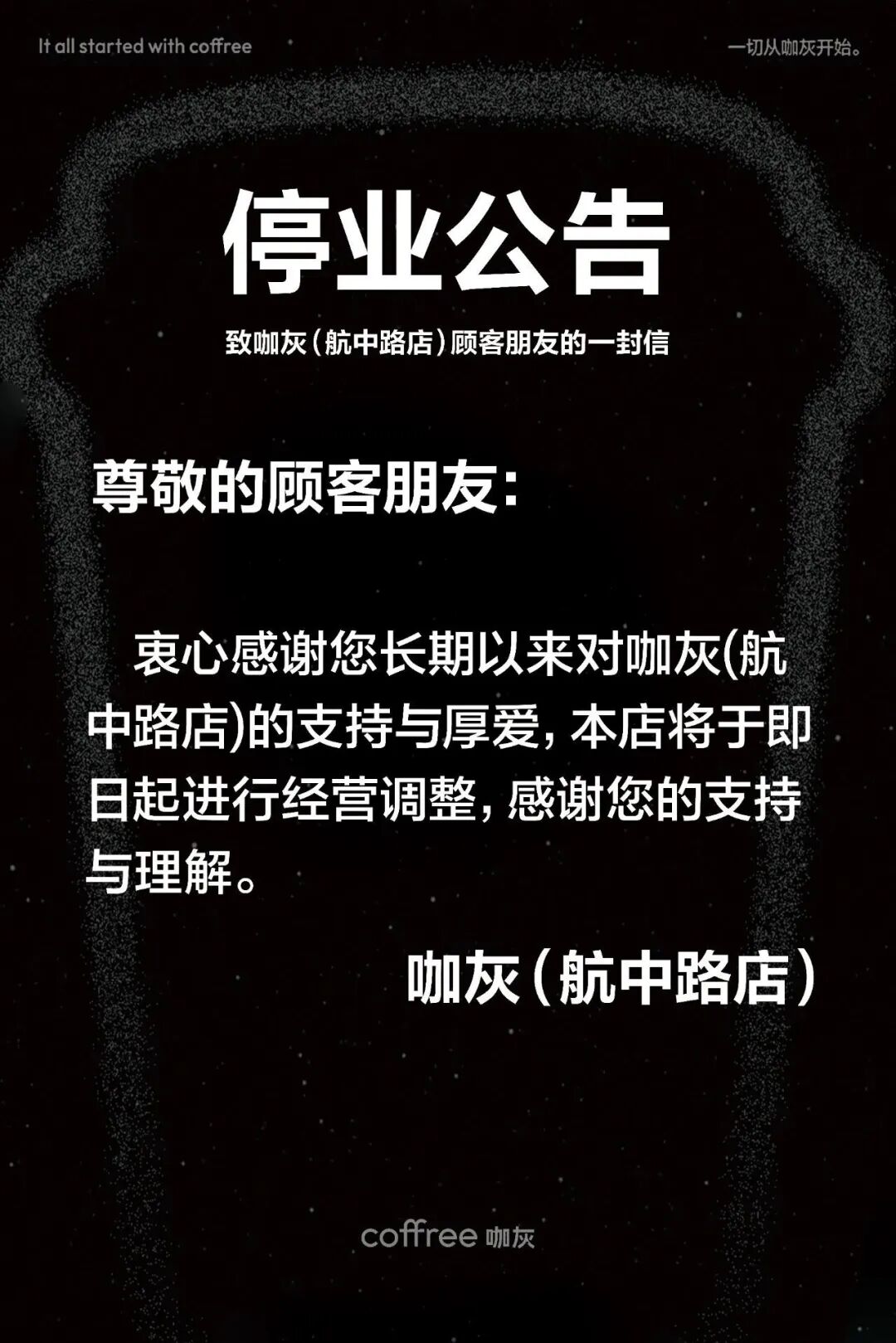
四川日报全媒体记者 赵泽宇 12月15日晚,茶百道自营咖啡品牌咖灰发布停业公告称:咖灰(航中路店)将于即日起进行经营调整。16日上午10点,川观新闻记者走访该店时看到,工 作人员正在打包和搬运店内物品,其中一位工作人员介绍,目前因为公司战略调整,该门店进行停业调整,还有1家位于孵化园的门店可以点外卖。 咖灰小程序相关页面。 咖灰成都航中路店停业公告。图据咖灰微信公众号 随后,记者通过外卖平台搜索咖灰位于成都的另一家门店时,均无检索结果。咖灰官方小程序也显示:在成都,当前地区暂未开放门店。仅一家第三方生 活消费点评平台显示,成都另有一家咖灰门店位于孵化园片区的嘉煜金融科技中心。 茶百道小程序相关页面。 公开资料显示,咖灰是茶百道于2023年推出的咖啡子品牌,首店于2023年12月在成都正式落地,即桐梓林片区航中路。据了解,咖灰是属于茶百道新茶饮 业务之外的独立业务,首店为直营店,在开业后并未拓展新店。 记者在走访中注意到,目前部分茶百道门店上线了新茶饮之外的现磨咖啡新业务。在茶百道官方小程序中,销售咖啡产品的门店有专门的"现磨咖啡"标识 注明。截至记者发稿,前述停业公告已在咖灰官方微信公众号上删除。 两张现场照 ...

挪瓦咖啡!新标杆本土连锁咖啡万店品牌诞生
东京烘焙职业人· 2025-12-16 08:33
以下文章来源于餐饮O2O ,作者专注餐饮业创新的 餐饮O2O . 餐饮O2O是中国专注餐饮产业链新媒体,每天分享餐饮产业上下游新鲜资讯+干货案例,以媒体为入口,为餐饮业提供咨询培训、投融资、供应链、开店 选址、创业加盟等行业深度服务。 当各大品牌还在为城市核心商圈的黄金铺位激烈厮杀时,它已经悄然将咖啡送到了你家楼下的便利店、街角的烘焙店,甚至网吧和健身房。 2025年12月11日,一则消息震动了中国咖啡市场: 创立于2019年6月的挪瓦咖啡宣布,其门店数量正式突破10000家。 回顾咖啡赛道,这堪称一个 "浓缩"的奇迹 。从成立到万店,瑞幸用了约6年,幸运咖依托蜜雪的庞大底盘蓄力已久,而 挪瓦咖啡仅用了四年半 。 这一速度不仅远超传统咖啡巨头的扩张节奏,即便在以"快"著称的中国新消费市场中,也极为罕见。 更令人深思的是,它的崛起并非发生在市场的蛮荒期,而是 "后瑞幸时代"的深度红海——市场教育已完成,巨头格局初定,消费者选择众多。 在一片看似铁板一块的市场中,挪瓦咖啡没有选择正面硬撼,而是用一把名为" 咖啡+"轻资产联营" 的钥匙,打开了另一扇通往万店的大门。 挪瓦咖啡 究竟做对了什么?这种模式是特殊案例,还 ...
界面新闻揭晓2025年度跨国公司中国区CEO榜单:巴斯夫、菲婷丝、赛诺菲等10位大中华区/中国区CEO上榜
Xin Lang Cai Jing· 2025-12-16 08:08
Core Insights - The article highlights the 2025 Super CEO list, which recognizes outstanding leaders across various industries who drive financial growth and shareholder returns while maintaining personal reputation [1] - China's actual foreign investment utilization is projected to decline to $116.24 billion in 2024, a 28.8% decrease year-on-year, marking the second consecutive year of decline after reaching a peak in 2022 [2] - Despite the decline, China remains the fourth-largest recipient of foreign direct investment globally, accounting for 7.7% of total global FDI in 2024 [2] Group 1: Foreign Investment Trends - The decline in China's foreign investment is attributed to a combination of global economic conditions, policy adjustments, domestic economic transformation, and changes in international competition [2] - The number of newly established foreign-invested enterprises in China is expected to reach 59,080 in 2024, a 9.9% increase year-on-year, indicating a positive trend despite the drop in investment amount [2] Group 2: Government Initiatives - The Chinese government is actively promoting policies to expand openness, including the "2025 Action Plan for Stabilizing Foreign Investment," which outlines 20 measures to enhance investment promotion and support foreign enterprises [3] - The 8th China International Import Expo showcased 4,108 companies from 138 countries, with an intention to transact $83.49 billion, a 4.4% increase from the previous year, highlighting China's commitment to global economic integration [3] Group 3: CEO Highlights - The article features notable CEOs leading multinational companies in China, such as: - Lou Jianfeng from BASF, who emphasizes green transformation and local investment despite a slight decline in sales [20] - Seto Onobu from FineToday, focusing on local innovation and sustainable practices, contributing to 40% of the company's global sales [21] - Dong Wei from Nike, who is steering the brand through challenges with a focus on local innovation and community engagement [22] - Schwann from Sanofi, who is enhancing local production capabilities with a significant investment in a new insulin production facility [23] - Yin Zheng from Schneider Electric, who is driving technological innovation and sustainable practices in response to market challenges [24] - Zhu Xiaotong from Tesla, who is adapting sales strategies to penetrate lower-tier markets [25] - Zhu Xiaojing from Walmart, who has successfully transformed the company into a leading omnichannel retailer in China [26] - Xiao Song from Siemens, who is implementing a "China Accelerate 2.0" strategy to enhance local R&D and production [27] - Liu Wenjuan from Starbucks, who is leveraging local insights to drive growth and enhance customer engagement [28] - Yang Xiaoping from Charoen Pokphand Group, who is focusing on green transformation and digitalization in the Chinese market [29]





“寄生咖啡”门店突破1万家,独立加盟商遭“背刺”?
阿尔法工场研究院· 2025-12-16 05:23
Core Viewpoint - Nova Coffee has rapidly expanded its store count to over 10,000 globally, leveraging a "store-in-store" model to penetrate lower-tier markets and differentiate itself from competitors like Starbucks and Luckin Coffee [4][5][10]. Expansion Strategy - Nova Coffee's store count reached over 10,000 as of December 11, with a presence in over 300 cities in China and expansion into Australia and Southeast Asia [5]. - The company has achieved a remarkable growth rate of over 400% year-on-year by 2025 [7]. - Nova Coffee's monthly store openings peaked at 1,800, making it the fastest-growing coffee brand globally [8]. - The "store-in-store" model allows Nova to minimize costs and share customer traffic, with 46.2% of its stores located within Meiyijia convenience stores [15][16]. Market Positioning - In 2022, 70% of Nova Coffee's stores were located in lower-tier cities, indicating a strategic focus on underserved markets [12]. - The brand has positioned itself to avoid direct competition with established players by targeting the night economy, with 60% of consumer spending occurring at night [19]. - Nova Coffee has established a strong online presence, with 75% of its revenue coming from delivery services [20]. Product Differentiation - The company emphasizes health-oriented products, offering low-calorie options and avoiding price wars, with an average cup price of 15 yuan [21][22]. - Nova Coffee has signed a partnership with athlete Wu Yanni to promote its health-focused image [22]. Supply Chain and Operational Efficiency - Nova Coffee has built a robust supply chain with 15 distribution centers, enhancing operational efficiency and supporting its rapid expansion [24]. - The introduction of Nova Coffee in convenience stores has significantly boosted coffee sales, with some partners achieving a return on investment in just three months [25]. Competitive Landscape - Despite rapid growth, Nova Coffee faces increasing competition and potential risks associated with its store-in-store model, which may pressure independent store operators [26]. - The overall coffee market in China is becoming more competitive, with over 254,000 coffee shops and a net increase of 38,000 stores in the past year [28]. - The founder emphasizes that reaching 10,000 stores is just the beginning, focusing on supporting partners and franchisees for future growth [29]. Future Outlook - The coffee industry is projected to exceed 1 trillion yuan by 2025, and the sustainability of Nova Coffee's "store-in-store" model will be tested in the competitive market [30].
香薰、盲盒与古法金:观夏、泡泡玛特、老铺黄金的"千亿情绪生意",是怎样炼成的?
3 6 Ke· 2025-12-16 03:34
Core Insights - The article discusses the shift in consumer behavior from functional products to those that provide emotional value, emphasizing the importance of meaning, stories, and emotions attached to products [1][2][4] Group 1: Emotional Consumption - Emotional consumption is driven by two societal psychological factors: the pursuit of instant gratification and the fragmentation of social connections [2][4] - The need for instant gratification leads consumers to seek products that provide immediate emotional satisfaction, similar to the quick emotional stimuli found in platforms like TikTok [2][4] - The urbanization process has increased feelings of loneliness, prompting consumers to seek products that fulfill deeper emotional needs for connection and belonging [4] Group 2: Layers of Emotional Value - The first layer of emotional value is "small happiness," where consumers pay for minor yet certain feelings of joy, such as comfort food or relaxing home items [5][7] - The second layer involves identity construction, where consumers use products to express who they are and find their social group, as traditional identity markers weaken [8][10] - The third layer focuses on co-creation, where consumers desire to participate in the brand narrative, seeking a sense of agency and influence over the products they consume [18][19] Group 3: Case Studies - The case of "Guanxia" illustrates how a brand can create a cultural identity through a sophisticated symbol system, allowing consumers to align with a modern, cultured lifestyle [11][13] - The collaboration of Luckin Coffee demonstrates the creation of social currency through trendy products, where the value lies in the shared experience and belonging to a cultural moment [14][15] Group 4: Strategies for Brands - Brands should focus on creating immediate emotional gratification through appealing design, storytelling, and user empowerment [22][23] - Designing user participation in emotional narratives allows consumers to feel like protagonists in their experiences with the brand [23][25] - Building a community around the brand enhances loyalty, as consumers seek connection with like-minded individuals [26] - Brands should develop products that serve as emotional companions, addressing the need for comfort and connection in daily life [27] - Encouraging co-creation with consumers transforms them from passive buyers to active participants in the brand's evolution [28] Group 5: Market Potential - The emotional consumption market in China is projected to reach a trillion scale, indicating a significant shift in commercial logic towards emotional connections and shared brand narratives [28]


气泡咖啡哪家好?百胜中国CEO屈翠容:肯德基比拉瓦萨更好
Xin Lang Ke Ji· 2025-12-16 02:03
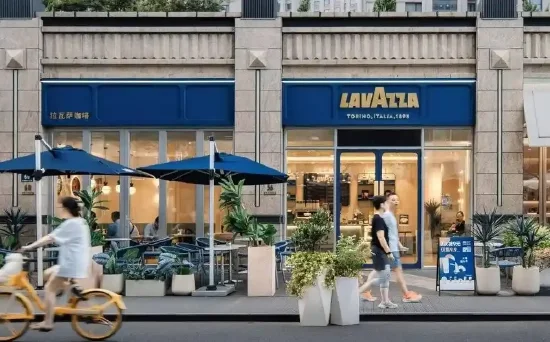
Group 1 - The CEO of Yum China, Qu Cui Rong, stated that the profit from K COFFEE's sparkling coffee is slightly higher than that of lattes due to the cost of raw materials, particularly milk, which is the most expensive ingredient in the Chinese market [1] - K COFFEE was launched in October 2022 in Shanghai, focusing on a quick and convenient coffee experience, and has expanded to over 1,800 stores by Q3 2025, targeting lower-tier cities [1] - Yum China also operates Lavazza, an Italian coffee brand, which aims to provide an authentic Italian coffee experience and plans to open over 1,000 stores in China by 2028 [2] Group 2 - K COFFEE offers a variety of flavors for its sparkling coffee, including apple and pineapple, appealing to young consumers who are willing to try new products [1] - The technology used in K COFFEE's sparkling coffee production is different from that of Lavazza, with K COFFEE utilizing specialized equipment to create a distinct carbonation experience [1]
12.16犀牛财经早报:海南自贸港封关倒计时
Xi Niu Cai Jing· 2025-12-16 01:44
Group 1 - Commercial banks are accelerating capital increases and share expansions as the year-end approaches, with several banks like China Construction Bank and Bank of China taking measures to strengthen their capital base and support the real economy [1] - The issuance of special bonds targeting government investment funds has reached nearly 85 billion yuan this year, with multiple regions participating, indicating a trend of low-cost, long-term funding for government projects [1] Group 2 - Over 520 companies have been investigated by institutions since December, with a focus on popular sectors such as commercial aerospace and AI hardware, indicating strong interest in these areas [2] - 77 companies have reported full order books, particularly in the power equipment sector, suggesting robust demand and potential for profit growth in the coming years [2] Group 3 - The global memory chip market has experienced a significant price surge, with DRAM and NAND Flash prices increasing over 300% since September, driven by advancements in AI and "compute-in-memory" technology [3] Group 4 - The first large-scale production project for bio-methanol in China has officially commenced, marking a strategic advancement in clean fuel development [4] Group 5 - YUM China has announced a share repurchase plan totaling approximately $460 million, as part of a broader capital allocation strategy to return $1.5 billion to shareholders by 2026 [7][8] Group 6 - Yihua Group plans to raise nearly 200 million Hong Kong dollars through a new H-share placement, with 90% of the proceeds allocated for repaying bank loans [9] - Huafu Securities has had a 5 billion yuan public bond application accepted by the Shanghai Stock Exchange, aimed at supplementing working capital [9] Group 7 - The Southern Black Sesame Group is progressing with a share transfer to a state-owned enterprise, which will result in a change of control and ownership structure [11]
瑞幸之外的第二种解法:挪瓦咖啡如何用4倍增速改写行业剧本?
华尔街见闻· 2025-12-15 09:38
Core Viewpoint - The article discusses the emergence of Nova Coffee as a new benchmark in the Chinese coffee market, highlighting its rapid expansion and innovative business model that focuses on sustainable growth rather than mere scale [4][6]. Group 1: Growth Model - Nova Coffee has achieved a remarkable GMV growth of 400% year-on-year while maintaining a strong cup volume increase, indicating effective expansion rather than superficial growth [20][22]. - The company has a monthly store opening rate of approximately 1,000, with peak months reaching 1,800 new stores, surpassing historical expansion rates of competitors like Starbucks and Luckin Coffee [13][15]. - Nova's growth is characterized by a "speed and quality" model, breaking the traditional "scale paradox" where rapid expansion often leads to diminishing returns [10][11]. Group 2: Competitive Barriers - Nova Coffee has established a three-dimensional differentiation barrier by reconstructing "people, goods, and scenes," allowing it to maintain pricing power amidst fierce competition [30]. - The company focuses on health-conscious products, positioning itself against the trend of high-sugar offerings, thus capturing a unique market segment [31]. - Nova operates 24/7, maximizing asset utilization and enhancing ROI by breaking traditional time constraints in coffee shop operations [32][38]. Group 3: Digitalization and Delivery - Nova Coffee leverages its strong digital capabilities and delivery systems to capture online traffic, positioning itself as a "full-service flow operation center" [45][49]. - The company has amassed tens of millions of new members, creating a valuable digital asset that drives business decisions and enhances customer retention [47][48]. - Nova's external partnerships enable it to tap into the growing online food delivery market, which has seen daily orders increase from 100 million to 200 million [42][44]. Group 4: Future Growth Potential - The article posits that Nova Coffee's current scale is just the beginning, as it explores a "joint operation model" that allows for extensive market penetration without the traditional overhead costs [52][60]. - This model enables Nova to partner with existing retail outlets, significantly lowering the barriers to entry for coffee sales in various locations [53][59]. - The potential market for Nova is vast, with opportunities to penetrate millions of retail locations across China, far exceeding the limitations of traditional coffee shop models [60][64].
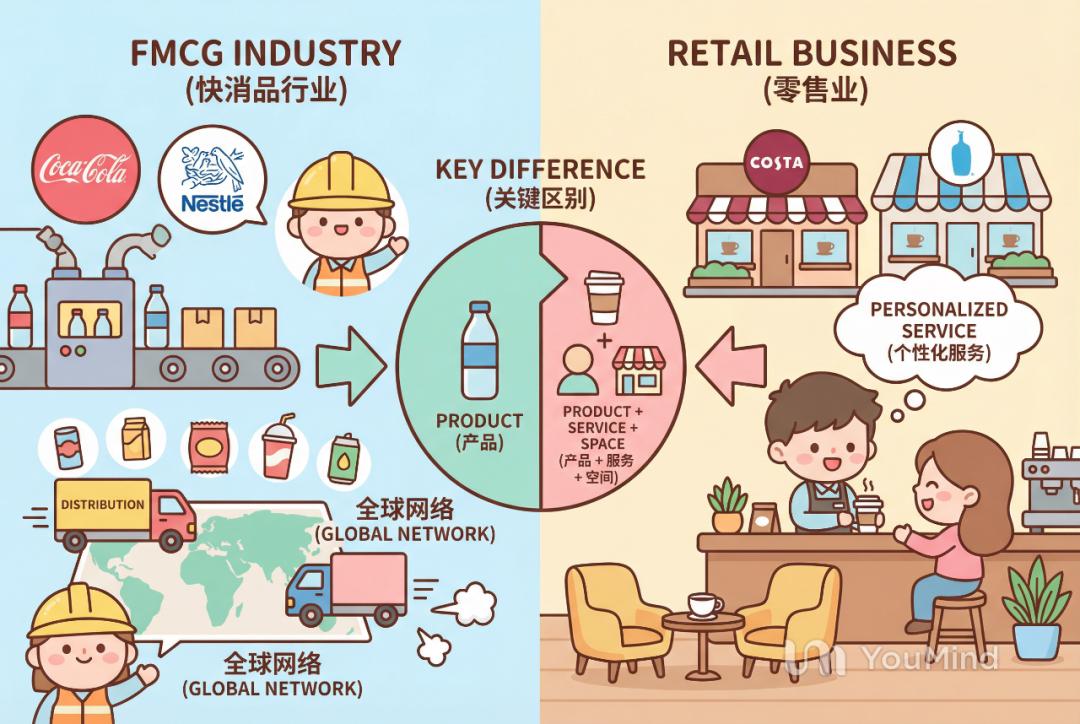
精品咖啡甩卖潮:可口可乐、雀巢为何甘愿“割肉”?
3 6 Ke· 2025-12-15 08:44
Core Viewpoint - The food and beverage industry is experiencing a surge in mergers and acquisitions, with notable companies like Starbucks, Coca-Cola, and Nestlé divesting from their coffee brands, often at prices significantly lower than their acquisition costs [1][7]. Group 1: Reasons for Divestiture of Physical Store Businesses - The divestiture often involves physical store operations, which differ from the fast-moving consumer goods (FMCG) sector that focuses on product and distribution rather than service and space [1][4]. - Physical retail businesses are more complex and face higher management challenges compared to FMCG, making them less strategic for companies like Coca-Cola and Nestlé [4]. - The capital-intensive nature of coffee shops, with high initial investments and long payback periods, makes them less attractive during economic pressures, prompting companies to divest [5][10]. Group 2: Reasons for Selling at a Discount - Companies prioritize focusing on core businesses to streamline their balance sheets, leading to the decision to sell off less strategic assets [7][10]. - For Coca-Cola, the acquisition of Costa was initially aimed at expanding its coffee platform, but changing market dynamics, particularly in China, rendered the physical store operations less viable [9][10]. - The value of physical stores is reassessed when more efficient distribution channels can achieve growth without the overhead of managing retail locations [10]. Group 3: Value of Divested Brands - Brands like Costa and Blue Bottle Coffee possess strong product offerings and loyal customer bases, indicating that they are not inherently poor investments [11][15]. - The divestiture allows these brands to potentially thrive under new ownership that can provide the necessary resources for expansion and operational efficiency [15][18]. - The example of the newly independent Magnum ice cream company illustrates how divestiture can lead to enhanced strategic flexibility and growth potential [18]. Conclusion - The current trend of divestiture in the food and beverage sector reflects a strategic realignment of resources, with the potential for good brands to find new life under different ownership structures [19].