新茶饮

Search documents
5家消费公司拿到新钱;「野人先生」称没有上市计划;喜茶把店开到了苹果总部|创投大视野
36氪未来消费· 2025-08-09 12:46
Core Viewpoint - The article highlights recent investments and developments in various consumer brands and technology companies, indicating a growing trend in the market for innovative products and services. Group 1: Investment Highlights - The bubble tea brand "Bieyang Bubble" has completed angel round financing of 10 million yuan, with funds allocated for team building and product refinement [4] - The metaverse game developer MiAO has received a new investment of 140 million yuan, raising its valuation to nearly 2 billion yuan [5][6] - The AR company "Liangliang Vision" confirmed over 100 million yuan in strategic financing, aimed at advancing AR glasses development and expanding international market reach [7] - "Xinglian Future," a company focused on smart collars for pets, has completed a Pre-A round financing of several tens of millions of yuan [8] - "0629 Cultural Technology" secured seed round financing in the millions, focusing on children's content IP incubation [9] Group 2: Company Developments - The ice cream brand "Yeren Xiansheng" has no plans for an IPO despite rapid expansion, with over 900 stores opened and a gross margin exceeding 60% [10][11] - "Pang Donglai" reported a cumulative sales figure of 13.585 billion yuan this year, nearing 80% of last year's total sales, with a focus on maintaining quality and service [14][15][16] - "Heytea" has opened a new store in Cupertino, California, marking significant international expansion with over 100 overseas locations [17][18][19] Group 3: Market Trends - The summer movie market is projected to see a blockbuster, with total box office revenue exceeding 1.5 billion yuan in August [30][31] - Dongguan has introduced new policies to promote the潮玩 (trendy toy) industry, allocating 120 million yuan for development [32] - The U.S. saw a significant drop in imports in June, down 8.4% year-on-year, attributed to increased tariffs, with expectations of further declines in 2025 [33]



茶百道立秋半日销量环比涨超340%
Zheng Quan Ri Bao Wang· 2025-08-08 04:45
Core Viewpoint - The launch of "the first cup of milk tea in autumn" on August 7 has significantly boosted the milk tea market, reflecting the continuous release of consumer potential in the beverage industry [1] Group 1: Market Performance - The milk tea brand Cha Bai Dao experienced a remarkable increase in product sales and revenue, with both metrics rising over 340% on the day of the event [1] - Nearly 2000 stores nationwide reported a sales increase exceeding 500% [1] Group 2: Popular Products - "Ice milk" has emerged as the most popular choice for the first cup of milk tea this autumn, with nearly 200,000 cups sold of various ice milk products by Cha Bai Dao [1] - The "Sunshine Green Grape Ice Milk" single product sold over 100,000 cups, becoming the best-selling item of the day [1] Group 3: Industry Trends - Ice milk represents a shift towards healthier options in the new tea beverage industry, with Cha Bai Dao being a pioneer in this category [1] - The brand's innovative approach, combining "real fruit + real tea + real milk," has resonated with consumers, making the ice milk series one of the standout new product categories this year [1]
着眼年轻化发展 新茶饮亟待转型突破
Sou Hu Cai Jing· 2025-08-08 04:06
Core Insights - The new tea beverage industry is experiencing a structural explosion this year, driven by consumption upgrades and innovative marketing strategies [3][4][9] Market Overview - The Chinese ready-to-drink tea market is expected to exceed 368.9 billion yuan by 2025, with the Chinese-style new tea segment surpassing 200 billion yuan and a compound annual growth rate of 15% [4] - As of now, there are over 304,000 new tea-related enterprises in China, with more than 15,000 newly registered this year [4] - The market is gradually saturating, with a projected market size of 354.72 billion yuan in 2024 and a potential to exceed 400 billion yuan by 2028 [4] Consumer Trends - New tea consumers are numerous and highly engaged, with a significant portion of young people gaining awareness of traditional Chinese tea culture through new tea beverages [5][10] - The trend towards healthier options is evident, with an increasing number of middle-aged consumers trying low-sugar and low-fat products [4][5] Innovation and Development - Innovation is the core driving force of the new tea beverage industry, encompassing product, technology, and cultural dimensions [7][8] - Product innovation includes the incorporation of diverse ingredients like fresh fruits and low-calorie options, catering to health-conscious consumers [7][8] - Technological advancements such as automated tea-making equipment and digital supply chain management are enhancing production efficiency and product quality [8] Competitive Landscape - The industry is witnessing a wave of IPOs, with several brands like Nayuki and Heytea going public to fund expansion and digital upgrades [9][10] - The competition is intensifying, with brands facing pressure to maintain growth amidst a crowded market [9][11] International Expansion - Many new tea brands are looking to expand overseas, with significant growth in Southeast Asia and other international markets [10] - For instance, Mixue has over 4,800 stores abroad, while other brands are also establishing a presence in countries like South Korea, Thailand, and Australia [10] Challenges Ahead - The industry faces challenges such as price wars and quality control issues, which could impact brand reputation and consumer trust [11] - Some brands are actively rejecting price competition and focusing on quality and innovation to sustain their market position [11]
“前方待制作300杯”,今天,济南多个奶茶店爆单,有门店无奈“打烊”
Sou Hu Cai Jing· 2025-08-07 21:16
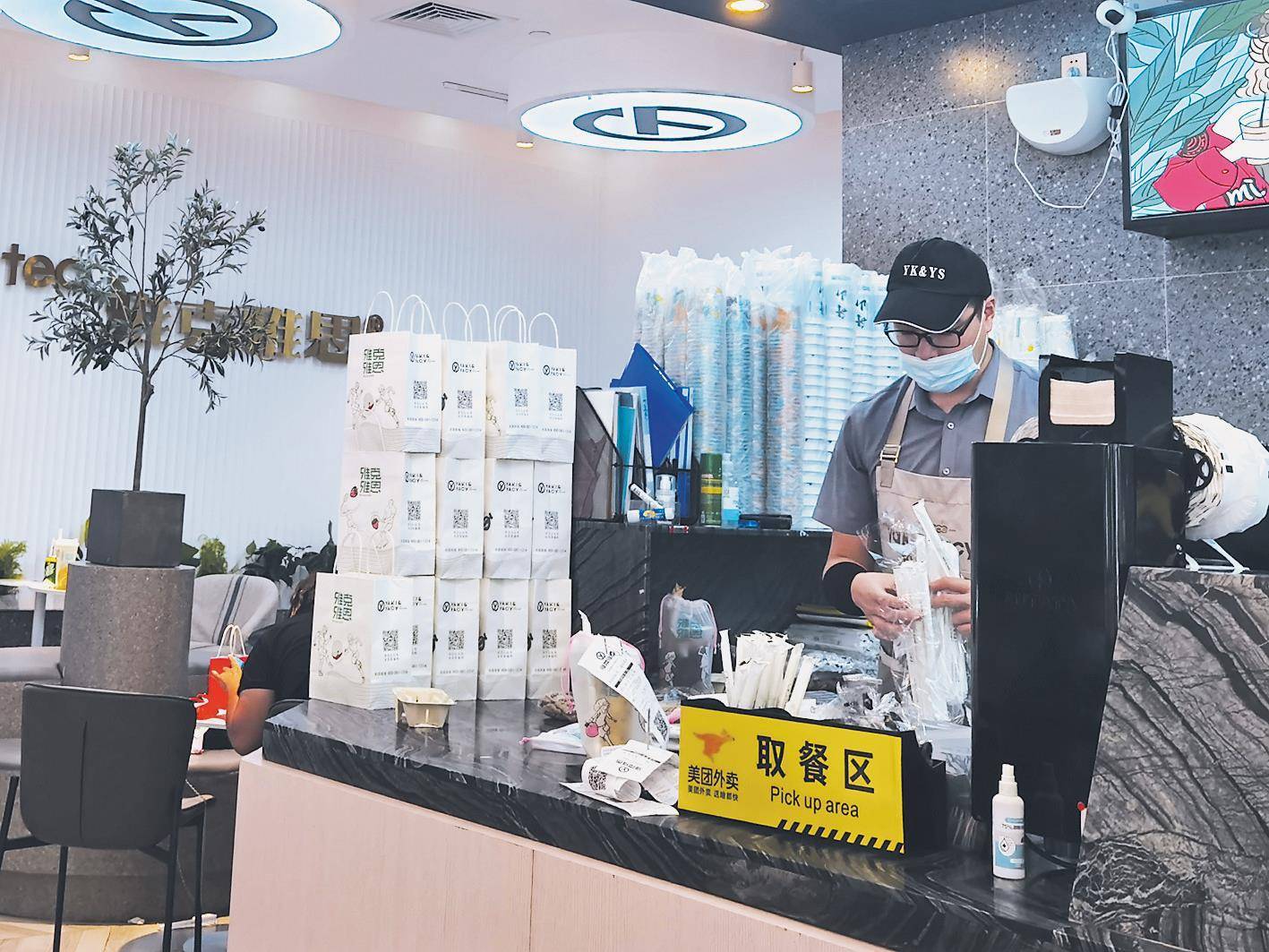
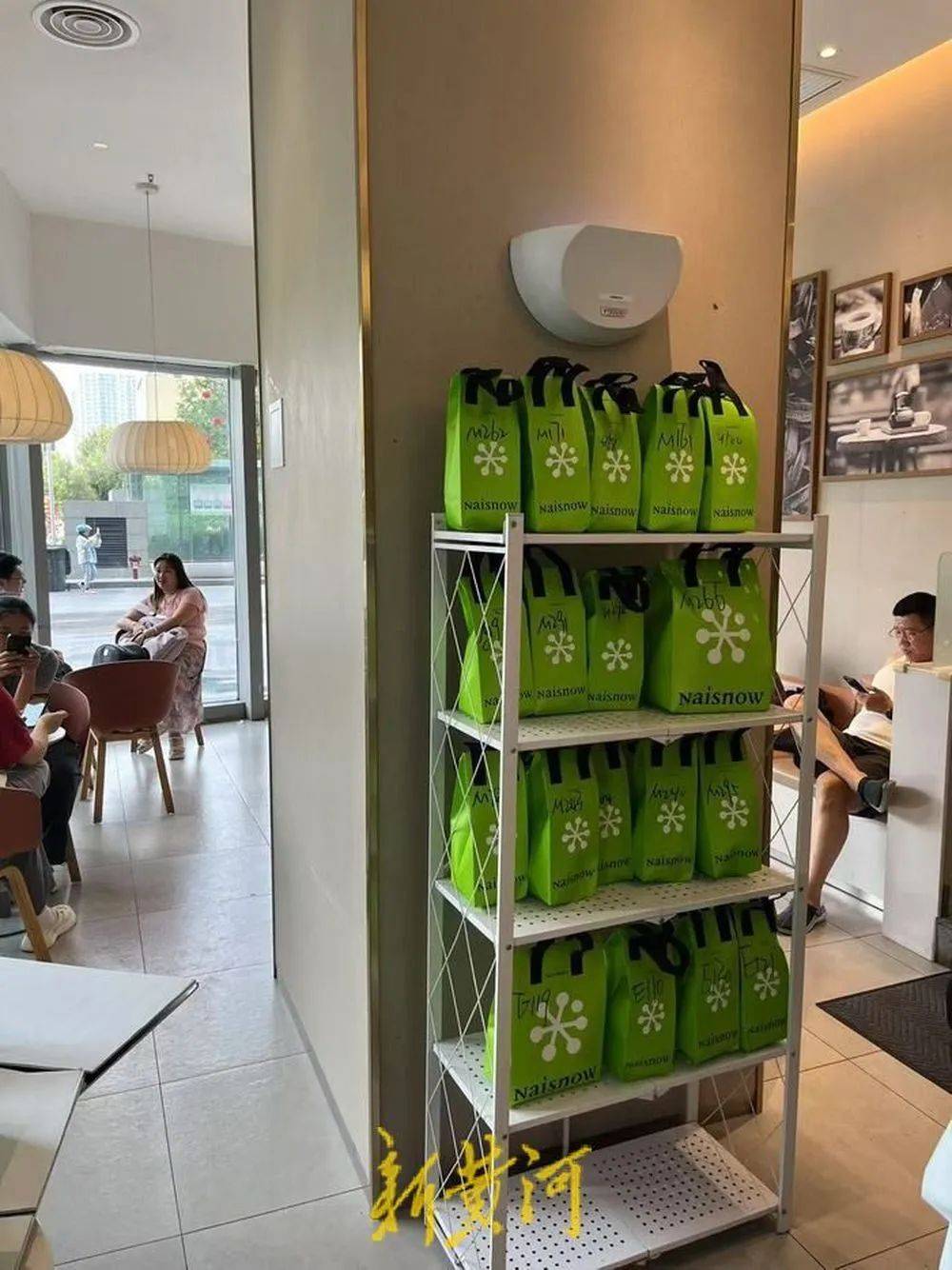
Core Insights - The concept of "the first cup of milk tea in autumn" has evolved into a seasonal marketing phenomenon, significantly driving sales in the milk tea industry [3][12][14] - The surge in demand has led to long queues and increased order volumes, with some stores reporting online orders doubling compared to normal days [4][6][10] Sales Surge - Many milk tea shops are experiencing a dramatic increase in daily sales, with some locations selling over a hundred cups per day [2][10] - On August 7, a popular milk tea brand reported a peak of over 300 online orders, with customers facing wait times of up to three hours [4][6] Consumer Behavior - The trend is characterized by young consumers treating the purchase of milk tea as a social ritual, often sharing their experiences on social media [12][13] - Brands are leveraging this behavior by creating seasonal packaging and marketing strategies that resonate with the emotional and social aspects of consumption [13][14] Supply Chain Impact - The overwhelming demand has led to supply shortages in several stores, with many popular items marked as sold out and some locations temporarily halting online orders [6][10] - Delivery riders are facing significant delays, with reports of wait times exceeding four hours for some orders [9][10] Marketing Strategy - The successful integration of seasonal elements and social attributes into marketing strategies is reshaping the new tea beverage industry's approach to consumer engagement [12][14] - The phenomenon highlights the importance of emotional resonance in consumer experiences, suggesting that brands that can transform products into social currency will capture the attention of younger consumers [14]
秋一杯带动奶茶热度,茶百道半日近两千家店销量涨超500%
Nan Fang Du Shi Bao· 2025-08-07 13:37
Core Insights - The launch of "the first cup of milk tea in autumn" on August 7 has significantly boosted the milk tea market, reflecting the continuous release of consumer spending potential [2] - Tea Baidao, a leading milk tea brand, reported a sales increase of over 340% in both product sales and revenue on the day of the event, with nearly 2000 stores experiencing a sales surge exceeding 500% [2][3] Company Performance - Tea Baidao's ice milk products, particularly the "Sunshine Green Grape Ice Milk," have become extremely popular, selling nearly 200,000 cups on the day of the event, with over 100,000 cups sold for the top-selling item alone [3] - The brand's commitment to using fresh ingredients, including real fruit, tea, and milk, has positioned it as a leader in the new tea beverage sector, appealing to health-conscious consumers [4] Industry Trends - The new tea beverage industry has evolved from a focus on powdered mixes to an emphasis on fresh ingredients and health, reflecting a growing consumer awareness of dietary health [3][4] - The National Health Commission's initiative to promote healthy lifestyles has further heightened consumer interest in the quality of tea beverages, with nearly half of consumers increasingly prioritizing ingredient authenticity [3] Supply Chain and Innovation - Tea Baidao has invested in its supply chain, covering all 31 provinces in China with 25 storage centers and over 300 temperature-controlled delivery vehicles, ensuring efficient distribution [4] - The brand's focus on high standards for freshness and quality in its products, such as the 21-day shelf life for its milk and the use of premium jasmine tea, demonstrates its commitment to innovation and health [4]
“秋一杯”带动新茶饮消费热潮 多家头部品牌相关产品迎来大卖
Zheng Quan Shi Bao Wang· 2025-08-07 11:51
Group 1 - The topic of "the first cup of milk tea in autumn" has gained significant attention, leading to a surge in sales for major new tea beverage brands [1][2] - Cha Bai Dao reported a sales increase of over 340% in both volume and revenue as of the noon of the first day of autumn, with nearly 2000 stores experiencing over 500% growth [1] - Ice milk has emerged as a popular product category, with Cha Bai Dao selling nearly 200,000 cups of ice milk products, including over 100,000 cups of the Sunshine Green Grape Ice Milk [1] Group 2 - Nai Xue's Tea also saw impressive performance, with a 500% increase in delivery sales on the first day of autumn, and the launch of their blueberry and mulberry yogurt shake achieving over 500,000 cups sold in just three days [2] - The collaboration between Mo Li Nai Bai and Swarovski to launch "the first cup of autumn sparkling tea" resulted in over 220,000 cups sold on the first day, indicating strong market demand for innovative products [2] Group 3 - Multiple food delivery platforms capitalized on the "first cup of milk tea in autumn" trend, with Ele.me and Meituan launching promotional activities, including free milk tea offers and significant discounts [3] - Ele.me's promotional event led to a surge in social media discussions, highlighting the popularity and demand for milk tea during this seasonal event [3]
外卖大战的“受益者”:高盛预测古茗今年多赚2亿,蜜雪多赚5000万
美股IPO· 2025-08-06 07:34
Core Viewpoint - The new tea beverage category has emerged as the biggest beneficiary of the current takeaway subsidy, with Goldman Sachs raising profit forecasts for Gu Ming and Mi Xue Bing Cheng by 9% and 1% respectively due to prolonged subsidies [1][2][3] Group 1: Profit Forecast Adjustments - Gu Ming's net profit forecast for 2025 has been raised by 9% to 2.2 billion RMB, translating to an additional profit of approximately 200 million RMB [2][15] - Mi Xue Bing Cheng's net profit forecast for 2025 has been increased by 1% to 5.4 billion RMB, resulting in an additional profit of around 50 million RMB [2][15] - The prolonged duration of takeaway subsidies has led to a significant increase in daily takeaway order volume, surpassing 100 million orders in Q2, a year-on-year growth of 27% [2][3] Group 2: Market Dynamics and Competition - The competition among takeaway platforms has intensified since JD launched a 10 billion RMB subsidy plan in April, with Meituan and Ele.me following suit, leading to a total investment of 25 billion RMB in Q2 alone [2][6] - The aggressive subsidy policies introduced in July, including free new tea beverage coupons, have temporarily boosted sales for new tea brands, but a decline in growth is expected post-subsidy [3][4] Group 3: Industry Trends and Store Expansion - The rapid expansion of new tea beverage stores has disrupted the ongoing industry consolidation trend, as subsidies have supported underperforming brands and slowed down store closures [4][5] - Gu Ming and Lucky Coffee have accelerated their store expansion in recent months, while brands like Cha Bai Dao and Nai Xue's Tea have shown improved same-store sales, potentially delaying store closure plans [5] Group 4: Long-term Outlook and Competitive Advantages - The normalization of subsidies is expected to accelerate industry consolidation, benefiting leading companies with supply chain and brand advantages [3][11] - Gu Ming's expansion into coffee and breakfast categories may mitigate some impacts from subsidy withdrawal, while Mi Xue Bing Cheng is less affected due to its lower reliance on takeaway [11][13] - Long-term, the competitive landscape may improve for core players, with Mi Xue's pricing power and supply chain capabilities supporting its growth, and Gu Ming's investment in product development and brand building aiding its market exploration [13][14]

南农晨读丨高州龙眼元气入“厦”
Nan Fang Nong Cun Bao· 2025-08-06 02:30
Group 1 - Guangdong's six departments have jointly issued a three-year action plan for the high-quality development of the under-forest economy from 2025 to 2027 [5][7][8] - The action plan aims to promote sustainable economic practices in forestry and agriculture, enhancing the integration of ecological and economic benefits [6][7] Group 2 - Recently, a demonstration of drought-resistant rice intercropping in fruit forests was held at South China Agricultural University, achieving a yield of 356.1 kg per mu [22][23][25] - This innovative ecological planting technique showcases the potential for increased agricultural productivity in previously unproductive land [23][24] Group 3 - Heytea has opened a new store at Apple's headquarters in California, marking its entry into Silicon Valley and becoming the first new tea brand in the area [27][28] - Over the past year, Heytea's overseas store count has increased more than sixfold, surpassing 100 stores globally, with a significant expansion in the U.S. market [28][29] - The brand's main products are priced at $7.99, with daily sales reaching thousands of cups [30]

外卖大战的“受益者”:高盛预测古茗今年多赚2亿,蜜雪多赚5000万
Hua Er Jie Jian Wen· 2025-08-06 02:08
Group 1 - Goldman Sachs raised the profit forecast for Gu Ming by 9% to 2.2 billion RMB for 2025, benefiting from the extended duration of delivery subsidies [1][10] - The profit forecast for Mi Xue Bing Cheng was increased by 1% to 5.4 billion RMB, translating to an additional 50 million RMB [1][10] - The competition among delivery platforms intensified after JD launched a 10 billion RMB subsidy plan, with total investments by the three major platforms reaching 25 billion RMB in Q2, leading to a 27% year-on-year increase in daily delivery orders [1][10] Group 2 - The new tea beverage sector is the biggest beneficiary of the current subsidy competition, with aggressive subsidy policies introduced in July [1][2] - The rapid expansion of new tea beverage stores has disrupted the industry consolidation trend, with brands like Gu Ming and Xing Yun Ka accelerating store openings [2][3] - Price competition has increased due to platform subsidies and new product launches, with Starbucks reducing non-coffee drink prices by 2-6 RMB [2] Group 3 - Goldman Sachs conducted a scenario analysis indicating that if delivery subsidies are completely withdrawn in 2026, Gu Ming's single-store GMV may decline by 5%, while Mi Xue's may drop by 1% [4][5] - Gu Ming's expansion into coffee and breakfast categories may mitigate some of the impacts from subsidy withdrawal, while Mi Xue is less affected due to its lower reliance on delivery [5][6] - Investor sentiment may be influenced by changes in delivery platform strategies, with Gu Ming's stock performance potentially limited by the end of the lock-up period and seasonal factors [6][7] Group 4 - The long-term outlook suggests that the normalization of subsidies could improve the competitive landscape, benefiting companies with core advantages [7] - Mi Xue's strong pricing power and supply chain capabilities support its long-term growth, while Gu Ming's investment in new product development and brand building will help it explore untapped markets [7] - The subsidy war presents an opportunity for leading new tea beverage brands to redistribute market share despite short-term volatility [7]

奶茶的甜,盲盒的瘾:新茶饮品牌成潮玩隐形巨头?
3 6 Ke· 2025-08-04 09:13
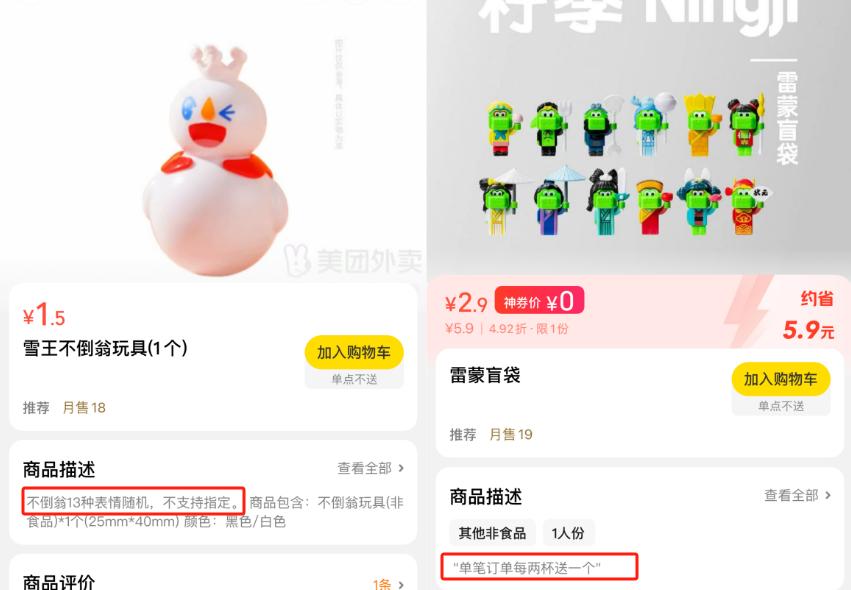
Core Insights - The new tea beverage industry is experiencing a shift towards the integration of blind box models, driven by brands like Mixue Ice City and their collaborations with popular IPs [1][3][22] - The industry has faced a decline, with approximately 40,000 tea beverage stores closing in the past year, indicating a phase of accelerated market consolidation [3][4] - The price war initiated by platforms like Alibaba and Meituan has intensified competition, leading to reduced brand loyalty and increased price sensitivity among consumers [4][5][19] Industry Trends - The blind box model is emerging as a new growth strategy for tea beverage brands, allowing them to engage with younger consumers and create unique marketing experiences [3][9][11] - Brands are transitioning from relying on external IP collaborations to developing their own IPs, enhancing their storytelling and emotional connection with consumers [7][17][22] - The success of blind boxes is evident in their ability to drive sales and customer engagement, with brands like Ningji reporting significant user growth during promotional events [9][13] Market Dynamics - The competitive landscape is shifting, with brands like Mixue Ice City maintaining high sales volumes through cost-effective pricing, while others like Nayuki are struggling with profitability due to their direct sales model [5][6] - The integration of blind boxes into the business model not only serves as a marketing tool but also represents a significant revenue stream for tea beverage brands [13][14] - The cultural narrative surrounding IPs is becoming increasingly important, as brands leverage their unique stories to differentiate themselves in a crowded market [17][20][22] Global Expansion - New tea beverage brands are exploring international markets, with a focus on building brand recognition and attracting local franchisees [20][21] - The cultural perception of Chinese tea beverages varies by region, presenting challenges for market entry, but successful IPs like Labubu provide inspiration for effective branding strategies [21][22] - The valuation of tea beverage brands is evolving, with a growing emphasis on the strength and potential of proprietary IPs as core assets rather than mere marketing tools [20][22]