即时零售

Search documents
美团通过收购获取关键即时零售基础设施
Jing Ji Guan Cha Wang· 2026-02-06 01:29
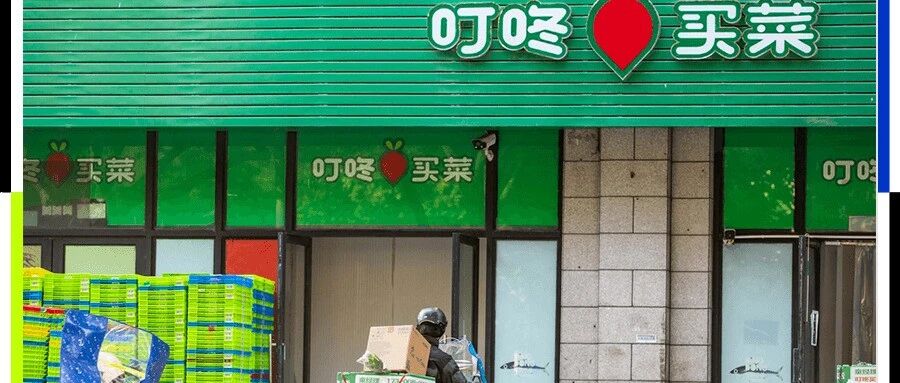
据经济观察报-经济观察网 此次收购使美团获得即时零售领域的关键基础设施,行业竞争维度将从流量 争夺转向实体网络与供应链的效率比拼。战略纵深方面,美团此次收购的战略目标是获取叮咚买菜在中 国大陆地区运营的实体网络。根据公告数据,截至2025年9月30日,叮咚买菜在全国运营超过1000个前 置仓,月度购买用户超过700万。这种高密度仓储网络构成了即时零售末端配送的基础设施。 ...


10亿美金背后,美团收购叮咚的新棋局
3 6 Ke· 2026-02-06 01:23
Core Viewpoint - The acquisition of Dingdong Maicai by Meituan marks a significant shift in the fresh e-commerce industry, transitioning from price competition to efficiency competition, indicating the industry's entry into a post-platform era [1][3][10]. Group 1: Acquisition Details - Meituan announced its intention to acquire all issued shares of Dingdong Maicai for $717 million, but the fair value of the equity in the transaction is approximately $1 billion, considering additional funds and cash obligations [1]. - Dingdong Maicai will become a wholly-owned subsidiary of Meituan, integrating into its financial statements [1]. Group 2: Industry Context - The fresh e-commerce sector in China has shifted from rapid expansion to a contraction phase, with companies like Meituan and Dingdong Maicai adapting to new market realities [4][10]. - Dingdong Maicai is the only front warehouse model company to achieve consecutive quarterly profitability during this adjustment period, with over 1,000 operational front warehouses by the end of 2025 [4][6]. Group 3: Strategic Implications - The acquisition is seen as a strategic move for Meituan to enhance its capabilities in product strength, operational efficiency, and supply chain integration, which are critical for competing in the instant retail sector [3][7]. - Dingdong Maicai's strong self-operated product system and efficient delivery network complement Meituan's existing logistics and operational framework, potentially improving overall efficiency [9][10]. Group 4: Future Outlook - The instant retail market is projected to grow significantly, with estimates suggesting a market size of 7.81 trillion yuan in 2024, increasing to over 10 trillion yuan by 2026 [10][11]. - The collaboration between Meituan and Dingdong Maicai is expected to accelerate the integration of "traffic + warehousing + supply chain + algorithms" into a unified platform, reshaping the competitive landscape [11][13].

美团收购叮咚买菜,即时零售进入巨头争战期
36氪· 2026-02-06 00:09
Core Viewpoint - Meituan has reached a final agreement to fully acquire Dingdong Maicai for approximately $717 million, marking a significant consolidation in the local lifestyle sector and signaling the end of the era where fresh e-commerce platforms relied on "burning money for scale" [5][6]. Group 1: Acquisition Details - The acquisition involves Dingdong Maicai's China business, with its overseas operations excluded from the deal, which will be completed before the transaction closes [5]. - Dingdong Maicai's market capitalization is currently $694 million [5]. - The acquisition is seen as a defensive move by Meituan to prevent Dingdong from being acquired by competitors, which could lead to price wars [6]. Group 2: Market Context and Competition - The competition in instant retail is intensifying, with major players like JD and Hema also accelerating their expansion efforts [6][7]. - JD's Seven Fresh has been rapidly increasing its presence, with over 800 ground promotion personnel and plans to expand into new cities [7]. - Hema is also restarting its front warehouse business, aiming to operate around 200 front warehouses by the end of 2025, focusing on major cities [7]. Group 3: Dingdong Maicai's Performance - Dingdong Maicai reported a GMV of 7.27 billion yuan and revenue of 6.66 billion yuan for Q3 2025, both setting historical records [8]. - The company has achieved profitability for twelve consecutive quarters under Non-GAAP standards and seven quarters under GAAP standards [8]. - The timing of the sale is strategic for Dingdong, as it seeks to capitalize on its value before significant industry changes occur [8]. Group 4: Future Prospects - Dingdong Maicai's founder is reportedly leading a "second startup" to develop B2B overseas business, indicating a shift in strategy [10]. - The competitive landscape is evolving towards a "1+N" strategy, where larger stores are complemented by multiple smaller front warehouses [12].
美团收购叮咚买菜;阿里巴巴大模型品牌统一为“千问”|未来商业早参
Mei Ri Jing Ji Xin Wen· 2026-02-05 22:36
Group 1 - Xiaohongshu has implemented a ban on certain "real-time fund valuation bloggers" in response to regulatory compliance requirements, reflecting a strengthened focus on investor protection by regulatory authorities [1] - The regulatory body has emphasized the need for fund sales institutions and third-party platforms to conduct self-inspections and remove misleading features such as "real-time fund valuation" and "real trading rankings" [1] Group 2 - Meituan announced the acquisition of Dingdong Maicai's China business for approximately $717 million, with the overseas business being excluded from the transaction [2] - Dingdong Maicai, founded in 2017, is a leading fresh food instant retail platform in China, achieving a record quarterly revenue of 6.66 billion yuan and a net profit of 80 million yuan in Q3 2025 [2] - This acquisition marks a significant event in the consolidation of the instant retail industry, indicating a new phase of competition and development driven by market dynamics [2] Group 3 - Alibaba has unified its AI model branding under "Qwen," which includes both foundational and specialized models, to eliminate confusion caused by multiple names [3] - This branding unification is part of Alibaba's strategic effort to enhance its AI commercialization and strengthen its competitive position in the increasingly crowded domestic AI market [3] - By consolidating its brand, Alibaba aims to better integrate internal resources and focus on the development and application of foundational and specialized models, thereby improving its competitiveness in both consumer and business markets [3]
美团收购叮咚买菜,总价近50亿元
Nan Fang Du Shi Bao· 2026-02-05 18:15
Core Viewpoint - Meituan announced the acquisition of Dingdong Maicai's China business for $717 million, valuing Dingdong at $1.006 billion, which will integrate its financial performance into Meituan's reports [1][3]. Group 1: Acquisition Details - The acquisition agreement includes the purchase of 100% equity of Dingdong Maicai's China operations, with the overseas business excluded from the deal [1]. - The transaction is expected to close within 12 months, or the agreement can be terminated [1]. - Dingdong Maicai will continue to operate under its current model during the transition period [1]. Group 2: Strategic Rationale - Meituan emphasizes the importance of grocery retail in its long-term development strategy, aiming to leverage Dingdong's supply chain capabilities and customer base [3]. - Dingdong operates over 1,000 front warehouses in China and has over 7 million monthly purchasing users, showcasing its strong market presence [3]. - The merger is expected to enhance both companies' strengths in product offerings, technology, and operations, improving consumer experience [3]. Group 3: Founder's Perspective - Dingdong's founder, Liang Changlin, expressed that the decision to merge with Meituan is a forward-looking choice, aiming for collaboration rather than competition [3][8]. - He highlighted Dingdong's strong supply chain capabilities, with over 85% of fresh products sourced directly, and significant growth in various product categories [7][14]. - Liang reassured employees that their jobs and the company's operational stability would remain intact post-acquisition [9][10]. Group 4: Market Context - The acquisition reduces competition in the instant retail market, as Dingdong's integration into Meituan may lead to its gradual marginalization [17]. - Dingdong's recent financial performance shows a slowdown in revenue growth, with Q3 2025 revenue at 6.662 billion yuan, a 1.90% year-over-year increase, and a net profit decline of 37.86% [16].

王兴为夏季决战,买了叮咚这把刀
虎嗅APP· 2026-02-05 14:27
Core Viewpoint - The article discusses the strategic acquisition of Dingdong Maicai by Meituan for $717 million, positioning it as a critical move in the upcoming competition between Meituan and Alibaba's Taobao Flash Sale in the summer of 2026 [5][6]. Group 1: Acquisition Strategy - Meituan's acquisition of Dingdong Maicai is aimed at enhancing its fresh food business, leveraging Dingdong's existing infrastructure and user base to strengthen its market position in East China [5][6]. - The acquisition is seen as a tactical response to the competitive landscape, where Meituan aims to counter Alibaba's multi-faceted attack strategy that includes both online and offline retail [6][8]. - Dingdong Maicai's established front warehouse network will provide Meituan with immediate logistical advantages, allowing for quicker market penetration compared to building from scratch [8][13]. Group 2: Competitive Landscape - The competition between Meituan and Taobao Flash Sale is intensifying, with order ratios reportedly nearing 1:1, indicating a fierce battle for market share in the food delivery and instant retail sectors [4][11]. - Meituan's core business segments, including home delivery and in-store services, are under pressure from competitors like Taobao Flash Sale and Douyin, necessitating a robust defense strategy [10][11]. - The upcoming summer season is anticipated to be a critical period for all players involved, with platforms preparing detailed operational plans to secure their market positions [12][13]. Group 3: Operational Challenges - Despite the strategic advantages gained from the acquisition, Meituan faces challenges in integrating Dingdong Maicai's operational model, which differs from its own [14]. - The essence of competition lies not only in subsidies but also in operational efficiency, which will be crucial for long-term success in the market [14].

美团拿下叮咚买菜
Hua Er Jie Jian Wen· 2026-02-05 11:38
春节临近,互联网江湖便传出一声惊雷。 2月5日,美团(3690.HK)发布公告,拟以7.17亿美元全资收购叮咚买菜。这不仅是2026年开年本地生 活领域最重磅的一笔交易,更意味着持续数年的"生鲜电商混战"和"前置仓之争",在这一刻按下了加速 键,甚至可以说,它是生鲜电商上半场最后的收官之战。 根据公告,本次交易完成后,叮咚将成为美团间接全资附属公司,其财务业绩将并入美团集团财务报 表。本次收购,可以看作是美团在即时零售战事中从"烧钱抢市场"迈向"生态整合"的关键一步。 对于本次收购,叮咚买菜内部也发布了全员信。叮咚买菜创始人兼CEO梁昌霖在信中坦言,消息可能让 员工感到"意外"和"不安",但他系统性地阐述了为什么选择美团。 梁昌霖表示:"双方合并之后,叮咚的三大核心竞争力:极致的商品力,超预期的服务力,和通过供应 链系统打造的极致效率,不会因为合并而消失,反而会在更大的平台上发挥更大的价值。" 为什么是叮咚? 在即时零售的竞争进入"拼刺刀"阶段后,竞争的焦点正从流量和补贴,转向对商户的赋能、商品供应链 的管理以及对整个零售生态的健康维护。此时收购叮咚,对美团而言是一次精准的"补强"。 生鲜品类是即时零售中高频 ...
叮咚买菜被美团收购, 即时零售进入巨头争战期
3 6 Ke· 2026-02-05 10:00
作者 | 任彩茹 李小霞 编辑 | 乔芊 36氪获悉,美团已就全资收购叮咚买菜达成最终协议。2月5日,美团于香港联交所发布公告,将以约 7.17亿美元的初始对价,完成对叮咚买菜中国业务100%股权的收购。公告显示,叮咚买菜海外业务不 在本次交易范围内,将在交割前完成剥离。交易过渡期内,叮咚买菜将按照交易前的模式继续经营。截 至发稿,叮咚买菜市值6.94亿美元。 交易落定后,这不仅是本年度本地生活领域最重磅的整合,更意味着生鲜电商以独立平台形式"烧钱换 规模"的时代告一段落。 叮咚买菜的被收购传闻已经有一段时间,此前市场多次流传京东集团有意收购,以强化其即时零售业务 的链路。彼时,市场分析认为,京东的仓配物流体系与叮咚买菜的前置仓网络结合,能在生鲜品类上形 成协同,也能配合七鲜前置仓的加速扩张。 "此前的确是京东在谈,美团没有参与,但后期美团突然参与进来。京东对叮咚表示,'美团是来搅局 的',老梁(叮咚买菜创始人梁昌霖)一开始也比较踟蹰美团的真实意图。"一位接近交易人士称。"美 团的出发点也有防御意味,假如叮咚被对手吃掉,价格战又在所难免。" 一位叮咚买菜的投资人表示,"它哪怕今天市值不高,但我依然对老梁(梁昌 ...
【展望二〇二六】满足人民群众消费新期待
Jing Ji Ri Bao· 2026-01-31 05:13
Core Viewpoint - The Chinese market is undergoing significant regulatory changes in 2026, impacting competition in the food delivery and retail sectors, with a shift from aggressive price wars to a focus on service quality and consumer trust [1][2][3]. Group 1: Regulatory Changes - The State Council's Anti-Monopoly Committee announced investigations into the food delivery platform market and the alleged monopolistic behavior of Ctrip, indicating increased regulatory scrutiny [1][2]. - The Ministry of Finance and the State Taxation Administration will eliminate VAT export rebates for solar products starting April 1, 2026, reflecting a broader regulatory tightening [1]. - The market supervision authority released a list of major cases related to "involution" competition, highlighting ongoing efforts to address unfair practices in various industries [1][2]. Group 2: Market Dynamics - The competitive landscape in the food delivery sector is shifting from a "burning money" model to a focus on optimizing user experience and sustainable business practices [2][3]. - Major platforms are transitioning from merely delivering food to providing a broader range of retail services, indicating a strategic pivot towards becoming comprehensive retail infrastructures [4][5]. - The competition is expected to evolve into a "full-scenario retail war," integrating offline experiences, supply chain efficiency, and product quality [4][5]. Group 3: Consumer Behavior - Consumers are increasingly rejecting "involution" products characterized by extreme price cuts, signaling a demand for better quality and service [6][7]. - The market is anticipated to segment into two layers: one focused on efficiency and cost-effectiveness, and another on emotional and personalized experiences [8][12]. - The rise of local and individual creators is fostering a diverse ecosystem, enhancing consumer engagement and satisfaction [12][14]. Group 4: Food Safety and Transparency - Regulatory efforts are shifting from reactive measures to proactive prevention in food safety, aiming for a comprehensive regulatory framework to ensure consumer trust [9][10]. - New standards and regulations are being developed for pre-packaged food, emphasizing transparency and accountability in the food supply chain [9][10]. - The implementation of traceability systems and enhanced monitoring is expected to improve food safety and consumer confidence [10][11].


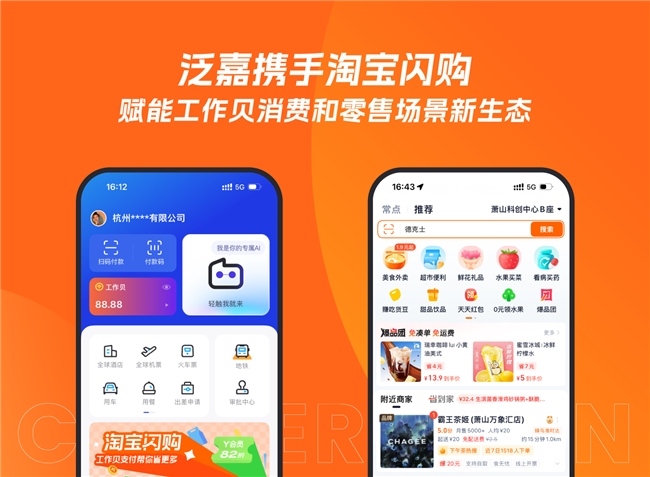
泛嘉与淘宝闪购强强合作,赋能工作贝消费和零售场景新生态
Zhong Jin Zai Xian· 2026-01-27 10:01
Core Insights - The collaboration between FanJia and Taobao Flash Purchase focuses on "ecological openness and win-win co-construction," aiming to align enterprise service ecology with instant retail capabilities [1][3] - This partnership enhances FanJia's "Work Pay" by adding quality instant consumption scenarios and provides exclusive benefits for both parties, optimizing service experience and expanding customer reach for Taobao Flash Purchase [1][3] Group 1: Company Overview - FanJia is recognized as a benchmark for enterprise digital services, with a mission of "enterprise growth and employee happiness," serving over 10,000 listed companies and large enterprises, including industry leaders like Bull, Joyoung, and Leap Motor [3] - Taobao Flash Purchase, as part of Alibaba's integrated resources, offers a rapid fulfillment service within 30 minutes, covering a wide range of products and supported by Alibaba's multi-channel traffic, creating an efficient consumption experience [3] Group 2: Collaboration Benefits - The partnership allows for a deep integration of both companies' core strengths, enabling mutual empowerment between FanJia's enterprise service ecosystem and Taobao Flash Purchase's instant retail capabilities [3][4] - Taobao Flash Purchase provides large exclusive red envelopes for FanJia platform users, while FanJia opens up exclusive member benefits, enhancing the value of membership and enriching instant consumption scenarios for employees [3][4] Group 3: Target Audience and Market Impact - The employee base of listed companies aggregated by FanJia represents a core customer group with high purchasing power, frequent demand, and quality expectations, aligning well with Taobao Flash Purchase's positioning [4] - The introduction of this customer group is expected to stabilize incremental orders for Taobao Flash Purchase and optimize user structure, creating a differentiated barrier in a competitive market [4] Group 4: Incentive Programs - To strengthen ecological synergy, FanJia plans to launch a special reward policy for orders placed on Taobao Flash Purchase using Work Pay, creating a positive cycle of "consumption rewards and further consumption" [4]