
智能汽车

Search documents
人民币大涨!南、北向资金共振,港股科技ETF天弘(159128)最新规模、份额创新高!恒生科技ETF天弘(520920)连续22日“吸金”近40亿元!
Sou Hu Cai Jing· 2025-12-01 02:22
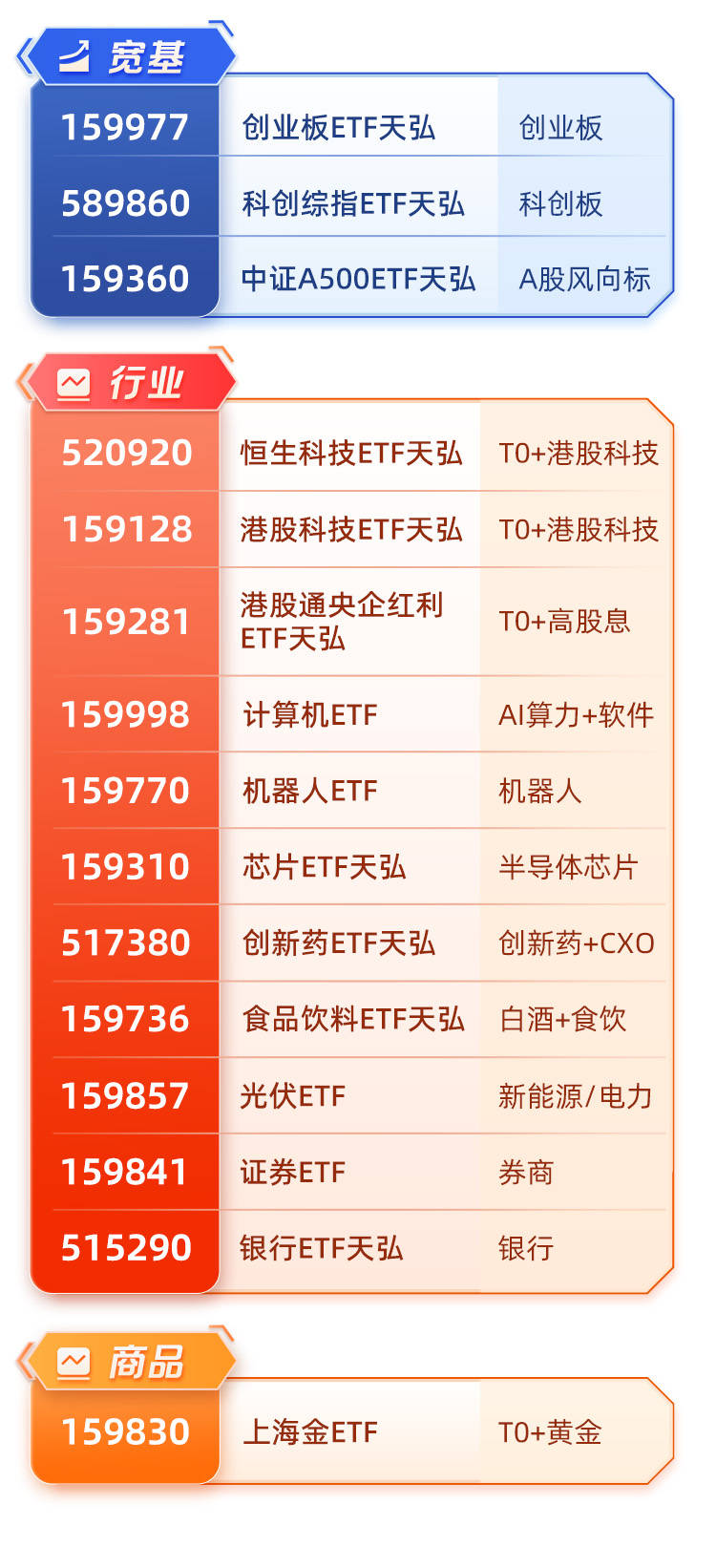
Core Insights - The Hong Kong Technology ETF Tianhong (159128) has seen significant trading activity, with a transaction volume of 8.5826 million yuan and a strong increase of 1.03% in the underlying index [1] - The fund has reached a new high in size at 883 million yuan and shares at 925 million, with a net inflow of 292 million yuan over the past 11 days [1] - The Hang Seng Technology ETF Tianhong (520920) also reported robust trading, with a transaction volume of 70.5431 million yuan and a 1.16% increase in its index [1] - This ETF has achieved a new size high of 7.531 billion yuan and shares at 8.619 billion, with a total net inflow of 3.996 billion yuan over the past 22 days [2] Product Highlights - The Hong Kong Technology ETF Tianhong (159128) tracks the National Index of Hong Kong Technology, focusing on 30 leading tech companies across high-growth sectors such as internet, electronics, communication, biotechnology, and smart vehicles, characterized by high R&D investment and revenue growth [3] - The Hang Seng Technology ETF Tianhong (520920) closely follows the Hang Seng Technology Index, targeting leading tech firms in Hong Kong and can invest in quality tech companies not included in the Hong Kong Stock Connect through the QDII mechanism [3] Market Events - The Chinese yuan has appreciated significantly, reaching a new high against the US dollar since October 2024, driven by domestic economic fundamentals, policy guidance, and improved external conditions [4] - Analysts suggest that the yuan's strength is beneficial for both Hong Kong and A-shares, enhancing foreign capital inflow and boosting market confidence [5] - The appreciation of the yuan is expected to positively impact core assets in technology, finance, and consumer sectors, attracting foreign investment [5]

武汉民营经济崛起,从政策土壤到市场蓝海的跃迁之路
3 6 Ke· 2025-12-01 02:06
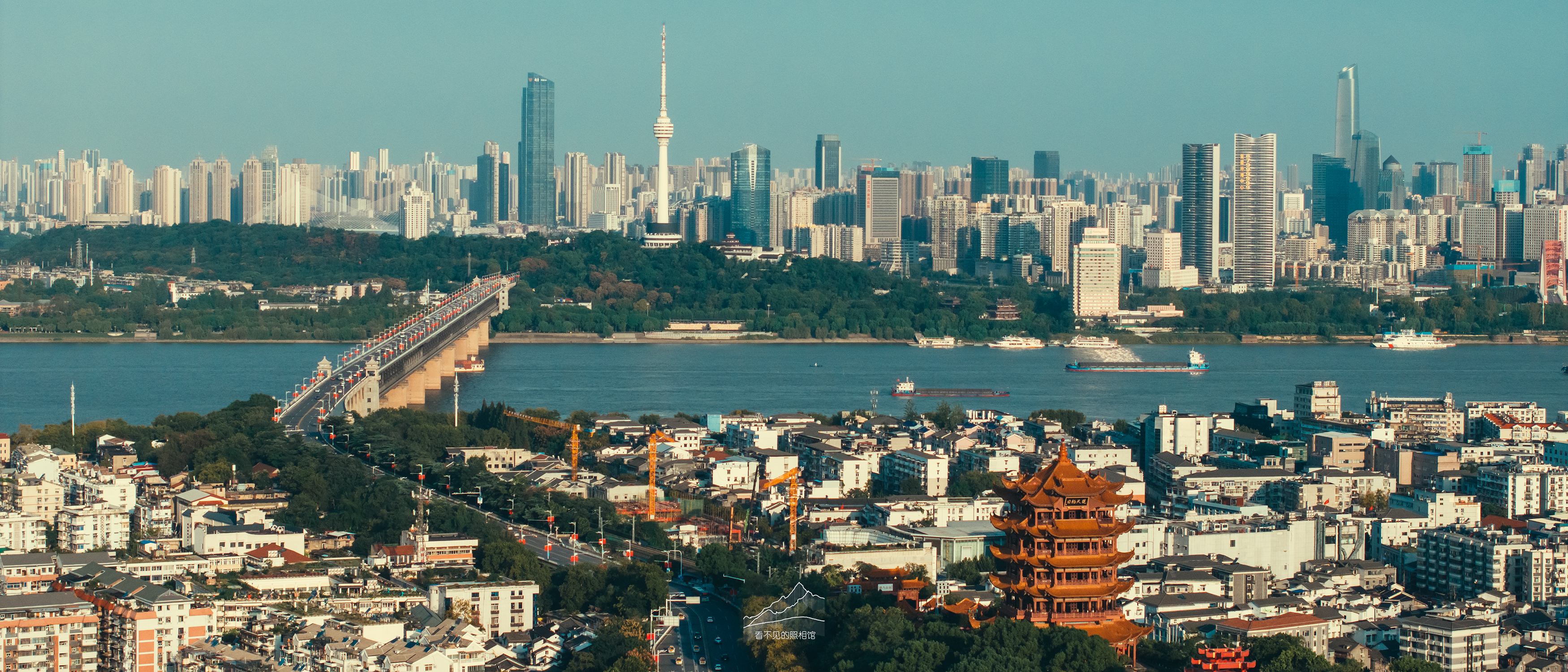
Core Insights - The central theme emphasizes the strong support from the national level for private enterprises, reinforcing the idea that they are considered "one of their own" by the government [1] - The transformation of macro-level confidence into visible urban vitality in Wuhan is highlighted, showcasing various events and initiatives that reflect economic activity and innovation [1][2] - The significant growth of private enterprises in Wuhan, with over 115 million private companies contributing to the city's economic landscape, is underscored [2] Economic Performance - Wuhan's GDP reached 15,537.82 billion yuan in the first three quarters of 2025, marking a 5.6% year-on-year increase [2] - The private economy's added value surpassed 1 trillion yuan in 2024, indicating a historic milestone [2] - In 2025, Wuhan saw the establishment of 182,000 new private enterprises, the highest growth rate among sub-provincial cities in China [2] Structural Changes - The data reflects not just economic recovery but also a profound structural transformation within Wuhan's economy [2] - Emerging industries such as industrial robots and optoelectronic information experienced growth rates exceeding 70% [2] Government Initiatives - The Wuhan government is shifting from a traditional management role to a more efficient service-oriented approach, facilitating business operations [5][6] - Reforms such as "certificate separation" and "one-stop service" have streamlined processes for business registration, significantly reducing time and costs [6] Business Environment - The establishment of fair rules and trust is crucial for a healthy business environment, with initiatives like "double random, one public" regulation minimizing human intervention [7] - The government adopts a flexible enforcement philosophy, encouraging innovation and allowing for trial and error in business operations [7] Private Sector Growth - By mid-2025, the total number of private enterprises in Wuhan exceeded 1.15 million, making it the fifth sub-provincial city in China to surpass one million [8] - A diverse ecosystem of private enterprises is emerging, ranging from traditional giants to innovative "hidden champions" and "unicorns" [8][9][10] Globalization of Enterprises - Wuhan's private enterprises are evolving from merely exporting products to integrating technology, models, and supply chains on a global scale [11] - Companies like Jianyi Technology and Jiachen Electronics are successfully entering international markets with innovative products and collaborative research [11][12] Urban and Enterprise Synergy - The relationship between the city and enterprises is characterized by mutual growth, with private enterprises contributing significantly to local tax revenue and employment [13][14] - The supportive environment provided by the city fosters innovation and risk-taking among businesses, leading to a vibrant economic landscape [14]


智行亦庄·视听前沿:探秘之旅解锁科技文化新体验
Sou Hu Wang· 2025-12-01 01:51
Group 1 - The event "Intelligent Journey in Yizhuang" showcased the integration of high-tech audiovisual, information technology innovation, and smart automotive advancements in Beijing Yizhuang [1] - Participants experienced cutting-edge technologies such as 8K filming and real-time editing, emphasizing user experience in the audiovisual sector [1] - The event highlighted the latest achievements in information technology applications and cultural integration, enhancing understanding of the "integration of technology and culture" [1] Group 2 - The Xiaomi automobile factory tour featured automated driving buses and showcased core technologies in battery management, autonomous driving algorithms, and industrial internet platforms [2] - The factory's smart manufacturing process demonstrated a fully automated production line, reflecting the rapid modernization of Chinese automotive companies [2] - The event served as a platform for international guests to experience Chinese technological innovation and foster global cooperation in the audiovisual industry [2]
卓创资讯、车联天下、龙丰集团递表港交所;轻松健康通过港交所聆讯丨港交所早参
Mei Ri Jing Ji Xin Wen· 2025-11-30 18:01
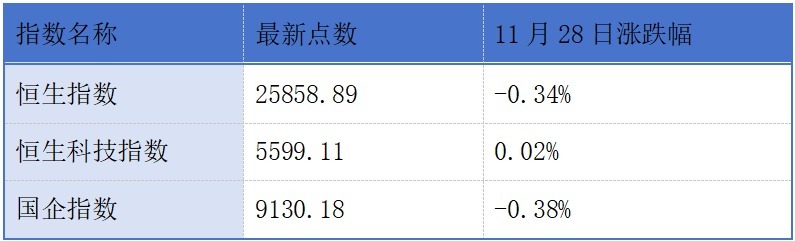
Group 1: Company Listings - Zhuochuang Information has submitted a listing application to the Hong Kong Stock Exchange, aiming to enhance its global strategy and international influence as a leading provider of commodity information services in China, holding a market share of 10.6% in the industry [1] - Cheliantianxia has also filed for a listing on the Hong Kong Stock Exchange, positioning itself as a leader in automotive E/E architecture with a second-place ranking in the smart cockpit domain in China, which will support its technology iteration and customer expansion [2] - Longfeng Group has submitted its application to the Hong Kong Stock Exchange, recognized as the largest pharmaceutical retailer in Hong Kong with a market share of 5.2%, aiming to capitalize on the recovery of tourism retail in the region [3] - Qingsong Health has passed the listing hearing on the Hong Kong Stock Exchange and is preparing for its IPO, focusing on AI-driven health management tools, which aligns with the digital health trend [4] Group 2: Market Performance - The Hang Seng Index closed at 25,858.89, down by 0.34% on November 28 [5] - The Hang Seng Tech Index saw a slight increase of 0.02%, closing at 5,599.11 [5] - The National Enterprises Index decreased by 0.38%, ending at 9,130.18 [5]

蔚来前智驾负责人:发布会写大大的“L3”再用小字标注的行为 是禽兽啊
Xin Lang Cai Jing· 2025-11-30 01:23
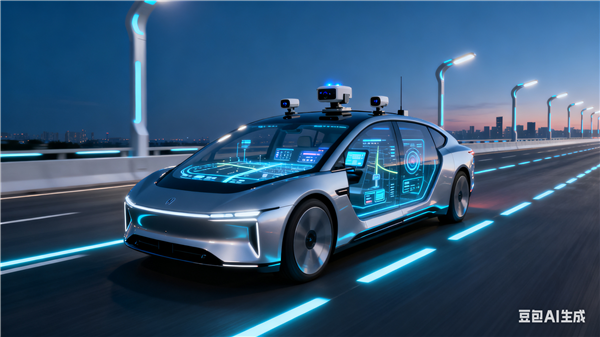
Core Viewpoint - Huang Xin, former head of intelligent driving products and experience at NIO, expressed strong dissatisfaction with the concept of L3 autonomous driving, questioning the accountability and responsibility associated with it [3][4]. Group 1: Critique of L3 Autonomous Driving - Huang Xin does not agree with the concept of L3 autonomous driving, raising concerns about who is responsible for accidents that occur during its operation [3]. - He questioned whether the responsibility for accidents includes both civil and criminal liability, emphasizing the need for clarity in these matters [3]. - Huang criticized the marketing tactics that promote L3 without addressing the legal implications, describing such behavior as morally reprehensible [4]. Group 2: Background on Huang Xin - Huang Xin is a seasoned expert in China's intelligent driving sector, having held significant positions at both XPeng and NIO [6]. - He joined XPeng in 2018 as the director of autonomous driving products, overseeing key projects like navigation-assisted driving and memory parking [6]. - In March 2022, he became the head of intelligent driving products and experience at NIO, reporting directly to CEO Li Bin and leading the strategic development of NIO's intelligent driving features [6]. - Huang Xin has been reported to have left NIO since October [6].


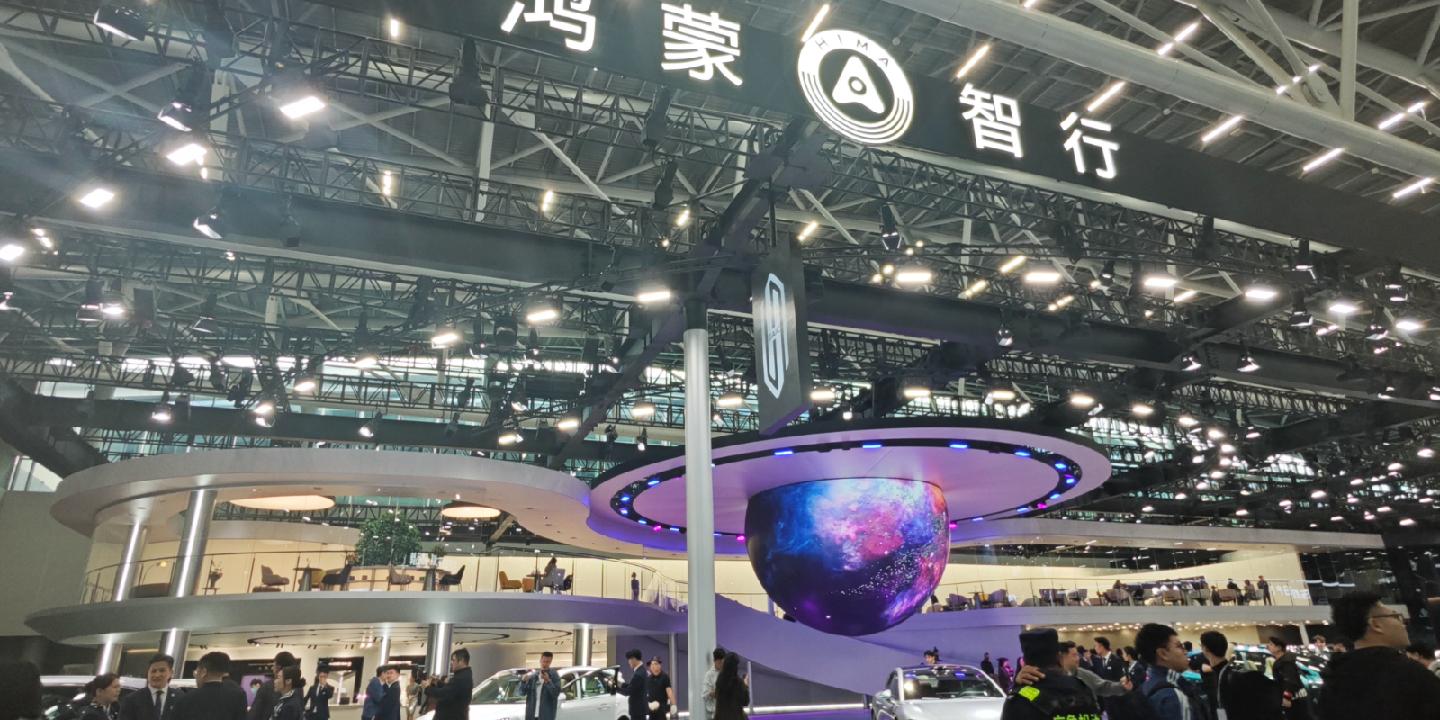
华为“占领”广州车展
Jing Ji Guan Cha Wang· 2025-11-29 09:24
Core Insights - The 2025 Guangzhou Auto Show is highlighted as the most significant event in terms of technological integration, particularly with Huawei's extensive presence and partnerships in the automotive sector [2][5][9]. Huawei's Dominance in the Automotive Sector - Huawei has established itself as an indispensable player in the Chinese smart automotive industry, with numerous car manufacturers leveraging its technology to enhance their products [2][9]. - The launch of Huawei's new "Jing" series brands, including "Qijing" and "Yijing," marks a significant expansion of its automotive offerings, with plans for multiple new models to be introduced in the coming years [3][4]. Collaborations and Partnerships - Huawei has formed partnerships with various automakers, including Dongfeng and GAC, to develop new vehicle brands and models, showcasing a collaborative approach to innovation in the automotive space [3][4][6]. - The introduction of the A5L Qiankun Intelligent Driving Version by FAW Audi, which is the first fuel vehicle to feature Huawei's Qiankun technology, exemplifies the growing trend of luxury brands adopting Huawei's solutions [6][7]. Market Performance and Sales - In October 2023, vehicles equipped with Huawei's Qiankun driving system achieved sales exceeding 100,000 units in a single month, indicating strong market acceptance [9]. - As of September 2023, new cars in China featuring urban navigation assistance reached 1.628 million units, with those using Huawei's technology accounting for approximately 27.8% of the market share [9]. Industry Trends and Consumer Perception - The increasing adoption of Huawei technology among various car manufacturers reflects a shift towards smart and connected vehicles, aligning with consumer demands for enhanced safety and connectivity [8][10]. - Despite the proliferation of "Jing" and "Jie" brands, concerns about differentiation among vehicles using Huawei technology have emerged, suggesting that manufacturers must focus on unique branding and product features to stand out in a competitive market [10][11].


华为技术帮汽车圈“点石成金”?
经济观察报· 2025-11-29 07:30
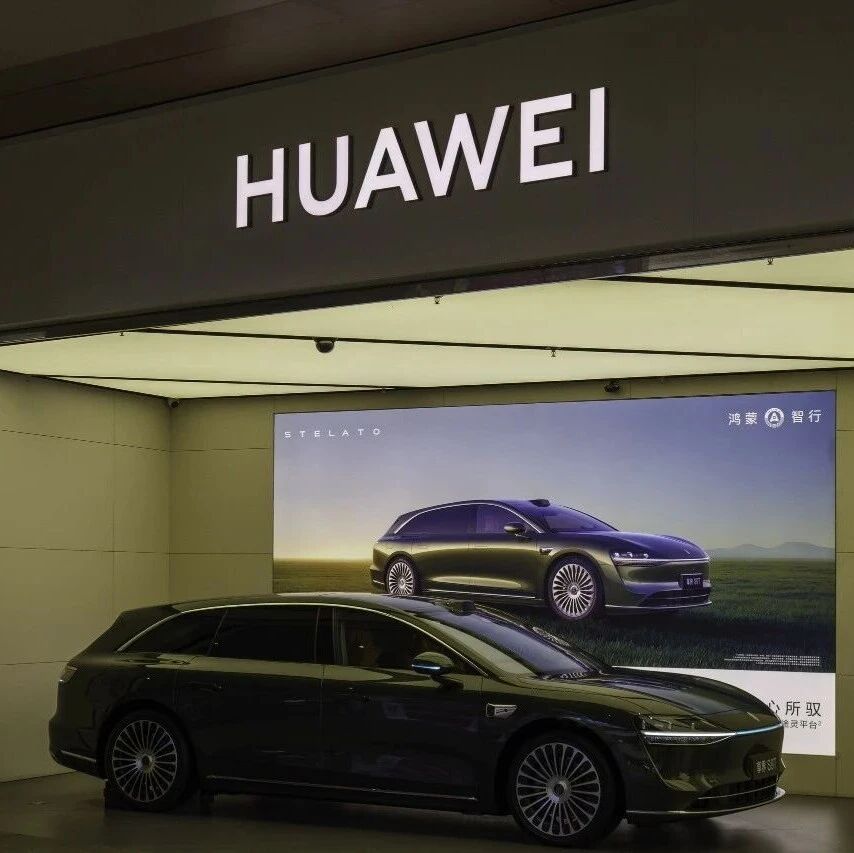
Core Viewpoint - Huawei has become an indispensable presence in China's smart automotive industry, with its technology significantly enhancing the products of various car manufacturers, leading to a perception that without Huawei, success is unattainable [1][3]. Group 1: Huawei's Influence at the Auto Show - The 2025 Guangzhou Auto Show showcased Huawei's extensive presence, with multiple brands featuring Huawei's technology prominently, including independent booths for brands like Aito and Avita [2][3]. - Huawei launched its new "Jing" series brands, including "Qijing" and "Yijing," in collaboration with Dongfeng and GAC, marking a significant expansion of its automotive ecosystem [5][6]. Group 2: Market Performance and Brand Strategy - As of October 2023, Huawei's "Jing" series brands are set to release new models, with Yijing's first vehicle expected to debut at the Beijing Auto Show in April 2026, and Qijing planning to launch two new cars in 2026 [6][10]. - In October 2023, Huawei's vehicles equipped with the "Kirin" driving system achieved sales of over 100,000 units in a single month, indicating strong market acceptance [13]. Group 3: Partnerships with Luxury and Joint Venture Brands - Audi's A5L Kirin Intelligent Driving Edition became the first fuel vehicle globally to feature Huawei's Kirin technology, highlighting the growing trend of luxury brands adopting Huawei's solutions [8][9]. - Japanese joint venture brands like Dongfeng Nissan and GAC Toyota are also integrating Huawei's technology, with Nissan's "Tianlai Hongmeng Cabin" being promoted as the world's first fuel vehicle with the Hongmeng cabin system [9]. Group 4: Competitive Landscape and Differentiation - The proliferation of "Jing" and "Jie" brands raises concerns about differentiation among car manufacturers using Huawei's technology, as many brands may start to appear similar [14][15]. - Industry experts suggest that while Huawei's technology provides a competitive edge, the true differentiation will depend on how car manufacturers address consumer pain points and enhance their overall product offerings beyond just technology [14][15].
李想认错!承认走错方向。理想放弃“华为化”,回归创业模式
程序员的那些事· 2025-11-29 01:08
Core Insights - The article discusses the significant changes at Li Auto following its Q3 financial report, highlighting CEO Li Xiang's admission of mistakes in the company's management approach and the decision to revert to a startup model from a professional manager system [3][4]. Group 1: Management Changes - CEO Li Xiang publicly acknowledged the failure of the professional manager system implemented over the past three years and announced a return to a startup model starting Q4 [3]. - The shift aims to eliminate redundant processes, shorten decision-making chains, and focus on user value rather than merely meeting mechanical targets [3][8]. - Li Auto has integrated its previously separate "Organization Department" and "Human Resources Department" into a unified HR department, signaling a return of core personnel authority to the founder [4]. Group 2: Departure of Huawei Executives - The departure of key executives from Huawei, including Li Wen Zhi and Yuan Chun Feng, marks the end of the management team that was brought in to implement the "learn from Huawei" strategy [5]. - This exodus reflects the broader organizational adjustments as Li Auto moves away from the Huawei-inspired management structure [5]. Group 3: Issues with Huawei's Management Model - The PBC (Performance-Based Compensation) model adopted from Huawei has been criticized for creating a toxic competitive environment, leading to issues such as cross-region order stealing and violations of commission rules [6]. - The overemphasis on sales metrics resulted in strategic misjudgments in the electric vehicle sector, prompting Li Auto to abandon the PBC model in favor of the previously used OKR (Objectives and Key Results) system [6]. Group 4: Historical Context - Li Auto's attempt to emulate Huawei began in late 2022 during a period of rapid expansion, driven by the need to address management deficiencies [8]. - The return to a startup management style is seen as a necessary adjustment, with Li Xiang citing that even leading companies like Nvidia and Tesla operate under similar models [8].

车圈“争抢”华为现象值得研究
Jing Ji Ri Bao· 2025-11-28 21:48
Core Insights - The 23rd Guangzhou Auto Show highlights the increasing collaboration between Huawei and various automotive companies, showcasing Huawei's influence in the automotive industry as it focuses on providing technology rather than manufacturing vehicles itself [1][2][3] Group 1: Huawei's Role in the Automotive Industry - Huawei has established partnerships with over 10 automotive companies, resulting in more than 30 mass-produced models that cover price ranges from 150,000 to 1 million yuan [2] - The company aims to have over 80 models collaborating with Huawei's technology by 2026, positioning itself as a key player in the smart automotive sector [2] - Huawei's approach involves three main collaboration models: component supplier, HI (Huawei Inside) model, and the Smart Selection Car model, allowing deep involvement in product definition and marketing [1] Group 2: Industry Transformation and Challenges - The automotive industry is undergoing a significant transformation towards smart technology, necessitating a shift from traditional mechanical integration to a more interconnected, intelligent system [2] - The complexity of smart technology surpasses that of electric vehicle technology, requiring collaboration with consumer electronics and telecommunications sectors to accelerate development [2][4] - Concerns exist regarding potential product homogenization if all vehicles adopt Huawei's technology, but differentiation is expected to emerge through competition among automotive companies within Huawei's ecosystem [4] Group 3: Huawei's Technological Advancements - Huawei has developed comprehensive solutions that encompass cloud, network, and end-device technologies, including electric drive systems and intelligent cockpit solutions [3] - The company has achieved a record of delivering over 1 million units of its HarmonyOS products in just 43 months, demonstrating its rapid growth and market acceptance [3] - Partnerships with brands like Lantu and Changan have strengthened their market positions, with Changan investing 11.5 billion yuan to become a major stakeholder in the Avita brand [3]
理想汽车三季度由盈转亏 李想:坚定回归创业公司的管理模式
Xin Lang Cai Jing· 2025-11-28 08:21
Core Insights - Li Auto reported its first quarterly loss in nearly three years for Q3 2025, with total revenue of 27.4 billion yuan, a year-on-year decline of 36.2% [1] - Vehicle sales revenue was 25.9 billion yuan, down 37.4% year-on-year, and the company recorded a net loss of 624.4 million yuan compared to a profit of 2.8 billion yuan in the same period last year, ending a streak of 11 consecutive profitable quarters [1] - The gross margin for Q3 was 16.3%, a decrease of 5.2 percentage points year-on-year, but excluding the estimated costs related to the recall of the Li Auto MEGA model, the vehicle gross margin would have been 20.4% [1] Strategic Adjustments - The company plans to revert to a startup management model, as CEO Li Xiang expressed that the shift to a professional management system had not yielded positive results [2] - Li Auto aims to focus on embodied intelligence, which is seen as a core form of robotics and a valuable product for the next decade, requiring advanced sensory and computational capabilities [2] - The company intends to develop an AI system distinct from language intelligence, emphasizing the need for rapid and precise integration of hardware and software to enhance physical world perception [2] Future Outlook - Despite current performance pressures, Li Xiang remains optimistic about the future, emphasizing that competition will hinge on long-term direction and sustained investment [2] - The company has set a clear goal to become a leading player in the embodied intelligence sector within the next 3 to 5 years, aiming to deliver the highest user value [2]