生物制造

Search documents
生物制造“本领”高
Huan Qiu Wang Zi Xun· 2025-10-30 02:25
Core Insights - The article emphasizes the transformative potential of biotechnology in manufacturing, particularly through biomanufacturing techniques that utilize biological materials for efficient production [1][2][3] - China is positioned as a leader in the biomanufacturing sector, with a total industry scale nearing one trillion yuan and a fermentation capacity accounting for over 70% of the global market [2] Group 1: Biomanufacturing Overview - Biomanufacturing leverages industrial biotechnology to produce a variety of products, including fuels, materials, food, and feed, with advantages such as high efficiency and renewable raw materials [1] - The process operates under mild conditions, enhancing safety and environmental sustainability compared to traditional manufacturing methods [1] Group 2: Industry Growth and Development - The biomanufacturing industry in China is experiencing rapid growth, with significant contributions from regions like Changde, which reported a production value of 12.5 billion yuan from 35 synthetic biomanufacturing enterprises in 2024, reflecting a year-on-year growth of 24.01% [2] - The sector is seen as a crucial driver for economic development and innovation, with the potential to reshape manufacturing and agricultural practices [2][3] Group 3: Challenges and Future Directions - Despite its growth, the biomanufacturing sector faces challenges such as weak original innovation capabilities and insufficient accumulation of foundational life sciences and key technologies [2] - The Chinese government is committed to enhancing policy support and fostering an innovative ecosystem to accelerate the development of the biomanufacturing industry [3]
“十五五”投资:“投资于人”成为主线,“投资于物”布局未来
2 1 Shi Ji Jing Ji Bao Dao· 2025-10-30 00:12
Group 1 - The core idea of the article emphasizes the importance of "investing in people" as a key focus in China's 14th Five-Year Plan, highlighting the need to combine investments in material and human capital to enhance people's livelihoods and promote consumption [1][3][4] - Fixed asset investment in China has reached 50 trillion yuan, with a shift from physical capital to human capital investment being deemed necessary due to declining returns on traditional investments [3][4] - The article outlines specific measures to enhance human capital, including improving population quality through education and healthcare investments, and implementing supportive policies for population growth [3][4][6] Group 2 - The article discusses the strategic emphasis on "investing in material" to layout future industries, with a focus on emerging sectors such as new energy, aerospace, and advanced manufacturing, which are expected to create trillion-yuan markets [5][6] - It highlights the role of technological innovation in driving new industries and enhancing productivity, with a call for deeper integration of technology and industry to support high-quality development [6][7] - The article notes that while fixed asset investment growth has slowed, there is a trend towards optimizing the industrial structure, with significant growth in high-tech sectors [7][8] Group 3 - Effective investment is defined as directing funds towards areas with positive returns and consumer willingness, with a focus on enhancing living standards and fostering new industries [8] - The relationship between central and local government investments is discussed, emphasizing the need for government investments to create a conducive environment for private sector participation and enhance overall investment effectiveness [8]

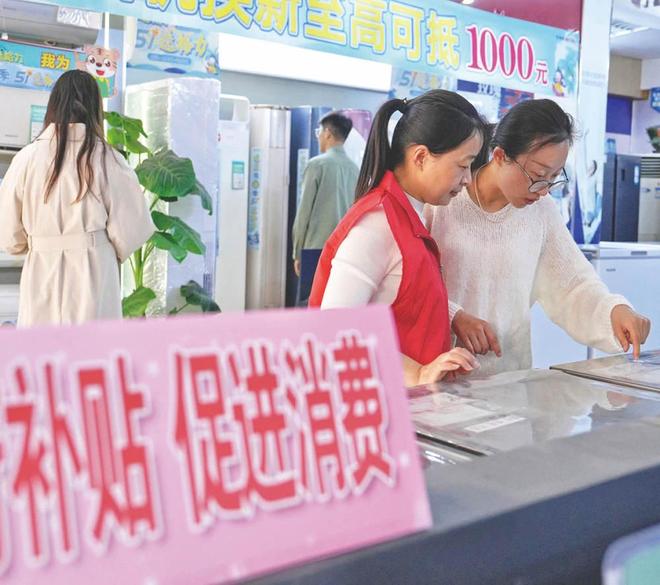
“十五五”产业趋势三大关键定调:巩固传统优势 决胜新兴未来
2 1 Shi Ji Jing Ji Bao Dao· 2025-10-29 14:51
Core Viewpoint - The article emphasizes the importance of building a modern industrial system and strengthening the foundation of the real economy as a strategic task in China's 15th Five-Year Plan, highlighting four key tasks: optimizing traditional industries, nurturing emerging and future industries, promoting high-quality development of the service sector, and constructing a modern infrastructure system [1][2]. Group 1: Traditional Industries - The first key task is to optimize and enhance traditional industries, including mining, metallurgy, chemicals, light industry, textiles, machinery, shipbuilding, and construction, to strengthen their global competitiveness and position in the international division of labor [1][2][3]. - Traditional industries account for about 80% of the added value in China's manufacturing sector, serving as a fundamental support for the modern industrial system and contributing to stable growth, employment, and income [2][3]. - The focus is on upgrading traditional industries through technological transformation, green transition, and brand internationalization, shifting from a "cost advantage" to a "system advantage" in the global division of labor [3][4]. Group 2: Emerging and Future Industries - The plan aims to cultivate and expand emerging industries, with a focus on creating new pillar industries, particularly in areas such as new energy, new materials, aerospace, and the newly added low-altitude economy [5][6]. - The low-altitude economy is highlighted for its potential to activate a trillion-level market space, driven by advancements in technology and broad application scenarios [6][7]. - Future industries will include quantum technology, biomanufacturing, hydrogen and nuclear fusion energy, brain-computer interfaces, embodied intelligence, and sixth-generation mobile communications, which are expected to become new economic growth points [7][8]. Group 3: Service Sector Development - The article discusses the need to promote high-quality development in the service sector, emphasizing the expansion and enhancement of service capabilities, particularly in productive services [9][10]. - The productive service sector currently accounts for about 30% of China's GDP, indicating significant room for growth compared to developed economies [10]. - The plan includes constructing a modern infrastructure system, focusing on the development of new-type infrastructure and enhancing connectivity across regions to support economic growth [11][12].
中共中央关于制定国民经济和社会发展第十五个五年规划的建议(摘录冶金、材料部分)
Xin Hua She· 2025-10-29 08:53
Group 1 - The core viewpoint emphasizes the need to optimize and upgrade traditional industries, enhancing their global competitiveness and positioning in the industrial division of labor [1] - The focus is on promoting quality improvement and technological upgrades in key industries such as mining, metallurgy, chemicals, light industry, textiles, machinery, shipbuilding, and construction [1] - There is a call to strengthen the self-controllability of industrial chains and to implement high-quality development actions for key manufacturing industries [1] Group 2 - The strategy includes fostering emerging and future industries, particularly in sectors like new energy, new materials, aerospace, and low-altitude economy [1] - The initiative aims to accelerate the development of strategic emerging industry clusters through innovation and large-scale application of new technologies and products [1] - The emphasis is on enhancing the industrial ecosystem and promoting the scale development of emerging industries [1] Group 3 - There is a strong focus on original innovation and tackling key core technologies, particularly in fields such as integrated circuits, industrial mother machines, high-end instruments, basic software, advanced materials, and biomanufacturing [2] - The plan includes implementing major national scientific tasks to address strategic national needs and achieve decisive breakthroughs in key technology areas [2] - The strategy aims to increase the proportion of basic research investment and provide long-term stable support for foundational research [2]
未来10年再造一个中国高技术产业,生物制造重磅入选“十五五规划”未来产业【附合成生物学行业市场分析】
Qian Zhan Wang· 2025-10-29 07:47
Core Insights - The Chinese government has officially recognized biomanufacturing as one of the seven key future industries, alongside quantum technology and hydrogen energy, aiming to establish a high-tech industrial framework [2] - Biomanufacturing is positioned as a critical driver for industrial upgrading and high-quality economic development in China, comparable in importance to semiconductor manufacturing [2] Biomanufacturing Overview - Biomanufacturing utilizes industrial biotechnology to transform living cells into production facilities, converting renewable raw materials into high-value products such as pharmaceuticals, vaccines, biodegradable plastics, and synthetic fuels [2] Gene Editing Industry Analysis - Gene editing is a core technology supporting biomanufacturing, with applications in agriculture and disease treatment [3][4] - In agriculture, gene editing has been successfully applied to develop high-yield, disease-resistant crop varieties and improve livestock breeds [4] - In the medical field, gene editing shows potential in treating genetic diseases and cancers, providing new therapeutic options [4] Synthetic Biology Industry Analysis - Synthetic biology acts as an accelerator for biomanufacturing, impacting various sectors including energy, materials, and pharmaceuticals [8] - It is projected that 35% of petrochemical and coal chemical products could be replaced by biomanufactured products in the next decade, leading to significant economic implications [8] - The global market for synthetic biology in China was approximately $937 million in 2022, with expectations for rapid growth [11] Future Impact and Market Potential - Biomanufacturing is expected to revolutionize manufacturing processes, agricultural practices, and natural product sourcing [13] - By the end of the century, biomanufacturing could account for one-third of global manufacturing output, creating a market valued at $30 trillion [14]

聚焦“十五五”规划建议丨下好产业布局“先手棋” 打造经济新增长点
Yang Shi Wang· 2025-10-29 07:34
Group 1 - The core viewpoint emphasizes the acceleration of energy transition in China, with a focus on building a new energy system and promoting emerging technologies as new economic growth points [1][3][10] - In the electricity consumption of the whole society, one-third is green electricity, and the proportion of non-fossil energy in national energy consumption increases by 1 percentage point annually, while coal's share decreases by 1 percentage point each year [3] - China is leading the world in renewable energy and new energy vehicles, enhancing the "green content" of industries while balancing economic growth and environmental protection [3][12] Group 2 - The rapid development of the digital economy in China is highlighted, with new e-commerce becoming a vibrant component, and over half of live-streaming e-commerce actively using generative AI to optimize operations [7][8] - Emerging industries such as quantum technology, biomanufacturing, hydrogen energy, and brain-machine interfaces are being prioritized in China's strategic layout to seize global technological competition [10][12] - The "14th Five-Year Plan" targets future industries that represent revolutionary technological breakthroughs, indicating a significant potential for productivity leaps and industrial empowerment [12]

上海首支生物制造基金落地,道彤投资携奥浦迈“C+VC生态”重构产业格局
投中网· 2025-10-29 06:30
Core Viewpoint - The next decade is expected to be a pivotal period for China's biomanufacturing industry, following a decade of innovation in pharmaceuticals [2][10]. Investment Strategy - Dao Tong Investment has launched Shanghai's first biomanufacturing industry fund, totaling 1 billion yuan, in collaboration with Aopumai, utilizing a "C+VC" model to drive industry growth [4][10]. - The fund aims to address the high technical barriers and long conversion cycles inherent in the biomanufacturing sector, leveraging Shanghai's unique ecosystem [4][5]. Industry Collaboration - The establishment of the "Biomanufacturing Industry Value Partners" consortium aims to integrate resources across enterprises, research institutions, and capital to accelerate industrialization [8][9]. - The consortium will focus on four key areas: resource sharing, technology transfer, application and capital collaboration, and talent development [9][10]. Market Potential - Biomanufacturing has been identified as a key future industry in China's 2025 government work report, indicating significant market opportunities [2][10]. - Dao Tong's investment strategy emphasizes the importance of transforming scientific research into large-scale industrial production, highlighting the synergy between synthetic biology and biomanufacturing [3][10]. Recent Investments - Dao Tong has made several strategic investments in biomanufacturing projects, including Yuan Tian Biotechnology and Wei Yuan Biotechnology, focusing on technology conversion efficiency and sustainable practices [13][15]. - Yuan Tian's innovative PET recycling technology and Wei Yuan's industrial enzyme platform exemplify the potential for cost-effective and environmentally friendly solutions in the industry [14][15]. Future Outlook - The biomanufacturing sector is poised for a "golden era" in the next decade, driven by lower costs, faster production efficiencies, and greener methods to address energy and climate challenges [17][18]. - Dao Tong aims to be a key player in this transformation, fostering a sustainable innovation ecosystem through capital, partnerships, and targeted investments [17][18].

“十五五”规划建议稿解读:乘势而上,因势利导
Yin He Zheng Quan· 2025-10-29 05:44
Group 1: Economic Development - The "15th Five-Year Plan" is a critical period for achieving socialist modernization by 2035, with a target GDP growth rate of around 5% during this period[2] - The plan emphasizes high-quality development as the primary task, aiming for significant achievements in this area[2] - By 2035, the goal is to reach a per capita GDP level comparable to that of moderately developed countries, which is projected to be approximately 21,000 USD[25] Group 2: Industrial and Technological Advancement - The plan focuses on building a modern industrial system, highlighting advanced manufacturing as a leading sector[3] - Key areas for technological self-reliance include new energy, quantum technology, and artificial intelligence, aiming for international leadership in these fields[3] - Strengthening the integration of technological innovation with industrial innovation is a priority[3] Group 3: Domestic Market and Consumption - Enhancing domestic demand is crucial, with a strong emphasis on boosting consumer spending as a top priority[3] - The plan outlines strategies for effective investment expansion to stimulate economic growth[3] Group 4: Financial and Open Economy - The "15th Five-Year Plan" aims to accelerate the construction of a financial powerhouse and promote the internationalization of the Renminbi[3] - It emphasizes a cooperative and win-win approach to expand autonomous openness in the economy[3] Group 5: Agricultural and Cultural Development - Accelerating agricultural modernization and leveraging regional strategic advantages are key components of the plan[3] - The plan also stresses the importance of cultural confidence and the value of the cultural industry, aiming to stimulate cultural innovation and creativity[3]
秸秆变“宝藏”:合成生物技术破解农业废弃物千亿产值密码
Zhong Jin Zai Xian· 2025-10-29 04:12
Core Viewpoint - The innovative enzyme-based technology developed by Zhongnong Qimei is transforming agricultural waste, specifically straw, into high-value products, addressing environmental concerns and economic inefficiencies associated with traditional straw disposal methods [1][3][4]. Technology and Innovation - Zhongnong Qimei's "three-component separation" technology effectively decomposes straw from nine major crops, achieving 100% conversion into high-value industrial products such as pulp fibers and soluble humic acid, thus realizing zero waste and low energy consumption [4][11]. - The company has established a robust patent protection network covering enzyme modification, production processes, and equipment, solidifying its competitive edge in the market [6]. Industrialization and Market Potential - A 20,000-ton raw material industrial demonstration line in Suzhou, Anhui, has been successfully operational, validating the technology's market and economic viability [3][7]. - The company plans to build a modular factory capable of processing 120,000 tons of straw, with an expected annual output of 72,000 tons of bio-based fiber products and 48,000 tons of soluble humic acid [7][10]. Environmental Benefits - The enzyme-based method eliminates the production of harmful black liquor associated with traditional chemical pulping, achieving nearly 100% straw utilization [11][13]. - This technology not only addresses domestic pulp shortages but also reduces reliance on imported wood pulp, which constituted nearly 50% of China's pulp consumption [11][13]. Future Development Plans - Zhongnong Qimei aims to establish multiple enzyme-based straw processing bases across the country during the 14th Five-Year Plan, targeting the processing of nearly 10 million tons of straw annually [10][13]. - The company is also looking to expand internationally by promoting high-fiber plant cultivation and establishing smart production bases in resource-rich areas [11][13].
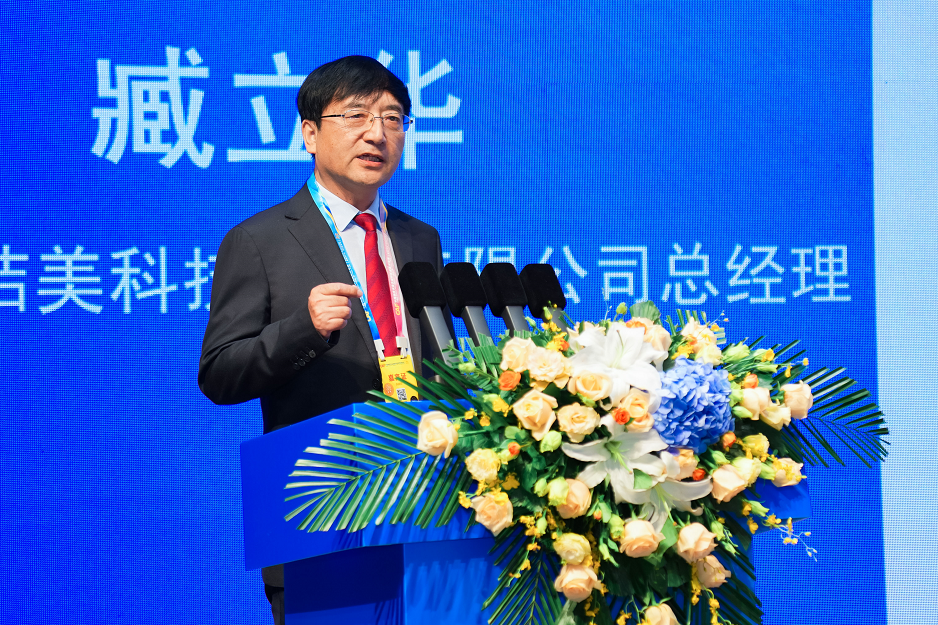
《建议》未提经济增速具体目标,怎么看?
第一财经· 2025-10-29 03:57
Core Viewpoint - The article discusses the key objectives and strategies outlined in the "15th Five-Year Plan" for China's economic and social development, emphasizing high-quality growth, technological self-reliance, and comprehensive reforms to enhance living standards and national security [3][4]. Economic Growth - The "15th Five-Year Plan" does not set a specific economic growth target but emphasizes maintaining growth within a reasonable range, with a focus on increasing consumer spending and enhancing domestic demand as the main driver of economic growth [5][6]. - Analysts predict that China's GDP growth during the "15th Five-Year Plan" will average between 4.5% and 5.0%, ensuring a stable medium-to-high growth level while balancing growth, structural adjustments, and risk prevention [6][8]. Long-term Goals - By 2035, the plan aims for China's per capita GDP to reach the level of middle-income countries, which is generally considered to be around $20,000. Current projections indicate that China's per capita GDP will be approximately $13,445 in 2024, highlighting the significant gap that remains [7][8]. - Achieving this long-term goal will require maintaining a suitable economic growth rate during the "15th Five-Year Plan" period [7]. Economic Potential Release - The plan emphasizes the need to fully unleash economic growth potential by leveraging China's institutional advantages, large market size, complete industrial system, and rich talent resources [10]. - The focus on reform and innovation is seen as crucial for overcoming systemic barriers and enhancing overall productivity, which is essential for achieving both qualitative and quantitative growth [10][11]. Industry Development - The plan outlines initiatives to upgrade key industries such as chemicals, machinery, and shipbuilding, aiming to enhance their global competitiveness and create an estimated market space of around 10 trillion yuan over the next five years [11]. - It also highlights the importance of developing strategic emerging industries like new energy and new materials, which are expected to generate significant market opportunities and contribute to high-quality economic growth [11].