纺织

Search documents
日元波动中日贸易双向影响
Jin Tou Wang· 2025-11-25 03:36
Core Viewpoint - The USD/JPY exchange rate remains near a ten-month high, driven by policy divergence and economic fundamentals, with the US maintaining high interest rates while Japan continues its ultra-loose monetary policy [1][2] Group 1: Policy Divergence - The Federal Reserve is keeping interest rates between 5.25% and 5.5%, with a 32.8% probability of a rate cut in December due to persistent inflation concerns [1] - The Bank of Japan maintains a near-zero interest rate of 0.5%, despite core CPI falling to 1.8%, indicating a commitment to continued monetary easing to support economic recovery [1] - The interest rate differential between US and Japanese 10-year government bonds is 3.2 percentage points, attracting significant arbitrage funds into USD assets [1] Group 2: Economic Fundamentals - The US economy shows resilience with an unemployment rate stable at 3.6%, supporting the USD index above 100 [1] - Japan's GDP contracted by 0.3% in Q3, marking two consecutive quarters of negative growth, contributing to a technical recession [1] - Japan's exports fell by 2.1% year-on-year in October, with weak performance in automotive and electronic components, putting further pressure on the JPY [1] - Global risk aversion has decreased, weakening the traditional safe-haven appeal of the JPY, as indicated by the VIX index dropping to a yearly low [1] Group 3: Technical Analysis - The USD/JPY has been in an upward channel since April, with a recent peak of 157.42, currently fluctuating between 156 and 158 [2] - Technical indicators show a bullish pattern, with moving averages aligned positively and MACD indicators expanding, although RSI is nearing overbought territory [2] - Key resistance is at the 2025 high of 158.87, while short-term support is between 155.00 and 156.80, with market attention on potential intervention by the Bank of Japan near 158.50 [2] Group 4: Trade Impact - The depreciation of the JPY increases procurement costs for Chinese exporters to Japan, leading to a 5.1% year-on-year decline in exports from January to October 2025 [2] - Labor-intensive sectors like textiles and home appliances are particularly affected, with significant revenue losses when converting JPY-denominated export income [2] - Conversely, the lower JPY benefits Chinese importers, with a 6.8% year-on-year increase in imports from Japan in October 2025, aiding in technology upgrades and cost control [2]
活力中国调研行|稳外贸,江苏着力在“新”字上做文章
Ren Min Ri Bao· 2025-11-25 02:57
Core Insights - Jiangsu's foreign trade demonstrates resilience despite uncertainties, with a total import and export value of 4.88 trillion yuan from January to October, accounting for 13.1% of the national total and contributing over 20% to the national export growth [1] Group 1: Market Expansion - Jiangsu is focusing on opening new markets and expanding new business formats to enhance foreign trade [1] - Yangjie Electronics has seen a 30% growth in foreign sales, with plans for factory expansions in Vietnam, Malaysia, and Thailand [2] Group 2: Innovation in Trade - The "Shicaitong" platform in Changshu has facilitated a significant increase in exports for small and micro foreign trade businesses, growing from 1 billion USD to over 15 billion USD since 2020 [3] - Jiangsu's imports and exports with Belt and Road countries reached 2.44 trillion yuan, an 11.7% increase year-on-year, while trade with ASEAN countries grew by 22.1% [3] Group 3: Digital Transformation - The cross-border e-commerce sector in Suzhou's Shengze Town has seen a 225.4% increase in import and export value, reaching 3.635 billion yuan from January to September [4] - Jiangsu's cross-border e-commerce platforms experienced over 60% growth in imports and exports from January to October, with traditional industries leveraging digital channels for international market expansion [5] Group 4: Brand Development - Companies like Borui Electric and Yadea are enhancing their competitive edge through quality control and innovation, with Borui's products entering over 70 countries and Yadea adapting products for Southeast Asian markets [6] - Jiangsu's effective invention patent numbers remain among the highest in the country, with advanced manufacturing clusters contributing over 60% of these patents [7]
海南产经新观察:全岛封关为“全球南方”企业提供哪些机遇?
Zhong Guo Xin Wen Wang· 2025-11-25 02:16
Core Viewpoint - The full island closure of Hainan Free Trade Port is a significant milestone that will provide extensive development opportunities for "Global South" enterprises, marking China's commitment to high-level opening-up and the construction of an open world economy [1][4]. Group 1: Opportunities for Global South Enterprises - The full island closure will allow "Global South" enterprises to either provide high-quality products or services to Hainan or invest in establishing entities within Hainan to operate in the Chinese market [1]. - The cost control and policy expectations are the primary concerns for enterprises looking to benefit from the new opportunities presented by the Hainan Free Trade Port [1]. Group 2: Tax Policies and Benefits - The tax system in Hainan Free Trade Port will significantly reduce costs for enterprises, with the "zero tariff" policy expanding from over 1,900 items to 6,637 items, increasing the zero-tariff level from 21% to 74% [2]. - The "zero tariff" policy includes not only import tariffs but also value-added tax and consumption tax, which is a notable difference from many free trade agreements signed by "Global South" countries [2]. - Enterprises importing production equipment typically pay around 5% to 10% in tariffs; however, importing from Hainan Free Trade Port allows for a total tax savings of approximately 20% [2]. Group 3: Low Tax Rate Policies - Hainan Free Trade Port offers a preferential corporate income tax rate of 15% for qualifying enterprises, compared to the standard 25% in China, and a personal income tax rate of 15% with no industry restrictions [3]. - The 15% corporate income tax applies to encouraged industries such as biomedicine and offshore wind power, while high-demand talent across all sectors can benefit from the personal income tax rate [3]. - Enterprises can combine the benefits of "zero tariffs" and "low tax rates," enhancing their profitability and operational efficiency [3].
视频丨产业链升级+制度护航 绿色贸易成我国外贸发展新动能
Yang Shi Xin Wen· 2025-11-24 23:28
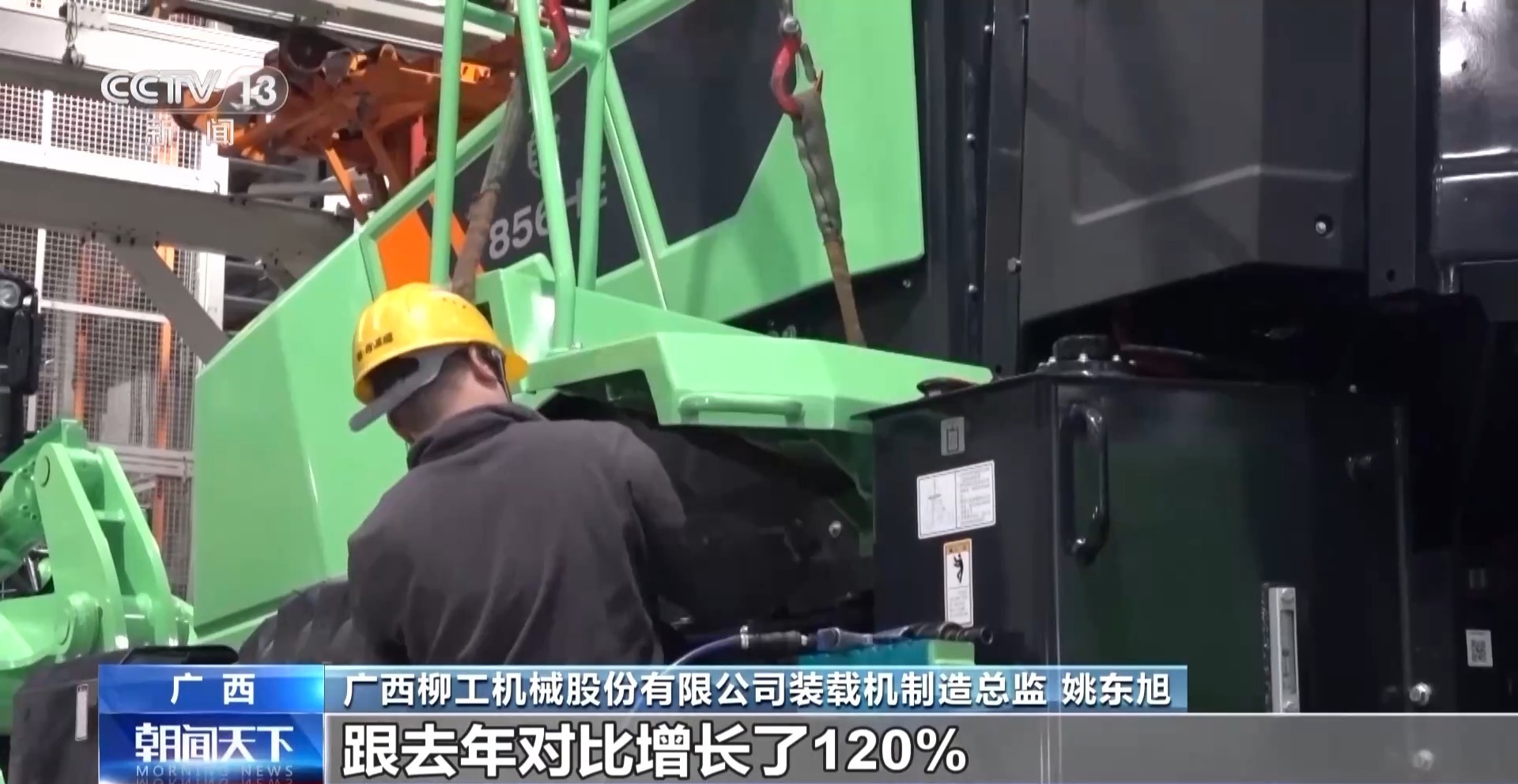
Core Viewpoint - China is actively expanding green trade to support its "dual carbon" goals, with green trade becoming a new driving force for foreign trade development as more green low-carbon products and services enter the international market [1][10]. Group 1: Green Product Export Growth - The export volume of electric loaders from Guangxi Liugong Machinery Co., Ltd. has increased by 120% compared to last year, with production capacity expanded from one to three production lines [3]. - In Zhejiang, a company is producing eco-friendly trademark belts made from recycled plastic bottles, showcasing the shift towards sustainable materials [5][8]. - In the first three quarters of this year, exports of wind turbine units and parts from China grew by over 30%, while photovoltaic products have maintained an export value exceeding 200 billion yuan for four consecutive years [10]. Group 2: Comprehensive Green Transformation - China's green product appeal in international markets stems from a comprehensive green transformation across the entire industrial chain, covering design, manufacturing, operation, and recycling [12]. - A refrigerator factory in Qingdao is producing energy-efficient refrigerators for the European market, with over 80% of its buildings equipped with solar panels, generating over 50 million kWh of green electricity annually [16][18]. - The factory expects to produce over 2 million refrigerators this year, saving approximately 10,000 tons of standard coal and reducing carbon dioxide emissions by over 26,000 tons [18]. Group 3: Institutional Support for Green Trade - The establishment of a green trade public service platform in Hubei aims to help export companies understand international carbon rules, addressing challenges in green transformation [28][31]. - China has accelerated the development of its green trade system, issuing 49 national standards for greenhouse gas emission accounting and 13 standards for carbon footprints [33]. - The Ministry of Commerce plans to promote high-quality development of green trade and enhance the green low-carbon development capabilities of enterprises [35].

中国制造企业加快绿色发展步伐
Zheng Quan Ri Bao· 2025-11-24 00:51
Group 1 - The Chinese government is accelerating the development of green trade in response to global climate change, as outlined in the recent implementation opinions from the Ministry of Commerce [1] - The policy aims to enhance the green and low-carbon development capabilities of foreign trade enterprises, expand the import and export of green low-carbon products and technologies, and create a favorable international environment for green trade [1] - This initiative provides clear direction and strong support for Chinese manufacturing enterprises to accelerate their green development [1] Group 2 - The implementation opinions emphasize promoting green design and production among foreign trade enterprises, encouraging the use of renewable energy, and reducing carbon emissions through equipment upgrades and process improvements [2] - Companies like Guangzhou Mona Lisa Bathroom Co., Ltd. have integrated low-carbon energy-saving technologies into their products, achieving a 60% reduction in electricity consumption with innovative designs [2] - Shandong Hengli Textile Technology Co., Ltd. focuses on developing green functional products using recycled materials and advanced energy-efficient production techniques, significantly reducing energy consumption and water usage [2][3] Group 3 - The opinions also highlight the need to enhance third-party green low-carbon service capabilities and establish a public service platform for green trade [4] - Organizations like the China Electromechanical Products Import and Export Chamber are working on ESG system construction and providing various services to support enterprises in their green transformation [4] - Midea Group has developed a product carbon footprint management platform, recognized by certification bodies, to support the promotion of green products in global markets [4] Group 4 - The release of the implementation opinions presents new opportunities for the development of green trade in China, with enterprises expected to accelerate their green transformation through continuous innovation and enhancement of green production and service capabilities [5]
调研|在新疆产业链上游,保险如何成为风险治理的“前置力量”
Xin Lang Cai Jing· 2025-11-24 00:23
Core Viewpoint - The article highlights the shift in risk management practices in Xinjiang, where insurance is increasingly integrated into the entire industrial chain, moving from post-disaster compensation to proactive risk prevention and management [1][15]. Risk Management Shift - Risk management is transitioning from post-disaster compensation to pre-disaster prevention, with insurance now embedded in various stages of the industrial chain [1]. - In Akesu, a pilot project for hail prevention nets was initiated, with a total investment of 16.6 million yuan, where 60% is funded by insurance and 40% by farmers [2][5]. Agricultural Risk Mitigation - The Akesu region has established a "meteorology + insurance" mechanism to enhance disaster prevention, with a total investment of 140 million yuan from 2021 to 2024 for agricultural disaster reduction [5][6]. - The average annual occurrence of hail disasters in Akesu is 28.5 times, causing over 300 million yuan in economic losses each year [5][6]. Comprehensive Risk Control in Industries - Insurance is extending beyond agriculture to processing and manufacturing, creating a comprehensive risk control system across the entire industrial chain [6][9]. - In the cotton industry, policy-based agricultural insurance covers 80% of premiums, while commercial income insurance protects against price and yield fluctuations [6][9]. Technological Integration in Risk Management - A textile company in Kuqa has implemented infrared temperature monitoring systems to prevent fire risks associated with cotton storage [7]. - The insurance company conducts pre-insurance assessments and ongoing inspections to identify risks and assist in emergency planning [7]. Public Service and Tourism Safety - In the tourism sector, a unified insurance product called "Anxin Tour" has been introduced to cover all tourists in Kashgar, funded by the government [10][14]. - Safety islands equipped with emergency facilities have been established in popular tourist areas to enhance visitor safety [13][14]. Conclusion on Insurance Evolution - The integration of insurance with risk management, monitoring, and emergency systems is making risk management more proactive and precise [15]. - The evolving role of insurance is becoming a critical component in building resilience within industrial chains, indicating a broader trend in risk governance [15].

AI“湘”助智绘新型工业化新图景
Zhong Guo Zheng Quan Bao· 2025-11-23 20:06
Core Insights - The "14th Five-Year Plan" emphasizes significant progress in new-type industrialization, with artificial intelligence (AI) as a key driver for innovation and application in manufacturing [1] - The integration of AI into industrial processes is transforming production paradigms, enhancing efficiency and optimizing labor experiences [2] - AI is not only empowering manufacturing but also serving as a core engine for product innovation and iteration [3] Group 1: AI in Industrialization - The Ministry of Industry and Information Technology highlights the importance of AI in achieving new-type industrialization, focusing on dual empowerment of technology supply and application [1] - The Chang-Zhu-Tan urban agglomeration is leveraging AI to upgrade various industries, including engineering machinery and new materials, showcasing a vibrant industrial landscape in Hunan [1] Group 2: Efficiency and Cost Reduction - Companies like Zoomlion are experiencing significant improvements in production efficiency, with over 300 smart production lines and 700 patented technologies [2] - Hunan Zhongnan Intelligent Equipment Co. has developed an intelligent defect detection system for textiles, achieving a false detection rate below 0.1% and generating over 40 million yuan in revenue within six months [2] - Qianjin Pharmaceutical has reduced average costs from 12.468 million yuan to 5.867 million yuan, while increasing production output by 33% and cutting material supply cycles [2] Group 3: Product Innovation and Market Expansion - Xidi Intelligent Driving, founded by a Hunan scientist, is advancing in the autonomous driving sector, aiming to deliver the world's largest fleet of autonomous mining trucks by 2024 [3] - The company is positioned to enhance operational efficiency significantly, with autonomous trucks achieving up to 104% efficiency compared to manned vehicles [3] - Exports of intelligent agricultural machinery and industrial robots from Changsha have seen substantial growth, indicating a strong market demand for smart products [3] Group 4: Collaborative Ecosystems - The integration of AI with software ecosystems is enhancing efficiency and value creation, as demonstrated by Hunan Lean Transmission Software Technology Co., which has developed AI modules for gear transmission system design [4] - The Chang-Zhu-Tan region is transitioning from individual enterprise intelligence to collaborative industrial ecosystems, with digitalization and intelligence as key connectors [4] Group 5: Material Innovation and AI Applications - The Xiangtan Steel Group's Q1300 ultra-high-strength steel is now used in major engineering machinery, showcasing the role of AI in material innovation [5] - The company has implemented numerous AI applications, enhancing operational efficiency and predictive capabilities across various processes [5] - The practices in the Chang-Zhu-Tan urban agglomeration illustrate that new-type industrialization is a comprehensive transformation centered on intelligence, fostering innovation across traditional and emerging industries [5]
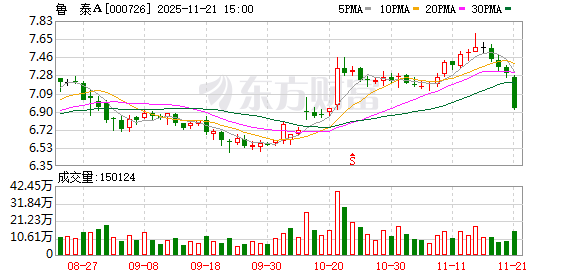
鲁 泰A:公司热电项目有部分能源自用,所产蒸汽确保公司生产的稳定供应
Mei Ri Jing Ji Xin Wen· 2025-11-22 15:03
(文章来源:每日经济新闻) 每经AI快讯,有投资者在投资者互动平台提问:贵公司的电和汽主要是自用还是为了对外销售? 鲁泰A(000726.SZ)11月22日在投资者互动平台表示,公司热电项目有部分能源自用,所产蒸汽确保 公司生产的稳定供应。 ...

二十国集团投资热潮涌向越南 绿色转型与高端产业成核心引力
Sou Hu Cai Jing· 2025-11-22 10:01
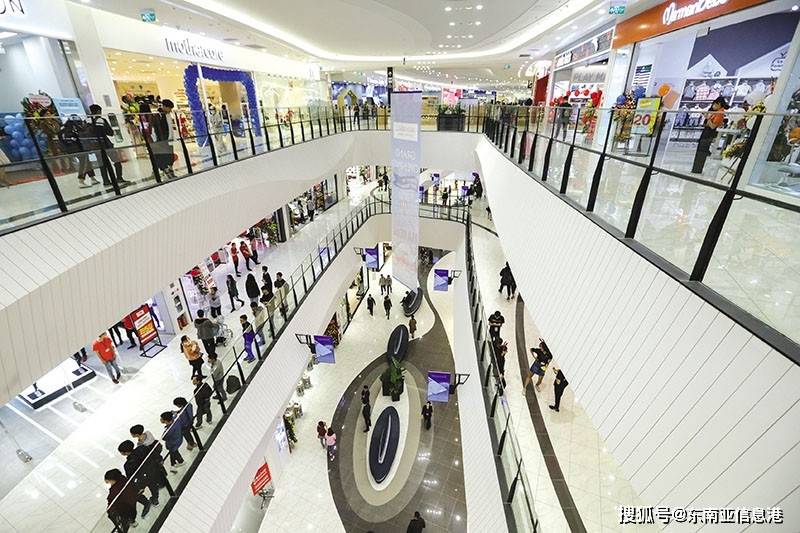
Group 1 - Vietnam is becoming a key investment destination for G20 members, with increasing recognition of its economic potential and active promotion of green transformation and industrial upgrading [2] - Major G20 companies are intensifying investments in Vietnam, including Swire Group's Haeco planning to invest $360 million in an aircraft maintenance complex in Quang Ninh province [2] - AEON, a Japanese retail giant, has received investment registration for a shopping center project worth 6 trillion VND (approximately $261 million), with cumulative investments in Vietnam reaching $1.5 billion since 2014 [2] Group 2 - Luxshare-ICT, a leading Chinese electronics manufacturer, has invested $1.8 billion in factories in northern provinces, with new projects expected to generate annual revenues of at least $10 billion [3] - G20 economies are the main source of foreign investment in Vietnam, with South Korea leading at $94.3 billion, followed by Japan ($78.87 billion), China ($34.2 billion), the United States ($12.28 billion), and the United Kingdom ($4.66 billion) [3] - Vietnam's government is prioritizing green development as a core strategy, attracting G20 investments in green projects, such as LEGO's $1.3 billion carbon-neutral factory and Syre Group's $1 billion polyester recycling complex [3] Group 3 - Vietnam's Prime Minister is attending the G20 summit in South Africa, marking the sixth invitation for Vietnam to participate in this important multilateral mechanism [4] - The summit focuses on themes of unity, equality, and sustainable development, addressing issues such as disaster risk reduction, debt management, energy transition, and critical mineral utilization [4] - There is potential for Vietnam to deepen investment cooperation with various economies through the G20 platform, although reforms in investment policies, administrative procedures, land supply, infrastructure, energy security, and skilled workforce development are necessary [5]

美国对印关税大幅降至15%,中国纺织出口迎来强劲对手?
Sou Hu Cai Jing· 2025-11-22 04:15
Core Insights - The US and India are nearing a significant bilateral trade agreement, aiming to reduce tariffs on Indian goods from 50% to 15%-16%, which is a major step towards achieving a $500 billion trade target between the two nations [1][4] - This trade breakthrough is expected to reshape global supply chains and has implications for the trade dynamics involving China, the US, and India [1][6] Trade Agreement Details - The agreement includes substantial tariff reductions, with the US eliminating a 25% punitive tariff on Russian oil imports from India and reducing overall tariffs to the 15%-16% range, impacting sectors like textiles, gems, leather, and machinery [4] - India will gradually decrease its imports of Russian oil and ease restrictions on non-GMO corn and soybean meal imports from the US, opening up a market worth billions [4] Economic Implications - The trade deal is seen as a dual negotiation of political will and market dynamics, with the US benefiting from expanded energy and agricultural export channels while enhancing its economic influence in India [4] - The agreement is also viewed as a strategy for the US to create a supply chain backup to China, leveraging India's cheaper labor [4][5] Challenges for India - While the tariff reductions may boost Indian exports, the increased import of US agricultural products could disrupt local agriculture, and the reduction of Russian oil imports may raise domestic energy costs [5] - India's manufacturing sector remains heavily reliant on Chinese imports, making a quick transition away from China challenging [5] Impact on China - The US-India trade agreement poses three direct pressures on China: potential loss of market share in labor-intensive products, tighter technology restrictions in semiconductor and critical mineral sectors, and intensified competition for global resource pricing [6] - However, these external pressures may drive Chinese companies to enhance technology development and market diversification, reducing reliance on single markets [6] Textile Industry Focus - Indian textile companies may gain a competitive edge against Chinese exports due to lower tariffs and labor costs, prompting the need for Chinese textile firms to innovate and enhance their high-end product offerings [9] - The ongoing global supply chain adjustments highlight the complexity of "decoupling" from established trade relationships, emphasizing the importance of maintaining a robust industrial chain and technological innovation in China [9]