
啤酒

Search documents
白酒股今日情绪爆发午后17股涨停 茅台大涨8.6%
Di Yi Cai Jing· 2026-01-29 08:29
Group 1 - The core viewpoint of the news is that the recent surge in liquor stocks, particularly in the white liquor sector, is attributed to a combination of capital seeking safety and changes in market sentiment [1][2] - On January 29, 17 white liquor stocks collectively hit the daily limit, with Kweichow Moutai rising by 8.61%. Other notable stocks like Wuliangye, Luzhou Laojiao, and Yanghe also reached their daily limits [1] - The performance of white liquor stocks has been poor since the third quarter of 2025, with many companies reporting significant declines in earnings growth. For instance, Jinzhongzi Liquor expects a net profit loss of 150 to 190 million yuan for 2025 [1] Group 2 - The collective rise in white liquor stocks is not closely related to the fundamentals of individual companies, as observed by Shen Meng from Xiangsong Capital. The strong performance of white liquor, resource, and banking stocks contrasts with the noticeable pullback in the technology and small-cap sectors [2] - The current bullish sentiment in the stock market is favorable for liquor consumption during the upcoming Spring Festival, contributing to optimistic investor sentiment [2] - Real estate stocks also experienced a collective surge due to news influences, highlighting the strong correlation between the liquor and real estate sectors [2]






白酒股今日情绪爆发午后17股涨停,茅台大涨8.6%
Di Yi Cai Jing Zi Xun· 2026-01-29 08:28
Group 1 - The core point of the news is the significant surge in Chinese liquor stocks, particularly after a period of underperformance, driven by a combination of market sentiment and capital seeking safer investments [1][3] - On January 29, 17 liquor stocks, including Kweichow Moutai, experienced a collective limit-up, with Kweichow Moutai rising by 8.61% [1] - The rise in liquor stocks also positively impacted yellow wine stocks, with Gu Yue Long Shan and Kuaiji Mountain hitting the limit-up, and Jin Feng Jiu Ye increasing by 6.8% [1] Group 2 - Since the third quarter of 2025, liquor stocks have faced challenges, with many companies reporting significant declines in performance growth [1] - Several liquor companies have issued profit warnings, indicating substantial impacts on their annual performance, with Jin Zhong Zi Jiu predicting a net loss of 150 to 190 million yuan for 2025 [1] - The collective rise in liquor stocks is not closely related to individual company fundamentals, but rather reflects a broader market trend where funds are moving from high-risk sectors like technology to safer stocks [3]

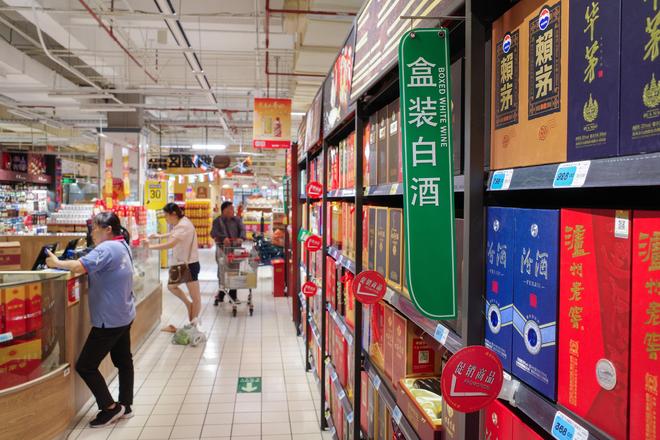
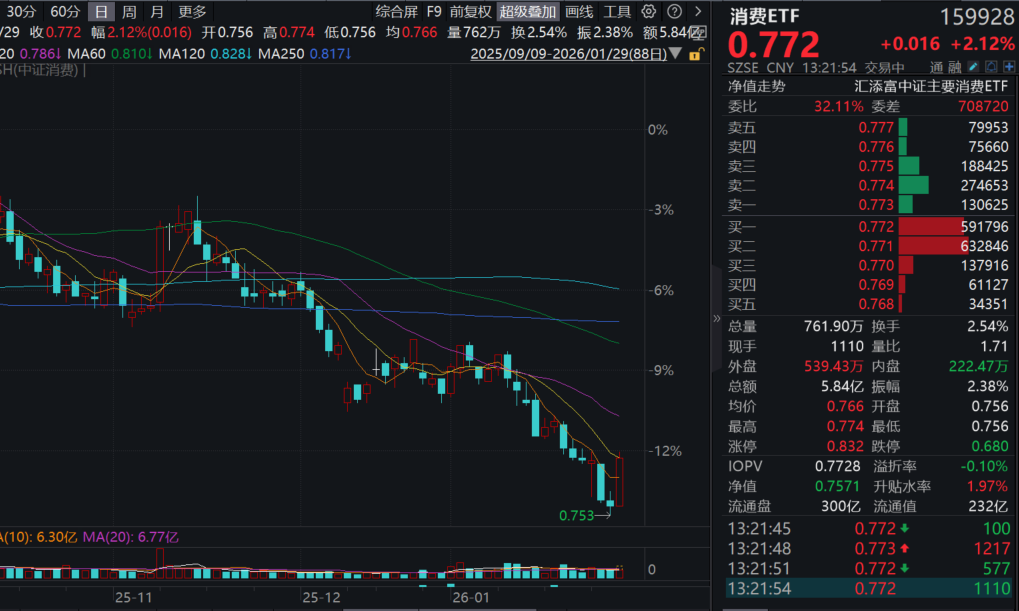
贵州茅台大涨超4%,段永平称“真的不贵”!消费ETF(159928)大涨超2%!2026白酒板块如何看?
Xin Lang Cai Jing· 2026-01-29 05:47
Group 1 - The core viewpoint of the article highlights the recent surge in the stock prices of major liquor companies, particularly Moutai, which rose over 4% after a period of decline, indicating a potential recovery in the market [2] - Notable investor Duan Yongping expressed confidence in Moutai's long-term value, emphasizing the positive impact of the iMoutai platform on consumer access to genuine products [2] - The white liquor industry is expected to benefit from a new consumer acquisition and education strategy, with a focus on channel collaboration and consumer-centric approaches [5][8] Group 2 - The white liquor sector is entering a "five-bottom phase," suggesting a potential turning point in the industry cycle, with expectations of improved sales performance as consumer demand stabilizes [8][9] - Recent data indicates that Moutai's sales and pricing are performing better than market expectations, with a projected increase in sales volume leading up to the Spring Festival [7] - The overall sentiment in the capital market regarding the white liquor industry remains low, with public fund holdings at a historical low, indicating a potential opportunity for investment as valuations are attractive [9][11] Group 3 - The upcoming Spring Festival is anticipated to maintain stable sales for the white liquor industry, with no excessive pessimism expected regarding market performance [10] - Companies are actively working on inventory reduction and price stabilization strategies, with a focus on enhancing brand strength and market share during challenging economic conditions [6][8] - The industry is witnessing a shift towards embracing consumer preferences, particularly among younger generations, which is expected to support long-term demand for white liquor products [8][9]
华夏银行青岛分行携手青啤集团,共绘青岛“10+1”产业新蓝图
Qi Lu Wan Bao· 2026-01-28 12:00
Core Insights - The collaboration between Huaxia Bank Qingdao Branch and Qingdao Beer Group represents a significant integration of finance and industry, enhancing the development of Qingdao's "10+1" innovative industrial system [1] Group 1: Financial Innovation - Huaxia Bank Qingdao Branch has introduced supply chain credit financing services to address the funding pressures faced by small and medium-sized enterprises (SMEs) in Qingdao Beer’s supply chain, which often struggle with long payment terms and slow receivables [2] - The bank's innovative approach allows suppliers to access unsecured credit loans based on transaction data and performance records, alleviating their financial strain and enabling production expansion [2] Group 2: Digital Empowerment - The bank has launched a "digital credit enhancement financing service" utilizing Qingdao Beer Group's "Smart Chain" digital platform, which streamlines the financing process by verifying transaction data and enabling rapid fund disbursement [3] - This service enhances financing efficiency, reduces costs, and increases transparency and security for SMEs in the supply chain [3] Group 3: Strategic Partnership - The long-term partnership between Huaxia Bank Qingdao Branch and Qingdao Beer Group encompasses various areas such as credit support, fund transactions, and interbank wealth management, contributing to the stable growth of the beer industry [4] - The bank is committed to providing customized financial solutions to support the transformation and green development of Qingdao Beer Group and its supply chain [4] Group 4: Future Outlook - Looking ahead, Huaxia Bank Qingdao Branch aims to deepen its collaboration with Qingdao Beer Group to explore more financial innovation models, contributing to the development of Qingdao's "10+1" innovative industrial system [5] - The partnership is expected to create a more efficient supply chain financial ecosystem, enhancing the support for the real economy and fostering high-quality industrial development in Qingdao [5]

一杯英九茶啤,藏着百亿产业新想象|粤茶新说·茶酒篇
Nan Fang Nong Cun Bao· 2026-01-28 11:07
Core Viewpoint - The article discusses the innovative integration of tea and alcohol in the beverage industry, highlighting the emergence of "tea beer" as a new market segment with significant growth potential, particularly focusing on the Guangdong Yingjiu Garden's efforts in this area [12][20]. Group 1: Market Trends and Consumer Behavior - The boundaries between tea and alcohol are increasingly blending, driven by changing consumer preferences, especially among younger demographics who seek personalized and diverse beverage options [14][16]. - The market for flavored craft brewing in China is projected to exceed 66 billion yuan by 2029, indicating a substantial opportunity for the tea beer segment [21]. - The demand for innovative products like tea beer is rising, as traditional tea beverages fail to meet the social and experiential needs of younger consumers [17][20]. Group 2: Product Development and Innovation - Yingjiu Garden has pioneered the tea beer segment by utilizing high-quality Yingde black tea, which enhances the flavor and quality of the beer due to its rich polyphenol content and unique sweetness [24][25]. - The company has developed a proprietary tea base called "Qingzhulan" to improve the tea aroma in the beer, employing a front fermentation technique to lock in the tea flavor [35][36]. - Yingjiu Garden has also introduced a passion fruit-flavored tea beer, which not only adds tropical fruit notes but also reduces alcohol content, making it suitable for a wider audience [38][39]. Group 3: Business Strategy and Market Positioning - The company aims to clarify the relationship between tea and alcohol in its products, targeting consumers who enjoy alcoholic beverages while using tea to enhance flavor [47]. - Yingjiu Garden plans to adopt a flexible cooperation model for production rather than heavy asset investment in supply chains, focusing on canned beer sales initially and expanding into fresh beer experiences [49][50]. - The company is also exploring the integration of cultural tourism with its tea products, enhancing visitor experiences and promoting the Yingde tea brand through various activities [52][56]. Group 4: Future Outlook and Industry Impact - The integration of tea beer represents a significant opportunity for the Yingde black tea industry to innovate and thrive in a post-100 billion era, emphasizing the importance of extending the product line and creating new consumption scenarios [60][62]. - The article concludes that the innovative approach to tea beer is opening new avenues for the Yingde black tea industry, allowing it to maintain relevance and vibrancy in the modern market [66].

去年第四季度营收大增贡献“神助攻”,昔日“西北啤酒王”能否成功保壳?
Mei Ri Jing Ji Xin Wen· 2026-01-28 09:35
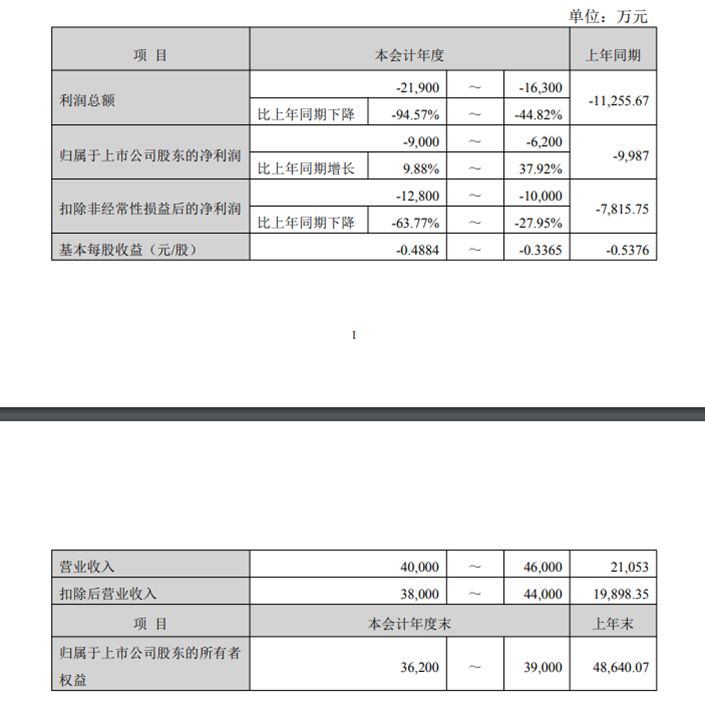
Core Viewpoint - *ST Lanhuang is at a critical juncture for "shell protection" as it faces the risk of being delisted if it fails to meet financial performance criteria in 2025, following three consecutive years of losses from 2022 to 2024 [1][5]. Financial Performance Summary - The company forecasts a revenue of 400 million to 460 million yuan for 2025, with a net profit attributable to shareholders expected to be between -62 million and -90 million yuan, indicating a year-on-year increase of 9.88% to 37.92% in losses [2][5]. - The expected revenue for 2025 represents a significant increase, with a projected doubling of revenue compared to previous years, driven by a strong performance in the fourth quarter [2][4]. - In the first three quarters of 2025, the company achieved approximately 219 million yuan in revenue, suggesting that the fourth quarter could see revenue between 181 million and 241 million yuan, reflecting a year-on-year increase of over 455% [3][4]. Industry Context - The fourth quarter is typically a low season for the beer industry, making the projected revenue growth for *ST Lanhuang particularly noteworthy [4]. - The company has been actively expanding its beer and beverage business beyond the Northwest region, increasing brand promotion and online sales, which has contributed to revenue growth despite rising sales expenses [4][7]. - The beverage sector has become increasingly competitive, with major players like Qingdao Beer and Yanjing Beer also entering the beverage market, making it a challenging environment for *ST Lanhuang's strategy of "beverage transformation" [7]. Historical Performance - From 2022 to 2024, the company's revenues were approximately 266 million, 241 million, and 211 million yuan, all below the 300 million yuan threshold, with cumulative losses of about 176 million yuan [5][6]. - The beverage business accounted for a relatively low percentage of total revenue during this period, with fluctuations in its contribution [7]. Strategic Moves - To counteract declining performance, *ST Lanhuang has made strategic investments in beverage companies, including the establishment of Lanzhou Yellow River (Chongqing) Beverage Co., Ltd. and acquiring a stake in Wuzhong Yiwang Juice Co., Ltd. [6][7].

福建莆田啤酒产业撑起区域经济增长极
Sou Hu Cai Jing· 2026-01-28 06:16
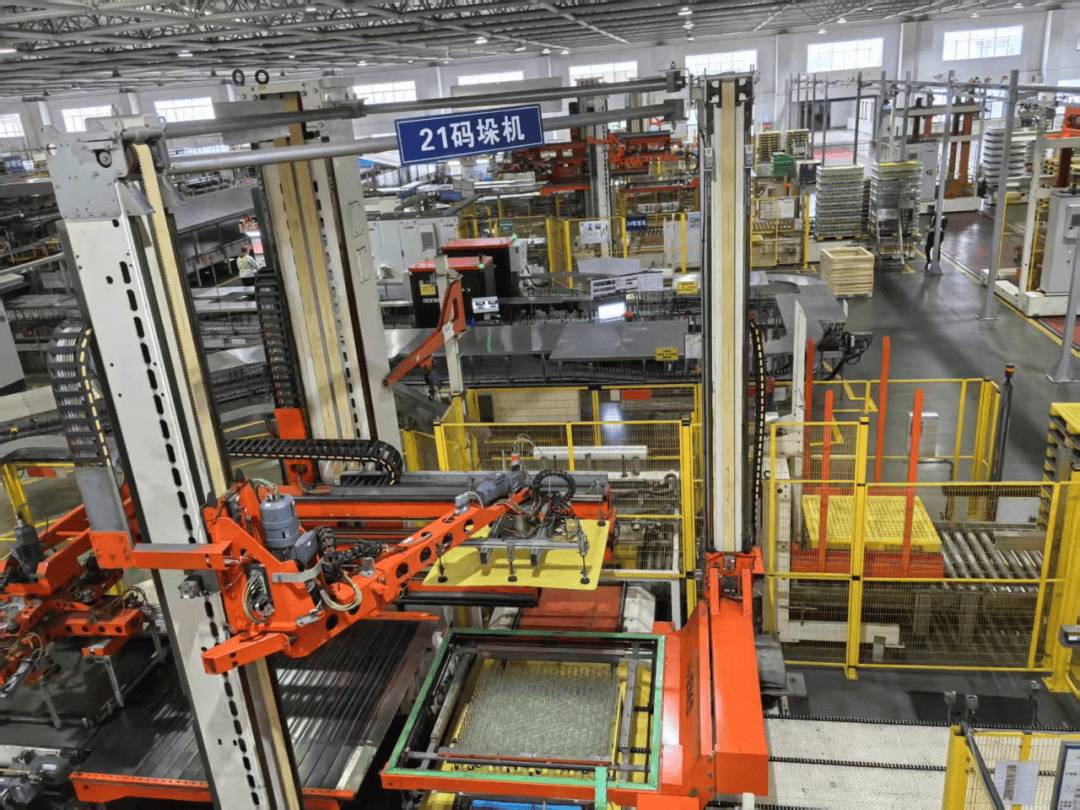
Core Viewpoint - Fujian province, with a population of over 40 million, is a key battleground for the beer market in China, boasting the highest per capita consumption in the country. The region has been recognized internationally as a "World Wine Specialty Region - China Beer Manufacturing City," reflecting the transformation of traditional industries towards high-quality development [1][4]. Group 1: Industry Transformation - The beer industry in Putian has evolved from a focus on scale expansion to an emphasis on quality improvement and brand development, showcasing a significant transformation in China's manufacturing sector [1][4]. - The Budweiser Snow Beer factory in Putian has achieved an annual production capacity of 2 million tons, with a production line capable of producing 45 cans per second, leading the industry in water consumption efficiency at 1.83 tons of water per ton of beer produced [4][5][8]. Group 2: Technological Advancements - The factory employs advanced technologies such as automated production lines, intelligent inspection robots, and a comprehensive monitoring system to enhance production efficiency and ensure food safety [5][7]. - Budweiser Snow Beer has invested 708 million yuan in digital transformation, positioning itself as a benchmark enterprise in industrial internet within Fujian province [5][9]. Group 3: Environmental Sustainability - The factory's solar power system generates 17 million kilowatt-hours annually, and its water recycling initiatives have led to a water reuse rate of 94.03%, significantly reducing water waste [8][9]. - The introduction of a steam condensate recovery system allows the factory to recycle 170,000 tons of condensate water each year, minimizing the need for fresh water [8][9]. Group 4: Economic Impact - Budweiser Snow Beer has become a core enterprise in Putian, contributing significantly to the local economy and serving as a model for successful government-business collaboration and urban integration [4][11]. - The beer industry cluster in Putian has surpassed 25 billion yuan in scale, fostering job creation and tax revenue growth, while the region aims to develop a food processing industry park with an annual output value exceeding 30 billion yuan [14][15]. Group 5: Cultural Integration - The establishment of the "059 Coastline Craft Beer Community" and the Budweiser China Beer Museum reflects the integration of industrial production with cultural tourism, enhancing the region's social influence [15][16]. - The craft beer community produces local specialty beers using regional ingredients, promoting a unique cultural identity while driving consumer engagement [15][17].
2025年中国啤酒产量为3536万千升 累计下降1.1%
Chan Ye Xin Xi Wang· 2026-01-28 03:35
Core Viewpoint - The Chinese beer industry is experiencing a decline in production, with a notable decrease in both the monthly and cumulative production figures for 2025, indicating potential challenges for companies in the sector [1]. Industry Summary - As of December 2025, China's beer production reached 2.23 million kiloliters, reflecting a year-on-year decrease of 8.7% [1]. - The cumulative beer production in China for the year 2025 was 35.36 million kiloliters, showing a slight decline of 1.1% compared to the previous year [1]. - The report by Zhiyan Consulting highlights the market dynamics and competitive strategies in the non-alcoholic beer sector from 2026 to 2032, suggesting a focus on emerging trends and consumer preferences [1]. Company Summary - Listed companies in the beer sector include Zhujiang Beer (002461), Chongqing Beer (600132), Yanjing Beer (000729), Lanzhou Huanghe (000929), and Huichuan Beer (600573), all of which may be impacted by the declining production trends [1].


燕京啤酒:2025年净利同比预增50%-65%
Xin Lang Cai Jing· 2026-01-28 03:27
Core Viewpoint - Yanjing Beer (000729.SZ) forecasts a net profit attributable to shareholders for the year 2025 to be between 1.58352 billion and 1.74187 billion yuan, representing a growth of 50% to 65% compared to the previous year [1] Group 1: Financial Performance - The expected net profit range for 2025 is 1.58352 billion to 1.74187 billion yuan [1] - This represents a significant increase of 50% to 65% year-on-year [1] Group 2: Strategic Initiatives - The company is committed to advancing its big product strategy, focusing on product strength, brand power, and channel capabilities [1] - Yanjing Beer is actively exploring innovative paths and deepening its excellent management system [1] - The company is implementing strategies for brand rejuvenation, fashion, and premiumization [1] Group 3: Market Development - A gradient market development strategy is being executed [1] - Yanjing U8 continues to maintain a steady growth trend [1] Group 4: Non-Recurring Gains - The anticipated non-recurring gains for 2025 mainly stem from the recognition of land reserve payments by a subsidiary, which is expected to increase net profit attributable to shareholders by approximately 132 million yuan [1]
食品饮料行业2025Q4基金持仓分析:食饮重仓比例持续下降,除酒类外的细分板块重仓比例回升
Wanlian Securities· 2026-01-28 00:24
Investment Rating - The industry investment rating is "stronger than the market," indicating an expected relative increase of over 10% in the industry index compared to the broader market within the next six months [29]. Core Insights - The food and beverage sector's heavy holding ratio continues to decline, dropping to 2.61% in Q4 2025, down 0.20 percentage points from the previous quarter, and significantly below the historical average of 6.77% since 2018 [1][10]. - Within the sector, the heavy holding ratio for sub-segments, excluding alcoholic beverages, has seen a rebound, with notable increases in categories such as seasoning and fermented products, dairy beverages, and snacks [2][13]. - The top ten heavy holdings in the food and beverage sector are dominated by liquor stocks, which occupy seven positions, with a total heavy holding ratio of 2.37% [3][19]. Summary by Sections 1. Heavy Holding Ratios - The food and beverage industry's heavy holding ratio has decreased to 2.61%, ranking sixth among 31 primary industries, down from fifth in the previous quarter [1][10]. - The liquor segment's heavy holding ratio has dropped to 2.26%, while other sub-segments like seasoning and fermented products, dairy beverages, snacks, and food processing have shown slight increases [2][13]. 2. Liquor Segment Analysis - The liquor segment remains a dominant force in the food and beverage industry, accounting for over 86% of the heavy holdings, although it has decreased by 1.76 percentage points [16]. - The top three liquor stocks by heavy holding ratio are Guizhou Moutai, Shanxi Fenjiu, and Wuliangye, with significant fluctuations in their rankings [19][20]. 3. Investment Recommendations - The report suggests that the liquor industry is in a bottoming phase, with low valuations and high dividends providing strong support for stock prices. The inventory destocking cycle is expected to continue until mid-2026, with potential investment opportunities emerging in the second half of 2026 [25]. - For the broader consumer goods sector, growth is anticipated from product upgrades, particularly in beer and dairy, while the seasoning industry is expected to benefit from low raw material costs and the rise of customized solutions [4][27].

