
债券

Search documents
全球债市开年即狂飙!2450亿美元融资创历史新高
智通财经网· 2026-01-07 23:48
智通财经APP获悉,全球债券市场以史上最火爆的行情拉开2026年序幕,各类借款主体正抓紧利用投资 者对风险资产难以餍足的需求。数据显示,截至1月7日,美国、欧洲和亚洲的企业与政府已通过多种货 币筹集了约2450亿美元资金,创下同期历史最高纪录。 此前在12月推迟借款计划的发行方,眼下正蜂拥入市,以期在下周开始的财报静默期前锁定资金。而急 切的买家似乎并未受到东西半球地缘政治紧张局势升级的影响。借款方也试图抢跑,赶在与人工智能项 目相关的一波预期债券发行潮之前。 "今年市场开局火爆,"摩根大通投资管理公司投资组合经理普里亚·米斯拉表示,"需求始终与供给同 步,新发行债券几乎无需提供发行溢价让步。" 欧洲市场同样迎来开门红。根据数据,周三一级市场单日新债发行规模创纪录,包括企业、金融机构和 国家在内的发行主体筹资超过570亿欧元(约合666亿美元)。市场交易涵盖各类发行人,企业纷纷发售不 同期限的多批次债券,以利用积极的市场情绪,在风险溢价处于历史低位的时期提前完成年度借款计 划。 欧洲的发债节奏周四很可能持续,意大利和葡萄牙已委托的交易预计将进入市场。 尽管新债供应如潮水般涌来,但公司债券利差(即投资者持有这些 ...
法国10年期国债收益率跌3.4个基点,报3.520%
Mei Ri Jing Ji Xin Wen· 2026-01-07 22:25
Group 1 - The core viewpoint of the article highlights the decline in the yields of 10-year government bonds across several European countries, indicating a trend of decreasing borrowing costs [1] Group 2 - France's 10-year government bond yield fell by 3.4 basis points to 3.520% [1] - Italy's 10-year government bond yield decreased by 2.4 basis points to 3.511% [1] - Spain's 10-year government bond yield dropped by 2.3 basis points to 3.249% [1] - Greece's 10-year government bond yield declined by 3.8 basis points to 3.378% [1]
美国债市:ADP就业数据疲软推动国债大多走高 收益率曲线走平
Xin Lang Cai Jing· 2026-01-07 21:36
Core Viewpoint - US Treasury bonds mostly rose on Wednesday despite busy corporate new debt issuance, driven by weaker-than-expected ADP private sector employment data, which supported bond strength [1][2]. Group 1: Treasury Yield Movements - Long-term yields fell by nearly 5 basis points, while short-term yields remained unchanged, leading to a narrowing of the yield spreads between 2-year/10-year and 5-year/30-year bonds by approximately 4 basis points and 3 basis points, respectively [1][2]. - As of 3:30 PM Eastern Time, the yields were reported as follows: 2-year at 3.4653%, 5-year at 3.6924%, 10-year at 4.1377%, and 30-year at 4.8182% [3]. Group 2: Employment Data Impact - The ADP employment data for December showed an increase of 41,000 jobs in the private sector, which was below the expected increase of 50,000 jobs, contributing to the rise in Treasury futures [1][2]. Group 3: Corporate Debt Issuance - The total amount of new corporate debt issuance this week reached a non-pandemic high, with 11 issuers collectively raising $16.35 billion in new investment-grade bonds [1][2].
政策利好+成本优势 熊猫债市场投融资平台功能凸显
Zheng Quan Ri Bao· 2026-01-07 17:25
本报记者 田鹏 2026年的熊猫债发行实现良好开局。 1月6日,中国燃气控股有限公司率先发行两只熊猫债,为2026年市场拉开发行大幕;1月7日,汉高香港控股有限公司迅速 跟进,成功发行1只熊猫债。 作为境外机构在中国境内发行的人民币计价债券,熊猫债不仅是中国资本市场双向开放与人民币国际化的核心载体,更是 金融市场制度型开放的重要实践平台。历经多年发展,熊猫债已迈入成熟扩容期,在发行规模稳步提升的同时,结构上,发行 主体、产品品类、期限配置等多方面也不断优化升级。 接受《证券日报》记者采访的专家表示,今年我国熊猫债市场将延续高质量发展态势,发行规模有望实现适度增长,非中 资背景发行人占比将进一步提升,并成为市场主导力量。同时,产品创新、期限长端化、结构优化的趋势将持续深化,外部风 险仍需重点关注。在政策利好与制度型开放的双重驱动下,熊猫债市场的投融资平台功能将更加凸显,为人民币国际化与资本 市场双向开放注入更强动力。 呈现多维结构性优化趋势 2026年,熊猫债市场开局表现亮眼。据Wind资讯数据统计(全文数据来源),前述3只熊猫债发行规模合计达25亿元,较 2025年同期增长66.67%。其中,中国燃气控股有限 ...
债市“科技板”要加力看未来看技术
Zheng Quan Ri Bao· 2026-01-07 17:21
Core Viewpoint - The People's Bank of China emphasizes the high-quality construction and development of the bond market's "Technology Board" to support financing for tech enterprises, particularly startups, which face challenges in funding channels, costs, and mismatched timelines [1][2]. Group 1: Development of the Technology Board - The "Technology Board" was officially launched in May 2025, focusing on supporting financial institutions, tech companies, and equity investment institutions in issuing technology innovation bonds with flexible arrangements [1]. - As of January 7, 2026, 1,690 entities have issued technology innovation bonds totaling over 1.9 trillion yuan, with a growing share from private enterprises and significant participation from private equity and venture capital institutions [1]. - The "Technology Board" is still in its early development stage, requiring improvements in issuer coverage, issuance normalization mechanisms, secondary market liquidity, and coordination with other financial instruments [1]. Group 2: Recommendations for High-Quality Development - Enhancing specialized, market-oriented technology risk assessment and pricing capabilities is essential, as traditional financial rating methods struggle to quantify the value of "hard technology" [2]. - Strengthening risk-sharing and credit enhancement mechanisms is crucial, with the central bank creating tools to share risks associated with technology innovation bonds, aiming to reduce underwriting risk premiums through a "government guidance + market operation" approach [2]. - Deepening supporting mechanisms and ecosystem construction is necessary, including simplifying information disclosure requirements and promoting product innovations like convertible bonds and bond ETFs to enhance secondary market liquidity [2]. Group 3: Financial Ecosystem and Economic Growth - High-quality development requires a deep collaboration between the financial system and the real economy, with emerging and future industries becoming focal points for financial institutions seeking new growth opportunities [2][3]. - Data from the National Bureau of Statistics indicates that the value added of large-scale equipment manufacturing and high-tech manufacturing industries grew by 9.3% and 9.2% year-on-year, respectively, highlighting their potential as new economic growth engines [2]. - The evolution of the bond market towards a focus on future technologies rather than past assets is essential for meeting the financial service requirements of the real economy [3].
1月债市,抢占先机
HUAXI Securities· 2026-01-07 15:20
Report Industry Investment Rating No information provided in the content. Core Viewpoints - The state of the fundamental and capital markets determines the underlying tone of the bond market. The focus of the game remains the intensification of "loose monetary policy" and its specific implementation forms. In January 2026, the situation is neutral to optimistic. The primary issuance pressure of government bonds is controllable. The regulatory scale for non-banks is marginally relaxed, which is beneficial for the stability of the liabilities of public bond funds. The capital market may face potential seasonal pressure, but there is a high probability of additional central bank injections. The allocation demand at the beginning of the year can lock in the upper limit of interest rates. The coupons and spreads of the medium and long - term ends of interest - rate bonds are highly cost - effective, and the bond market may start a bullish trend [2][29][61]. Summary by Directory 1. December Bond Market: A Glimmer of Warmth Amidst the Cold - In December, the long - end interest rate showed an "up - down - up" N - shaped trend. The 10 - year Treasury yield reached a high of 1.87% at the beginning of the month and a second - high of 1.86% at the end of the month, and dropped to 1.83% in the middle of the month. The bond market mainly traded on four themes: the central government's policy orientation for the following year, the possibility of short - term intensification of the central bank's "loose monetary policy", the supply ratio of ultra - long government bonds, and the year - end ranking competition among institutions [1][13]. - Compared with October - November, in December, the capital interest rate was more stable and lower, and the bond market sentiment became more positive, shifting from completely ignoring the possibility of "loose monetary policy" to attempting to play the game [17]. - Regarding various bond market varieties, the issuance price of inter - bank certificates of deposit (NCDs) increased at the beginning of the month and decreased in the second half of the month. The interest - rate bond curve steepened significantly, with the yield of 30 - year Treasury bonds rising by 8bp. The credit bond market's development slowed down marginally, and only some over - adjusted varieties in November had a rebound [23][24]. 2. Learning from History: Fundamental and Capital Markets as Key References for the Bond Market in Early January - In the past five years, the movement of long - end interest rates in January has been inconsistent. When the economic fundamentals were good at the beginning of the year and the capital market gradually tightened, bond yields increased, as seen in 2021, 2023, and 2025. When the fundamental data was below expectations and the monetary policy was proactive, it was beneficial for the bond market, as in 2022 and 2024 [27]. - Looking forward to January 2026, in addition to the fundamental and capital market conditions, non - seasonal pricing factors also need to be considered, including the supply rhythm of government bonds, regulatory changes in bond fund redemption fees, policy directions, and institutional behaviors [29]. 3. Four Key Concerns for the Bond Market in January Supply Rhythm - The net supply pressure of government bonds in January is about 1.3 trillion yuan. The net financing scale of government bonds in the first quarter is about 4.00 - 4.12 trillion yuan, with a "V" - shaped monthly distribution [3][36]. - The sentiment towards ultra - long - term bonds may be cautious in the first half of January and may recover in the second half as bond issuance progresses. The specific term structure of government bond supply in the first quarter still needs observation [37]. Regulatory Changes - The constraints on bond fund redemption fees have been relaxed. The new regulations may have three regulatory intentions: stabilizing market pricing, weakening the liquidity management attribute of bond funds, and emphasizing fairness to investors. The issue of customized bond funds may continue to be the focus of rectification [4][41]. - After the new regulations were officially announced, the concerns of investors eased. In early January 2026, the bond market may achieve a good start, with interest - rate pricing potentially self - repairing and the possibility of an inflow of institutional incremental funds [41]. Policy Direction - In January, the capital market faces more disturbances than in December, including large - scale tax payments, Spring Festival cash - withdrawal demand, a credit boom, and proactive fiscal policies. The capital interest rate has an inherent upward momentum, and the inter - bank market's dependence on central bank injections will increase [6][42]. - There are two options for the central bank's monetary policy: "strong action" (possibly a reserve requirement ratio cut if the Q4 economic performance is significantly below expectations) and "weak action" (increasing the net injection of basic tools if the December data rebounds and the recovery continues into January) [48][49]. Institutional Behavior - Allocation - driven investors may be the key force in determining interest - rate pricing at the beginning of 2026. Banks and insurance companies' self - operated investments are evaluated annually, and the beginning of the year is an important allocation period. At present, the trading - driven investors' influence on the interest - rate center has weakened and they tend to follow the allocation - driven investors [7][51]. - For insurance companies, a 30 - year Treasury yield of 2.30% may be an important allocation point. For large banks, a 1.85% coupon rate on 7 - 10 - year Treasury bonds is acceptable when the spread is cost - effective [52][57]. 4. January Strategy: Seize the Opportunity - In general, the situation in January is neutral to optimistic. However, at the beginning of 2026, the bond market adjusted sharply. The direct reason may be the learning effect from the 2025 bond market adjustment, and the fundamental reason is the lack of significant profit - making effects in the bond market [61][62]. - The bond market is gradually entering a state where inter - bank market funds are relatively abundant and the duration of trading - type institutional portfolios is low. The coupons and spreads of the medium and long - term ends of interest - rate bonds are highly cost - effective. It is advisable to wait for allocation - driven investors to enter the market first, followed by trading - driven investors. In January, it may be a good time to seize opportunities. Short - term significantly adjusted varieties such as 5 - 10 - year Treasury bonds and 5 - 10 - year policy - bank bonds have trading value. When the 10 - year Treasury yield is above 1.85%, it may be a relatively safe replenishment window. For ultra - long - term bonds, it is advisable to wait until the end of the month when the supply term structure is clear [69][70].
【立方债市通】2025年债市统计出炉/中豫产投拟申报20亿债券/中民投被公开谴责
Sou Hu Cai Jing· 2026-01-07 12:43
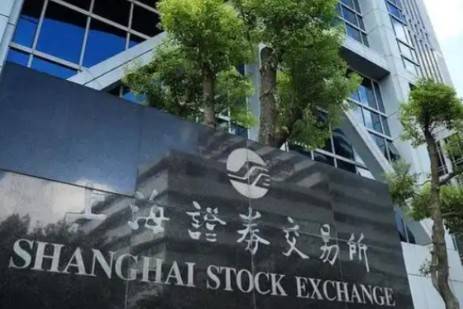
Group 1 - The Shanghai Stock Exchange publicly reprimanded China Minmetals Investment Co., Ltd. and its executives for failing to disclose the mid-term report by the legal deadline [1] - In 2025, non-financial enterprises issued 15,800 bonds, raising over 1.4 trillion yuan, with a 12.04% year-on-year increase in exchange market bond issuance [3] - The People's Bank of China conducted a 28.6 billion yuan reverse repurchase operation, with a net withdrawal of 500.2 billion yuan [5] Group 2 - Beijing's State-owned Assets Supervision and Administration Commission issued new regulations for bond issuance by state-owned enterprises, tightening controls on companies exceeding the debt-to-asset ratio warning line [7] - Henan Zhongyu Industrial Investment Group plans to apply for 2 billion yuan in debt financing tools, selecting underwriters through a public bidding process [9] - Luoyang Guojin Industrial Investment Group's 5 billion yuan bond issuance project has been accepted by the Shanghai Stock Exchange [10] Group 3 - China National Railway Group announced plans to issue a total of 10 billion yuan in railway construction bonds, with proceeds used for debt structure adjustment [11] - The first low-altitude economy special bond for county-level entities was issued by Changshu City, totaling 250 million yuan [12] - Henan Huaihe Port Urban Development Company is integrating assets to establish a state-owned enterprise and is seeking credit rating services [13][14] Group 4 - The bond market experienced a decline at the beginning of the year, attributed to strong stock market performance and rising supply concerns [19][20] - The People's Bank of China's bond purchase volume remained low in December, contributing to market pressure [21] - Despite challenges, the bond market may stabilize as bond yields rise, improving relative value compared to loans and stocks [22]

从海外投资者结构变化看美国国债风险|国际
清华金融评论· 2026-01-07 10:10
Core Viewpoint - The article discusses the changing landscape of U.S. Treasury holdings, particularly the decline in the share of U.S. debt held by foreign investors, and emphasizes the need for China to diversify its reserve assets and enhance the internationalization of the renminbi [1]. Group 1: Overview of U.S. Treasury Holdings - The total amount of U.S. Treasury securities has reached a historical peak of $38.11 trillion as of October 30, 2025, an increase of nearly $2 trillion from the end of 2024 [4]. - The ratio of U.S. debt to GDP has remained high, reaching 118.78% by the second quarter of 2025 [4]. - The total holdings of U.S. Treasury securities by various investors have surged from $3.04 trillion in Q1 2000 to $26.84 trillion by Q2 2025 [4]. Group 2: Changes in Foreign Investor Holdings - The share of U.S. Treasury securities held by foreign investors has decreased from a peak of 57.30% in Q4 2008 to approximately 34.08% by Q2 2025 [5]. - Despite the decline in share, the total amount held by foreign investors has increased from $4.91 trillion in September 2011 to $9.16 trillion by July 2025, indicating a robust growth trend [8]. - The structure of foreign holdings is shifting, with a slight increase in short-term debt holdings from 12.93% to 15.43% since September 2011, reflecting a preference for liquidity amid uncertain global interest rates [9]. Group 3: Changes in Holder Composition - The composition of foreign holders has shifted significantly, with private investors increasing their holdings from $1.74 trillion in December 2013 to $5.24 trillion by July 2025, a growth of 201.21% [10]. - The share of private investors has risen from 30% in December 2013 to 57.16% by July 2025, surpassing that of official investors for the first time [10]. - Official foreign investors have reduced their holdings from $4.05 trillion in December 2013 to $3.92 trillion by July 2025, a decline of 3.22% [10]. Group 4: Implications for Reserve Diversification - The decline in U.S. Treasury holdings by official foreign investors may be attributed to a trend towards diversifying foreign exchange reserves, with a shift from U.S. dollar assets to gold [11]. - Global official dollar reserve assets have shown a declining trend since 1999, while gold reserves have increased significantly, indicating a strategic shift in reserve management [11].

技术性超买引发回调,全球股市涨势暂歇,纳指期货跌0.2%,贵金属全线重挫,油价承压
Hua Er Jie Jian Wen· 2026-01-07 08:37
Core Market Trends - Asian stock markets have entered a "technically overbought" zone, leading to a pause in the upward trend driven by the AI boom and expectations of Federal Reserve rate cuts [1] - U.S. stock index futures showed mixed results, while European markets opened with varied performance [2] - Precious metals experienced significant declines, with gold, silver, and palladium all dropping, and oil prices also under pressure [1][2] Commodity Market Adjustments - The Bloomberg Commodity Index (BCOM) is set for annual weight rebalancing from January 8 to 14, which is expected to trigger substantial passive fund reallocations [1][4] - The anticipated sell-off due to this rebalancing is projected to account for 9% of total silver holdings and 3% of total gold holdings, creating significant downward pressure on prices [1][4] Precious Metals Impact - The adjustment is causing notable selling pressure in the precious metals sector, particularly for silver, which faces a sell-off equivalent to 9% of its total holdings [4] - This "non-fundamental" selling triggered by index rules is forcing speculative funds to exit before the event, exacerbating short-term price volatility [4] Oil Market Developments - The announcement by the Venezuelan government to deliver 30 to 50 million barrels of oil to the U.S. has raised concerns about increased supply, contributing to a decline in WTI crude oil prices [9] - Goldman Sachs analysts noted that while short-term supply prospects are uncertain, a potential recovery in Venezuelan oil production could exert significant downward pressure on global oil prices in the long term [9]

固定收益点评:债市开年跌,原因与前景
GOLDEN SUN SECURITIES· 2026-01-07 08:33
1. Report Industry Investment Rating No relevant information provided. 2. Core Viewpoints of the Report - The bond market declined at the beginning of the year, with the yields of ultra - long - term interest - rate bonds rising significantly. The 10 - year and 30 - year treasury bond yields increased by 3.6bps and 4.3bps respectively to 1.88% and 2.31% compared to the previous week [1][9]. - The decline is due to multiple factors, including the strong performance of the stock market, concerns about bond supply, low central bank bond - buying volume, potential impacts from the surge in credit and social financing at the beginning of the year, and the temporary rebound in inflation data [1][2][9]. - Despite the current pressures, the relative value of bonds is changing. The impact of supply pressure is more about rhythm rather than trend, the inflation rebound's sustainability needs further observation, and the central bank's bond - buying has a cumulative effect and may increase [3][4]. - The stabilizing forces in the bond market are gradually strengthening. The bond market may remain volatile in January, and there may be a configuration opportunity at the end of the month [5][37]. 3. Summary by Related Content Reasons for the Bond Market Decline at the Beginning of the Year - **Stock Market Performance**: The strong stock market at the beginning of the year attracted non - bank funds from the bond market to the stock market and made investors more cautious about bond investment, shortening the duration and reducing long - term bond allocation. The Shanghai Composite Index exceeded 4000 points, rising more than 100 points in the first two trading days [2][9]. - **Supply Concerns**: The large - scale bond issuance in the first week and the significant increase in the single - issue size of treasury bonds raised concerns about future supply. The net financing of government bonds in the first week was 612.7 billion yuan, with treasury bond net financing of 495 billion yuan. The single - issue sizes of 2 - year and 10 - year treasury bonds this week were 175 billion yuan and 180 billion yuan respectively, significantly higher than the second half of last year [2][14]. - **Central Bank Bond - Buying**: The central bank's net purchase of treasury bonds in December was 5 billion yuan, the same as in November, which was lower than market expectations and increased the adjustment pressure on the bond market [2][19]. - **Other Factors**: At the beginning of the year, there may be impacts from the surge in credit and social financing and the temporary rebound in inflation. It is expected that the year - on - year CPI growth in December will expand to 1.1%, and the year - on - year decline in PPI may narrow to - 1.9% [2][22][23]. Analysis of the Mitigating Factors - **Stock - Bond Relative Value**: The stock - bond relative value is changing. The difference between the inverse of the P/E ratio of Wind All - A (excluding financial and petroleum sectors) and the 10 - year bond yield has returned to the level at the beginning of 2023. Bonds may even be more cost - effective compared to the current PMI [3][26]. - **Supply Pressure**: The increase in government bond supply is more of a rhythm issue. The incremental financing in 2026 may be limited compared to 2025. After the peak of credit and government bond issuance at the end of January, the impact on the bond market will gradually fade [3][29]. - **Inflation Rebound**: The temporary rebound in inflation is mainly driven by factors such as rising non - ferrous metal prices and short - term weather - related food price increases. Its impact on interest rates is limited, similar to the situation in 2019 - 2020 [4][30]. - **Central Bank Bond - Buying**: The central bank's bond - buying has a cumulative effect. Even with a monthly purchase of 5 billion yuan, the annual purchase will be about 60 billion yuan. As government bond supply increases, the purchase volume may also increase [4][31]. Outlook for the Bond Market - The bond market may remain volatile in January, with short - term interest rates potentially rising. After the supply shock at the end of the month, the bond market is expected to gradually recover. In the short term, a short - end leverage strategy can be adopted, waiting for configuration opportunities [5][37].