半导体

Search documents
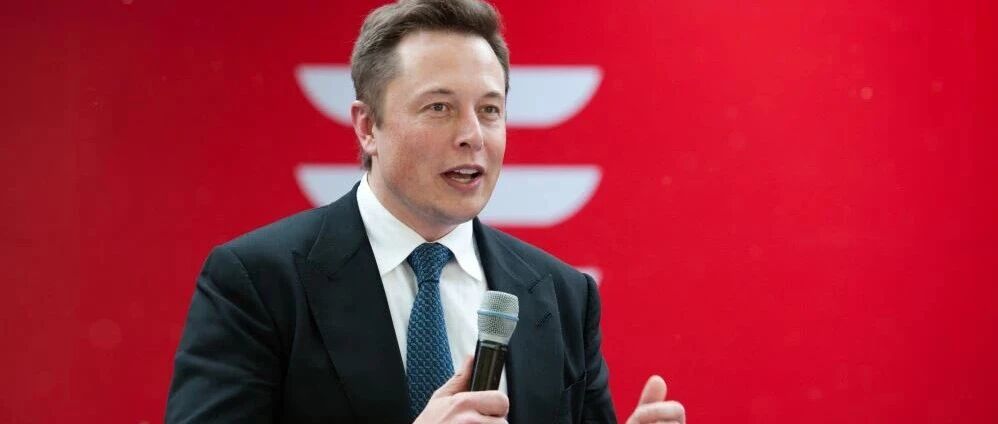
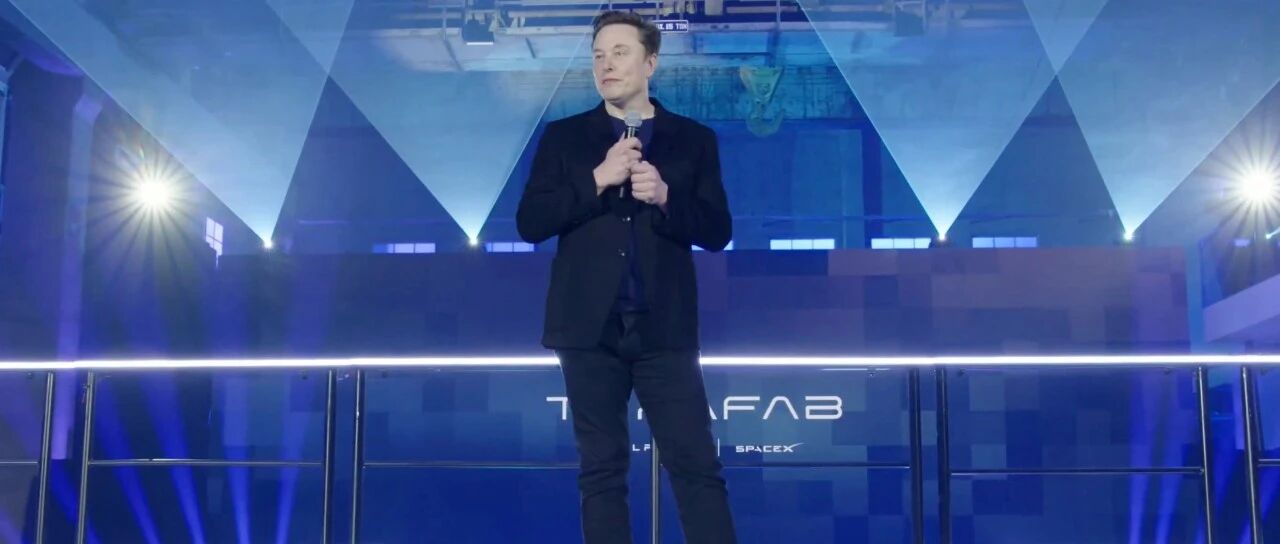
马斯克官宣开建史上最大芯片厂:年产能目标为现有全球产能50倍,80%将直接服务太空任务
华尔街见闻· 2026-03-22 09:55
Core Viewpoint - Elon Musk has announced the launch of the TERAFAB project, aiming for an annual production capacity of 1 terawatt (TW) of computing chips, which is approximately 50 times the current global chip production capacity, with 80% of this capacity dedicated to space missions [1][2]. Group 1: Project Overview - The TERAFAB project is a collaborative effort led by Tesla, SpaceX, and xAI, located in Austin, Texas, and is described as the largest public manufacturing initiative in human history [2][3]. - Musk emphasized the necessity of building TERAFAB, stating that existing suppliers like TSMC and Micron cannot meet the accelerating demand for chips in robotics, autonomous driving, and AI [2][3]. - The project aims to create a fully integrated facility for logic chips, memory chips, and advanced packaging, establishing a closed-loop system for design, production, and testing [2][6]. Group 2: Demand and Supply Dynamics - Musk predicts a significant future demand for computing power, estimating that the Optimus humanoid robot alone will require between 100 to 200 gigawatts (GW) of chip power, while space-based solar AI satellite clusters will demand terawatt-level capacity [5]. - The current U.S. grid capacity is about 0.5 TW, which cannot support the combined demands of large-scale AI training, robot operations, and data centers [5]. - Musk believes that deploying AI chips in space will become more cost-effective than on Earth within 2 to 3 years due to the superior solar efficiency in space [5]. Group 3: Factory Architecture and Chip Types - The TERAFAB facility will complete the entire process of mask manufacturing, chip production, packaging testing, and design iteration within a single building, creating a rapid iterative loop [6][7]. - The factory will produce two types of chips: one optimized for edge inference, primarily for the Optimus robot and Tesla vehicles, and another designed for space environments to withstand high-energy particle bombardment and extreme temperatures [7][8]. Group 4: Strategic Implications for SpaceX IPO - The announcement of TERAFAB coincides with SpaceX's plans for a large-scale IPO, expected to raise up to $50 billion, with a valuation potentially exceeding $1.75 trillion [3][9]. - The deployment of AI data centers in space is a core financing logic for this IPO, and the TERAFAB project provides industrial support for this narrative [9][10]. - The collaboration among Tesla, SpaceX, and xAI represents a complete industrial chain from chip manufacturing to orbital deployment and AI computation [10]. Group 5: Challenges Ahead - Analysts express skepticism regarding the feasibility of the project, highlighting the substantial financial investment required, estimated between $30 billion to $45 billion for a factory capable of producing advanced logic chips [13]. - The supply chain for high-end extreme ultraviolet (EUV) lithography machines is heavily reliant on ASML, with long delivery times complicating the project [13]. - There are concerns about the availability of specialized talent, as the semiconductor manufacturing sector faces significant challenges in recruiting skilled professionals [13].


600703,实控人被立案调查
证券时报· 2026-03-22 09:47
Core Viewpoint - Sanan Optoelectronics (600703) announced that its actual controller, Lin Xiucheng, is under investigation, but the company's operations remain normal and unaffected by this event [2]. Group 1: Company Announcement - On March 22, 2026, Sanan Optoelectronics received a notification from Fujian Sanan Group regarding Lin Xiucheng's detention and investigation by the National Supervisory Commission [2]. - The company confirmed that it has a sound organizational structure and governance system, and it will continue to operate in accordance with relevant laws and regulations [2]. Group 2: Financial Performance - Sanan Optoelectronics projected a net loss of 200 million to 300 million yuan for the fiscal year 2025, with a projected net loss of 750 million to 850 million yuan after excluding non-recurring gains and losses [2]. - The increase in the proportion of high-end LED products and improvements in integrated circuit revenue and profitability were noted, but the filter and silicon carbide segments significantly impacted overall profitability [3]. Group 3: Reasons for Loss - The company reported a decrease in government subsidies compared to the previous year, an increase in research and development expenses, and adjustments in investment income due to discrepancies in precious metal waste sales prices [3]. - Additionally, the company increased its provision for inventory write-downs in accordance with accounting standards due to the net realizable value being lower than the cost [3].


美股市场速览:资金加速流出,盈利显著上修
Guoxin Securities· 2026-03-22 08:46
Market Performance - S&P 500 index decreased by 1.9% this week, compared to a 1.6% decline last week[1] - Nasdaq Composite index fell by 2.1%, down from a 1.3% drop last week[1] - Energy sector increased by 2.8%, while the automotive sector dropped by 5.4%[1] Fund Flows - Estimated fund flow for S&P 500 components was -$155.5 million this week, worsening from -$27.1 million last week[2] - Energy sector saw a net inflow of $6.6 million, while semiconductor products experienced a significant outflow of $33.2 million[2] Earnings Forecast - S&P 500's forward 12-month EPS expectation increased by 1.7%, up from 0.6% last week[3] - Semiconductor products and equipment saw a notable EPS increase of 9.7%, while energy sector EPS rose by 2.3%[3] - Overall, 22 sectors had upward revisions in earnings expectations, indicating a positive trend[3]




预警!2026 半导体行情,或将颠覆认知
是说芯语· 2026-03-22 08:14
Core Viewpoint - The semiconductor industry is expected to experience significant price increases and shortages by 2026, driven by supply chain constraints and rising demand, particularly in AI applications [1][14]. Group 1: Material Shortages and Price Increases - Silicon oxide is facing a supply gap of 40%, with a shortage of 1.5 million wafers this year and prices increasing by over 50%, expected to remain in short supply until 2028 [4][5]. - Molybdenum, essential for semiconductor targets, has seen an 80% price increase due to a shortage of 12,000 tons, with expectations of continued shortages until 2027 [6][7]. - Photoresists are experiencing severe supply constraints, with a shortage of 12,000 tons this year and prices doubling, projected to worsen with a 15,000-ton shortage next year [8][9]. - High-end electronic fabrics are in high demand, with a shortage of 50% and prices doubling, expected to last until 2028 [10]. - High Bandwidth Memory (HBM) has been completely sold out for the year, with prices doubling and a 60% supply gap due to high demand from AI chips [11][12]. - Silicon photonic wafers are facing a 40% price increase and a shortage of 800,000 wafers, with supply issues expected to persist until 2027 [13]. Group 2: Market Dynamics and Price Trends - The current price increases are attributed to a combination of raw material shortages, geopolitical factors, and surging AI demand, indicating a significant shift in the market rather than temporary fluctuations [14]. - Major companies like Texas Instruments and Infineon have announced price hikes of up to 85% starting April 1, with domestic firms also increasing prices by 10%-20%, and some up to 80% [15].
海外科技观点更新:复盘英伟达GTC会后行情,对2026年AI算力投资布局有何启示?-20260322
EBSCN· 2026-03-22 07:56
Investment Rating - The report maintains a "Buy" rating for the industry, indicating an expected investment return exceeding the market benchmark by over 15% in the next 6-12 months [16] Core Insights - The NVIDIA GTC conference is pivotal in defining the technological direction of the AI industry, initiating a new growth cycle for the industry chain [1] - The performance of key stocks in the AI computing sector, such as NVIDIA and TSMC, shows a pattern of short-term fluctuations followed by long-term growth driven by strong fundamentals [5][6] - The demand for copper connections and liquid cooling systems is expected to surge due to NVIDIA's NVL72 cabinet, benefiting related industry stocks significantly [8] Summary by Sections AI Computing Platforms - The introduction of the Blackwell and NVL72 systems in 2024 is set to redefine the market, with significant performance improvements and cost reductions [2] - The NVL72 system integrates advanced technologies, including liquid cooling and high-speed copper interconnects, establishing a new industry paradigm [2] High-Speed Interconnects and Network Architecture - The NVLink5 and X800 switch systems will enhance bandwidth capabilities, pushing the industry towards higher performance standards [3] - The ongoing competition between copper and optical technologies is highlighted, with significant advancements expected in optical interconnects by 2026 [3] Stock Performance Analysis - Post-GTC stock performance shows a clear trend: short-term corrections followed by long-term gains, particularly in the computing and optical communication sectors [4][5] - Key stocks like NVIDIA and TSMC have shown substantial price increases over six months, correlating with strong order and delivery performance [5][6] Sector-Specific Insights - The storage and server sectors exhibit mixed performance, with SK Hynix and Micron showing significant growth in 2025 due to rising demand for high-density memory products [9][10] - The optical communication sector is expected to benefit from increased demand for high-bandwidth, low-latency connections, with several companies reporting substantial profit growth [11][12] Recommendations - The report suggests focusing on companies within the optical interconnect industry, such as Lumentum, Coherent, and others, which are poised for growth due to the expanding data center applications [14]
芯片大消息!马斯克,重磅宣布!
是说芯语· 2026-03-22 06:47
Core Viewpoint - The Terafab project, a collaboration between Tesla, SpaceX, and xAI, aims to establish the largest chip manufacturing facility in history, targeting an annual production capacity of over 1 terawatt of computing power, which will significantly reshape the global semiconductor industry [1][2]. Group 1: Terafab Project Overview - The Terafab project aims to produce over 1 terawatt of computing power annually, covering the entire semiconductor supply chain, including logic chips, memory chips, and advanced packaging [2]. - Approximately 80% of the computing power will be allocated to space applications, while the remaining 20% will focus on ground applications, reflecting Musk's strategic vision for future technological competition [2]. - The project plans to utilize 2nm advanced process technology, integrating chip design, manufacturing, and testing within a single facility, which is expected to accelerate chip iteration speed significantly [2]. Group 2: Collaborative Efforts - The project involves deep collaboration among three major companies: SpaceX, Tesla, and xAI, each playing a crucial role in the initiative [3]. - SpaceX will handle 80% of the space computing capacity, providing specialized chips for projects like Starlink and deep space exploration, addressing challenges posed by extreme conditions in space [3]. - Tesla will focus on the 20% of ground computing power for its core businesses, including fully autonomous driving and robotics, ensuring self-sufficiency in chip supply [3]. Group 3: AI Integration - xAI will provide AI algorithms and optimization support for the Terafab chips, enhancing the training and inference capabilities of large AI models [4]. - The integration of space and ground computing will facilitate efficient deployment of AI models in space scenarios, creating a unified AI ecosystem [4]. Group 4: Industry Impact and Challenges - The announcement of the Terafab project is expected to disrupt the traditional semiconductor industry, promoting a shift from specialized manufacturing to vertical integration [8]. - The project aims to resolve computing power shortages in AI, aerospace, and smart automotive sectors, potentially leading to a new era in the space economy [8]. - However, the project faces significant challenges, including a required investment of $25 billion to $40 billion, a lengthy construction period of 3-5 years, and difficulties in acquiring advanced manufacturing equipment and skilled personnel [8][9].
——转债周度跟踪20260320:重回起点,平衡转债开始出现机会-20260322
Shenwan Hongyuan Securities· 2026-03-22 05:35
1. Report Industry Investment Rating No information provided in the content. 2. Core View of the Report - This week, against the backdrop of the escalating conflict between the US and Iran, the equity market declined significantly, with small and micro - cap stocks experiencing large drops. Although the equal - weighted and weighted declines of convertible bonds were smaller than those of their underlying stocks, their anti - decline performance compared to the underlying stocks was not prominent compared to the fourth quarter of last year. This is because the valuation of convertible bonds continued to compress significantly, mainly in the balanced and bond - biased areas. There were many individual bonds in the balanced area experiencing a "double - kill" of parity and valuation, and the valuation of new bonds, near - maturity bonds, and bonds that did not undergo downward revisions in the bond - biased area also compressed significantly. Currently, the valuation of the convertible bond market has basically returned to the level at the end of last year, and the valuation has dropped to a short - term neutral range. If there is a substantial negative impact, the phased low of convertible bond valuation is expected to be around the 250 - day moving average (corresponding to a par premium rate of around 28%), and investors can seize the rebound opportunity. Structurally, considering the uncertainty of the equity market trend, there are still potential risk points such as near - maturity, downward revisions, and high valuations in the bond - biased and stock - biased areas. Recently, medium - term balanced convertible bonds with a large decline in valuation have relatively more advantages in both offense and defense [4][7]. 3. Summary by Relevant Catalogs 3.1 Week's View and Outlook - Different from the previous pattern where convertible bonds actively compressed valuation while the underlying stocks were relatively stable, this week, due to the escalating US - Iran conflict, the equity market declined significantly, and small and micro - cap stocks had large drops. The anti - decline performance of convertible bonds compared to the underlying stocks was not prominent, mainly because the valuation compression was concentrated in the balanced and bond - biased areas. The convertible bond market valuation has returned to the end - of - last - year level, and if there is a substantial negative impact, the phased low of valuation is expected to be around the 250 - day moving average. Medium - term balanced convertible bonds are relatively more advantageous [4][7]. 3.2 Convertible Bond Valuation - The escalating US - Iran conflict led to a continued increase in crude oil prices, a significant cooling of domestic risk appetite, and a large - scale compression of convertible bond valuation. The par premium rate dropped 1.7% to 30.1%, breaking through the key point. The valuation compression was mainly concentrated in the balanced and bond - biased areas, and the valuation of new bonds that had not entered the conversion period compressed by more than 5%. The compression range shifted from high - parity to medium - and low - parity intervals. In the 70 - 130 yuan parity interval, the valuation compression was about 2% - 3%, and the compression in the extremely low - parity area below 70 yuan was relatively large. In terms of individual bonds, in the high - parity interval above 140 yuan, some individual bonds such as Yitian, Dazhong, and Huachen had strong valuation performance, with an increase of more than 10%. In the 100 - 140 yuan parity interval, there were many "double - kill" individual bonds. In the bond - biased area below 100 yuan, new bonds, near - maturity bonds, and bonds that did not undergo downward revisions had the largest valuation compression. As of now, the valuation of convertible bonds in the 80 - 100 yuan parity interval and in the 1 - 2 - year and 4 - 5 - year term intervals is still slightly higher than the end - of - last - year level [6][8][10]. 3.3 Clause Tracking 3.3.1 Redemption - This week, 2 convertible bonds including Yuanxin and Huicheng announced redemptions, and 6 announced non - redemptions, with a forced redemption rate of 25%. Currently, there are 30 convertible bonds that have issued forced redemption or maturity redemption announcements and have not been delisted, and the potential conversion or maturity balance of forced - redeemed and matured convertible bonds among the non - delisted bonds is 9.9 billion yuan [6][27]. 3.3.2 Downward Revision - This week, Ruike proposed a downward revision, and 4 convertible bonds including Qiaoyin, Lanfan, and Baolai announced downward - revision results. Only Baolai did not revise to the bottom, and the others all revised to the bottom. As of now, 81 convertible bonds are in the temporary non - downward - revision range, 19 cannot be downward - revised due to net - asset constraints, 1 has triggered the downward - revision condition but has not issued an announcement, 22 are accumulating downward - revision days, and 3 have issued downward - revision board plans but have not gone to the general meeting of shareholders [6][35]. 3.3.3 Put Option - This week, Tiannai Convertible Bond issued a conditional put - option announcement. As of now, 1 convertible bond has issued a conditional put - option announcement, 11 are accumulating put - option trigger days, among which 10 are accumulating downward - revision days, and 1 proposed a downward revision [6][38]. 3.4 Primary Issuance - As of now, there are 4 convertible bonds in the approval - registration process, with a to - be - issued scale of 6.4 billion yuan; there are 12 convertible bonds in the listing - committee approval process, with a to - be - issued scale of 11.9 billion yuan [40].
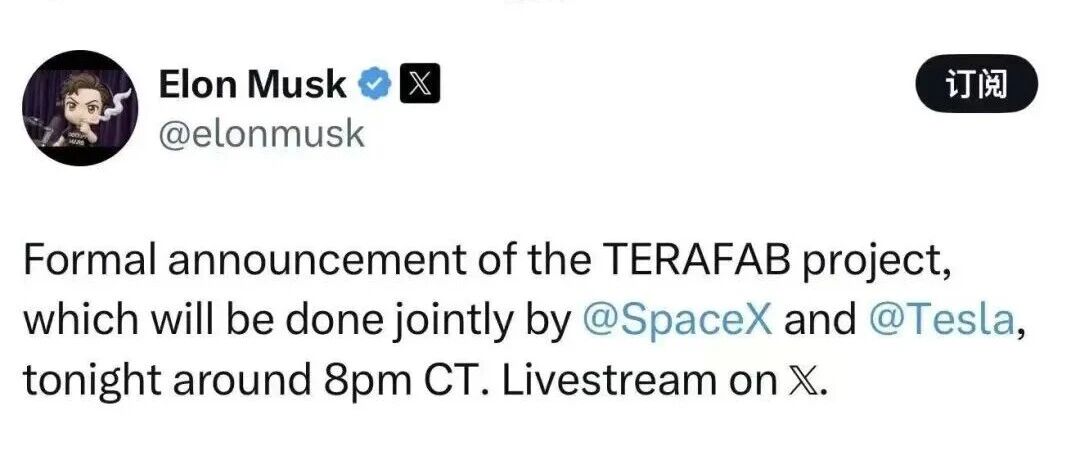
刚刚,马斯克启动TERAFAB项目:万亿瓦算力工厂,瞄准太空
机器之心· 2026-03-22 05:34
Core Viewpoint - Musk's announcement of the "TERAFAB" project aims to produce over 1 Terawatt (TW) of computing power annually, with 80% allocated for space and 20% for Earth [1][15]. Group 1: Project Overview - The TERAFAB project will be a collaboration between SpaceX and Tesla, focusing on producing a massive scale of AI chips to meet future demands [2][11]. - The project envisions a computing capacity of 1 TW, which is equivalent to 1,000 gigawatts (GW) or 1 million megawatts (MW) [1]. Group 2: Technological Aspirations - Musk's vision includes expanding human civilization to the galaxy, with plans for cities on the Moon and Mars, and utilizing the entire solar system [4][23]. - The Kardashev Scale categorizes civilizations based on their energy consumption capabilities, with Type I being the ability to harness all energy from their home planet [5][6]. Group 3: Infrastructure and Capabilities - SpaceX's Starship is crucial for achieving the goal of transporting approximately 10 million tons of materials to orbit annually, which is necessary for the TW-level computing capacity [11][12]. - The advanced chip factory in Austin will be capable of producing various types of chips and will facilitate rapid iterations in chip design [17]. Group 4: Space vs. Earth - The current annual electricity consumption in the U.S. is only 0.5 TW, while the TERAFAB project aims to produce 1 TW, highlighting the project's scale [15]. - Deploying AI in space may become more cost-effective than on Earth due to the abundance of solar energy and favorable conditions for cooling [19][20]. Group 5: Future Implications - If the TW-level computing capability is realized in space, it could revolutionize AI operations and economic systems, eliminating constraints related to land and cooling systems [24][25]. - The potential for a lunar mass driver could lead to a new economic system that is vastly larger than the current Earth economy [22].
转债周度跟踪:重回起点,平衡转债开始出现机会-20260322
Shenwan Hongyuan Securities· 2026-03-22 05:11
1. Report Industry Investment Rating No information provided in the content. 2. Core Viewpoints of the Report - This week, against the backdrop of the escalating conflict between the US and Iran, the equity market declined significantly, with small and micro - cap stocks experiencing large drops. Although the equal - weighted and weighted declines of convertible bonds were smaller than those of their underlying stocks, their resistance to decline was not prominent compared to the fourth quarter of last year. This is because the valuation of convertible bonds continued to compress significantly, mainly in the balanced and debt - biased zones. There were many individual bonds in the balanced zone with "double kills" of parity and valuation, and the valuation compression of new bonds, near - maturity bonds, and bonds that did not undergo downward revisions in the debt - biased zone was also large. Currently, the convertible bond market valuation has basically returned to the level at the end of last year, and the valuation has dropped to a short - term neutral range. If there is a substantial negative impact, the phased low of convertible bond valuation is expected to be around the 250 - day moving average (corresponding to a 100 - yuan premium rate of around 28%), and rebound opportunities can be grasped. Structurally, considering the uncertainty of the equity market trend, the debt - biased and equity - biased zones still have potential risk points such as near - maturity, downward revisions, and high valuations. Recently, medium - term balanced convertible bonds with significant valuation declines have relatively strong offensive and defensive advantages [4][7]. 3. Summary by Relevant Catalogs 3.1 Week's Viewpoint and Outlook - Different from the previous pattern where convertible bonds actively compressed valuations while underlying stocks remained relatively stable, this week, due to the escalating US - Iran conflict, the equity market declined significantly, especially small and micro - cap stocks. The equal - weighted and weighted declines of convertible bonds were smaller than those of underlying stocks, but their anti - decline ability was not prominent compared to Q4 last year. Valuation compression was mainly in the balanced and debt - biased zones. The convertible bond market valuation has basically returned to the end - of - last - year level, and if there is a substantial negative impact, the phased low of valuation is expected to be around the 250 - day moving average. Considering market uncertainties, medium - term balanced convertible bonds have offensive and defensive advantages [4][7]. 3.2 Convertible Bond Valuation - The escalating US - Iran conflict led to a continuous rise in crude oil prices, a significant cooling of domestic risk appetite, and a large decline in small and micro - cap stocks. Convertible bond valuations continued to compress significantly. After removing outliers, the 100 - yuan premium rate dropped 1.7% to 30.1%, breaking below the +1 standard deviation level. Valuation compression was mainly in the balanced and debt - biased zones, and new bonds not in the conversion period had a compression rate of over 5%. The compression range shifted from high - parity to medium - and low - parity intervals, with a 2% - 3% compression in the 70 - 130 yuan parity interval and a relatively large compression in the below - 70 - yuan extremely low - parity interval. In the high - parity interval above 140 yuan, individual bonds like Yitian, Dazhong, and Huachen had strong valuation performance, with an increase of over 10%. In the 100 - 140 yuan parity interval, there were many "double - kill" individual bonds. In the below - 100 - yuan debt - biased interval, new bonds, near - maturity bonds, and non - downward - revised bonds had the largest valuation compression, and Longda had broken below the bond floor with a high default expectation. Currently, the convertible bond market valuation has returned to the end - of - last - year level, but the valuation of the 80 - 100 yuan parity interval and the 1 - 2 - year and 4 - 5 - year maturity intervals is still slightly higher than that at the end of last year [6][8][13]. 3.3 Clause Tracking 3.3.1 Redemption - This week, 2 convertible bonds including Yuanxin and Huicheng announced redemptions, and 6 announced non - redemptions, with a forced redemption rate of 25%. There are currently 30 convertible bonds that have issued forced redemption or maturity redemption announcements but have not delisted, and the potential conversion or maturity balance of forced - redeemed and matured convertible bonds among the non - delisted ones is 9 billion yuan. There are 40 convertible bonds currently in the redemption process, 6 are expected to meet the redemption conditions next week, 13 are expected to issue announcements of potential redemption triggers, and 13 are expected to enter the forced - redemption counting period within the next month [28][31]. 3.3.2 Downward Revision - This week, Ruike proposed a downward revision, and 4 convertible bonds including Qiaoyin, Lanfan, and Baolai announced downward - revision results. Only Baolai did not revise downward to the bottom, and the others did. Currently, 81 convertible bonds are in the non - downward - revision interval, 19 cannot be downward - revised due to net - asset constraints, 1 has triggered the condition but the stock price is still below the downward - revision trigger price and no announcement has been made, 22 are accumulating downward - revision days, and 3 have issued downward - revision board proposals but have not gone to the general meeting of shareholders [36]. 3.3.3 Put Option - This week, Tiannai Convertible Bond issued a conditional put - option announcement. Currently, 1 convertible bond has issued a conditional put - option announcement, 11 are accumulating put - option trigger days, 10 of which are also accumulating downward - revision days, and 1 has proposed a downward revision [39]. 3.4 Primary Issuance - As of now, there are 4 convertible bonds in the approval - registration process, with a to - be - issued scale of 6.4 billion yuan; and 12 in the listing - committee approval process, with a to - be - issued scale of 11.9 billion yuan [41].
芯片,突传重磅消息!马斯克,刚刚宣布!
券商中国· 2026-03-22 03:47
Core Viewpoint - Tesla and SpaceX are launching the "Terafab" project, aiming to build the largest chip manufacturing facility in history, targeting an annual production capacity of over 1 terawatt of computing power, with 80% allocated for space applications and 20% for terrestrial use [1][2]. Group 1: Project Overview - The "Terafab" project will integrate logic chips, memory chips, and advanced packaging technologies within a single facility, with a production goal of 100 billion to 200 billion chips annually [4]. - The project is essential for supporting Tesla's ambitious plans, including the deployment of solar energy capturing devices and AI satellites, which require significant chip supplies [2][4]. Group 2: Market Position and Strategy - Tesla aims to lead the artificial intelligence chip sector, with expectations that its AI chip production will surpass that of all other manufacturers combined [3]. - The company is currently reliant on external suppliers like Samsung and TSMC for its Autopilot and FSD systems, but the new facility is intended to reduce this dependency [3][5]. Group 3: Financial Implications - The construction of the chip factory is projected to cost several billion dollars, with Tesla planning to invest $20 billion in new equipment, significantly higher than the previous year's investment [5]. - Analysts suggest that Tesla may not bear the entire cost of the factory alone and could seek partnerships to share the financial burden [5][6].