新能源汽车

Search documents
重庆农历新年首趟中欧班列开行
Zhong Guo Xin Wen Wang· 2026-02-17 05:52
Core Viewpoint - The first China-Europe freight train of the Lunar New Year departed from Chongqing, marking a significant boost in trade connections between Asia and Europe during the holiday season [1] Group 1: Freight Train Operations - The first freight train, loaded with electronic information and daily necessities, left Chongqing for Duisburg, Germany on February 17 [1] - During the Spring Festival holiday, Chongqing's China-Europe freight trains maintained stable operations, with plans to dispatch nearly 30 freight trains [1] - The Chongqing New Silk Road Supply Chain Management Company implemented holiday plans to ensure smooth freight operations, including measures like "inspection before loading" and "railway fast passage" [1] Group 2: Economic Impact - The supply chain for "Chongqing-made" products, including new energy vehicles, smart home appliances, and communication devices, remained uninterrupted, supporting production recovery and consumer demand in the Asia-Europe region post-holiday [1] - Since its inaugural run in 2011, the Chongqing China-Europe freight train has operated nearly 20,000 trains, with a total cargo value exceeding 630 billion RMB [1] - The operational routes have expanded to over 50 lines, reaching nearly 120 cities across Asia and Europe [1]
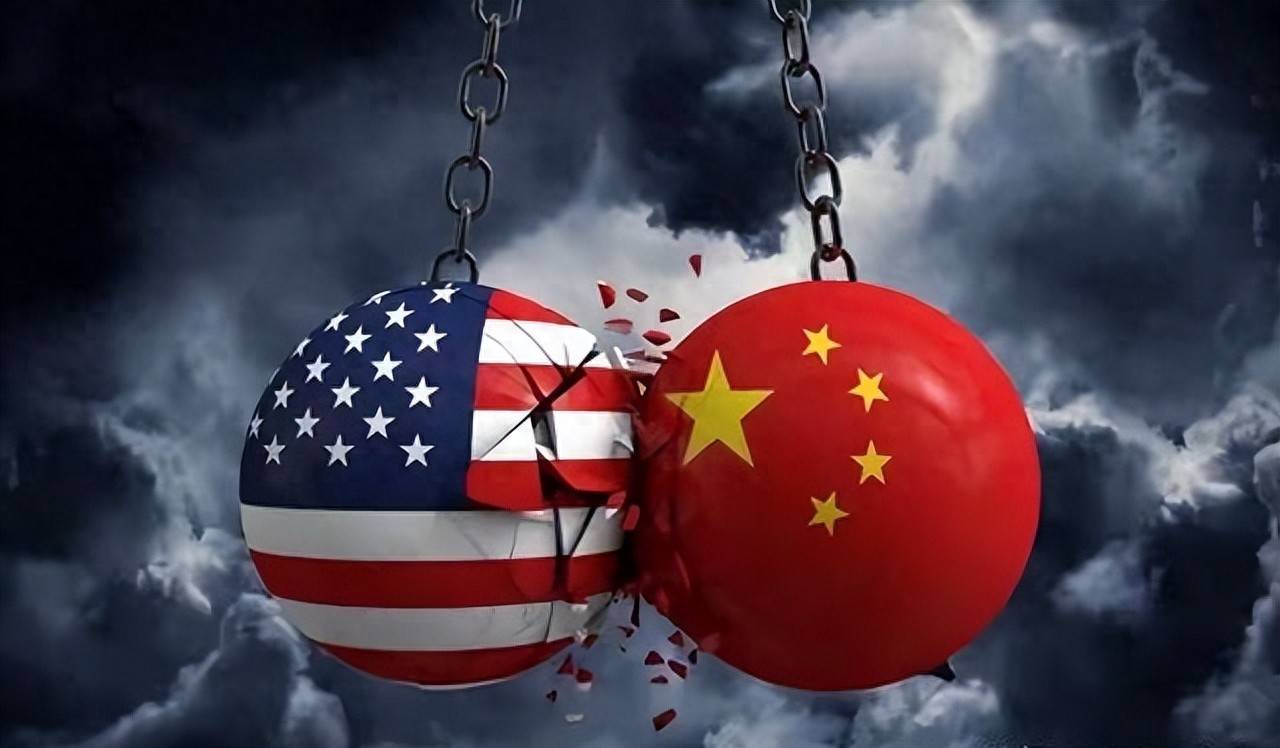
特朗普又变脸?前脚对华加税160%,后脚通告全球:中美关系非常好
Sou Hu Cai Jing· 2026-02-17 04:13
或许很多人并不清楚,电池级石墨究竟有多大的战略地位。石墨,不就是铅笔里的黑粉末吗?如果你真这么想,那就大错特错 了。在如今的新能源时代,石墨的战略地位远超你的想象。在现代锂电池技术体系中,石墨是锂电池负极的核心材料,是目前 全球无法替代的关键原料。不论是特斯拉的圆柱电池,还是比亚迪的刀片电池,所有的锂电池,负极材料都离不开高纯度的电 池级石墨。来看一组令人震惊的数据:制造一辆普通续航的电动汽车,电池组的重量中,平均需要50到100公斤的电池级石墨。 如果与同样昂贵的钴金属相比,石墨的用量是钴的九倍!根据整体重量的计算,石墨占据了电动汽车电池组重量的45%左右。 没有电池级石墨,美国引以为傲的新能源汽车产业革命,瞬间就成了空话。更糟糕的是,不仅是民用汽车,甚至包括庞大的电 网储能产业和部分高精尖新能源电池的军工设备,也都因为缺少石墨而寸步难行。 那么,问题来了:既然电池级石墨如此重要,美国作为一个工业强国,为什么不能自己生产呢?现实却是残酷的。全球90%以 上的天然石墨开采,都掌握在中国手中。中国虽然并非全球石墨矿储量排名第一的国家,但凭借超强的工业化能力,已然成为 全球最大的石墨生产与出口国。更令人绝望的是, ...


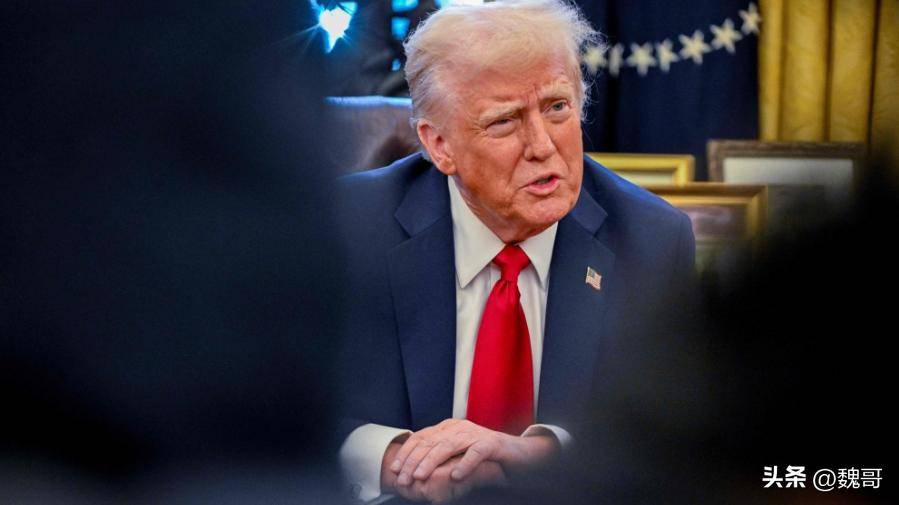
"问界山河"点亮除夕夜!问界M9春晚《手到福来》掀起全网参与热潮
Ge Long Hui· 2026-02-17 03:14
Core Viewpoint - The performance of the AITO M9 at the 2026 Spring Festival Gala showcases the technological strength and new image of Chinese electric vehicle brands, highlighting the integration of technology and art [1][7]. Group 1: Brand and Product Highlights - AITO M9, as part of the performance, symbolizes a blend of technology and cultural elements, creating a memorable experience for millions of viewers [2][3]. - The program titled "Hand to Fortune" successfully engaged the audience through interactive gestures, enhancing brand recognition and emotional resonance with the audience [4]. - Since its inception in 2021, AITO has launched four electric vehicle models, including M5, M7, M9, and M8, and has achieved a significant milestone of one million vehicles produced in just 46 months [5]. Group 2: Market Position and Recognition - AITO M9 has maintained its position as the best-selling model in the 500,000 yuan price segment for 21 consecutive months, challenging the dominance of foreign brands in the luxury market [5]. - The Spring Festival Gala appearance signifies national recognition of AITO's product strength and enhances the visibility of Chinese high-end electric vehicles on a global scale [7]. - AITO is positioned as a leader in the Chinese electric vehicle market, continuously pushing the boundaries of innovation and luxury [7].
马年,盛产首富和科技狂人
吴晓波频道· 2026-02-17 00:29
Core Viewpoint - The article discusses the complex narratives of three prominent Chinese entrepreneurs born in the Year of the Horse, highlighting their distinct paths and contributions to China's industrial upgrade amidst economic transformations. Group 1: Wang Jianlin - Wang Jianlin, once a three-time richest man in China, has faced significant challenges, including asset sales and debt issues, reflecting the broader real estate cycle in China [3][6][7] - He has sold over 85 Wanda Plaza locations and exited various sectors, including sports and film, to manage debt and maintain cash flow [7] - Despite his struggles, Wang demonstrates resilience and strategic asset management to preserve Wanda's credit standing [6][7] Group 2: Zhong Shanshan - Zhong Shanshan, founder of Nongfu Spring, became the richest man in China for the fourth time, with a net worth of 530 billion yuan, setting a new record [8][9] - He faced public scrutiny but actively addressed it through media engagement and product innovation, launching "green bottle" water to capture market share [9][10] - Zhong's wealth is primarily derived from the bottled water business, which benefits from a stable cash flow and high profit margins, contrasting with the volatility of tech sectors [10] Group 3: Wang Chuanfu - Wang Chuanfu, founder of BYD, represents the rise of Chinese electric vehicle manufacturers, with BYD's sales projected to reach approximately 2.26 million units in 2025, a 27.86% increase year-on-year [14] - The shift in perception of BYD from being underestimated to recognized as a strong competitor by global leaders like Elon Musk illustrates the changing dynamics in the EV market [13][14] - Wang's leadership reflects China's ambition to reshape global supply chains and technology leadership in the automotive sector [16] Group 4: Demographic Insights - The article notes that 47.5% of the Horse zodiac billionaires are aged 57, representing a significant portion of the wealth accumulation in sectors like new energy and technology [17] - The younger generation of entrepreneurs, born in 1978, is characterized by their digital-savvy approaches, leveraging the internet and technology for business growth [24] - The article highlights the generational divide, with older entrepreneurs having built wealth in traditional industries, while younger ones thrive in digital and tech-driven markets [24][25]


从马斯克到冯德莱恩!2025年车圈大佬还有谁?
电动车公社· 2026-02-16 16:14
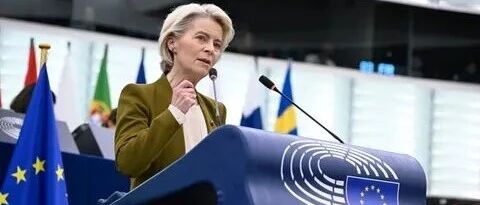
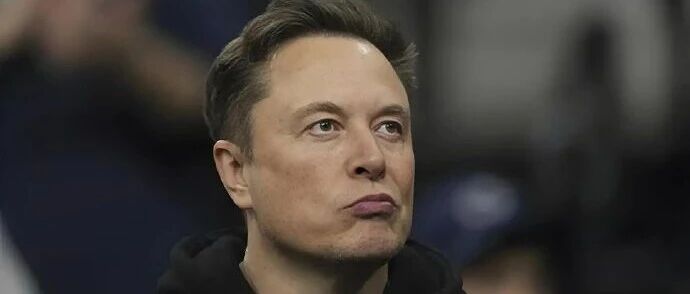
Core Viewpoint - The article highlights key figures in the automotive industry who are driving the rapid development of the new energy vehicle sector and shaping its future direction. Group 1: Zhu Jiangming - The Low-Key Leader - Zhu Jiangming is recognized as one of the most low-profile leaders among new energy vehicle companies, focusing on practical results rather than publicity [4][5]. - Under his leadership, Leap Motor has achieved impressive sales, breaking delivery records with over 70,000 units delivered in consecutive months [7][9]. - Zhu emphasizes the importance of sustained effort and warns against complacency, stating that achieving sales leadership is just a step in a long journey [10][12]. Group 2: He Xiaopeng - The Persistent Engineer - He Xiaopeng's company, XPeng, is no longer seen merely as a follower of Tesla, having made significant advancements in areas like flying cars [16][19]. - The competition in the automotive sector is intensifying, particularly in autonomous driving and humanoid robots, where both XPeng and Tesla are focusing their efforts [21][22]. Group 3: Li Bin - Striving for Profitability - Li Bin faces ongoing scrutiny regarding NIO's profitability, yet he remains focused on ensuring the company's survival and success [25][26]. - The launch of the new ES8 model has led to record deliveries, with NIO achieving a historic monthly delivery high of 48,134 vehicles in December 2025 [30][32]. - NIO's financial performance is improving, with expectations of a quarterly profit for the first time [32][34]. Group 4: Wei Jianjun - The Engaged Leader - Wei Jianjun of Great Wall Motors has stepped into the spotlight, actively promoting the company's technologies and participating in public events [36][40]. - His approach has helped enhance the brand's visibility and influence in the market [40]. Group 5: Lei Jun - The Marketing Controversy - Lei Jun's reputation has fluctuated dramatically, with early successes in product launches followed by negative press related to marketing strategies [42][44]. - He defends his focus on technology and product quality, asserting that marketing should not overshadow the core value of the products [45][47]. Group 6: Elon Musk - Transitioning from Politics to Business - Elon Musk's year was marked by significant challenges for Tesla, including backlash from political actions that affected sales [50][52]. - He has since refocused on business, pushing forward with advancements in autonomous driving and robotics [56][57]. Group 7: Li Xiang - The Silent Strategist - Li Xiang has adopted a more restrained public presence, focusing on the company's future direction and management style [59][63]. - He emphasizes the importance of embodied intelligence in future developments, aiming for substantial revenue growth [63]. Group 8: Zhu Huarong - Ambitious Independence - Zhu Huarong's leadership marks a new chapter for Changan Automobile, which has gained independence and is poised for significant growth [64][70]. - The company is expected to leverage its new status to access more resources and enhance its market position [70][72]. Group 9: Zeng Yuqun - The Steady Force - Zeng Yuqun of CATL maintains a strong position in the new energy vehicle market, continuing to innovate with new battery technologies [73][75]. - The company is actively expanding its international presence, particularly in Europe, to solidify its role in the global market [78][80]. Group 10: Ursula von der Leyen - Influential Policy Maker - Ursula von der Leyen's policies significantly impact the automotive industry, affecting both European and Chinese manufacturers [81][84]. - Her decisions regarding emissions regulations and tariffs on Chinese electric vehicles will shape the competitive landscape in the coming years [84][86].

三登春晚,问界M9累计交付突破27万辆,连续21个月稳居50万元级销冠
Jin Rong Jie· 2026-02-16 15:50
Group 1 - The core viewpoint of the articles highlights the successful marketing and technological advancements of the AITO Wenjie M9, which has become a prominent feature in major events like the CCTV Spring Festival Gala [1][2]. - The AITO Wenjie M9 has achieved cumulative deliveries exceeding 270,000 units and has maintained its position as the sales champion in the 500,000 yuan vehicle segment for 21 consecutive months [2]. - In January 2026, the entire AITO model lineup delivered 40,016 units, representing a year-on-year growth of 83% [2]. Group 2 - The AITO brand has shown strong overall growth, with total sales surpassing 420,000 units in 2025 and an average transaction price of 386,000 yuan per vehicle [2]. - AITO Wenjie M9 was the only electric vehicle featured alongside major Chinese manufacturing achievements at the "China Manufacturing '14th Five-Year' Achievement Exhibition" [2]. - Securities firms have recognized AITO's strategic positioning in the high-end market, benefiting from Huawei's support, and have recommended the company as a key player in the high-end passenger vehicle sector [2].

除夕夜+3, 理想目前至少有1173座纯高速服务区超充站
理想TOP2· 2026-02-16 13:32
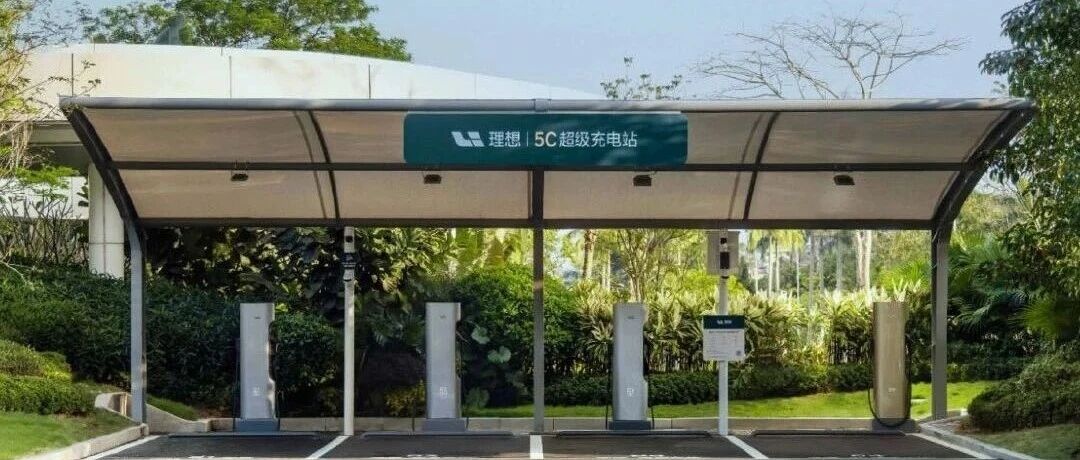
有9个省级行政区平均120公里以内单向有一个理想超充站,分别为重庆(32)、天津(42)、浙江(45)、江西(60)、安徽 (65)、河北(83)、福建(97)、西藏(102)、四川(109)。 2026年2月16日,理想除夕夜新增2福建,1江西高速服务区超充站,2026年2月1-16日理想新增4重庆,3浙江,1江 西,12河北,34福建,3四川,2甘肃,2湖北,6湖南,2辽宁高速服务区超充站。 截至2026年2月16日,理想至少有1173座纯高速服务区超充站,大约平均165公里单向,330公里双向有理想超充站。 目前理想有6个省级行政区高速服务站破90,分别为重庆(139)、浙江(124)、江西(114)、河北(105)、 四川(95)、 安徽 (92)。 李想感谢辽宁对理想汽车发展的关心支持。 谋划落地更多技术、项目,聚焦寒区应用场景深化产学研联合攻关。 详见 辽宁省委书记与省长会见理想汽车CEO李想 | | | 理想各省服务超充站分布2026年2月16日(理想TOP2制图) | | | --- | --- | --- | --- | | | | 省级行政区 高速公路里程 服务区超充站 平均公里站数(单向 ...

非洲零关税大礼包来了!中国消费者钱包要鼓起来了?
Sou Hu Cai Jing· 2026-02-16 11:01
Core Viewpoint - China's zero-tariff policy for 53 African countries is expected to significantly impact the pricing of imported goods in local supermarkets, leading to lower prices for various products [1]. Group 1: Price Reductions on African Goods - The price of Kenyan avocados is projected to drop by 40%, from 20 yuan to 12 yuan each [3]. - Ethiopian Yirgacheffe coffee prices will decrease by 30%, saving consumers approximately 8 yuan per cup [3]. - South African Cabernet Sauvignon will see a 25% price reduction, making it competitive with mid-range French wines [3]. Group 2: Logistics and Supply Chain Improvements - The new "Africa Special Line" of the China-Europe Railway allows cashews from Mozambique to reach Chongqing in just 18 days [3]. - Cross-border e-commerce enables Rwandan chili sauce to be delivered to consumers' tables within 7 days after ordering [3]. - The upgraded "fresh goods channel" at Guangzhou Baiyun Airport allows Tanzanian seafood to clear customs within 3 hours [3]. Group 3: Impact on Manufacturing Costs - The zero-tariff policy on cobalt from the Democratic Republic of Congo is expected to reduce the cost of electric vehicle batteries by 5%, potentially saving consumers 7,500 yuan on a 150,000 yuan electric car [5]. - The removal of tariffs on bauxite from Guinea will lower the cost of domestic smartphone casings by 12%, intensifying price competition among brands like Xiaomi and OPPO [5]. Group 4: Market Dynamics and Consumer Behavior - African consumers are increasingly purchasing Chinese mobile phones and agricultural machinery, with Transsion mobile sales in Nigeria surging by 200% and Lovol harvesters becoming popular in Zambia [7]. - The formula for calculating future prices of African goods post-tariff removal is original price multiplied by (1 - tariff rate), exemplified by a 300 yuan South African diamond chocolate saving 45 yuan after the 15% tariff is eliminated [7]. Group 5: Global Trade Implications - The zero-tariff initiative is viewed by some Western media as "economic colonialism," yet African farmers benefit from increased income due to China's tariff exemptions, contrasting with the 25% "fair trade tax" imposed by European buyers [9]. - The initiative highlights the complexities of global trade dynamics, where savings for consumers in one region may challenge protectionist policies in another [9].

突发!特斯拉或将被合并!
商业洞察· 2026-02-16 09:34
Core Viewpoint - The merger between SpaceX, xAI, and Tesla is highly probable, driven by Tesla's strategic transformation and the need to address internal challenges and market competition [4][8][18]. Group 1: Strategic Transformation - Tesla is transitioning from a traditional car manufacturer to a "physical AI company," with capital expenditures expected to exceed $20 billion by 2026, focusing on robotics, AI chips, and autonomous driving data centers [10][11]. - The recent decision to permanently cease production of the Model S and Model X is a strategic move to repurpose production lines for the Optimus humanoid robot, which is anticipated to hold over 80% of Tesla's long-term value [12][14][17]. - The Optimus Gen 3 robot is set to debut in Q1 2026, with a production target of one million units annually and a cost per unit projected to be under $20,000 [17]. Group 2: Market Challenges - Tesla's global delivery volume is projected to decline by 8.6% in 2025, with revenue falling by 3% to $94.827 billion, while competitors like BYD are gaining market share [19][21]. - Internal turmoil is evident as several key executives have left the company, likely due to conflicts arising from the strategic shift [22][23]. - The combination of declining sales, increased competition, and significant capital expenditure pressures makes it increasingly difficult for Tesla to operate independently [21][23]. Group 3: Valuation and Future Outlook - Tesla's market capitalization reached $1.6 trillion as of February 11, 2026, driven by expectations surrounding its AI and robotics initiatives rather than its automotive business [24]. - The challenges in AI transformation and robot production highlight the need for collaboration with SpaceX and xAI to enhance Tesla's technological and commercial value [26]. - Elon Musk's overarching ambition appears to extend beyond the automotive sector, aiming to create a comprehensive technology empire encompassing space, AI, and physical applications on Earth [30].
美国三届政府打了8年才发现:为何中国反而越打越强?
Sou Hu Cai Jing· 2026-02-16 05:53
Group 1 - The US has imposed tariffs on Chinese goods since 2018, starting with steel and aluminum, expanding to $340 billion worth of products at a 25% rate [1] - In response to US tariffs, China implemented retaliatory measures, matching the scale of the tariffs [1] - The US-China trade tensions escalated with the US imposing additional tariffs on $200 billion of Chinese goods, raising the rate from 10% to 25% [1] - The US government has continued to enforce strict export controls on semiconductor technology to China, including the addition of companies to the entity list [1][3] - By 2026, the US shifted focus to requiring allies to pay more military expenses to reduce economic ties with China [3] Group 2 - China's semiconductor self-sufficiency reached 35% by January 2026, indicating progress in domestic production capabilities [3] - Despite US efforts to suppress China's economy, trade deficits have increased, from $375 billion in 2018 to $650 billion in 2020 [3] - Chinese companies have adapted by relocating supply chains to countries like Vietnam and India, and have increased domestic R&D efforts [5] - By 2026, China's manufacturing value added accounted for 35% of the global total, showcasing enhanced resilience in its industrial chain [5] - China's export structure has shifted significantly towards high-tech products, with electric vehicle exports increasing several times [5] Group 3 - The US's strategy has not achieved its intended effects, as China's technological development and export stability have continued to grow [7] - The US faces internal challenges such as manufacturing hollowing out, financialization, political polarization, and increasing wealth disparity [7] - The key issue lies in the US finding a new strategic direction to maintain its global dominance, while China continues to rise through global cooperation and innovation [9]