潮玩

Search documents
华西证券:泡泡玛特评级由“增持”上调至“买入” 积极回购彰显发展信心
Zhi Tong Cai Jing· 2026-01-23 07:06
Core Viewpoint - The report highlights the positive outlook for Pop Mart (泡泡玛特) following its share buyback announcements, indicating strong confidence in its development and upgrading the rating from "Accumulate" to "Buy" [1][6]. Group 1: Share Buyback and Financial Performance - Pop Mart has conducted multiple share buybacks, including 1.4 million shares at prices ranging from HKD 177.7 to 181.2, totaling HKD 250 million, and 500,000 shares at an average price of HKD 192.9791, totaling HKD 96.49 million [1]. - The buyback shares are intended for cancellation to enhance earnings per share [1]. Group 2: Business Growth and IP Performance - The overall business performance is expected to exceed expectations, with a focus on offline shopping experiences and store operations, which may positively influence revenue growth despite online sales being affected by strategic channel balancing [2]. - In the first half of 2025, five major IPs generated over 1 billion yuan in revenue, with significant year-on-year growth rates for various IPs, including THEMONSTERS (+668.0%) and MOLLY (+73.5%) [3]. - The introduction of multi-IP product series has increased exposure and cross-selling opportunities among different IPs, contributing to strong sales performance [3]. Group 3: IP Development and Market Trends - The company continuously attracts top IP artists, ensuring a steady flow of design inspiration and maintaining a leading position in product development and IP management [4]. - The emotional consumption trend among youth is expected to drive the demand for collectible toys, with the market projected to reach a scale of 100 billion yuan by 2025 [5]. Group 4: Financial Forecast and Valuation - The revenue forecasts for 2025-2027 have been revised upwards, with expected revenues of 38.384 billion, 52.768 billion, and 65.698 billion yuan, respectively, and net profits of 13.291 billion, 18.599 billion, and 23.91 billion yuan [6]. - The latest stock price corresponds to a price-to-earnings ratio of 19, 14, and 11 for the years 2025, 2026, and 2027, respectively, reflecting a positive investment outlook [6].


华西证券:泡泡玛特(09992)评级由“增持”上调至“买入” 积极回购彰显发展信心
智通财经网· 2026-01-23 07:06
Core Viewpoint - The company has demonstrated confidence in its growth by continuously repurchasing shares, which is expected to enhance earnings per share. The rating has been upgraded from "Accumulate" to "Buy" [1][6]. Group 1: Share Buyback and Financial Performance - The company repurchased 1.4 million shares at a price range of HKD 177.7-181.2, totaling HKD 250 million on January 19, and 500,000 shares at an average price of HKD 192.9791, totaling HKD 96.49 million on January 21 [1]. - The company aims to cancel the repurchased shares to improve earnings per share [1]. Group 2: Business Growth and IP Performance - The company’s overall business performance is expected to exceed expectations, with a focus on enhancing in-store shopping experiences and consumer engagement [2]. - In the first half of 2025, five major IPs generated over 1 billion yuan in revenue, with significant year-on-year growth rates for various IPs, including THEMONSTERS (+668.0%) and MOLLY (+73.5%) [3]. - The company has successfully launched multi-IP product series to increase exposure and cross-selling opportunities among its IPs [3]. Group 3: Market Trends and Consumer Behavior - The emotional consumption trend among youth is growing, with 56.3% of young consumers willing to spend for emotional value, an increase of 16.2 percentage points from 2024 [5]. - The collectible toy market is projected to reach a scale of 100 billion yuan by 2025, indicating sustained high demand in the emotional consumption era [5]. Group 4: Investment Recommendations - The company has revised its revenue forecasts for 2025-2027, expecting revenues of 38.384 billion, 52.768 billion, and 65.698 billion yuan, respectively, with corresponding net profits and earnings per share also adjusted upwards [6]. - The latest stock price corresponds to a price-to-earnings ratio of 19, 14, and 11 for the years 2025, 2026, and 2027, respectively [6].
泡泡玛特电子木鱼爆火,隐藏款被炒到超300元
2 1 Shi Ji Jing Ji Bao Dao· 2026-01-23 06:31
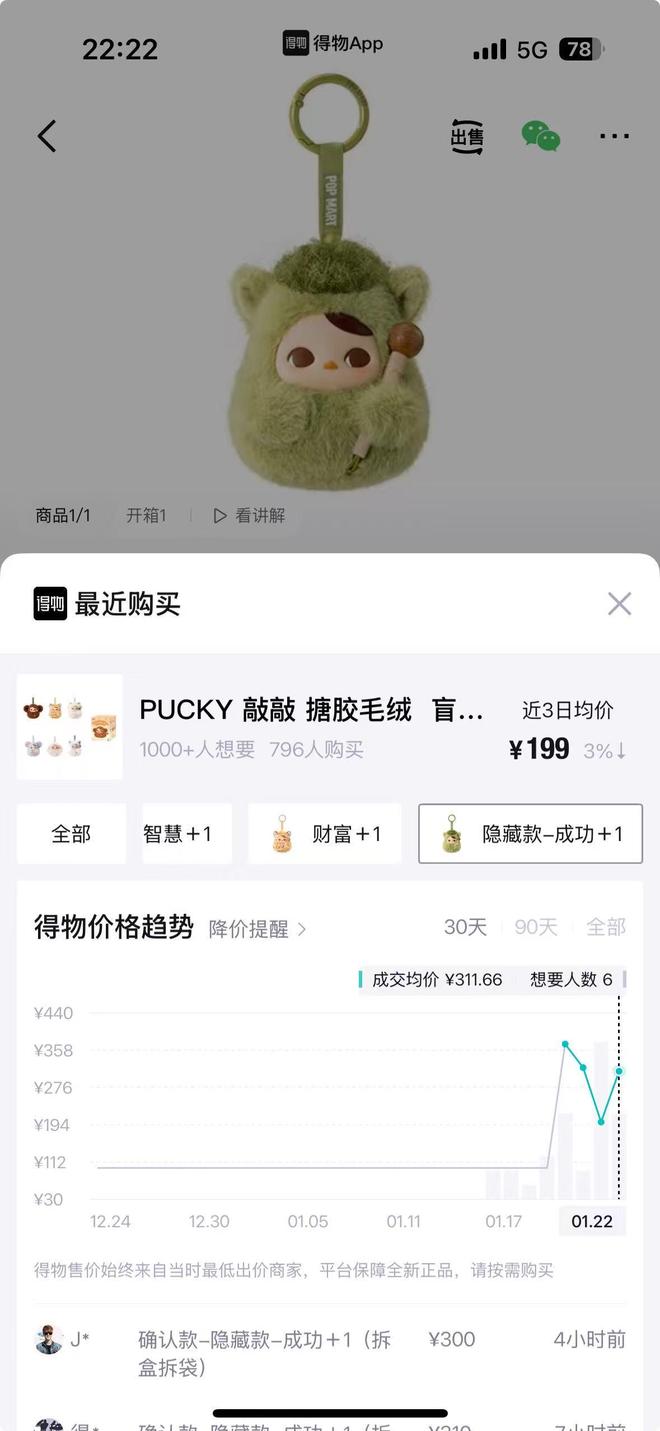
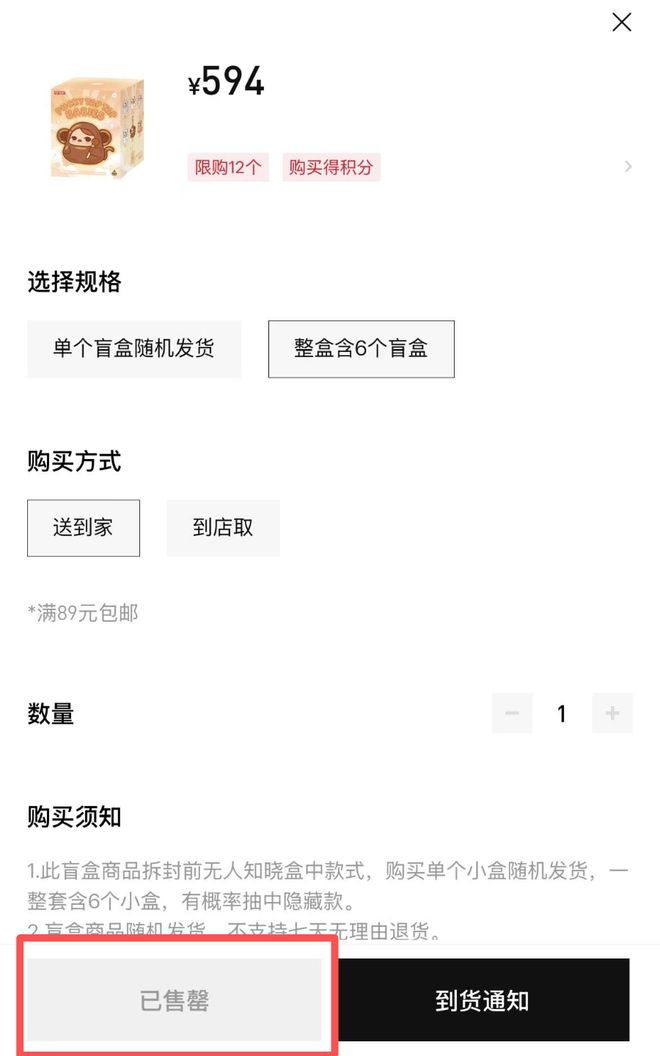
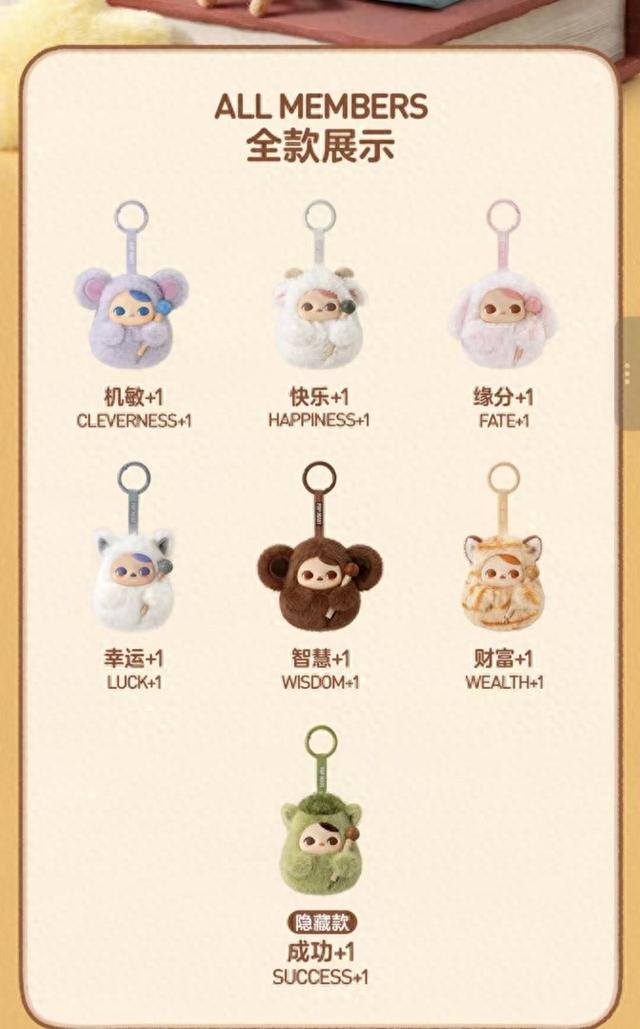
Core Viewpoint - The recent popularity of Pop Mart's "PUCKY Knock Knock Series" has significantly impacted both consumer interest and the company's stock performance, highlighting the potential for collectible toys in the market [1][5][9]. Group 1: Product Details - The "PUCKY Knock Knock Series" features plush keychains that produce a sound when lightly tapped, earning the nickname "electronic wooden fish" among consumers [1]. - The series includes 6 regular characters and 1 hidden character, with a single box priced at 99 yuan and a full set (6 pieces) priced at 594 yuan. The product is currently sold out on the official website [1]. Group 2: Market Performance - On January 23, Pop Mart's stock (09992.HK) surged over 7%, reaching 222.2 HKD per share, with a market capitalization of 298.1 billion HKD [9]. - The company announced a share buyback of 500,000 shares for a total of 96.49 million HKD, with prices ranging from 191.1 HKD to 194.9 HKD per share. This marks the second buyback within the week, totaling nearly 350 million HKD [9]. Group 3: Pricing and Resale Market - On an e-commerce platform, the hidden version of the "PUCKY Knock Knock" plush keychain is being sold for approximately 327 yuan, reflecting a premium of 230% [5]. - On second-hand trading platforms, the price for this item starts at 245 yuan and above, indicating strong demand in the resale market [5].

泡泡玛特电子木鱼爆火,隐藏款被炒到超300元
21世纪经济报道· 2026-01-23 06:25
Core Viewpoint - The recent popularity of Pop Mart's "PUCKY Knock Knock Series" has significantly impacted both consumer interest and the company's stock performance, indicating a strong market response to innovative product offerings [1][9]. Group 1: Product Details - The "PUCKY Knock Knock Series" features plush keychains that produce a sound when lightly tapped, leading to its nickname as "electronic wooden fish" [1]. - The series includes 6 regular characters and 1 hidden character, with a single box priced at 99 yuan and a full set (6 pieces) priced at 594 yuan. The product is currently sold out on the official website [1]. - On an e-commerce platform, the hidden character is being sold for around 327 yuan, reflecting a premium of 230%. Additionally, second-hand platforms list the item at prices starting from 245 yuan [5]. Group 2: Market Impact - Following the product's success, Pop Mart's stock (09992.HK) surged over 7%, reaching 222.2 HKD per share, with a market capitalization of 298.1 billion HKD [9]. - On January 21, Pop Mart announced a share buyback of 500,000 shares for a total of 96.49 million HKD, with prices ranging from 191.1 to 194.9 HKD per share. This marked the second buyback within the week, totaling nearly 350 million HKD [9].
打工治愈神器?泡泡玛特电子木鱼爆火 隐藏款溢价超200%
2 1 Shi Ji Jing Ji Bao Dao· 2026-01-23 06:02
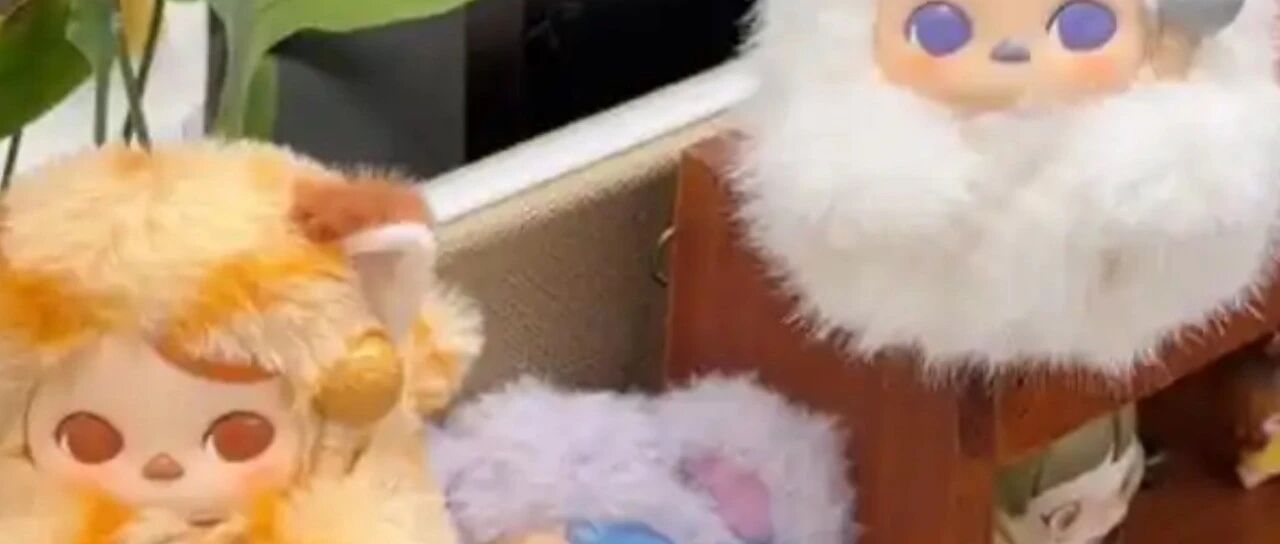
目前,泡泡玛特官网小程序显示已售罄。某电商平台上潮玩店铺售卖的泡泡玛特PUCKY敲敲毛绒挂件 隐藏款售价为327元左右,溢价率高达230%。此外,在二手交易平台上,该系列的普通款溢价不高,卖 家售价普遍在90多到100出头,但隐藏款标价多在245元及以上。 本月,泡泡玛特新推出的"PUCKY敲敲系列"毛绒挂件盲盒,因轻拍即可发出清脆木鱼声,每款盲盒还 对应特定吉祥寓意标签如"财富+1""快乐+1""智慧+1"等,被网友戏称为"电子木鱼"。 ...
港股速报|港股高开反弹 阿里涨超3% 泡泡玛特大涨7%
Mei Ri Jing Ji Xin Wen· 2026-01-23 05:57
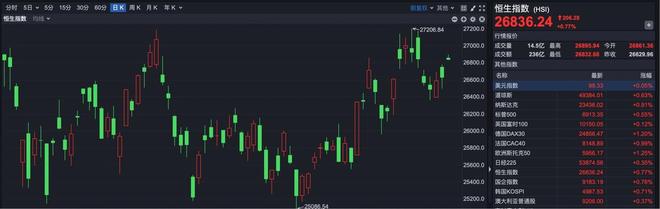
Market Overview - The Hong Kong stock market continued its rebound, with the Hang Seng Index opening at 26,861.36 points, up 231.40 points, a rise of 0.87% [1] - The Hang Seng Tech Index opened at 5,817.51 points, increasing by 55.07 points, a gain of 0.96% [2] Company Highlights - Alibaba Group (HK09988) saw its stock rise over 3% in early trading [4] - Alibaba has reportedly decided to support its chip subsidiary, Pingtouge, for an independent listing, although the specific timeline remains unclear [5] - Pop Mart (HK09992) experienced a significant increase, with its stock rising over 7% [5] Sector Performance - New consumption concept stocks showed strength, with Lao Pu Gold rising by 6.60% and Guoquan increasing by 3.55% [7] - The release of Pop Mart's Valentine's Day limited series has led to some hidden items being priced at nearly 7 times their original value [7] - Tech stocks generally rose, with Xiaomi up over 3%, JD.com up over 2%, and Bilibili and Kuaishou each gaining over 1% [7] Market Outlook - Guolian Minsheng Securities maintains a positive outlook on the revaluation of AI in China, supported by a solid industrial catalyst timeline [8] - The release of DeepSeek V4 is anticipated during the Chinese New Year, potentially replicating last year's "Spring Festival offensive" [8] - Morgan Stanley predicts that as investors continue to favor growth stocks, the upward trend in both A-shares and Hong Kong stocks is likely to persist until the Lunar New Year, with Hong Kong stocks expected to outperform A-shares [8]

港股速报 | 港股高开反弹 阿里涨超3% 泡泡玛特大涨7%
Mei Ri Jing Ji Xin Wen· 2026-01-23 05:28
Group 1 - The Hong Kong stock market continued its rebound, with the Hang Seng Index opening at 26,861.36 points, up 231.40 points, a rise of 0.87% [1] - The Hang Seng Tech Index opened at 5,817.51 points, increasing by 55.07 points, a gain of 0.96% [2] - Alibaba Group's stock (HK09988) rose over 3% in early trading, while its subsidiary, Pingtouge, is set to support an independent listing, although the specific timeline is unclear [3][5] Group 2 - Other new consumer concept stocks showed strength, with Pop Mart (HK09992) rising over 7%, and Lao Pu Gold increasing by 6.60% [5][7] - The technology sector saw a general increase, with Xiaomi up over 3%, JD.com up over 2%, and Bilibili and Kuaishou both rising over 1% [7] - J.P. Morgan predicts that the upward trend in A-shares and Hong Kong stocks will continue until the Lunar New Year, with Hong Kong stocks expected to outperform A-shares [8]
1月22日【港股Podcast】恆指、騰訊、理想汽車、阿里、泡泡瑪特、中國聯通
Ge Long Hui· 2026-01-23 05:26
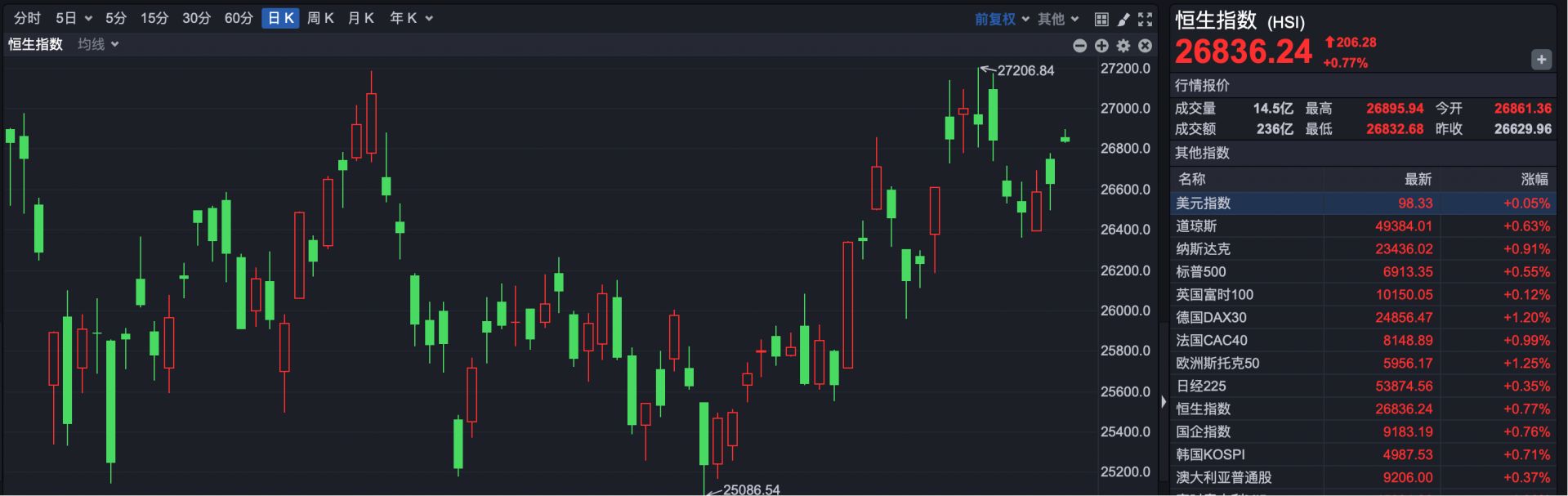
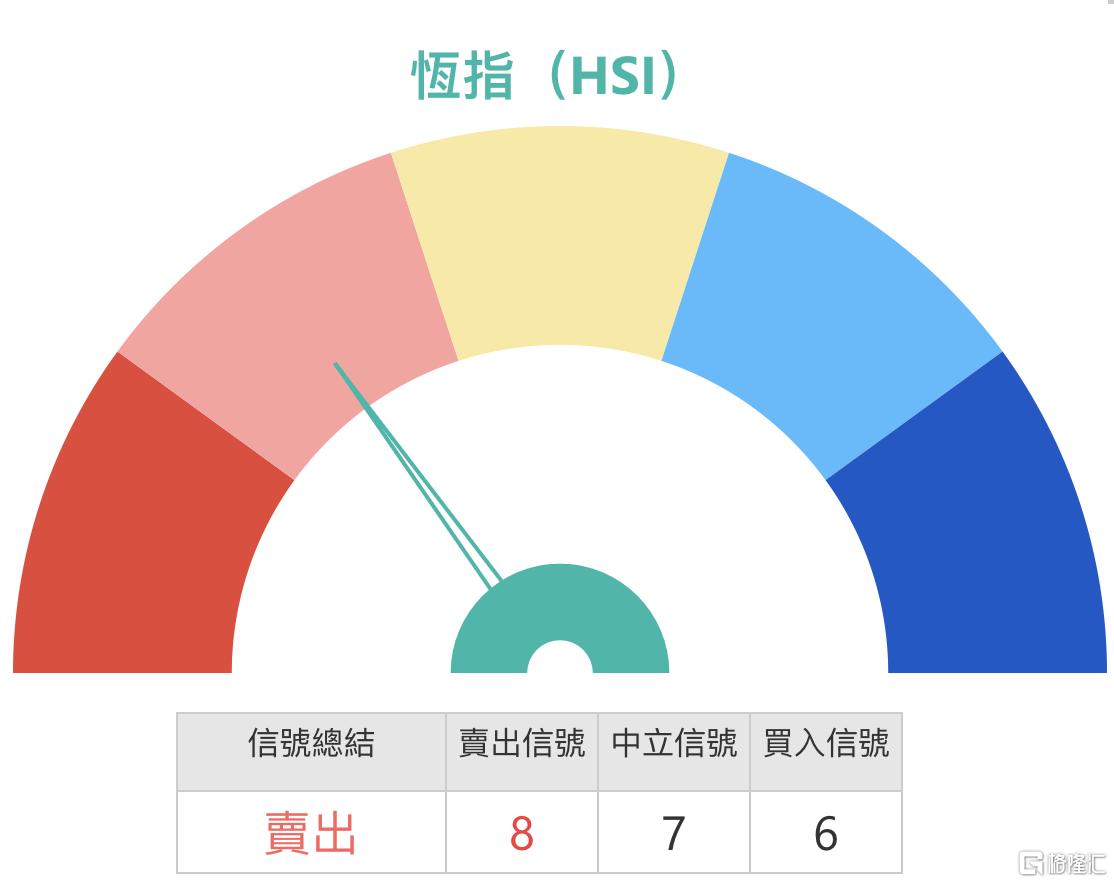
Group 1 - The Hang Seng Index (HSI) closed at 26,629 points on January 22, showing limited movement and continuing to oscillate around the 26,600 level [1] - Investors are divided in their outlook, with some bullish investors believing in potential upward movement while others see significant resistance at 26,666 points, suggesting the deployment of bearish products [1] - Current sell signals slightly outweigh buy signals, indicating a cautious short-term market sentiment, with 8 sell signals and 6 buy signals [5] Group 2 - Li Auto (02015.HK) saw a slight increase, closing at 65.5 HKD, but has been in a consolidation phase since mid-October, with a notable drop from a previous high of 87 HKD [8] - The stock's short-term technical signals remain predominantly bearish, with 8 sell signals against 5 buy signals, suggesting potential for further adjustment [8] - Key support for Li Auto is at 62.9 HKD, with a further drop possible to 61 HKD if this level is breached [8] Group 3 - Tencent Holdings (00700.HK) experienced a weak performance, closing at 597.5 HKD, having fallen below the critical psychological level of 600 HKD [14] - The stock's trading volume has significantly increased, indicating a need for caution despite some short-term bullish signals, with 8 buy signals and 6 sell signals [14] - Key support levels are at 582 HKD and 565 HKD, with a recommendation to observe price stabilization before making decisions [14] Group 4 - Alibaba (09988.HK) showed a stable performance, closing at 164.8 HKD, with concerns about a potential drop to 155 HKD [20] - Current technical signals are neutral, with support at 156.3 HKD, close to the 155 HKD level of interest for investors [20] - Investors are advised to avoid short-term products and consider options with expiration dates in June or September to minimize time decay [20] Group 5 - Pop Mart (09992.HK) closed at 206 HKD, near the upper band of its Bollinger Band, with potential to test 230 HKD if it holds above 205 HKD [26] - There are more options available for bull certificates compared to call options, with leverage around 4.9-5 times [26] - Key support is at 190 HKD, with a further drop to 185 HKD possible if this level is breached [26] Group 6 - China Unicom (00762.HK) has been on a downward trend for 11 consecutive weeks, with a slight recovery noted on January 22 [31] - Technical indicators suggest a "strong buy" signal, indicating potential for a rebound, but caution is advised due to the ongoing long-term downtrend [31] - Key support levels are at 7.42 HKD and 7.21 HKD, with recommendations for strict position control and stop-loss settings [31]
“电子木鱼”火上热搜背后:捕捉情绪需求激活老IP
Bei Jing Ri Bao Ke Hu Duan· 2026-01-23 04:04
Core Viewpoint - The recent launch of the "PUCKY Knock Knock Series" plush blind box by Pop Mart has gained significant popularity, particularly among young consumers, due to its unique features and emotional resonance [1][5]. Product Performance - The "PUCKY Knock Knock Series" plush blind box, priced at 99 yuan, includes an "electronic wooden fish" function that produces sound when tapped, along with tags like "Happiness +1" and "Wealth +1" [1]. - The product has sold out in several locations, including major shopping centers in Beijing, indicating strong demand [3]. - The secondary market has seen a notable price increase, with the hidden variant "Success" rising from 99 yuan to 396 yuan, a 300% premium, while regular variants have also experienced price increases [5]. Market Strategy - Pop Mart has been actively repurchasing shares, with a total buyback amount nearing 350 million HKD, reflecting confidence in its market position [8]. - The company is adjusting its supply strategy to stabilize secondary market prices, which is seen as a move towards achieving supply-demand balance [8]. - The "PUCKY" IP, created by Hong Kong illustrator Picky in 2018, showcases Pop Mart's ongoing investment in mature IPs for sustained engagement [8]. Industry Challenges - The collectible toy industry is facing increasing competition and rapidly changing consumer preferences, posing challenges for companies to maintain innovation and long-term growth [9]. - Pop Mart's ability to sustain the popularity of its IPs while ensuring steady performance will be a critical challenge moving forward [9].
泡泡玛特“电子木鱼”和情人节限定产品爆火,隐藏款溢价最高近7倍
Xin Jing Bao· 2026-01-23 03:31
Core Viewpoint - The recent launch of the "PUCKY Knock Knock Series" plush blind boxes and Valentine's Day limited products has gained significant popularity among consumers, leading to sold-out status on official platforms and substantial price increases on secondary markets [1][8]. Product Highlights - The "PUCKY Knock Knock Series" features plush blind boxes with 6 regular characters and 1 hidden character, priced at 99 yuan per box and 594 yuan for a full set [1]. - The product's unique selling point is its ability to produce a clear wooden fish sound when tapped, appealing to young consumers seeking stress relief [1][8]. - Valentine's Day limited hidden variants "Together White-Head" and "Together Grow Old" have seen prices soar from 89 yuan to 699 yuan, marking a nearly 7-fold increase, the highest premium for a product since 2026 [8]. Market Performance - On the "DeWu" platform, the hidden variant "Success" has increased from 99 yuan to 396 yuan, a 3-fold premium, while the most popular regular variant "Wisdom" rose from 99 yuan to 209 yuan, a 1-fold premium [4]. - The overall market trend indicates that while regular variants have modest premiums, hidden variants are priced significantly higher, often above 250 yuan [4]. Company Actions - On January 21, the company announced a share buyback of 500,000 shares for a total of 96.49 million HKD, with a buyback price range of 191.1 to 194.9 HKD [9]. - Following the product's success, the company's stock price saw a notable increase, rising nearly 7% on January 23, with a market capitalization reaching 295.4 billion HKD [9].