文旅

Search documents
四川端出春节“文旅大餐”
Xin Lang Cai Jing· 2026-02-04 22:38
Core Insights - Sichuan's cultural and tourism system will launch nearly 3,000 various promotional activities during the Spring Festival, distributing over 30 million yuan in tourism consumption vouchers to stimulate holiday spending [1][2] Group 1: Promotional Activities - The promotional activities will include art performances, music shows, intangible cultural heritage markets, New Year goods festivals, and rural temple fairs [3] - The theme for the activities is "Exploring the Original Home During Spring Festival, Entering Sichuan for the New Year," with innovative educational tourism activities and a dedicated Spring Festival tourism IP [1] Group 2: Consumption Vouchers and Collaborations - The tourism consumption vouchers will cover diverse spending scenarios including scenic area visits, hotel accommodations, dining, shopping, and cultural performances [2][3] - Collaborations with major platforms and financial institutions will provide additional incentives, such as a 3 million yuan investment from Sichuan Bank to support tourism consumption and various promotional activities with travel and food service platforms [2] Group 3: Local Cultural Activities - Each city and state will explore local cultural heritage and combine it with Spring Festival customs to launch a series of activities that reflect regional characteristics and contemporary innovation [2]
在“乐购新春”中提升民生幸福感
Xin Lang Cai Jing· 2026-02-04 17:28
Core Viewpoint - The 2026 "Happy Shopping Spring Festival" special event aims to stimulate consumer spending during the Spring Festival, enhancing public welfare and promoting high-quality economic development [1][4]. Group 1: Event Overview - The event will take place from February 15 to 23, 2026, coinciding with the nine-day Spring Festival holiday, to enrich cultural life and invigorate holiday consumption [1][3]. - The initiative is supported by the Ministry of Commerce and nine other organizations, focusing on creating a festive consumption atmosphere [1][4]. Group 2: Consumer Trends - The event reflects the diversification and upgrading of Spring Festival consumption, moving beyond traditional practices to include a variety of offerings [2][4]. - It encompasses six key areas: food, accommodation, transportation, tourism, shopping, and entertainment, aiming to meet diverse consumer needs [2][4]. Group 3: Practical Measures - The event will feature promotions from home goods, appliances, and home decoration sectors, encouraging businesses to prepare quality products for consumers [3][4]. - Specific initiatives include discounts in key shopping districts and new year-themed activities, which are expected to activate consumer potential [3][4]. Group 4: Inclusive Participation - The event is designed to engage various regions and consumer demographics, ensuring participation from urban centers to rural areas, and from physical stores to online platforms [4]. - It aims to create a comprehensive consumption ecosystem that integrates traditional and modern elements, enhancing the festive atmosphere and invigorating the market [4].

城市24小时 | 中部第一城,这次要冲击“一线城市”
Sou Hu Cai Jing· 2026-02-04 15:51
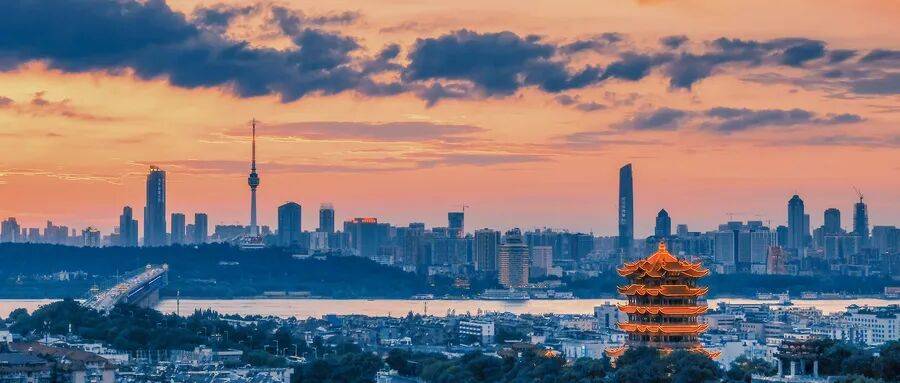
Group 1 - The core viewpoint of the article is that Wuhan is positioning itself as a leading city in the "smart economy" sector by implementing a three-year action plan to significantly boost its artificial intelligence industry and related sectors [2][8] - The "Wuhan Smart Economy Development Action Plan (2026-2028)" aims for an AI industry scale exceeding 200 billion yuan, with a target of over 15,000 P of high-performance computing power and a cumulative data transaction volume of 3 billion yuan [2] - Wuhan plans to cultivate over 1,000 large-scale data enterprises and exceed 1,500 AI-related companies, establishing itself as a super-large-scale AI city [2][8] Group 2 - The concept of "smart economy" is described as a new economic form resulting from the deep integration of artificial intelligence with various industries, representing an advanced stage of digital economy development [3] - Experts liken the digital economy to extracting data "oil," while the smart economy is compared to building "refineries" and "engines" that convert raw data into intelligent decision-making capabilities [4] - Nationally, the "AI+" initiative has become a top-level strategy, with the "14th Five-Year Plan" emphasizing the importance of "smartization" [6] Group 3 - Cities like Beijing, Shanghai, and Shenzhen are leading the smart economy due to their early advantages, making smart economy a new benchmark for regional competitiveness [7] - By 2025, Wuhan's core smart economy industries are projected to reach 1.1 trillion yuan, with the electronic information manufacturing and software industries accounting for over 80% [8] - AI technology is deeply embedded in sectors such as smart connected vehicles, intelligent equipment, and smart healthcare, with a penetration rate exceeding 30% [8] Group 4 - Wuhan has significant infrastructure advantages, including 40 5G base stations per 10,000 people and over 5,000 P of high-performance computing power, along with nearly 3,900 kilometers of open testing roads for smart connected vehicles [8] - The city has established policies to promote AI industry development and aims to create a first-class AI innovation cluster and industrial development hub [8] - The latest action plan emphasizes building three foundational industries: sensors, optical communication, and integrated computing in the electronic information manufacturing sector, along with a software ecosystem and application service providers in the AI field [8][9]

聚焦文化强省建设:借“苏超”经验推动长江文旅升级,筑牢非遗人才根基
Yang Zi Wan Bao Wang· 2026-02-04 15:35
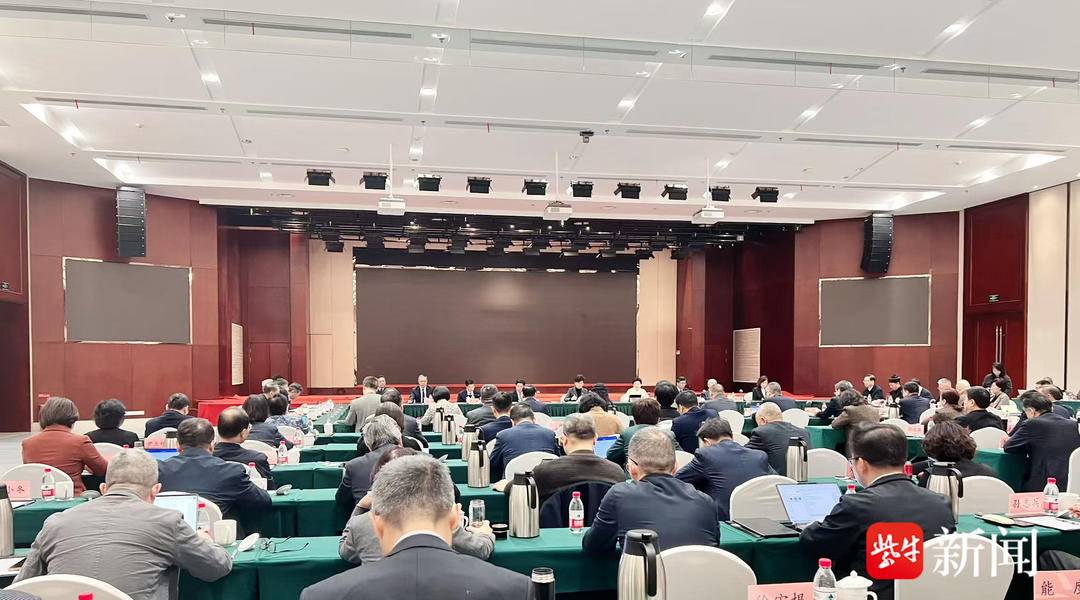
Group 1 - The core discussion at the Jiangsu Provincial Political Consultative Conference focused on building a culturally strong province and leveraging culture to empower economic and social development [1] - The success of "Su Chao" is attributed to the integration of sports, culture, and consumer resources, suggesting a need for a similar approach in Jiangsu's tourism and cultural sectors [3] - A proposal was made to systematically integrate the 433 kilometers of cultural and ecological resources along the Yangtze River in Jiangsu to create premium tourism routes [3] Group 2 - Successful cases of intangible cultural heritage (ICH) activation were shared, highlighting the integration of traditional arts into tourism, such as the transformation of Huai Opera into a tourist attraction [3] - Recommendations were made to modernize traditional operas like Kunqu and Xiju by making them more accessible and appealing to younger audiences, emphasizing the need for innovative and experiential offerings [3] - A call for establishing a cross-disciplinary curriculum in higher education focused on ICH, combining skills in craftsmanship, digital innovation, brand management, and cultural tourism [4] Group 3 - The rise of online literature as a significant cultural form was acknowledged, with suggestions to support original projects that reflect Jiangsu's cultural heritage [4] - Emphasis was placed on the importance of AI technology in new media formats like AI dramas and comics, advocating for policy support in these emerging fields [4]
民革四川省委会建言晨间经济发展:构建全时域旅游产品体系
Zhong Guo Xin Wen Wang· 2026-02-04 14:17
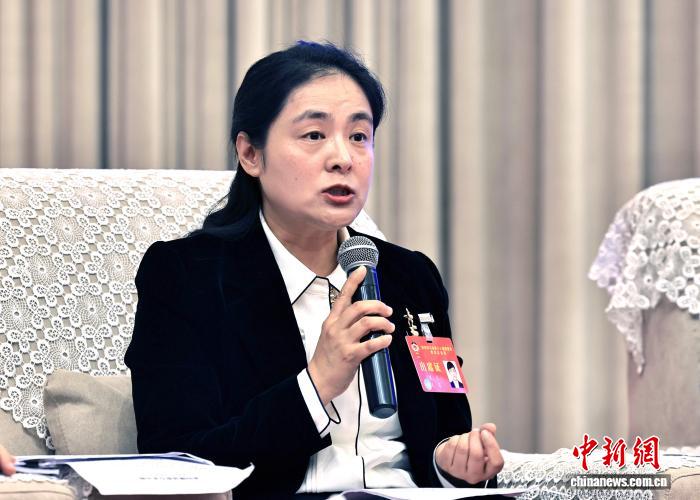
中新网成都2月4日电 (袁牟知博)四川省政协十三届四次会议各民主党派省委会、省工商联和无党派人士 新闻媒体联合采访4日晚在成都举行。四川省政协常委、副秘书长,民革四川省委会专职副主委罗兰介 绍了民革四川省委会对于"唤醒"四川晨间经济的建议。 罗兰介绍,晨间经济主要指5点到9点这一时段开展的一系列消费活动和服务。当前,全国多个城市已瞄 准晨间经济开展了积极探索。四川是人口大省、文旅大省、消费大省,发展晨间经济具有独特优势,但 布局还显不足。 针对上述问题,民革四川省委会建议,谋篇布局打造"蜀韵晨曦"品牌,出台省级层面晨间经济规划文 件,明晰各地发展方向及重点。鼓励成都等中心城市重点打造国际化、时尚化的晨间消费场景,如24小 时"书店+早咖啡"等;乐山、都江堰等旅游城市深挖本地文化,推出"景区晨间专属游览"等;广大县域 和乡村地区,结合独特的自然风光和民族文化,发展观星日出、民俗早市等特色项目。 推动"百业+文旅"深度融合,将日常晨间活动转化为独特旅游体验也尤为重要。民革四川省委会建议开 发"寻味四川"早餐线路,将地道美食与市井生活体验结合,同时联合本地药企推动"生物医药+健康早 餐"跨界融合;开发"夜游锦江"与 ...
聚焦高质量发展|打造新场景 扬州以新春盛会激活消费新动能
Sou Hu Cai Jing· 2026-02-04 12:22
Core Insights - The article highlights the vibrant atmosphere in Yangzhou as it prepares for the upcoming Spring Festival, emphasizing the city's efforts to boost consumer spending through various cultural and commercial activities [1][3]. Group 1: Consumer Activities and Events - Yangzhou is hosting over 150 cultural tourism activities and more than 130 commercial promotions from January 24 to March 29, aiming to attract visitors and enhance local consumption [1]. - The "Come to Yangzhou for the New Year" campaign features over 200 specialty stalls and 160 merchants, offering local products and a total of 237 million yuan in subsidies to citizens and tourists [1]. - The city is promoting a diverse range of activities, including four major cultural exhibitions and 21 performances during the Spring Festival, integrating culture, performance, and commerce [3]. Group 2: Transportation and Accessibility - Yangzhou's transportation network is well-connected, making it accessible for tourists, with high-speed trains from Shanghai taking only two hours [3]. - The city has extended its transportation services to rural areas, enhancing consumption opportunities in these regions [3]. Group 3: Government Policies and Incentives - The "Yue Purchase Yangzhou New Year Products" campaign features nearly 160 merchants offering a variety of goods, supported by government subsidies such as "spend 100 get 40 off" [5][7]. - Various policies are in place to enhance the consumer experience, including free access to national A-level scenic spots for students and special offers for tourists during the Spring Festival [7]. - The government has implemented measures to support the restaurant industry, creating a platform for seamless dining experiences and integrating multiple payment options [7]. Group 4: Service Quality and Visitor Experience - Yangzhou is enhancing its service quality with initiatives like free public transportation for tourists and open access to government canteens, creating a welcoming environment [8][10]. - The city has established 70 volunteer service points to assist tourists, providing guidance and support throughout their visit [10]. - The combination of refreshed experiences, targeted policies, and warm services is driving the consumption market in Yangzhou, making it an attractive destination for visitors [10].
泉州2025年GDP公布!
Xin Lang Cai Jing· 2026-02-04 12:19
Economic Overview - In 2025, the GDP of Quanzhou reached 13778.34 billion yuan, growing by 5.3% year-on-year, with a three-industry structure of 2.0:50.5:47.5 [1][16][17] Agricultural Sector - The total output value of agriculture, forestry, animal husbandry, and fishery was 494.94 billion yuan, an increase of 3.6% from the previous year [2][18] - Agricultural output value rose to 210.48 billion yuan, up 5.5%, with grain production at 52.91 million tons, increasing by 2.5% [2][18] - The fishery sector saw a production value of 178.36 billion yuan, growing by 4.7%, with significant increases in abalone (23.2%) and shrimp (18.8%) production [4][20] Industrial Sector - The industrial added value for large-scale enterprises increased by 7.0%, with key industries showing strong growth, such as paper and printing (13.4%) and machinery (11.0%) [5][21] - Private industrial enterprises saw an added value growth of 7.8%, outpacing the average growth rate [5][21] - High-tech industries also experienced growth, with electronic information increasing by 6.7% and resource recycling by 18.7% [5][21] Tertiary Sector - The added value of the tertiary industry grew by 4.7%, accounting for 47.5% of GDP, a historical high [6][22] - The wholesale and retail sector contributed significantly, with a growth of 6.1%, boosting the tertiary sector's growth by 2.2 percentage points [6][22] - Tourism thrived, with total visitors reaching 112.28 million, an increase of 11.1%, and total tourism spending rising by 11.3% [7][22] Consumer Market - The total retail sales of consumer goods reached 6416.07 billion yuan, growing by 4.1% [8][24] - Online retail sales surged by 17.8%, with significant growth in essential goods and cultural products [8][24] Investment and Construction - Fixed asset investment grew by 1.1%, with a notable increase in government infrastructure investment by 10.2% [9][25] - Private investment also rose by 5.6%, contributing positively to overall investment growth [10][26] Foreign Trade - The total foreign trade volume decreased by 12.9% to 2363.79 billion yuan, with exports down by 16.9% [11][27] - The export of mechanical and electrical products reached 307.09 billion yuan, accounting for 18.6% of total exports [11][27] Fiscal and Financial Overview - The total public budget revenue was 991.60 billion yuan, increasing by 1.7%, with a focus on social welfare spending [13][28] - Financial institutions reported a growth in loans by 6.4%, with significant increases in sectors like leasing and business services [13][28] Income and Prices - The per capita disposable income reached 54858 yuan, growing by 5.1%, with rural income growth outpacing urban [14][29] - Consumer prices rose by 1.0%, with most categories experiencing price increases [15][30]
东莞:今年将实现松山湖欢乐海岸、南城万象城、厚街山姆开业
Sou Hu Cai Jing· 2026-02-04 11:41
Core Insights - Dongguan is focusing on enhancing consumption as a key driver of economic growth, particularly during the "14th Five-Year Plan" period, with initiatives aimed at consumption upgrades and economic development [2][4] Group 1: Consumption Initiatives - Dongguan plans to implement a special action to boost consumption, aiming to leverage trade-in programs to stimulate related consumption worth 23.6 billion yuan, leading to a projected 2.8% growth in retail sales [4] - The city will enhance its internal sales service system and promote local products through various events and platforms, including the establishment of a "Dongguan Quality Products" exhibition center [4] - The initiative includes the development of a "Guanli Economy" to strengthen brand building and international outreach, enhancing the global influence of Dongguan's manufacturing [4] Group 2: New Consumption Models - Dongguan aims to accelerate the cultivation of new consumption formats and models, focusing on digital consumption and integrating AI with retail and service industries [6] - The city plans to introduce over 100 new stores in popular shopping areas and develop pet-friendly environments to tap into the growing pet consumption market [6] - Infrastructure investment will be prioritized to create new highlights in the local economy, supporting various new business models and enhancing consumer experiences [6] Group 3: Consumer Confidence and Safety - The city is optimizing consumption promotion activities, including the addition of 2,500 trusted consumption units to enhance consumer confidence [5] - Efforts are being made to ensure that citizens and visitors feel secure in their purchasing decisions, aligning the growth of internal demand with improved quality of life [5]

2025年历下区GDP为2712亿元,同比增长5.6%
Qi Lu Wan Bao· 2026-02-04 11:31
Economic Performance - The district's GDP reached 271.2 billion yuan, with a year-on-year growth of 5.6% [1] - General public budget revenue was 17.38 billion yuan, with tax revenue of 15.99 billion yuan, reflecting a growth of 1.5% [1] - The tax revenue accounted for 92% of the total budget, indicating strong fiscal health [1] Development Goals - The district aims to establish a new urban development pattern characterized by "three zones coordination, north-south synergy, multi-park blooming, and simultaneous quantity and quality improvement" [2] - The focus will be on creating a headquarters economy cluster, targeting modern finance and high-end commerce for attracting quality headquarters enterprises [2] - The district plans to enhance its financial sector by attracting national and regional financial institutions, aiming to build a comprehensive financial ecosystem [2] Industry Focus - The district is set to develop a smart industry leading area, expanding the AI computing center and promoting the integration of digital and real economies [2] - Cultural and tourism integration will be emphasized, leveraging historical and natural resources to enhance the attractiveness of the tourism sector [3] - High-end consumption areas will be developed, focusing on upgrading commercial districts and expanding quality goods and services [3] Quality of Life - The district aims to improve urban living conditions through city renewal, fine management, and functional enhancements [3] - Initiatives will be taken to support community childcare, education, youth entrepreneurship, and multi-level elderly care services [3]
让全球游客买得爽、玩得深、带得走!打造国际消费中心,上海市政协委员开出“深层菜单”
Sou Hu Cai Jing· 2026-02-04 10:51
Core Viewpoint - Shanghai is experiencing a vibrant consumer atmosphere during the Spring Festival, reflecting its status as an international consumption center, with projected inbound tourists exceeding 6 million and retail sales reaching 1.85 trillion yuan in 2024 [1] Group 1: Consumer Trends and Strategies - The Shanghai government aims to enhance consumption significantly by 2026, focusing on inbound tourism, tax refunds, and cross-border payment facilitation to unlock consumer potential [3] - The integration of cultural, tourism, commerce, and sports events is proposed to create a new consumption ecosystem, addressing the fragmentation in current offerings [3][4] - Recommendations include establishing a leadership group for the integration of cultural and commercial events, promoting immersive experiences rather than just transactional interactions [4] Group 2: Digital Empowerment and Experience Enhancement - Digital tools are essential for enhancing consumer experiences, with suggestions to upgrade the "Shanghai Small Tour" app to include AI guides and multilingual services [5] - The focus is on creating spaces that offer emotional value and cultural immersion, encouraging visitors to engage with Shanghai's unique lifestyle [5] Group 3: Tax Refunds and International Consumer Engagement - The convenience of tax refunds is critical for retaining international consumers, with plans to increase refund points from over 600 to 1,000 by 2025 and to over 3,000 by 2027 [7] - Suggestions include clustering tax refund points near popular tourist areas and introducing mobile refund services to enhance accessibility [7] Group 4: Quality and Service Improvement - The emphasis is on moving away from price competition to focus on quality and service, with a call for a certification system for quality products and services in Shanghai [9] - The need for better integration of digital payment systems for international visitors is highlighted, suggesting partnerships with payment platforms to simplify transactions for newcomers [9][10] Group 5: Revitalizing Traditional Brands - The potential of Shanghai's "old brands" is recognized, with a focus on enhancing their appeal through improved packaging, service, and cultural storytelling [12] - Recommendations include creating immersive experiences that combine culture and technology, such as AI interactions and cultural workshops, to attract younger consumers and tourists [12][13] - Establishing a system for city-themed souvenirs and promoting traditional products as cultural ambassadors for Shanghai is proposed [13]