服务业

Search documents
美国商业活动扩张速度创四个月最快
Hua Er Jie Jian Wen· 2025-11-21 14:46
Core Insights - The preliminary S&P Global Composite PMI for the US in November is 54.8, exceeding expectations of 54.6 and matching the previous value of 54.6 [1] - The preliminary S&P Global Manufacturing PMI for the US in November is 51.9, slightly below expectations of 52 and lower than the previous value of 52.5 [1] - The preliminary S&P Global Services PMI for the US in November is 55, surpassing expectations of 54.6 and slightly above the previous value of 54.8 [1]
英国11月制造业采购经理指数初值报50.2
Xin Lang Cai Jing· 2025-11-21 09:37
Group 1 - The core point of the article indicates that the UK manufacturing Purchasing Managers' Index (PMI) for November is at 50.2, suggesting a stable manufacturing sector [1] - The services sector's business activity index for November is reported at 50.5, indicating slight growth in the services industry [1] - The composite output index, which combines both manufacturing and services, is also at 50.5, reflecting overall stability in the UK economy [1]
全省民营经济呈现良好发展态势
Zheng Zhou Ri Bao· 2025-11-21 00:48
Core Insights - The private economy is identified as a driving force for high-quality development in Henan, with over 11 million private enterprises accounting for approximately 96% of the total, showing resilience and vitality in economic indicators [1][2] Economic Performance - In October, the industrial added value of private enterprises in Henan grew by 7.8%, surpassing the national growth rate of 5.7% [1] - From January to October, the province's private investment increased by 7.3%, outpacing the national average by 11.8 percentage points, and accounting for over 60% of fixed asset investment [1][2] Trade and Innovation - From January to October, the total import and export value of private enterprises reached 508.34 billion yuan, growing by 14.7%, with exports exceeding 350 billion yuan and increasing by 19.8% [2] - The number of high-tech enterprises and technology-based SMEs in the province surpassed 12,000 and 29,000 respectively, with private enterprises making up over 95% [2] Government Initiatives - The province has made progress in optimizing government services, with over 1.3 million business transactions processed through 33 initiatives aimed at efficiency [3] - A total of 99 documents violating market access policies were cleared, and 161 policies that treated enterprises unequally were amended or abolished [3] Future Directions - The government plans to focus on addressing challenges in the private economy by optimizing policies, enhancing mechanisms, and improving services [4] - New policies will target market barriers, promote fair competition, and support innovation and transformation [4]
毕马威:2025年第四季度中国经济观察报告
Sou Hu Cai Jing· 2025-11-21 00:32
Core Economic Performance - In the first three quarters of 2025, China's GDP grew by 5.2% year-on-year, exceeding the previous year's growth by 0.4 percentage points, indicating good progress towards the annual target of around 5% [12][24] - However, the growth rate showed a "front-high and back-low" trend, with the third quarter's growth slowing to 4.8% due to the impact of "anti-involution" policies [12][24] Consumption - Retail sales of consumer goods increased by 4.5% year-on-year in the first three quarters, but the growth rate slowed to 3.5% in the third quarter, primarily due to the diminishing effect of the old-for-new policy and a continuous slowdown in residents' income growth [15][24] - Service consumption remained resilient, with a 5.2% year-on-year increase in the first three quarters, outperforming goods retail growth of 4.6% [15][24] Investment - Fixed asset investment decreased by 0.5% year-on-year in the first three quarters, with a significant drop to -6.2% in the third quarter, driven by weak performance in real estate, infrastructure, and manufacturing investments [16][24] - Real estate investment saw a decline from -12.1% in the second quarter to -19.2% in the third quarter, remaining the largest drag on fixed asset investment growth [16][24] Export - Exports grew by 6.1% year-on-year in the first three quarters, with a slight increase to 6.5% in the third quarter, supported by non-US markets and key products like integrated circuits, electric vehicles, and lithium batteries [17][24] - The easing of US-China trade tensions, including a 10% reduction in average tariffs on Chinese goods, is expected to positively impact foreign trade performance and business expectations in the fourth quarter [25][24] Policy and External Environment - Domestic policies are focused on stabilizing demand, with fiscal measures including the issuance of 500 billion yuan in policy financial tools and an additional 500 billion yuan in local government debt quotas to support project construction and debt repayment [12][24] - Monetary policy has resumed bond purchase operations, emphasizing the use of structural tools to support the economy [20][24] Outlook for Q4 - Economic recovery is anticipated in the fourth quarter, supported by coordinated policy efforts and resilient export performance, making it likely to achieve the annual growth target of around 5% [4][25] - However, potential pressures from high base effects, insufficient internal consumption momentum, and high real estate inventory levels should be monitored [5][24]

刘泉红:锚定强国建设推进产业体系现代化
Jing Ji Ri Bao· 2025-11-21 00:04
Core Viewpoint - The modernization of the industrial system is the material and technical foundation for China's modernization, emphasizing the importance of a robust real economy and a modernized industrial system as key to building a socialist modernized strong country [1][2][3]. Group 1: Importance of Modern Industrial System - The establishment and development of any social economic system are supported by a corresponding material foundation, with a modern industrial system being crucial for modernization [2]. - Successful modernization in various countries has been linked to the process of industrial system modernization, which provides a strong material basis for economic development [2]. - The lack of a modern industrial system in some developing countries has led to insufficient and unsustainable modernization [2]. Group 2: Strategic Tasks and Goals - The "14th Five-Year Plan" prioritizes the construction of a modern industrial system and the consolidation of the real economy as the first strategic task [1]. - The construction of a modern industrial system is a long-term and complex systemic project that requires a focus on the real economy and the continuous upgrading of traditional industries alongside the cultivation of emerging industries [4][12]. Group 3: Key Directions for Development - The modernization of the industrial system should focus on three main directions: intelligent, green, and integrated development [5][7][8]. - Intelligent development involves deep transformation across the entire production chain, utilizing data and AI technologies to create a smart industrial ecosystem [6]. - Green transformation aims to integrate low-carbon and circular economy principles throughout the industrial process, emphasizing the importance of green technology innovation [7]. Group 4: Enhancing Traditional Industries - Traditional industries play a crucial role in maintaining a reasonable proportion of manufacturing and ensuring the integrity of the industrial system [12]. - The optimization and upgrading of traditional industries are essential to avoid the structural dilemmas faced by developed countries due to deindustrialization [12]. - New technologies, particularly digital and green technologies, are reshaping traditional production models and development paths [12]. Group 5: Fostering New and Future Industries - The intersection of the new technological revolution and industrial transformation presents significant opportunities for building a modern industrial system [13]. - China has made notable advancements in sectors like renewable energy, establishing competitive supply chains and leading in technology innovation [13]. - Future industries driven by cutting-edge technologies require a robust mechanism for disruptive innovation and risk-sharing [13]. Group 6: Service Industry Development - The service industry is a vital component of the modern industrial system, with its share of GDP expected to increase as industrialization progresses [14]. - Enhancing the quality and efficiency of the service industry can drive industrial transformation and meet the evolving needs of society [14]. - There is significant potential for growth in China's service sector, particularly in high-end and quality service offerings [14]. Group 7: Infrastructure Development - A modernized infrastructure system is essential for the efficient operation of the industrial system, influencing resource allocation and economic efficiency [15][16]. - China has made substantial progress in infrastructure development, including extensive transportation networks and digital infrastructure [16]. - Addressing existing imbalances and enhancing the adaptability of infrastructure is crucial for supporting the modernization of the industrial system [16].
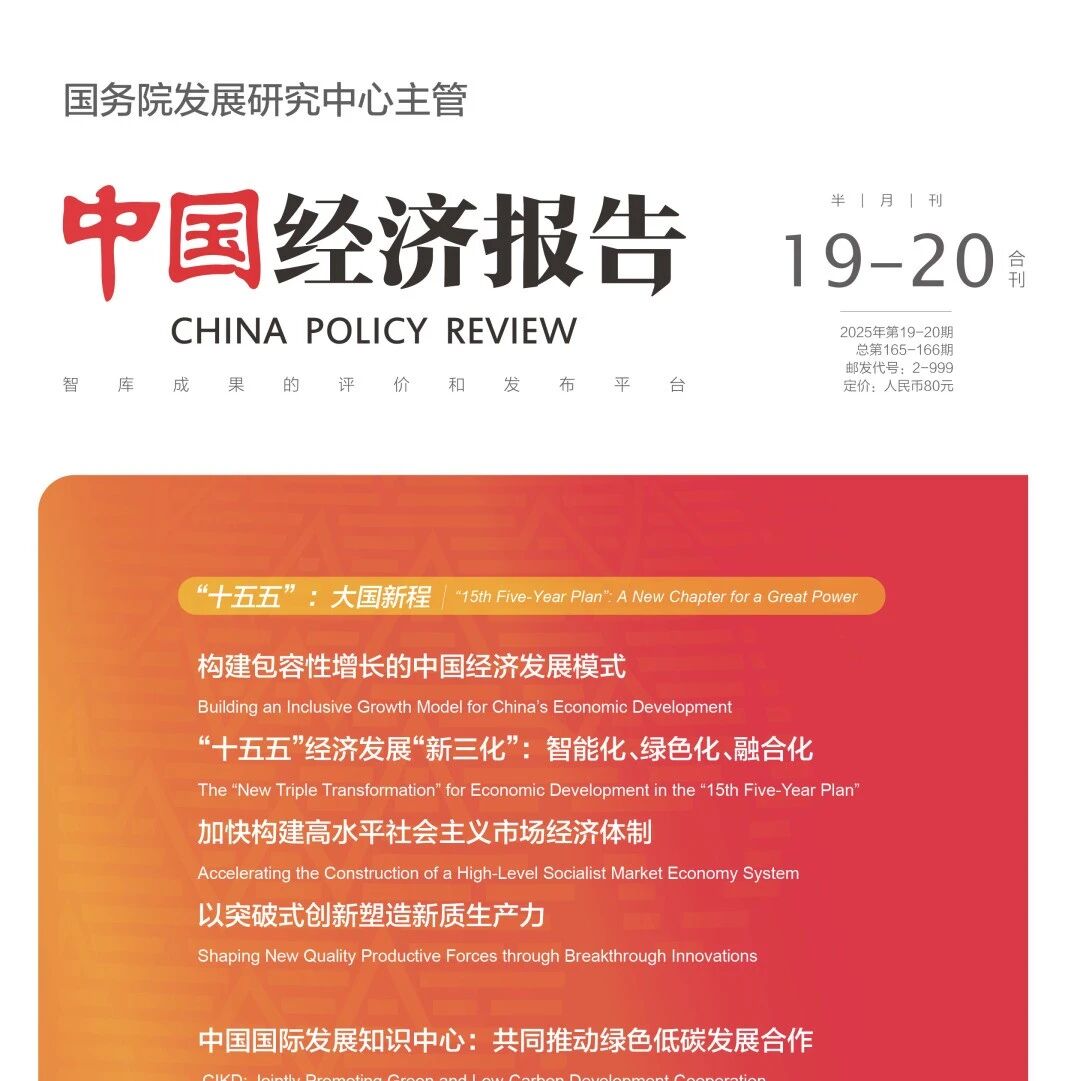
2025年10月经济数据点评:\三驾马车\承压,主要经济指标走弱
Hua Yuan Zheng Quan· 2025-11-20 14:11
1. Report Industry Investment Rating No industry investment rating is provided in the report. 2. Core View of the Report The "troika" of consumption, investment, and net - exports supporting GDP is under increasing pressure in October, and short - term economic growth may face certain challenges. However, considering the good economic performance in the first three quarters of this year, it is not difficult to achieve the 5% economic growth target for the year 2025. In the next six months, policy rate cuts and the implementation of incremental tools may be the key support measures. Future supportive policies may be more inclined to stimulate consumption. The current bond market has prominent allocation value, and bond yields may fluctuate downward [2]. 3. Summary by Relevant Catalogs 3.1 Consumption - In October, the growth rate of consumption continued to decline. The total retail sales of consumer goods in October was 4.6 trillion yuan, a year - on - year increase of 2.9%, 0.1 percentage points lower than the previous month, and the growth rate has declined for five consecutive months. From January to October, the total retail sales of consumer goods increased by 4.3% year - on - year, 0.2 percentage points lower than the previous period [2]. - Service consumption showed continuous strength. In October, catering revenue increased by 3.8% year - on - year, 2.9 percentage points higher than September. Policies such as "Several Policy Measures to Expand Service Consumption" and the "15th Five - Year Plan Proposal" emphasized the expansion of service consumption [2]. - The year - on - year growth rate of most retail sales of categories related to national subsidies continued to slow down. In October, the year - on - year growth rate of retail sales of household appliances and audio - visual equipment above the designated size dropped significantly by 17.9 percentage points to - 14.6% [2]. 3.2 Investment - Fixed - asset investment has been weak for seven consecutive months, with negative year - on - year growth for two consecutive months and accelerating decline. From January to October, fixed - asset investment decreased by 1.7% year - on - year. Infrastructure investment, manufacturing investment, and real estate development investment reached their lowest values since 2022, with year - on - year decreases of - 0.1%, + 2.7%, and - 14.7% respectively [2]. - The decline in real estate development investment has been expanding for eight consecutive months, reaching the second - lowest value since 1995, indicating that the traditional "real estate + infrastructure" driven model is unsustainable [2]. 3.3 Foreign Trade - In the first 10 months of 2025, China's total goods trade imports and exports were 37.3 trillion yuan, a year - on - year increase of 3.6%. In October, the total value of goods trade imports and exports was 3.7 trillion yuan, a year - on - year increase of 0.1%. Exports were 2.17 trillion yuan, a year - on - year decrease of 0.8%, and imports were 1.53 trillion yuan, a year - on - year increase of 1.4% [3]. - In October, the year - on - year exports of major industries (in US dollars) declined significantly compared with the previous month. Exports to the EU decreased significantly, with a year - on - year increase of 0.9% in October, a significant drop of 13.3 percentage points from the previous month [3]. 3.4 Industrial and Service Sectors - From January to October, the added value of industrial enterprises above the designated size increased by 6.1% year - on - year. In October, it increased by 4.9% year - on - year. High - tech manufacturing and equipment manufacturing maintained high growth rates, with year - on - year increases of 7.2% and 8.0% respectively in October [3]. - In October, the service production index increased by 4.6% year - on - year, 1.0 percentage points lower than the previous month [3]. 3.5 Economic Outlook and Bond Market - Economic downward pressure may increase. The "troika" supporting the economy is under pressure, and the conditions for further policy rate cuts may have been initially met [3]. - The current bond market has prominent allocation value, and bond yields may fluctuate downward. The report is bullish on the bond market in November, predicting that the yield of the 10 - year Treasury bond will return to around 1.65% within the year [3].
德国央行预计第四季度德国经济有望增长
Sou Hu Cai Jing· 2025-11-20 12:15
Core Viewpoint - The German economy is expected to return to growth in the last quarter of this year as the turmoil caused by U.S. tariffs gradually subsides [1] Group 1: Economic Growth - The German central bank indicates that economic activity may see "slight growth" in overall output [1] - A surge in exports is anticipated at the beginning of 2025, which will later become a drag on growth in subsequent months [1] - The report suggests that the service sector will support economic activity, although not necessarily from consumption-related areas [1] Group 2: Sector Performance - Exports and industrial sectors are expected to stabilize in the fourth quarter [1]
BOSS直聘:招聘需求回暖,制造业、服务业等行业表现良好
Hua Xia Shi Bao· 2025-11-19 02:16
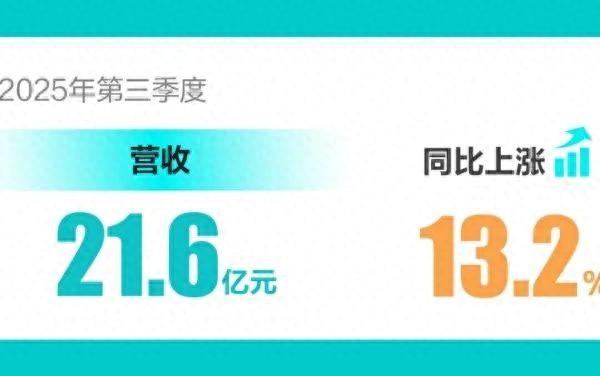
Core Insights - BOSS Zhipin reported steady growth in revenue, profit, and user base in Q3 2025, driven by a recovering recruitment market and increased penetration in blue-collar and lower-tier cities [2][3][12] - The company emphasized the importance of operational efficiency and technological investment, which have begun to yield positive results [2][11] Financial Performance - In Q3 2025, BOSS Zhipin achieved revenue of 2.16 billion yuan, a year-on-year increase of 13.2% [2] - The number of paid enterprise clients reached 6.8 million, reflecting a 13.3% year-on-year growth [2] - Net profit for Q3 2025 rose to 775 million yuan, supported by a reduction in sales and marketing expenses by 24.6% [12] Market Trends - Recruitment demand has shown a steady increase, with the number of new job postings rising by 25% year-on-year in Q3 [2][3] - Blue-collar income growth continues to lead, with manufacturing showing the highest growth rate among sectors [3] AI Integration - The company has accelerated the integration of AI technologies in recruitment processes, enhancing efficiency in matching and communication [9][10] - AI tools, such as the job-seeking assistant and interview simulation tools, have seen increased usage, contributing to higher engagement rates among users [9] User Engagement - The average monthly active user count reached 63.8 million, a 10% year-on-year increase [12] - The platform's user base in the blue-collar segment has grown significantly, with a notable "snowball effect" enhancing its competitive edge [6] Safety and Governance - BOSS Zhipin has strengthened its safety governance framework, implementing an "AI + human" dual governance system to address risks such as recruitment fraud and harassment [13] - The company has actively collaborated with law enforcement, assisting in the resolution of 58 cases and the arrest of 607 suspects this year [13]
前10个月云南新能源电池产业增加值同比增长76.7%
Zhong Guo Xin Wen Wang· 2025-11-18 12:33
Group 1: Economic Performance - In the first ten months of 2023, Yunnan's new energy battery industry saw a significant increase in value added, growing by 76.7% year-on-year [1] - The overall industrial value added in Yunnan increased by 3.6% year-on-year, with mining, manufacturing, and electricity sectors growing by 8.4%, 3.9%, and 1.6% respectively [1] - The total retail sales of consumer goods in Yunnan reached 1,059.77 billion yuan, marking a 3.5% year-on-year growth [1] Group 2: Investment Trends - Fixed asset investment in Yunnan decreased by 0.5% year-on-year, with the primary industry increasing by 5.6%, while the secondary and tertiary industries saw declines of 0.5% and 1.3% respectively [1] - The province is focusing on project planning, reserve, and attracting investment to stabilize real estate development and stimulate private investment [1] Group 3: Consumer Prices and Services - From January to October, the consumer price index (CPI) in Yunnan showed a year-on-year decrease of 0.1%, while in October, it remained flat year-on-year and increased by 0.1% month-on-month [2] - The service sector in Yunnan achieved an operating income of 284.41 billion yuan from January to September, reflecting a 6.6% year-on-year growth [2] Group 4: Policy and Future Outlook - Yunnan's economic operation is generally stable, with ongoing efforts in transformation and upgrading, although there are concerns about weak effective demand and the need for structural adjustments [2] - The province aims to expand effective demand comprehensively and stabilize employment, enterprises, markets, and expectations through proactive macro policies [2]
向改革要增长:“十五五”三大主线与超常规科技攻关
申万宏源证券上海北京西路营业部· 2025-11-18 02:40
Core Viewpoint - The "15th Five-Year Plan" is a critical period for China's modernization, focusing on restructuring economic growth logic, shifting from optimizing traditional industries to "extraordinary" technological breakthroughs, and emphasizing quality over quantity in strategic priorities [5][6]. Group 1: Economic Growth Logic - The plan reflects a shift in industrial policy from enhancing traditional industries to prioritizing technological advancements, aiming to achieve the long-term goal of modernization by 2035 [6][10]. - The economic growth baseline is set to achieve a nominal GDP growth rate of around 4% annually from 2025 to 2035 to double the economic output compared to 2020 [9][10]. Group 2: Industrial Strategy - The strategy emphasizes the transformation of traditional industries as a priority, with a focus on upgrading sectors like mining, metallurgy, and chemicals to enhance global competitiveness [10][11]. - Four strategic emerging industries (new energy, new materials, aerospace, low-altitude economy) and six future industries (quantum technology, biomanufacturing, hydrogen and nuclear fusion energy, brain-computer interfaces, embodied intelligence, sixth-generation mobile communication) are outlined for development [10][11]. Group 3: Reform and Governance - The plan highlights fiscal and financial reforms as key measures to enhance macroeconomic governance, aiming to unlock growth potential through systemic reforms [12][13]. - Over 300 reform tasks are set to be completed by 2029, focusing on market-oriented reforms, nurturing new productive forces, and improving social welfare systems [13][14]. Group 4: Service Sector Development - The service sector is identified as having significant growth potential, with a consumption gap of nearly 3 trillion yuan compared to developed countries [12]. - Systematic solutions are proposed to stimulate consumption and investment, including increasing public service spending and enhancing the supply of quality consumer goods [12][13].