新能源

Search documents
张雷获国际能源界顶级殊荣:为文明新繁荣,打造永续、智能、普惠的未来能源底座
Sou Hu Cai Jing· 2026-02-14 07:27
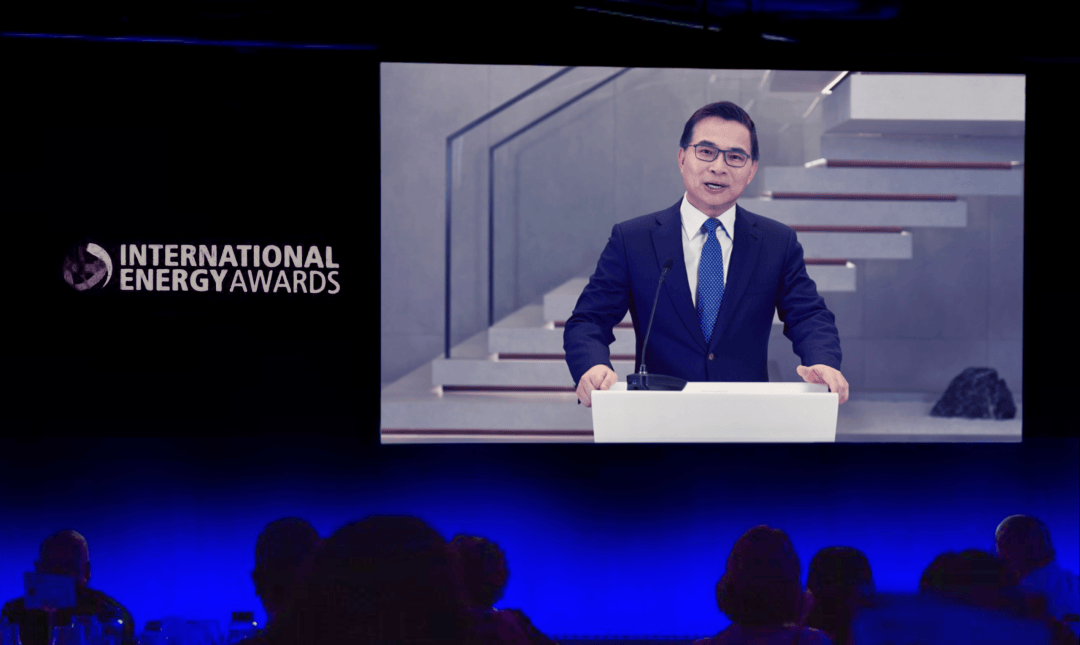
Core Viewpoint - The Chairman's Award, established in 2022 by the Energy Institute, is the highest honor awarded to individuals who have significantly impacted the global energy landscape, with John Kerry receiving the award in 2025 for his contributions to the Paris Agreement [2] Group 1: Award and Recognition - The award is presented annually to a single recipient, highlighting its prestigious nature in the global energy sector [2] - Andy Brown, the chairman of the Energy Institute, praised Zhang Lei for his visionary leadership and contributions to global energy transition through the development of AI power systems [2] Group 2: Zhang Lei's Vision - Zhang Lei emphasized the critical moment in civilization's development, where AI is pushing humanity into a new era of energy demand, predicting a tenfold increase in global electricity demand over the next 50 years [5] - He articulated the need for a renewable energy system that is sustainable, intelligent, and inclusive, noting that China's innovations have reduced the costs of wind and solar energy by 90%, making renewable energy the most competitive and accessible option [5][4] Group 3: Historical Context and Misinterpretations - Zhang Lei drew parallels between historical misconceptions of Chinese paper technology in the 13th century and current misunderstandings of China's renewable energy, arguing that what is perceived as "overabundance" should be recognized as "plentiful and rich" [6][7] - He asserted that the progress of civilization relies on abundant and inclusive resources, positioning Chinese renewable energy technology as a "civilization-level output" that is essential for building a new energy foundation for humanity [7] Group 4: Future Implications - The anticipated tenfold increase in electricity demand is viewed as an opportunity for the evolution of computational power rather than a burden, with abundant intelligent energy being crucial for the flourishing of AI [8] - The transition from competing for scarce resources to collaboratively developing unlimited natural energy is seen as a pathway to a new civilization, marking the end of the fossil fuel era and the rise of a sustainable, intelligent, and inclusive energy system [9]

云南能投发布2025年业绩预告,净利润预计大幅下滑
Jing Ji Guan Cha Wang· 2026-02-14 07:21
Performance Overview - The company released its 2025 annual performance forecast on January 24, 2026, expecting a net profit attributable to shareholders of between 230 million to 270 million yuan, representing a year-on-year decline of 60% to 65.93%. This decline is primarily due to reduced power generation in the renewable energy sector caused by a "small wind year" and falling electricity prices, as well as a decrease in industrial salt prices affecting the salt business [1]. Project Development - On January 29, 2026, the company obtained development rights for a 30MW photovoltaic power generation project in Malong District, as well as for the fifth phase (54MW) of the Yongning Wind Farm and the third phase (28.8MW) of the Yongsan Wind Farm, totaling an installed capacity of 112.8MW. The photovoltaic project has a construction period of 6 months, while the wind farm projects have a construction period of 12 months, aimed at expanding the renewable energy installed capacity [2]. Corporate Governance - On February 5, 2026, the company revised its investor relations management system to further standardize information disclosure and performance briefing processes, enhancing communication with investors [3]. Subsidiary Development - On January 6, 2026, the company's board of directors approved an 80 million yuan capital increase for its wholly-owned subsidiary, Fuyuan Yuneng New Energy Co., Ltd., to support the Nanchong Wind Farm project. The capital increase will be conducted in phases based on project progress [4]. Stock Performance - As of February 2, 2026, the company's stock price was 11.51 yuan per share, reflecting a decrease of 2.04% on that day, with a net outflow of 7.5081 million yuan in principal funds. Recent stock price fluctuations indicate market attention [5].

冲刺3000亿!常州高新区发布“432”目标,开启“十五五”全面进位战
Yang Zi Wan Bao Wang· 2026-02-14 07:16
Core Insights - Changzhou is positioning itself as an "international intelligent manufacturing city" and an "innovation highland in the Yangtze River Delta" through high-level industrial system promotion conferences [1] - The Changzhou High-tech Zone emphasizes the integration of production and innovation, aiming to become a new highland for industry and a model for open vitality [1] Group 1: Industrial Strength - The industrial foundation of Changzhou High-tech Zone is supported by a robust cluster of 3,828 enterprises, including 1,638 industrial enterprises, which have established a strong presence [1] - 138 enterprises are among the top 450 taxpayers in the city, accounting for over 30%, while 107 are in the top 300 industrial taxpayers, representing over 35% [1] - There are 35 industrial enterprises with tax contributions exceeding 100 million, highlighting the zone's "high-tech strength" and responsibility [1] Group 2: Resilient Enterprises - Starry Car Lights, originating from Changzhou High-tech Zone, has grown to become the largest car light manufacturer in China and the seventh globally, with an average annual growth rate of 20% post-IPO [2] - The company has consistently reinvested in expansion within the high-tech zone, demonstrating a commitment to local development [2] Group 3: Foreign Investment - Foreign enterprises like Mettler-Toledo have significantly increased their sales from 8.7 million to over 3 billion, marking a successful 38-year presence in Changzhou [3] - Mettler-Toledo's factory was recognized as a "global lighthouse factory," emphasizing its commitment to localized R&D and growth alongside the city [3] - Amphenol has expanded from one factory to nine over 30 years, contributing nearly 700 million in 2025, showcasing the thriving foreign investment ecosystem [3] Group 4: Entrepreneurial Spirit - The growth of enterprises in Changzhou High-tech Zone is attributed to the resilience and proactive nature of local entrepreneurs, who are not waiting for opportunities but actively creating them [4] - Companies like Zhongjian Technology and Trina Solar have demonstrated significant advancements and adaptability, with Trina Solar recently setting a world record for the 38th time [4] Group 5: Future Goals - Changzhou High-tech Zone aims to achieve ambitious "432" targets by increasing its contribution to major economic indicators from over 20% to over 25%, quality indicators from over 30% to over 33%, and external indicators from over 40% to over 50% [5] - The goal for the next five years includes reaching a regional GDP of 300 billion and an industrial output value of 500 billion [5] Group 6: Strategic Pathways - The development strategy focuses on "integration" and "characteristics," emphasizing the strengthening of project, enterprise, and ecological chains [6] - The zone aims to cultivate a "three-special economy," promoting the integration of new energy, artificial intelligence, and synthetic biology industries [6] - Changzhou High-tech Zone encourages innovation in new business models and operational scenarios, aiming for sustainable growth and mutual development with the local economy [6]
泰山石油受地缘政治及新能源合作影响股价震荡
Jing Ji Guan Cha Wang· 2026-02-14 07:14
Group 1 - The core viewpoint of the articles highlights that Taishan Petroleum (000554) is gaining market attention due to geopolitical factors and advancements in renewable energy cooperation, particularly in hydrogen energy and charging stations [1] - The company is actively promoting the implementation of renewable energy projects, including partnerships for building oil-hydrogen hybrid stations and establishing its first BIPV solar power station in Shandong [1] - Despite a recent stock price adjustment, the related concepts remain a short-term focus for investors [1] Group 2 - Over the past week, Taishan Petroleum's stock has shown volatility, with a price fluctuation of -4.00% from February 9 to 13, and a daily increase of 0.99% on February 11, followed by a decrease of 1.25% on February 13 [2] - The stock has experienced a high turnover rate, averaging over 8% daily, indicating active trading [2] - In the last five days, there was a net outflow of 39.72 million yuan from major investors, although a slight net inflow of 296,500 yuan was observed on February 13, suggesting intensified short-term capital competition [2] Group 3 - Taishan Petroleum's financial performance in 2025 has been impressive, with net profit increasing for five consecutive years and growing more than tenfold compared to five years ago, driven by improved industry demand and operational efficiency [3] - For the first three quarters of 2025, the company's net profit attributable to shareholders increased by 112.32% year-on-year, with revenue reaching 2.395 billion yuan, reflecting sustained profitability [3]

中国持续抛售美债后,美财长喊话要管中国经济,背后藏三重阴谋
Sou Hu Cai Jing· 2026-02-14 07:09
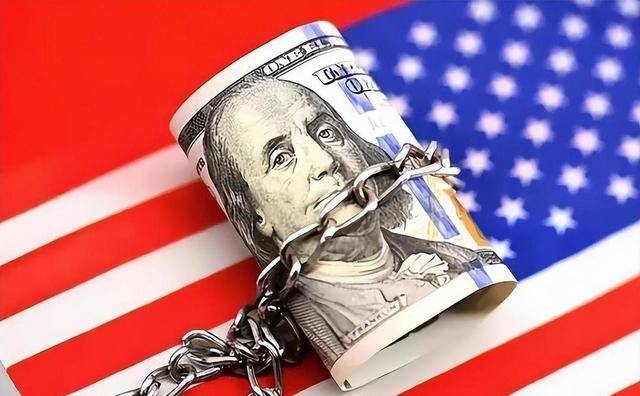
Group 1 - China is steadily selling US Treasury bonds and increasing its gold reserves to strengthen its economic security [1][5][11] - The US Treasury Secretary's comments on China's economy are seen as an attempt to pressure China into adjusting its economic structure and addressing the trade surplus with the US [3][17][21] - China's actions of selling US debt and accumulating gold are viewed as rational risk management rather than confrontation with the US [9][13][15] Group 2 - The US has been increasing its debt and printing money, leading to a decline in the credibility of the dollar, which poses risks for countries holding US debt [7][9] - China's gold reserves reached 74.19 million ounces by January 2026, with a monthly increase of 40,000 ounces, as gold is considered a stable asset amid global economic fluctuations [11][13] - The US perceives China's actions as a threat, as the selling of US debt reduces its attractiveness and puts pressure on the US financial system [15][17] Group 3 - The US Treasury Secretary's remarks are interpreted as an attempt to shift domestic blame for economic issues onto China, amidst rising unemployment and inflation in the US [35][38] - The narrative of "China's trade surplus" is used to justify potential tariffs and export controls against China, aiming to protect US economic interests [40][42] - The US is concerned about China's advancements in high-tech industries and is attempting to disrupt China's "14th Five-Year Plan" to prevent it from moving up the value chain [44][46][49] Group 4 - The US's double standards in trade practices are highlighted, as it criticizes China for subsidies while employing similar tactics domestically [27][29] - The article argues that the trade surplus between China and the US is a result of global supply chain dynamics and not an unfair advantage [51] - China is committed to advancing its economic development and industry upgrades while maintaining its sovereignty against US pressures [53]
滨海能源2025年业绩预亏,负极材料产能扩张与资产注入受关注
Jing Ji Guan Cha Wang· 2026-02-14 05:58
Core Viewpoint - Binhai Energy is facing significant challenges in its operations, with projected net losses for 2025 due to various factors including small production capacity and rising costs [2] Group 1: Performance and Financial Situation - The company expects a net loss of between 69 million to 98 million yuan for 2025, primarily due to small production capacity for negative electrode materials, increased raw material costs, and high financial expenses [2] - The company has revised its earnings per share data but maintained its net profit forecast, with the formal annual report for 2025 being a key focus [2] Group 2: Subsidiary Development - In January 2026, the controlling shareholder, Xuyang Holdings, completed a capital increase of 680 million yuan for its wholly-owned subsidiary, Xiangfu New Energy, to support negative electrode projects and green electricity construction, reducing its ownership stake to 63.3% [3] - This capital operation may improve the financial structure, and the effects of subsequent integration will need to be monitored [3] Group 3: Capacity Expansion - The company plans to establish an integrated production capacity of 140,000 tons for negative electrodes by 2026, currently advancing the Ulanqab integrated project and supporting green electricity construction [4] - Silicon-carbon negative electrode materials have entered the customer sample stage, while hard carbon negative electrode research and development is ongoing, with attention needed on technological iterations and production progress [4] Group 4: Industry Chain Status - The company indicated that, subject to policy approval, it may promote the injection of assets from the controlling shareholder, Xingtai Xuyang New Energy, to enhance industry chain synergy, although this plan is still in the preliminary stage [5] Group 5: Financial and Technical Aspects - At the beginning of January 2026, there was a net outflow of main funds that narrowed, with a high turnover rate reflecting market divergence [6] - The ongoing interest in solid-state battery concepts may continue to influence short-term funding behavior [6]

深夜突发!资本大佬被刑拘,东旭系彻底爆雷
Xin Lang Cai Jing· 2026-02-14 05:57
Core Viewpoint - The sudden detention of Li Zhaoting, the actual controller of Jialinjie, has caused significant turmoil in the capital market, marking a critical moment in the ongoing issues surrounding the "Dongxu System" and its financial scandals [3][11]. Group 1: Company Overview - Jialinjie (002486.SZ) is currently the only remaining A-share listed company under the "Dongxu System," which has seen the collapse of its other major entities, Dongxu Optoelectronics and Dongxu Lantian [3][10]. - The company specializes in the production and sales of high-end fabric and garments, reporting a revenue of 918 million yuan and a net profit of approximately 51.99 million yuan for the first three quarters of 2025 [5][18]. Group 2: Li Zhaoting's Background and Legal Issues - Li Zhaoting, born in July 1965, was once a prominent figure in the photovoltaic industry and the creator of the "Dongxu System," which peaked with a wealth of 23.5 billion yuan in 2019 [3][16]. - This is not the first time Li has faced regulatory scrutiny; he was previously investigated for information disclosure violations and fined 589 million yuan by the Hebei Securities Regulatory Bureau, resulting in a lifetime ban from the securities market [5][18]. Group 3: The "Dongxu System" Collapse - The "Dongxu System," once a benchmark for private enterprises in Hebei, has faced a significant decline due to high debts and ongoing scandals, with its empire crumbling from a peak of success [6][19]. - Dongxu Optoelectronics, a core platform of the "Dongxu System," was heavily impacted by financial fraud, inflating revenues by 16.76 billion yuan and profits by 5.63 billion yuan from 2015 to 2019 [8][21]. - Dongxu Lantian, initially part of the "Dongxu System," has since distanced itself due to ongoing losses and has become a marginal enterprise [9][22]. Group 4: Market Response and Company Actions - Following Li Zhaoting's detention, Jialinjie quickly issued a statement to distance itself from Li and the "Dongxu System," asserting that he does not hold any position in the company and that operations remain normal [5][18]. - The company emphasized that it has not been asked to assist in any investigations and that control of the company has not changed [5][18].



亚通股份子公司减资与新能源项目推进
Jing Ji Guan Cha Wang· 2026-02-14 05:47
Company Status - The company will hold an extraordinary shareholders' meeting on February 13, 2026, to review a proposal for a proportional capital reduction by its wholly-owned subsidiary, Shanghai Yatong Real Estate Development Co., Ltd., affecting its controlling subsidiary, Shanghai Changhong Xingtong Real Estate Development Co., Ltd., with a total capital reduction amount of 600 million yuan [2] Project Progress - The company is steadily advancing the Shanghai Yadao Chongming New Village Wind Power Project, aiming to achieve grid-connected power generation within 2026, which is part of the company's transition to green energy [3]

电投绿能战略转型与2025年业绩预告发布
Jing Ji Guan Cha Wang· 2026-02-14 05:31
Strategic Development - The company officially changed its name to "Guodian Investment Green Energy Co., Ltd." on February 4, 2026, to highlight its focus on the dual tracks of renewable energy and green hydrogen-based energy [1] Performance and Operating Conditions - The company's estimated net profit attributable to shareholders for 2025 is projected to be between 440 million to 540 million yuan, representing a year-on-year decline of 50.88% to 59.97%, primarily due to increased curtailment rates in the renewable energy sector, declining electricity prices, and reduced auxiliary service revenues from thermal power [2] - However, the acceleration of renewable energy subsidy payments has been noted, with 1.271 billion yuan received by August 31, 2025, marking a year-on-year increase of 154.2%, which is expected to improve cash flow for the year [2] Project Progress - The Daan Wind-Solar Green Hydrogen Synthesis Ammonia Integration Project commenced production in July 2025 and has signed cooperation agreements with companies such as Korea Electric Power Corporation and Electricité de France [3] - The EPC contract for the Lishu Green Methanol Project was signed in January 2026, with an expected production start in 2028, indicating strong medium to long-term revenue certainty [3] Industry Policies and Environment - In 2026, the coal-fired power capacity price in Jilin is set to increase to 330 yuan/kW/year (up from 100 yuan/kW/year for 2024-2025), which is expected to stabilize the profitability of thermal power [4] - Additionally, the trial operation of the electricity spot market and other policies may still impact short-term performance [4] Recent Stock Performance - As of February 11, 2026, the stock price was reported at 6.56 yuan per share, with a daily decline of 2.09% and a net outflow of 84.5922 million yuan in principal funds; the stock has experienced significant volatility since the beginning of 2026, necessitating attention to fund flows and market sentiment [5]

山西华阳集团华钠芯能以实干担当争创良好开局
Xin Hua Cai Jing· 2026-02-14 04:56
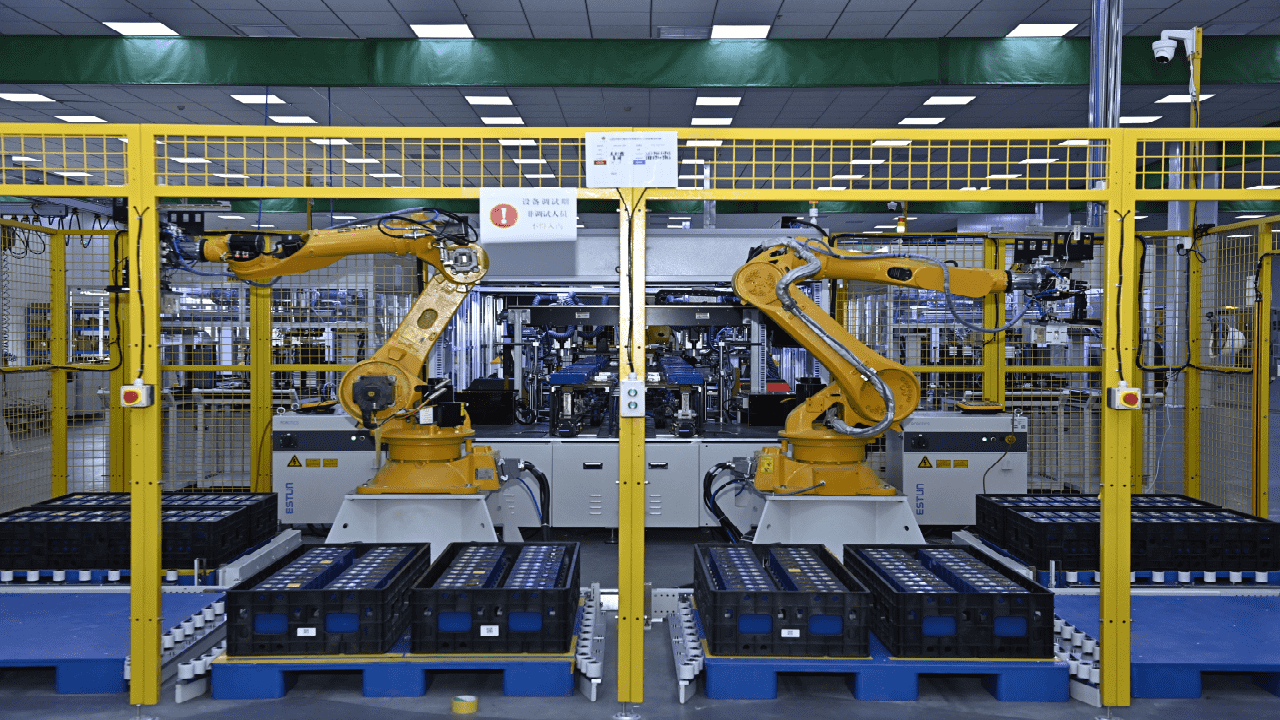
Core Viewpoint - The article highlights the rapid production and development of sodium-ion batteries by Huayang Group's subsidiary, Huana Xinneng, showcasing its innovative approach and successful transition into the new energy sector [1][3]. Group 1: Production and Demand - As of early 2026, Huana Xinneng has fully booked its orders, indicating strong demand for its sodium-ion batteries [3]. - The production facility utilizes automated robots to efficiently manufacture sodium-ion battery cells, which are set to be deployed across various applications, including emergency power sources and energy storage for buildings [1][3]. Group 2: Strategic Development - Huayang Group is implementing a "dual-wheel drive" development strategy, focusing on both traditional coal industries and new energy sectors, aiming for a unique transformation path [3][4]. - The establishment of the Huayang Group Industrial Technology Research Institute in January 2023 plays a crucial role in supporting the company's energy transition strategy [3][4]. Group 3: Research and Innovation - The research institute has developed a comprehensive research and industrial system, including three autonomous research branches and 29 related enterprises, focusing on sodium-ion batteries and other advanced materials [4]. - Huana Xinneng has successfully passed the first batch of national evaluations for sodium-ion battery products, gaining industry recognition for quality and performance [4]. Group 4: Application and Impact - The sodium-ion battery products are widely used in various fields, including electric bicycles, solar street lights, and large-scale energy storage systems, establishing a complete industrial chain from material development to application [4]. - A sodium-ion battery emergency power system has been successfully implemented in the Kaiyuan coal mine, providing a reliable and pollution-free power source, enhancing safety for miners [5].